automatic welding machine price
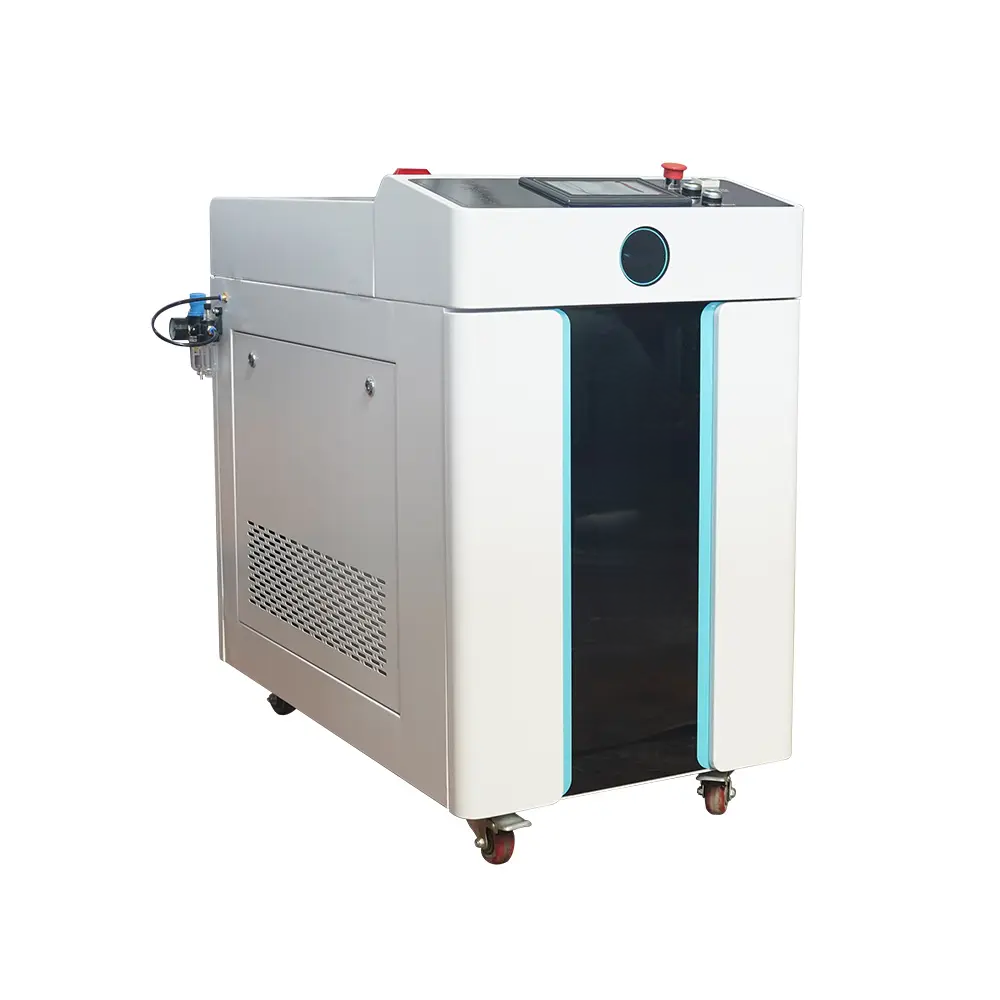
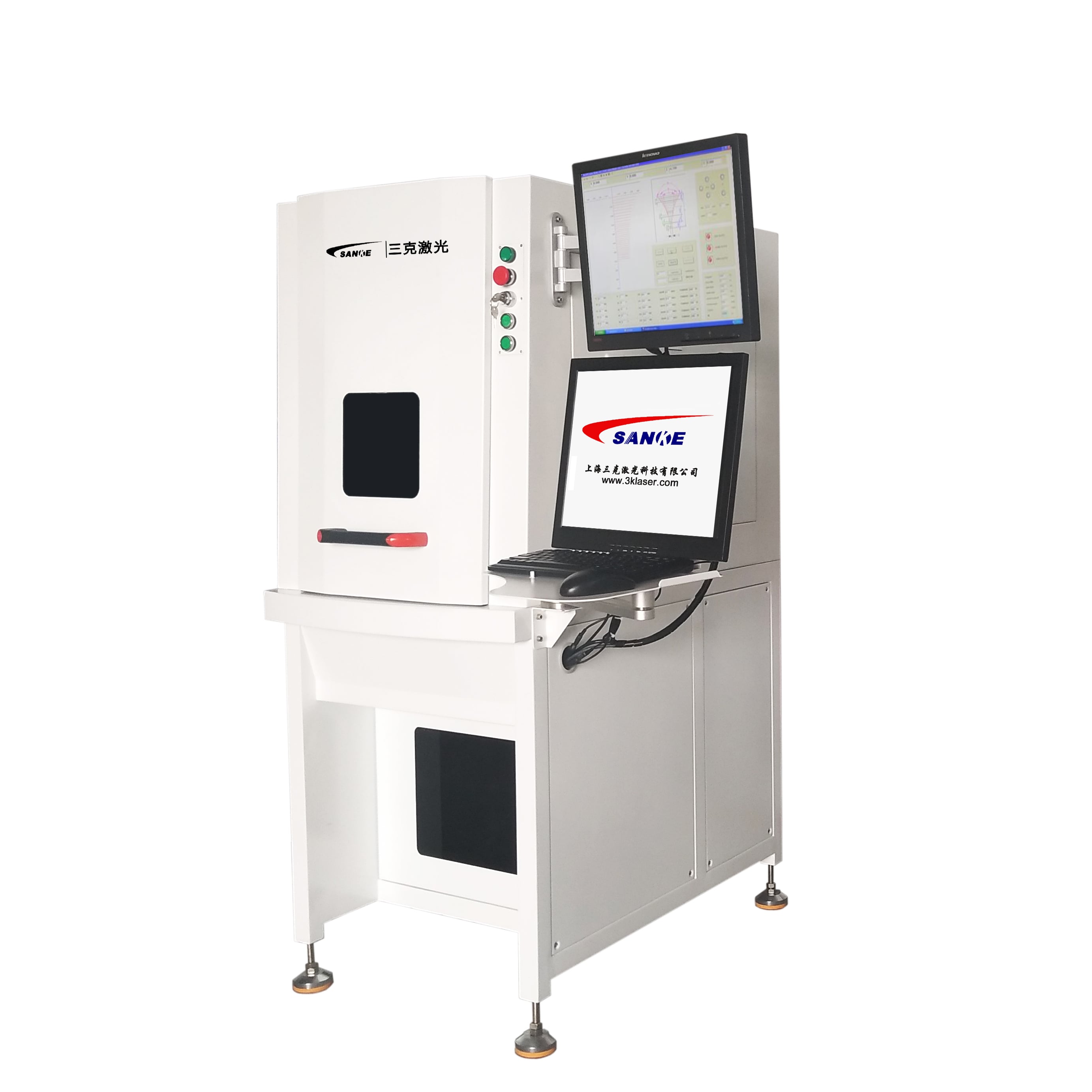
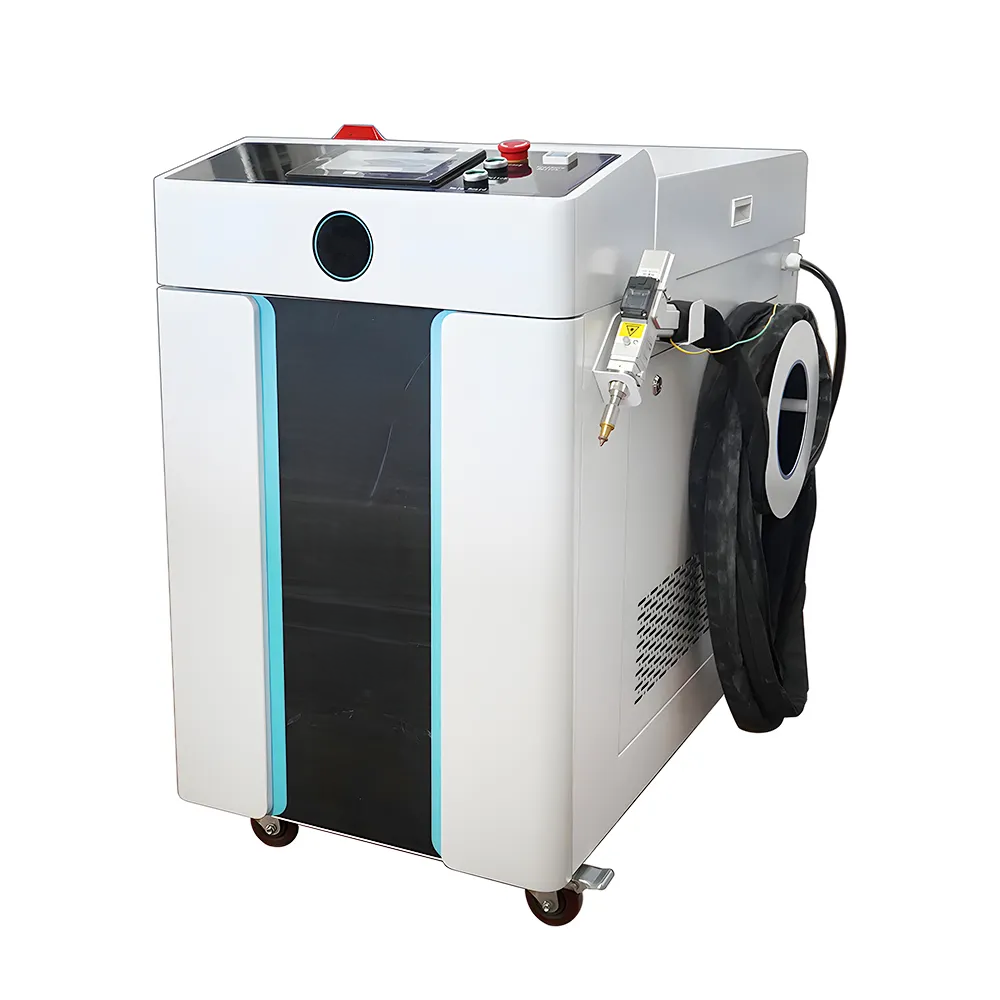
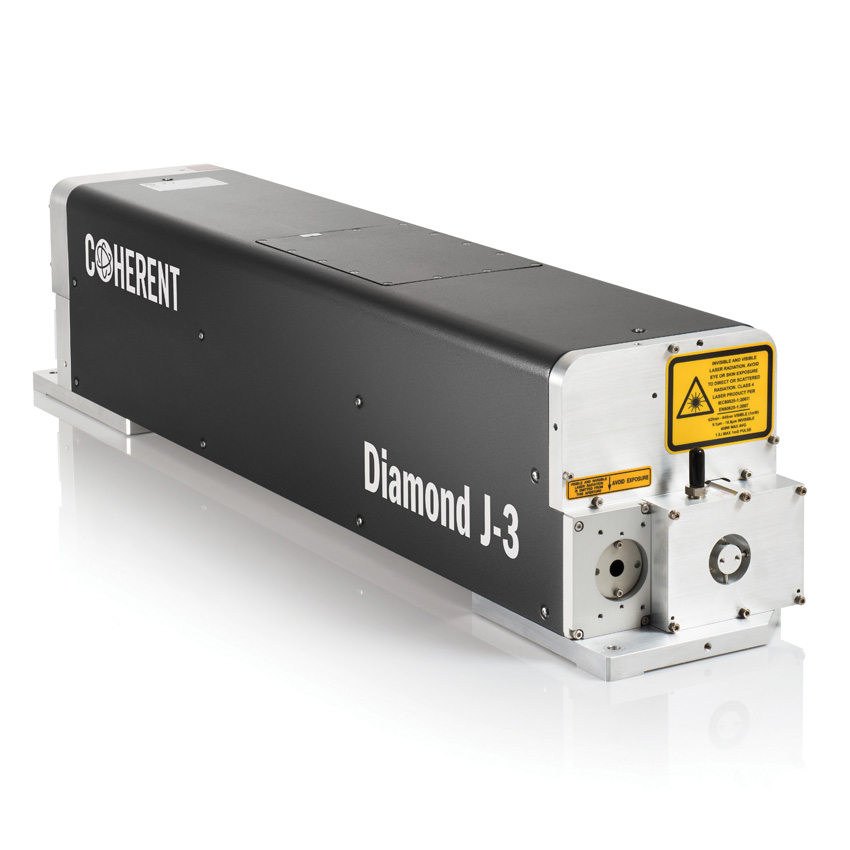
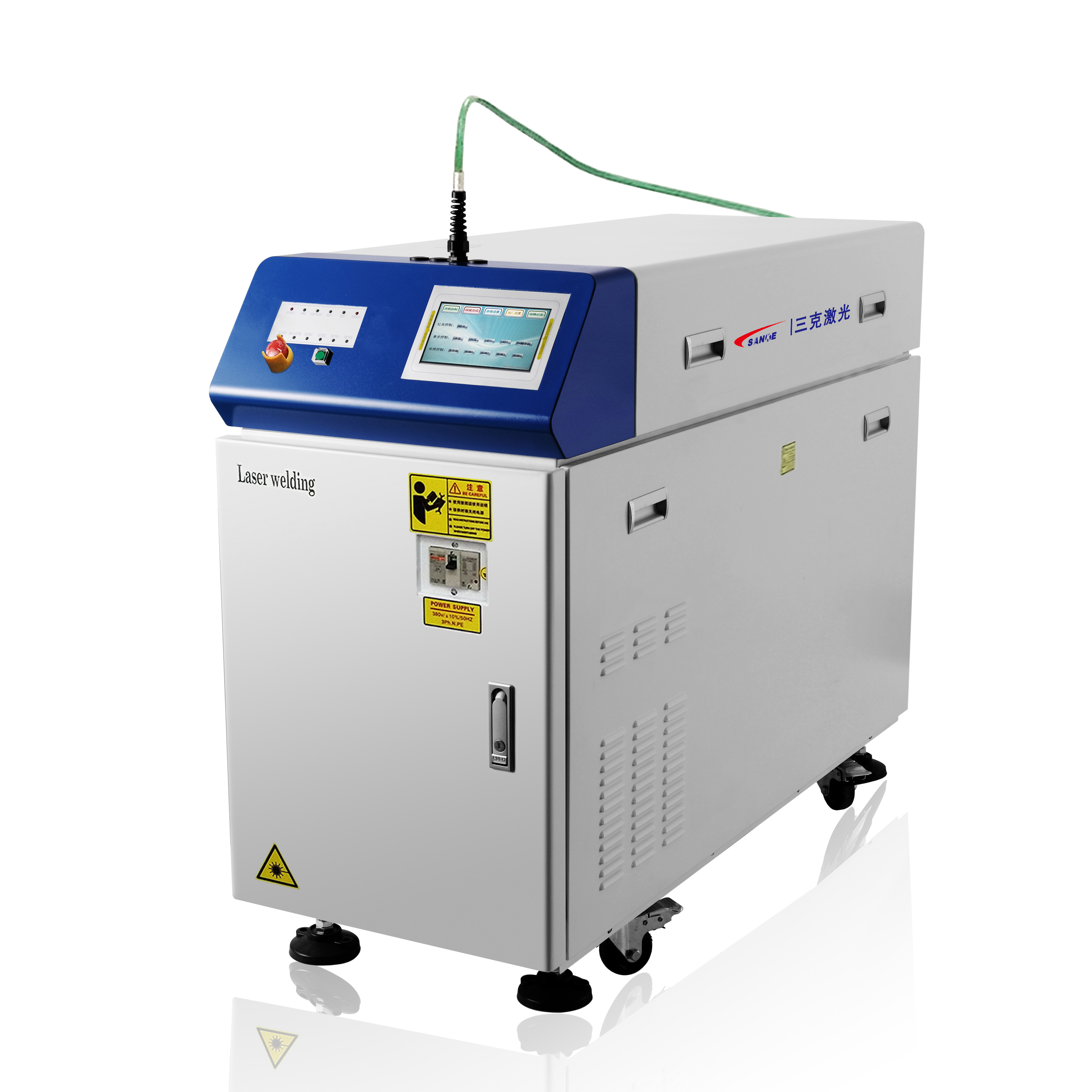
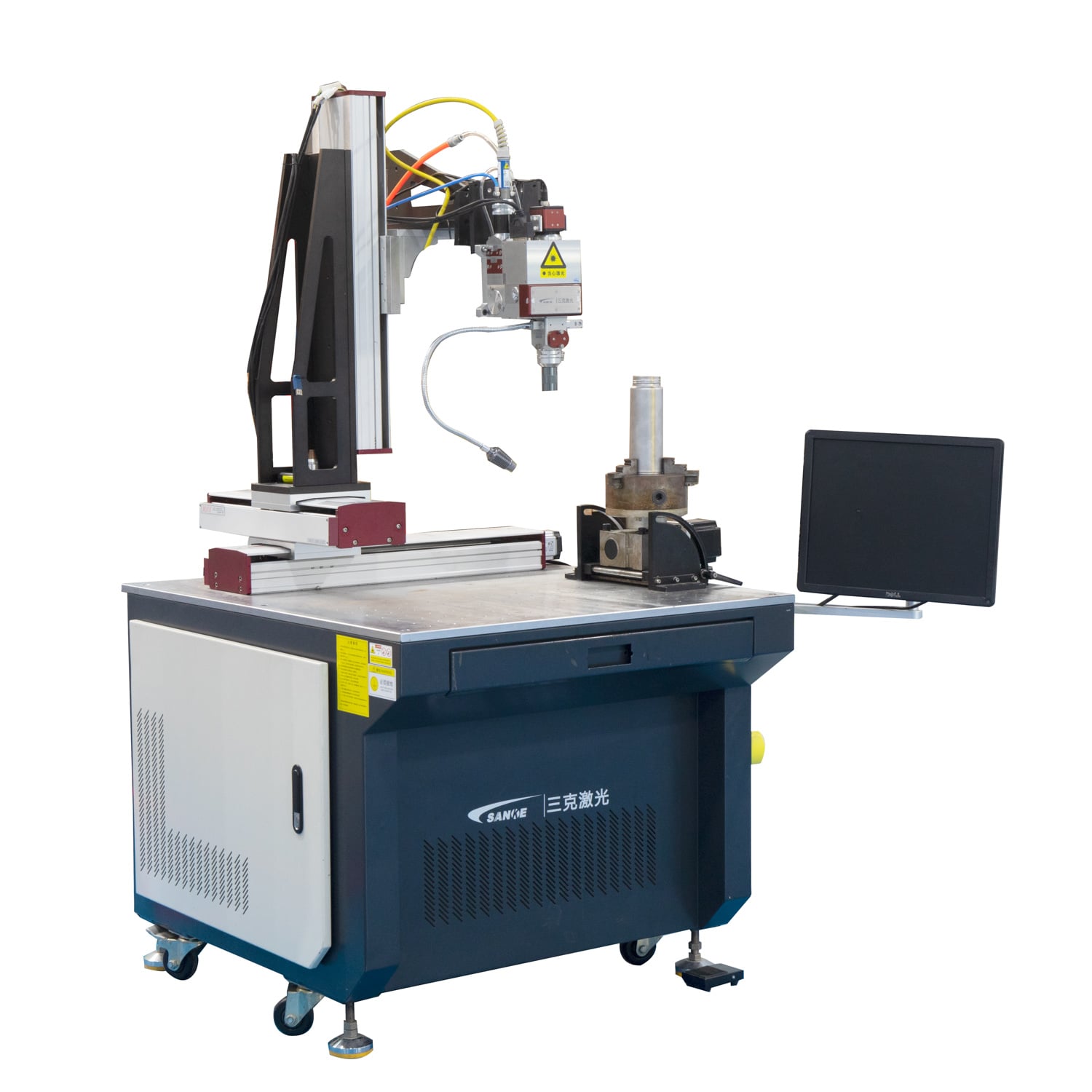
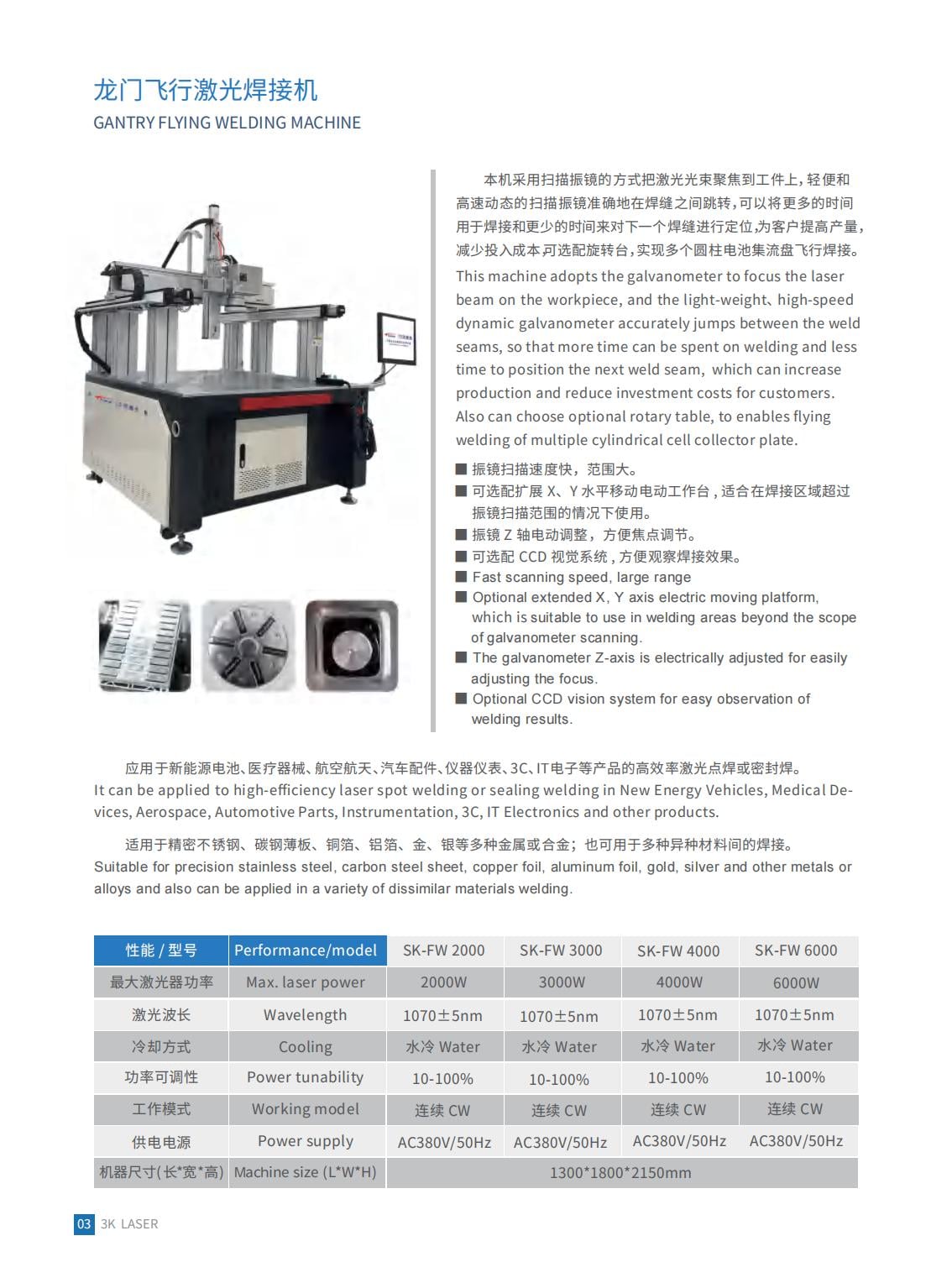
Understanding the automatic welding machine price is essential for businesses seeking to modernize their manufacturing processes and enhance production efficiency. These advanced systems represent a significant investment that delivers substantial returns through improved quality, speed, and consistency. Automatic welding machines integrate sophisticated technology to perform welding operations with minimal human intervention, utilizing programmable controls, precision motion systems, and advanced arc management. The automatic welding machine price varies considerably based on several factors including welding capacity, automation level, brand reputation, and technical specifications. Entry-level models suitable for small workshops may start at several thousand dollars, while fully automated industrial systems with robotic arms and multi-axis positioning can exceed six figures. When evaluating the automatic welding machine price, consider the machine's primary functions such as continuous seam welding, spot welding, and multi-pass capabilities. Technological features that influence pricing include digital control interfaces, adaptive welding parameters, real-time monitoring systems, and integration capabilities with existing production lines. These machines find applications across diverse industries including automotive manufacturing, shipbuilding, construction, pipeline fabrication, and metal furniture production. The automatic welding machine price reflects not just the equipment cost but the comprehensive value proposition including reduced labor costs, enhanced safety, minimized material waste, and consistent weld quality that meets stringent industry standards.
 EN
EN
 AR
AR
 FR
FR
 DE
DE
 JA
JA
 KO
KO
 RU
RU
 ES
ES