robotic welding systems-0

Advanced Robotic Welding Systems: Precision Automation for Modern Manufacturing

Get a Free Quote

Our representative will contact you soon.
Email
Name
Company Name
Message
0/1000

robotic welding systems

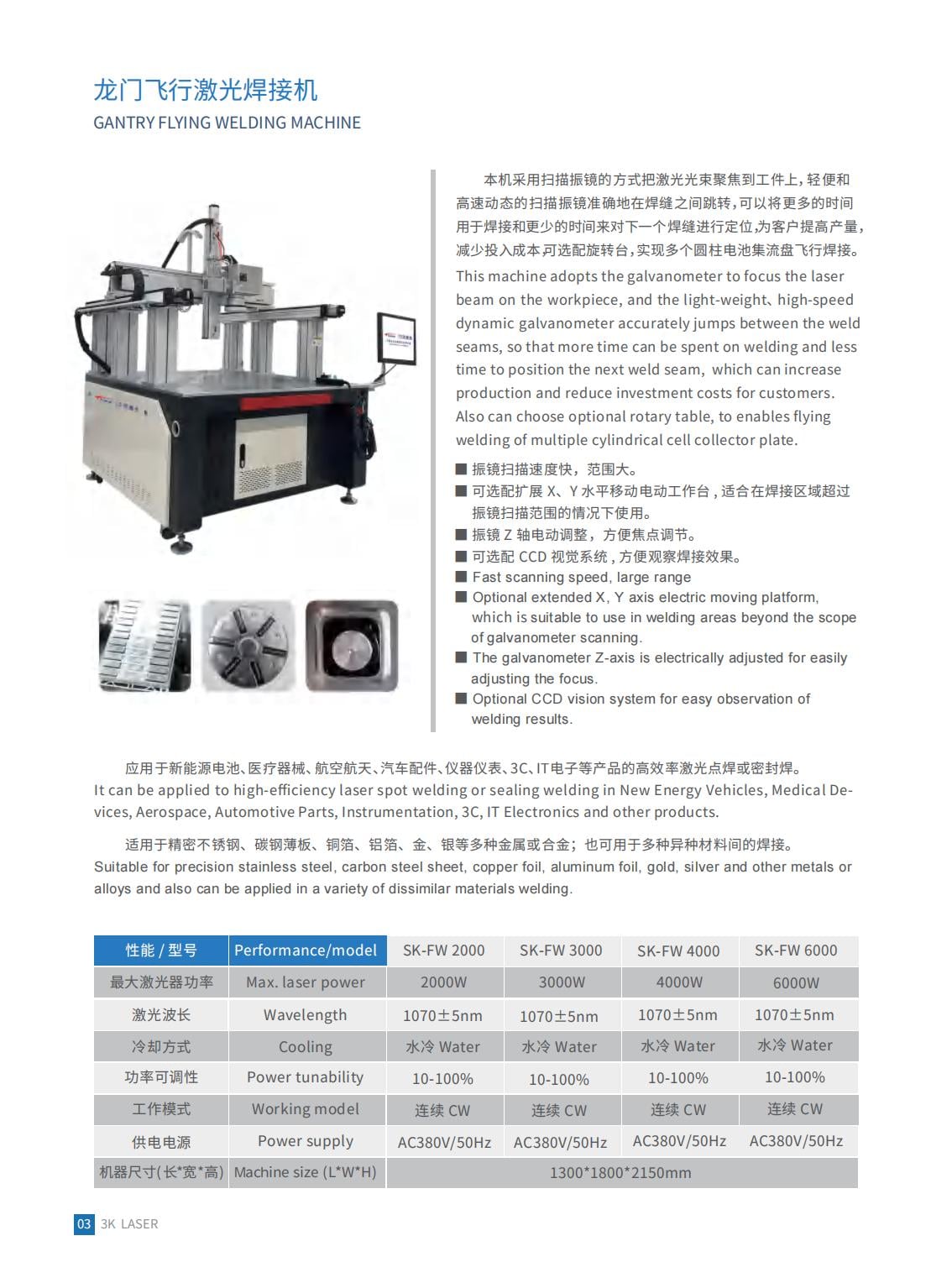
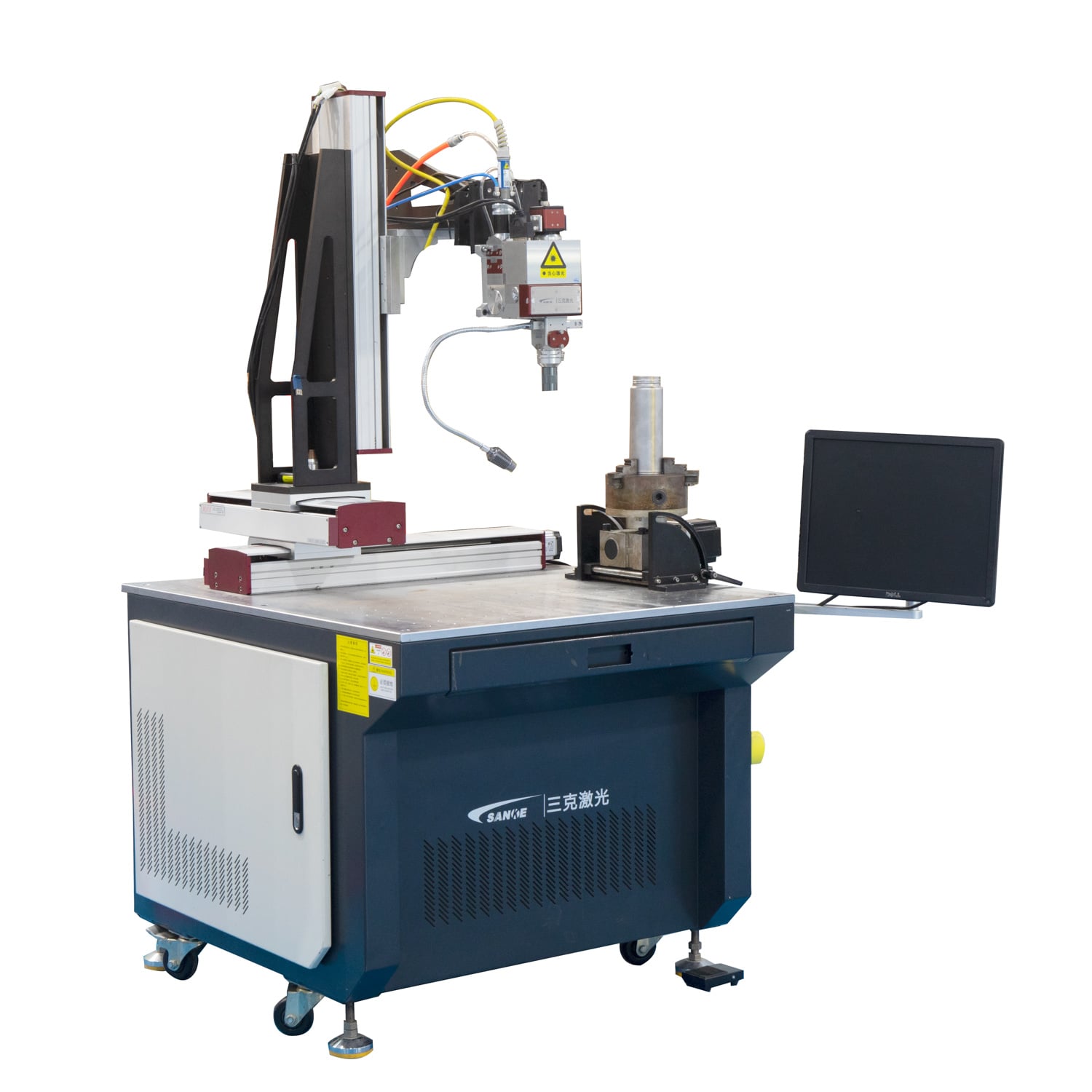
Robotic welding systems represent a revolutionary advancement in manufacturing technology, combining precision automation with advanced welding capabilities to transform production processes across industries. These sophisticated systems integrate industrial robots with specialized welding equipment, creating automated solutions that deliver consistent, high-quality welds while maximizing operational efficiency. The main functions of robotic welding systems encompass automated arc welding, spot welding, laser welding, and plasma welding operations, each tailored to specific material requirements and production demands. The technological framework includes programmable robotic arms equipped with multi-axis movement capabilities, allowing precise positioning and trajectory control during welding operations. Advanced sensor technologies enable real-time monitoring of weld quality, temperature control, and material positioning, ensuring optimal results throughout the welding process. The control systems feature sophisticated software interfaces that allow operators to program complex welding patterns, adjust parameters, and monitor production metrics in real-time. Integration capabilities enable seamless connectivity with existing manufacturing execution systems, facilitating comprehensive production management and quality assurance protocols. Applications span diverse industries including automotive manufacturing, aerospace components, construction equipment, shipbuilding, pipeline construction, and general fabrication operations. In automotive production, robotic welding systems handle body panel assembly, frame construction, and component joining with remarkable precision and speed. Aerospace applications require the exceptional accuracy these systems provide for critical structural components where weld integrity directly impacts safety and performance. The construction industry benefits from robotic welding systems for structural steel fabrication, heavy equipment manufacturing, and infrastructure projects requiring consistent weld quality. Pipeline and energy sector applications utilize these systems for pipe joining, pressure vessel construction, and renewable energy component manufacturing, where reliability and durability are paramount requirements.

New Product Releases

Robotic welding systems deliver substantial operational benefits that directly translate into improved profitability and competitive advantages for manufacturing businesses. These automated solutions consistently produce superior weld quality compared to manual welding processes, eliminating human variability and ensuring every weld meets exact specifications. The precision control systems maintain optimal welding parameters throughout production runs, resulting in stronger joints, reduced material waste, and fewer defective products requiring rework or rejection. Production speed increases dramatically with robotic welding systems, as these machines operate continuously without breaks, fatigue, or performance degradation that affects human welders. Companies typically experience productivity improvements of 200 to 300 percent when implementing robotic welding systems, allowing them to meet increased demand without proportional workforce expansion. Labor cost reduction represents another significant advantage, as robotic welding systems require minimal human supervision once programmed and calibrated properly. This reduction in direct labor costs, combined with decreased training requirements and reduced employee turnover, creates substantial long-term savings. Safety improvements are equally important, as robotic welding systems eliminate worker exposure to hazardous welding fumes, intense heat, and potential arc flash incidents. The enclosed or semi-enclosed operating environments protect personnel while maintaining optimal welding conditions. Consistency in output quality enables manufacturers to build stronger customer relationships through reliable delivery of products that meet stringent quality standards. The programmable nature of robotic welding systems allows rapid changeover between different product configurations, supporting flexible manufacturing strategies and quick response to market demands. Energy efficiency is enhanced through optimized welding parameters and reduced cycle times, contributing to lower operating costs and environmental sustainability goals. Quality documentation and traceability features built into modern robotic welding systems provide comprehensive production records, supporting quality assurance protocols and regulatory compliance requirements. The return on investment for robotic welding systems typically occurs within 18 to 24 months, making them financially attractive solutions for businesses seeking to modernize their manufacturing capabilities and maintain competitive positioning in demanding markets.

Practical Tips

What are the typical power requirements for different models of laser drilling machines?

19

Nov

What are the typical power requirements for different models of laser drilling machines?

Understanding the power requirements for laser drilling machines is crucial for manufacturers, engineers, and facility managers planning their industrial operations. The electrical demands of these sophisticated systems vary significantly based on la...
View More
Can a laser drilling machine be integrated into an automated production line?

19

Nov

Can a laser drilling machine be integrated into an automated production line?

Modern manufacturing demands unprecedented levels of precision, efficiency, and automation to remain competitive in today's global marketplace. The integration of advanced equipment into automated production lines has become essential for manufacture...
View More
How Do Different Laser Sources Impact the Efficiency of Industrial Processes?

19

Nov

How Do Different Laser Sources Impact the Efficiency of Industrial Processes?

Industrial manufacturing has undergone a revolutionary transformation with the integration of advanced laser technology, where different laser sources serve as the cornerstone of precision processing across numerous sectors. The selection of appropri...
View More
2025 Guide: How to Choose the Perfect Beam Expander

21

Oct

2025 Guide: How to Choose the Perfect Beam Expander

Understanding the Critical Role of Beam Expanders in Modern Optics The optical industry continues to evolve at a rapid pace, and beam expanders have become indispensable components in numerous applications, from laser processing to advanced microscop...
View More

Get a Free Quote

Our representative will contact you soon.
Email
Name
Company Name
Message
0/1000

robotic welding systems

Advanced Precision Control Technology

Advanced Precision Control Technology

The precision control technology integrated into modern robotic welding systems represents the pinnacle of manufacturing automation, delivering unparalleled accuracy and repeatability that manual welding processes simply cannot match. This sophisticated technology employs multi-axis servo motors with encoder feedback systems that provide positional accuracy within 0.1 millimeters, ensuring consistent weld placement and penetration across thousands of production cycles. The advanced control algorithms continuously monitor and adjust welding parameters including voltage, current, travel speed, and wire feed rate in real-time, responding instantly to material variations or environmental changes that could affect weld quality. Vision systems integrated with robotic welding systems provide additional precision through real-time seam tracking and adaptive path correction, automatically compensating for part variations or fixture tolerances that would otherwise compromise weld integrity. The programming capabilities allow operators to create complex three-dimensional welding paths with precise control over approach angles, standoff distances, and weaving patterns, enabling optimal weld profiles for diverse joint configurations. Touch sensing technology enables automatic calibration and part location verification before welding begins, eliminating setup errors and reducing scrap rates significantly. The precision control extends to gas shielding management, maintaining optimal protective atmospheres throughout the welding process to prevent contamination and ensure consistent weld properties. Advanced welding power sources synchronized with robotic control systems provide precise energy delivery matched to specific material requirements and joint designs, optimizing penetration characteristics while minimizing heat-affected zones. This level of precision control translates directly into measurable business benefits including reduced material waste, elimination of costly rework operations, and consistent product quality that meets the most demanding industry standards and customer specifications.
Comprehensive Safety and Compliance Features

Comprehensive Safety and Compliance Features

Robotic welding systems incorporate comprehensive safety and compliance features that protect personnel while ensuring adherence to stringent industrial safety standards and regulatory requirements. The integrated safety systems include multiple layers of protection ranging from physical barriers and light curtains to advanced monitoring systems that continuously assess operational conditions and personnel proximity. Emergency stop systems provide immediate shutdown capabilities accessible from multiple locations, while safety-rated sensors monitor cell access and automatically halt operations when unauthorized entry is detected. The enclosed or semi-enclosed welding environments effectively contain welding fumes, spatter, and intense light emissions, creating safer working conditions while maintaining optimal welding atmospheres. Fume extraction systems integrated with robotic welding systems actively remove harmful welding emissions, protecting worker health and ensuring compliance with occupational safety and health regulations. The automated nature of robotic welding systems eliminates direct worker exposure to arc radiation, reducing risks of eye damage and skin burns associated with manual welding operations. Comprehensive safety interlocks prevent equipment operation under unsafe conditions, while diagnostic systems continuously monitor critical components and provide early warning of potential issues before they create safety hazards. The compliance features include detailed documentation and traceability capabilities that support quality management systems and regulatory audit requirements. Welding parameter logging provides complete records of production processes, enabling rapid identification and resolution of quality issues while demonstrating compliance with industry standards. The standardized safety protocols built into robotic welding systems help companies maintain consistent safety practices across multiple production facilities, reducing training requirements and ensuring uniform safety performance. Risk assessment tools integrated with control systems help operators identify potential hazards and implement appropriate safety measures before beginning production operations, supporting proactive safety management strategies that prevent accidents and protect valuable manufacturing assets.
Flexible Integration and Scalability Solutions

Flexible Integration and Scalability Solutions

The flexible integration and scalability solutions offered by modern robotic welding systems enable manufacturers to adapt their production capabilities to evolving market demands while maximizing return on existing investments. These systems feature modular designs that support incremental expansion, allowing companies to start with basic configurations and add advanced capabilities as production requirements grow or change. The integration capabilities extend beyond welding operations to encompass material handling, part positioning, quality inspection, and finishing processes, creating comprehensive automated manufacturing cells that optimize overall production efficiency. Standardized communication protocols enable seamless connectivity with existing manufacturing execution systems, enterprise resource planning software, and quality management databases, facilitating real-time production monitoring and data-driven decision making. The programming flexibility allows rapid reconfiguration for different product lines or seasonal production changes, supporting lean manufacturing principles and quick response to customer demands. Multiple welding process capabilities within single robotic welding systems provide versatility to handle diverse material combinations and joint configurations without requiring separate equipment investments. The scalable architecture supports both high-volume production runs and small-batch manufacturing, enabling efficient operation across varying production scenarios while maintaining consistent quality standards. Cloud connectivity features enable remote monitoring and diagnostics, supporting predictive maintenance strategies and reducing unplanned downtime through early identification of potential issues. The integration solutions include comprehensive training programs and technical support services that ensure successful implementation and ongoing optimization of robotic welding systems. Upgrade pathways built into system designs protect long-term investments by enabling incorporation of new technologies and capabilities as they become available, ensuring continued competitiveness and operational efficiency. The flexible tooling systems support rapid changeover between different product configurations, minimizing setup times and maximizing productive capacity utilization throughout varying production schedules and customer requirements.

Get a Free Quote

Our representative will contact you soon.
Email
Name
Company Name
Message
0/1000