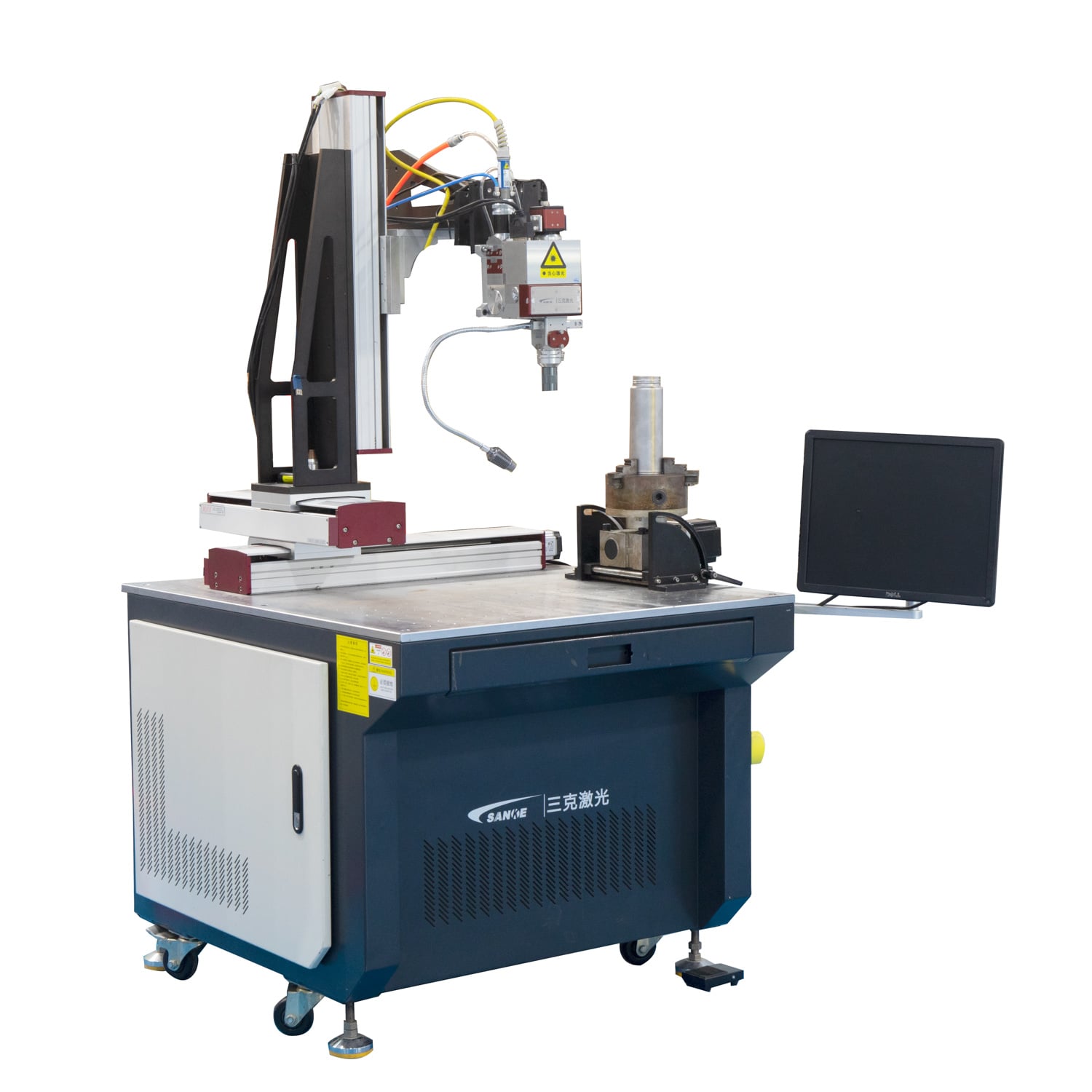
automatic welding system-0

Advanced Automatic Welding Systems - Precision Manufacturing Solutions for Industrial Applications

Get a Free Quote

Our representative will contact you soon.
Email
Name
Company Name
Message
0/1000

automatic welding system

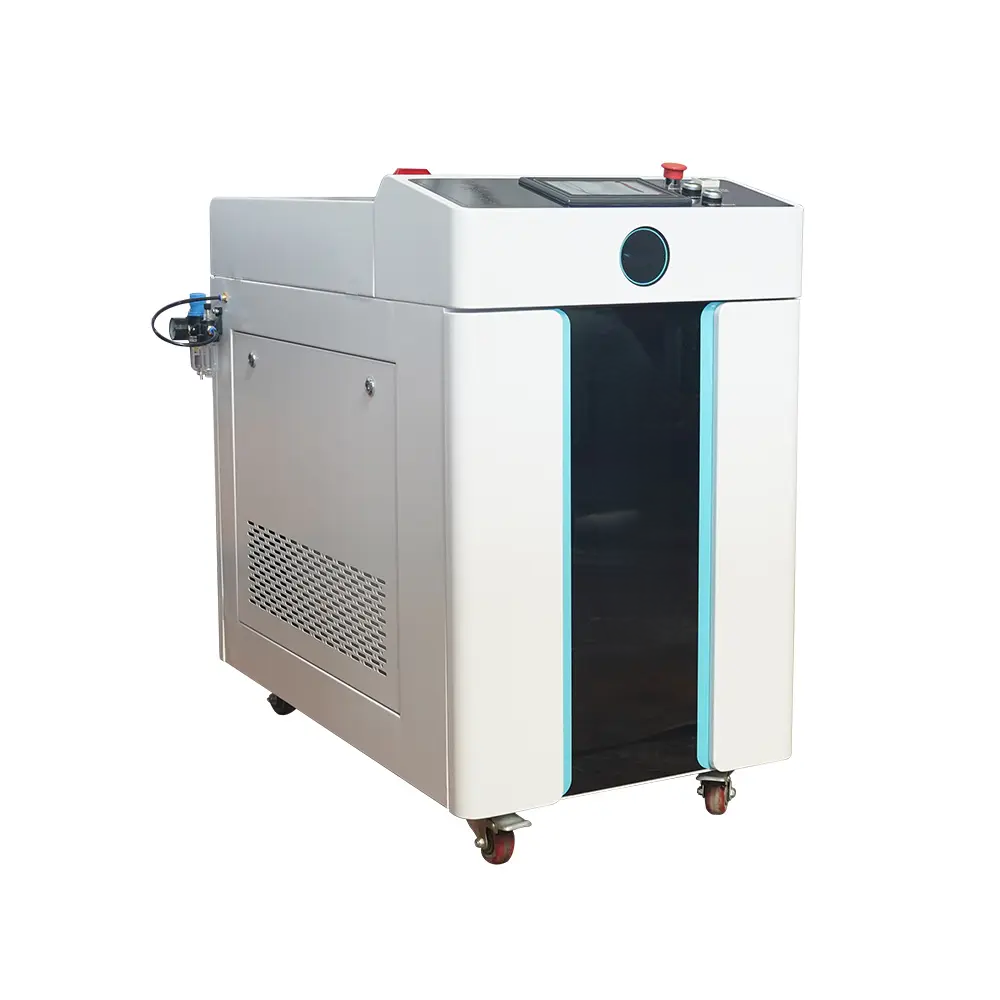
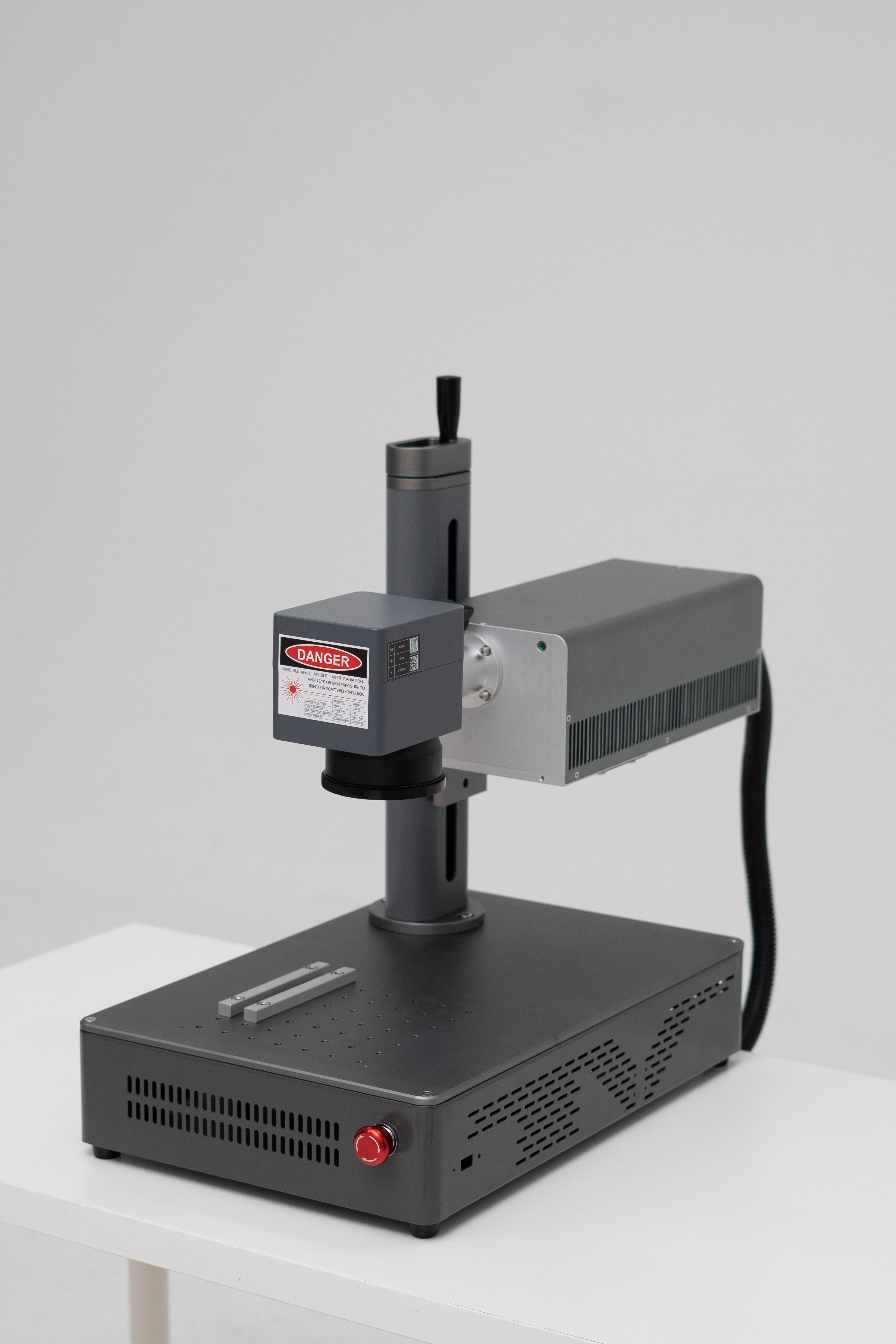
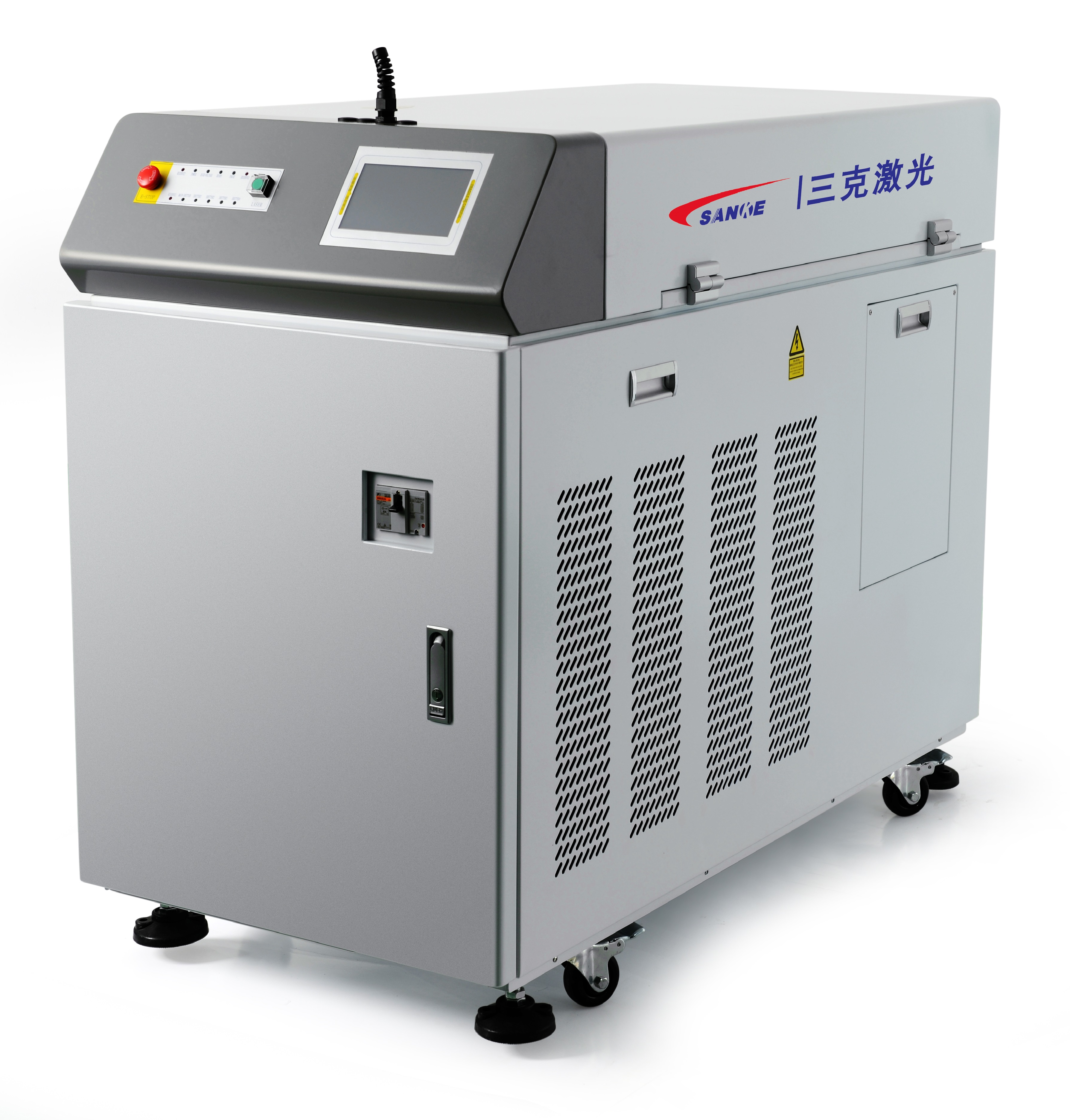
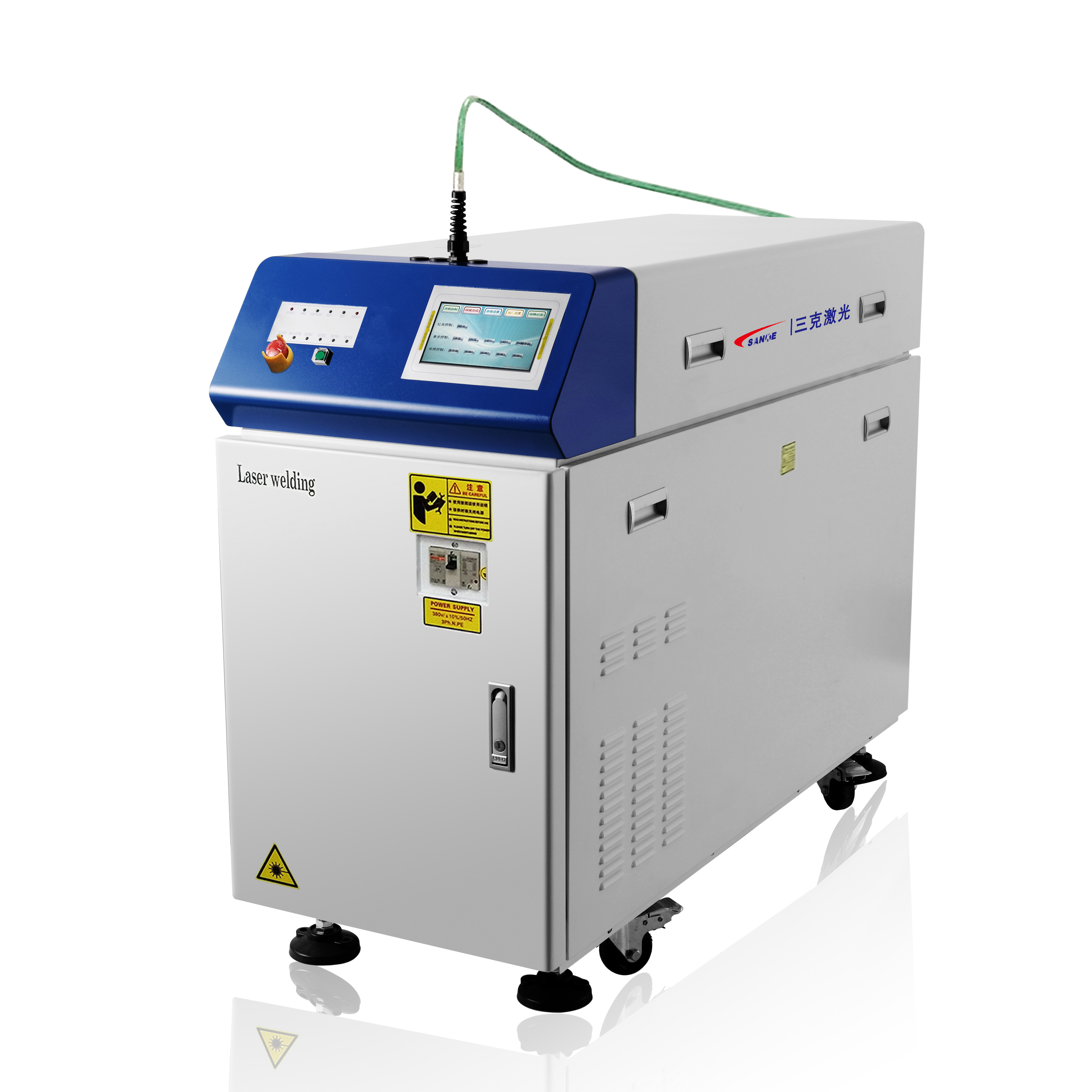
An automatic welding system represents a sophisticated manufacturing solution that combines advanced robotics, precision control technology, and intelligent software to perform welding operations with minimal human intervention. This comprehensive system integrates multiple components including robotic arms, welding power sources, wire feeders, sensors, and computer-controlled programming interfaces to deliver consistent, high-quality welds across various materials and applications. The automatic welding system utilizes programmable logic controllers and servo motors to execute precise movements, ensuring optimal torch positioning and travel speed throughout the welding process. Modern automatic welding systems incorporate real-time monitoring capabilities through vision systems and sensor feedback, allowing for immediate adjustments to maintain weld quality parameters. These systems support multiple welding processes including MIG, TIG, and arc welding, adapting to different material thicknesses and joint configurations. The integration of artificial intelligence and machine learning algorithms enables the automatic welding system to optimize parameters based on material properties, environmental conditions, and quality requirements. Advanced automatic welding systems feature user-friendly human-machine interfaces that simplify programming and operation, making them accessible to operators with varying skill levels. The modular design of contemporary automatic welding systems allows for scalability and customization to meet specific production requirements. Safety features are paramount in automatic welding system design, incorporating emergency stops, protective barriers, and fume extraction systems to ensure operator protection. These systems typically include data logging capabilities that track production metrics, quality statistics, and maintenance schedules, providing valuable insights for process optimization and predictive maintenance strategies.

New Product Releases

The automatic welding system delivers exceptional consistency and precision that human operators cannot match, eliminating variations in weld quality caused by fatigue, skill differences, or environmental factors. This consistency translates directly into reduced rework rates, lower material waste, and improved product reliability for manufacturers. Companies implementing an automatic welding system experience significant productivity gains, as these systems operate continuously without breaks, achieving welding speeds up to three times faster than manual processes. The enhanced speed and reliability of automatic welding systems enable manufacturers to meet tight delivery schedules while maintaining superior quality standards. Cost reduction represents another major advantage, as the automatic welding system requires fewer skilled welders, reducing labor costs and addressing the ongoing shortage of qualified welding professionals. The precision control offered by automatic welding systems minimizes material consumption through optimized weld bead placement and reduced spatter, leading to substantial savings in consumables and raw materials. Safety improvements are remarkable with automatic welding systems, as operators work remotely from welding hazards, significantly reducing exposure to harmful fumes, intense light, and hot surfaces. The repeatability of automatic welding systems ensures that every weld meets specified standards, reducing quality control requirements and inspection time. These systems adapt quickly to design changes through software modifications, eliminating the need for extensive retraining that manual welding operations require. The data collection capabilities of automatic welding systems provide valuable insights into production efficiency, enabling continuous improvement initiatives and predictive maintenance scheduling. Energy efficiency improvements result from optimized welding parameters and reduced cycle times, contributing to lower operational costs and environmental sustainability. The automatic welding system enhances workplace ergonomics by eliminating repetitive motions and awkward positioning that often lead to worker injuries. Integration capabilities allow automatic welding systems to connect seamlessly with existing manufacturing execution systems, creating streamlined production workflows. Quality documentation becomes automatic with these systems, providing complete traceability for compliance requirements and customer audits. The flexibility of modern automatic welding systems enables quick changeovers between different products, supporting lean manufacturing principles and just-in-time production strategies.

Latest News

How to Choose the Right Portable Laser Welding Machine for Your Business?

19

Nov

How to Choose the Right Portable Laser Welding Machine for Your Business?

Manufacturing businesses today face increasing pressure to improve efficiency while maintaining exceptional quality standards. The advent of portable laser welding machines has revolutionized the welding industry by offering unprecedented mobility, p...
View More
How Does Handheld Laser Welding Compare to Traditional Welding Methods?

19

Nov

How Does Handheld Laser Welding Compare to Traditional Welding Methods?

The welding industry has experienced significant technological advancement over the past decade, with handheld laser welding emerging as a revolutionary alternative to conventional welding techniques. This innovative technology represents a paradigm ...
View More
What industries benefit most from laser welding technology?

19

Nov

What industries benefit most from laser welding technology?

Modern manufacturing has witnessed a revolutionary shift in welding technology as industries increasingly adopt advanced laser welding systems. The laser welding machine represents a significant technological leap from conventional welding methods, o...
View More
Fixed vs Variable Beam Expander: Which to Choose?

21

Oct

Fixed vs Variable Beam Expander: Which to Choose?

Understanding Optical Beam Expansion Technology In the world of optics and laser applications, beam expanders play a crucial role in manipulating light beams for various scientific and industrial purposes. These sophisticated optical instruments are ...
View More

Get a Free Quote

Our representative will contact you soon.
Email
Name
Company Name
Message
0/1000

automatic welding system

Advanced Precision Control Technology

Advanced Precision Control Technology

The cornerstone of any effective automatic welding system lies in its precision control technology, which represents a quantum leap from traditional welding methods. This sophisticated system employs high-resolution encoders, servo motors, and advanced algorithms to achieve positioning accuracy within micrometers, ensuring that every weld follows the exact programmed path. The precision control mechanism of the automatic welding system continuously monitors and adjusts welding parameters in real-time, including travel speed, wire feed rate, voltage, and current, based on feedback from multiple sensors. This dynamic adjustment capability enables the system to compensate for variations in material thickness, joint fit-up, and environmental conditions that would typically cause quality issues in manual welding. The automatic welding system utilizes sophisticated path planning algorithms that optimize torch movement to minimize cycle time while maintaining weld quality, calculating the most efficient routes between weld points and incorporating smooth acceleration and deceleration curves. Vision-guided technology integrated into the precision control system allows the automatic welding system to detect and track seam locations automatically, adapting to part variations and ensuring consistent weld placement even when components have slight dimensional differences. The multi-axis coordination capabilities enable complex welding geometries that would be extremely challenging or impossible for human operators to execute consistently. Temperature monitoring and control systems within the automatic welding system prevent overheating and distortion by managing heat input and implementing programmed cooling periods. The precision control technology also includes adaptive welding capabilities that automatically adjust parameters based on joint type, material properties, and thickness variations detected during the welding process. Quality assurance features built into the control system continuously monitor weld characteristics such as penetration depth, bead width, and surface finish, automatically flagging any deviations from acceptable parameters. This comprehensive precision control approach ensures that every automatic welding system operation produces welds that meet or exceed specified quality standards while maximizing productivity and minimizing waste.
Seamless Production Integration Capabilities

Seamless Production Integration Capabilities

Modern automatic welding systems excel in their ability to integrate seamlessly into existing production environments, transforming traditional manufacturing workflows into highly efficient, interconnected operations. The integration capabilities of an automatic welding system extend far beyond simple welding tasks, encompassing comprehensive communication with enterprise resource planning systems, manufacturing execution systems, and quality management platforms. This connectivity enables real-time production monitoring, allowing managers to track welding progress, quality metrics, and system performance from centralized control rooms or mobile devices. The automatic welding system communicates bidirectionally with upstream and downstream processes, receiving production schedules and part specifications while providing completion status and quality data to subsequent operations. Advanced automatic welding systems support Industry 4.0 initiatives through IoT connectivity, enabling predictive maintenance algorithms that analyze system performance data to forecast maintenance needs and prevent unexpected downtime. The modular architecture of contemporary automatic welding systems allows for easy expansion and reconfiguration as production requirements evolve, supporting both horizontal scaling through additional welding stations and vertical integration with new processes. Flexible programming interfaces enable rapid changeover between different products or welding specifications, often accomplished through simple recipe selection rather than complex reprogramming. The automatic welding system maintains comprehensive databases of welding procedures, material specifications, and quality parameters, ensuring consistent application of approved processes across multiple shifts and operators. Integration with material handling systems creates fully automated production cells where the automatic welding system coordinates with robots, conveyors, and positioning equipment to create lights-out manufacturing capabilities. Quality integration features automatically generate certificates of compliance and test reports, linking weld parameters to specific serial numbers for complete traceability throughout the product lifecycle. The system's ability to interface with various sensor technologies enables real-time feedback loops that optimize welding parameters based on environmental conditions, material variations, and quality requirements. Advanced automatic welding systems support remote monitoring and control capabilities, allowing technical experts to diagnose issues, adjust parameters, or provide support regardless of their physical location, maximizing system utilization and minimizing response time for technical issues.
Comprehensive Safety and Reliability Framework

Comprehensive Safety and Reliability Framework

The safety and reliability framework of an automatic welding system represents a critical differentiator that protects both personnel and equipment while ensuring consistent production output. This comprehensive approach to safety begins with redundant safety systems that monitor all aspects of operation, from electrical systems and mechanical movements to environmental conditions and operator proximity. The automatic welding system incorporates multiple layers of safety interlocks that prevent operation under unsafe conditions, including emergency stop circuits, light curtains, pressure-sensitive mats, and door interlocks that immediately halt all motion when breached. Advanced collision detection systems use sophisticated algorithms to prevent the automatic welding system from damaging workpieces, fixtures, or itself during operation, automatically stopping motion when unexpected resistance or contact is detected. The reliability framework includes comprehensive diagnostic systems that continuously monitor all critical components, from welding power sources and wire feed systems to robotic drives and control electronics, providing early warning of potential failures before they impact production. Predictive maintenance capabilities built into the automatic welding system analyze operational data patterns to forecast component wear and schedule maintenance activities during planned downtime rather than experiencing unexpected failures. The system maintains detailed fault logs and diagnostic information that enable rapid troubleshooting and minimize downtime when issues do occur. Environmental safety features include integrated fume extraction systems that capture welding emissions at the source, maintaining air quality standards and protecting operators from harmful exposures. The automatic welding system employs sophisticated fire prevention and suppression systems specifically designed for welding environments, including spark detection, automatic fire suppression, and emergency ventilation systems. Electrical safety measures encompass proper grounding systems, arc fault detection, and isolation capabilities that protect against electrical hazards while maintaining system functionality. The reliability framework includes backup systems for critical functions, ensuring that minor component failures do not result in complete production stoppages. User access control systems ensure that only authorized personnel can modify welding parameters or safety settings, maintaining both security and compliance with safety regulations. Regular safety audits and compliance checks are automated within the system, generating reports that demonstrate adherence to occupational safety standards and welding codes, providing documentation for regulatory compliance and insurance requirements.

Get a Free Quote

Our representative will contact you soon.
Email
Name
Company Name
Message
0/1000