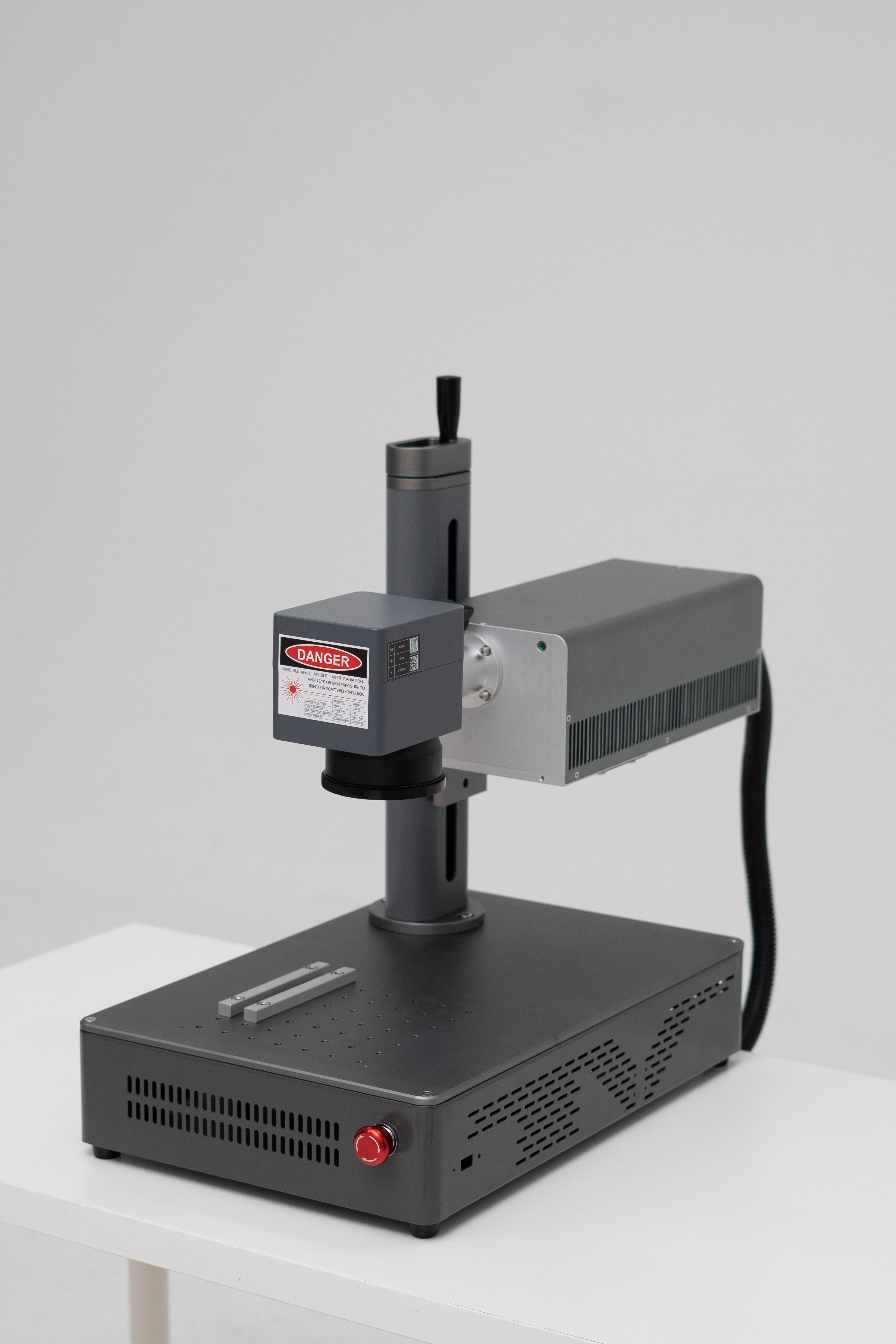
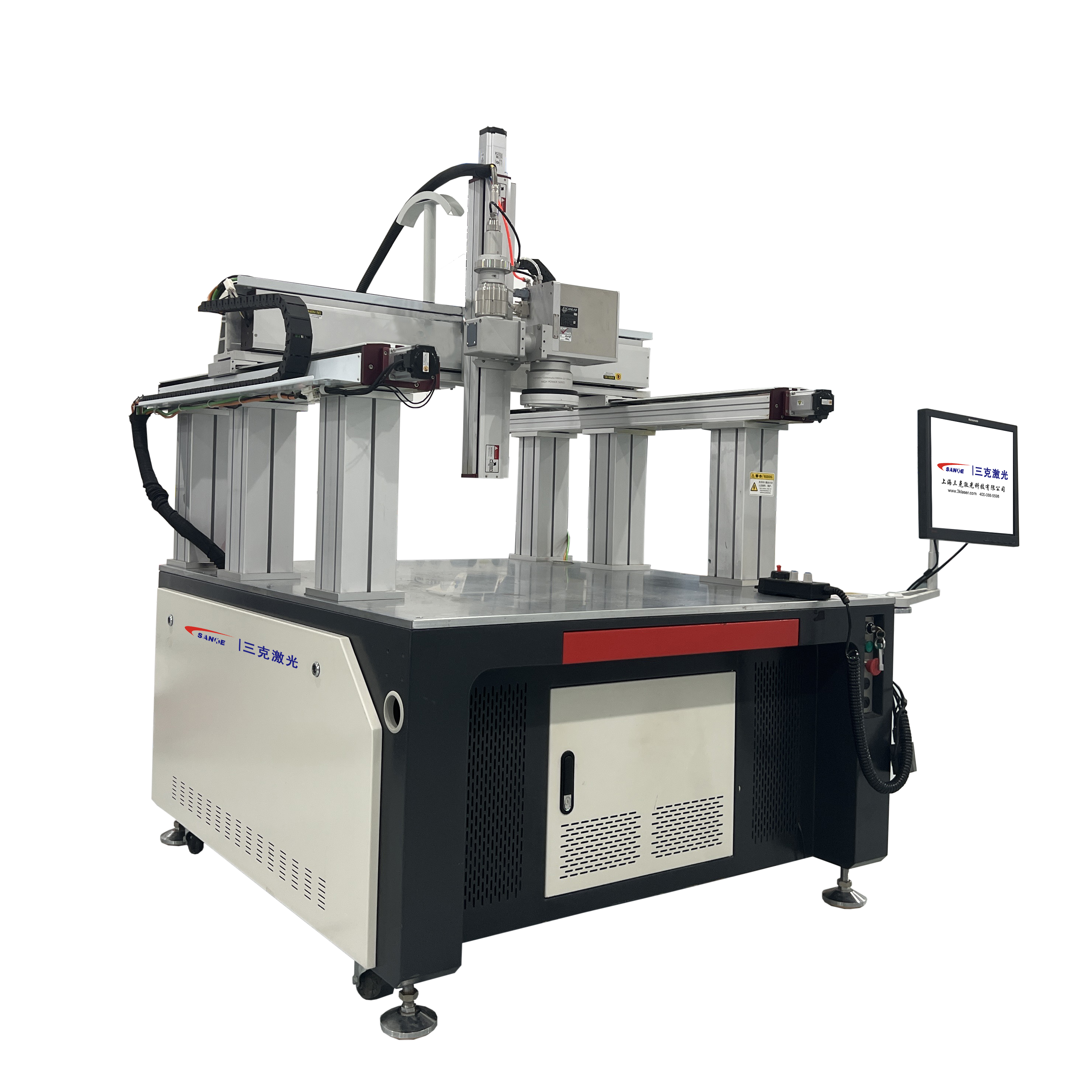
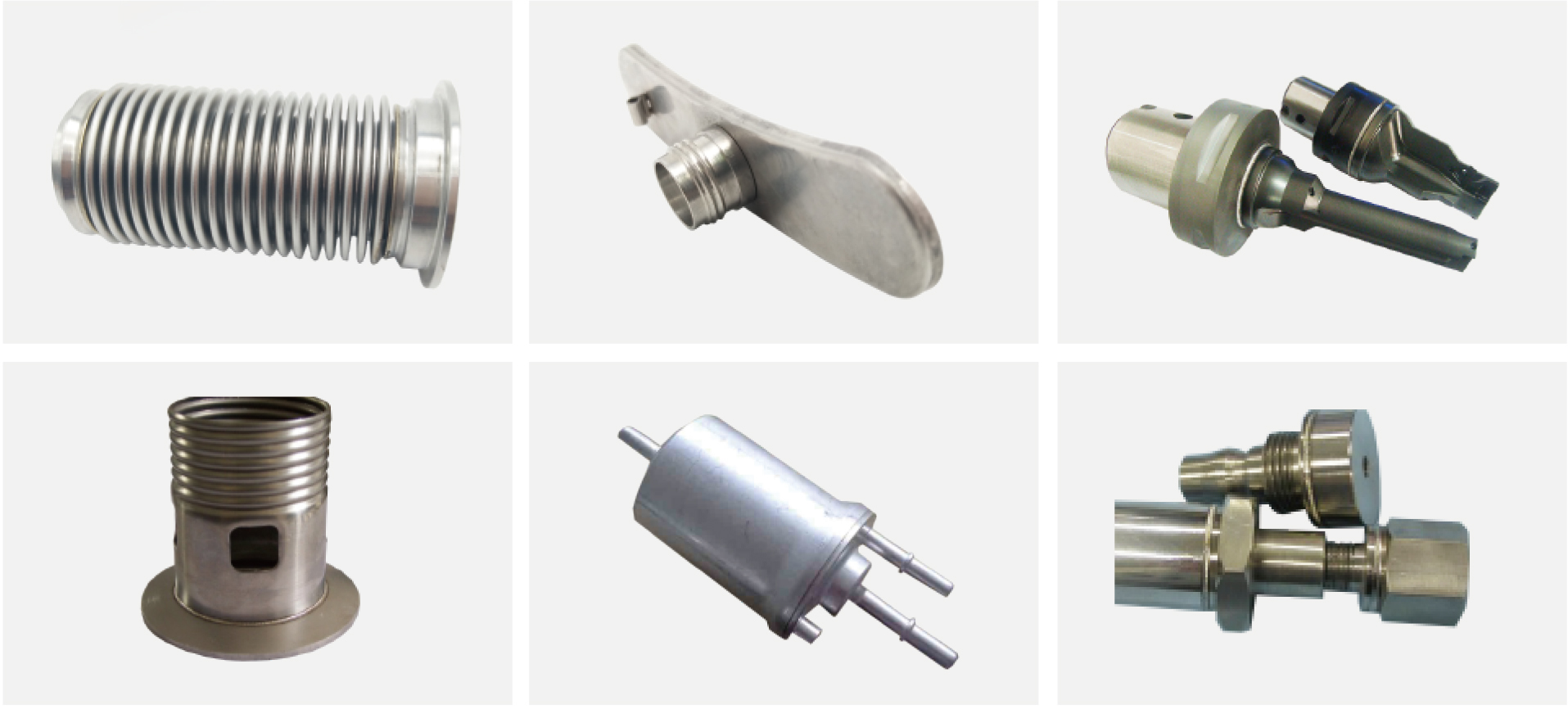
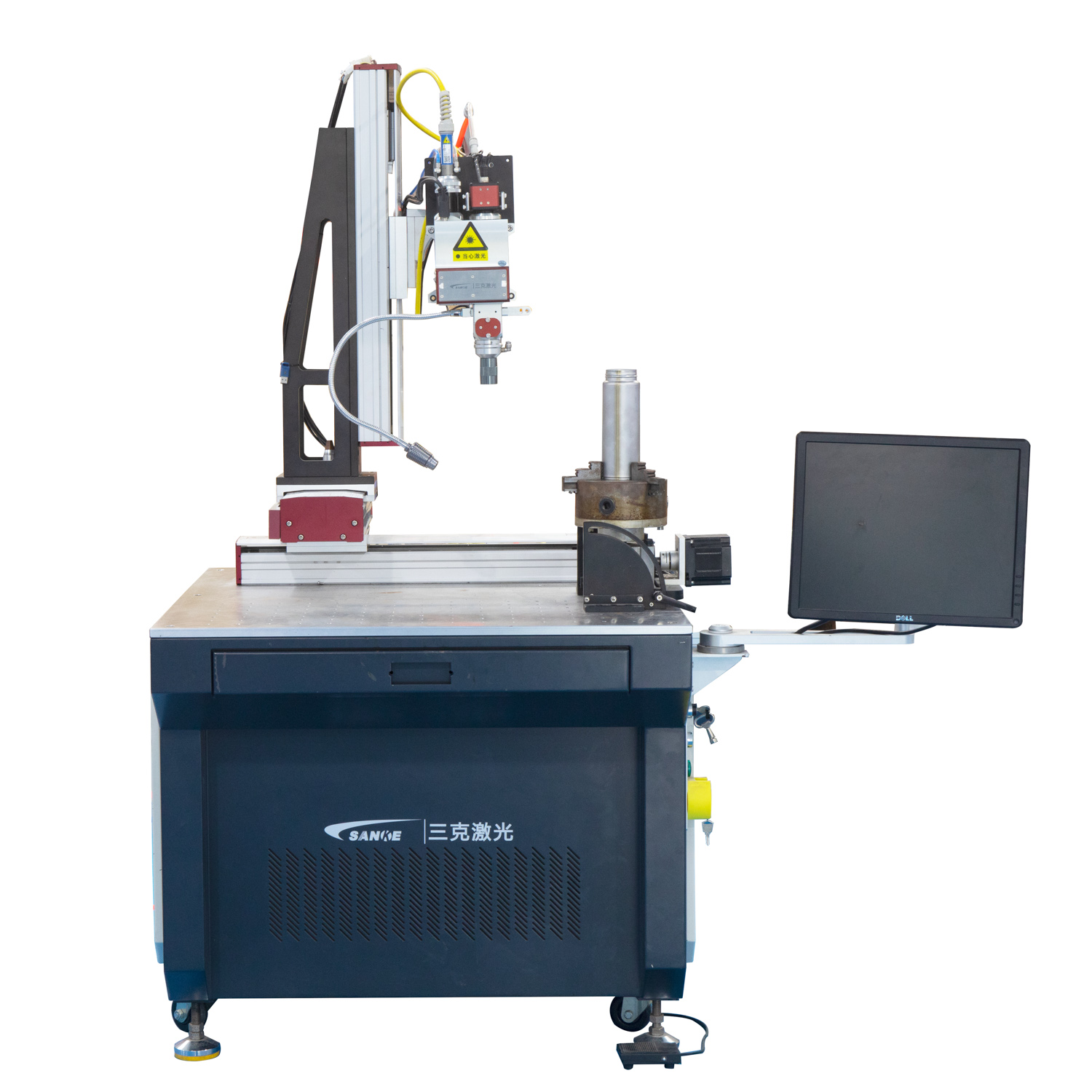
automated welding equipment-0

Advanced Automated Welding Equipment - Precision Robotics for Manufacturing Excellence

Get a Free Quote

Our representative will contact you soon.
Email
Name
Company Name
Message
0/1000

automated welding equipment

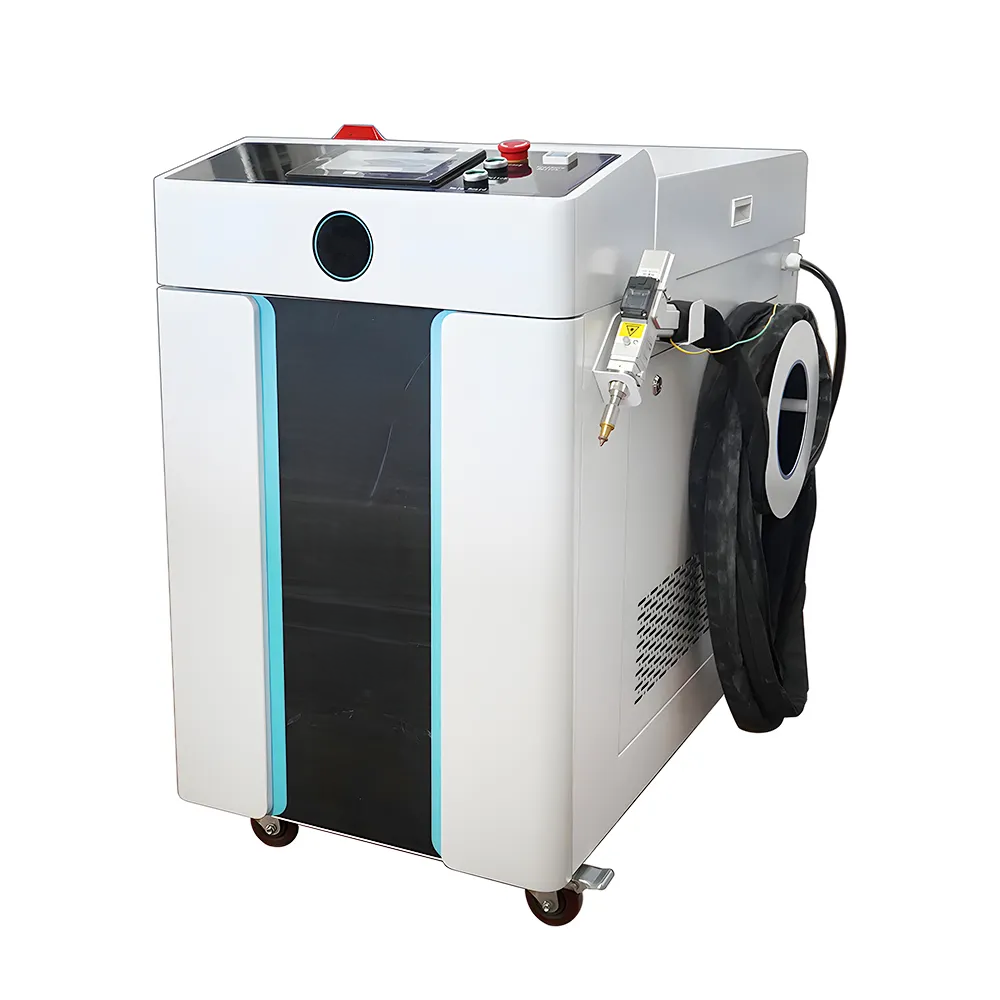
Automated welding equipment represents a revolutionary advancement in manufacturing technology that transforms traditional welding processes through precision robotics and intelligent control systems. This sophisticated machinery integrates computer-controlled robotic arms, advanced sensors, and programmable logic controllers to execute welding operations with exceptional accuracy and consistency. The automated welding equipment operates by following pre-programmed welding paths while continuously monitoring arc characteristics, wire feed rates, and joint penetration to ensure optimal weld quality. Modern automated welding equipment incorporates multiple welding processes including MIG, TIG, and plasma arc welding, allowing manufacturers to select the most appropriate technique for specific applications. The equipment features real-time adaptive controls that automatically adjust welding parameters based on material thickness, joint configuration, and environmental conditions. Vision systems integrated within the automated welding equipment provide precise seam tracking and quality inspection capabilities, detecting deviations from specifications and making instant corrections. The technological architecture includes servo-driven positioning systems that deliver repeatable accuracy within thousandths of an inch, ensuring consistent weld placement across thousands of production cycles. Advanced human-machine interfaces enable operators to easily program welding sequences, monitor performance metrics, and troubleshoot issues through intuitive touchscreen displays. The automated welding equipment supports diverse industrial applications ranging from automotive assembly lines to aerospace component fabrication, shipbuilding operations, and heavy machinery construction. Safety systems built into the automated welding equipment include protective barriers, emergency stop functions, and fume extraction systems that create secure working environments. The modular design of contemporary automated welding equipment allows for seamless integration with existing production lines while providing scalability for future expansion requirements.

Popular Products

Automated welding equipment delivers substantial productivity improvements by operating continuously without fatigue or breaks, achieving welding speeds up to three times faster than manual operations while maintaining superior quality standards. The precision control systems eliminate human error variables, producing consistent weld penetration, bead appearance, and structural integrity across every joint. This reliability translates into significant cost savings through reduced rework, scrap rates, and warranty claims. Manufacturers using automated welding equipment experience dramatic improvements in production throughput, with some facilities reporting output increases exceeding 200 percent compared to traditional welding methods. The equipment operates with minimal supervision, allowing skilled welders to focus on complex tasks while automated systems handle repetitive production welding. Quality assurance becomes more predictable with automated welding equipment because programmed parameters ensure identical welding conditions for every component, resulting in uniform mechanical properties and appearance characteristics. Labor cost reductions represent another major advantage, as automated welding equipment requires fewer operators per shift while increasing overall production capacity. The technology provides excellent return on investment through reduced training requirements, lower insurance costs, and decreased workplace injury incidents. Material waste decreases significantly because automated welding equipment optimizes wire feed rates and minimizes spatter, leading to substantial savings in consumable costs. The equipment enables manufacturers to accept larger contracts and tighter delivery schedules due to predictable production rates and consistent quality outcomes. Flexibility advantages include rapid changeover capabilities between different product designs through stored welding programs and adjustable fixtures. Energy efficiency improvements result from optimized arc characteristics and reduced cycle times, contributing to lower operational costs and environmental sustainability goals. Documentation and traceability become automated processes, with integrated systems recording welding parameters, operator information, and quality metrics for complete production history tracking. The automated welding equipment supports lean manufacturing initiatives by eliminating bottlenecks, reducing work-in-process inventory, and enabling just-in-time production strategies that improve cash flow and reduce storage requirements.

Tips And Tricks

Can a laser drilling machine be integrated into an automated production line?

19

Nov

Can a laser drilling machine be integrated into an automated production line?

Modern manufacturing demands unprecedented levels of precision, efficiency, and automation to remain competitive in today's global marketplace. The integration of advanced equipment into automated production lines has become essential for manufacture...
View More
How do I ensure the safety of operators when using a laser drilling machine?

19

Nov

How do I ensure the safety of operators when using a laser drilling machine?

Laser drilling machines have revolutionized precision manufacturing across industries, offering unparalleled accuracy and efficiency for creating micro-holes in various materials. However, the powerful laser beams used in these systems pose significa...
View More
How Does the Power Output of a Laser Source Affect Its Performance?

22

Sep

How Does the Power Output of a Laser Source Affect Its Performance?

Understanding the Critical Role of Power Output in Laser Applications The relationship between a laser source and its power output fundamentally shapes the capabilities and effectiveness of laser systems across countless applications. From industrial...
View More
Top 5 Beam Expander Applications in Laser Systems

21

Oct

Top 5 Beam Expander Applications in Laser Systems

Understanding the Revolutionary Impact of Laser Beam Expansion Technology Modern laser systems have transformed numerous industries, from medical procedures to advanced manufacturing. At the heart of many of these applications lies a crucial optical ...
View More

Get a Free Quote

Our representative will contact you soon.
Email
Name
Company Name
Message
0/1000

automated welding equipment

Precision Robotics Technology Ensures Consistent Quality Results

Precision Robotics Technology Ensures Consistent Quality Results

The precision robotics technology integrated within automated welding equipment represents the cornerstone of modern manufacturing excellence, delivering unparalleled consistency and accuracy that surpasses human capabilities. Advanced servo motors and precision ball screw drives position welding torches with repeatability tolerances measured in hundredths of millimeters, ensuring identical weld placement across thousands of production cycles. The robotic systems feature six-axis movement capabilities that provide complete freedom of motion, enabling complex welding geometries and multi-directional seam access that would be impossible or extremely difficult for manual welders to achieve. Integrated force sensors continuously monitor contact pressures and automatically adjust positioning to compensate for material variations or fixture inconsistencies, maintaining optimal welding conditions throughout the entire process. The automated welding equipment incorporates advanced path planning algorithms that calculate optimal welding sequences, minimizing heat input and distortion while maximizing productivity and quality outcomes. Real-time feedback systems monitor arc voltage, current, and wire feed speed, making instant adjustments to maintain consistent penetration and bead characteristics regardless of material thickness variations or joint fit-up tolerances. Vision-guided welding systems integrated with the automated welding equipment provide real-time seam tracking capabilities, automatically following weld joints even when components shift or vary from nominal positions. The precision robotics technology enables consistent travel speeds and weaving patterns that produce uniform bead appearance and mechanical properties, eliminating the variability inherent in manual welding operations. Advanced collision detection systems protect equipment and workpieces while enabling tight clearance welding operations that maximize accessibility and minimize fixture complexity. The automated welding equipment maintains comprehensive data logging of all robotic movements and welding parameters, providing complete traceability and enabling continuous process optimization through statistical analysis of performance trends and quality metrics.
Intelligent Process Control Maximizes Efficiency and Reduces Costs

Intelligent Process Control Maximizes Efficiency and Reduces Costs

Intelligent process control systems embedded in automated welding equipment revolutionize manufacturing efficiency by continuously optimizing welding parameters in real-time to achieve maximum productivity while minimizing operational costs. Advanced algorithms analyze material properties, joint configurations, and environmental conditions to automatically select optimal welding procedures from extensive databases of proven parameters. The automated welding equipment incorporates adaptive control technology that monitors arc characteristics and automatically adjusts voltage, current, and wire feed speed to compensate for variations in material composition, thickness, or fit-up conditions. Predictive maintenance capabilities built into the intelligent control systems continuously monitor component wear patterns, consumable usage rates, and performance degradation indicators to schedule maintenance activities before equipment failures occur. Energy management functions optimize power consumption by automatically adjusting welding parameters to minimize heat input while maintaining required penetration and strength characteristics, resulting in substantial utility cost savings. The automated welding equipment features integrated quality control systems that perform real-time monitoring of weld geometry, penetration depth, and porosity levels using advanced sensor technologies including ultrasonic inspection and thermal imaging. Intelligent scheduling algorithms coordinate multiple welding stations and material handling systems to maximize throughput while minimizing work-in-process inventory and production bottlenecks. The control systems enable rapid changeover between different product configurations through automated program selection and fixture positioning, reducing setup times from hours to minutes. Statistical process control functions continuously analyze welding data to identify trends and variations that could indicate potential quality issues, enabling proactive corrections before defective parts are produced. The automated welding equipment supports remote monitoring and control capabilities that allow supervisors to oversee multiple production lines from centralized locations, improving response times and reducing labor requirements. Integrated enterprise resource planning interfaces automatically update production status, material consumption, and quality metrics in real-time, providing management with accurate information for decision-making and continuous improvement initiatives.
Comprehensive Safety Systems Protect Personnel and Equipment Investment

Comprehensive Safety Systems Protect Personnel and Equipment Investment

Comprehensive safety systems integrated throughout automated welding equipment provide multiple layers of protection that safeguard personnel while preserving valuable equipment investments and maintaining uninterrupted production operations. Advanced perimeter guarding systems utilize light curtains, pressure-sensitive mats, and motion sensors to immediately halt equipment operation when unauthorized personnel enter restricted areas, preventing contact with moving robotic components or active welding arcs. The automated welding equipment incorporates sophisticated fume extraction and ventilation systems that continuously remove welding smoke, gases, and particulates from work areas, maintaining air quality standards that protect worker health and comply with occupational safety regulations. Emergency stop circuits distributed throughout the automated welding equipment provide instant shutdown capabilities from multiple locations, ensuring operators can immediately halt operations in response to any perceived hazard or abnormal condition. Electrical safety systems include ground fault protection, arc flash prevention, and isolation switches that eliminate shock hazards during maintenance operations or equipment troubleshooting procedures. Fire suppression systems specifically designed for welding environments provide automatic detection and suppression of sparks, hot metal, or electrical fires that could damage equipment or threaten personnel safety. The automated welding equipment features enclosed welding cells with specialized viewing windows that protect operators from harmful radiation while enabling visual monitoring of welding operations and workpiece positioning. Collision detection sensors integrated with robotic systems immediately stop movement when unexpected contact occurs, preventing damage to tooling, fixtures, or workpieces while eliminating potential injury risks. Lockout and tagout systems provide secure methods for isolating energy sources during maintenance activities, ensuring technicians can safely service automated welding equipment without risk of unexpected startup or movement. Comprehensive training programs and certification requirements ensure operators understand safety protocols and emergency procedures specific to automated welding equipment operation and maintenance. Regular safety audits and compliance monitoring verify that all safety systems remain functional and that operating procedures continue to meet evolving regulatory requirements and industry best practices for automated manufacturing environments.

Get a Free Quote

Our representative will contact you soon.
Email
Name
Company Name
Message
0/1000