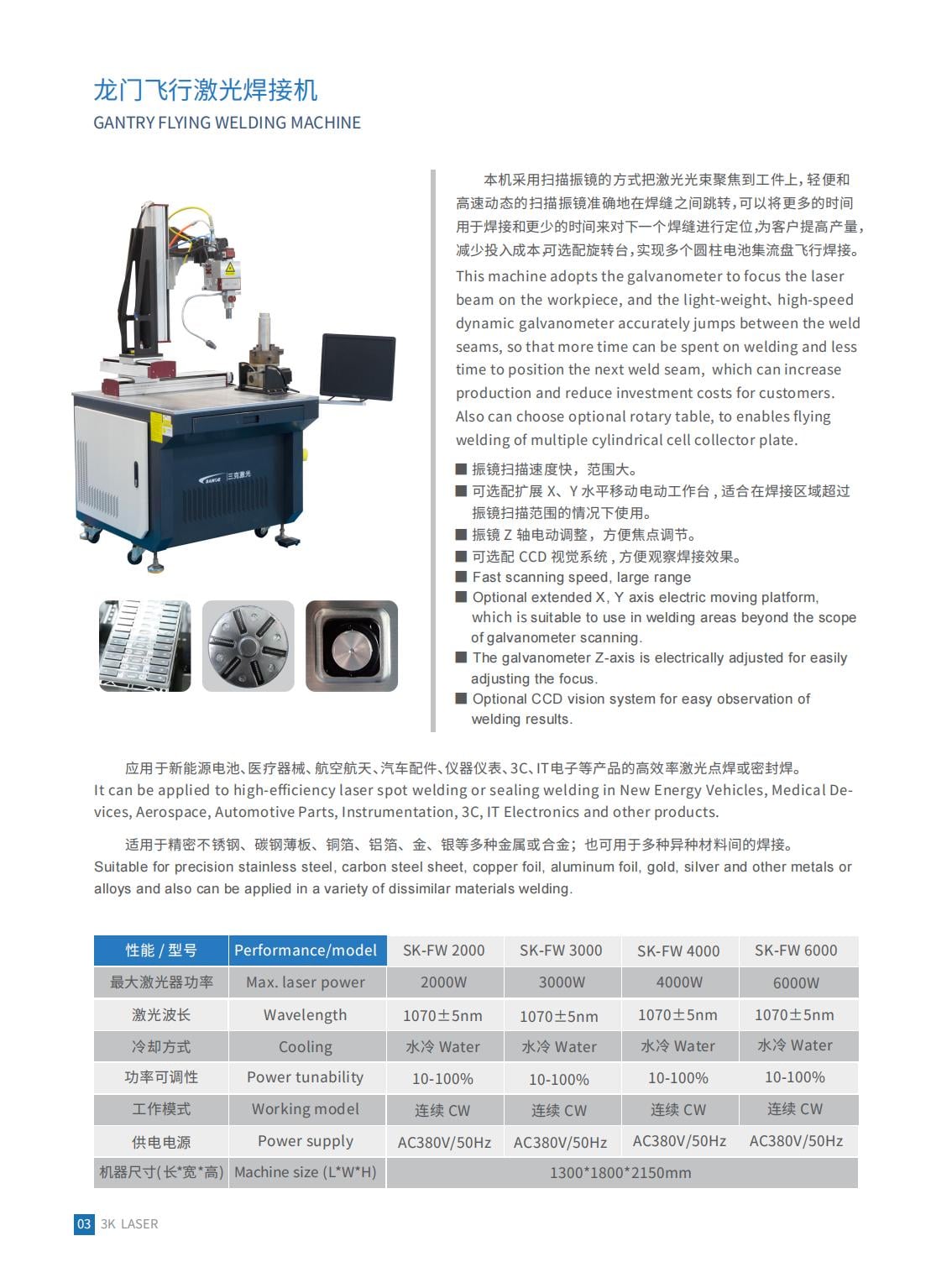
semi automatic welding machine
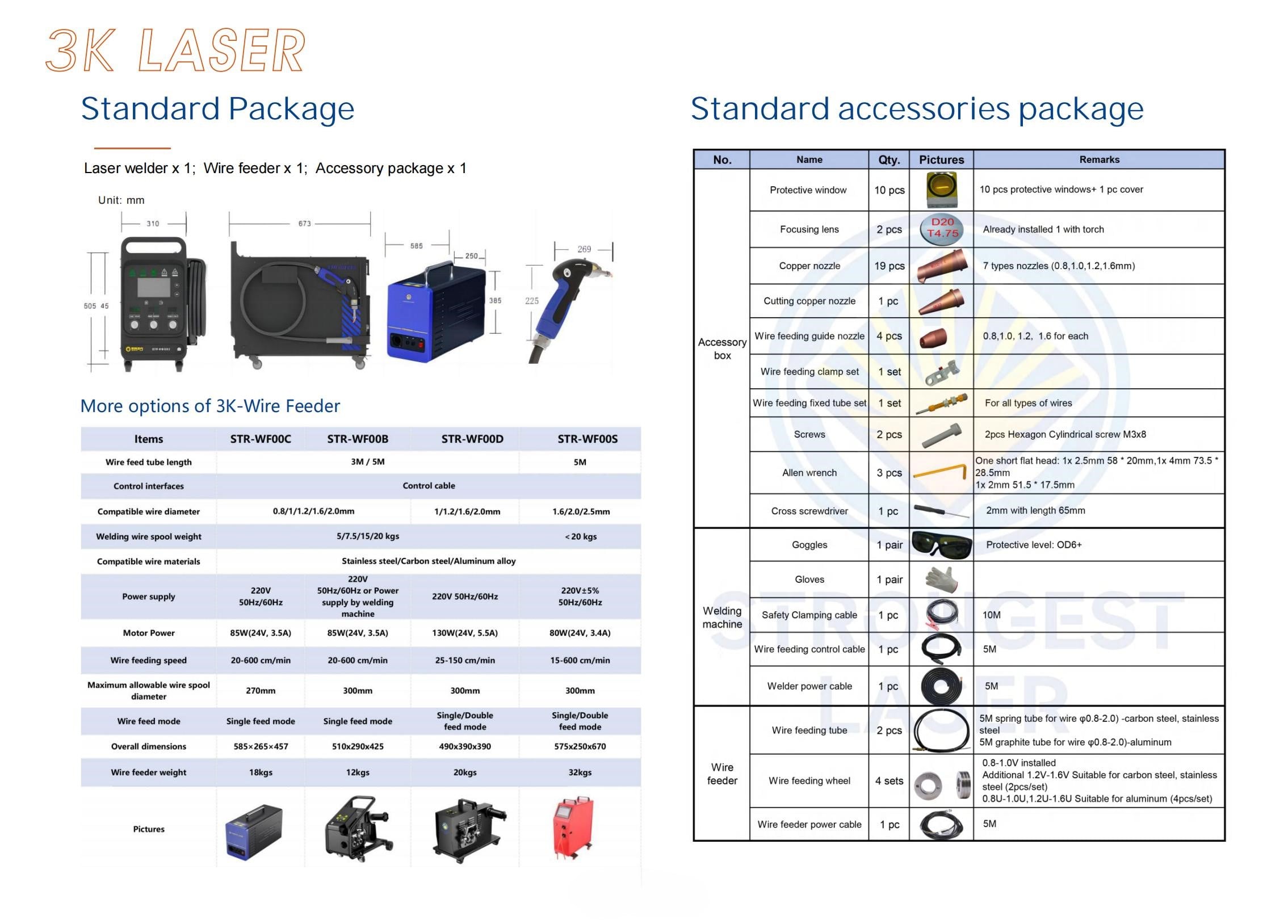
A semi automatic welding machine represents a versatile solution that bridges the gap between manual and fully automated welding processes. This equipment combines operator control with mechanized wire feeding, enabling consistent and efficient metal joining across various applications. The semi automatic welding machine utilizes continuous wire electrodes fed through a welding gun, while the operator controls the gun position, travel speed, and welding parameters. This technology primarily encompasses MIG (Metal Inert Gas) and MAG (Metal Active Gas) welding processes, offering flexibility for different material types and thicknesses. The machine features adjustable voltage and wire feed speed controls, allowing operators to optimize settings for specific welding tasks. Advanced models include digital displays, synergic control systems, and thermal overload protection to enhance performance and safety. These machines typically operate with shielding gas to protect the weld pool from atmospheric contamination, ensuring strong and clean welds. The semi automatic welding machine finds extensive use in manufacturing, fabrication, automotive repair, construction, and maintenance operations. Its portability options range from lightweight units for field work to heavy-duty stationary models for industrial production. The technology significantly reduces operator fatigue compared to manual stick welding while maintaining the flexibility that fully automated systems cannot provide. With proper training, operators can achieve professional-quality welds with minimal spatter and excellent penetration across steel, stainless steel, and aluminum materials.
 EN
EN
 AR
AR
 FR
FR
 DE
DE
 JA
JA
 KO
KO
 RU
RU
 ES
ES