automatic pipe welding machine
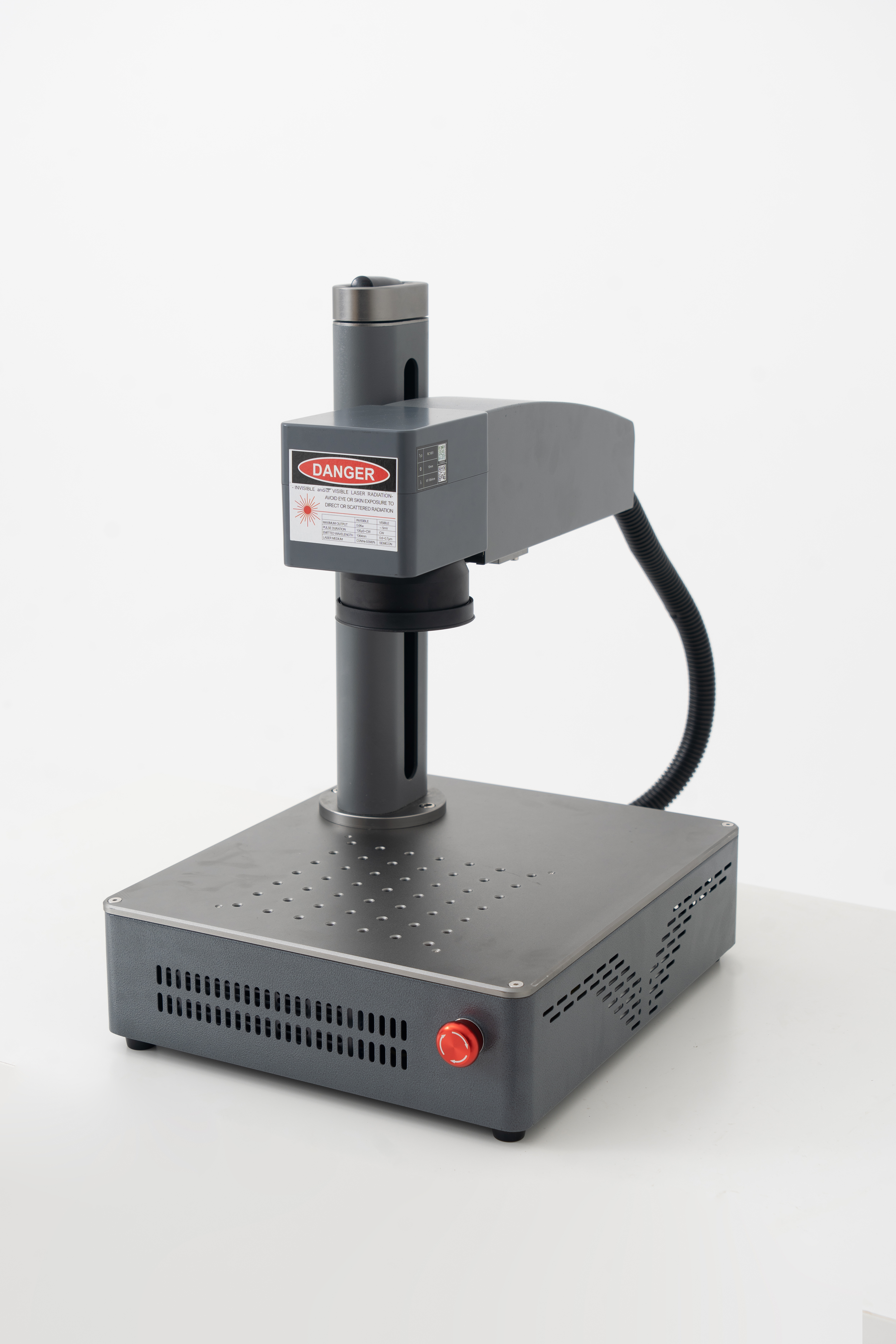
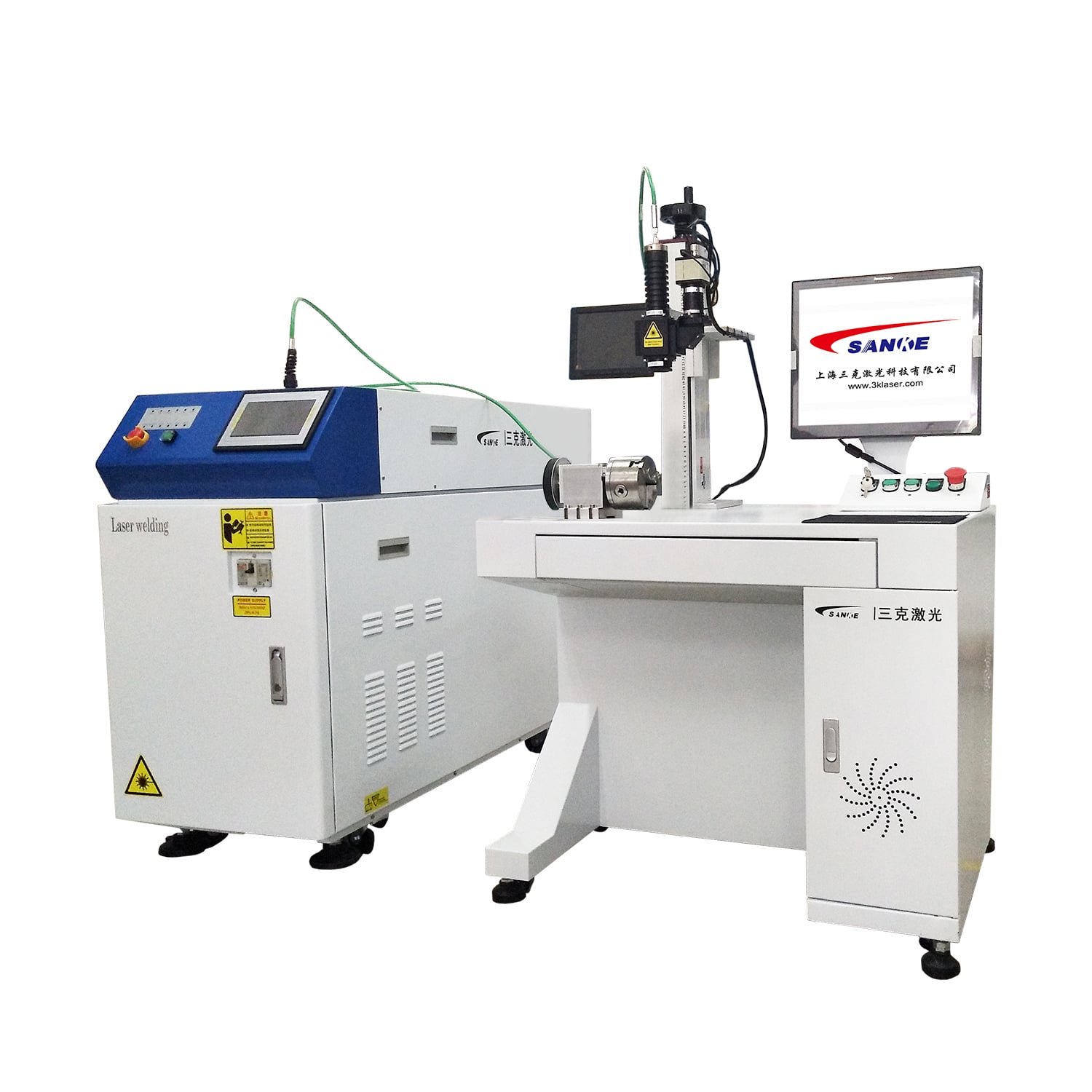
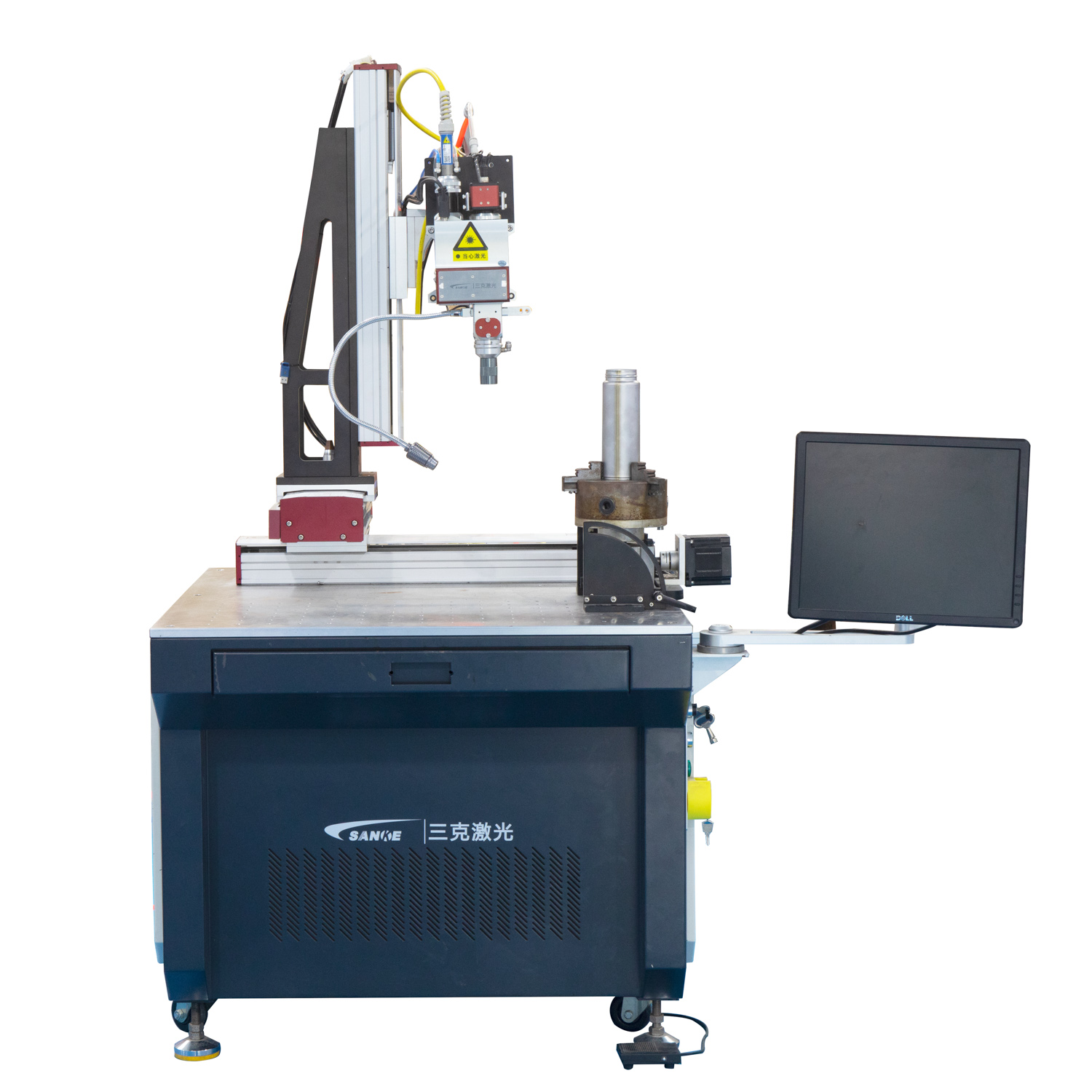
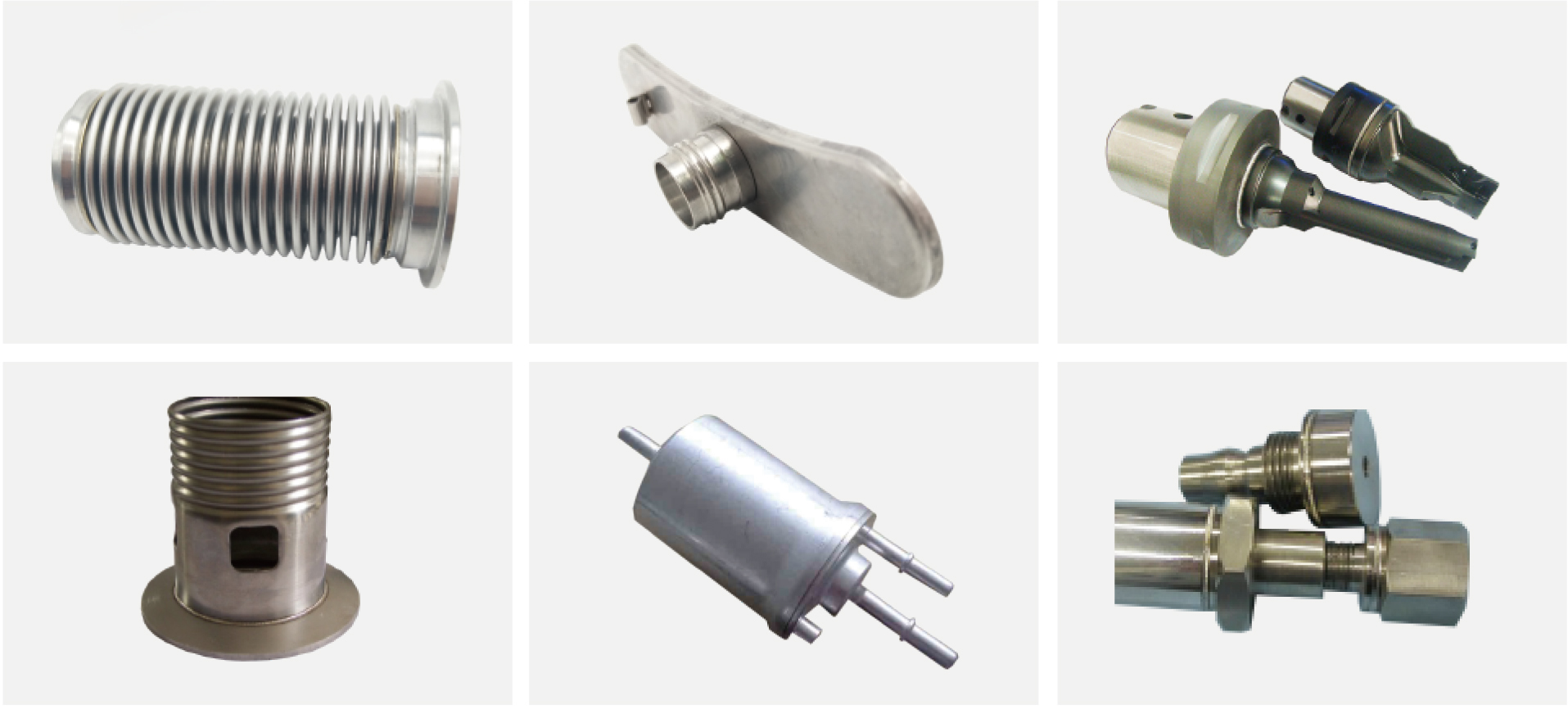
An automatic pipe welding machine is an advanced industrial equipment designed to streamline and automate the welding process for cylindrical pipes and tubular components. This sophisticated machinery integrates cutting-edge technology to deliver precise, consistent, and high-quality welds across various pipe diameters and materials. The automatic pipe welding machine operates by automatically positioning, rotating, and welding pipes with minimal human intervention, significantly reducing labor requirements while maximizing productivity. Its main functions include automated arc striking, precise weld bead placement, consistent heat control, and synchronized pipe rotation to ensure uniform penetration and fusion throughout the entire circumference. The technological features of an automatic pipe welding machine encompass programmable logic controllers for process management, digital welding parameter adjustment, real-time monitoring systems, and adaptive arc control that responds to variations in joint geometry. Many models incorporate orbital welding heads, multi-axis positioning systems, and advanced power sources that support various welding processes including TIG, MIG, and submerged arc welding. These machines find extensive applications across industries such as oil and gas pipeline construction, power generation facilities, petrochemical plants, shipbuilding, pharmaceutical manufacturing, and HVAC system installation. The automatic pipe welding machine proves particularly valuable in projects requiring repetitive welding tasks, strict quality standards, and documentation of welding parameters for compliance with industry codes and regulatory requirements.
 EN
EN
 AR
AR
 FR
FR
 DE
DE
 JA
JA
 KO
KO
 RU
RU
 ES
ES