automatic arc welding-0

Advanced Automatic Arc Welding Systems - Precision Manufacturing Solutions

Get a Free Quote

Our representative will contact you soon.
Email
Name
Company Name
Message
0/1000

automatic arc welding

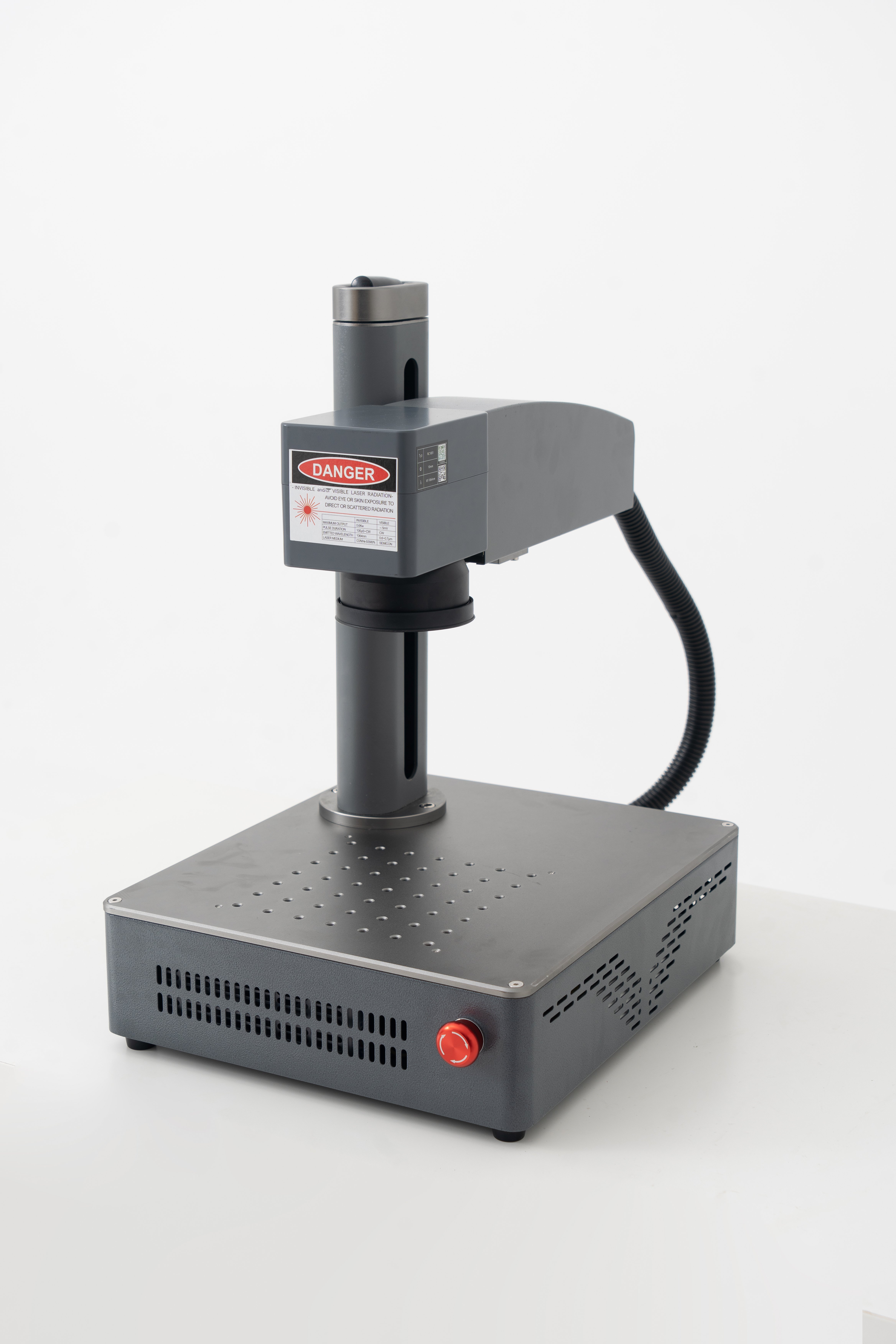
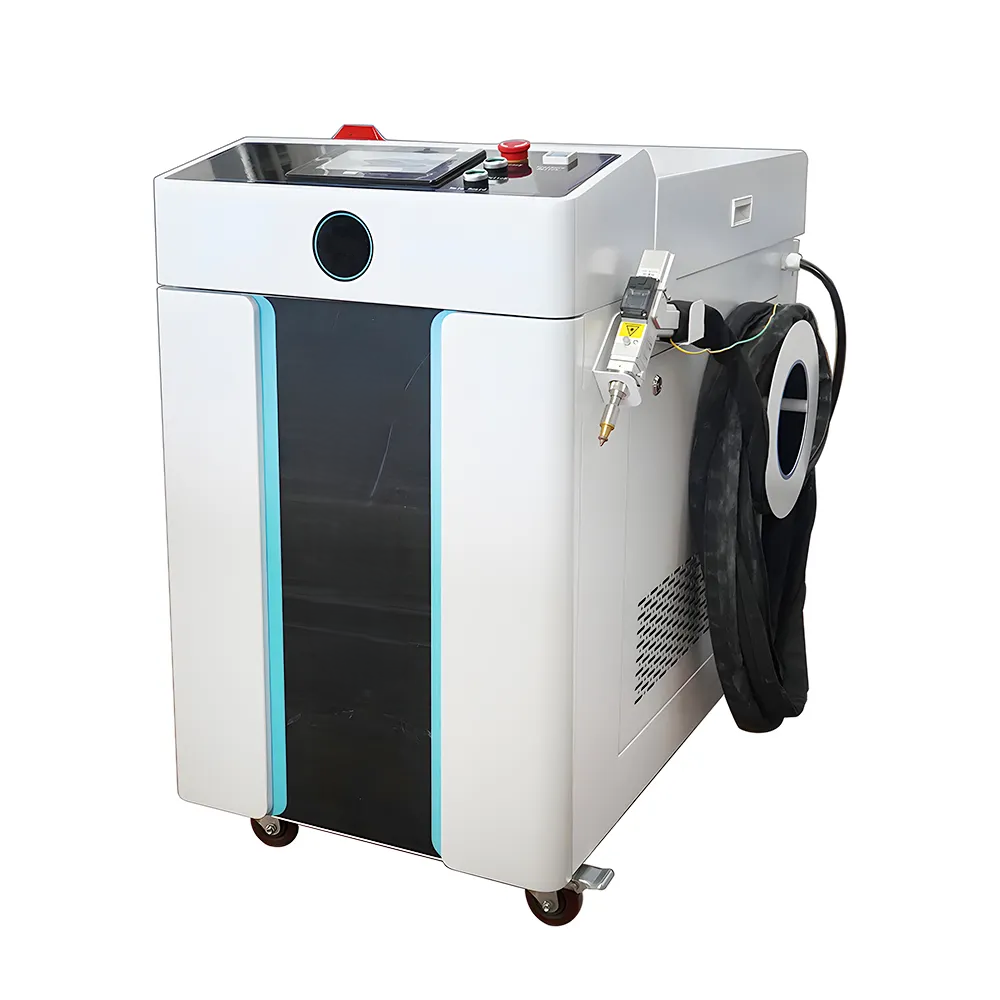
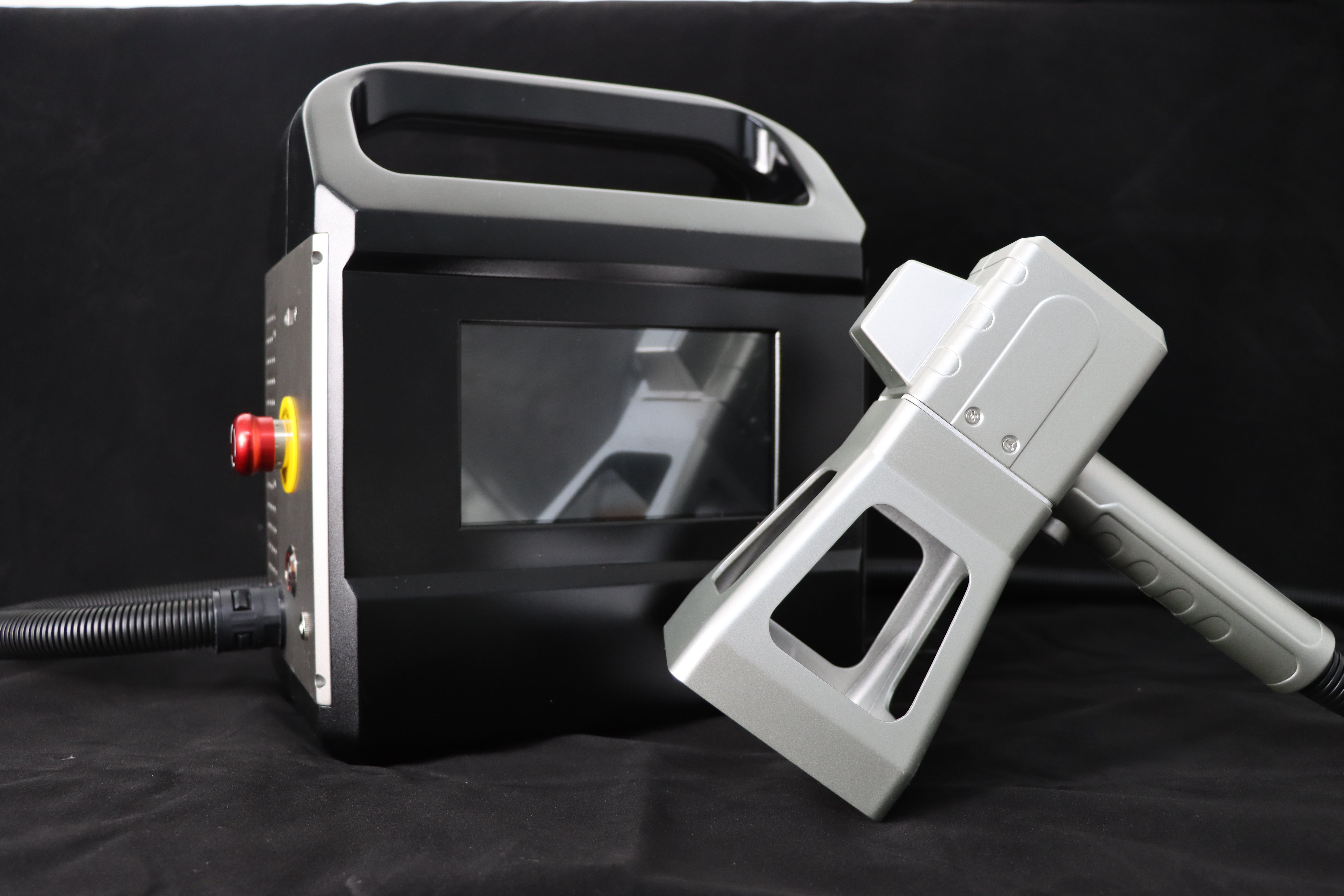
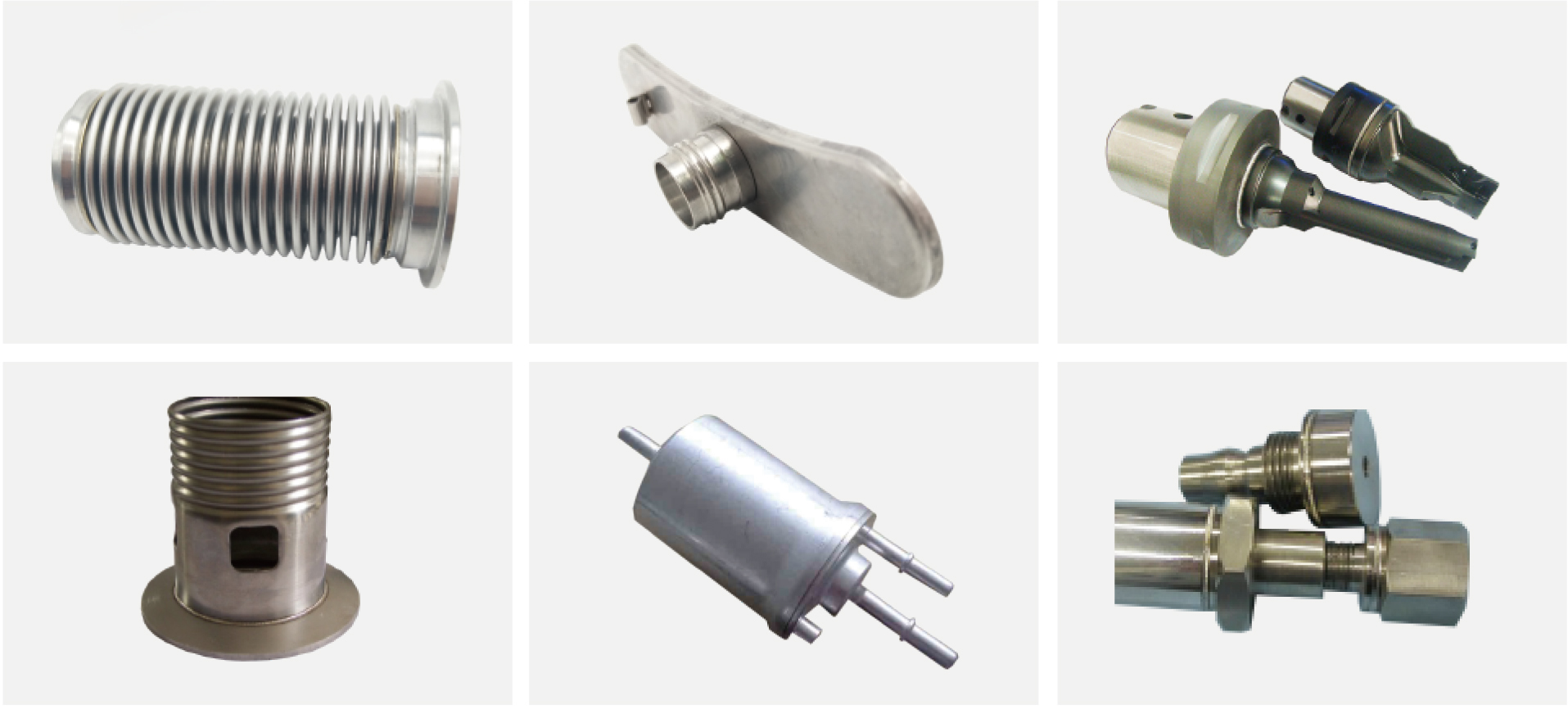
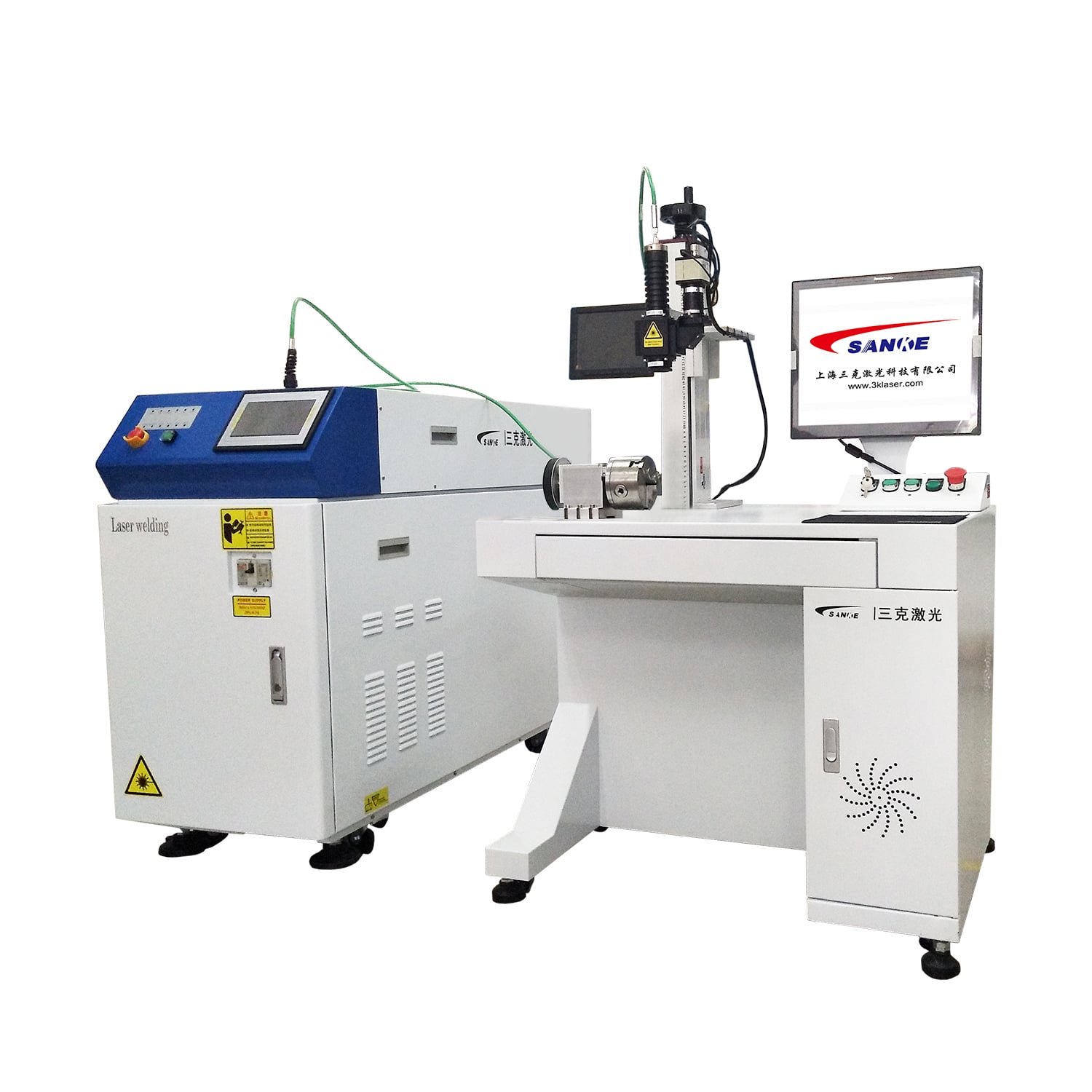
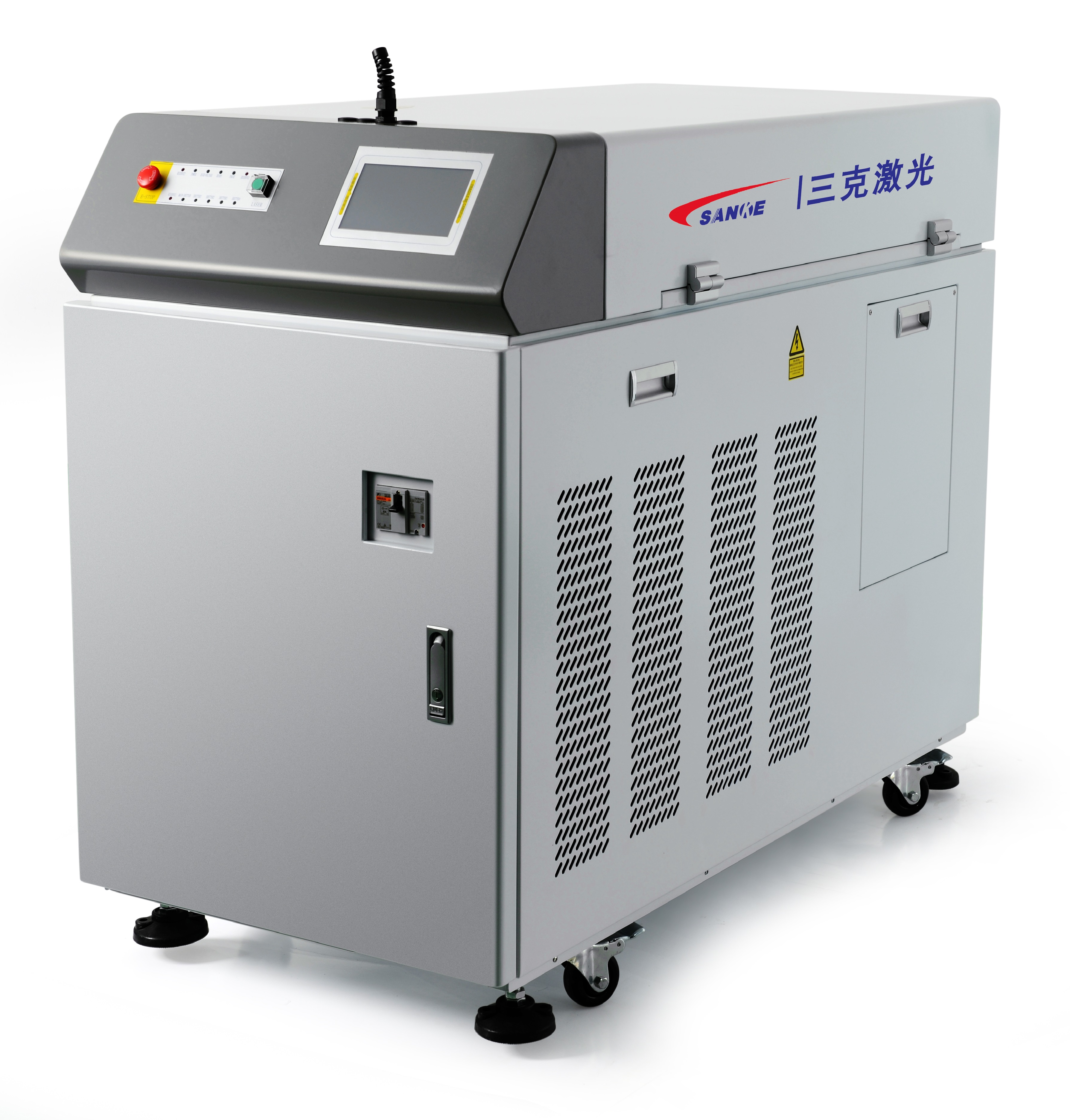
Automatic arc welding represents a revolutionary advancement in manufacturing technology that transforms traditional welding processes through sophisticated automation systems. This cutting-edge welding method utilizes computer-controlled equipment to perform precise metal joining operations without requiring constant human intervention. The automatic arc welding system employs electric arcs generated between electrodes and workpieces to create intense heat that melts and fuses metal components together. The main functions of automatic arc welding include consistent weld quality maintenance, increased production speeds, and enhanced workplace safety through reduced human exposure to hazardous welding environments. The technology features advanced motion control systems that guide welding torches along predetermined paths with exceptional accuracy. These systems incorporate sensors and feedback mechanisms that monitor welding parameters in real-time, automatically adjusting voltage, current, and travel speed to maintain optimal weld characteristics. The technological features of automatic arc welding encompass programmable logic controllers that store welding sequences, robotic arms equipped with multiple degrees of freedom for complex geometries, and integrated quality control systems that detect defects during the welding process. Modern automatic arc welding systems also include adaptive control capabilities that compensate for material variations and environmental factors. The applications for automatic arc welding span numerous industries including automotive manufacturing, shipbuilding, construction, aerospace, pipeline installation, and heavy machinery production. In automotive plants, automatic arc welding systems create body panels and chassis components with remarkable consistency. Shipyards utilize these systems for hull construction and structural welding tasks. Construction companies employ automatic arc welding for building frameworks and infrastructure projects. The aerospace industry relies on this technology for creating lightweight yet strong aircraft components that meet stringent safety requirements.

Popular Products

Automatic arc welding delivers numerous compelling advantages that make it an essential investment for modern manufacturing operations. The most significant benefit is the dramatic improvement in weld quality consistency that automatic arc welding provides compared to manual welding methods. Human welders naturally experience fatigue and concentration fluctuations that can affect weld quality, but automatic arc welding systems maintain identical parameters throughout entire production runs. This consistency translates directly into fewer defective parts, reduced rework costs, and enhanced product reliability. Production efficiency represents another major advantage of automatic arc welding systems. These machines operate continuously without breaks, sick days, or shift changes, enabling manufacturers to achieve higher output volumes while maintaining quality standards. The speed advantage of automatic arc welding becomes particularly pronounced in high-volume production environments where consistent throughput directly impacts profitability. Safety improvements constitute a critical advantage that automatic arc welding brings to manufacturing facilities. Traditional welding exposes workers to harmful fumes, intense ultraviolet radiation, extreme heat, and potential burn injuries. Automatic arc welding systems eliminate these health risks by removing workers from hazardous welding environments while maintaining full production capabilities. Cost reduction emerges as a compelling long-term advantage of automatic arc welding implementation. Although initial equipment investments require significant capital, the technology pays for itself through reduced labor costs, decreased material waste, and improved production efficiency. Automatic arc welding systems also minimize consumable usage through precise control of welding parameters, reducing ongoing operational expenses. Quality control advantages of automatic arc welding include built-in monitoring systems that detect welding defects immediately rather than during post-production inspections. This real-time quality assurance prevents defective products from advancing through production lines, saving both time and materials. The precision capabilities of automatic arc welding enable manufacturers to work with thinner materials and create more complex joint configurations that would be challenging for manual welders to achieve consistently. Training requirements decrease substantially with automatic arc welding since operators need only basic system programming knowledge rather than advanced welding skills.

Practical Tips

What are the typical power requirements for different models of laser drilling machines?

19

Nov

What are the typical power requirements for different models of laser drilling machines?

Understanding the power requirements for laser drilling machines is crucial for manufacturers, engineers, and facility managers planning their industrial operations. The electrical demands of these sophisticated systems vary significantly based on la...
View More
Can a laser drilling machine be integrated into an automated production line?

19

Nov

Can a laser drilling machine be integrated into an automated production line?

Modern manufacturing demands unprecedented levels of precision, efficiency, and automation to remain competitive in today's global marketplace. The integration of advanced equipment into automated production lines has become essential for manufacture...
View More
Field Lens Technology: Latest Innovations Explained

21

Oct

Field Lens Technology: Latest Innovations Explained

Revolutionary Advances in Optical Engineering The evolution of field lens technology represents one of the most significant breakthroughs in modern optical engineering. These sophisticated optical elements have transformed how we capture, process, an...
View More
Fixed vs Variable Beam Expander: Which to Choose?

21

Oct

Fixed vs Variable Beam Expander: Which to Choose?

Understanding Optical Beam Expansion Technology In the world of optics and laser applications, beam expanders play a crucial role in manipulating light beams for various scientific and industrial purposes. These sophisticated optical instruments are ...
View More

Get a Free Quote

Our representative will contact you soon.
Email
Name
Company Name
Message
0/1000

automatic arc welding

Precision Control Technology

Precision Control Technology

The precision control technology in automatic arc welding systems represents the pinnacle of modern manufacturing innovation, delivering unmatched accuracy and repeatability that transforms welding operations across industries. This advanced technology employs sophisticated servo motors and encoder systems that position welding torches with micron-level precision, ensuring that every weld follows exact specifications without deviation. The precision control system continuously monitors torch position, travel speed, and arc characteristics through multiple feedback loops that make real-time adjustments to maintain optimal welding conditions. This technological sophistication enables automatic arc welding systems to create welds with consistent penetration depths, uniform bead profiles, and precise heat input control that would be impossible to achieve through manual welding methods. The precision control technology also incorporates adaptive algorithms that learn from welding variations and automatically compensate for material inconsistencies, joint fit-up variations, and environmental factors such as temperature fluctuations. Manufacturing facilities benefit enormously from this precision because it eliminates the variability that traditionally plagued welding operations, resulting in predictable production outcomes and reduced quality control requirements. The economic impact of precision control technology extends beyond immediate production benefits, as manufacturers can confidently bid on contracts requiring tight tolerances and exceptional quality standards. This capability opens new market opportunities and enables premium pricing for superior welded products. The precision control technology in automatic arc welding systems also reduces material waste significantly by eliminating overwelding and ensuring optimal weld sizes that meet specifications without excess material usage. Quality assurance becomes streamlined when precision control technology ensures that every weld meets predetermined standards, reducing inspection requirements and associated labor costs. The competitive advantage gained through precision control technology makes automatic arc welding systems essential investments for manufacturers seeking to differentiate themselves through superior product quality and manufacturing capability.
Enhanced Productivity Systems

Enhanced Productivity Systems

Enhanced productivity systems integrated into automatic arc welding technology revolutionize manufacturing efficiency by maximizing output while maintaining exceptional quality standards throughout production processes. These sophisticated systems coordinate multiple welding operations simultaneously, enabling manufacturers to complete complex assemblies in significantly less time than traditional welding methods require. The productivity enhancement stems from intelligent scheduling algorithms that optimize welding sequences, minimize travel time between weld locations, and coordinate material handling to eliminate production bottlenecks. Automatic arc welding systems equipped with enhanced productivity features can operate continuously for extended periods, dramatically increasing daily production volumes without compromising weld quality or safety standards. The technology incorporates advanced path planning software that calculates the most efficient welding sequences for complex geometries, reducing cycle times while ensuring complete joint coverage. Multi-station capabilities allow automatic arc welding systems to work on multiple assemblies simultaneously, further amplifying productivity gains and enabling manufacturers to meet aggressive delivery schedules. The enhanced productivity systems also include predictive maintenance features that monitor equipment condition and schedule maintenance activities during planned downtime, preventing unexpected production interruptions. Integration capabilities with existing manufacturing execution systems enable automatic arc welding technology to communicate with upstream and downstream processes, creating seamless production workflows that maximize overall facility efficiency. The productivity benefits extend to material utilization optimization, as enhanced systems calculate precise consumable requirements and minimize waste through accurate parameter control. Manufacturers implementing enhanced productivity systems in their automatic arc welding operations typically experience production increases of 200-400 percent compared to manual welding operations while simultaneously improving quality consistency. The return on investment from enhanced productivity systems becomes evident within months of implementation, as increased throughput and reduced labor requirements generate substantial cost savings. These productivity improvements enable manufacturers to accept larger orders, meet tighter deadlines, and compete more effectively in demanding market environments where delivery speed and quality reliability determine success.
Advanced Safety Features

Advanced Safety Features

Advanced safety features embedded within automatic arc welding systems provide comprehensive protection for personnel while maintaining optimal production performance, making these technologies essential for modern manufacturing environments prioritizing worker welfare and operational excellence. The safety architecture includes multiple redundant systems that monitor welding operations continuously, automatically shutting down equipment when potentially hazardous conditions are detected. Sophisticated sensor arrays detect human presence within welding zones and immediately halt operations to prevent injury, while emergency stop systems provide instant shutdown capabilities from multiple locations throughout the work area. The advanced safety features also include fume extraction systems that capture welding emissions at their source, preventing harmful substances from entering the workplace atmosphere and protecting worker health. Automated fire suppression systems respond instantly to welding-related fire hazards, minimizing property damage and ensuring personnel safety during emergency situations. The safety systems incorporate arc flash protection that shields operators from dangerous ultraviolet radiation while enabling full visibility of welding operations through specialized viewing systems. Noise control features reduce workplace sound levels generated by welding operations, protecting worker hearing and improving overall work environment quality. The automatic arc welding safety systems also include electrical isolation protocols that prevent accidental contact with live circuits and comprehensive grounding systems that eliminate electrical shock risks. Temperature monitoring prevents overheating conditions that could damage equipment or create safety hazards, while ventilation controls maintain optimal air quality throughout welding areas. Training requirements for operating automatic arc welding systems with advanced safety features are minimal compared to traditional welding methods, as operators work from safe distances using control interfaces rather than direct exposure to welding hazards. The comprehensive safety approach reduces workers compensation claims, insurance premiums, and regulatory compliance costs while creating positive workplace environments that attract skilled employees. These safety improvements enable manufacturers to implement automatic arc welding technology in facilities with strict safety requirements, expanding market opportunities and enabling compliance with increasingly stringent industrial safety regulations.

Get a Free Quote

Our representative will contact you soon.
Email
Name
Company Name
Message
0/1000