automated welding systems
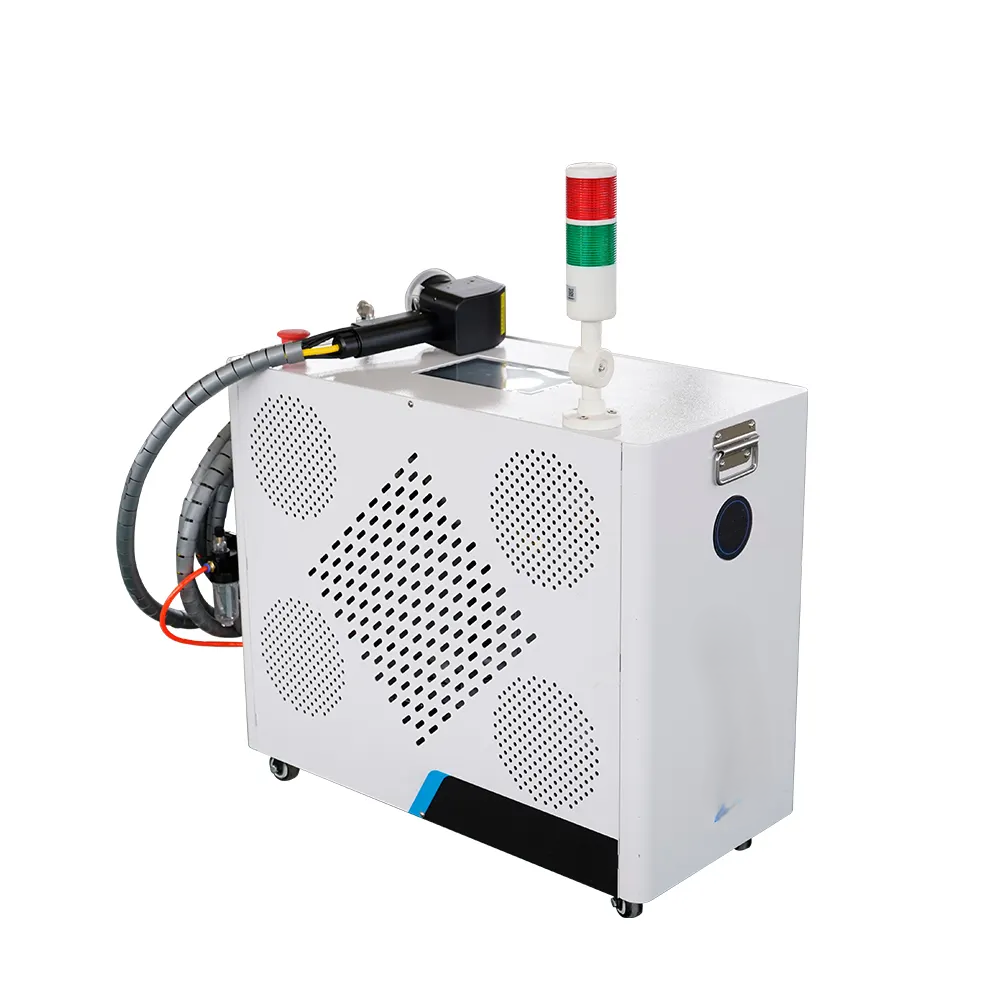
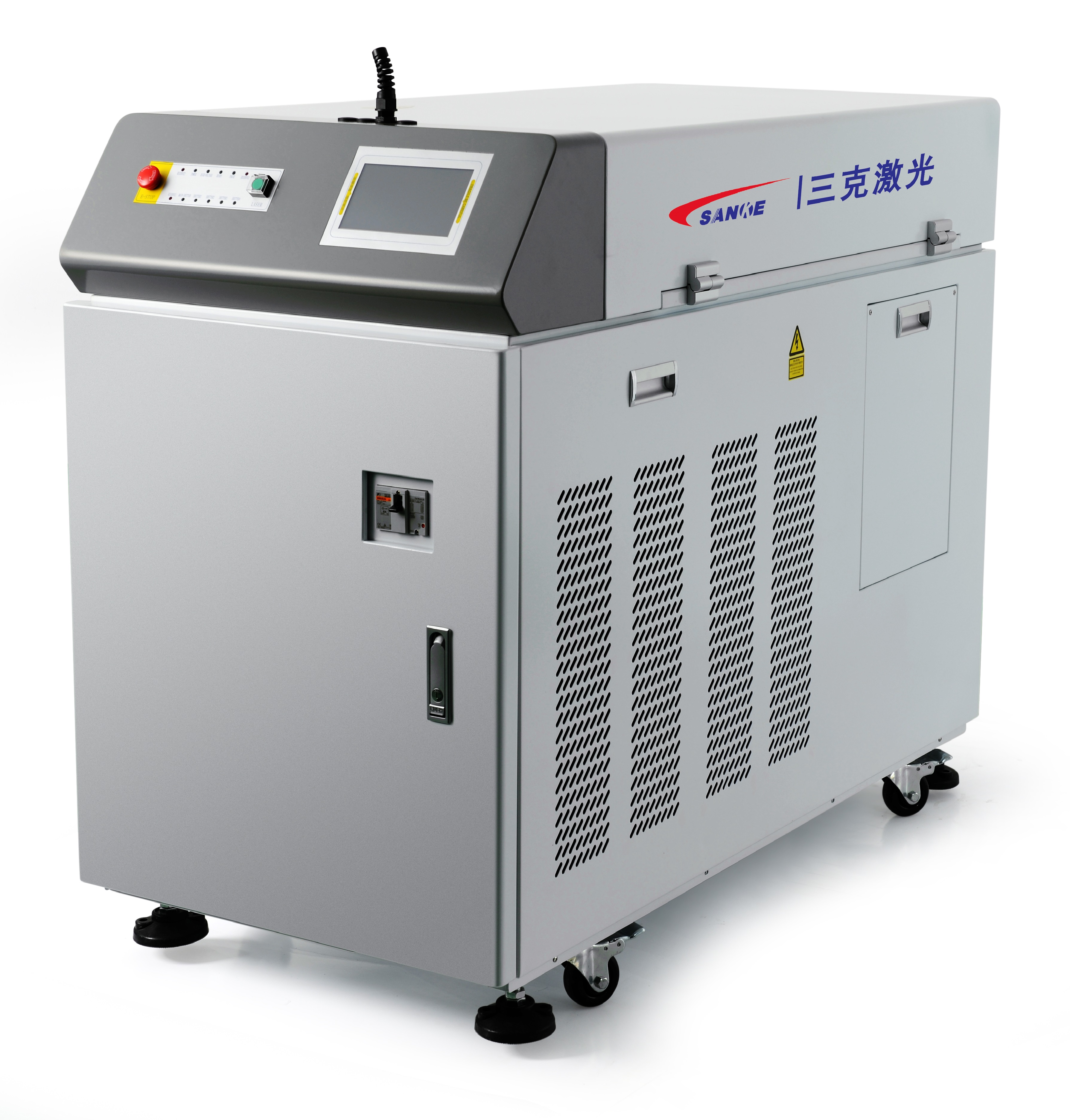
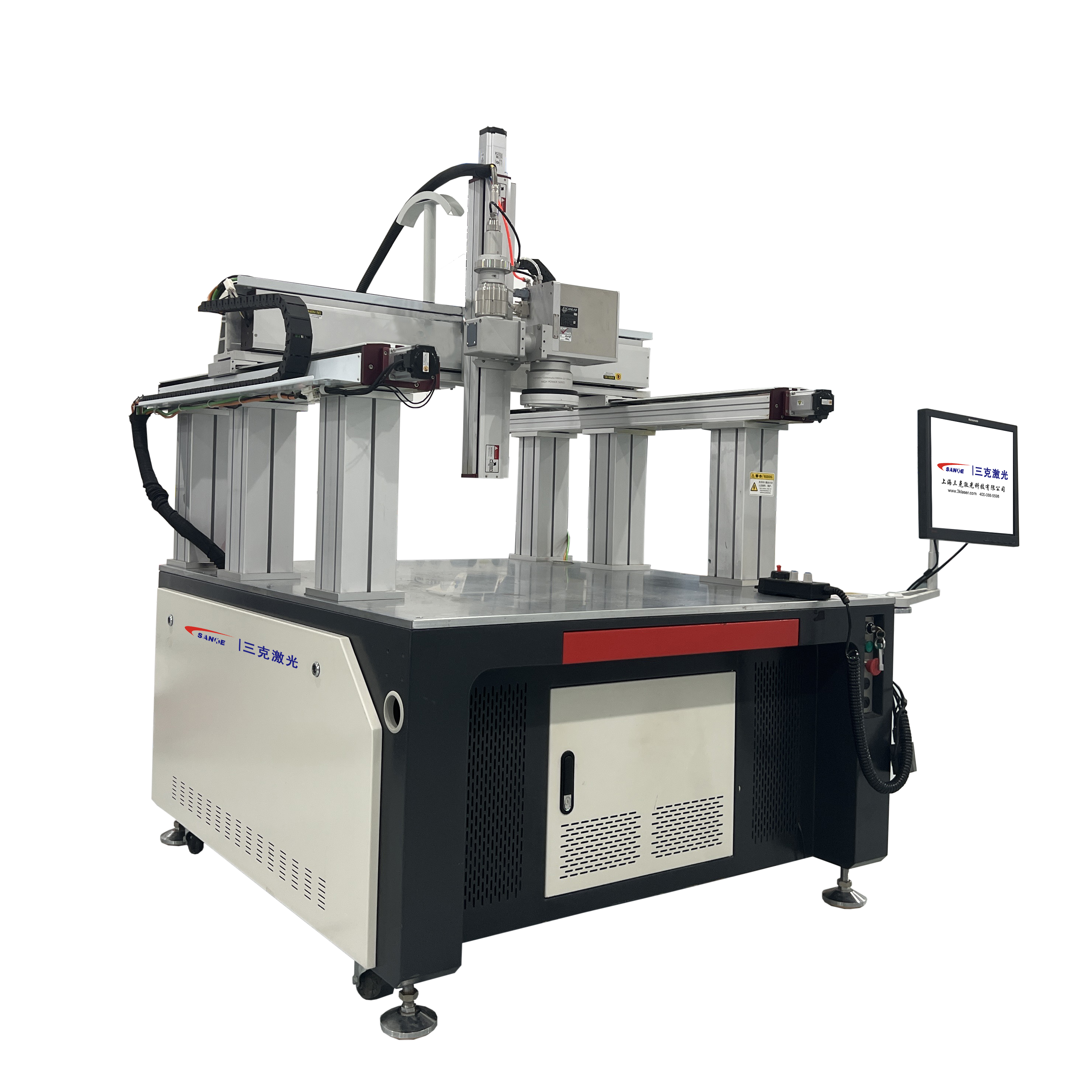
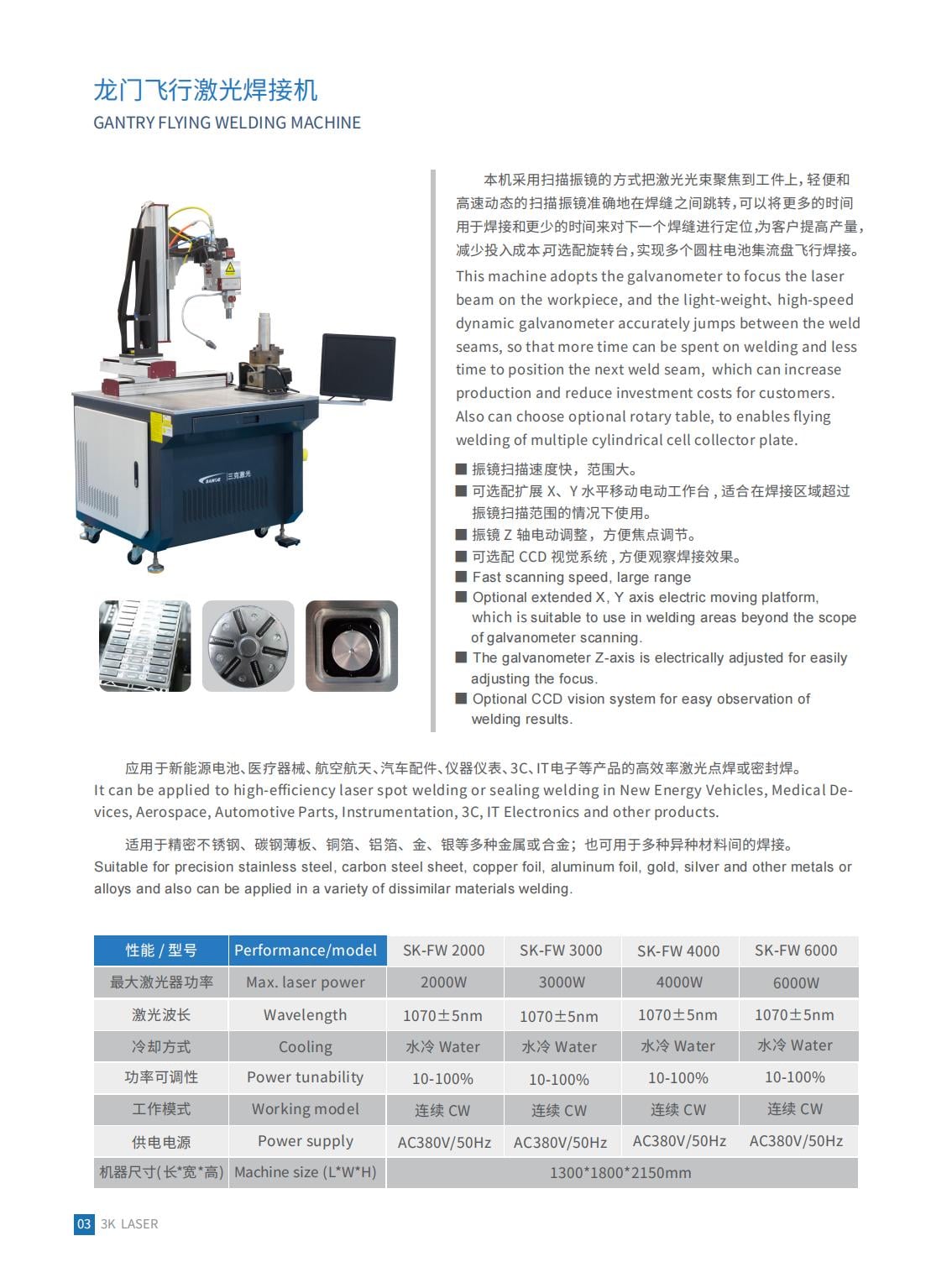
Automated welding systems represent a transformative leap in manufacturing technology, combining precision robotics with advanced welding processes to deliver consistent, high-quality results. These sophisticated systems integrate robotic arms, computerized controls, welding power sources, and intelligent monitoring equipment to perform complex welding tasks with minimal human intervention. The main functions include precise weld path execution, real-time quality monitoring, adaptive parameter adjustment, and seamless integration with production workflows. Automated welding systems utilize cutting-edge technologies such as programmable logic controllers, machine vision systems, adaptive welding controls, and sensor-based feedback mechanisms that ensure optimal weld penetration and bead formation. These systems excel in applications ranging from automotive frame assembly and heavy equipment fabrication to pipeline construction and aerospace component manufacturing. The technological features encompass multi-axis movement capabilities, interchangeable welding torches for different processes including MIG, TIG, and laser welding, touchscreen interfaces for intuitive operation, and data logging capabilities for traceability and quality assurance. By automating repetitive welding operations, these systems significantly reduce production time while maintaining exceptional consistency across thousands of welds. Industries adopting automated welding systems benefit from enhanced workplace safety, reduced material waste, improved weld quality, and the ability to tackle complex geometries that would challenge manual welders. The versatility of automated welding systems makes them indispensable for manufacturers seeking competitive advantages through operational excellence and product reliability.
 EN
EN
 AR
AR
 FR
FR
 DE
DE
 JA
JA
 KO
KO
 RU
RU
 ES
ES