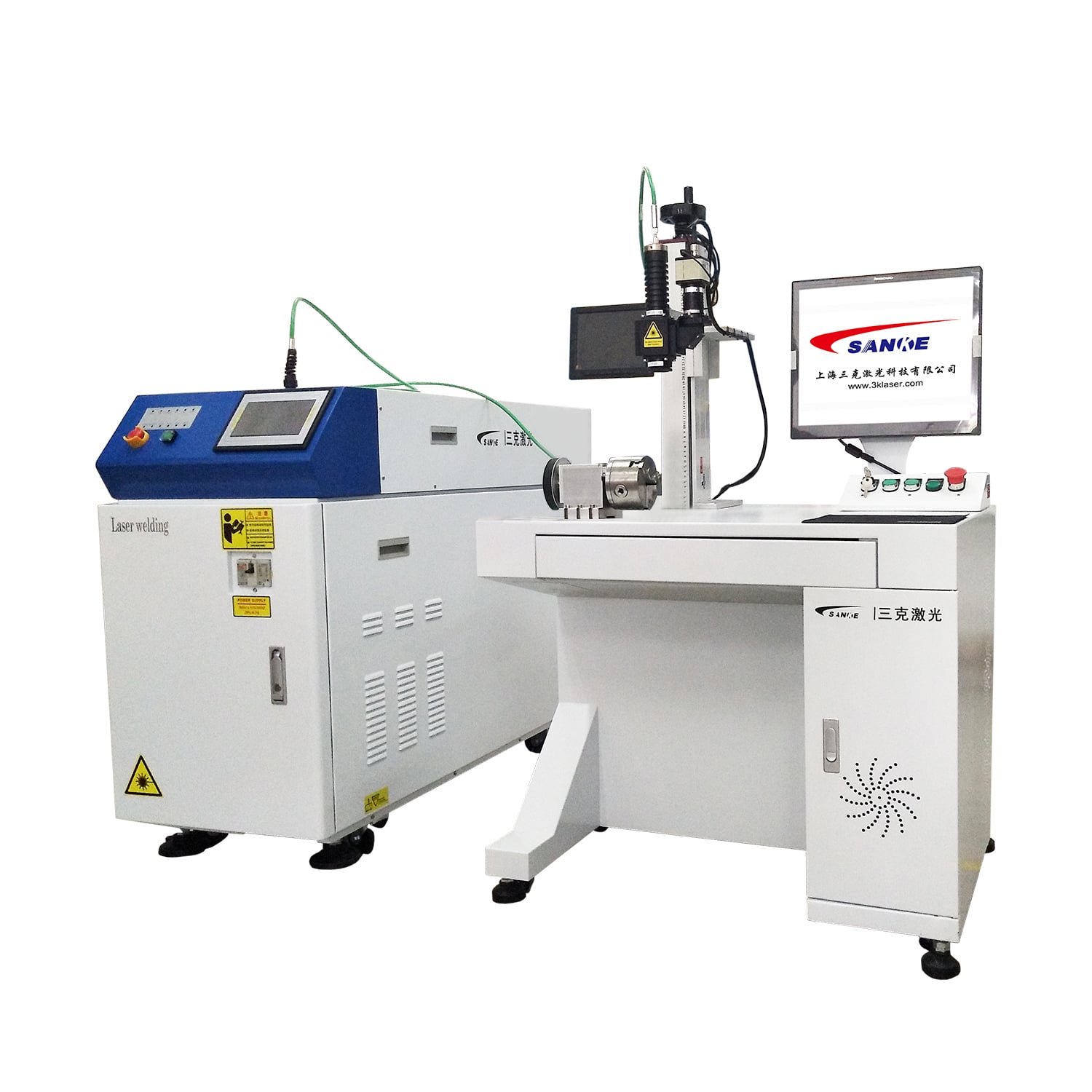
welding automatic-0

Advanced Welding Automatic Systems: Precision, Efficiency, and Safety in Metal Fabrication

Get a Free Quote

Our representative will contact you soon.
Email
Name
Company Name
Message
0/1000

welding automatic

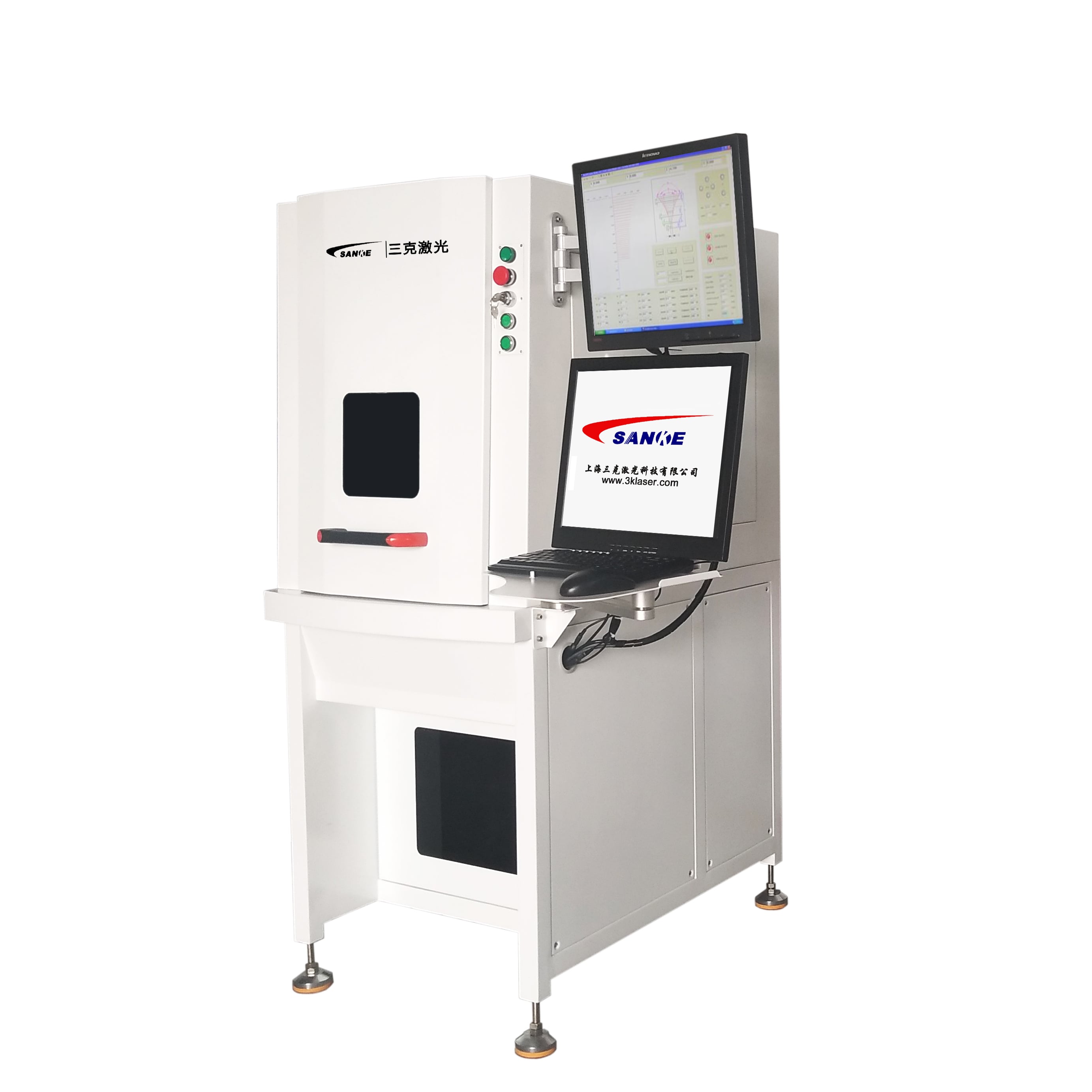
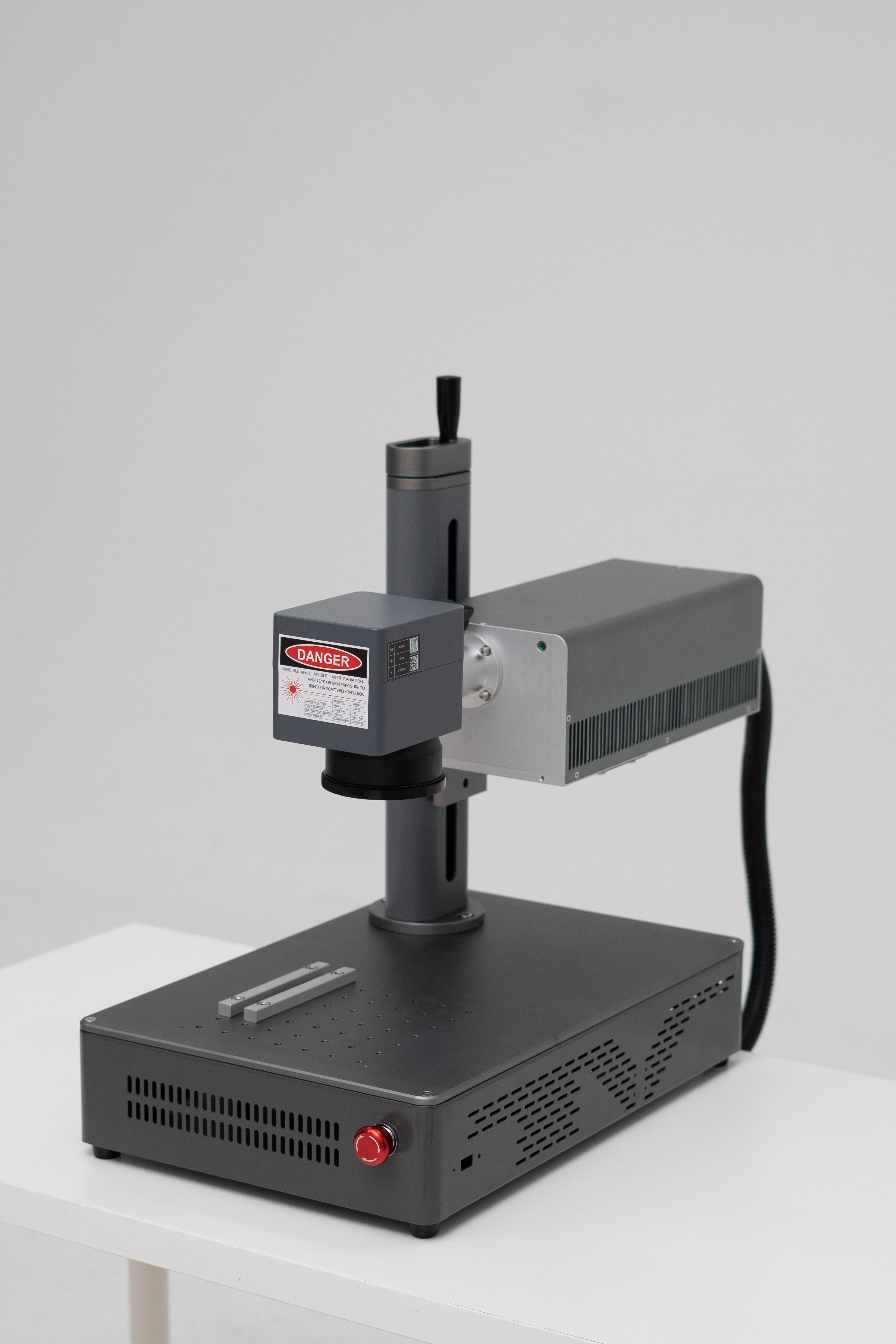
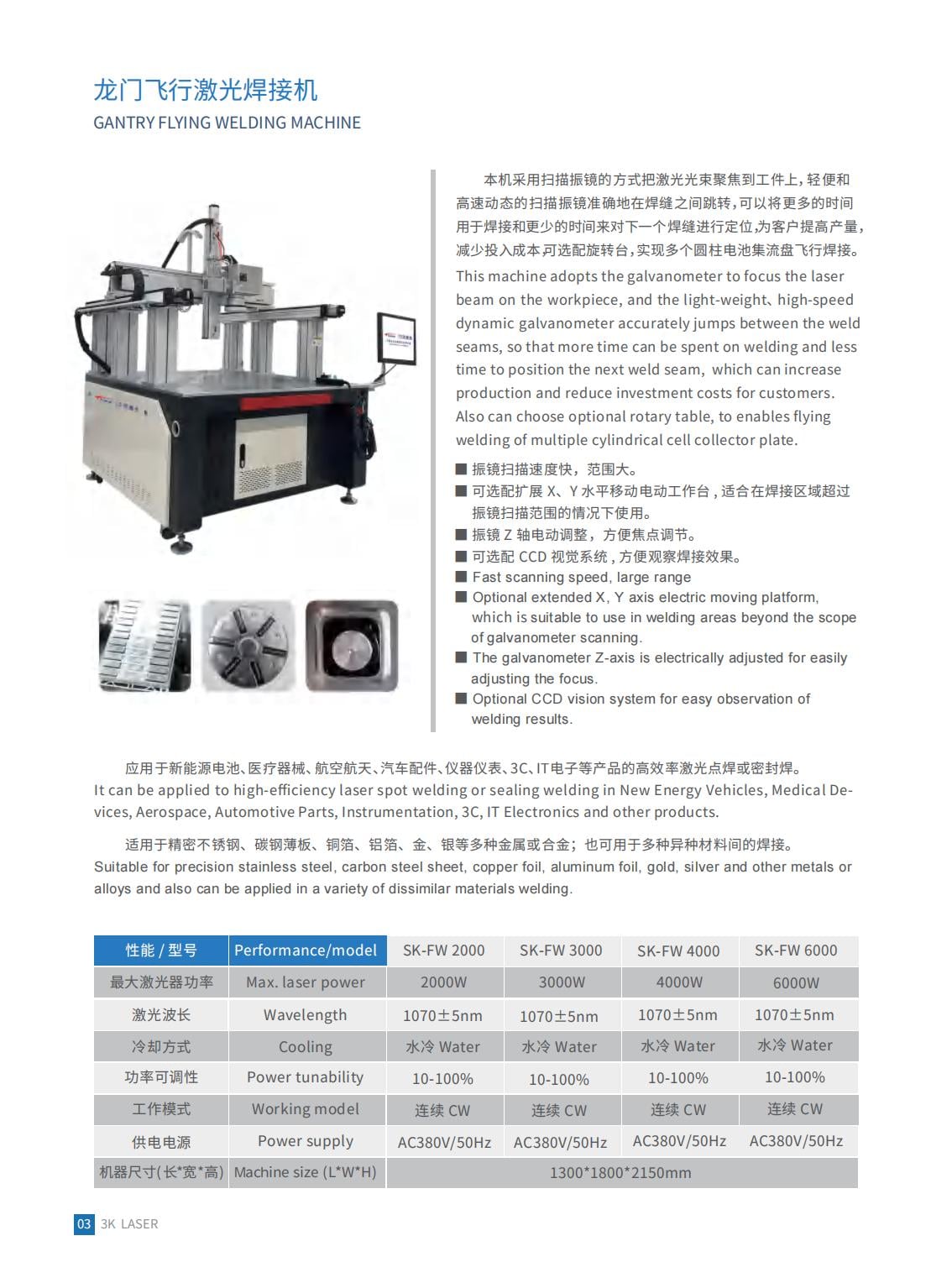
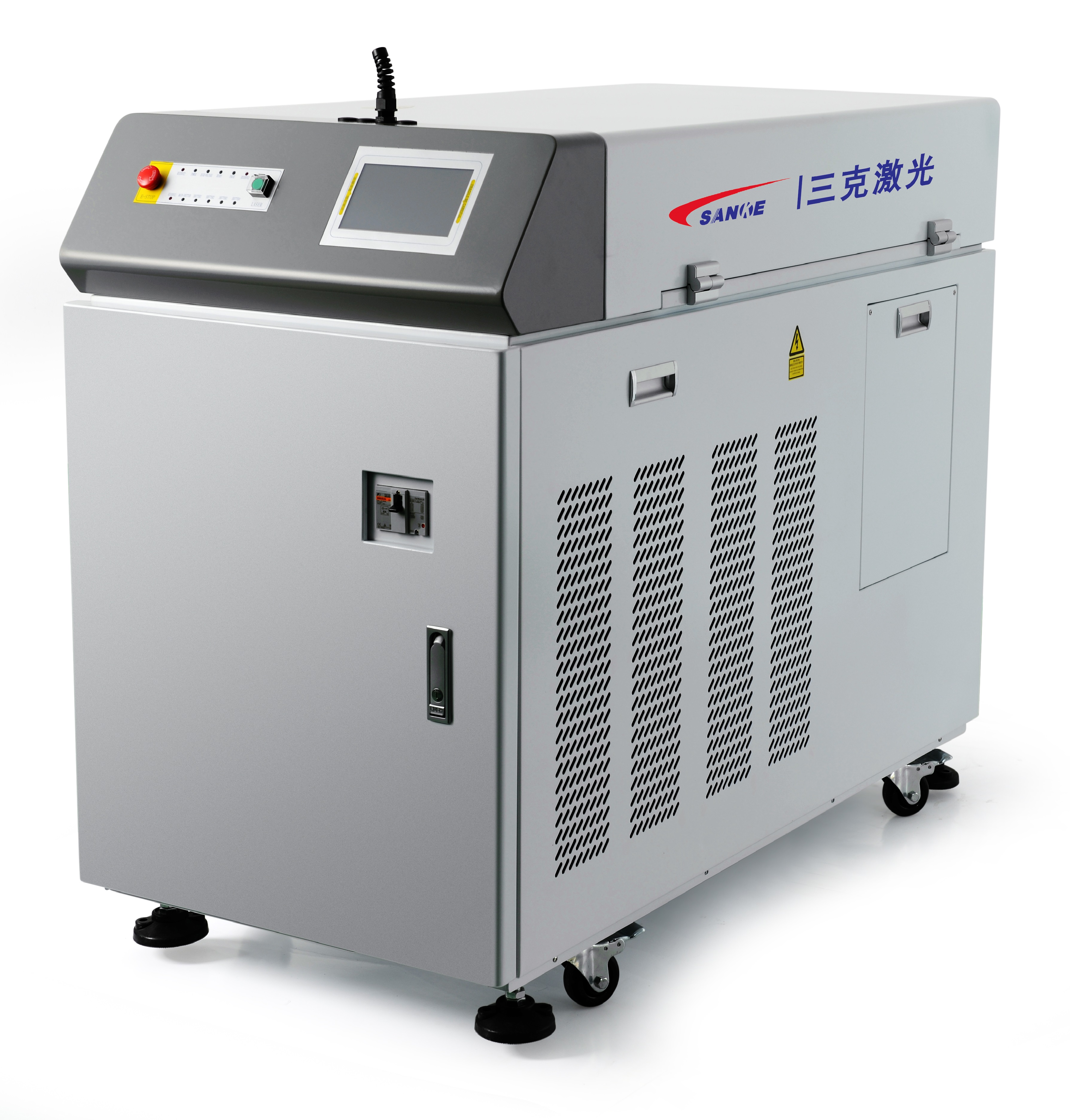
Welding automatic systems represent a revolutionary advancement in metal fabrication technology, transforming traditional manual welding processes into highly efficient, computer-controlled operations. These sophisticated machines integrate cutting-edge robotics with precise welding equipment to deliver consistent, high-quality welds across various industrial applications. The welding automatic technology combines sensor-based positioning, programmable control units, and advanced arc management systems to ensure optimal weld penetration and structural integrity. Modern welding automatic equipment features multi-axis movement capabilities, allowing complex geometrical welding patterns that would be challenging or impossible for human operators to achieve consistently. The core functionality revolves around pre-programmed welding parameters that can be adjusted for different materials, thicknesses, and joint configurations. These systems utilize real-time feedback mechanisms to monitor weld quality, automatically adjusting voltage, current, and travel speed to maintain optimal conditions throughout the welding process. Advanced welding automatic machines incorporate vision systems that can detect joint gaps, track seam paths, and identify potential defects before they compromise weld integrity. The technological architecture includes servo motors for precise positioning, digital interfaces for parameter control, and safety systems that ensure operator protection during automated operations. Integration capabilities allow welding automatic systems to connect with existing production lines, enabling seamless workflow management and data collection for quality assurance purposes. These machines support various welding processes including MIG, TIG, and plasma welding, making them versatile solutions for diverse manufacturing requirements. The welding automatic technology significantly reduces human error factors while increasing production throughput and maintaining consistent weld quality across large-volume manufacturing runs.

Popular Products

The welding automatic technology delivers substantial productivity improvements that directly impact manufacturing efficiency and profitability. Companies implementing welding automatic systems experience significant reductions in production time, with many operations achieving 200-300% increases in welding speed compared to manual processes. This dramatic improvement stems from the machine's ability to operate continuously without fatigue, breaks, or performance variations that affect human welders. The welding automatic equipment maintains consistent arc stability and travel speeds, eliminating the quality fluctuations common in manual welding operations. Quality control becomes significantly more reliable with welding automatic systems, as these machines execute identical welding parameters for every joint, ensuring uniform penetration depths, bead profiles, and mechanical properties throughout production runs. The precision offered by welding automatic technology reduces material waste substantially, as the systems optimize wire feed rates, gas consumption, and heat input to minimize excess material usage while maximizing joint strength. Safety improvements represent another crucial advantage, as welding automatic systems remove operators from direct exposure to welding arcs, fumes, and high-temperature environments. Workers can monitor operations from safe distances while the machines handle hazardous welding tasks. Cost savings accumulate through multiple channels when using welding automatic equipment, including reduced labor costs, decreased rework rates, and improved material utilization efficiency. The systems require minimal supervision once programmed, allowing skilled welders to focus on complex tasks while machines handle repetitive operations. Training requirements decrease significantly since operators need only learn system programming and monitoring rather than developing advanced welding skills. Welding automatic technology also enables 24-hour production capabilities, maximizing equipment utilization and meeting tight delivery schedules without overtime costs. The consistent quality output reduces inspection time and rejection rates, streamlining quality assurance processes. Documentation and traceability improve dramatically as welding automatic systems can record detailed welding parameters for each joint, supporting quality certifications and regulatory compliance requirements essential in aerospace, automotive, and structural applications.

Practical Tips

What industries benefit most from laser welding technology?

19

Nov

What industries benefit most from laser welding technology?

Modern manufacturing has witnessed a revolutionary shift in welding technology as industries increasingly adopt advanced laser welding systems. The laser welding machine represents a significant technological leap from conventional welding methods, o...
View More
How Does the Power Output of a Laser Source Affect Its Performance?

22

Sep

How Does the Power Output of a Laser Source Affect Its Performance?

Understanding the Critical Role of Power Output in Laser Applications The relationship between a laser source and its power output fundamentally shapes the capabilities and effectiveness of laser systems across countless applications. From industrial...
View More
How Do Different Laser Sources Impact the Efficiency of Industrial Processes?

19

Nov

How Do Different Laser Sources Impact the Efficiency of Industrial Processes?

Industrial manufacturing has undergone a revolutionary transformation with the integration of advanced laser technology, where different laser sources serve as the cornerstone of precision processing across numerous sectors. The selection of appropri...
View More
Common Field Lens Problems and Solutions

21

Oct

Common Field Lens Problems and Solutions

Understanding the Complexities of Field Lens Performance Field lenses play a crucial role in optical systems, serving as vital components that help collect and direct light effectively. These specialized optical elements are designed to improve image...
View More

Get a Free Quote

Our representative will contact you soon.
Email
Name
Company Name
Message
0/1000

welding automatic

Advanced Precision Control System

Advanced Precision Control System

The welding automatic precision control system represents the technological heart of modern automated welding solutions, incorporating sophisticated algorithms and sensor technologies that deliver unmatched accuracy in metal fabrication processes. This advanced control system utilizes high-resolution encoders and servo motors to achieve positioning accuracy within 0.1mm, ensuring that every weld joint receives precise electrode placement and optimal heat distribution. The system continuously monitors multiple variables including arc voltage, welding current, travel speed, and wire feed rate, making real-time adjustments to maintain ideal welding conditions throughout the entire operation. Advanced feedback loops within the welding automatic control system detect variations in material thickness, joint gaps, or surface conditions, automatically compensating for these variables to maintain consistent weld quality. The precision control capabilities extend to complex three-dimensional welding paths, where the system can navigate intricate geometries while maintaining optimal torch angles and standoff distances. This level of precision eliminates common welding defects such as lack of fusion, porosity, and inconsistent penetration that often occur in manual welding operations. The welding automatic control system stores multiple welding programs, allowing operators to quickly switch between different product configurations without manual parameter adjustments. Touch-screen interfaces provide intuitive control over welding parameters, with graphical displays showing real-time welding conditions and historical data for quality analysis. The system's precision extends to consumable management, accurately controlling wire feed rates and shielding gas flow to minimize waste while ensuring optimal weld protection. Integration with quality monitoring systems enables the welding automatic control technology to detect potential defects during the welding process, automatically stopping operations when parameters drift outside acceptable ranges. This proactive approach prevents defective welds from progressing through production, saving time and materials while maintaining high-quality standards essential for critical applications in aerospace, automotive, and structural fabrication industries.
Intelligent Seam Tracking Technology

Intelligent Seam Tracking Technology

Intelligent seam tracking technology in welding automatic systems revolutionizes the accuracy and adaptability of automated welding operations, utilizing advanced sensor fusion and artificial intelligence to maintain optimal weld positioning regardless of workpiece variations or setup inconsistencies. This sophisticated tracking system combines laser sensors, vision cameras, and tactile probes to create a comprehensive three-dimensional map of the welding joint, enabling the welding automatic equipment to adapt to real-world manufacturing conditions where perfect part alignment is rarely achievable. The laser-based tracking component projects a structured light pattern onto the weld joint, measuring joint gaps, root openings, and edge preparations with sub-millimeter accuracy. Vision systems complement this data by identifying joint types, detecting surface conditions, and recognizing potential obstacles or fixturing interference that could affect weld quality. The welding automatic seam tracking technology processes this sensor data through machine learning algorithms that have been trained on thousands of welding scenarios, enabling the system to make intelligent decisions about torch positioning, welding parameters, and path corrections in real-time. This adaptive capability allows the welding automatic system to handle natural variations in fabricated components, compensating for thermal distortion, fixture tolerances, and material inconsistencies that would require constant manual adjustments in traditional welding operations. The tracking system maintains optimal standoff distances and torch angles throughout complex welding paths, automatically adjusting for changes in joint geometry or material thickness. Advanced predictive algorithms within the welding automatic tracking system anticipate upcoming joint features based on the scanned geometry, pre-positioning the welding torch for optimal conditions before reaching each section of the weld. This proactive approach ensures smooth transitions between different joint configurations and maintains consistent travel speeds for uniform heat input. The intelligent tracking capability significantly reduces setup time and programming requirements, as the welding automatic system can adapt to new part configurations with minimal operator intervention, making it ideal for small-batch production and prototype development where programming time often exceeds actual welding time.
Comprehensive Safety and Monitoring Systems

Comprehensive Safety and Monitoring Systems

The comprehensive safety and monitoring systems integrated into welding automatic equipment establish multiple layers of protection and quality assurance that far exceed traditional manual welding capabilities, creating safer work environments while ensuring consistent production quality through continuous process monitoring and real-time hazard detection. Advanced safety protocols within welding automatic systems include collision detection sensors that immediately halt machine movement when unexpected obstacles are encountered, protecting both equipment and personnel from damage during automated operations. Emergency stop circuits provide multiple operator-accessible shutdown points, with redundant safety systems ensuring that welding automatic equipment can be safely stopped from any location around the work area. Fume extraction and ventilation monitoring systems automatically adjust air flow rates based on welding parameters and ambient conditions, maintaining safe air quality while the welding automatic system operates. Fire suppression integration allows the automated system to interface with facility safety systems, providing immediate alerts and automatic shutdown capabilities when fire detection systems are triggered. The monitoring capabilities of welding automatic systems extend far beyond basic safety functions, incorporating real-time quality assessment tools that continuously evaluate weld characteristics during production. Thermal imaging cameras monitor heat distribution patterns, detecting potential overheating conditions or insufficient heat input that could compromise weld integrity. Arc monitoring systems analyze electrical characteristics of the welding process, identifying unstable arc conditions, wire feeding problems, or shielding gas issues before they result in defective welds. Data logging capabilities within welding automatic monitoring systems record comprehensive welding parameters for every joint, creating detailed production records that support quality certifications and traceability requirements essential for aerospace, medical device, and pressure vessel applications. Predictive maintenance algorithms analyze equipment performance data to identify potential component wear or calibration drift before failures occur, minimizing unplanned downtime and maintaining consistent welding automatic system performance. Remote monitoring capabilities enable supervisors to oversee multiple welding automatic stations from centralized control rooms, receiving real-time alerts about production status, quality issues, or safety concerns. Integration with enterprise resource planning systems allows welding automatic monitoring data to feed directly into production scheduling and quality management databases, providing comprehensive visibility into manufacturing operations and enabling data-driven decision making for process improvements and capacity planning.

Get a Free Quote

Our representative will contact you soon.
Email
Name
Company Name
Message
0/1000