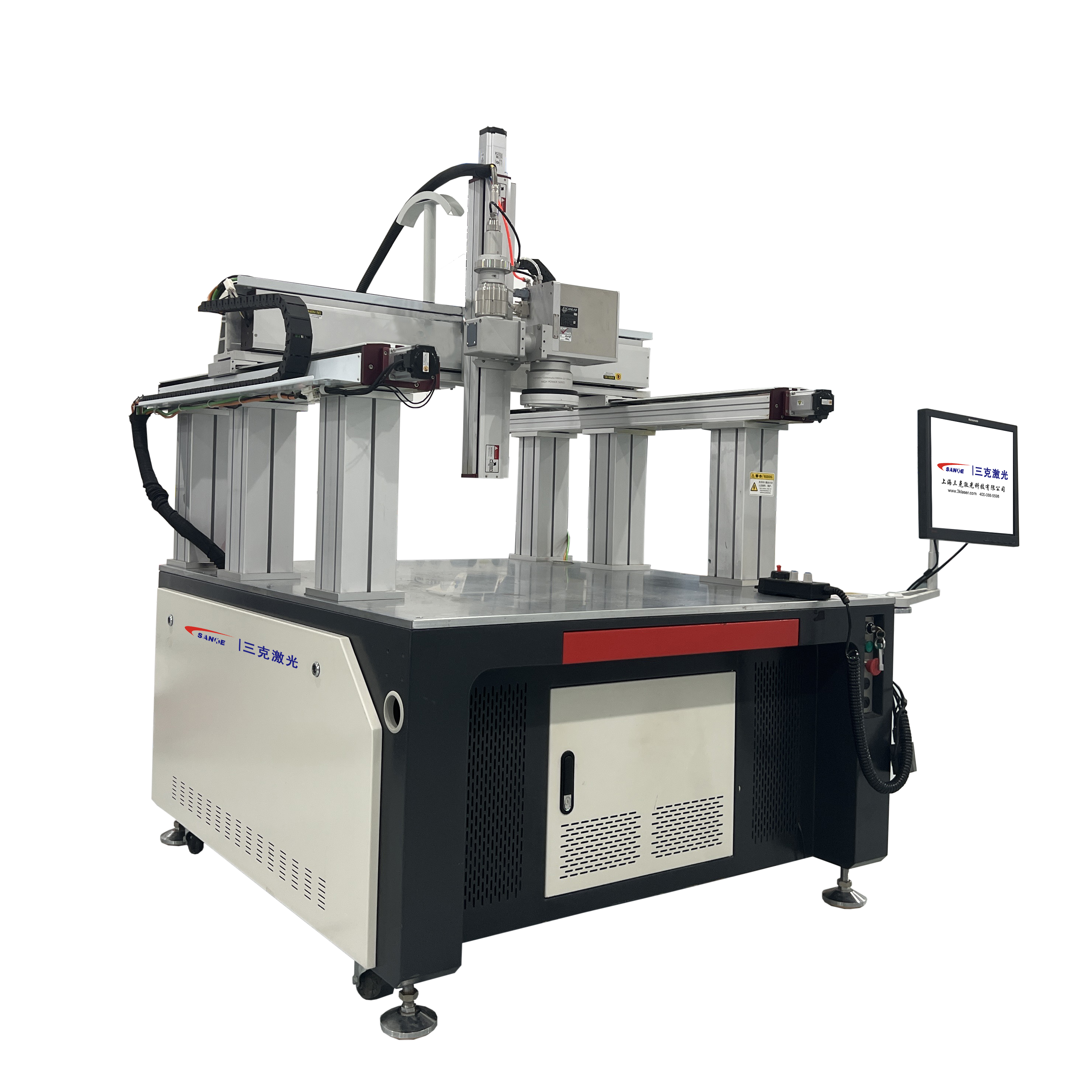
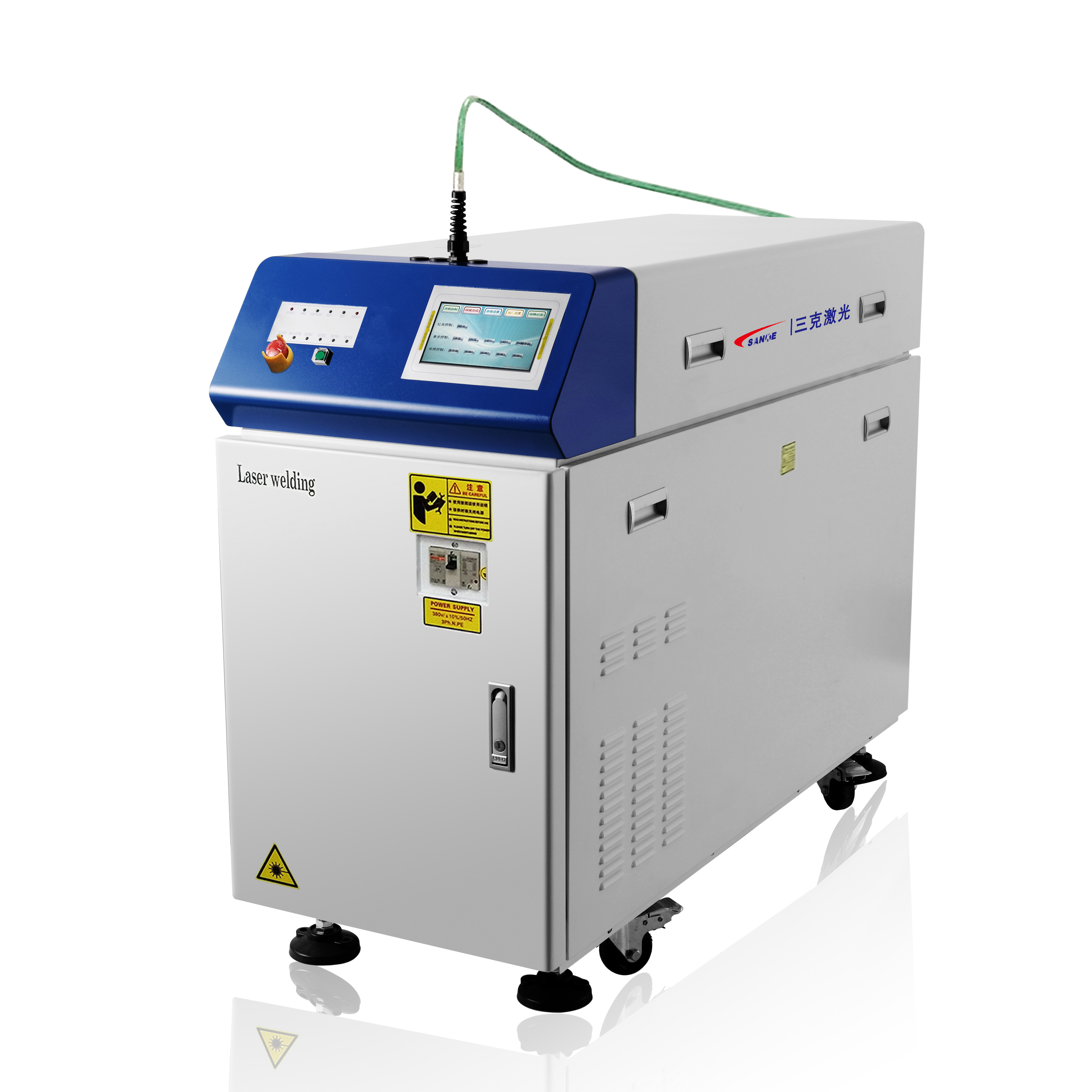
automated pipe welding-0

Advanced Automated Pipe Welding Solutions - Precision, Safety & Cost Efficiency

Get a Free Quote

Our representative will contact you soon.
Email
Name
Company Name
Message
0/1000

automated pipe welding

Automated pipe welding represents a revolutionary advancement in industrial manufacturing and construction, transforming how pipelines are joined across various sectors. This sophisticated technology combines precision robotics, advanced sensors, and computerized control systems to deliver consistent, high-quality welds on cylindrical structures. The main functions of automated pipe welding include orbital welding around pipe circumferences, longitudinal seam welding for pipe manufacturing, and multi-pass welding for thick-wall applications. The system operates through programmable parameters that control welding speed, heat input, electrode positioning, and travel patterns, ensuring repeatable results regardless of operator skill levels. Technological features encompass real-time monitoring capabilities that track welding parameters continuously, adaptive control systems that adjust variables based on joint conditions, and integrated quality assurance mechanisms that detect defects during the welding process. Modern automated pipe welding equipment incorporates touch-screen interfaces for easy programming, data logging capabilities for traceability requirements, and remote monitoring options for enhanced safety in hazardous environments. The technology supports various welding processes including Gas Tungsten Arc Welding (GTAW), Gas Metal Arc Welding (GMAW), and Flux-Cored Arc Welding (FCAW), adapting to different material types and thickness requirements. Applications span across oil and gas pipeline construction, power generation facilities, chemical processing plants, pharmaceutical manufacturing, food and beverage production, and aerospace component fabrication. In shipbuilding industries, automated pipe welding ensures watertight seals for critical systems, while in nuclear facilities, it provides the precision required for safety-critical applications. The technology proves invaluable for underwater pipeline installations, where human welders face significant challenges, and in space-constrained environments where consistent access and positioning are difficult to maintain. Manufacturing facilities utilize automated pipe welding for high-volume production runs, achieving throughput rates impossible with manual techniques while maintaining stringent quality standards throughout the process.

New Product Releases

Automated pipe welding delivers substantial benefits that revolutionize manufacturing efficiency and product quality across industrial applications. The primary advantage lies in dramatically improved weld consistency, eliminating human variables that often lead to quality fluctuations in manual welding operations. This consistency translates directly into reduced rejection rates, lower rework costs, and enhanced customer satisfaction through reliable product performance. Productivity gains represent another significant benefit, as automated systems operate continuously without fatigue, breaks, or shift changes that affect manual welding schedules. Companies typically experience 200-400 percent increases in welding speed while maintaining superior quality standards, allowing faster project completion and improved competitive positioning in demanding markets. Cost savings accumulate through multiple channels, including reduced labor expenses, minimized material waste from fewer defective welds, and decreased inspection requirements due to consistent quality output. The technology eliminates the need for highly skilled welders in routine applications, addressing skilled labor shortages while redirecting experienced personnel to more complex tasks requiring human expertise. Safety improvements constitute a crucial advantage, as automated pipe welding removes operators from hazardous environments involving high temperatures, toxic fumes, and radiation exposure. Remote operation capabilities allow supervision from safe distances, particularly valuable in nuclear facilities, chemical plants, and offshore installations where worker safety remains paramount. Quality enhancement extends beyond consistency to include superior penetration control, optimal bead profiles, and minimal heat-affected zones that preserve material properties. Automated systems achieve precise heat input control, preventing common issues like warping, cracking, or metallurgical problems associated with excessive or insufficient heat application. Documentation capabilities provide complete traceability through automatically recorded welding parameters, supporting quality certifications and regulatory compliance requirements in critical industries. The technology enables welding in previously impossible positions and locations, expanding application possibilities while maintaining quality standards. Reduced dependence on weather conditions allows year-round operations in outdoor environments, improving project scheduling reliability and reducing weather-related delays that plague traditional welding operations.

Latest News

How does the maintenance of a laser drilling machine impact its performance and lifespan?

19

Nov

How does the maintenance of a laser drilling machine impact its performance and lifespan?

Proper maintenance of industrial laser drilling equipment represents one of the most critical factors determining operational efficiency and equipment longevity in modern manufacturing environments. When organizations invest in precision drilling tec...
View More
How Does Handheld Laser Welding Compare to Traditional Welding Methods?

19

Nov

How Does Handheld Laser Welding Compare to Traditional Welding Methods?

The welding industry has experienced significant technological advancement over the past decade, with handheld laser welding emerging as a revolutionary alternative to conventional welding techniques. This innovative technology represents a paradigm ...
View More
How can laser welding be applied to different materials, and what are the challenges?

19

Nov

How can laser welding be applied to different materials, and what are the challenges?

Laser welding has revolutionized modern manufacturing processes by offering unprecedented precision and versatility in joining various materials. This advanced technique utilizes focused laser beams to create high-quality welds with minimal heat-affe...
View More
How Do Different Laser Sources Impact the Efficiency of Industrial Processes?

19

Nov

How Do Different Laser Sources Impact the Efficiency of Industrial Processes?

Industrial manufacturing has undergone a revolutionary transformation with the integration of advanced laser technology, where different laser sources serve as the cornerstone of precision processing across numerous sectors. The selection of appropri...
View More

Get a Free Quote

Our representative will contact you soon.
Email
Name
Company Name
Message
0/1000

automated pipe welding

Precision Control and Repeatability Excellence

Precision Control and Repeatability Excellence

The hallmark of automated pipe welding lies in its unparalleled precision control and repeatability capabilities that fundamentally transform welding quality standards across industrial applications. This advanced technology employs sophisticated servo-driven systems that position welding torches with micron-level accuracy, ensuring consistent electrode placement and travel speeds throughout the entire welding process. The computerized control systems maintain precise arc length, welding current, and voltage parameters within extremely tight tolerances, eliminating the variations inherent in manual welding techniques. Real-time feedback mechanisms continuously monitor welding conditions and make instantaneous adjustments to maintain optimal parameters, compensating for minor variations in joint preparation, material thickness, or environmental conditions that could affect weld quality. The repeatability aspect proves particularly valuable for high-volume production environments where thousands of identical joints must meet stringent specifications. Each weld replicates the exact parameters of previous successful welds, creating a library of proven procedures that can be recalled and executed flawlessly. This consistency extends to penetration depth, bead width, and fusion characteristics, ensuring that every joint meets design requirements without the skill-dependent variations common in manual welding. Advanced automated pipe welding systems incorporate adaptive controls that learn from previous welds and optimize parameters for specific material combinations and joint configurations. The precision extends to multi-pass welding applications where each successive pass must precisely follow predetermined paths and heat input schedules to achieve proper metallurgical properties. Temperature monitoring ensures interpass temperatures remain within specified ranges, preventing thermal cycling issues that could compromise joint integrity. The technology enables welding in challenging positions where maintaining consistent hand-eye coordination proves difficult for manual welders, such as overhead positions or confined spaces. Orbital welding capabilities ensure complete circumferential coverage with uniform heat input distribution, eliminating the start-stop variations that create weak points in manually welded pipe joints. Documentation systems record every parameter throughout the welding process, providing complete traceability for quality assurance and regulatory compliance purposes.
Enhanced Safety and Risk Mitigation

Enhanced Safety and Risk Mitigation

Automated pipe welding systems provide comprehensive safety enhancements and risk mitigation strategies that protect personnel while maintaining operational continuity in hazardous environments. The fundamental safety advantage stems from removing human operators from direct exposure to welding hazards, including intense ultraviolet radiation, toxic fumes, extreme temperatures, and electrical dangers associated with high-amperage welding operations. Remote operation capabilities allow skilled technicians to supervise and control welding processes from safe distances, utilizing closed-circuit monitoring systems and real-time parameter displays to maintain complete process oversight. This remote functionality proves invaluable in nuclear facilities where radiation exposure must be minimized, chemical processing plants with toxic atmospheres, and offshore installations where weather conditions create dangerous working environments. Automated systems eliminate the ergonomic stresses associated with manual welding, including repetitive motions, awkward positioning, and prolonged exposure to uncomfortable working positions that contribute to occupational injuries and long-term health issues. The technology incorporates multiple safety interlocks and emergency shutdown systems that immediately halt operations when anomalies are detected, preventing equipment damage and potential safety incidents. Gas monitoring systems continuously check for proper shielding gas flow and detect leaks that could create asphyxiation or fire hazards in enclosed spaces. Thermal monitoring prevents overheating conditions that could damage equipment or create fire risks in combustible environments. The elimination of human error factors significantly reduces the risk of defective welds that could lead to catastrophic failures in critical applications such as pressure vessels, pipeline systems, and structural components. Consistent quality output reduces the need for extensive post-weld inspections and repairs that expose personnel to additional hazards. Automated pipe welding systems often incorporate fire suppression capabilities and emergency ventilation controls that activate automatically when potentially dangerous conditions are detected. The technology enables welding operations in previously inaccessible or extremely hazardous locations, expanding operational capabilities while maintaining safety standards. Training requirements focus on system operation and monitoring rather than developing manual welding skills, reducing the time personnel spend in hazardous learning environments while building expertise in advanced manufacturing technologies.
Cost Efficiency and Production Optimization

Cost Efficiency and Production Optimization

The cost efficiency and production optimization benefits of automated pipe welding create substantial competitive advantages through reduced operational expenses and dramatically improved throughput capabilities. Labor cost reductions represent the most immediate benefit, as automated systems require fewer operators per welding station while achieving significantly higher production rates than manual alternatives. A single automated pipe welding system typically replaces multiple manual welders while operating continuously without breaks, shift changes, or productivity variations associated with human fatigue and skill differences. The technology eliminates overtime premiums often required to meet project deadlines, as systems can operate around the clock with minimal supervision, maintaining consistent quality throughout extended production runs. Material cost savings accumulate through reduced waste from defective welds, precise consumable usage, and optimized heat input that minimizes distortion and the need for corrective machining operations. Automated systems calculate exact filler metal requirements and apply precise amounts, eliminating the over-welding common in manual operations where operators compensate for uncertainty with excessive material application. Energy efficiency improvements result from optimized arc characteristics and travel speeds that minimize heat input while achieving complete fusion, reducing power consumption compared to manual techniques that often involve extended arc times and multiple correction passes. Quality-related cost benefits include reduced inspection requirements due to consistent output, fewer repair operations, and decreased warranty claims from field failures. The predictable quality enables statistical process control approaches that further reduce inspection costs while maintaining customer confidence. Production scheduling becomes more reliable and predictable, allowing better resource allocation and improved customer delivery commitments that enhance business relationships and market positioning. Maintenance costs remain lower than expected due to consistent operating conditions that reduce equipment wear and extend component life compared to the variable stresses imposed by manual welding techniques. Training costs decrease as operators learn system programming and monitoring rather than developing complex manual welding skills that require extensive practice and certification maintenance. The technology enables just-in-time manufacturing approaches by providing reliable production rates and quality levels, reducing inventory carrying costs and improving cash flow through faster order fulfillment. Return on investment typically occurs within 12-18 months through combined labor savings, quality improvements, and productivity gains that compound over time as production volumes increase and operational efficiency continues improving.

Get a Free Quote

Our representative will contact you soon.
Email
Name
Company Name
Message
0/1000