automatic welding equipment-0

Advanced Automatic Welding Equipment - Precision, Safety, and Efficiency Solutions

Get a Free Quote

Our representative will contact you soon.
Email
Name
Company Name
Message
0/1000

automatic welding equipment

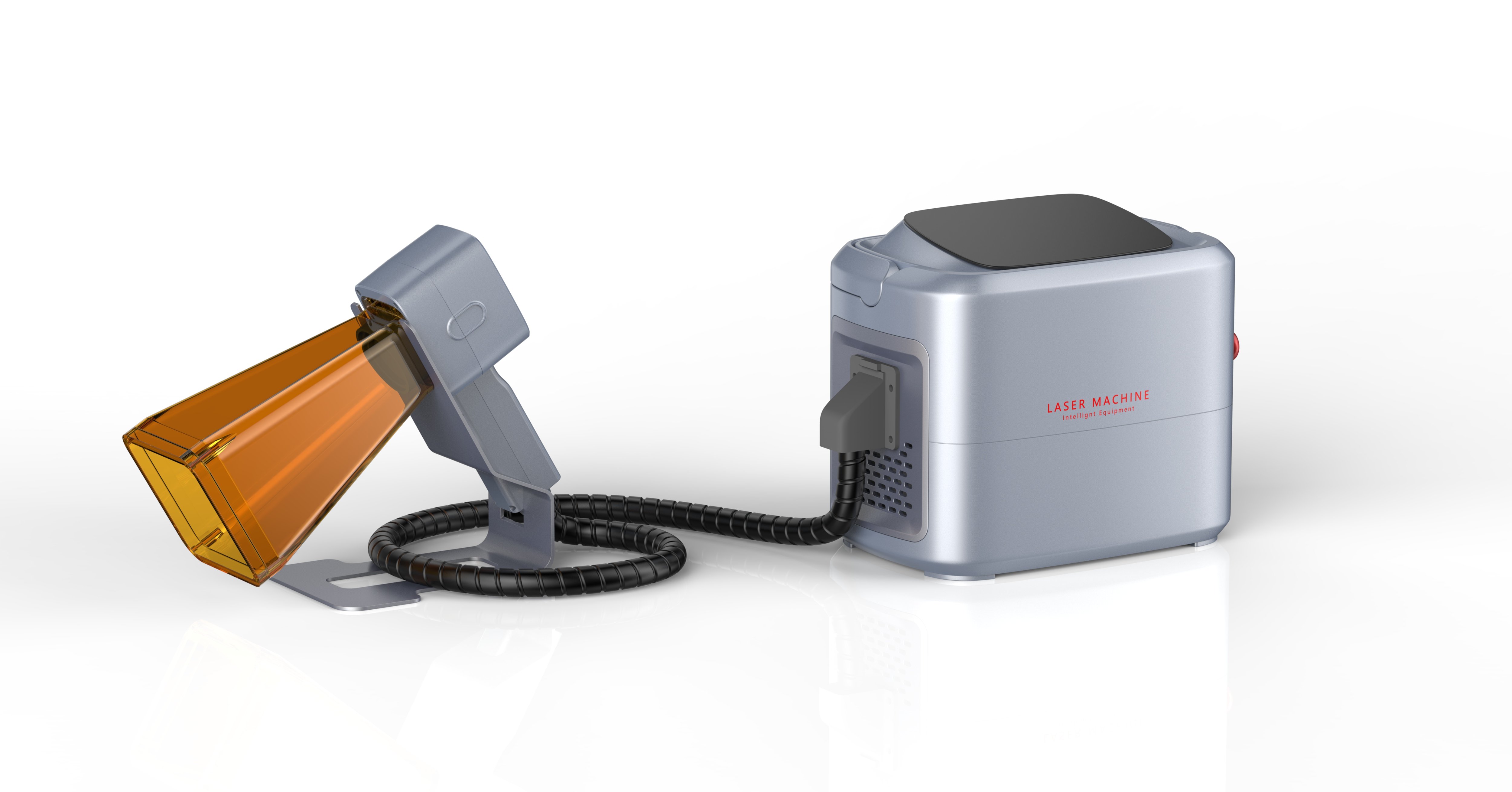
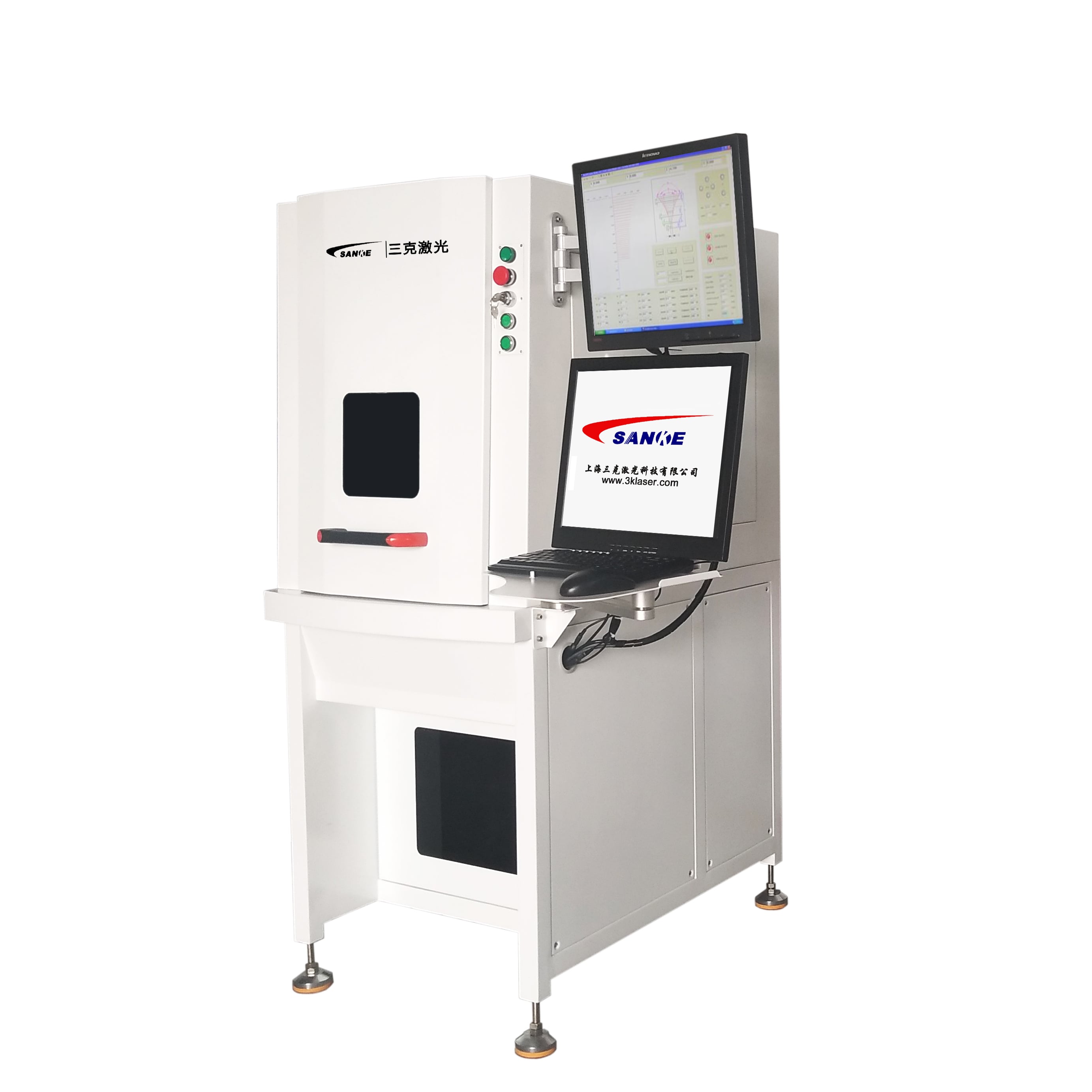
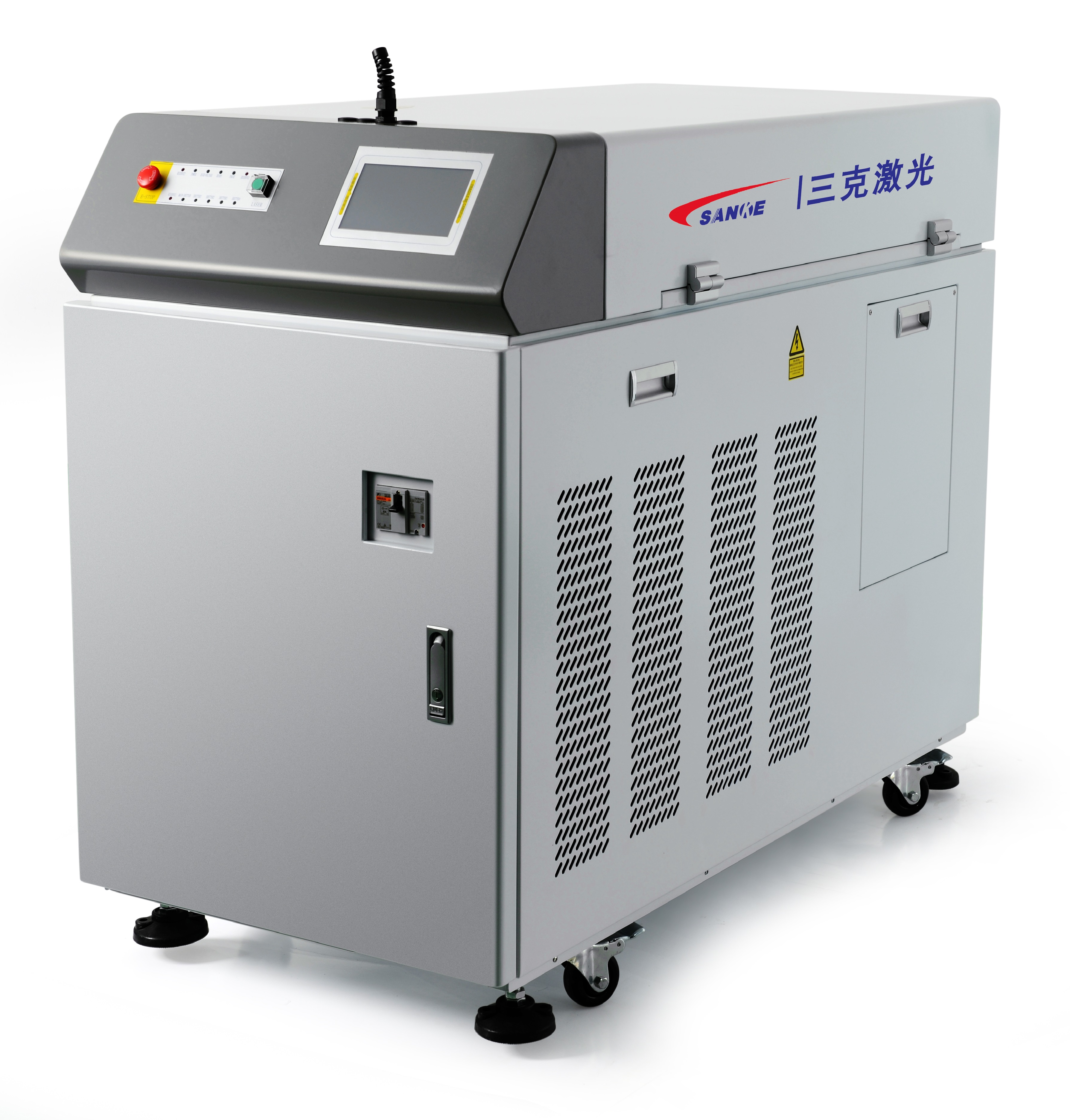
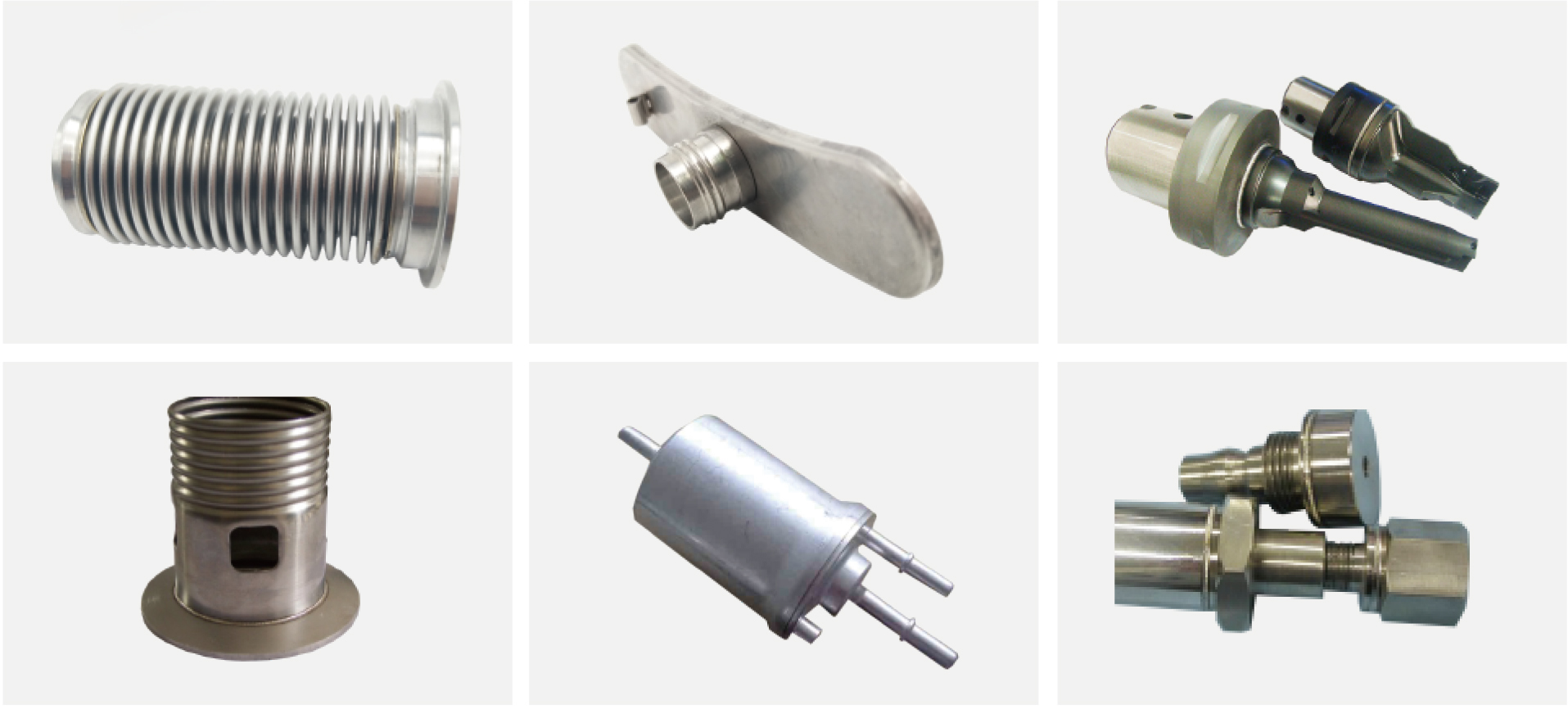
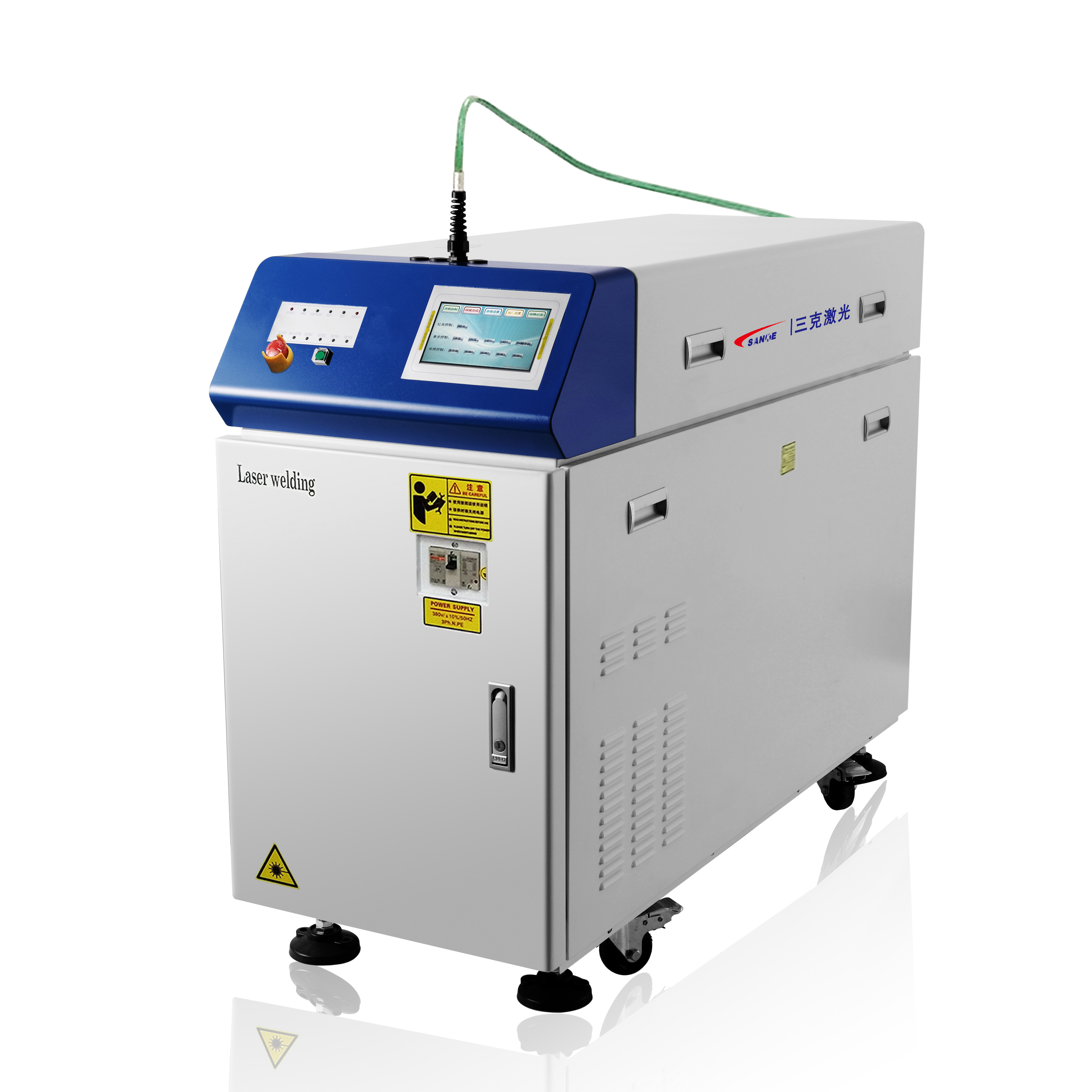
Automatic welding equipment represents a revolutionary advancement in metal fabrication technology that transforms traditional manual welding processes into precise, consistent, and highly efficient operations. This sophisticated machinery integrates advanced robotics, computer-controlled systems, and precision welding technologies to deliver superior results across diverse industrial applications. The automatic welding equipment operates through programmable control systems that manage welding parameters including arc voltage, current flow, travel speed, and wire feed rates with exceptional accuracy. These systems incorporate multiple welding processes such as MIG, TIG, plasma arc, and resistance welding, providing versatility for various material types and thicknesses. The equipment features advanced sensors and monitoring systems that continuously track weld quality, detecting potential defects and making real-time adjustments to maintain optimal performance standards. Modern automatic welding equipment includes sophisticated positioning systems with multi-axis movement capabilities, enabling complex weld geometries and hard-to-reach joint configurations. The technology incorporates intelligent programming interfaces that allow operators to create, store, and recall welding programs for different projects, significantly reducing setup times and ensuring consistent reproduction of successful weld parameters. Safety features are extensively integrated, including protective enclosures, automatic shutdown systems, and comprehensive monitoring protocols that protect both operators and equipment. The automatic welding equipment supports various material combinations including steel, aluminum, stainless steel, and exotic alloys, making it suitable for aerospace, automotive, construction, shipbuilding, and manufacturing industries. These systems deliver exceptional precision with tolerances measured in fractions of millimeters, ensuring structural integrity and meeting stringent quality standards required in critical applications.

New Product Recommendations

Automatic welding equipment delivers transformative benefits that revolutionize manufacturing operations and provide substantial competitive advantages for businesses across multiple industries. The most significant advantage lies in dramatically improved productivity levels, where automatic welding equipment can operate continuously for extended periods without fatigue or performance degradation that affects human welders. This capability enables manufacturers to complete projects faster, meet tight deadlines, and handle larger production volumes efficiently. Quality consistency represents another major benefit, as automatic welding equipment eliminates human variables that can cause weld defects, ensuring every joint meets exact specifications regardless of production volume or time constraints. The precision control systems maintain optimal welding parameters throughout entire operations, resulting in superior weld strength, appearance, and reliability that exceeds manual welding capabilities. Cost reduction emerges as a crucial advantage, where automatic welding equipment reduces labor expenses, minimizes material waste through precise material usage, and decreases rework costs by producing consistent first-time quality results. Safety improvements are substantial, as automatic welding equipment removes operators from hazardous welding environments, reducing exposure to harmful fumes, intense heat, and potential injury risks associated with manual welding processes. The equipment operates in controlled environments that protect workers while maintaining optimal welding conditions. Flexibility stands as another key benefit, allowing automatic welding equipment to handle diverse project requirements through programmable settings that adapt to different materials, thicknesses, and joint configurations without extensive retooling. Documentation and traceability capabilities provide comprehensive records of welding parameters, quality metrics, and process data that support quality assurance programs and regulatory compliance requirements. Energy efficiency represents an important advantage, as automatic welding equipment optimizes power consumption through intelligent control systems that adjust energy usage based on specific welding requirements, reducing operational costs while maintaining performance standards. The equipment also enables manufacturers to take on more complex projects that would be challenging or impossible with manual welding methods.

Practical Tips

What are the typical power requirements for different models of laser drilling machines?

19

Nov

What are the typical power requirements for different models of laser drilling machines?

Understanding the power requirements for laser drilling machines is crucial for manufacturers, engineers, and facility managers planning their industrial operations. The electrical demands of these sophisticated systems vary significantly based on la...
View More
What industries benefit most from laser welding technology?

19

Nov

What industries benefit most from laser welding technology?

Modern manufacturing has witnessed a revolutionary shift in welding technology as industries increasingly adopt advanced laser welding systems. The laser welding machine represents a significant technological leap from conventional welding methods, o...
View More
How Do Different Laser Sources Impact the Efficiency of Industrial Processes?

19

Nov

How Do Different Laser Sources Impact the Efficiency of Industrial Processes?

Industrial manufacturing has undergone a revolutionary transformation with the integration of advanced laser technology, where different laser sources serve as the cornerstone of precision processing across numerous sectors. The selection of appropri...
View More
Fixed vs Variable Beam Expander: Which to Choose?

21

Oct

Fixed vs Variable Beam Expander: Which to Choose?

Understanding Optical Beam Expansion Technology In the world of optics and laser applications, beam expanders play a crucial role in manipulating light beams for various scientific and industrial purposes. These sophisticated optical instruments are ...
View More

Get a Free Quote

Our representative will contact you soon.
Email
Name
Company Name
Message
0/1000

automatic welding equipment

Precision Control and Consistency Excellence

Precision Control and Consistency Excellence

The precision control capabilities of automatic welding equipment establish new standards for manufacturing excellence through advanced technological integration that ensures consistent, high-quality results across all welding operations. This sophisticated control system utilizes computer-guided precision to maintain exact welding parameters including voltage, amperage, wire feed speed, and travel rates with accuracy levels impossible to achieve through manual processes. The automatic welding equipment continuously monitors and adjusts these parameters in real-time, responding to material variations, joint configurations, and environmental conditions to maintain optimal weld quality throughout entire production runs. Advanced sensors integrated within the system detect minute changes in arc characteristics, material properties, and joint fit-up, automatically compensating for variations that could compromise weld integrity. This intelligent monitoring capability eliminates the inconsistencies associated with human factors such as fatigue, skill variations, and concentration lapses that can affect manual welding quality. The precision control extends to complex geometries and challenging joint configurations where automatic welding equipment can maintain exact positioning and movement patterns with repeatability measured in fractions of millimeters. This capability proves particularly valuable in aerospace and automotive applications where structural integrity requirements demand exceptional precision and consistency. The system stores successful welding programs that can be recalled and reproduced exactly, ensuring that proven parameters are maintained across multiple production runs and different operators. Quality documentation features provide comprehensive records of welding parameters, enabling manufacturers to track performance trends, identify optimization opportunities, and demonstrate compliance with industry standards and customer specifications. The precision control capabilities also extend to multi-pass welding operations where automatic welding equipment coordinates complex sequences with perfect timing and positioning, creating stronger, more reliable joints than traditional methods.
Enhanced Safety and Operator Protection

Enhanced Safety and Operator Protection

Safety enhancement represents a fundamental advantage of automatic welding equipment, protecting operators from hazardous welding environments while maintaining superior production capabilities and workplace safety standards. The automatic welding equipment removes human operators from direct exposure to intense ultraviolet radiation, harmful welding fumes, extreme heat, and potential electrical hazards that are inherent in traditional welding processes. Comprehensive safety systems include protective enclosures that contain welding operations within controlled environments, preventing radiation exposure and containing hazardous emissions through integrated ventilation systems. Advanced monitoring protocols continuously assess operational conditions, automatically shutting down equipment when safety parameters are exceeded or when protective systems detect potential hazards. The automatic welding equipment incorporates multiple safety interlocks that prevent accidental activation and ensure proper setup before operations commence, reducing the risk of operator injury and equipment damage. Emergency stop systems provide immediate shutdown capabilities accessible from multiple locations, enabling rapid response to unexpected situations or safety concerns. The controlled environment created by automatic welding equipment also protects operators from ergonomic stresses associated with awkward positioning, heavy lifting, and prolonged exposure to uncomfortable working conditions that can lead to repetitive strain injuries and long-term health issues. Noise reduction features minimize exposure to harmful sound levels that can cause hearing damage over extended periods, creating a more comfortable and safer work environment. The equipment design incorporates fail-safe mechanisms that default to safe conditions in the event of power failures, system malfunctions, or unexpected interruptions, ensuring that operators remain protected even during abnormal operating conditions. Training requirements for automatic welding equipment focus on system operation and safety protocols rather than manual welding skills, reducing the learning curve and enabling faster, safer workforce development. These comprehensive safety features not only protect individual operators but also contribute to overall workplace safety culture and regulatory compliance requirements.
Operational Efficiency and Cost Optimization

Operational Efficiency and Cost Optimization

Operational efficiency delivered by automatic welding equipment transforms manufacturing economics through optimized resource utilization, reduced operational costs, and enhanced production capabilities that provide substantial competitive advantages. The continuous operation capability of automatic welding equipment enables round-the-clock production schedules without performance degradation, fatigue-related quality issues, or mandatory break periods that interrupt manual welding operations. This extended operational capacity significantly increases throughput while maintaining consistent quality standards throughout entire production cycles. Material utilization optimization represents a major cost benefit, where automatic welding equipment precisely controls consumable usage, minimizing waste through exact wire feed rates, optimal gas flow management, and reduced spatter generation that characterizes efficient welding processes. The precision control eliminates overuse of welding materials that commonly occurs in manual operations, resulting in substantial cost savings on expensive welding consumables and filler materials. Labor cost optimization emerges through reduced dependence on highly skilled welders, as automatic welding equipment can be operated by technicians with system training rather than extensive welding expertise, addressing skilled labor shortages while reducing payroll expenses. Setup time reduction provides additional efficiency gains, where programmable systems eliminate repetitive setup procedures and enable rapid changeovers between different welding operations through stored program recall capabilities. Quality improvement directly impacts operational efficiency by reducing rework requirements, scrap rates, and inspection time associated with inconsistent manual welding results. The automatic welding equipment produces predictable, repeatable results that meet specifications consistently, eliminating costly rework cycles and material waste. Maintenance efficiency is enhanced through predictive monitoring systems that track equipment performance, wear patterns, and maintenance requirements, enabling proactive maintenance scheduling that prevents unexpected downdowns and extends equipment lifespan. Energy efficiency optimization reduces utility costs through intelligent power management systems that adjust energy consumption based on actual welding requirements, eliminating waste associated with manual control variations and operator inconsistencies.

Get a Free Quote

Our representative will contact you soon.
Email
Name
Company Name
Message
0/1000