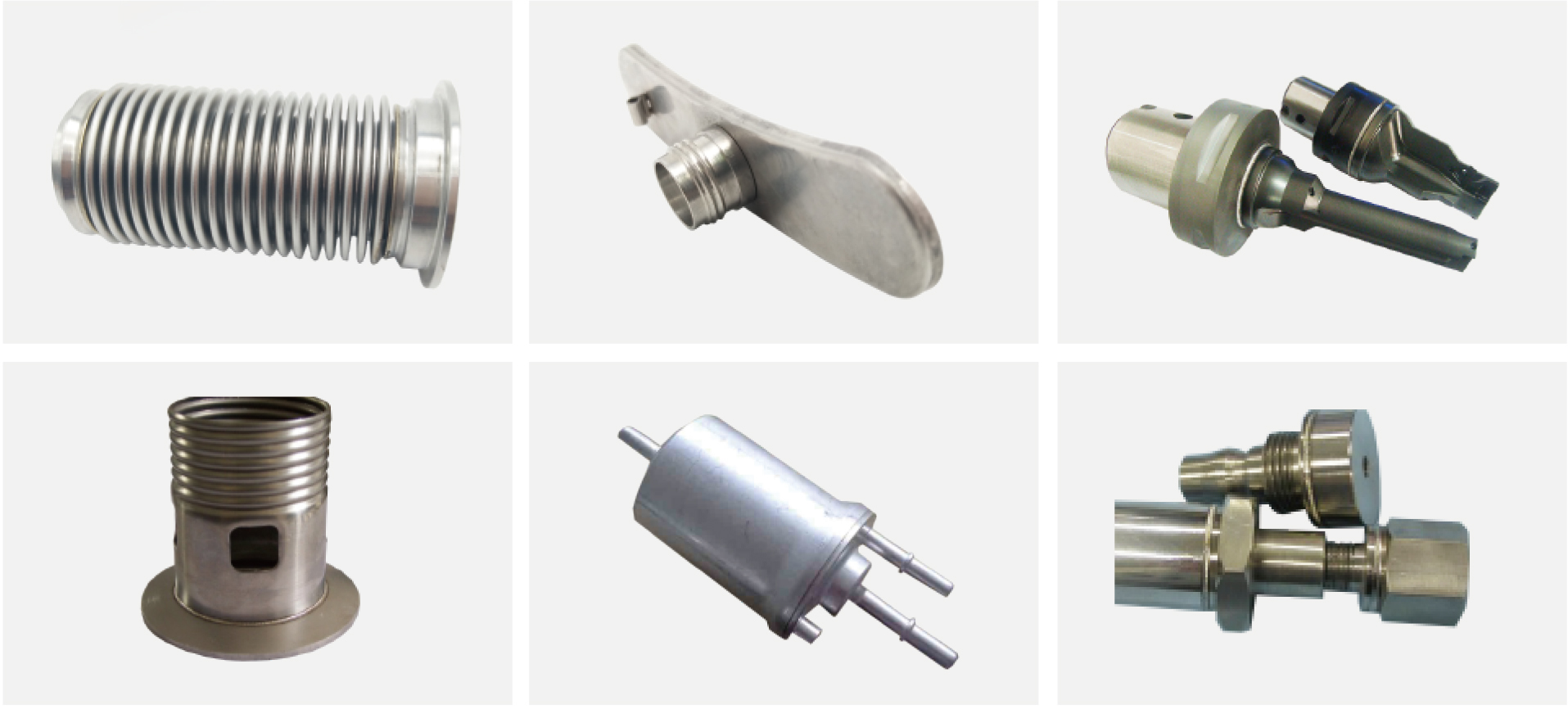
automatic welding robot-0

Advanced Automatic Welding Robot Solutions - Precision Industrial Automation Technology

Get a Free Quote

Our representative will contact you soon.
Email
Name
Company Name
Message
0/1000

automatic welding robot

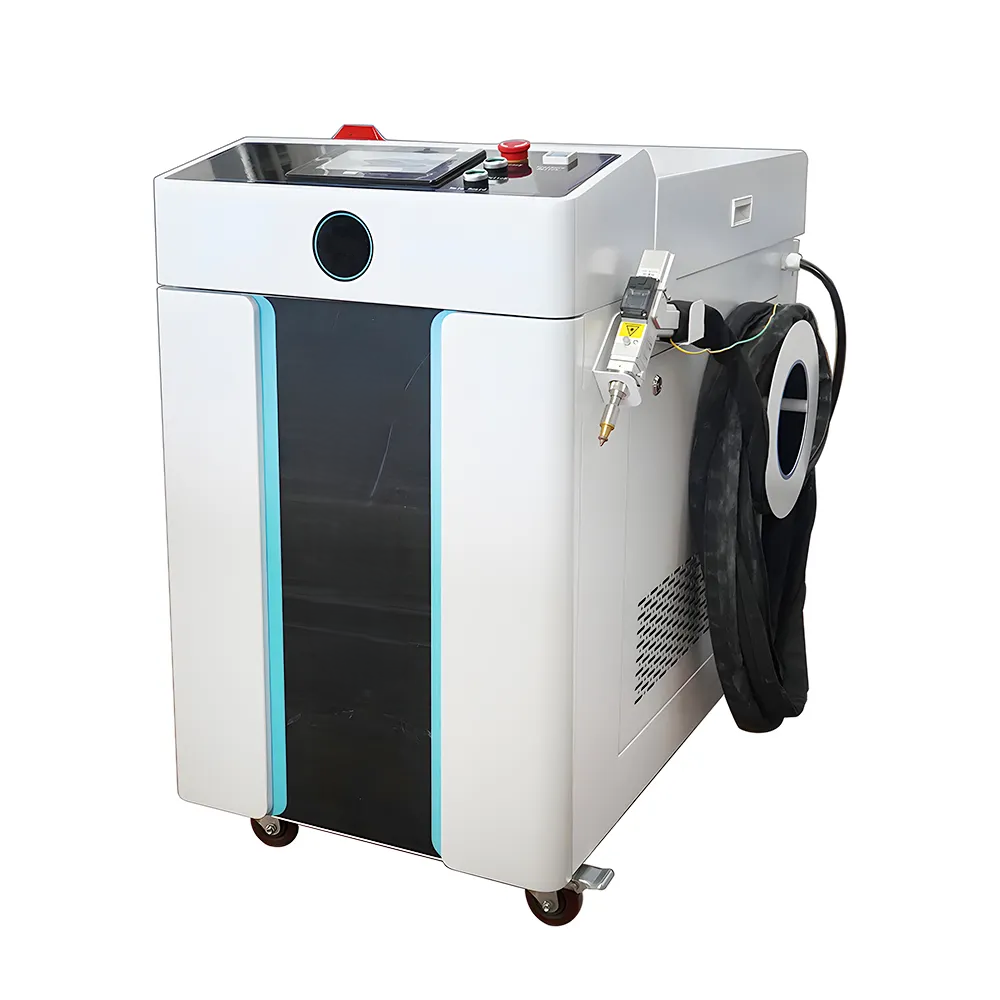
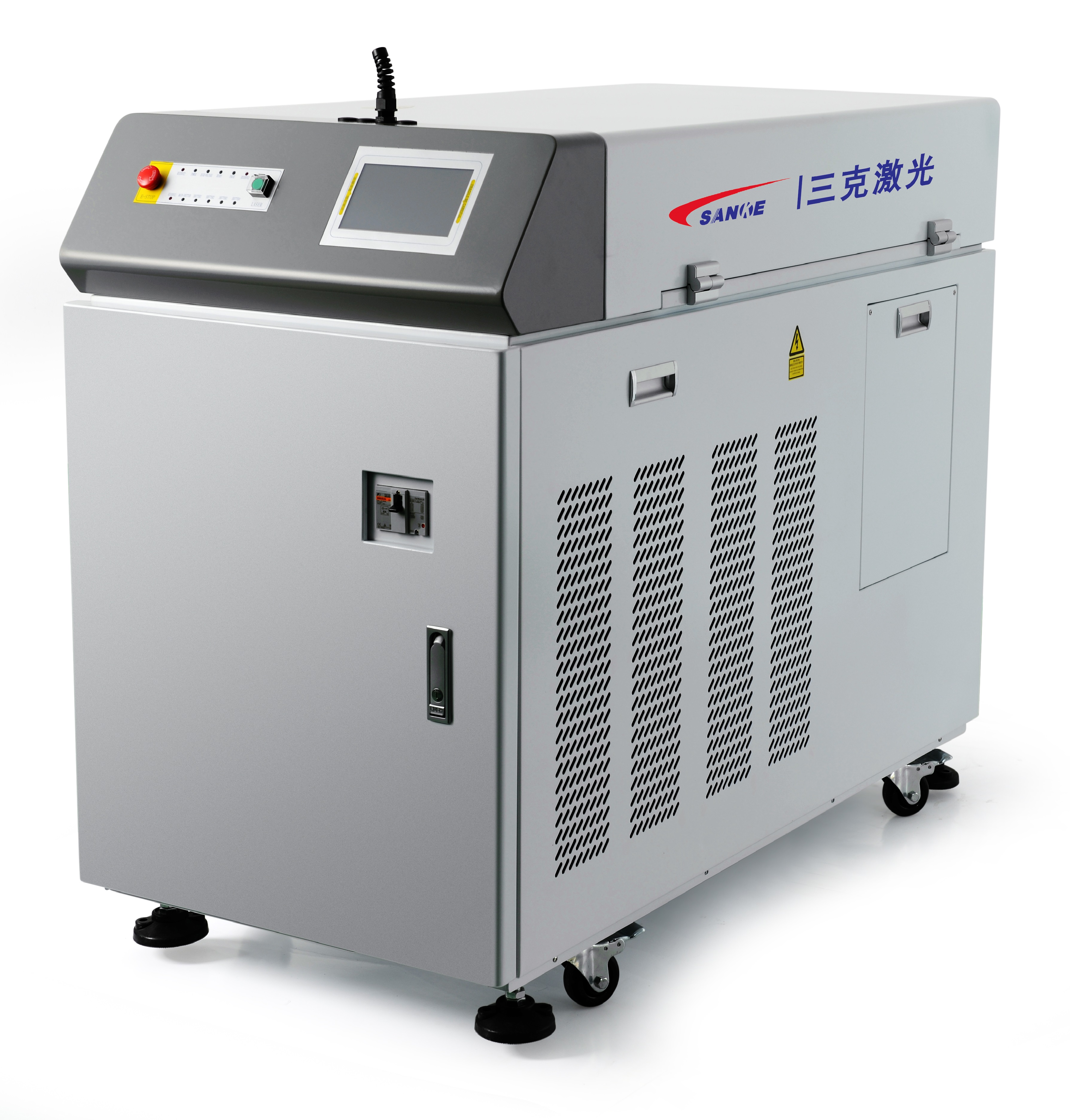
The automatic welding robot represents a revolutionary advancement in manufacturing technology, transforming traditional welding processes through sophisticated automation and precision engineering. This cutting-edge system combines advanced robotics with state-of-the-art welding technology to deliver consistent, high-quality results across diverse industrial applications. The automatic welding robot operates through a sophisticated control system that manages multiple welding parameters simultaneously, ensuring optimal performance in every operation. At its core, the automatic welding robot features a multi-axis robotic arm equipped with precision servomotors that provide exceptional accuracy and repeatability. The system incorporates advanced sensors and vision systems that enable real-time monitoring and adjustment of welding parameters, ensuring consistent quality throughout the entire welding process. The technological framework of the automatic welding robot includes intelligent path planning algorithms that optimize welding sequences and minimize cycle times while maintaining superior weld quality. The system supports various welding processes including MIG, TIG, and plasma welding, making it versatile enough to handle different materials and thickness requirements. Industrial applications for the automatic welding robot span across automotive manufacturing, aerospace production, shipbuilding, construction equipment fabrication, and general metalworking industries. In automotive plants, these systems excel at welding body panels, chassis components, and exhaust systems with remarkable precision. Aerospace manufacturers rely on automatic welding robots for critical structural components that demand exceptional quality and traceability. The automatic welding robot also proves invaluable in high-volume production environments where consistency and speed are paramount. These systems can operate continuously for extended periods, significantly increasing production capacity while reducing labor costs and improving workplace safety by removing human operators from hazardous welding environments.

Popular Products

The automatic welding robot delivers substantial operational benefits that directly impact manufacturing efficiency and profitability. Companies implementing these systems experience immediate improvements in production quality, with weld consistency reaching levels impossible to achieve through manual welding processes. The automatic welding robot eliminates human variability, ensuring every weld meets exact specifications regardless of production volume or complexity. Production speed increases dramatically when manufacturers deploy automatic welding robots, with typical cycle time reductions of 40-60 percent compared to manual operations. These systems work continuously without breaks, fatigue, or performance degradation, enabling 24-hour production schedules that maximize equipment utilization and output capacity. Cost savings represent another significant advantage of the automatic welding robot implementation. While initial investment costs require consideration, the return on investment typically occurs within 12-18 months through reduced labor expenses, decreased material waste, and improved production throughput. The automatic welding robot reduces consumable waste by precisely controlling wire feed rates, gas flow, and heat input, resulting in optimal material utilization and lower operating costs. Quality improvements achieved through automatic welding robot deployment translate into reduced rework, fewer defective parts, and enhanced customer satisfaction. These systems maintain consistent arc characteristics, travel speeds, and heat input throughout entire production runs, eliminating the quality variations inherent in manual welding processes. Worker safety benefits substantially from automatic welding robot implementation, as operators no longer face direct exposure to welding fumes, intense heat, and harmful radiation. This reduction in occupational hazards leads to lower insurance costs, reduced workers compensation claims, and improved employee retention rates. The automatic welding robot also provides comprehensive data collection capabilities, enabling manufacturers to monitor production metrics, track quality trends, and implement predictive maintenance strategies. This data-driven approach supports continuous improvement initiatives and helps optimize overall manufacturing performance. Flexibility represents another key advantage, as modern automatic welding robot systems can quickly adapt to new product designs or specification changes through simple programming modifications rather than extensive retooling or retraining requirements.

Latest News

Can a laser drilling machine be integrated into an automated production line?

19

Nov

Can a laser drilling machine be integrated into an automated production line?

Modern manufacturing demands unprecedented levels of precision, efficiency, and automation to remain competitive in today's global marketplace. The integration of advanced equipment into automated production lines has become essential for manufacture...
View More
How do I ensure the safety of operators when using a laser drilling machine?

19

Nov

How do I ensure the safety of operators when using a laser drilling machine?

Laser drilling machines have revolutionized precision manufacturing across industries, offering unparalleled accuracy and efficiency for creating micro-holes in various materials. However, the powerful laser beams used in these systems pose significa...
View More
How Does the Power Output of a Laser Source Affect Its Performance?

22

Sep

How Does the Power Output of a Laser Source Affect Its Performance?

Understanding the Critical Role of Power Output in Laser Applications The relationship between a laser source and its power output fundamentally shapes the capabilities and effectiveness of laser systems across countless applications. From industrial...
View More
Top 5 Beam Expander Applications in Laser Systems

21

Oct

Top 5 Beam Expander Applications in Laser Systems

Understanding the Revolutionary Impact of Laser Beam Expansion Technology Modern laser systems have transformed numerous industries, from medical procedures to advanced manufacturing. At the heart of many of these applications lies a crucial optical ...
View More

Get a Free Quote

Our representative will contact you soon.
Email
Name
Company Name
Message
0/1000

automatic welding robot

Precision and Consistency Excellence

Precision and Consistency Excellence

The automatic welding robot achieves unparalleled precision and consistency that sets new industry standards for weld quality and repeatability. This remarkable capability stems from advanced servo-controlled positioning systems that maintain positioning accuracy within 0.1 millimeters, ensuring every weld joint receives identical treatment regardless of production volume or operator skill variations. The automatic welding robot employs sophisticated feedback control systems that continuously monitor and adjust welding parameters in real-time, compensating for material variations, thermal distortion, and environmental changes that would otherwise affect weld quality. This precision extends beyond simple positioning accuracy to encompass complete control over welding speed, wire feed rates, gas flow, and heat input parameters. The consistency delivered by the automatic welding robot eliminates the quality variations typically associated with manual welding processes, where factors such as operator fatigue, skill level differences, and human error can significantly impact final product quality. Manufacturing companies benefit tremendously from this consistency, as it enables them to guarantee uniform product quality to customers while reducing inspection requirements and quality control costs. The automatic welding robot maintains identical welding characteristics throughout entire production runs, ensuring that the first part welded meets the same exacting standards as the thousandth part produced. This level of consistency proves particularly valuable in industries such as aerospace, automotive, and medical device manufacturing, where quality standards are extremely stringent and product liability concerns demand absolute reliability. The precision capabilities of the automatic welding robot also enable manufacturers to work with thinner materials and more complex joint configurations that would be challenging or impossible to achieve consistently through manual welding methods. Advanced vision systems integrated into modern automatic welding robot installations provide additional precision benefits by enabling real-time seam tracking and adaptive welding parameter adjustment based on actual joint geometry rather than programmed positions alone.
Enhanced Safety and Workplace Environment

Enhanced Safety and Workplace Environment

The automatic welding robot fundamentally transforms workplace safety by removing human operators from hazardous welding environments while creating safer, more comfortable working conditions throughout manufacturing facilities. Traditional welding operations expose workers to numerous health and safety risks including intense ultraviolet and infrared radiation, toxic welding fumes, extreme heat, electrical hazards, and repetitive strain injuries from maintaining awkward welding positions for extended periods. The automatic welding robot eliminates these direct exposure risks by performing all welding operations within enclosed work cells or behind protective barriers, allowing operators to monitor and control processes from safe distances. This safety improvement translates into measurable benefits for manufacturers, including reduced workers compensation insurance premiums, fewer workplace injury claims, and improved employee retention rates as skilled welders prefer working in safer environments. The automatic welding robot also incorporates multiple safety systems including emergency stop capabilities, light curtains, presence detection sensors, and integrated fume extraction systems that maintain air quality standards throughout production areas. These safety features comply with stringent occupational health and safety regulations while exceeding minimum requirements to protect both operators and nearby personnel. Beyond immediate safety benefits, the automatic welding robot improves overall workplace ergonomics by eliminating the physical demands associated with manual welding operations. Workers no longer need to maintain uncomfortable positions, lift heavy welding equipment, or endure physical stress from repetitive welding motions. This ergonomic improvement reduces the risk of musculoskeletal disorders and repetitive strain injuries that commonly affect manual welders. The enclosed operation of automatic welding robot systems also contains welding spatter, reducing fire hazards and maintaining cleaner work environments. Advanced fume extraction systems integrated with automatic welding robot installations effectively capture and filter welding emissions at their source, preventing contamination of adjacent work areas and ensuring compliance with air quality regulations. The improved workplace environment created by automatic welding robot implementation helps manufacturers attract and retain skilled technical personnel while demonstrating corporate commitment to employee health and safety.
Exceptional Return on Investment and Operational Efficiency

Exceptional Return on Investment and Operational Efficiency

The automatic welding robot delivers outstanding return on investment through multiple revenue enhancement and cost reduction mechanisms that create compelling business value for manufacturers across diverse industries. Initial investment costs for automatic welding robot systems typically generate positive returns within 12-24 months through dramatic improvements in production efficiency, quality consistency, and operational cost structures. The automatic welding robot operates at significantly higher speeds than manual welding processes while maintaining superior quality standards, enabling manufacturers to increase production capacity without proportional increases in labor costs or facility requirements. This enhanced productivity directly translates into increased revenue potential and improved competitive positioning in price-sensitive markets. Labor cost reductions represent a major component of automatic welding robot return on investment calculations, as these systems can replace multiple skilled welders while operating continuously without breaks, vacation time, or shift changes. The automatic welding robot eliminates overtime premium costs associated with meeting production deadlines and reduces dependency on skilled welding labor that may be difficult to recruit or retain in competitive job markets. Material waste reduction achieved through automatic welding robot implementation contributes significantly to operational cost savings, as precise parameter control minimizes consumable usage while reducing rework requirements. The consistent quality delivered by automatic welding robot systems eliminates scrap costs associated with defective welds and reduces inspection requirements through improved process capability. Energy efficiency improvements result from optimized welding parameters and reduced cycle times, lowering utility costs while supporting corporate sustainability initiatives. The automatic welding robot also provides valuable production data that enables manufacturers to implement predictive maintenance programs, optimize production schedules, and identify continuous improvement opportunities. This data-driven approach supports lean manufacturing initiatives and helps maximize overall equipment effectiveness throughout production operations. Long-term value creation extends beyond immediate cost savings to include improved customer satisfaction through consistent product quality, enhanced manufacturing flexibility through rapid changeover capabilities, and competitive advantages through superior production capacity and quality standards that differentiate companies in crowded marketplaces.

Get a Free Quote

Our representative will contact you soon.
Email
Name
Company Name
Message
0/1000