automated pipe welding systems
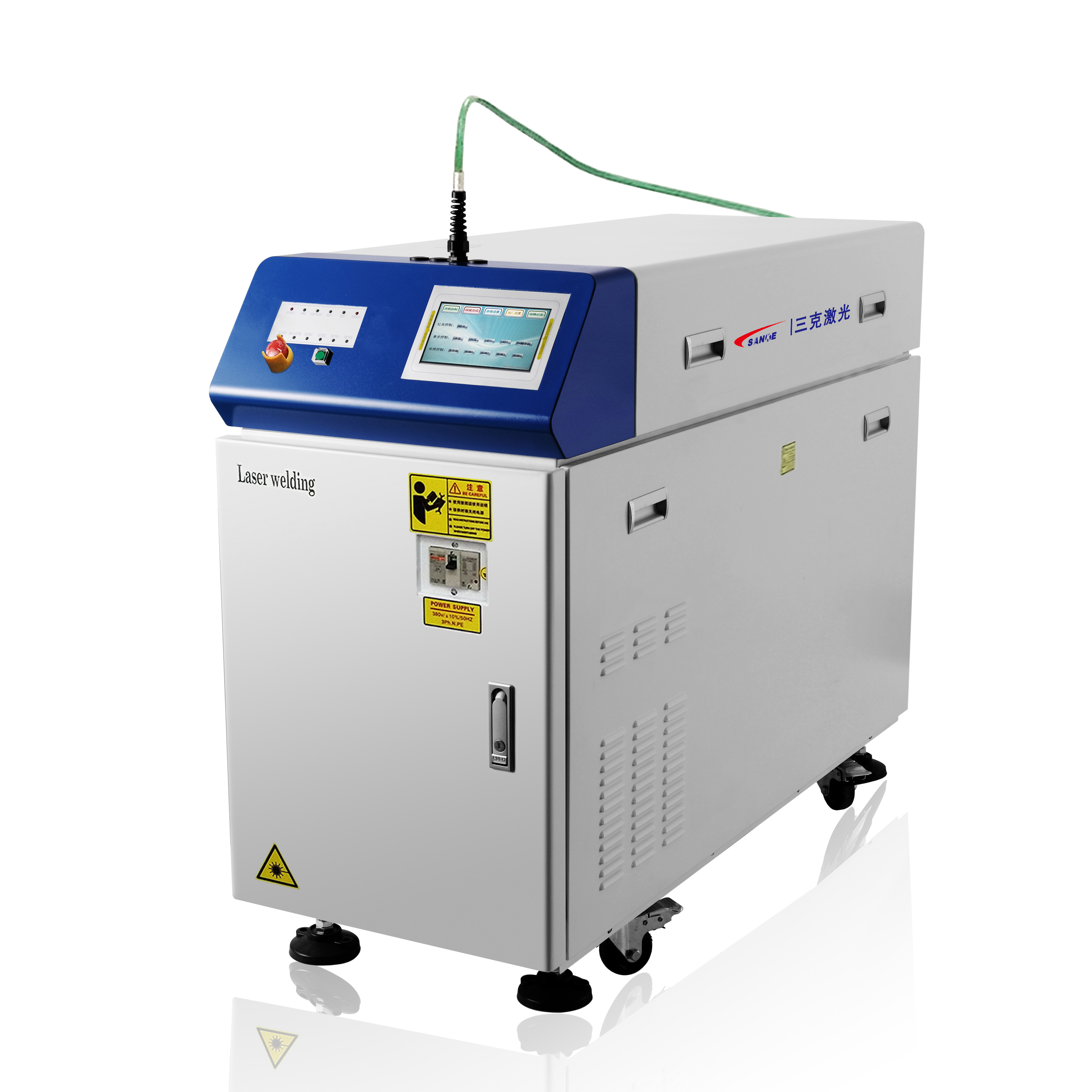
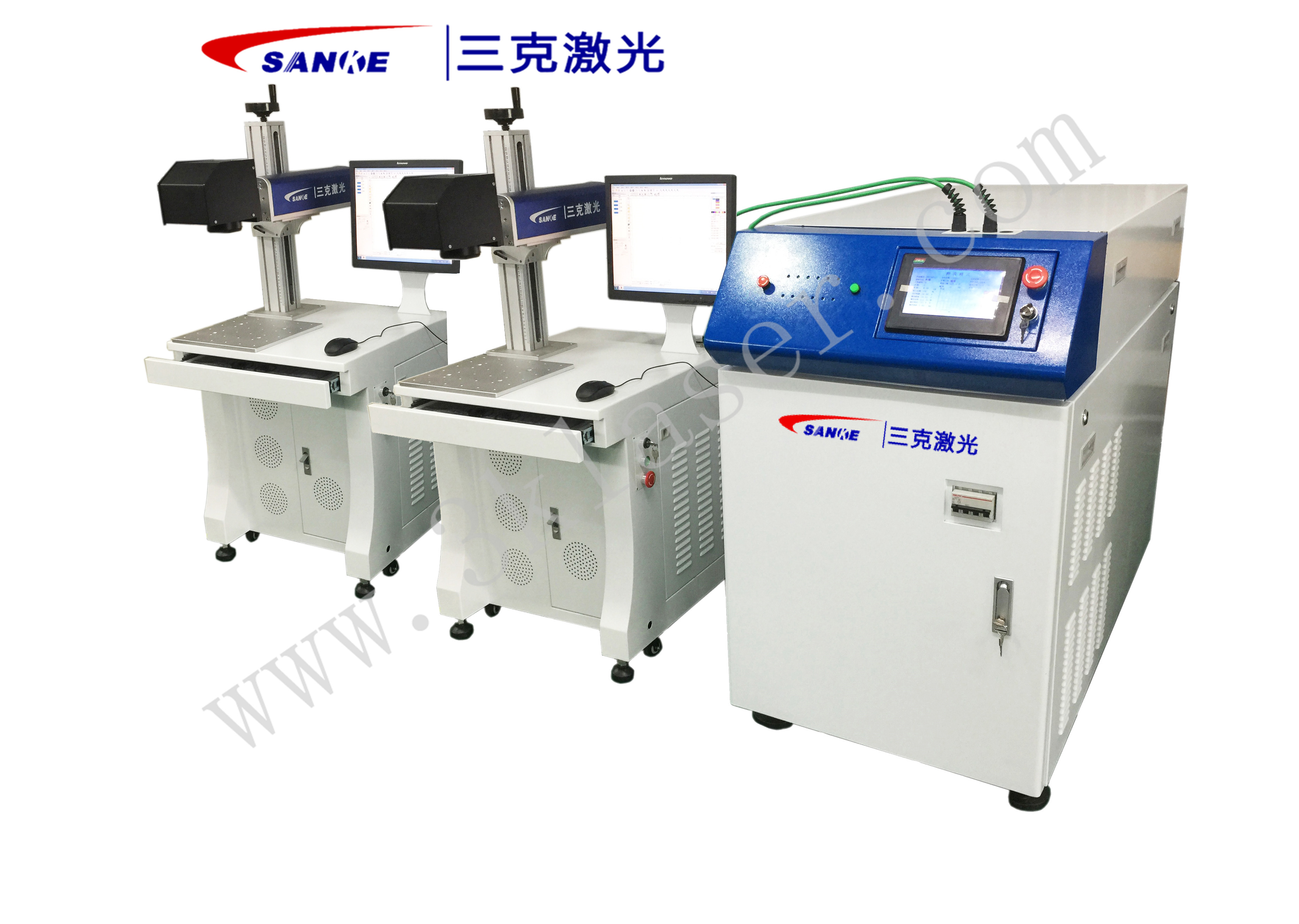
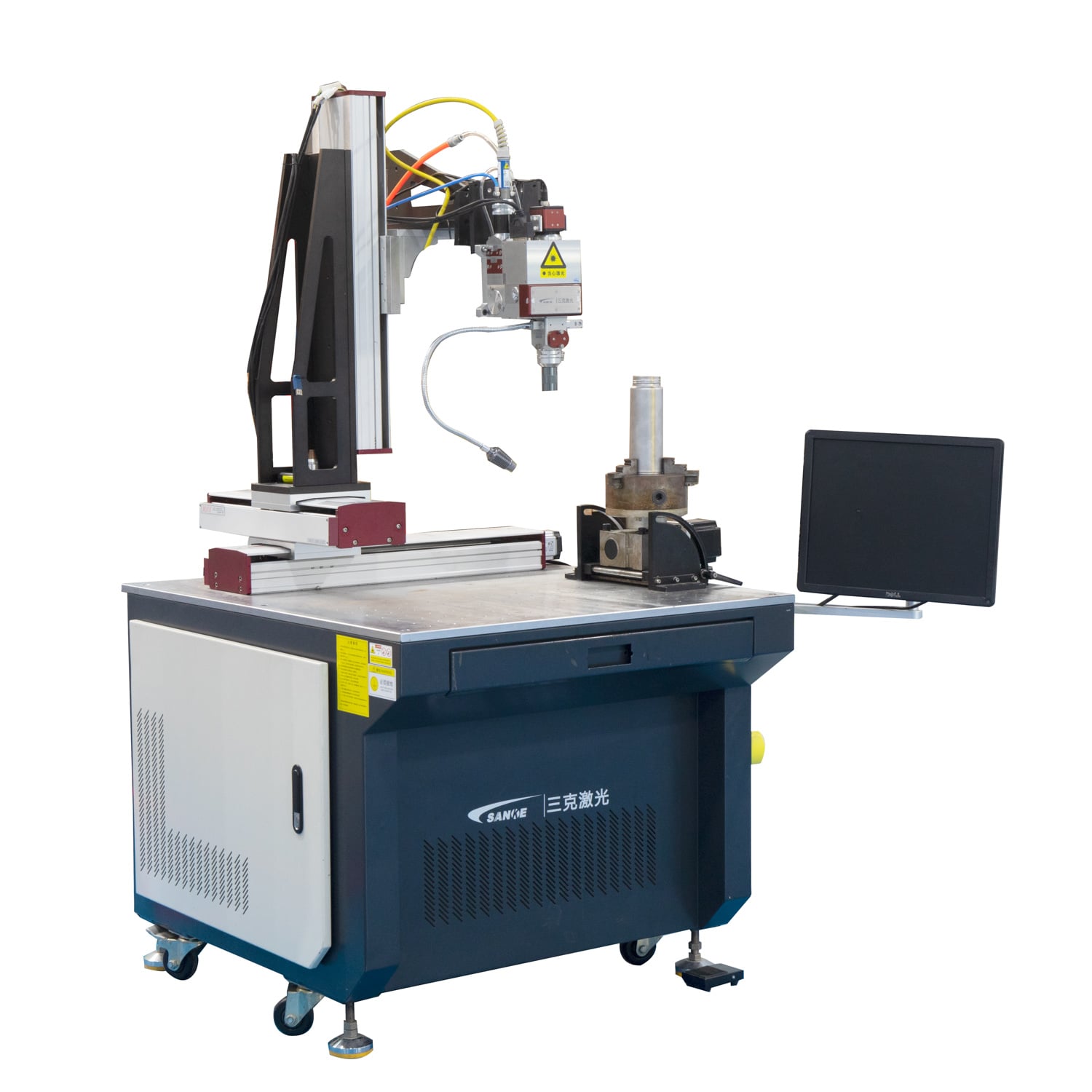
Automated pipe welding systems represent a revolutionary advancement in industrial welding technology, designed to streamline and enhance the pipe fabrication process across multiple sectors. These sophisticated systems integrate robotic arms, precision welding equipment, and intelligent control software to perform high-quality welds on pipes of various diameters and materials. The main functions include automatic joint tracking, real-time welding parameter adjustment, multi-pass welding capabilities, and seamless integration with production line workflows. Technologically, automated pipe welding systems feature advanced arc control mechanisms, adaptive welding programs that respond to material thickness variations, and comprehensive data logging for quality assurance and traceability. Many systems incorporate orbital welding heads that rotate around stationary pipes, while others utilize articulated robotic arms for complex positioning requirements. The technology supports various welding processes including TIG, MIG, and flux-cored arc welding, adapting to specific project requirements. Applications span across oil and gas pipeline construction, power generation facilities, chemical processing plants, shipbuilding operations, and aerospace component manufacturing. These systems excel in environments requiring repetitive precision welding, high production volumes, and stringent quality standards. The automated approach significantly reduces human error while maintaining consistent weld quality across thousands of joints, making automated pipe welding systems indispensable for modern industrial operations that demand reliability, efficiency, and compliance with international welding standards and specifications.
 EN
EN
 AR
AR
 FR
FR
 DE
DE
 JA
JA
 KO
KO
 RU
RU
 ES
ES