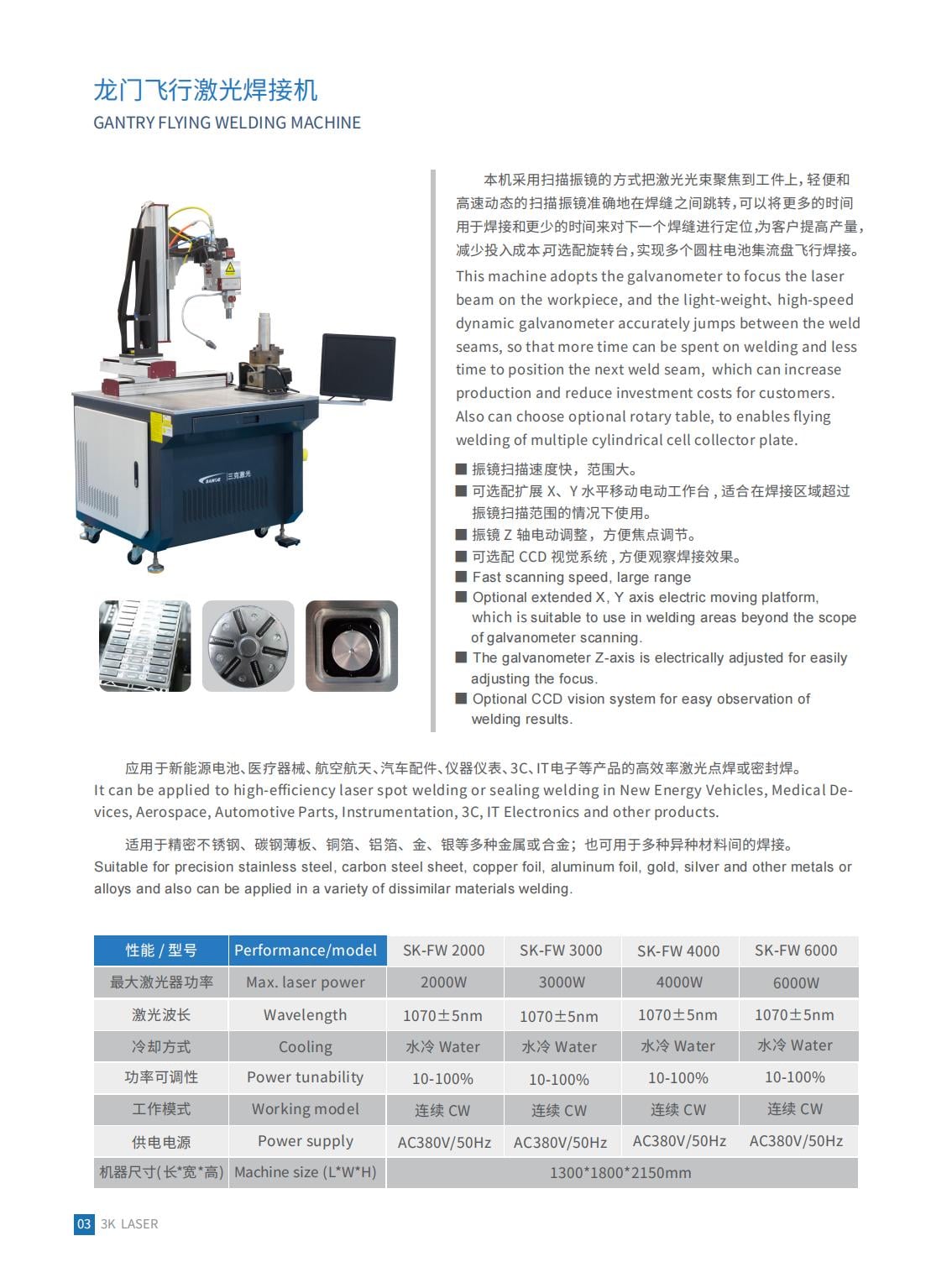
robotic welding automation
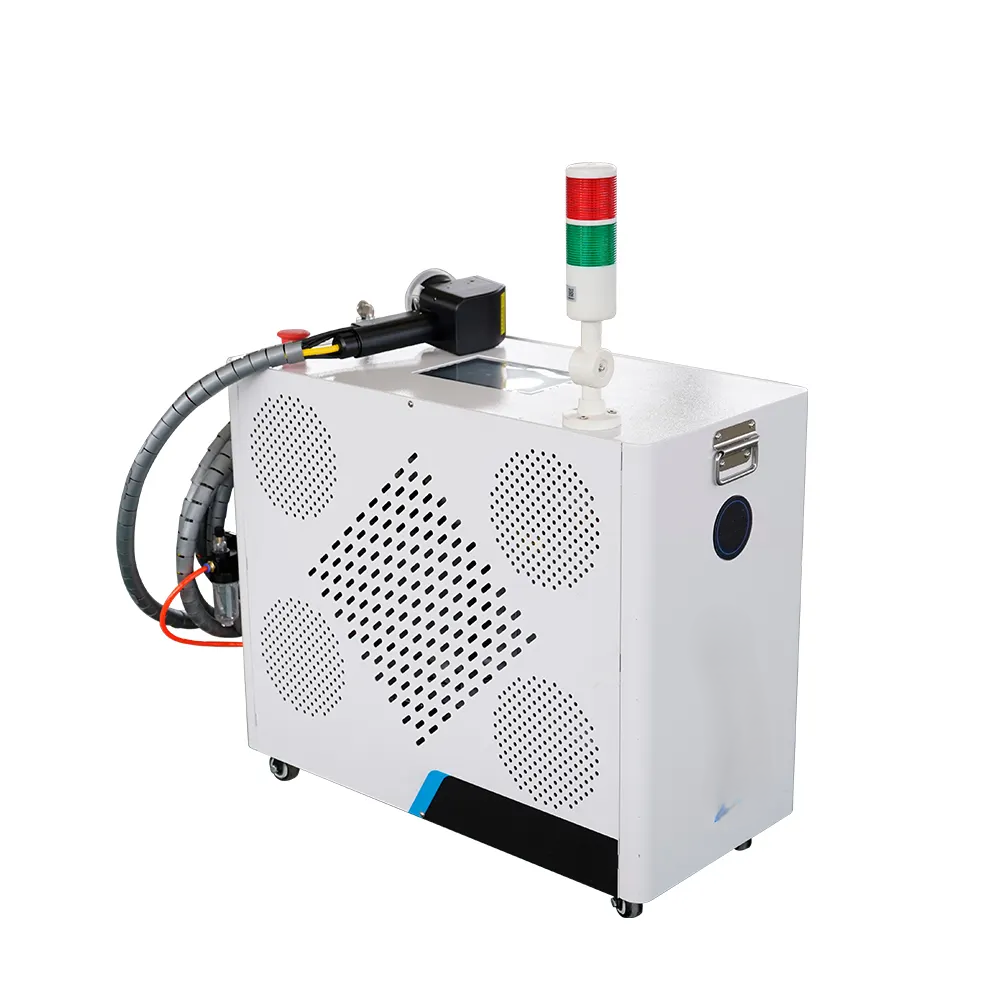
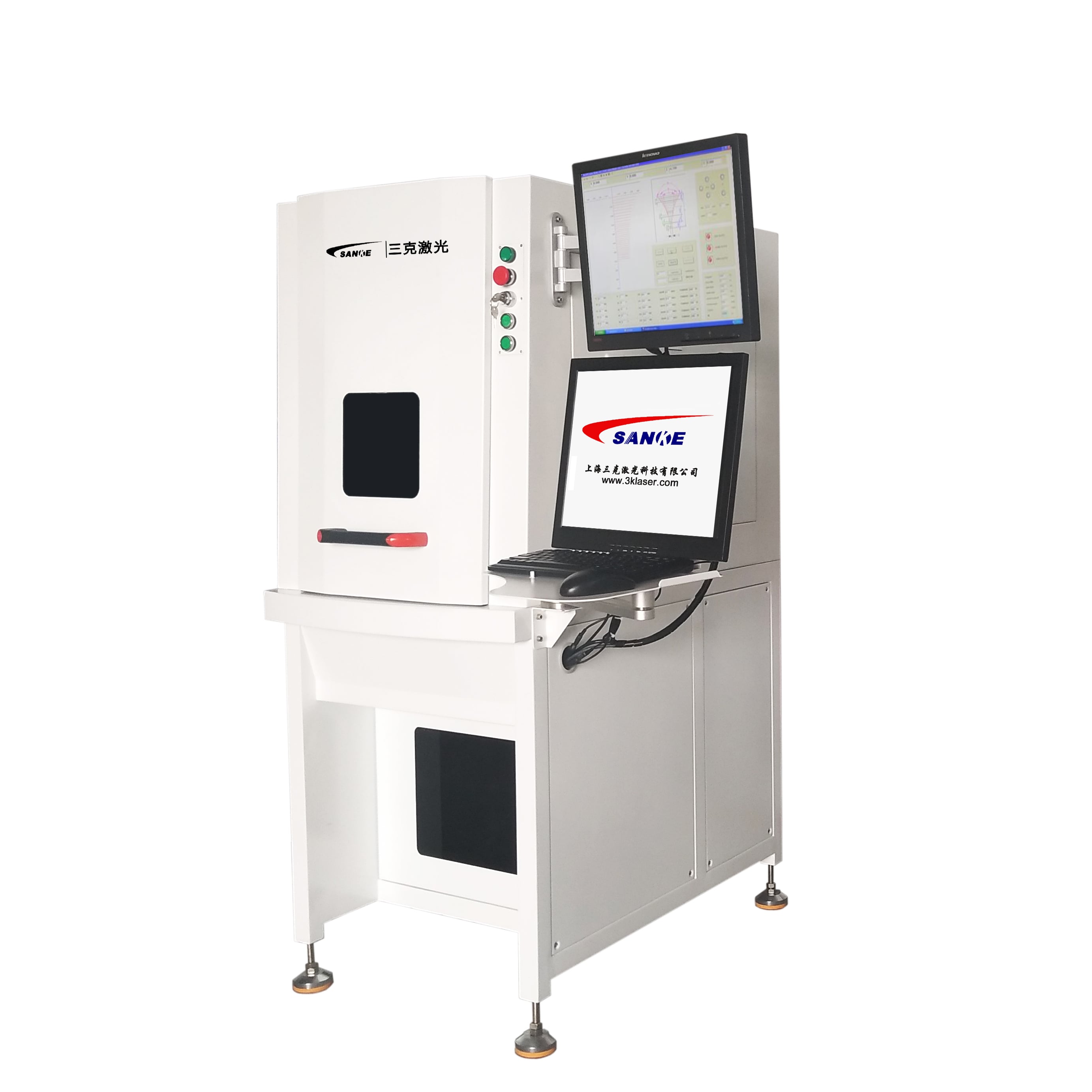
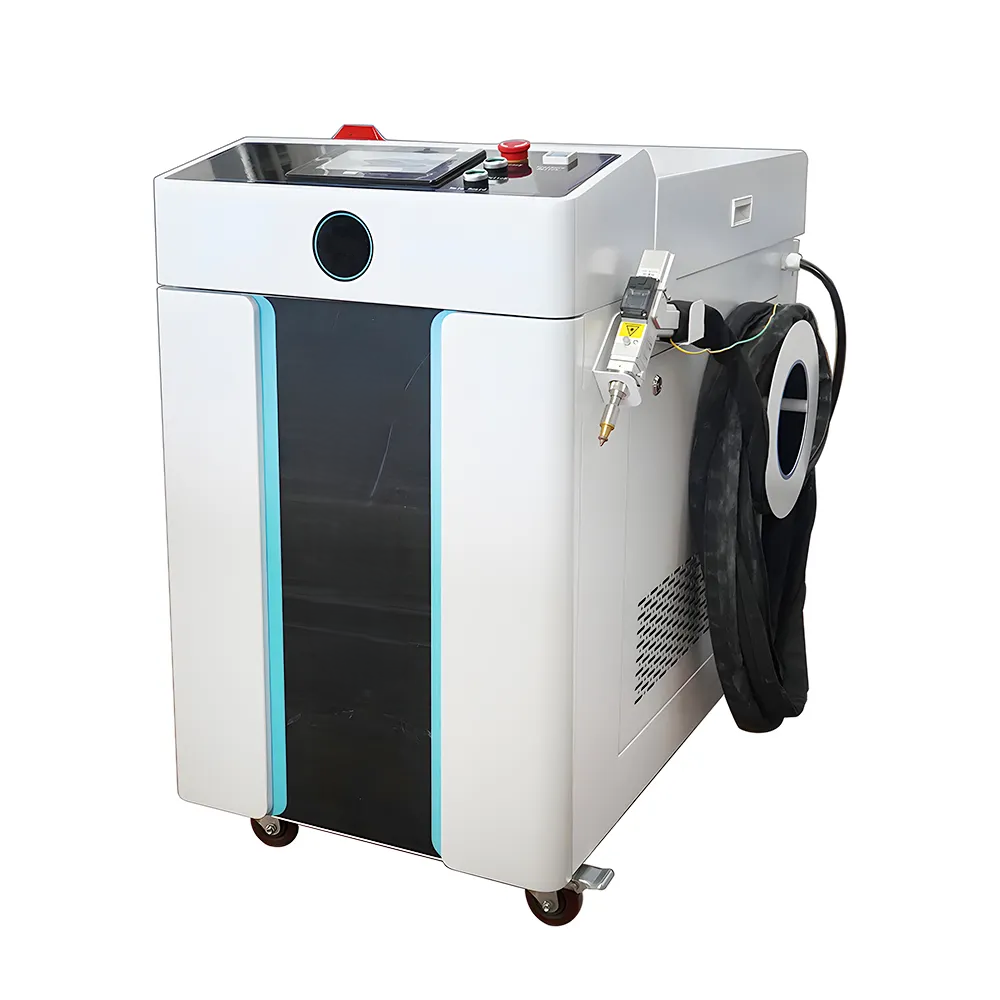
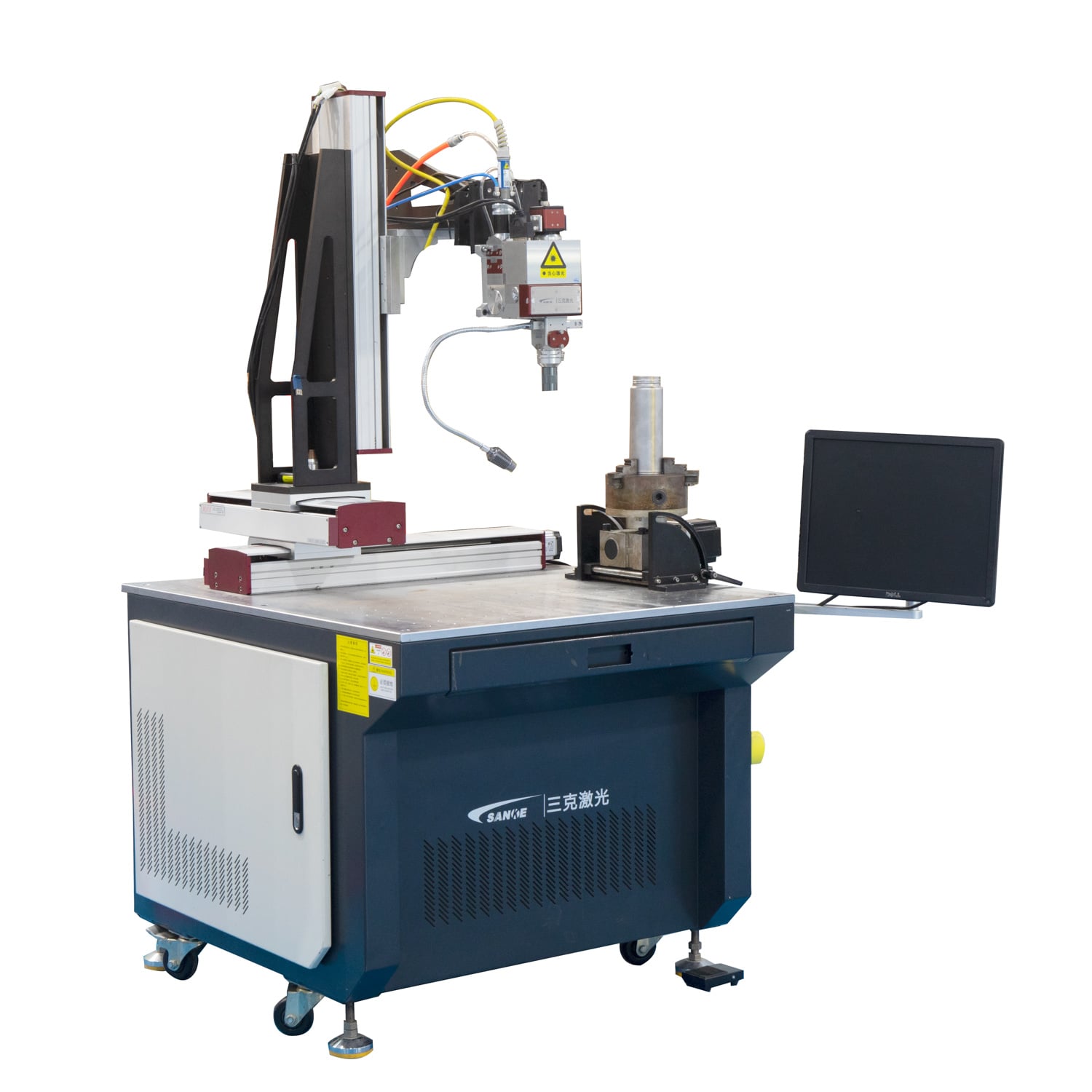
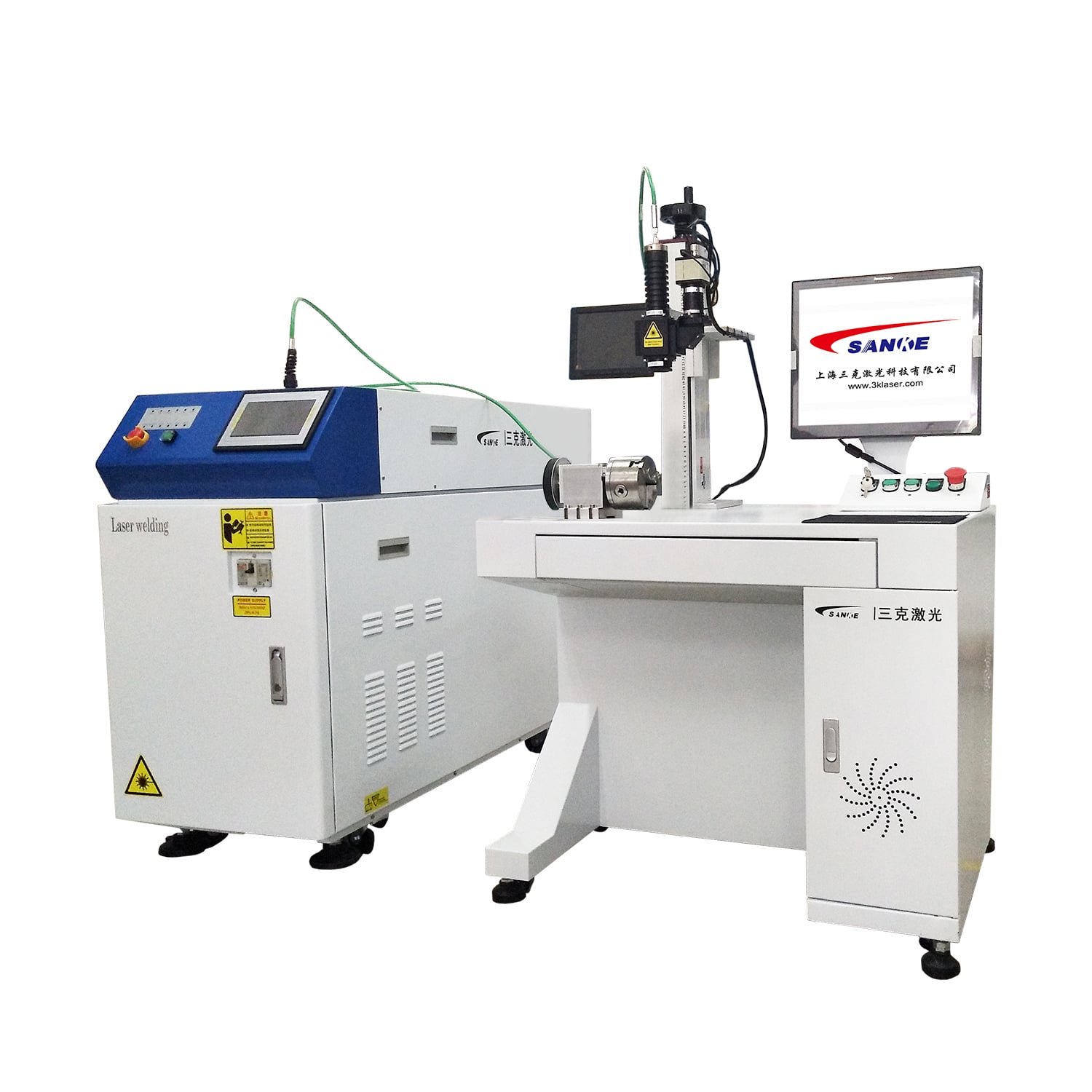
Robotic welding automation represents a transformative manufacturing technology that integrates industrial robots with advanced welding equipment to perform precise, consistent, and efficient welding operations without continuous human intervention. This sophisticated system combines programmable robotic arms, welding power sources, wire feeders, and intelligent control software to execute complex welding tasks across various materials and configurations. The main functions of robotic welding automation include automated arc welding, spot welding, laser welding, and plasma welding processes that deliver superior joint quality and structural integrity. The technological features encompass precise motion control with six-axis articulation, real-time seam tracking systems, adaptive welding parameter adjustment, collision detection sensors, and intuitive programming interfaces that enable operators to design and modify welding paths efficiently. Modern robotic welding automation systems incorporate vision guidance technology, allowing robots to identify workpiece positions automatically and compensate for variations in component placement. These systems support multiple welding standards and can store numerous welding programs for different products, enabling rapid changeovers in production environments. Applications span diverse industries including automotive manufacturing for body-in-white assembly, heavy equipment fabrication, aerospace component production, shipbuilding, pipeline construction, and general metal fabrication. The technology proves particularly valuable in high-volume production scenarios where consistency and repeatability are paramount, as well as in hazardous welding environments where minimizing human exposure to fumes, heat, and radiation protects worker safety while maintaining productivity standards.
 EN
EN
 AR
AR
 FR
FR
 DE
DE
 JA
JA
 KO
KO
 RU
RU
 ES
ES