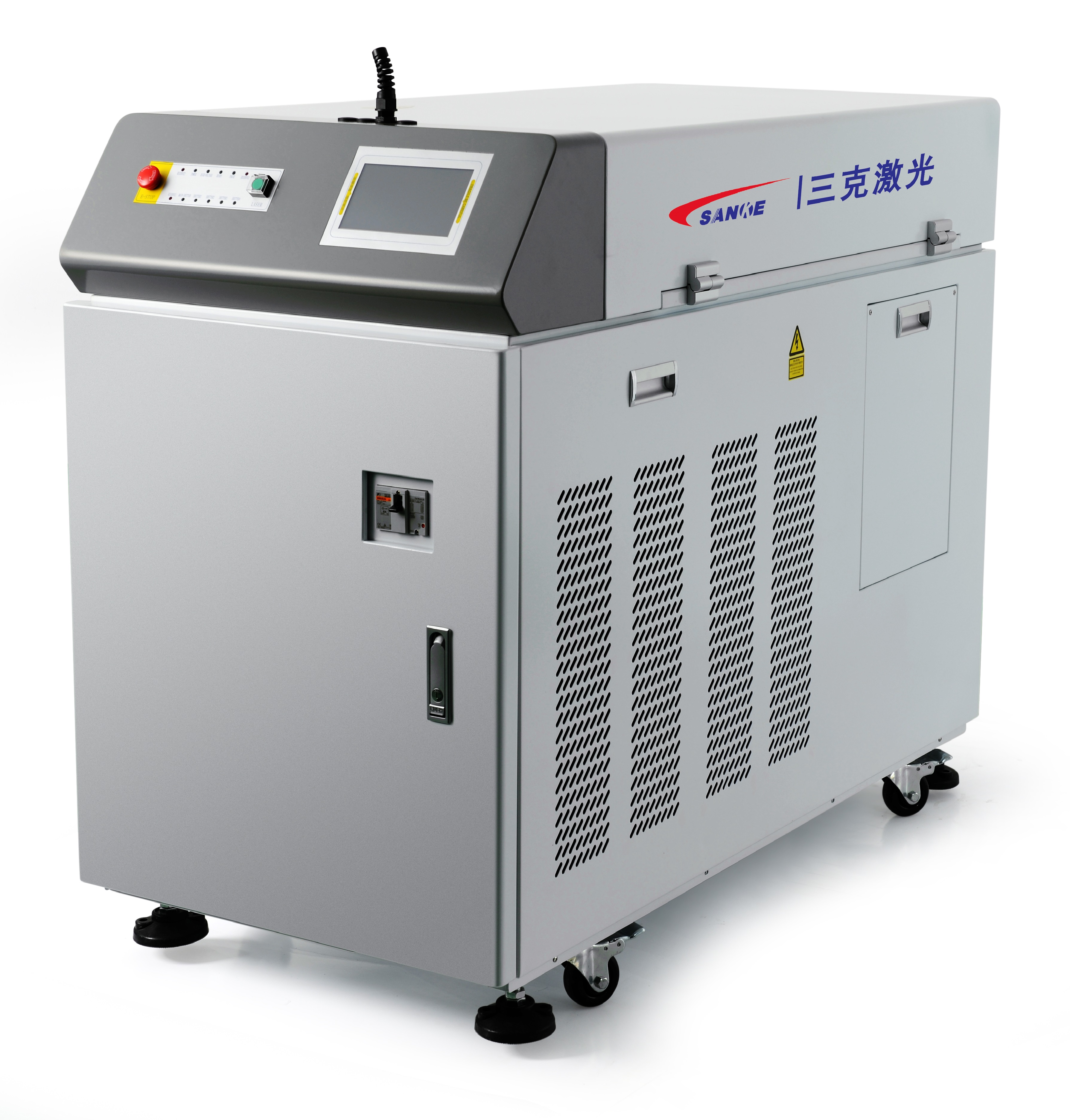
welding automation system-0

Advanced Welding Automation Systems - Precision Manufacturing Solutions for Industrial Applications

Get a Free Quote

Our representative will contact you soon.
Email
Name
Company Name
Message
0/1000

welding automation system

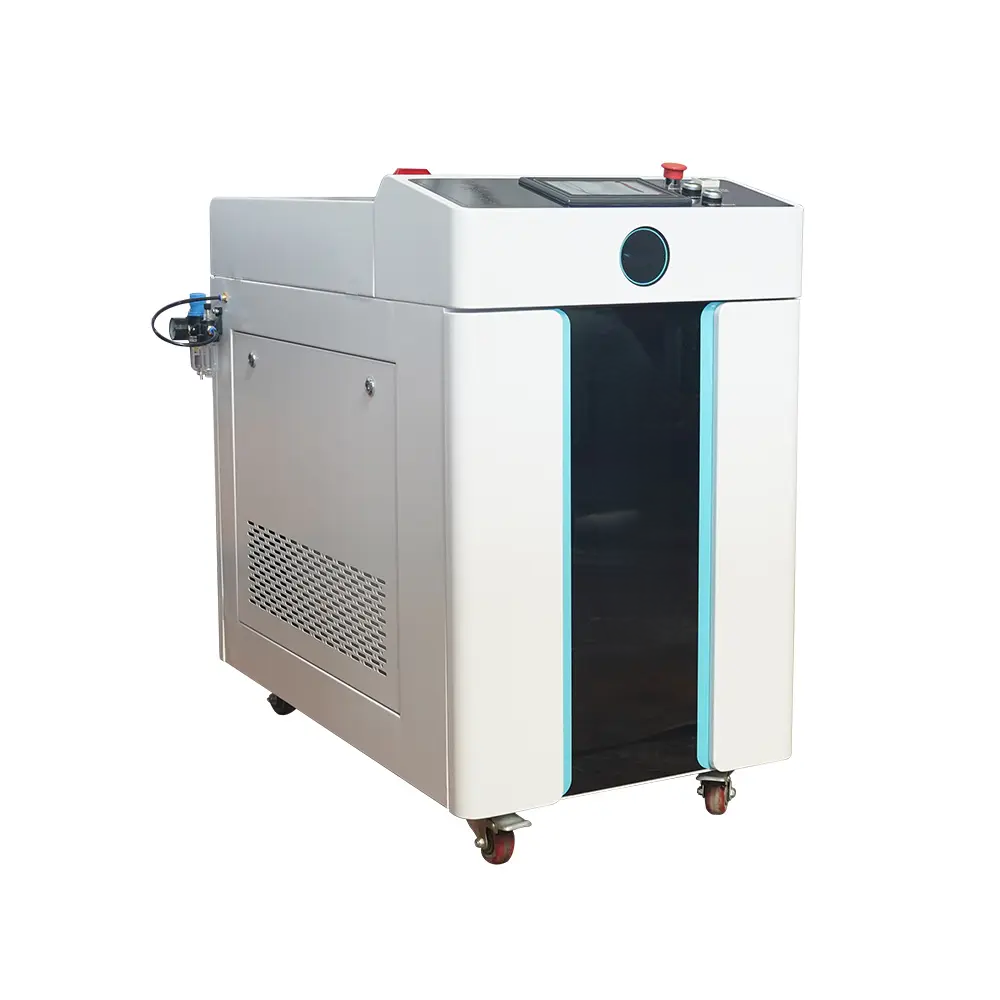
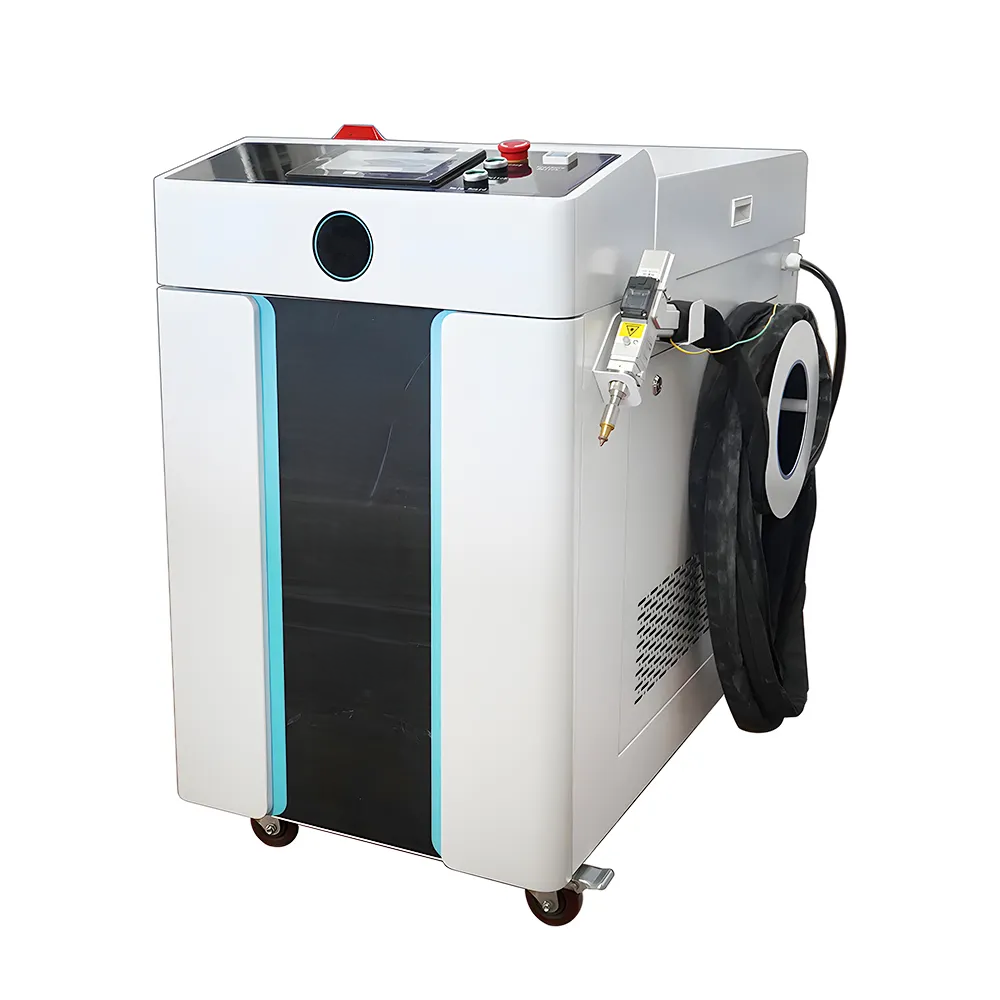
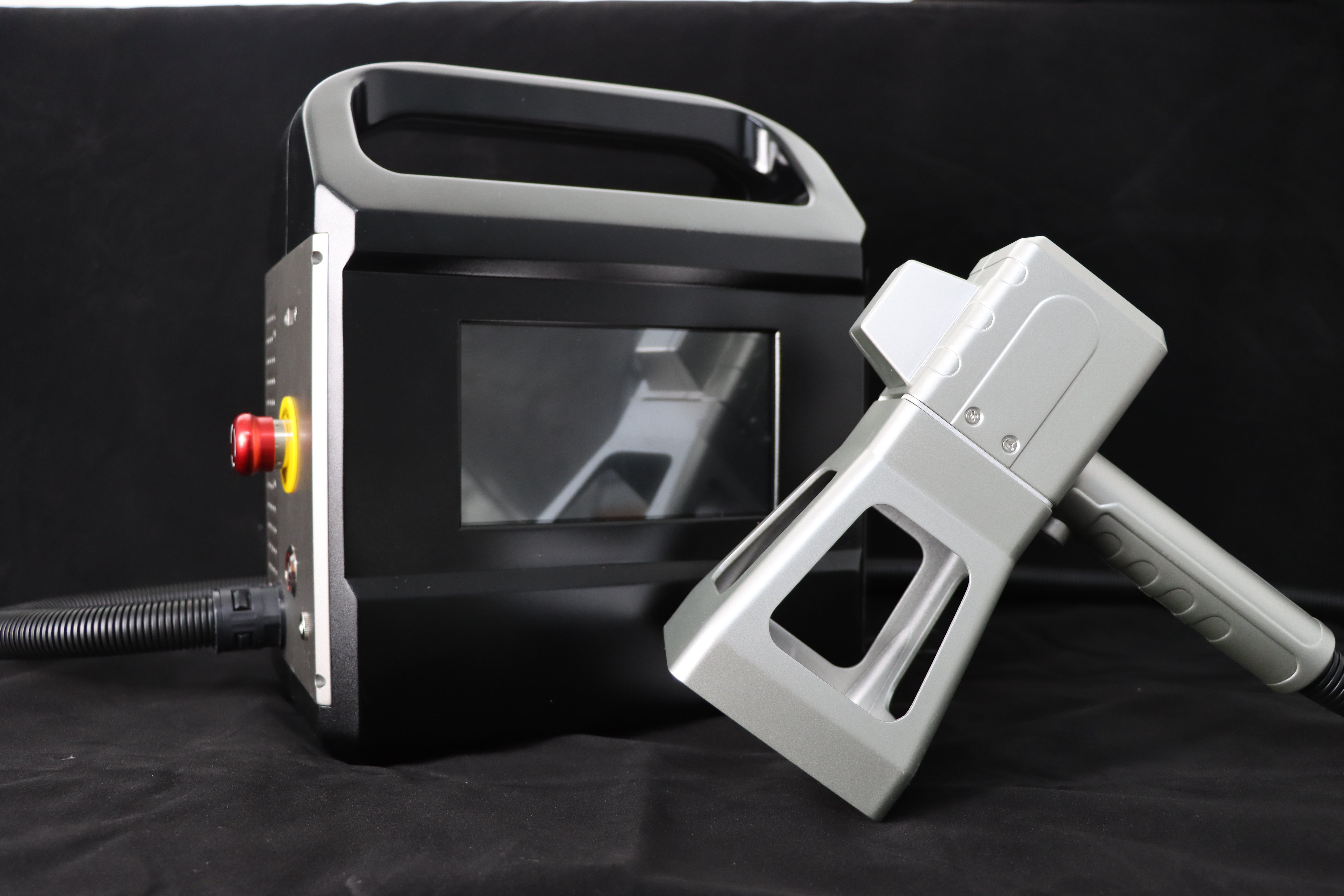
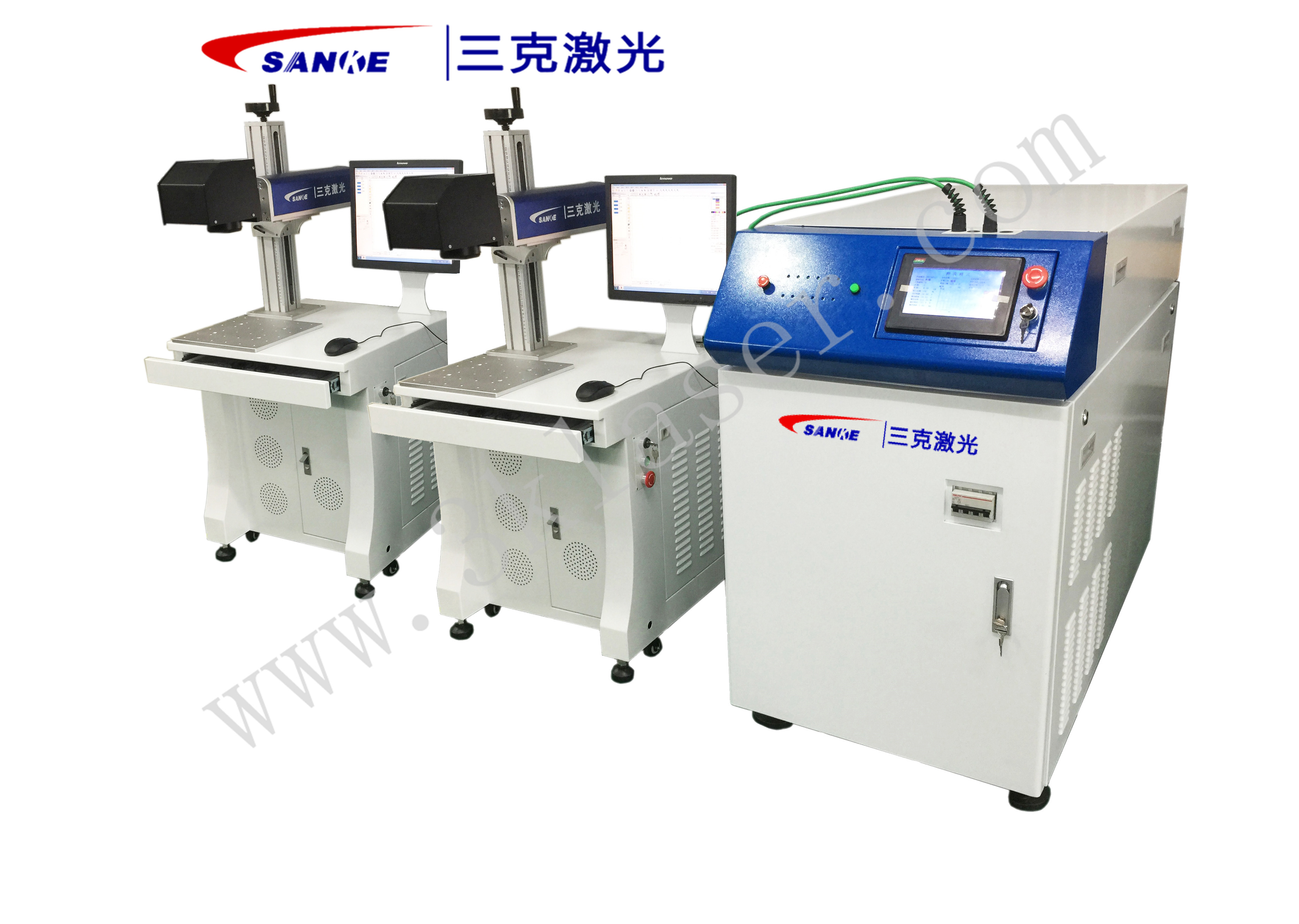
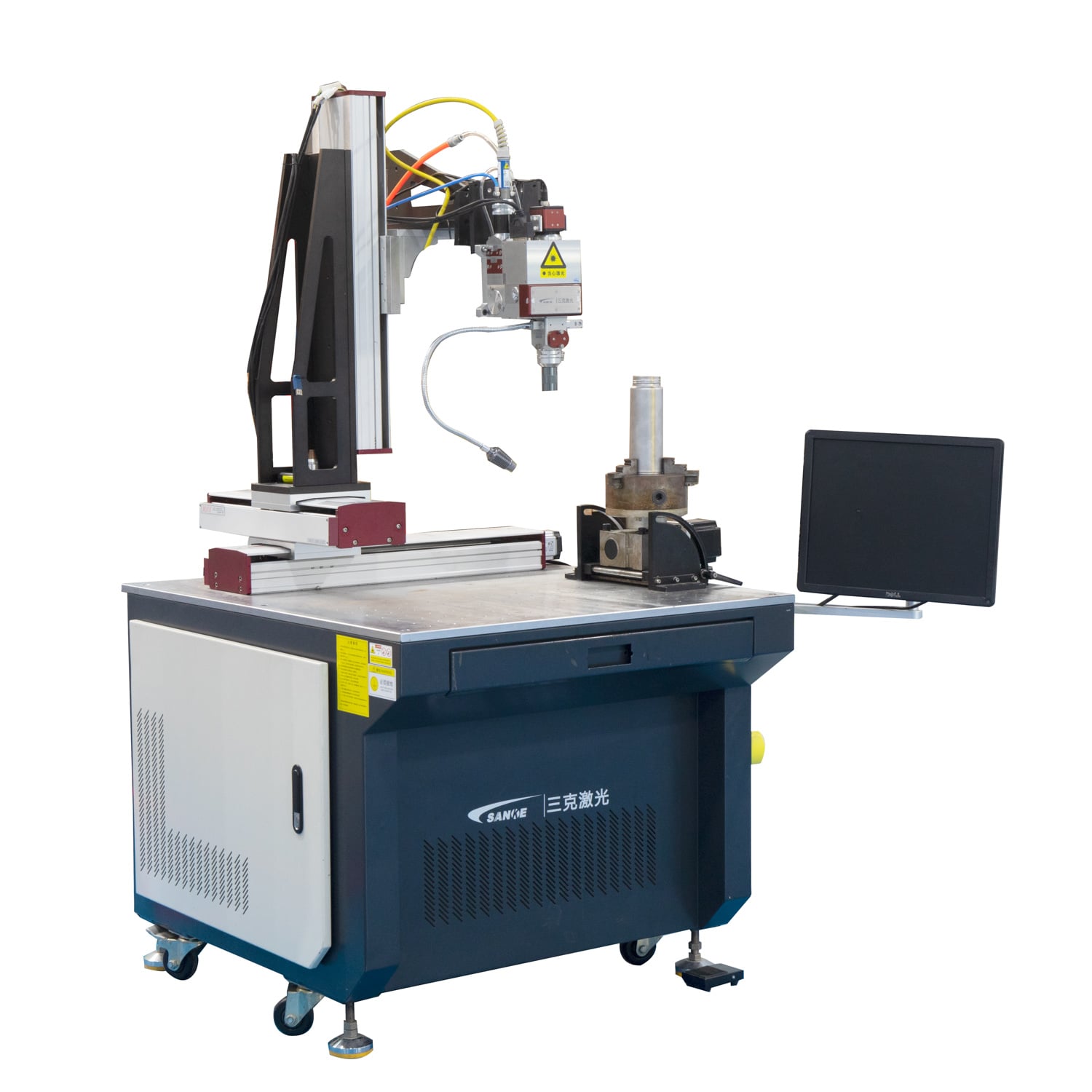
A welding automation system represents a revolutionary approach to metal joining processes that combines advanced robotics, precision control technology, and intelligent software to deliver consistent, high-quality welds across various industrial applications. This sophisticated technology transforms traditional manual welding operations into streamlined, computer-controlled processes that significantly enhance productivity while maintaining exceptional quality standards. The welding automation system integrates multiple components including robotic arms, welding power sources, wire feeders, positioning equipment, and comprehensive control software to create a unified manufacturing solution. Modern welding automation systems incorporate real-time monitoring capabilities that continuously assess weld quality parameters such as arc voltage, current levels, travel speed, and penetration depth. These systems utilize advanced sensors and feedback mechanisms to automatically adjust welding parameters during operation, ensuring optimal results regardless of material variations or environmental conditions. The technology supports multiple welding processes including MIG, TIG, plasma arc, and resistance welding, making it versatile for diverse manufacturing requirements. Programmable logic controllers manage complex welding sequences while maintaining precise repeatability across thousands of production cycles. The welding automation system features intuitive human-machine interfaces that allow operators to easily program welding paths, set parameters, and monitor production progress in real-time. Safety systems are integrated throughout the platform, including emergency stop functions, protective barriers, and automatic shutdown protocols that protect both equipment and personnel. Quality assurance features include automated inspection capabilities that detect defects immediately after welding completion, enabling immediate corrective actions. The system supports data logging and traceability functions that record welding parameters for each completed joint, facilitating quality control and regulatory compliance. Integration capabilities allow seamless connection with existing manufacturing execution systems and enterprise resource planning software, creating comprehensive production visibility and control.

Popular Products

The welding automation system delivers substantial productivity improvements by operating continuously without fatigue or breaks, achieving production rates that typically exceed manual welding by 200-300 percent. This enhanced throughput directly translates to increased revenue potential and faster order fulfillment times for manufacturers across industries. Quality consistency represents another significant advantage, as automated systems eliminate human variability and deliver identical welds repeatedly. Each weld meets predetermined specifications with minimal deviation, reducing rework costs and warranty claims while enhancing customer satisfaction. The technology significantly reduces labor costs by requiring fewer skilled welders while enabling existing personnel to focus on higher-value activities such as programming, maintenance, and quality oversight. Safety improvements are dramatic, as workers are removed from hazardous welding environments that involve intense heat, toxic fumes, and bright arc flash. The welding automation system operates within enclosed cells with proper ventilation and safety barriers, creating safer workplace conditions and reducing insurance premiums. Material waste reduction occurs through precise wire feed control and optimized welding parameters that minimize spatter and excess filler metal consumption. This efficiency directly impacts material costs while supporting environmental sustainability goals. Flexibility advantages include rapid changeover capabilities between different products and welding configurations, enabling manufacturers to respond quickly to market demands without extensive retooling. The system accommodates various part sizes and geometries through programmable positioning equipment and adjustable fixtures. Energy efficiency benefits result from optimized power delivery and reduced idle time, lowering operational costs and supporting sustainability initiatives. Documentation and traceability capabilities provide complete production records that satisfy quality standards and regulatory requirements in industries such as aerospace, automotive, and medical device manufacturing. Remote monitoring capabilities allow supervisors to oversee multiple welding stations simultaneously, maximizing operational efficiency. Predictive maintenance features analyze system performance data to schedule maintenance activities proactively, preventing unexpected downtime and extending equipment lifespan. The welding automation system adapts to future technological advances through modular design and software updates, protecting investment value and enabling continuous improvement initiatives.

Practical Tips

How do I ensure the safety of operators when using a laser drilling machine?

19

Nov

How do I ensure the safety of operators when using a laser drilling machine?

Laser drilling machines have revolutionized precision manufacturing across industries, offering unparalleled accuracy and efficiency for creating micro-holes in various materials. However, the powerful laser beams used in these systems pose significa...
View More
How do handheld laser cleaning machines contribute to environmentally friendly cleaning practices?

19

Nov

How do handheld laser cleaning machines contribute to environmentally friendly cleaning practices?

Modern industrial cleaning practices are undergoing a revolutionary transformation as companies seek more sustainable and environmentally conscious solutions. Traditional cleaning methods often rely on harsh chemicals, abrasive materials, and process...
View More
What is a Laser Engraving Machine and How Does It Work?

19

Nov

What is a Laser Engraving Machine and How Does It Work?

A laser engraving machine represents one of the most precise and versatile tools in modern manufacturing and crafting industries. These sophisticated devices utilize focused laser beams to permanently mark, engrave, or cut various materials with exce...
View More
Top 5 Beam Expander Applications in Laser Systems

21

Oct

Top 5 Beam Expander Applications in Laser Systems

Understanding the Revolutionary Impact of Laser Beam Expansion Technology Modern laser systems have transformed numerous industries, from medical procedures to advanced manufacturing. At the heart of many of these applications lies a crucial optical ...
View More

Get a Free Quote

Our representative will contact you soon.
Email
Name
Company Name
Message
0/1000

welding automation system

Advanced Precision Control and Real-Time Monitoring

Advanced Precision Control and Real-Time Monitoring

The welding automation system incorporates sophisticated precision control technology that monitors and adjusts welding parameters in real-time, ensuring optimal weld quality throughout the entire production process. This advanced capability utilizes multiple sensor arrays that continuously measure arc voltage, welding current, wire feed speed, travel velocity, and torch position with exceptional accuracy. The system processes this data instantaneously through high-speed processors that make micro-adjustments to maintain ideal welding conditions, compensating for material thickness variations, joint fit-up irregularities, and environmental factors that could affect weld quality. Machine learning algorithms analyze historical welding data to predict optimal parameter settings for new applications, reducing setup time and improving first-pass weld quality. The precision control system maintains tolerances within ±0.1mm for critical dimensions while ensuring consistent penetration profiles across the entire weld length. Real-time monitoring displays provide operators with immediate feedback on welding performance, including visual representations of current parameters, trend analysis, and quality metrics. Automated adaptive control responds to changing conditions by modifying welding technique, adjusting heat input, or altering travel patterns to maintain consistent results. This intelligent monitoring system detects potential quality issues before they become defects, automatically implementing corrective actions or alerting operators when manual intervention is required. The technology includes advanced arc sensing capabilities that guide the welding torch along joint preparations with minimal deviation, ensuring proper weld placement even on complex geometries. Quality assurance features integrate seamlessly with the control system, performing real-time analysis of weld characteristics and flagging any deviations from acceptable parameters. Data logging capabilities record every aspect of the welding process, creating comprehensive quality documentation that supports traceability requirements and continuous improvement initiatives. The precision control system enables welding of dissimilar materials, thin sections, and critical applications that demand exceptional quality standards, expanding manufacturing capabilities significantly.
Comprehensive Safety Integration and Worker Protection

Comprehensive Safety Integration and Worker Protection

The welding automation system prioritizes worker safety through comprehensive integration of multiple protection systems that eliminate exposure to welding hazards while maintaining optimal production efficiency. Physical safety barriers create secure work environments that protect personnel from arc flash, spatter, and intense heat generation while allowing clear observation of welding operations through specially designed viewing windows with appropriate filtration. Advanced ventilation systems automatically activate during welding operations, efficiently removing harmful fumes and maintaining air quality within acceptable limits as defined by occupational safety standards. Emergency stop systems are strategically positioned throughout the work area, providing immediate shutdown capability that halts all robotic motion and welding operations within milliseconds of activation. Interlock systems prevent unauthorized access to active welding zones through door sensors, light curtains, and pressure-sensitive floor mats that immediately suspend operations when safety boundaries are breached. The welding automation system includes comprehensive fire suppression capabilities with automatic detection and suppression systems specifically designed for welding environments. Personal protective equipment requirements are minimized through enclosed welding cells and remote operation capabilities, reducing worker fatigue and heat stress while maintaining full process visibility. Safety training programs are integrated into the system interface, providing ongoing education and certification tracking to ensure operators maintain current safety knowledge and compliance with evolving regulations. Risk assessment protocols are built into the system software, automatically evaluating operational parameters and environmental conditions to identify potential safety concerns before they develop into hazardous situations. Maintenance safety features include lockout/tagout systems, energy isolation protocols, and guided maintenance procedures that ensure technician safety during service activities. The system maintains detailed safety incident logs and near-miss reporting capabilities that support continuous safety improvement initiatives and regulatory compliance documentation. Ergonomic considerations are incorporated throughout the design, with operator interfaces positioned for comfortable access and minimal physical strain during routine operations. Safety certification compliance includes adherence to international standards such as ISO 45001, OSHA regulations, and industry-specific safety requirements, providing manufacturers with confidence in their safety program effectiveness.
Seamless Integration and Smart Manufacturing Connectivity

Seamless Integration and Smart Manufacturing Connectivity

The welding automation system features comprehensive integration capabilities that seamlessly connect with existing manufacturing infrastructure and smart factory initiatives, creating unified production ecosystems that maximize operational efficiency and data visibility. Industrial communication protocols including Ethernet/IP, Profinet, and OPC-UA enable direct connectivity with manufacturing execution systems, enterprise resource planning software, and quality management platforms, facilitating real-time data exchange and production coordination. The system supports Industry 4.0 principles through cloud connectivity that enables remote monitoring, predictive analytics, and centralized production management across multiple facilities. Smart manufacturing features include automated work order processing that receives production instructions directly from planning systems and automatically configures welding parameters, fixture positions, and quality requirements without manual intervention. Integration with inventory management systems provides real-time material consumption tracking and automatic replenishment notifications, ensuring continuous production flow and preventing material shortages. The welding automation system connects with upstream and downstream manufacturing processes through standardized interfaces that coordinate production timing, quality handoffs, and material flow optimization. Digital twin technology creates virtual representations of welding operations that enable simulation, optimization, and predictive modeling before implementing changes to actual production systems. Advanced analytics platforms process welding data to identify optimization opportunities, predict maintenance requirements, and generate performance insights that drive continuous improvement initiatives. Integration with quality management systems automates documentation generation, statistical process control, and compliance reporting, reducing administrative burden while ensuring regulatory adherence. The system supports flexible manufacturing concepts through rapid reconfiguration capabilities that accommodate changing product mixes and production volumes without extensive reprogramming or physical modifications. Cybersecurity features protect integrated systems through encrypted communications, access controls, and intrusion detection systems that maintain data integrity and operational security. Scalability advantages allow manufacturers to expand welding automation capabilities incrementally, adding new stations or capabilities while maintaining full integration with existing systems. The platform supports multi-site connectivity that enables centralized monitoring and management of welding operations across global manufacturing networks, providing unprecedented visibility into production performance and quality metrics.

Get a Free Quote

Our representative will contact you soon.
Email
Name
Company Name
Message
0/1000