automatic welding supply-0

Advanced Automatic Welding & Supply Systems - Precision Manufacturing Solutions

Get a Free Quote

Our representative will contact you soon.
Email
Name
Company Name
Message
0/1000

automatic welding & supply

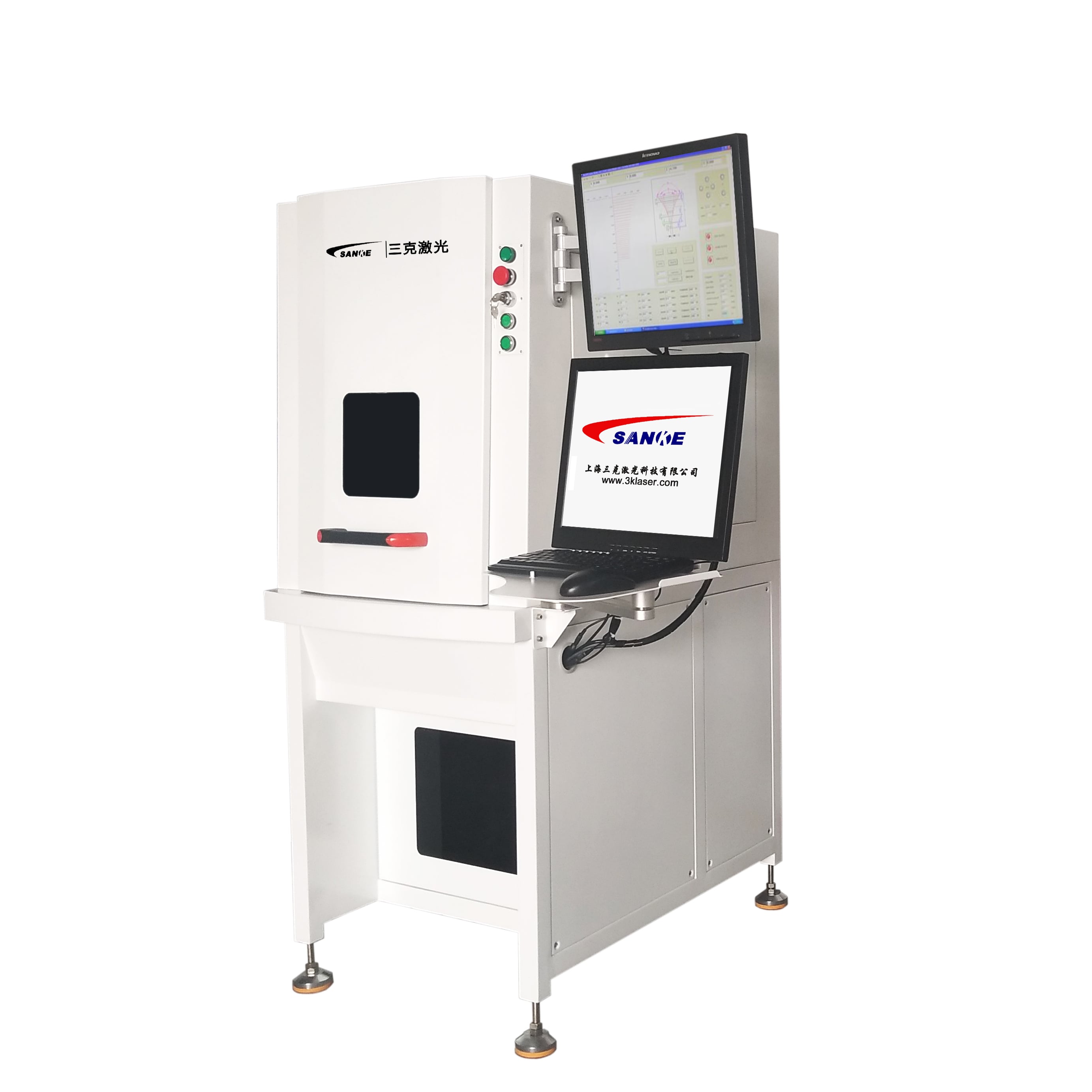
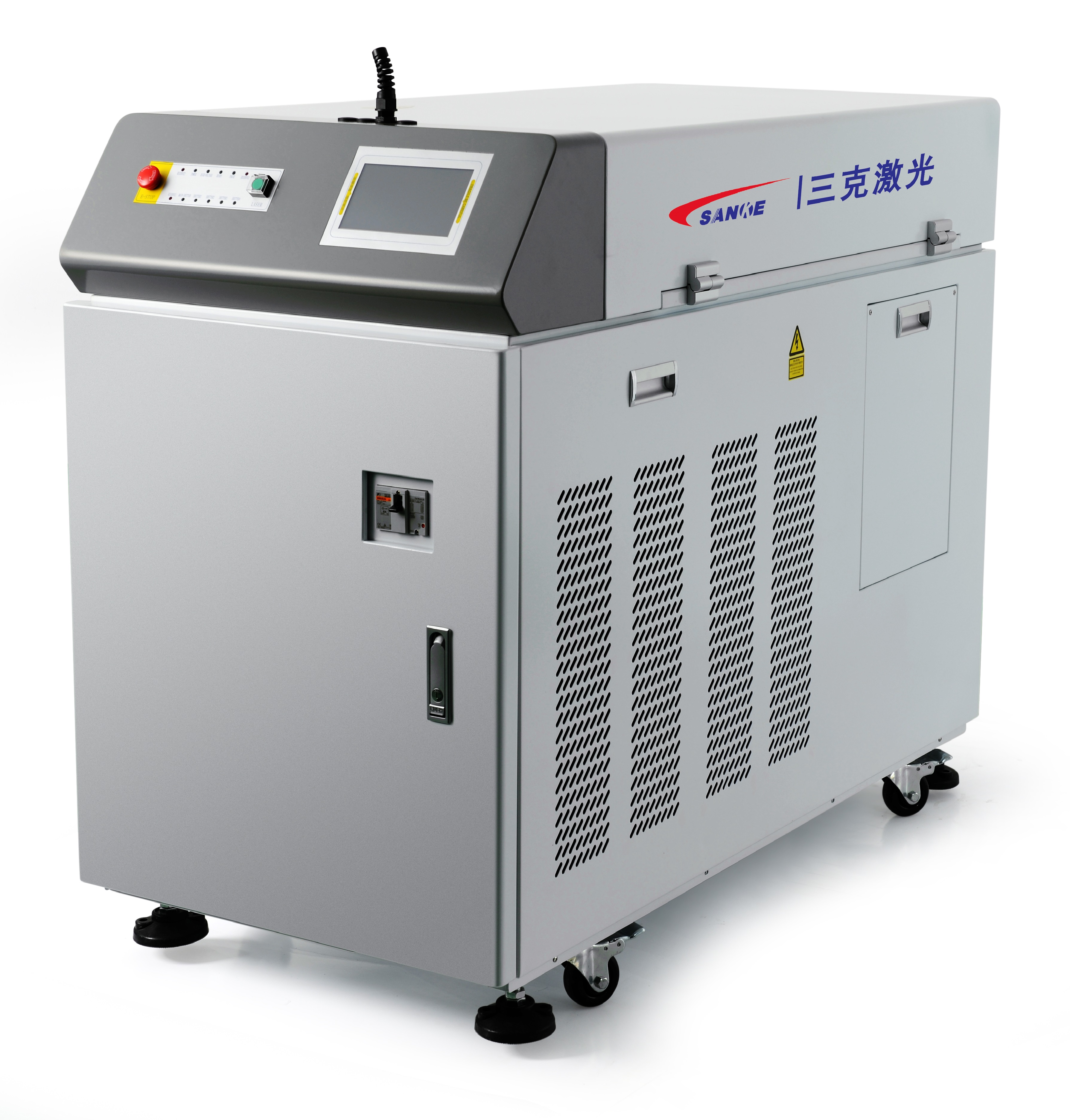
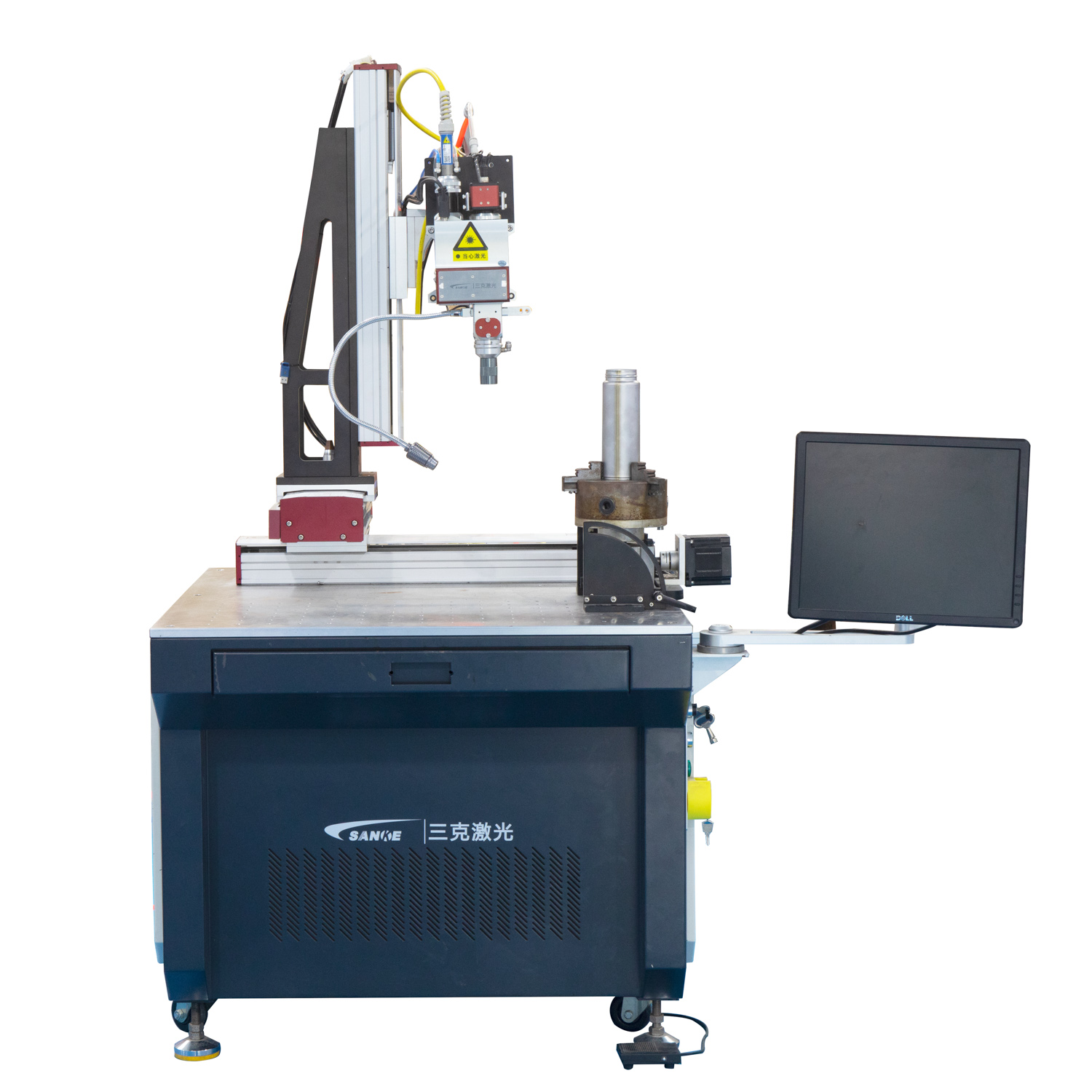
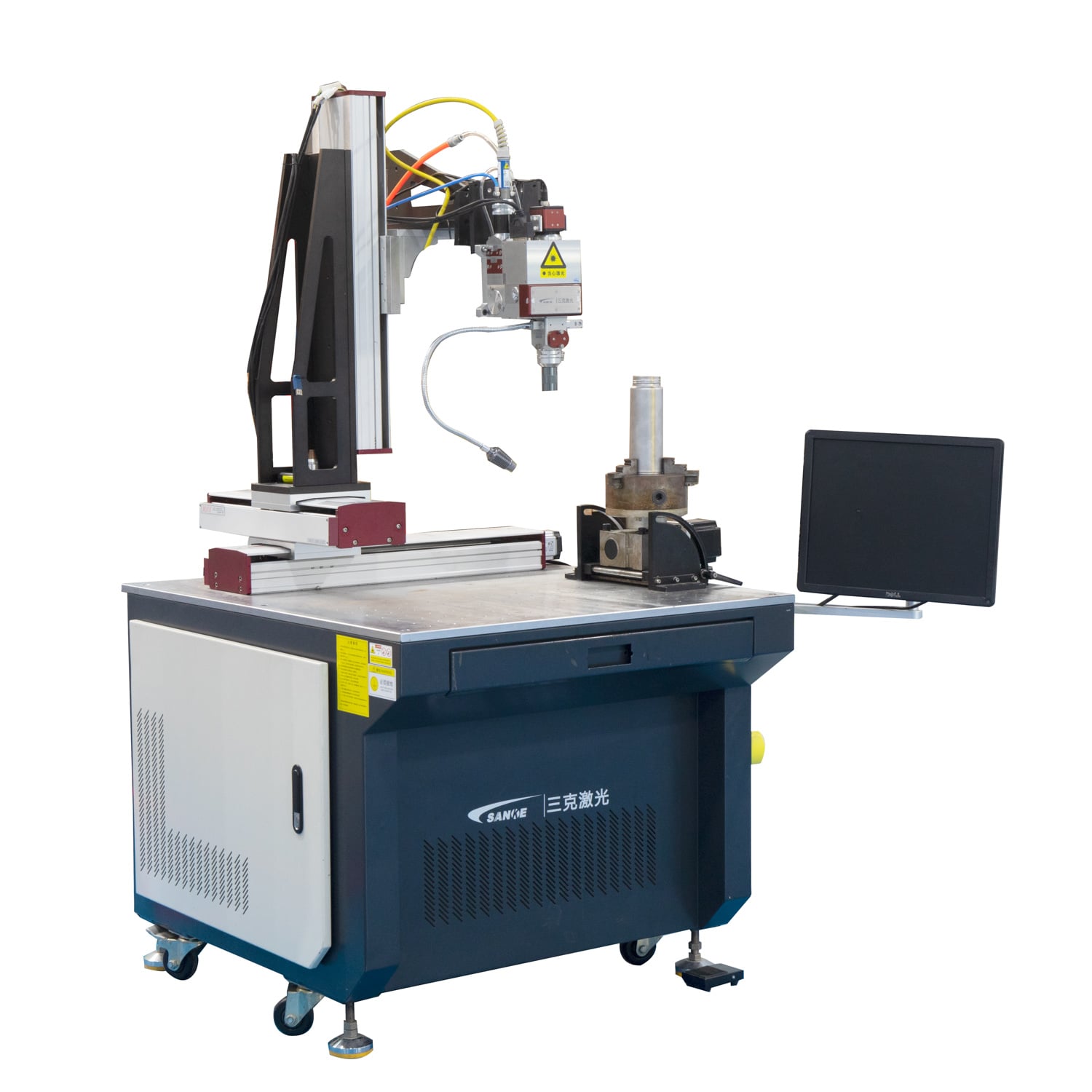
Automatic welding & supply represents a revolutionary advancement in modern manufacturing technology, transforming traditional welding processes through sophisticated automation systems. This comprehensive solution integrates cutting-edge robotics, intelligent control systems, and precision material handling equipment to deliver consistent, high-quality welding results across diverse industrial applications. The automatic welding & supply system combines advanced welding technologies with automated material feeding mechanisms, creating seamless production workflows that significantly enhance operational efficiency. At its core, the system utilizes computer-controlled welding torches, programmable motion controllers, and adaptive sensing technologies to execute complex welding patterns with extraordinary precision. The technological features include real-time arc monitoring, automatic wire feeding systems, gas flow regulation, and intelligent seam tracking capabilities that ensure optimal weld penetration and quality. Advanced sensors continuously monitor welding parameters such as voltage, current, travel speed, and wire feed rate, making instantaneous adjustments to maintain consistent results throughout the entire welding process. The automatic welding & supply system incorporates sophisticated vision systems that can detect joint variations, adjust welding parameters accordingly, and compensate for material inconsistencies in real-time. Applications span across automotive manufacturing, shipbuilding, construction, aerospace, pipeline installation, and heavy machinery production. In automotive industries, these systems handle chassis welding, body panel assembly, and exhaust system fabrication with remarkable speed and accuracy. Shipbuilding operations utilize automatic welding & supply for hull construction, deck plating, and structural component assembly, where consistent weld quality is paramount for safety and structural integrity. Construction projects benefit from automated welding in steel frame assembly, bridge construction, and building infrastructure development. The system's versatility allows it to handle various materials including carbon steel, stainless steel, aluminum alloys, and exotic metals, making it indispensable for modern manufacturing environments that demand precision, reliability, and efficiency in their welding operations.

New Product Recommendations

The automatic welding & supply system delivers substantial benefits that transform manufacturing operations and provide exceptional value for businesses seeking enhanced productivity. First and foremost, these systems dramatically increase production speed compared to manual welding methods, often achieving welding rates three to five times faster than traditional approaches while maintaining superior quality standards. This acceleration directly translates to reduced production cycles, faster project completion times, and increased throughput capacity that enables companies to meet demanding delivery schedules and expand their market reach. Quality consistency represents another significant advantage, as the automatic welding & supply eliminates human variables that can lead to weld defects, inconsistent penetration, or structural weaknesses. Every weld produced follows identical parameters, ensuring uniform strength characteristics and reducing the likelihood of costly rework or warranty claims. Labor cost reduction becomes immediately apparent as fewer skilled welders are required to achieve the same output levels, while existing personnel can be reassigned to higher-value tasks such as quality inspection, system programming, or process optimization. The automatic welding & supply system operates continuously without fatigue, breaks, or performance degradation, providing reliable 24-hour production capabilities that maximize equipment utilization and return on investment. Safety improvements are substantial, as operators work at safe distances from welding arcs, hazardous fumes, and extreme temperatures, reducing workplace injuries and associated insurance costs. Material waste decreases significantly through precise wire feed control and optimized welding parameters that eliminate over-welding or excessive material consumption. The system's data logging capabilities provide detailed production records, quality metrics, and performance analytics that enable continuous process improvement and regulatory compliance documentation. Flexibility in handling diverse welding projects allows manufacturers to quickly adapt to changing customer requirements without extensive retooling or retraining investments. Energy efficiency improvements result from optimized power consumption patterns and reduced cycle times, contributing to lower operational costs and environmental sustainability goals. Long-term reliability and minimal maintenance requirements ensure consistent performance over extended periods, providing predictable operating costs and minimal production disruptions that support stable business planning and customer commitment fulfillment.

Latest News

What are the typical power requirements for different models of laser drilling machines?

19

Nov

What are the typical power requirements for different models of laser drilling machines?

Understanding the power requirements for laser drilling machines is crucial for manufacturers, engineers, and facility managers planning their industrial operations. The electrical demands of these sophisticated systems vary significantly based on la...
View More
Can a laser drilling machine be integrated into an automated production line?

19

Nov

Can a laser drilling machine be integrated into an automated production line?

Modern manufacturing demands unprecedented levels of precision, efficiency, and automation to remain competitive in today's global marketplace. The integration of advanced equipment into automated production lines has become essential for manufacture...
View More
What is a Laser Engraving Machine and How Does It Work?

19

Nov

What is a Laser Engraving Machine and How Does It Work?

A laser engraving machine represents one of the most precise and versatile tools in modern manufacturing and crafting industries. These sophisticated devices utilize focused laser beams to permanently mark, engrave, or cut various materials with exce...
View More
Common Field Lens Problems and Solutions

21

Oct

Common Field Lens Problems and Solutions

Understanding the Complexities of Field Lens Performance Field lenses play a crucial role in optical systems, serving as vital components that help collect and direct light effectively. These specialized optical elements are designed to improve image...
View More

Get a Free Quote

Our representative will contact you soon.
Email
Name
Company Name
Message
0/1000

automatic welding & supply

Advanced Real-Time Quality Control System

Advanced Real-Time Quality Control System

The automatic welding & supply incorporates an sophisticated real-time quality control system that represents a paradigm shift in welding precision and reliability. This intelligent monitoring system utilizes multiple sensor technologies including high-resolution cameras, thermal imaging devices, and electromagnetic field sensors to continuously analyze weld pool characteristics, heat distribution patterns, and material fusion dynamics throughout the entire welding process. The system's advanced algorithms process thousands of data points per second, comparing actual welding conditions against predetermined quality parameters and making instantaneous adjustments to maintain optimal results. Vision-based inspection capabilities enable the automatic welding & supply to detect potential defects such as porosity, incomplete fusion, or dimensional variations before they become permanent flaws, triggering immediate corrective actions that prevent costly rework or product failures. The quality control system maintains comprehensive documentation of every weld produced, creating detailed records that include welding parameters, environmental conditions, material specifications, and quality metrics that support regulatory compliance and customer quality requirements. Machine learning capabilities allow the system to continuously improve its performance by analyzing historical data patterns and optimizing welding parameters based on accumulated experience with similar applications. Real-time feedback mechanisms enable operators to monitor welding progress remotely, receiving instant notifications of any quality deviations or system anomalies that require attention. The predictive maintenance features analyze equipment performance trends and component wear patterns to schedule maintenance activities before failures occur, minimizing unexpected downtime and ensuring consistent production output. Integration with enterprise resource planning systems enables seamless data flow between production planning, quality assurance, and inventory management functions, creating comprehensive visibility into manufacturing operations. The automatic welding & supply system's quality control capabilities extend beyond basic weld monitoring to include material traceability, environmental condition logging, and statistical process control analysis that supports continuous improvement initiatives and customer quality certifications.
Intelligent Material Handling and Supply Chain Integration

Intelligent Material Handling and Supply Chain Integration

The automatic welding & supply system features revolutionary material handling capabilities that seamlessly integrate with existing supply chain operations to create unprecedented efficiency and reliability in welding operations. This intelligent material management system automatically controls wire feeding rates, shielding gas flow, and consumable material replenishment to ensure uninterrupted production while optimizing material utilization and minimizing waste. Advanced inventory management algorithms track material consumption patterns and automatically generate replenishment orders when stock levels approach predetermined thresholds, preventing production delays due to material shortages. The system's sophisticated wire feeding mechanism maintains consistent feeding pressure and speed regardless of spool size or material type, eliminating feeding irregularities that can cause weld defects or production interruptions. Multi-material handling capabilities enable the automatic welding & supply to switch between different wire types, diameters, and compositions without manual intervention, supporting diverse welding applications within a single production run. Barcode scanning and RFID tracking technologies ensure complete material traceability from supplier delivery through final product completion, creating comprehensive documentation chains that support quality assurance and regulatory compliance requirements. The intelligent supply system monitors consumable material quality characteristics such as moisture content, chemical composition, and mechanical properties, automatically rejecting substandard materials before they can compromise weld quality. Automated gas mixing and delivery systems precisely control shielding gas compositions for optimal arc characteristics and weld penetration, automatically adjusting gas flow rates based on welding current, travel speed, and material thickness requirements. Integration with supplier systems enables real-time visibility into material availability, delivery schedules, and quality certifications, supporting lean manufacturing principles and just-in-time inventory management strategies. The automatic welding & supply system's material handling intelligence extends to predictive analytics that forecast material consumption based on production schedules, historical usage patterns, and seasonal demand variations, enabling proactive procurement planning and cost optimization. Remote monitoring capabilities allow supply chain managers to track material consumption across multiple production lines and facilities, identifying optimization opportunities and ensuring consistent material availability across the entire manufacturing network.
Flexible Programming and Adaptive Welding Technology

Flexible Programming and Adaptive Welding Technology

The automatic welding & supply system incorporates cutting-edge programming flexibility and adaptive welding technology that enables manufacturers to quickly respond to changing production requirements while maintaining exceptional quality standards across diverse welding applications. The intuitive programming interface allows operators to create complex welding sequences using graphical programming tools that eliminate the need for extensive coding knowledge or specialized training, making advanced automation accessible to existing workforce members. Parametric programming capabilities enable the automatic welding & supply to automatically generate welding paths and parameters based on CAD drawings or 3D models, dramatically reducing setup times and eliminating programming errors that can compromise production schedules. The adaptive welding technology continuously monitors joint conditions, material variations, and environmental factors, automatically adjusting welding parameters such as current, voltage, travel speed, and wire feed rate to compensate for real-world manufacturing variations. Machine vision systems integrated into the automatic welding & supply provide real-time seam tracking capabilities that automatically follow joint lines even when parts have dimensional variations or assembly tolerances, ensuring consistent weld placement and quality. The system's learning algorithms analyze welding performance data to optimize parameters for specific material combinations, joint configurations, and quality requirements, continuously improving welding efficiency and reducing defect rates over time. Multi-axis motion control enables the automatic welding & supply to access complex joint geometries and weld in challenging positions that would be difficult or impossible for manual welders, expanding the range of applications and design possibilities. Template-based programming allows operators to create standardized welding procedures for common applications, then quickly modify parameters for similar but slightly different parts, reducing programming time and ensuring consistency across product families. The automatic welding & supply system supports remote programming and monitoring capabilities that enable expert programmers to create welding procedures off-line and upload them to production systems, minimizing equipment downtime and maximizing productivity. Integration with manufacturing execution systems provides real-time production data and enables dynamic scheduling adjustments based on actual welding progress and quality results, supporting lean manufacturing principles and customer delivery commitments.

Get a Free Quote

Our representative will contact you soon.
Email
Name
Company Name
Message
0/1000