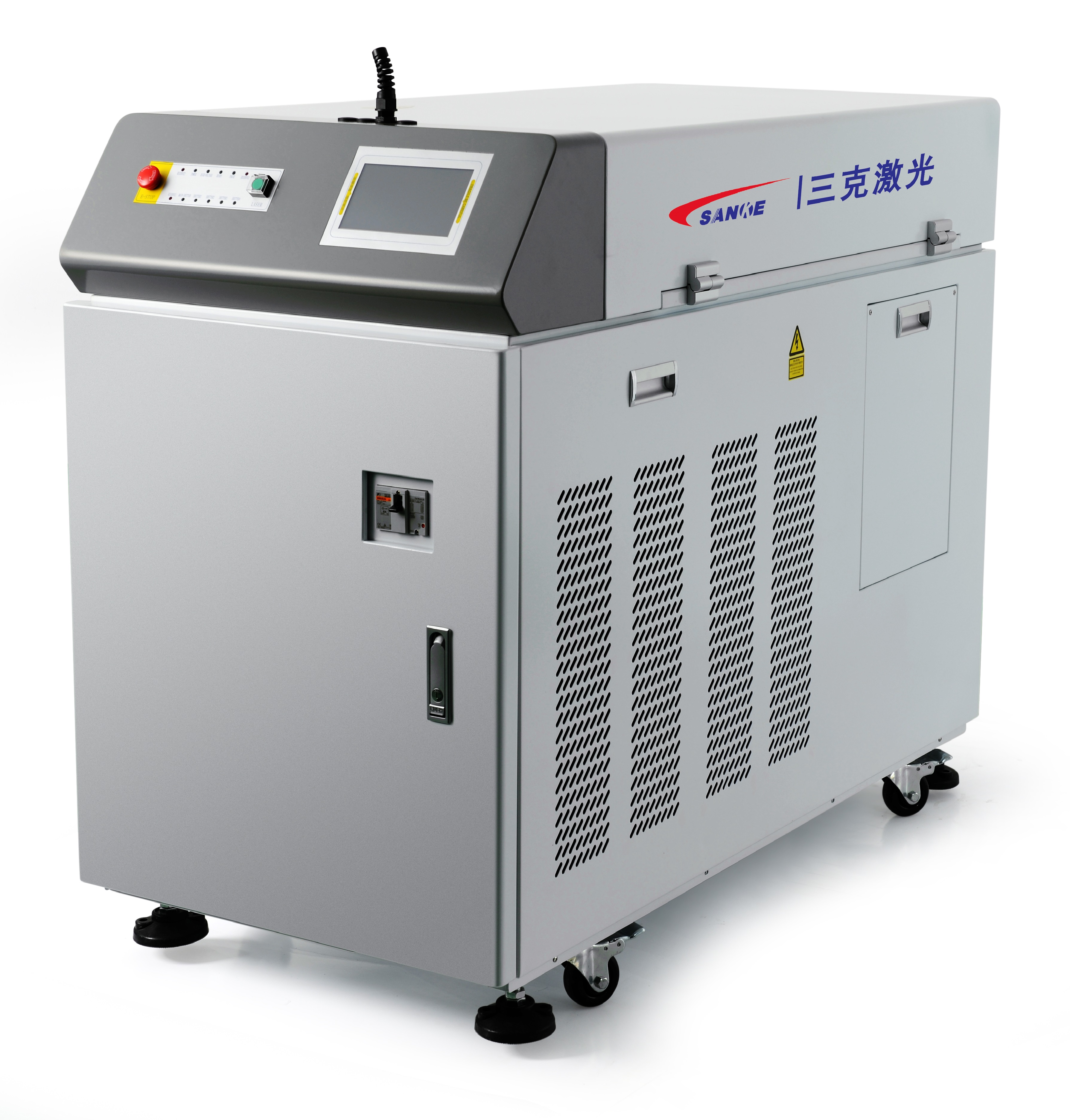
automated robotic welding-0

Advanced Automated Robotic Welding Systems - Precision Manufacturing Solutions

Get a Free Quote

Our representative will contact you soon.
Email
Name
Company Name
Message
0/1000

automated robotic welding

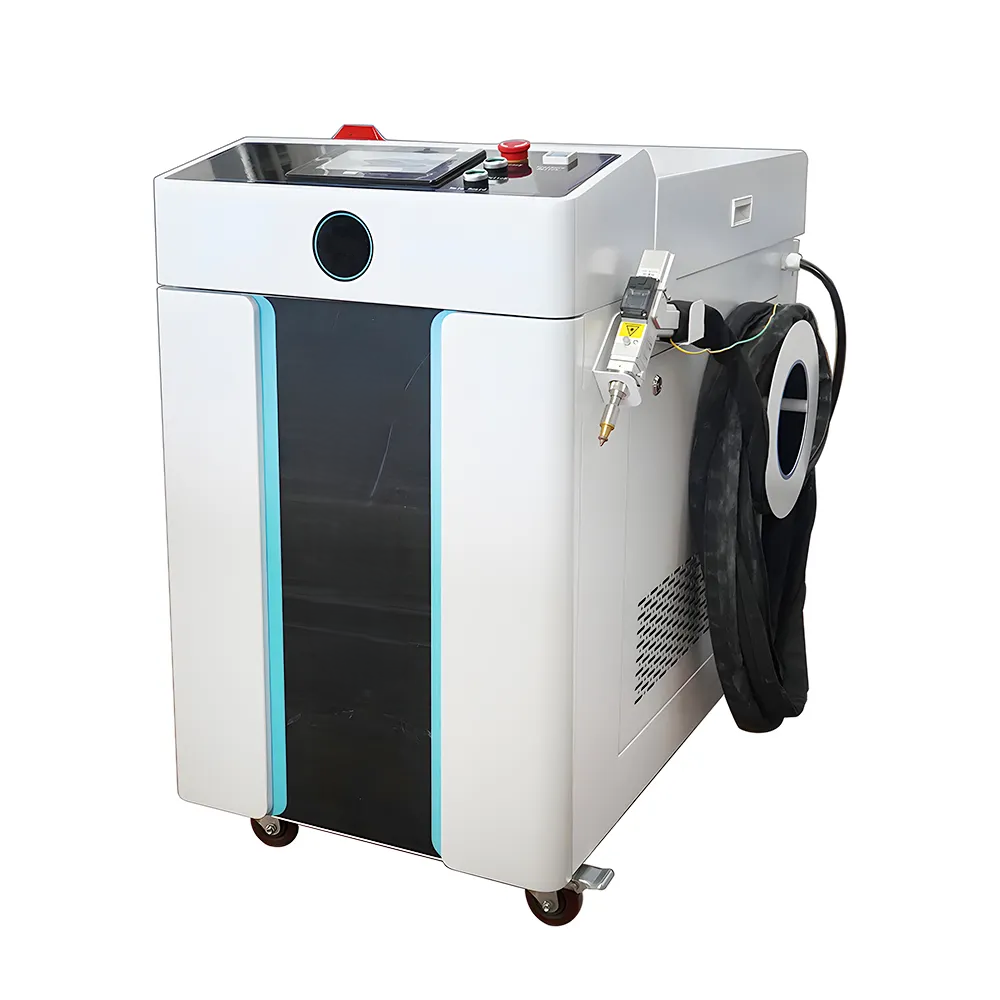
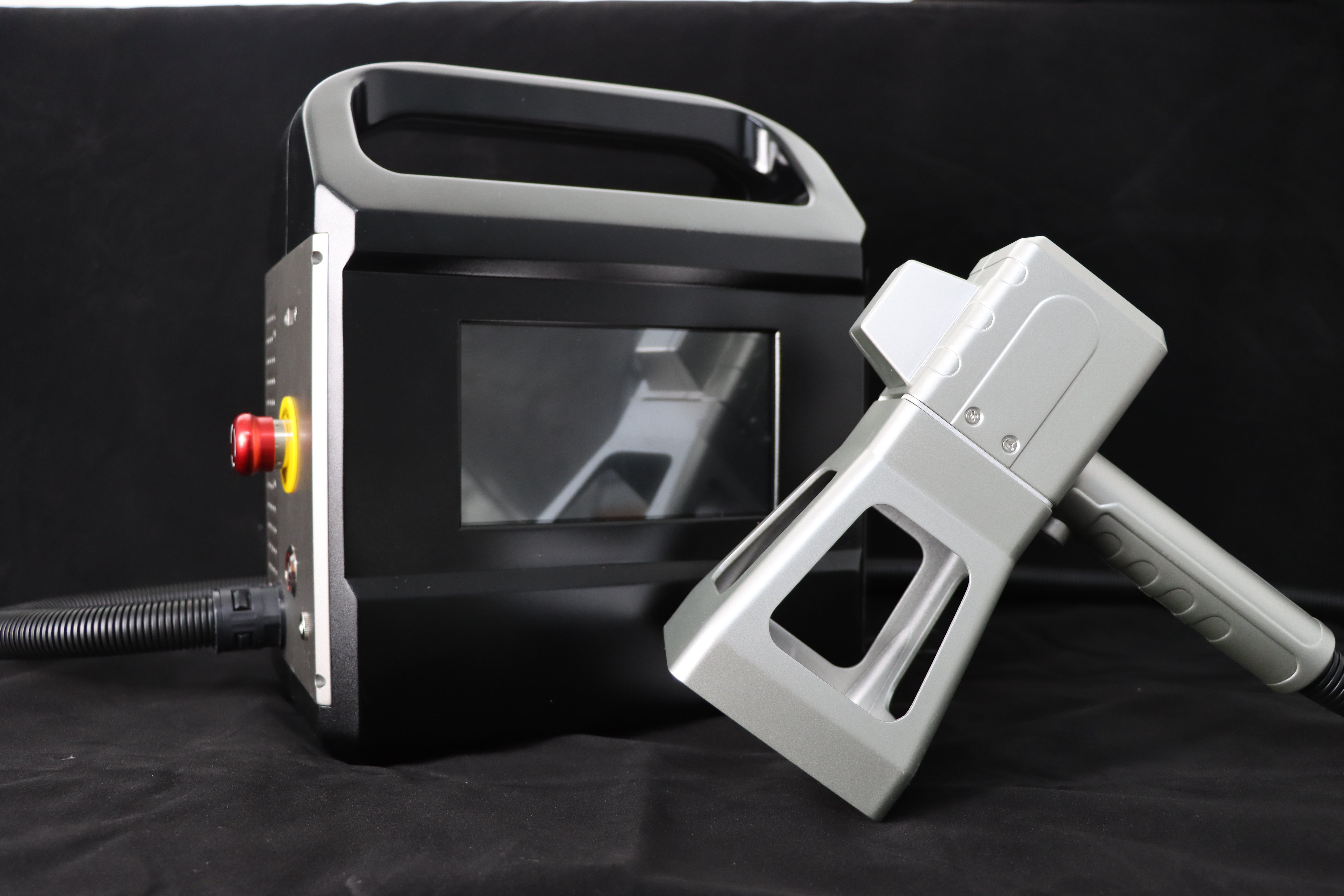
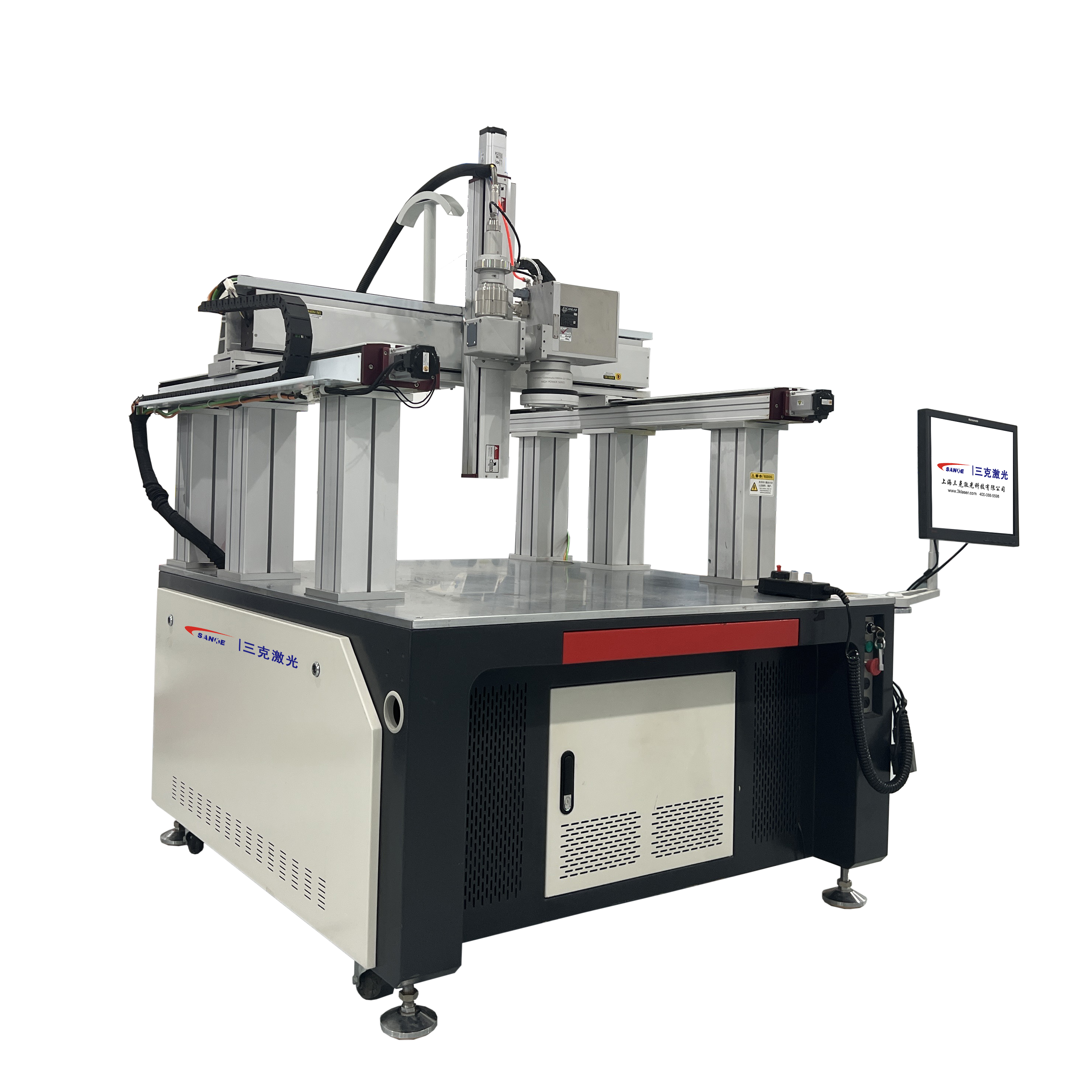
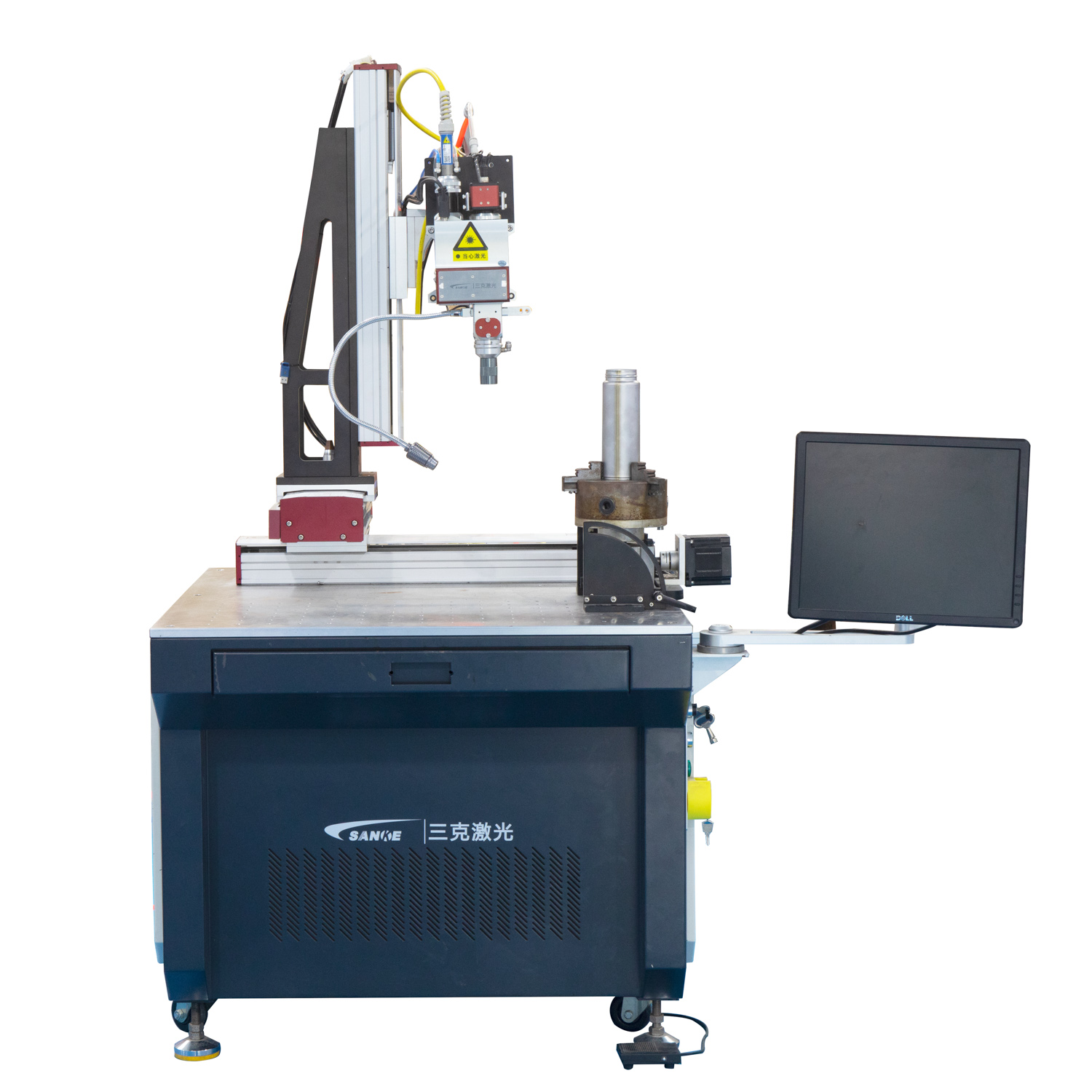
Automated robotic welding represents a revolutionary advancement in manufacturing technology that combines precision robotics with sophisticated welding capabilities to deliver consistent, high-quality results. This cutting-edge system utilizes programmable robotic arms equipped with advanced welding torches, sensors, and control systems to perform complex welding operations with minimal human intervention. The main functions of automated robotic welding encompass precise material joining, seam tracking, quality monitoring, and adaptive control adjustments throughout the welding process. These systems excel at executing repetitive welding tasks while maintaining exceptional accuracy and repeatability that surpasses traditional manual welding methods. The technological features include multi-axis robotic manipulators that provide unlimited positioning flexibility, advanced vision systems for real-time monitoring, integrated cooling systems for optimal performance, and sophisticated software that enables complex programming and path planning. Modern automated robotic welding systems incorporate artificial intelligence algorithms that learn from previous operations and continuously optimize welding parameters for enhanced performance. Applications span numerous industries including automotive manufacturing, aerospace production, shipbuilding, construction equipment fabrication, and heavy machinery assembly. In automotive plants, these systems handle chassis welding, body panel assembly, and exhaust system manufacturing with remarkable speed and precision. Aerospace applications focus on critical structural components where quality and consistency are paramount. The technology accommodates various welding processes including MIG, TIG, spot welding, and laser welding, making it versatile for different material types and thickness requirements. Integration capabilities allow seamless connection with existing production lines, material handling systems, and quality control networks. The automated robotic welding process begins with precise workpiece positioning, followed by programmed torch movement along predetermined paths, continuous monitoring of welding parameters, and real-time adjustments based on sensor feedback to ensure optimal weld quality throughout the entire operation.

New Product Recommendations

Automated robotic welding delivers substantial productivity improvements that directly impact your bottom line by increasing output rates while reducing labor costs and operational expenses. These systems operate continuously without fatigue, breaks, or shift changes, enabling 24-hour production cycles that maximize manufacturing capacity and accelerate project completion times. The precision accuracy achieved through automated robotic welding eliminates costly rework and material waste, as robotic systems maintain consistent torch angles, travel speeds, and heat input parameters that produce uniform weld quality across every joint. Quality consistency represents another major advantage, as robots execute identical welding procedures repeatedly without variation, ensuring that each weld meets exact specifications and industry standards. This reliability reduces inspection requirements and minimizes the risk of defective products reaching customers. Safety improvements constitute a critical benefit, as automated robotic welding removes human operators from hazardous environments involving high temperatures, toxic fumes, intense light, and electrical dangers. Workers can monitor operations from safe distances while focusing on higher-value tasks that require human judgment and creativity. Cost efficiency emerges through reduced labor expenses, lower insurance premiums, decreased accident-related downtime, and minimized material waste from precise welding execution. The technology adapts quickly to production changes, allowing manufacturers to switch between different products or modify welding parameters without extensive retooling or retraining periods. Skilled welder shortages no longer constrain production capacity, as automated systems compensate for labor market challenges while maintaining consistent output quality. Documentation capabilities provide complete traceability of welding parameters, enabling quality audits and process optimization analysis. Integration flexibility allows these systems to work seamlessly with existing manufacturing equipment, material handling systems, and quality control processes without requiring major facility modifications. Long-term reliability ensures consistent performance over extended periods, with predictable maintenance schedules that minimize unexpected downtime. Energy efficiency features reduce operational costs while supporting sustainability initiatives through optimized power consumption and reduced waste generation. The scalability of automated robotic welding systems accommodates business growth by adding additional units or expanding existing capabilities as production demands increase.

Practical Tips

What are the typical power requirements for different models of laser drilling machines?

19

Nov

What are the typical power requirements for different models of laser drilling machines?

Understanding the power requirements for laser drilling machines is crucial for manufacturers, engineers, and facility managers planning their industrial operations. The electrical demands of these sophisticated systems vary significantly based on la...
View More
Field Lens Technology: Latest Innovations Explained

21

Oct

Field Lens Technology: Latest Innovations Explained

Revolutionary Advances in Optical Engineering The evolution of field lens technology represents one of the most significant breakthroughs in modern optical engineering. These sophisticated optical elements have transformed how we capture, process, an...
View More
2025 Guide: How to Choose the Perfect Beam Expander

21

Oct

2025 Guide: How to Choose the Perfect Beam Expander

Understanding the Critical Role of Beam Expanders in Modern Optics The optical industry continues to evolve at a rapid pace, and beam expanders have become indispensable components in numerous applications, from laser processing to advanced microscop...
View More
Fixed vs Variable Beam Expander: Which to Choose?

21

Oct

Fixed vs Variable Beam Expander: Which to Choose?

Understanding Optical Beam Expansion Technology In the world of optics and laser applications, beam expanders play a crucial role in manipulating light beams for various scientific and industrial purposes. These sophisticated optical instruments are ...
View More

Get a Free Quote

Our representative will contact you soon.
Email
Name
Company Name
Message
0/1000

automated robotic welding

Precision Control and Consistency Excellence

Precision Control and Consistency Excellence

The precision control capabilities of automated robotic welding systems represent a technological breakthrough that transforms manufacturing quality standards through advanced motion control algorithms and sophisticated sensor integration. These systems achieve positioning accuracy within thousandths of an inch, ensuring that every weld follows exact predetermined paths with unwavering consistency that human operators cannot match. The multi-axis robotic arms provide unlimited flexibility in torch positioning and orientation, enabling complex weld geometries and hard-to-reach joints that would be challenging or impossible with manual welding techniques. Real-time feedback systems continuously monitor welding parameters including arc voltage, current levels, travel speed, and wire feed rates, making instantaneous adjustments to maintain optimal conditions throughout the entire welding process. This level of control eliminates the variability inherent in manual welding operations, where factors like operator skill level, fatigue, and environmental conditions can impact weld quality. The consistency achieved through automated robotic welding ensures that every joint meets identical specifications, regardless of production volume or time of day. Advanced vision systems equipped with high-resolution cameras and laser measurement devices provide precise seam tracking capabilities that automatically compensate for part variations and fixture tolerances. These systems detect and correct for workpiece misalignment, gap variations, and surface irregularities in real-time, maintaining perfect torch positioning relative to the joint being welded. The sophisticated control software enables complex welding sequences with multiple passes, varying parameters, and intricate patterns that would be extremely difficult to execute manually with consistent results. Quality monitoring systems continuously assess weld penetration, bead profile, and overall joint integrity, providing immediate feedback that enables process optimization and defect prevention. This precision control translates into superior product quality, reduced inspection requirements, lower rejection rates, and enhanced customer satisfaction through consistent delivery of products that meet or exceed specifications.
Enhanced Safety and Risk Mitigation

Enhanced Safety and Risk Mitigation

Automated robotic welding systems prioritize operator safety by removing human workers from hazardous welding environments while implementing comprehensive safety protocols that protect both personnel and equipment from potential dangers. The elimination of direct human exposure to welding hazards represents a fundamental safety improvement, as operators no longer face risks from intense ultraviolet radiation, toxic fumes, electrical shock, burns, or respiratory complications associated with prolonged welding activities. Advanced safety systems incorporate multiple layers of protection including light curtains, pressure-sensitive mats, emergency stop circuits, and sophisticated monitoring systems that immediately halt operations if any safety breach is detected. These systems create secure work environments where personnel can safely monitor and control welding operations from protected areas while maintaining full oversight of production activities. The enclosed welding cells feature proper ventilation systems that effectively capture and filter welding fumes, preventing contamination of the broader work environment and protecting air quality for all facility occupants. Automated material handling integration reduces manual lifting and positioning requirements, minimizing ergonomic risks and repetitive strain injuries that commonly affect welding professionals. The predictable nature of automated operations eliminates unexpected movements or actions that might create safety hazards, as all robot motions follow programmed paths with built-in safety constraints. Comprehensive training programs ensure that operators understand proper safety procedures, emergency protocols, and system interactions without requiring extensive welding expertise. Regular safety audits and compliance monitoring help maintain the highest safety standards while ensuring adherence to regulatory requirements and industry best practices. The reduction in workplace accidents leads to lower insurance premiums, decreased workers compensation claims, and improved employee morale through demonstrated commitment to worker protection. Emergency response capabilities include automatic fire suppression systems, gas detection monitors, and rapid shutdown procedures that minimize potential damage from unexpected incidents. These safety enhancements create a more attractive work environment that helps retain skilled employees while reducing liability risks and supporting corporate safety initiatives.
Operational Efficiency and Cost Optimization

Operational Efficiency and Cost Optimization

The operational efficiency advantages of automated robotic welding systems deliver measurable cost savings and productivity improvements that significantly impact manufacturing profitability through optimized resource utilization and streamlined production processes. These systems operate with remarkable speed and consistency, completing welding tasks faster than manual methods while maintaining superior quality standards that eliminate costly rework and material waste. Continuous operation capabilities enable 24-hour production schedules without breaks, shift changes, or productivity variations, maximizing equipment utilization and accelerating project completion timelines. The elimination of human limitations such as fatigue, skill variations, and availability constraints ensures consistent output rates that support reliable delivery schedules and customer commitments. Energy efficiency features optimize power consumption through precise control of welding parameters, reducing operational costs while supporting environmental sustainability initiatives. Predictive maintenance capabilities monitor system performance and component wear patterns, enabling proactive maintenance scheduling that minimizes unexpected downtime and extends equipment lifespan. The reduction in skilled labor requirements addresses workforce shortages while reallocating human resources to higher-value activities that require creativity, problem-solving, and strategic thinking. Quality improvements through consistent welding execution reduce inspection requirements, warranty claims, and customer service issues, contributing to enhanced reputation and customer loyalty. Flexible programming capabilities enable rapid changeovers between different products or welding specifications without extensive retooling or setup time, supporting lean manufacturing principles and responsive production scheduling. Integration with manufacturing execution systems provides real-time production data, enabling better planning, scheduling, and resource allocation decisions based on accurate performance metrics. Material waste reduction through precise welding execution and optimized consumable usage contributes to cost savings while supporting sustainability goals. The scalability of automated systems accommodates business growth by adding capacity without proportional increases in labor costs or facility requirements. Long-term reliability and consistent performance provide predictable operating costs and return on investment calculations that support strategic business planning and capital allocation decisions.

Get a Free Quote

Our representative will contact you soon.
Email
Name
Company Name
Message
0/1000