semi automatic welding-0

Semi Automatic Welding Solutions & Benefits

Get a Free Quote

Our representative will contact you soon.
Email
Name
Company Name
Message
0/1000

semi automatic welding

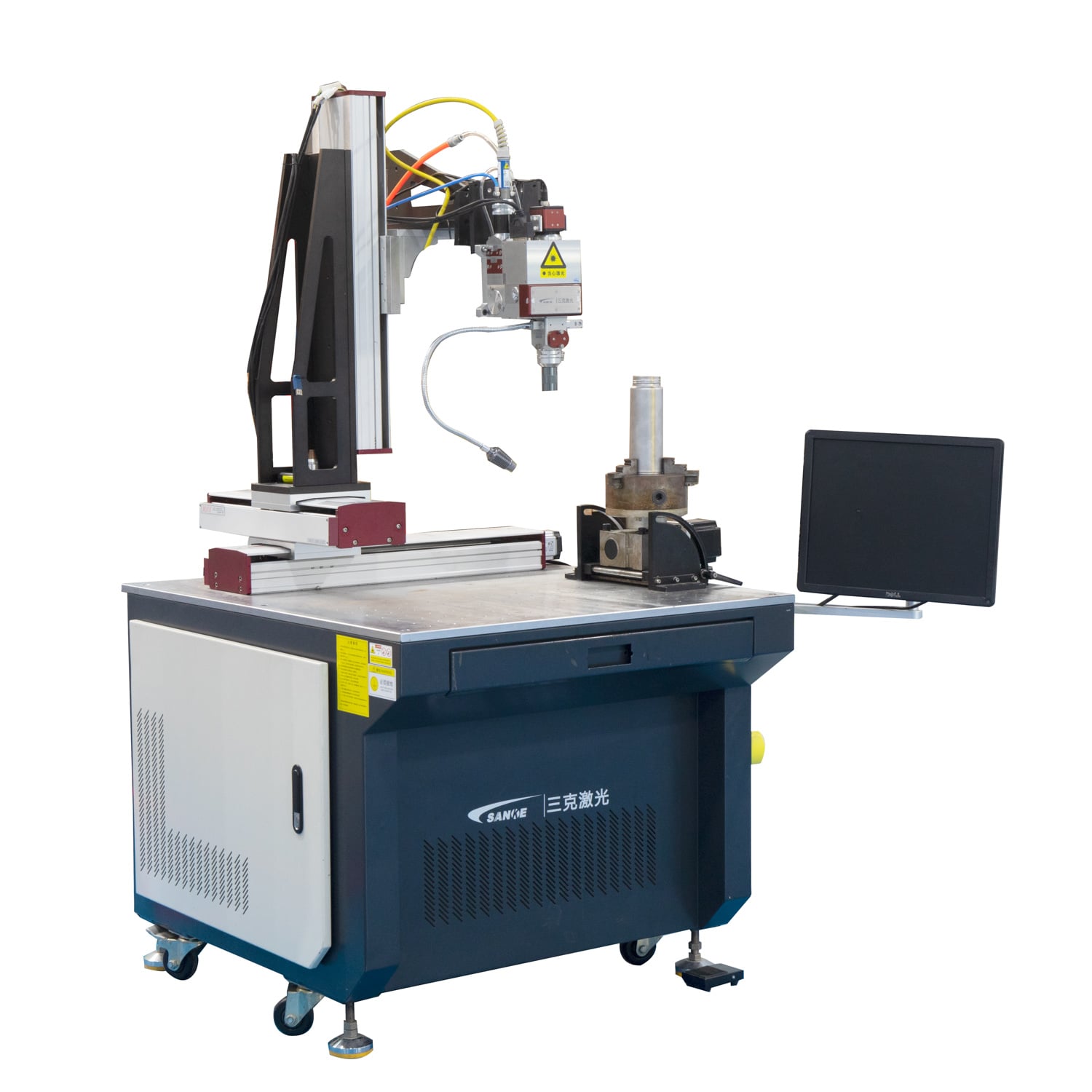
Semi automatic welding is a versatile metal joining process that combines operator control with mechanized wire feeding, offering an ideal balance between manual precision and automated efficiency. This welding method, also known as MIG (Metal Inert Gas) or MAG (Metal Active Gas) welding, utilizes a continuously fed consumable wire electrode and shielding gas to create strong, consistent welds across various materials. The welder maintains control over the welding gun positioning, travel speed, and work angle, while the machine automatically feeds the wire at a preset speed and maintains the electrical parameters. Semi automatic welding has become a cornerstone technology in modern fabrication shops, manufacturing facilities, and construction sites due to its exceptional adaptability and user-friendly operation. The process accommodates a wide range of material thicknesses, from thin sheet metal to heavy structural components, making it suitable for diverse industrial applications. Its technological features include adjustable wire feed speeds, voltage control systems, and customizable shielding gas mixtures that optimize weld quality for specific materials such as steel, stainless steel, and aluminum. The equipment typically consists of a power source, wire feed unit, welding gun, and gas supply system, all working in harmony to deliver reliable results. This welding technique finds extensive applications in automotive manufacturing, shipbuilding, pipeline construction, general fabrication, and maintenance repair operations, where its speed and quality advantages significantly enhance productivity and project outcomes.

New Products

Choosing semi automatic welding delivers immediate practical benefits that directly impact your bottom line and operational capabilities. The most significant advantage is the substantial increase in welding speed compared to traditional stick welding, allowing operators to complete projects faster and handle higher production volumes without compromising quality. This efficiency translates into reduced labor costs and shorter project timelines, giving your business a competitive edge in meeting tight deadlines. The continuous wire feeding eliminates frequent stops for electrode changes, maintaining workflow continuity and minimizing downtime that typically disrupts manual welding processes. Operators find semi automatic welding easier to learn and master, reducing training time and enabling new welders to achieve professional-quality results within weeks rather than months. The process produces cleaner welds with minimal spatter and slag, significantly reducing post-weld cleanup time and material waste, which directly affects your project budgets. Material versatility stands as another compelling advantage, as semi automatic welding handles various metals and thicknesses with simple parameter adjustments, eliminating the need for multiple specialized equipment investments. The consistent arc stability and controlled heat input result in less warping and distortion, particularly valuable when working with thin materials or precision components. For businesses evaluating welding solutions, semi automatic welding offers lower consumable costs per foot of weld compared to stick electrodes, providing long-term savings on materials. The equipment requires minimal maintenance and delivers reliable performance across extended operational periods, ensuring your investment continues delivering value year after year. Position flexibility allows welding in all orientations, making it suitable for complex assemblies and hard-to-reach joints that challenge other welding methods.

Latest News

How Laser Marking Works: Process & Benefits Explained

20

Apr

How Laser Marking Works: Process & Benefits Explained

The precise nature of modern manufacturing demands permanent identification solutions that maintain clarity, durability, and efficiency across diverse materials and applications. Laser marking has emerged as the definitive technology for creating hig...
View More
What is Diamond Drilling? Complete Process Explained

29

Apr

What is Diamond Drilling? Complete Process Explained

Diamond drilling is a specialized drilling technique that utilizes diamond-impregnated drill bits to penetrate hard materials with exceptional precision and efficiency. This method has become indispensable across multiple industries, from mining and ...
View More
Laser vs Traditional Marking and Engraving: Which Wins?

20

May

Laser vs Traditional Marking and Engraving: Which Wins?

When businesses need to identify, brand, or serialize their products, the choice of marking and engraving technology can have a lasting impact on production efficiency, cost, and output quality. For decades, traditional methods dominated factory floo...
View More
Best Laser Micromachining Equipment for Precision Work

29

Jun

Best Laser Micromachining Equipment for Precision Work

Selecting the best laser micromachining equipment for precision work requires understanding both the technical capabilities of modern systems and the specific demands of your manufacturing environment. Industrial applications ranging from medical dev...
View More

Get a Free Quote

Our representative will contact you soon.
Email
Name
Company Name
Message
0/1000

semi automatic welding

Superior Productivity and Operational Efficiency

Superior Productivity and Operational Efficiency

Semi automatic welding revolutionizes production workflows by delivering welding speeds up to four times faster than conventional manual methods, directly addressing the productivity demands of modern manufacturing environments. The continuous wire feeding mechanism ensures uninterrupted operation during extended weld runs, eliminating the frequent stops required for electrode replacement that plague traditional processes. This consistent operation means operators maintain their focus and rhythm, producing longer weld seams with uniform quality throughout the entire joint. The reduced setup time between welds allows fabrication shops to maximize billable hours and increase throughput without adding shifts or personnel. Businesses implementing semi automatic welding report significant improvements in project completion rates, enabling them to accept more contracts and grow revenue streams. The efficiency gains extend beyond speed alone, as the process generates minimal post-weld cleanup requirements, freeing workers to focus on productive welding rather than grinding and finishing tasks. For operations managing multiple projects simultaneously, the quick changeover capability between different materials and thicknesses provides scheduling flexibility that optimizes equipment utilization and reduces idle time across your welding department.
Exceptional Weld Quality and Consistency

Exceptional Weld Quality and Consistency

The controlled parameters inherent in semi automatic welding ensure each weld meets exacting quality standards with remarkable consistency across production runs, addressing critical quality assurance requirements in regulated industries. The stable arc characteristics produce uniform penetration and fusion throughout the weld, minimizing defects such as porosity, undercut, and incomplete fusion that compromise joint integrity. The precise wire feed speed synchronization with travel speed creates optimal bead profiles that enhance both strength and appearance, particularly important for visible welds in architectural and consumer product applications. Operators benefit from reduced spatter generation, which means cleaner work surfaces and less contamination risk on adjacent components. The adjustable heat input control prevents excessive temperature exposure that causes warping in thin materials or metallurgical damage in heat-sensitive alloys. Quality control becomes more predictable as semi automatic welding reduces the variability introduced by operator skill differences, ensuring that every welder on your team can produce acceptable results when following established procedures. The resulting welds consistently pass visual inspection and non-destructive testing requirements, reducing rework costs and project delays caused by failed quality audits.
Economic Value and Long-Term Investment Returns

Economic Value and Long-Term Investment Returns

Semi automatic welding delivers compelling financial benefits through reduced consumable costs, lower labor expenses, and extended equipment service life that justify the initial investment for businesses of any size. The efficient wire utilization minimizes material waste compared to stick electrodes, where stub losses and coating waste increase per-foot costs significantly. Energy consumption remains moderate due to the process efficiency, keeping operational costs manageable even during high-volume production periods. The equipment durability means properly maintained semi automatic welding systems operate reliably for decades, spreading capital costs across extended service periods that improve return on investment calculations. Training costs decrease substantially as new operators achieve competency faster, reducing the expensive apprenticeship periods required for traditional welding methods. The versatility to handle multiple materials and applications with a single machine eliminates redundant equipment purchases, optimizing capital allocation across your welding operations. Maintenance requirements remain straightforward with readily available replacement parts and simple servicing procedures that minimize downtime and repair expenses. For budget-conscious operations, semi automatic welding offers an accessible entry point into mechanized welding technology without the complexity and cost associated with fully automated robotic systems, making advanced welding capabilities achievable for small and medium-sized fabrication businesses.

Get a Free Quote

Our representative will contact you soon.
Email
Name
Company Name
Message
0/1000