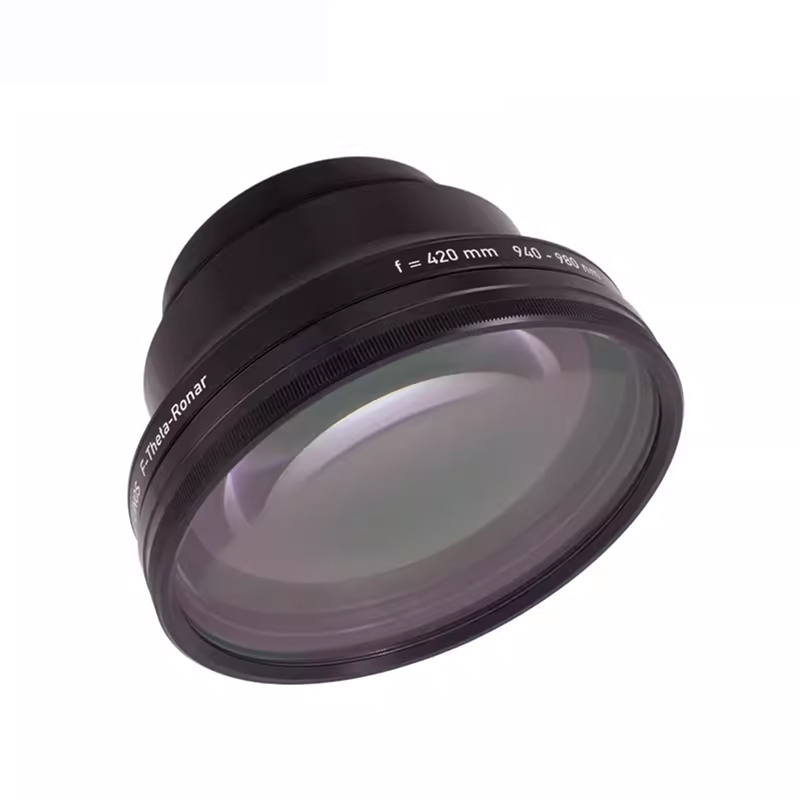
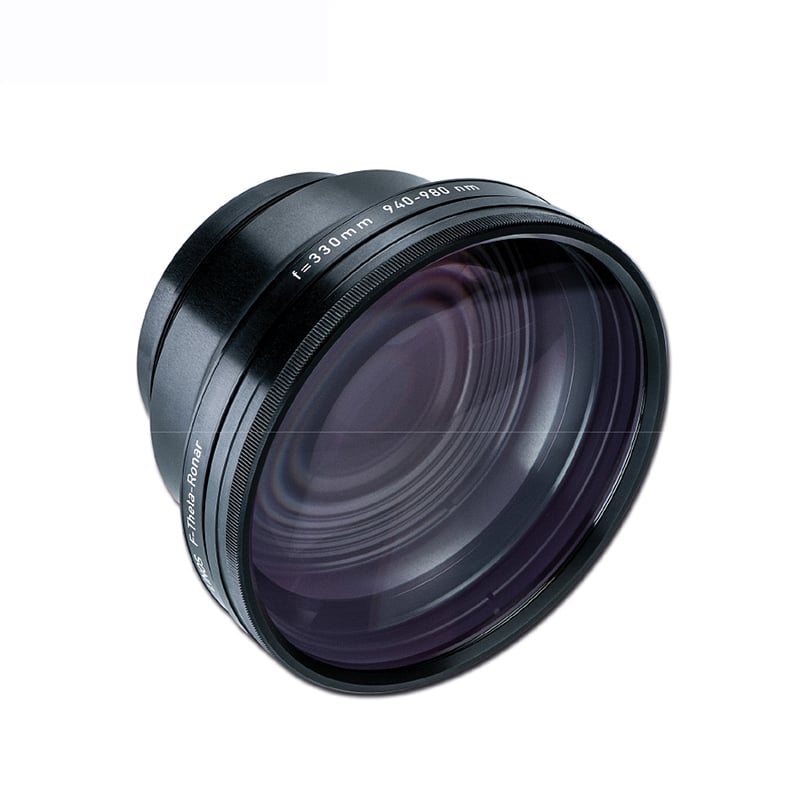
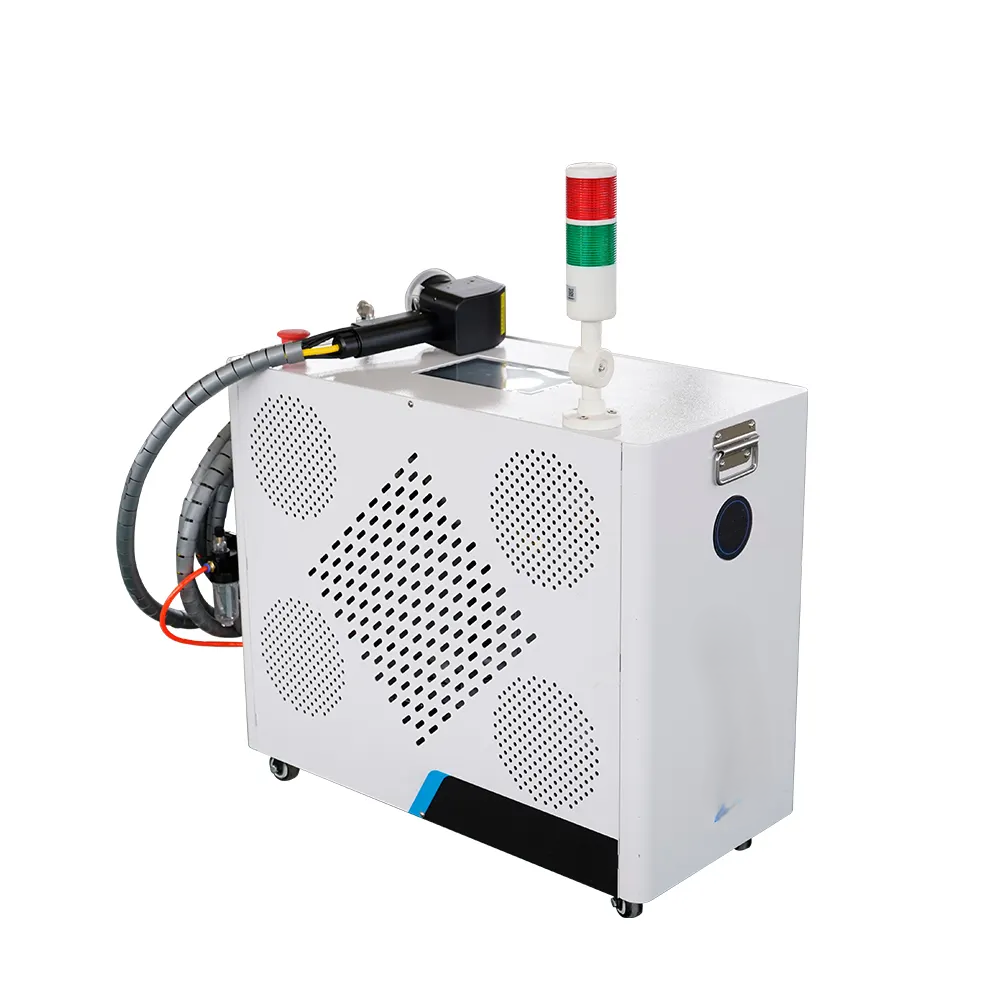
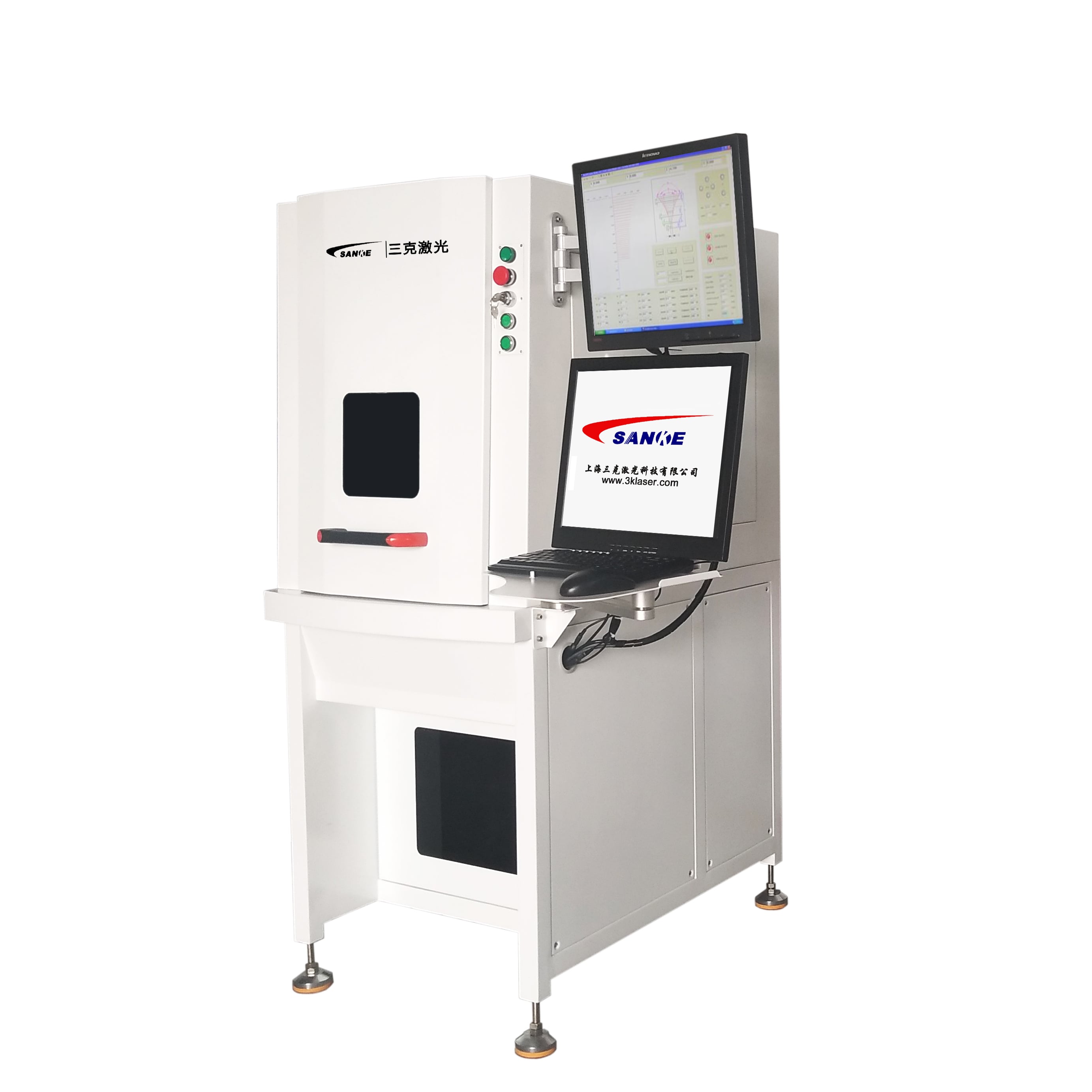
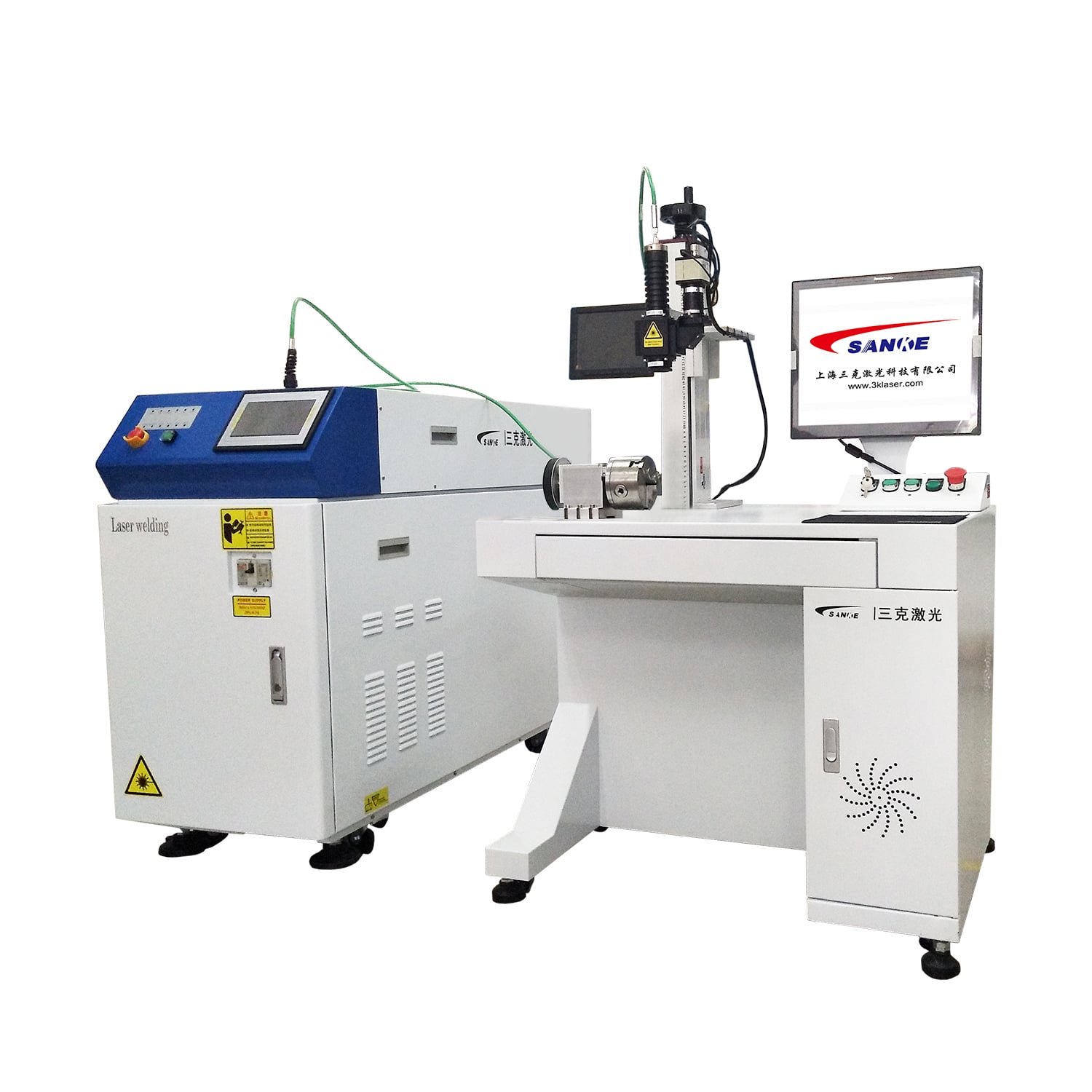
automatic welding and supply-0

Advanced Automatic Welding and Supply Systems - Industrial Automation Solutions

Get a Free Quote

Our representative will contact you soon.
Email
Name
Company Name
Message
0/1000

automatic welding and supply

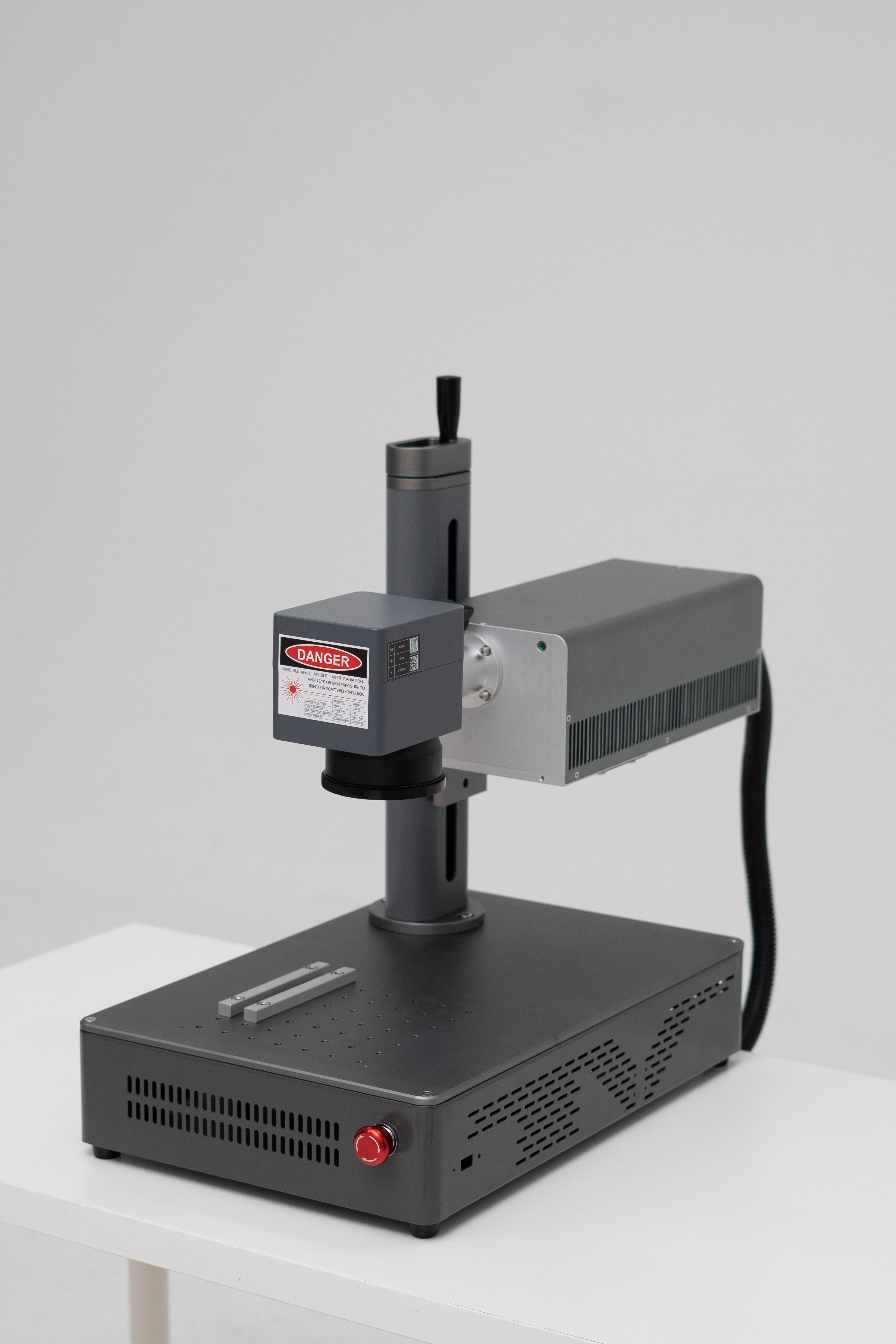
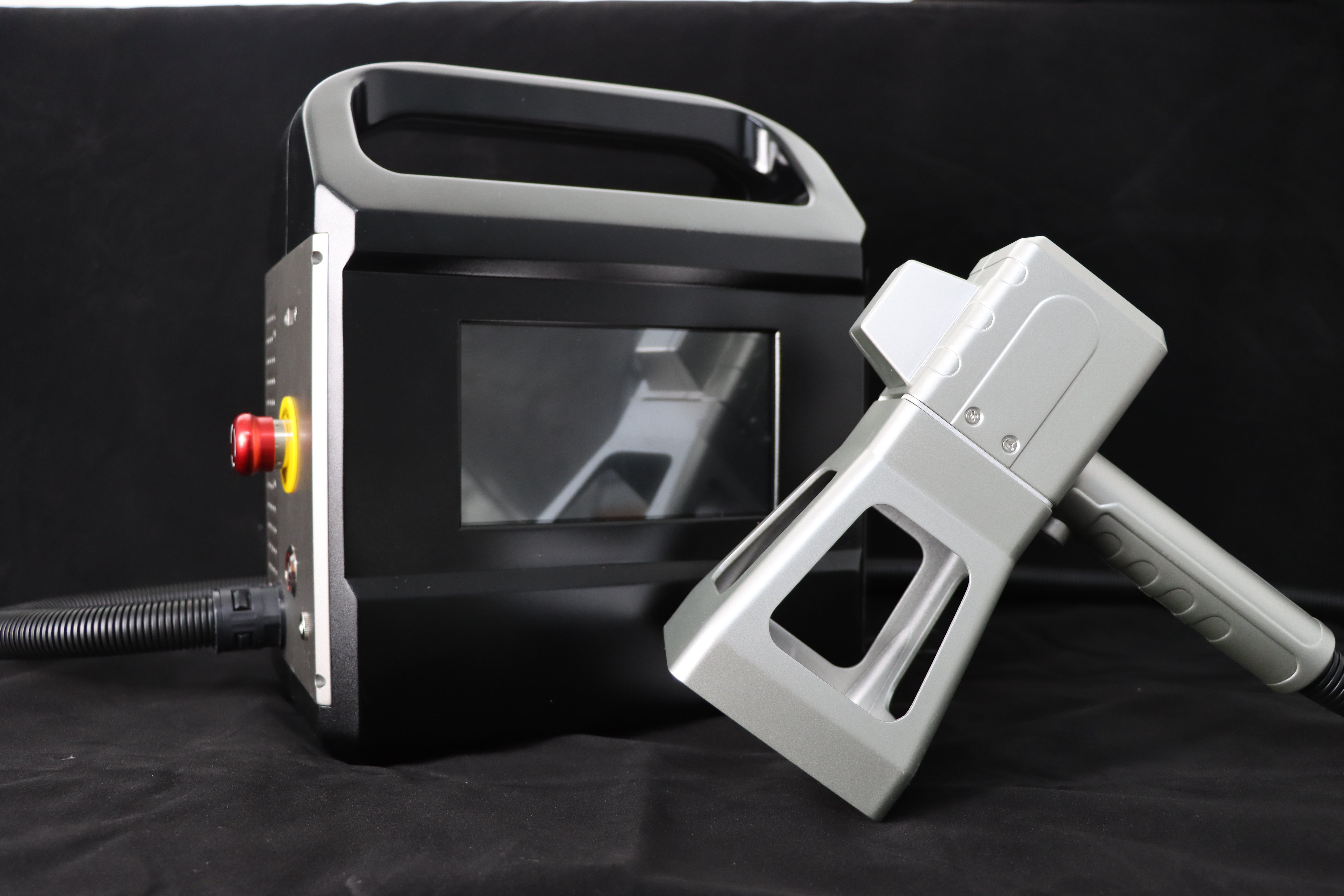
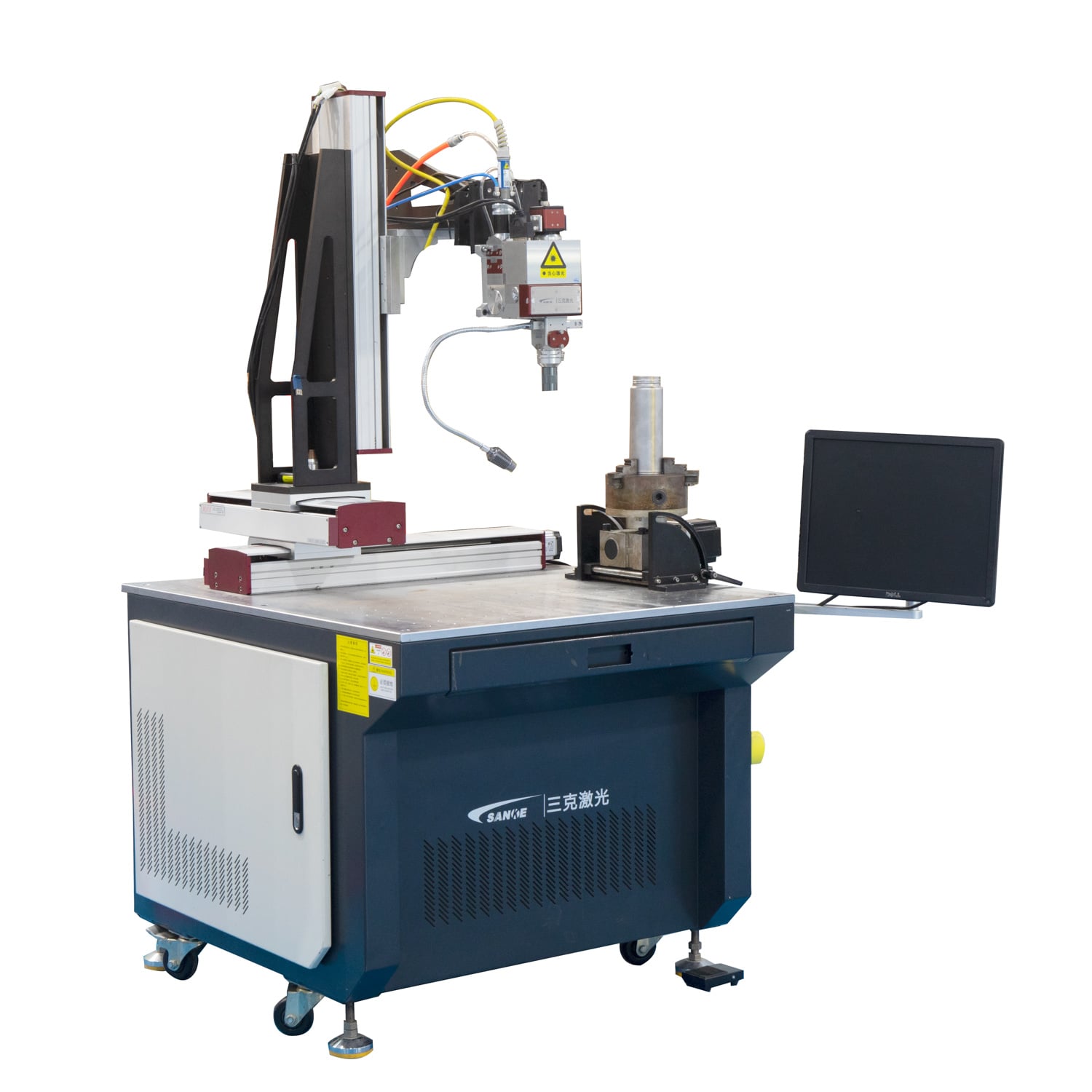
Automatic welding and supply systems represent a revolutionary advancement in modern manufacturing, combining precision automation with efficient material delivery to create seamless production environments. These sophisticated systems integrate robotic welding technology with automated wire feeding mechanisms, ensuring consistent quality while maximizing operational efficiency. The automatic welding and supply infrastructure consists of multiple interconnected components including programmable welding robots, intelligent material handling systems, and real-time monitoring capabilities that work together to deliver superior results. At its core, the automatic welding and supply technology utilizes advanced sensors and computer-controlled positioning systems to maintain optimal welding parameters throughout the entire process. The main functions encompass precise torch positioning, automated wire feeding, controlled heat application, and continuous quality monitoring. These systems excel in handling various welding techniques including MIG, TIG, and arc welding processes with remarkable accuracy. The technological features include adaptive control algorithms that automatically adjust welding parameters based on material thickness and joint configuration. Smart material supply systems ensure uninterrupted workflow by monitoring consumable levels and automatically replenishing supplies when needed. The automatic welding and supply equipment incorporates sophisticated safety protocols with emergency shutdown capabilities and protective barriers to ensure operator safety. Applications span across automotive manufacturing, aerospace production, shipbuilding, construction equipment fabrication, and heavy machinery assembly. The versatility of automatic welding and supply systems makes them suitable for both high-volume production runs and custom fabrication projects. Modern implementations feature user-friendly interfaces that allow operators to program complex welding sequences with minimal training. The integration capabilities enable seamless connection with existing production management systems, facilitating real-time production tracking and quality assurance documentation.

Popular Products

The automatic welding and supply systems deliver substantial advantages that transform manufacturing operations and provide measurable returns on investment for businesses across industries. Enhanced productivity stands as the primary benefit, with automatic welding and supply equipment capable of operating continuously without fatigue-related quality degradation. These systems work around the clock, significantly increasing throughput compared to manual welding processes while maintaining consistent weld quality standards. The precision offered by automatic welding and supply technology eliminates human error variables, resulting in uniform weld penetration, optimal bead formation, and reduced material waste. Cost reduction emerges as another significant advantage, as automatic welding and supply systems minimize labor expenses while maximizing material utilization efficiency. The reduced need for rework and quality corrections translates into substantial savings over time. Improved workplace safety represents a crucial benefit, with automatic welding and supply systems reducing worker exposure to hazardous fumes, intense heat, and repetitive strain injuries. The enclosed operation environment protects personnel while maintaining optimal working conditions. Quality consistency becomes achievable through automatic welding and supply systems that execute identical procedures repeatedly, ensuring every weld meets specified standards regardless of production volume. The documentation capabilities provide complete traceability for quality assurance purposes, essential for industries with strict compliance requirements. Flexibility in production scheduling allows manufacturers to adapt quickly to changing demands, with automatic welding and supply systems easily reprogrammed for different products or specifications. The reduced dependency on skilled welders addresses labor shortage challenges while enabling existing workers to focus on higher-value tasks requiring human expertise. Energy efficiency improvements result from optimized welding parameters and reduced cycle times, contributing to lower operational costs and environmental sustainability. The automatic welding and supply technology integrates seamlessly with lean manufacturing principles, eliminating bottlenecks and optimizing workflow throughout production facilities. Maintenance requirements remain minimal due to robust construction and intelligent diagnostic systems that predict component wear before failures occur. The return on investment typically materializes within the first year of operation through increased productivity, reduced labor costs, and improved quality metrics.

Latest News

How do I ensure the safety of operators when using a laser drilling machine?

19

Nov

How do I ensure the safety of operators when using a laser drilling machine?

Laser drilling machines have revolutionized precision manufacturing across industries, offering unparalleled accuracy and efficiency for creating micro-holes in various materials. However, the powerful laser beams used in these systems pose significa...
View More
How can laser welding be applied to different materials, and what are the challenges?

19

Nov

How can laser welding be applied to different materials, and what are the challenges?

Laser welding has revolutionized modern manufacturing processes by offering unprecedented precision and versatility in joining various materials. This advanced technique utilizes focused laser beams to create high-quality welds with minimal heat-affe...
View More
How Does Scanlab Technology Improve the Precision of Laser Applications?

19

Nov

How Does Scanlab Technology Improve the Precision of Laser Applications?

Scanlab Technology represents a revolutionary advancement in laser precision control systems, fundamentally transforming how industries approach laser-based manufacturing and processing applications. This cutting-edge technology has established new b...
View More
Field Lens Technology: Latest Innovations Explained

21

Oct

Field Lens Technology: Latest Innovations Explained

Revolutionary Advances in Optical Engineering The evolution of field lens technology represents one of the most significant breakthroughs in modern optical engineering. These sophisticated optical elements have transformed how we capture, process, an...
View More

Get a Free Quote

Our representative will contact you soon.
Email
Name
Company Name
Message
0/1000

automatic welding and supply

Advanced Robotic Integration and Precision Control

Advanced Robotic Integration and Precision Control

The automatic welding and supply systems feature state-of-the-art robotic integration that revolutionizes manufacturing precision and consistency. These sophisticated robots utilize advanced servo motors and precision encoders to achieve positioning accuracy within micrometers, ensuring perfect weld placement every time. The automatic welding and supply technology incorporates six-axis robotic arms with exceptional flexibility, allowing access to complex geometries and tight spaces that would challenge human welders. The integration includes intelligent path planning algorithms that optimize torch movement, reducing cycle times while maintaining weld quality. Real-time feedback systems continuously monitor welding parameters, automatically adjusting voltage, current, and travel speed to compensate for variations in material thickness or joint configuration. The automatic welding and supply robots feature adaptive learning capabilities, improving performance over time by analyzing successful weld patterns and incorporating this data into future operations. Touch-sensitive collision detection protects both equipment and workpieces from damage during operation. The precision control extends to wire feeding mechanisms that maintain consistent electrode extension and deposition rates, critical factors in achieving uniform weld profiles. Vision systems integrated within the automatic welding and supply equipment provide real-time seam tracking, automatically correcting for part variations or fixture positioning errors. The robotic integration includes advanced interpolation capabilities for smooth motion profiles, eliminating the jerky movements that can compromise weld quality. Programmable welding sequences allow operators to store and recall complex welding procedures, ensuring reproducible results across multiple production runs. The automatic welding and supply systems support multiple welding processes simultaneously, enabling efficient processing of assemblies requiring different welding techniques. Temperature monitoring prevents overheating that could affect material properties or dimensional accuracy. The integration capabilities extend to upstream and downstream processes, creating fully automated production cells that minimize material handling and reduce cycle times.
Intelligent Material Supply and Inventory Management

Intelligent Material Supply and Inventory Management

The automatic welding and supply systems incorporate revolutionary material supply and inventory management capabilities that eliminate production interruptions and optimize resource utilization. Smart wire feeding systems continuously monitor consumption rates and automatically adjust supply schedules to prevent material shortages during critical production periods. The automatic welding and supply technology features intelligent material tracking that provides real-time visibility into consumable levels, including welding wire, shielding gas, and flux supplies. Automated material handling systems transport supplies directly to welding stations without human intervention, reducing labor costs and eliminating potential contamination risks. The inventory management component utilizes predictive analytics to forecast material requirements based on production schedules and historical consumption patterns. RFID tracking systems ensure material traceability throughout the supply chain, providing complete documentation for quality assurance and regulatory compliance purposes. The automatic welding and supply equipment includes climate-controlled storage areas that maintain optimal conditions for sensitive materials, preventing degradation that could compromise weld quality. Automated material testing capabilities verify wire composition and diameter specifications before use, ensuring consistent welding performance. Just-in-time delivery systems minimize inventory carrying costs while maintaining adequate stock levels to prevent production delays. The material supply integration includes waste reduction features that optimize wire utilization and minimize scrap generation. Quality control sensors monitor material conditions continuously, alerting operators to potential issues before they affect production quality. The automatic welding and supply systems support multiple wire types and specifications simultaneously, enabling rapid changeovers between different products without manual material handling. Supplier integration capabilities provide real-time communication with material vendors, enabling automated ordering and delivery scheduling. Environmental monitoring systems track and optimize material storage conditions, extending shelf life and maintaining consistent quality. The inventory management system generates detailed reports on material usage patterns, enabling continuous improvement initiatives and cost optimization strategies.
Comprehensive Quality Assurance and Process Monitoring

Comprehensive Quality Assurance and Process Monitoring

The automatic welding and supply systems deliver unparalleled quality assurance capabilities through comprehensive process monitoring and real-time quality control features that ensure consistent results and regulatory compliance. Advanced sensor arrays continuously monitor critical welding parameters including arc voltage, welding current, travel speed, and wire feed rate, automatically adjusting these variables to maintain optimal conditions throughout the welding process. The automatic welding and supply technology incorporates sophisticated weld quality monitoring systems that detect potential defects in real-time, including porosity, incomplete penetration, and irregular bead formation. Machine vision systems provide detailed inspection capabilities, capturing high-resolution images of completed welds for immediate analysis and documentation. Statistical process control features track quality metrics over time, identifying trends that could indicate equipment wear or process drift before they affect production quality. The automatic welding and supply equipment includes non-destructive testing capabilities such as ultrasonic inspection and penetrant testing integration, providing comprehensive quality verification without compromising production schedules. Data logging systems maintain detailed records of all welding parameters and quality measurements, creating complete traceability documentation required for aerospace, automotive, and other regulated industries. Automated rejection systems immediately identify and segregate non-conforming parts, preventing defective products from advancing to subsequent production stages. The quality assurance integration includes calibration management features that ensure all measurement equipment maintains accuracy and compliance with industry standards. Real-time alerts notify operators immediately when quality parameters exceed acceptable limits, enabling rapid corrective action to minimize scrap generation. The automatic welding and supply systems provide comprehensive reporting capabilities, generating quality certificates and inspection reports automatically upon completion of welding operations. Integration with enterprise resource planning systems enables seamless quality data transfer throughout the organization, supporting continuous improvement initiatives and customer quality requirements. Predictive maintenance features monitor equipment condition continuously, scheduling maintenance activities before component wear affects weld quality. The quality monitoring extends to environmental conditions, tracking factors such as humidity and temperature that could influence welding performance and implementing automatic compensations when necessary.

Get a Free Quote

Our representative will contact you soon.
Email
Name
Company Name
Message
0/1000