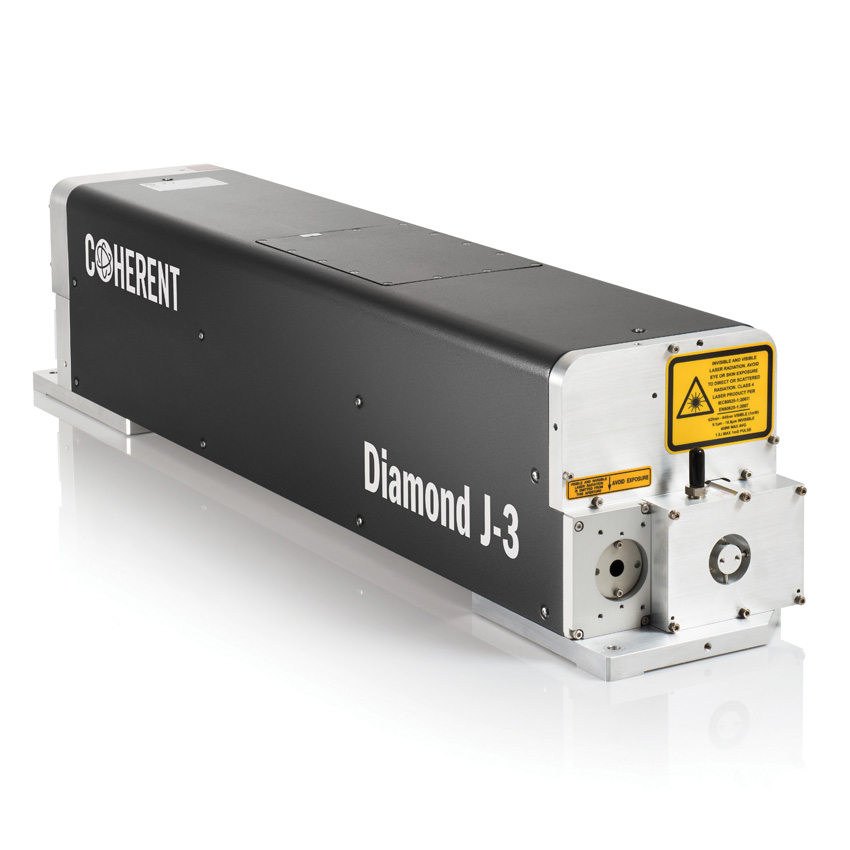
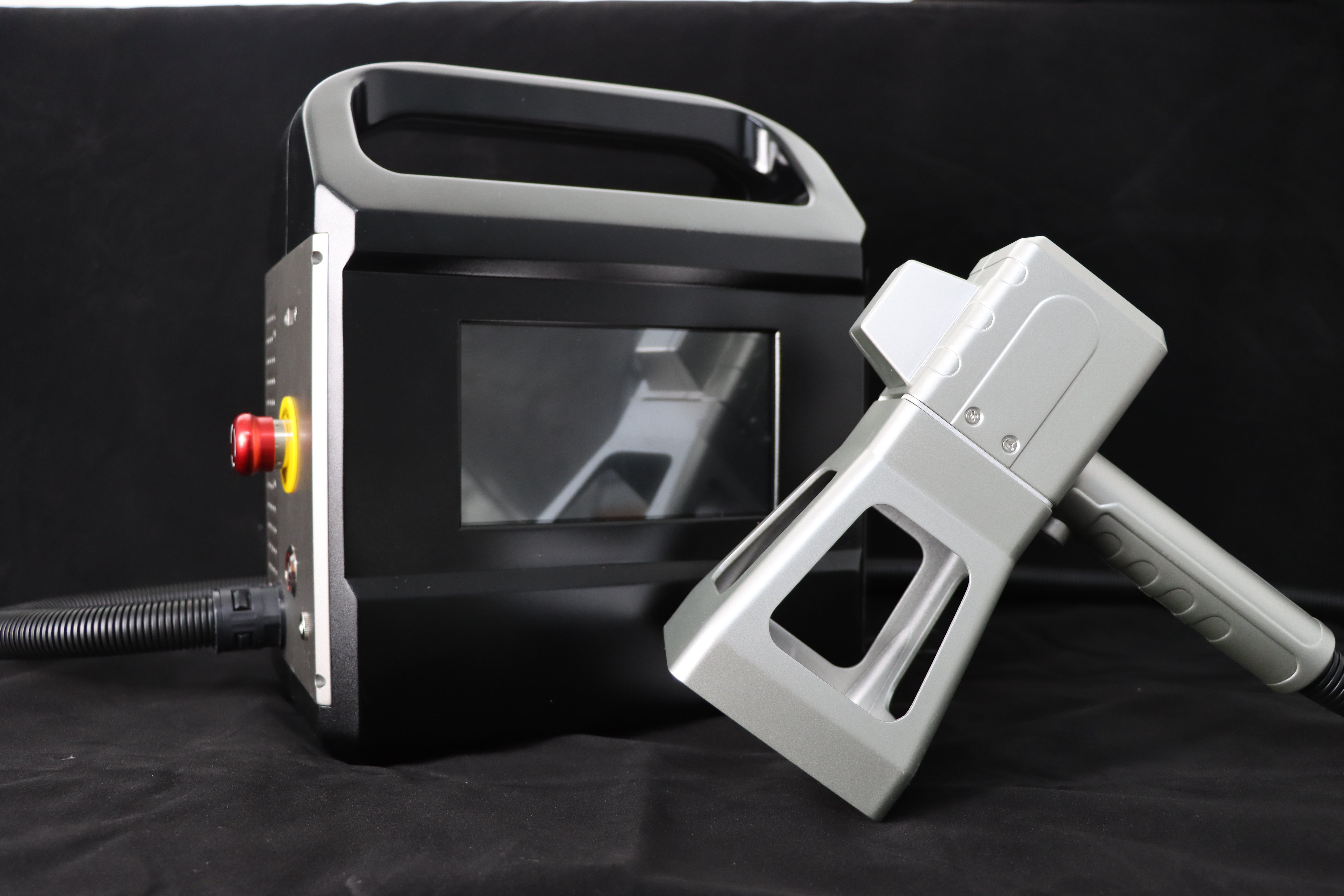
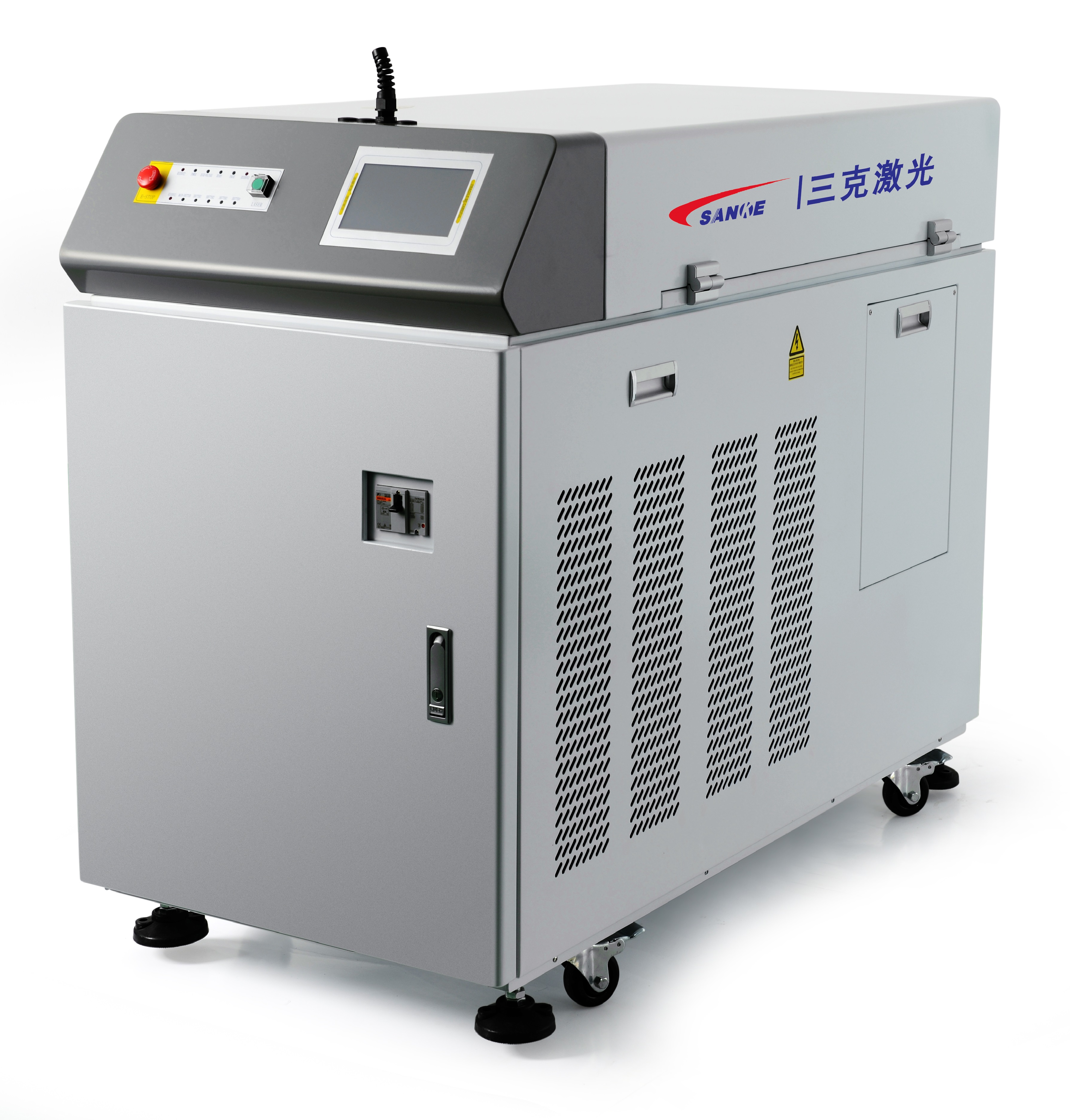
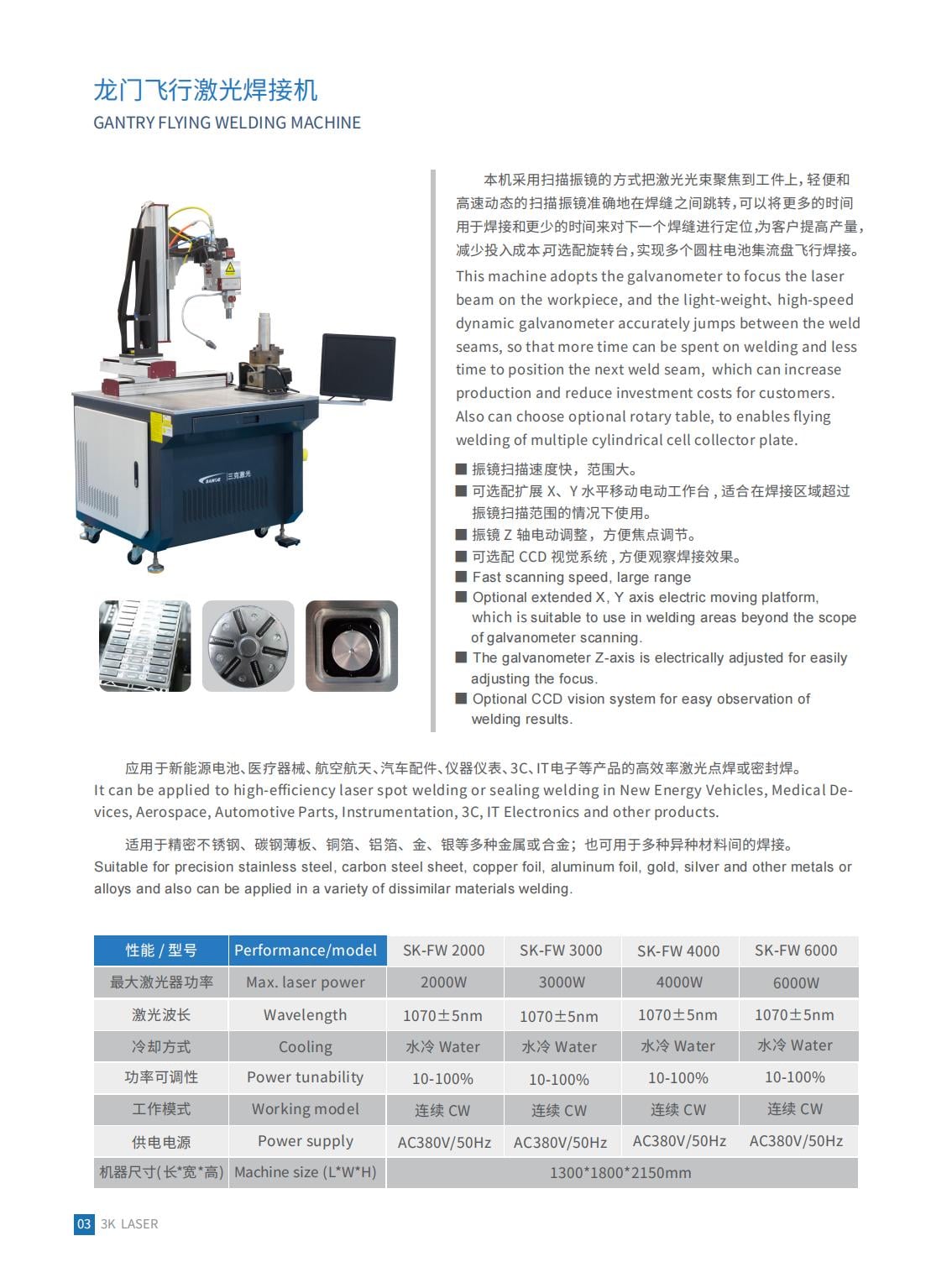
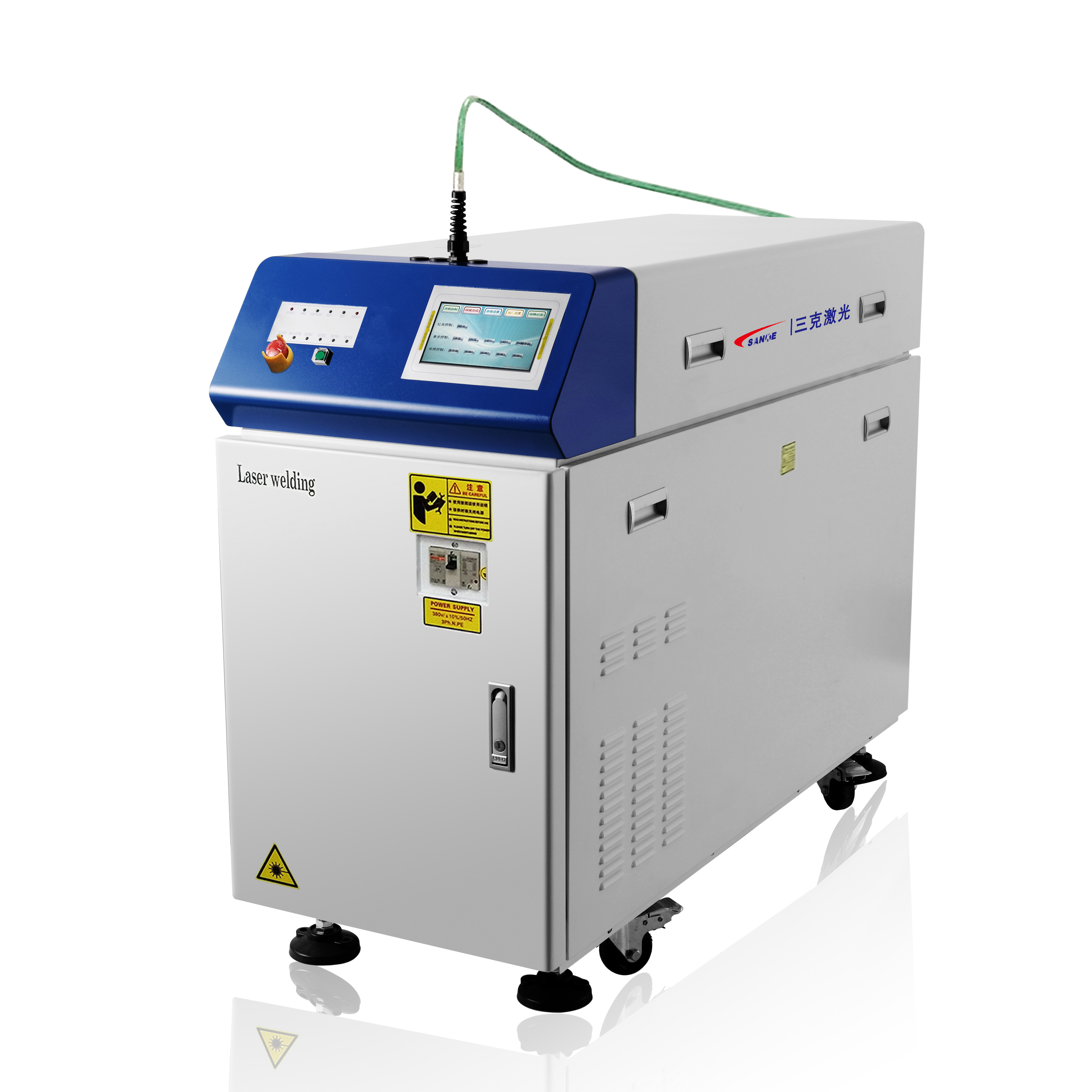
welding machine automation-0

Advanced Welding Machine Automation: Precision, Productivity & Safety Solutions

Get a Free Quote

Our representative will contact you soon.
Email
Name
Company Name
Message
0/1000

welding machine automation

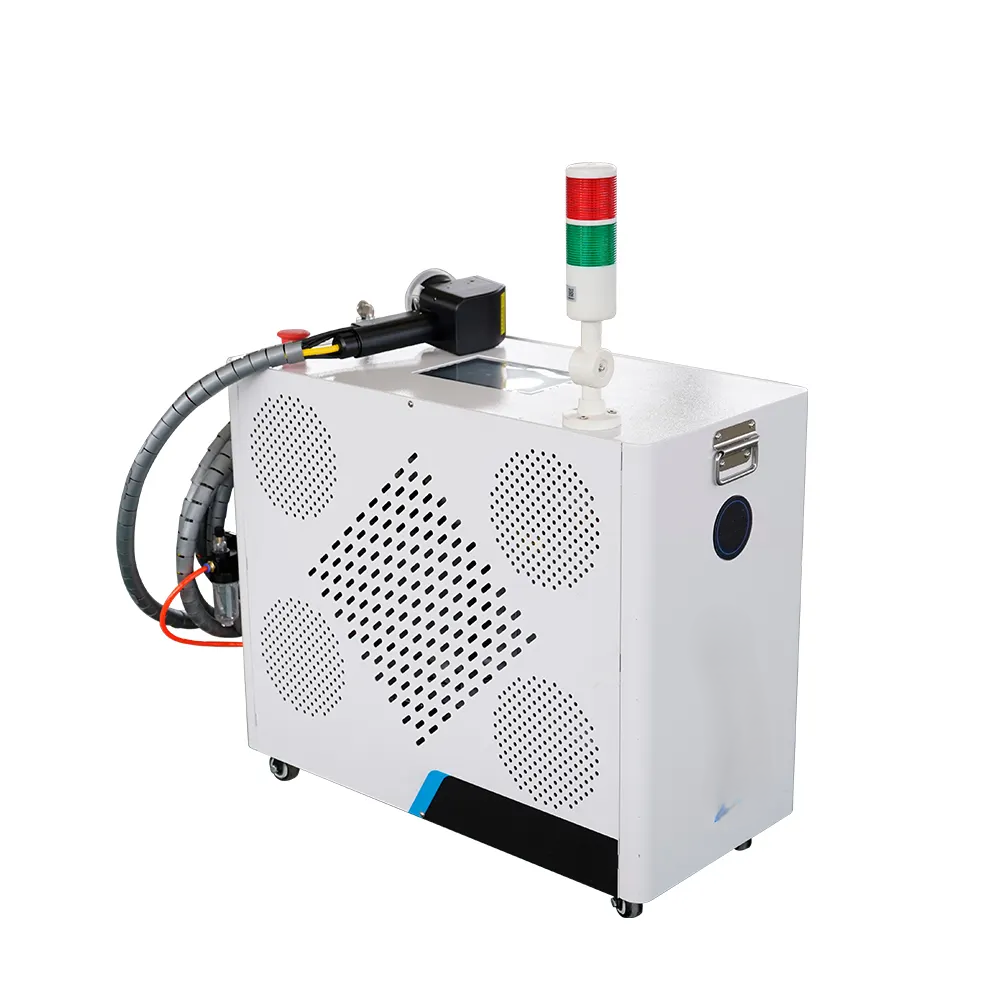
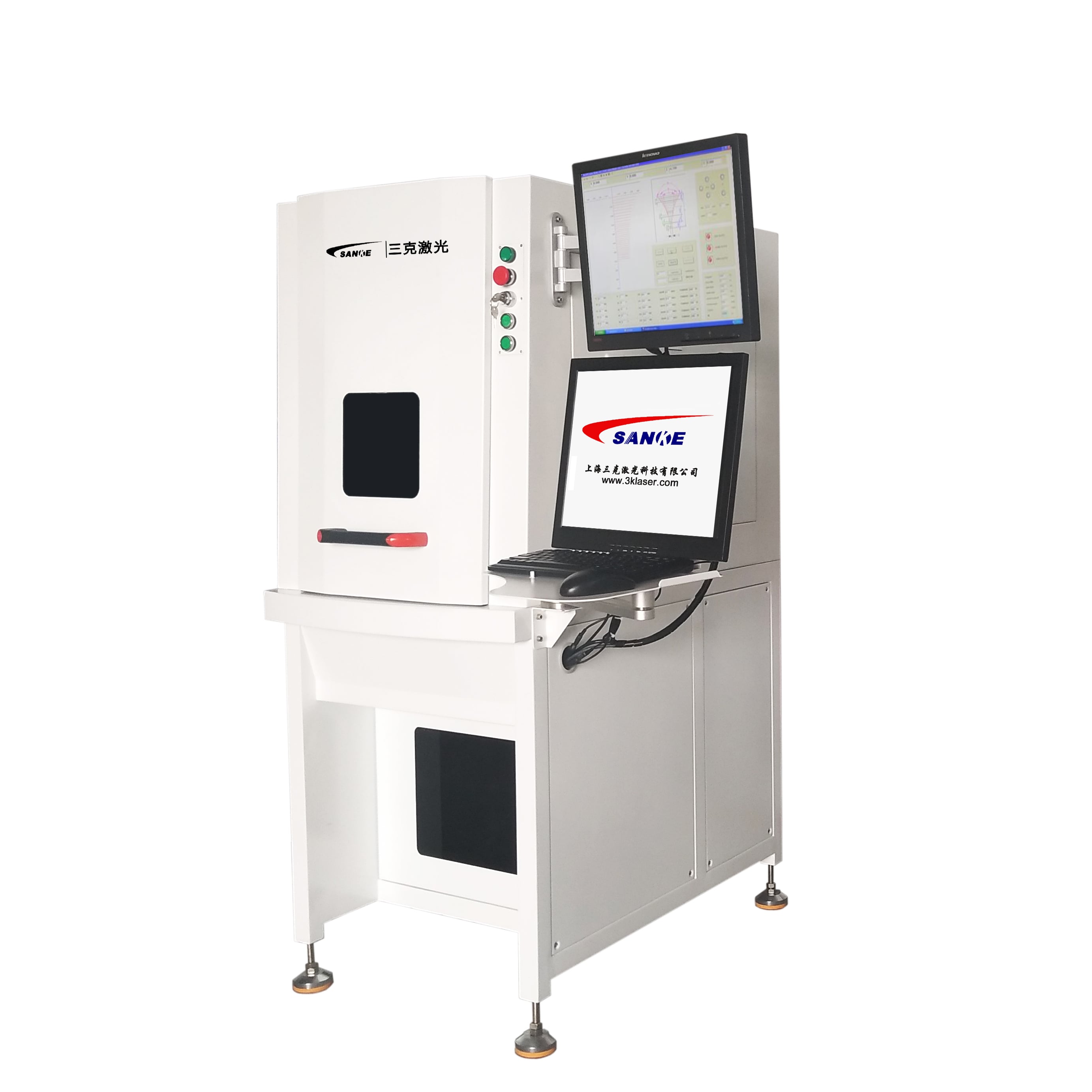
Welding machine automation represents a revolutionary advancement in manufacturing technology that transforms traditional manual welding processes into sophisticated, computer-controlled operations. This cutting-edge technology integrates robotic systems, advanced sensors, and intelligent software to deliver precise, consistent, and efficient welding solutions across various industrial applications. Modern welding machine automation combines multiple technological components including programmable logic controllers, servo motors, vision systems, and adaptive control algorithms that work together to create seamless welding operations. The main functions of welding machine automation encompass automated torch positioning, real-time parameter adjustment, quality monitoring, and defect detection capabilities. These systems can perform complex welding patterns, maintain consistent arc characteristics, and automatically adjust welding parameters based on material thickness, joint configuration, and environmental conditions. Technological features include multi-axis robotic arms with exceptional positioning accuracy, advanced welding power sources with digital control interfaces, integrated cooling systems, and comprehensive safety mechanisms. The automation platform supports various welding processes such as MIG, TIG, resistance welding, and laser welding technologies. Applications span across automotive manufacturing, aerospace production, shipbuilding, construction, pipeline installation, and heavy machinery fabrication. Industries benefit from welding machine automation through enhanced productivity, improved weld quality, reduced material waste, and minimized human error. The technology enables manufacturers to achieve consistent results regardless of operator skill levels while maintaining strict quality standards. Additionally, welding machine automation facilitates complex projects requiring precise repeatability, intricate geometries, and high-volume production demands. These systems integrate seamlessly with existing manufacturing workflows, supporting just-in-time production schedules and lean manufacturing principles that modern industries require for competitive advantage.

Popular Products

Welding machine automation delivers substantial benefits that directly impact manufacturing efficiency, product quality, and operational costs for businesses across multiple industries. Companies experience immediate improvements in production speed as automated systems operate continuously without fatigue, breaks, or shift changes that typically slow manual operations. The technology eliminates human inconsistencies, ensuring every weld meets exact specifications regardless of production volume or complexity. Quality enhancement represents a primary advantage as welding machine automation maintains precise control over critical parameters including heat input, travel speed, wire feed rate, and arc voltage throughout entire production runs. This consistency reduces defect rates, minimizes rework costs, and strengthens customer confidence in final products. Safety improvements occur naturally as workers operate equipment remotely, reducing exposure to hazardous welding fumes, intense heat, and dangerous sparks while maintaining full control over welding processes. Cost reduction manifests through decreased labor expenses, reduced material waste, lower energy consumption, and minimized post-weld finishing requirements. Welding machine automation enables manufacturers to optimize resource allocation by reassigning skilled welders to higher-value tasks while automated systems handle repetitive operations efficiently. Flexibility advantages allow quick program changes to accommodate different product specifications, materials, or production volumes without extensive retooling or operator retraining. The technology supports complex welding sequences that would challenge even experienced welders, opening opportunities for innovative product designs and manufacturing approaches. Documentation capabilities automatically record welding parameters, creating comprehensive quality records that support compliance requirements and continuous improvement initiatives. Predictive maintenance features monitor system performance, alerting operators to potential issues before costly breakdowns occur, ensuring maximum uptime and production reliability. Return on investment typically occurs within eighteen to thirty-six months as operational savings accumulate through increased throughput, improved quality, and reduced operational expenses. Scalability benefits enable manufacturers to expand production capacity by adding additional automated welding cells without proportional increases in workforce requirements, supporting business growth while maintaining operational efficiency and competitive positioning in demanding markets.

Practical Tips

How to Choose the Right Portable Laser Welding Machine for Your Business?

19

Nov

How to Choose the Right Portable Laser Welding Machine for Your Business?

Manufacturing businesses today face increasing pressure to improve efficiency while maintaining exceptional quality standards. The advent of portable laser welding machines has revolutionized the welding industry by offering unprecedented mobility, p...
View More
How can laser welding be applied to different materials, and what are the challenges?

19

Nov

How can laser welding be applied to different materials, and what are the challenges?

Laser welding has revolutionized modern manufacturing processes by offering unprecedented precision and versatility in joining various materials. This advanced technique utilizes focused laser beams to create high-quality welds with minimal heat-affe...
View More
How Do Different Laser Sources Impact the Efficiency of Industrial Processes?

19

Nov

How Do Different Laser Sources Impact the Efficiency of Industrial Processes?

Industrial manufacturing has undergone a revolutionary transformation with the integration of advanced laser technology, where different laser sources serve as the cornerstone of precision processing across numerous sectors. The selection of appropri...
View More
Fixed vs Variable Beam Expander: Which to Choose?

21

Oct

Fixed vs Variable Beam Expander: Which to Choose?

Understanding Optical Beam Expansion Technology In the world of optics and laser applications, beam expanders play a crucial role in manipulating light beams for various scientific and industrial purposes. These sophisticated optical instruments are ...
View More

Get a Free Quote

Our representative will contact you soon.
Email
Name
Company Name
Message
0/1000

welding machine automation

Precision Control and Consistent Quality Output

Precision Control and Consistent Quality Output

Welding machine automation delivers unparalleled precision control that fundamentally transforms manufacturing quality standards across diverse industrial applications. The sophisticated control systems integrate multiple sensors and feedback mechanisms that continuously monitor and adjust welding parameters in real-time, ensuring optimal results throughout every production cycle. Advanced servo motors provide exceptional positioning accuracy, typically achieving tolerances within plus or minus 0.1 millimeters, enabling precise torch placement and consistent penetration depth across complex geometries. The automated systems maintain strict control over critical welding variables including amperage, voltage, travel speed, and wire feed rates, eliminating the natural variations that occur with manual welding operations. This technological precision extends to heat management, where automated systems calculate optimal thermal cycles to prevent warping, minimize residual stress, and achieve desired metallurgical properties in finished welds. Vision systems integrated within welding machine automation platforms perform real-time seam tracking, automatically adjusting torch position to follow joint variations and compensate for part tolerances or fixture inconsistencies. Quality monitoring capabilities include automated defect detection systems that identify porosity, lack of fusion, undercut, and other common welding defects immediately upon occurrence, enabling immediate corrective actions rather than costly post-production repairs. The consistency achieved through welding machine automation directly translates to predictable mechanical properties, improved fatigue resistance, and enhanced structural integrity in finished products. Documentation systems automatically record all welding parameters for each completed joint, creating comprehensive quality records that support traceability requirements and continuous improvement initiatives. Statistical process control integration enables manufacturers to analyze welding performance trends, identify optimization opportunities, and maintain tight quality specifications that exceed customer expectations. This precision control capability particularly benefits industries requiring critical welds such as aerospace, nuclear, and medical device manufacturing where failure consequences demand absolute reliability and consistent performance standards.
Enhanced Productivity and Operational Efficiency

Enhanced Productivity and Operational Efficiency

Welding machine automation dramatically amplifies productivity levels while optimizing operational efficiency across manufacturing environments through intelligent process management and continuous operation capabilities. Automated welding systems operate at consistent speeds without fatigue, breaks, or performance degradation that naturally affects human operators, enabling manufacturers to achieve production rates that typically exceed manual operations by 200 to 400 percent. The technology eliminates setup time variations between different operators, as programmed welding sequences execute identically regardless of when production occurs or which shift operates the equipment. Multi-station capabilities allow welding machine automation to manage multiple welding operations simultaneously, maximizing equipment utilization and throughput while maintaining quality standards across all concurrent processes. Rapid program changeover features enable manufacturers to switch between different product configurations within minutes rather than hours required for manual setup adjustments, supporting flexible manufacturing strategies and quick response to customer demands. Integration with manufacturing execution systems provides real-time production monitoring, enabling supervisors to track progress, identify bottlenecks, and optimize scheduling decisions that maximize overall facility productivity. Automated material handling integration eliminates manual part positioning time, as robotic systems retrieve components, position them accurately for welding, and transfer finished assemblies to subsequent manufacturing stages without human intervention. The elimination of human error reduces rework requirements, scrap generation, and quality inspection time, allowing production resources to focus on value-added activities rather than corrective measures. Energy efficiency improvements occur through optimized welding parameters that minimize power consumption while maintaining weld quality, reducing operational costs and supporting sustainability initiatives. Predictive maintenance capabilities monitor system performance continuously, scheduling maintenance activities during planned downtime rather than experiencing unexpected equipment failures that disrupt production schedules. Welding machine automation supports lean manufacturing principles by reducing work-in-process inventory, minimizing floor space requirements, and enabling just-in-time production strategies that improve cash flow and reduce carrying costs for manufacturers seeking competitive advantages in demanding market conditions.
Advanced Safety Features and Risk Reduction

Advanced Safety Features and Risk Reduction

Welding machine automation incorporates comprehensive safety systems that dramatically reduce workplace hazards while maintaining full operational control and productivity levels throughout manufacturing operations. Remote operation capabilities eliminate direct human exposure to welding hazards including intense ultraviolet radiation, toxic fumes, extreme heat, and dangerous electrical systems that pose significant health risks during manual welding processes. Automated ventilation systems integrate with welding machine automation to capture and remove hazardous fumes at the source, maintaining clean air quality and reducing long-term health risks associated with welding exposure. Emergency stop systems provide immediate shutdown capabilities accessible from multiple locations, ensuring operators can halt operations instantly if unsafe conditions develop during automated welding sequences. Collision detection sensors prevent equipment damage and operator injury by monitoring the welding area continuously and stopping operations if unexpected obstacles or personnel enter designated safety zones. Enclosed welding cells contain sparks, spatter, and radiation within controlled environments, protecting nearby personnel and equipment while maintaining optimal welding conditions for consistent quality results. Automated fire suppression systems detect and extinguish potential fires immediately, preventing property damage and ensuring personnel safety during unattended operations. Safety interlocks prevent equipment startup unless all protective systems function properly, ensuring operators cannot bypass critical safety features that protect personnel and equipment investments. Training requirements decrease significantly as operators control welding machine automation from safe distances using intuitive interfaces rather than developing traditional welding skills that require extensive practice and ongoing exposure to hazardous conditions. Ergonomic benefits eliminate repetitive motions, awkward positioning, and heavy lifting associated with manual welding, reducing musculoskeletal injuries and workers compensation claims that impact operational costs. Documentation systems automatically record safety incidents, near misses, and system performance data that support continuous safety improvement initiatives and regulatory compliance requirements. Insurance benefits often include reduced premiums as welding machine automation demonstrates commitment to workplace safety and risk reduction, providing additional cost savings that improve return on investment calculations for manufacturing organizations prioritizing employee welfare and operational excellence.

Get a Free Quote

Our representative will contact you soon.
Email
Name
Company Name
Message
0/1000