laser surface preparation-0

Advanced Laser Surface Preparation Solutions: Precision, Efficiency, and Environmental Excellence

Get a Free Quote

Our representative will contact you soon.
Email
Name
Company Name
Message
0/1000

laser surface preparation

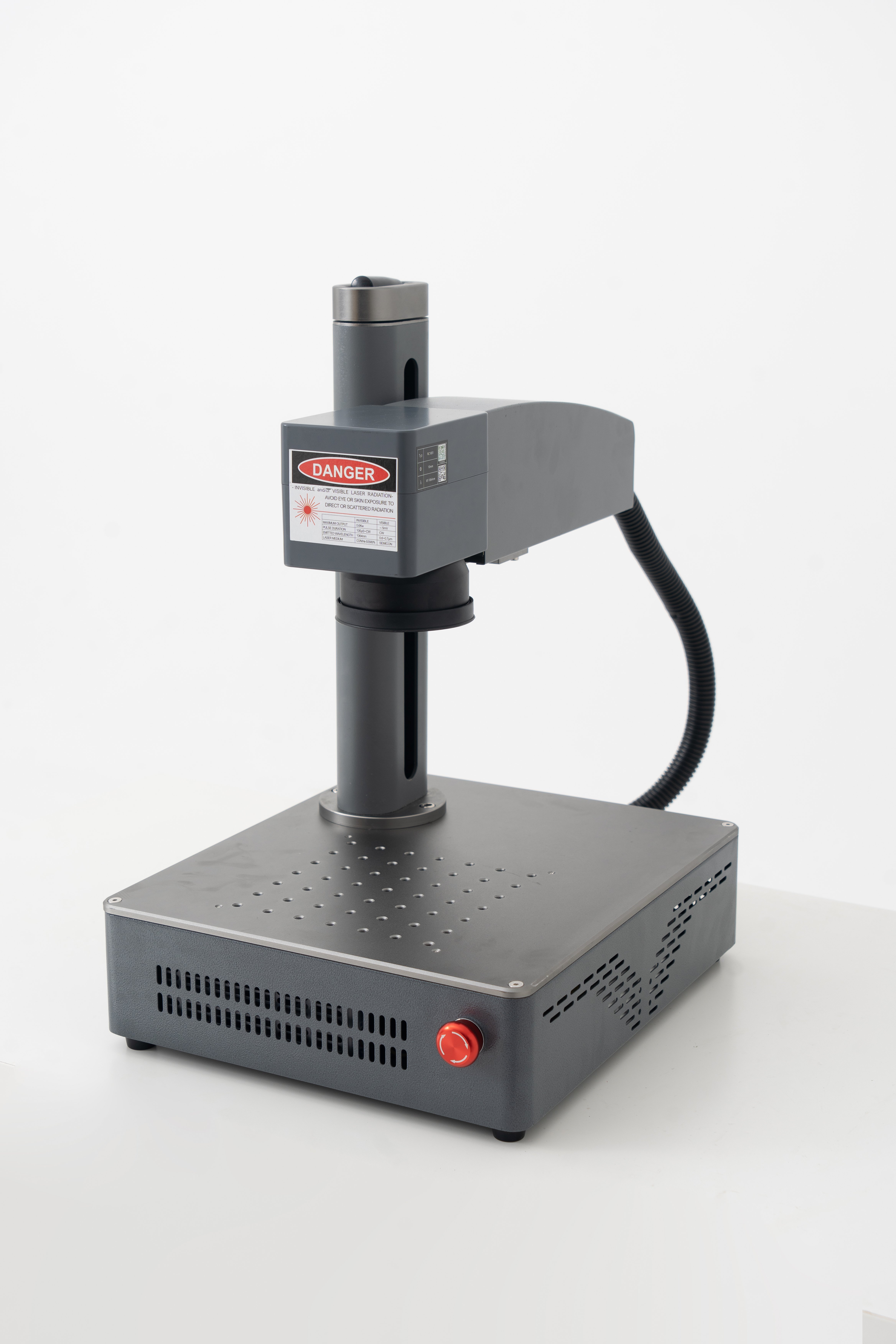
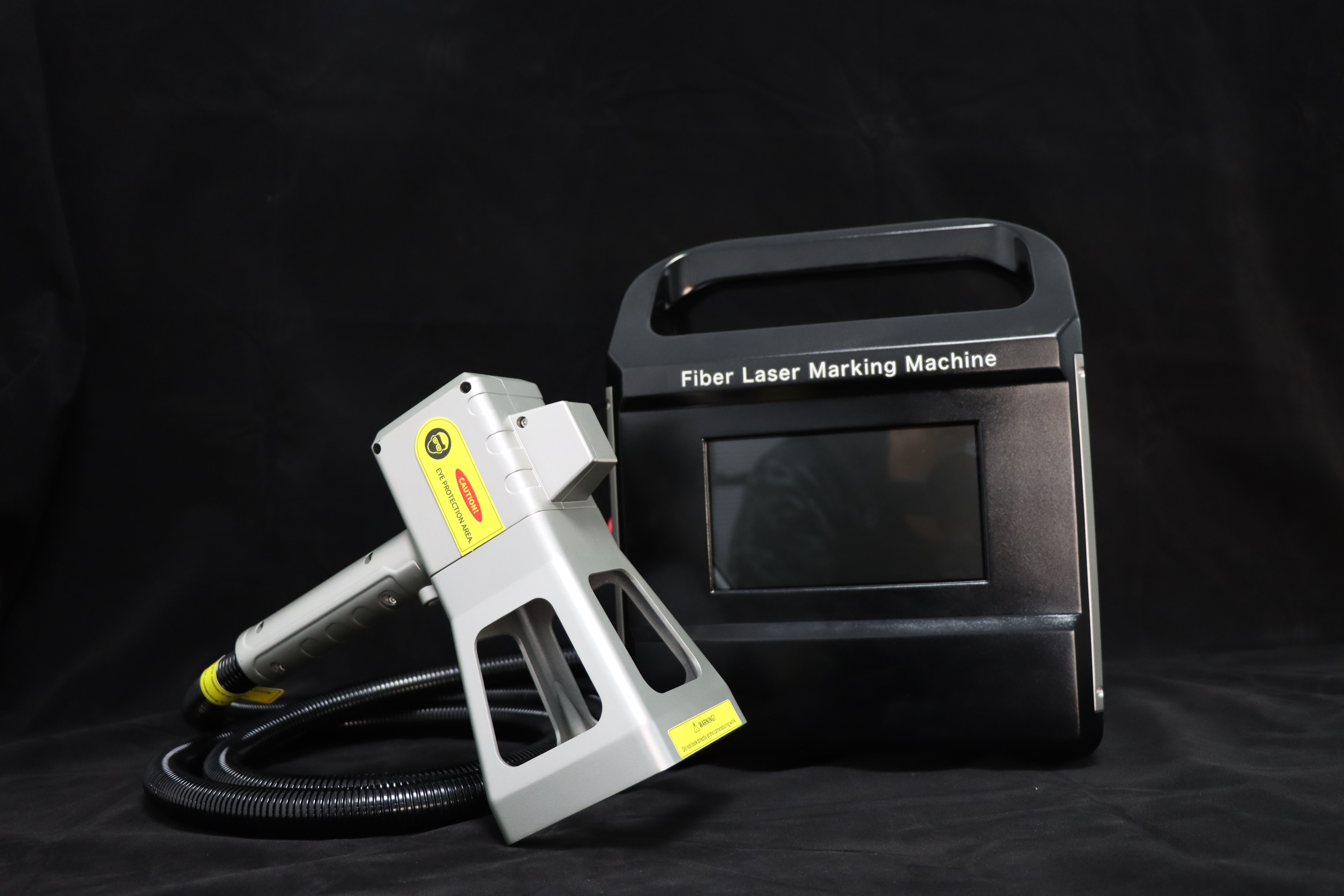
Laser surface preparation represents a revolutionary advancement in industrial surface treatment technology, utilizing concentrated laser energy to modify, clean, and prepare material surfaces with unprecedented precision and efficiency. This cutting-edge process employs high-powered laser beams to remove contaminants, coatings, rust, and other unwanted materials from various substrates including metals, composites, and specialized alloys. The fundamental principle behind laser surface preparation involves the selective absorption of laser energy by surface materials, causing rapid heating and subsequent removal through ablation, vaporization, or thermal shock processes. Modern laser surface preparation systems incorporate sophisticated beam control mechanisms, real-time monitoring capabilities, and automated feedback systems that ensure consistent results across different material types and surface conditions. The technology operates across multiple wavelengths and power levels, allowing operators to customize treatment parameters for specific applications ranging from delicate electronic components to heavy industrial machinery. Key technological features include pulse duration control, beam shaping capabilities, scanning speed optimization, and environmental monitoring systems that maintain optimal processing conditions. The process generates minimal waste compared to traditional mechanical or chemical methods, as removed materials are typically vaporized or collected through integrated filtration systems. Advanced laser surface preparation equipment often includes multi-axis positioning systems, robotic integration capabilities, and programmable treatment patterns that enable complex geometries and batch processing operations. The technology supports various operational modes including continuous wave processing for high-speed applications and pulsed operation for precise material removal control. Integration with quality control systems allows real-time monitoring of surface conditions, ensuring consistent preparation standards and immediate detection of any processing anomalies. This comprehensive approach to surface preparation has transformed manufacturing processes across aerospace, automotive, marine, and electronics industries.

New Product Releases

Laser surface preparation delivers exceptional operational benefits that directly translate into improved productivity and cost savings for manufacturing operations. The process eliminates the need for harsh chemicals, reducing both environmental impact and disposal costs while creating safer working conditions for personnel. Unlike traditional sandblasting or chemical stripping methods, laser surface preparation produces no secondary waste streams, eliminating expensive waste management requirements and regulatory compliance burdens. The precision control inherent in laser systems allows selective removal of specific layers or contaminants without damaging underlying substrates, preserving valuable base materials and reducing costly rework scenarios. This selective capability proves particularly valuable when working with expensive alloys or precision-engineered components where material preservation directly impacts profitability. The speed advantage of laser surface preparation significantly reduces processing time compared to conventional methods, enabling faster project completion and increased throughput capacity. Automated operation capabilities minimize labor requirements and human error risks, providing consistent results regardless of operator skill levels or experience. The non-contact nature of laser processing eliminates tool wear and replacement costs associated with mechanical preparation methods, reducing ongoing operational expenses and maintenance downtime. Quality improvements achieved through laser surface preparation include superior surface finish consistency, controlled roughness parameters, and enhanced adhesion properties for subsequent coating applications. These quality enhancements directly contribute to longer service life of finished products and reduced warranty claims or field failures. The versatility of laser surface preparation systems allows processing of diverse materials and geometries within a single equipment setup, reducing capital investment requirements and facility space needs. Energy efficiency advantages become apparent through reduced power consumption compared to heating large chemical baths or operating pneumatic blasting equipment continuously. The immediate availability of treated surfaces eliminates drying time or neutralization steps required by chemical processes, accelerating production schedules and improving manufacturing flexibility. Real-time process monitoring capabilities enable immediate quality verification and adjustment, preventing defective parts from advancing through production stages and reducing scrap rates significantly.

Latest News

How does the maintenance of a laser drilling machine impact its performance and lifespan?

19

Nov

How does the maintenance of a laser drilling machine impact its performance and lifespan?

Proper maintenance of industrial laser drilling equipment represents one of the most critical factors determining operational efficiency and equipment longevity in modern manufacturing environments. When organizations invest in precision drilling tec...
View More
How do handheld laser cleaning machines contribute to environmentally friendly cleaning practices?

19

Nov

How do handheld laser cleaning machines contribute to environmentally friendly cleaning practices?

Modern industrial cleaning practices are undergoing a revolutionary transformation as companies seek more sustainable and environmentally conscious solutions. Traditional cleaning methods often rely on harsh chemicals, abrasive materials, and process...
View More
What are the advantages of using a laser welding machine over traditional welding methods?

19

Nov

What are the advantages of using a laser welding machine over traditional welding methods?

Modern manufacturing processes continue to evolve with technological advancements, and welding technology stands at the forefront of this transformation. Among the most significant developments in recent years is the emergence of the laser welding ma...
View More
Common Field Lens Problems and Solutions

21

Oct

Common Field Lens Problems and Solutions

Understanding the Complexities of Field Lens Performance Field lenses play a crucial role in optical systems, serving as vital components that help collect and direct light effectively. These specialized optical elements are designed to improve image...
View More

Get a Free Quote

Our representative will contact you soon.
Email
Name
Company Name
Message
0/1000

laser surface preparation

Precision Control and Material Preservation Excellence

Precision Control and Material Preservation Excellence

The precision control capabilities of laser surface preparation technology represent a fundamental shift from traditional surface treatment methods, offering unprecedented accuracy in material removal and surface modification processes. This advanced control system operates through sophisticated beam management technologies that regulate laser intensity, pulse duration, scanning patterns, and energy distribution with microscopic precision. The ability to control these parameters independently allows operators to customize treatment protocols for specific material types, thickness requirements, and surface finish specifications without compromising the integrity of underlying substrates. This precision proves particularly valuable in aerospace applications where component tolerances are measured in thousandths of inches and material removal must be controlled to prevent structural weakness or dimensional changes. The technology employs real-time feedback mechanisms that continuously monitor surface conditions and automatically adjust processing parameters to maintain consistent results throughout the treatment cycle. Advanced optical systems provide high-resolution imaging of the treatment area, enabling operators to visualize progress and make immediate adjustments as needed. The selective nature of laser energy absorption means that different materials respond differently to specific wavelengths, allowing targeted removal of unwanted coatings while preserving valuable base materials such as titanium, aluminum, or specialized steel alloys. This selectivity eliminates the risk of over-processing that commonly occurs with mechanical methods like sandblasting, where operator control is limited and substrate damage frequently results from excessive treatment. The precision control extends to complex geometries and intricate surface features, where traditional methods struggle to provide uniform treatment without damaging delicate structures or tight tolerance areas. Programmable treatment patterns enable consistent processing of repetitive components, ensuring that each part receives identical treatment regardless of batch size or production timing. The ability to create detailed treatment maps allows for zone-specific processing, where different areas of a single component can receive customized treatment parameters based on their specific requirements or subsequent processing needs. This level of control translates directly into improved product quality, reduced rework requirements, and enhanced manufacturing efficiency across diverse industrial applications.
Environmental Sustainability and Operational Safety

Environmental Sustainability and Operational Safety

Environmental sustainability and operational safety represent critical advantages of laser surface preparation technology, addressing growing regulatory pressures and corporate responsibility initiatives while simultaneously improving workplace conditions and reducing operational risks. The elimination of chemical solvents, acids, and abrasive media from the surface preparation process dramatically reduces environmental impact through the elimination of hazardous waste generation, groundwater contamination risks, and air quality concerns associated with traditional methods. Laser surface preparation produces no liquid effluent requiring treatment or disposal, eliminating the costs and regulatory complications associated with wastewater management systems, chemical storage facilities, and hazardous waste transportation logistics. The process generates minimal solid waste, typically consisting of small amounts of vaporized or ablated material that can be easily collected through standard filtration systems, reducing disposal costs and environmental liability exposure. Worker safety improvements are substantial, as laser surface preparation eliminates exposure to toxic chemicals, respiratory hazards from abrasive particles, and ergonomic risks associated with manual surface preparation techniques. The enclosed nature of laser processing systems provides containment of any generated particles or vapors, maintaining clean work environments and reducing personal protective equipment requirements. Noise pollution reduction represents another significant benefit, as laser systems operate much more quietly than pneumatic blasting equipment or mechanical preparation tools, improving workplace comfort and reducing hearing protection requirements. The elimination of chemical storage and handling reduces fire hazards, spill risks, and emergency response requirements, simplifying facility safety protocols and reducing insurance costs. Energy efficiency advantages contribute to overall environmental sustainability through reduced power consumption compared to heating large chemical baths or operating compressed air systems for extended periods. The precise nature of laser processing minimizes material waste by removing only necessary amounts of surface material, preserving valuable substrates and reducing raw material consumption in manufacturing processes. Carbon footprint reduction occurs through elimination of chemical transportation, reduced energy consumption, and elimination of waste disposal transportation requirements. These environmental benefits often translate into cost savings through reduced regulatory compliance expenses, lower insurance premiums, and improved corporate sustainability ratings that can enhance business competitiveness and market positioning.
Versatility and Integration Capabilities

Versatility and Integration Capabilities

The versatility and integration capabilities of laser surface preparation systems provide manufacturers with unprecedented flexibility in addressing diverse surface treatment requirements while seamlessly incorporating into existing production workflows and advanced manufacturing environments. This adaptability stems from the fundamental physics of laser processing, which can be precisely controlled and modified to accommodate an extensive range of materials including ferrous and non-ferrous metals, composites, ceramics, and specialized coatings across various industries and applications. The technology supports processing of components ranging from microscopic electronic parts to large structural elements, with systems available in configurations from benchtop units for laboratory applications to industrial-scale installations capable of treating massive components like ship hulls or aircraft fuselages. Integration with robotic systems enables automated processing of complex geometries and high-volume production scenarios, while maintaining the precision and consistency required for critical applications. The programmable nature of laser surface preparation allows storage and recall of treatment protocols for different part types, materials, and specifications, enabling rapid changeovers between different production runs without extensive setup or calibration procedures. Advanced laser systems incorporate multiple processing modes within a single platform, allowing operators to switch between cleaning, texturing, coating removal, and surface modification applications without equipment changes or significant downtime. The non-contact processing approach eliminates the geometric limitations imposed by mechanical tools or chemical immersion baths, enabling treatment of internal surfaces, complex curves, and areas with limited access that would be impossible to reach with traditional methods. Real-time monitoring and feedback systems provide immediate quality verification and process documentation, supporting quality management systems and traceability requirements essential in regulated industries such as aerospace, medical devices, and nuclear applications. The modular design of modern laser surface preparation systems allows for scalable implementation, where manufacturers can start with basic configurations and add capabilities as requirements evolve or production volumes increase. Integration with existing manufacturing execution systems enables seamless data exchange, production scheduling coordination, and quality tracking throughout the manufacturing process. The technology supports batch processing capabilities for high-volume applications while maintaining the flexibility to handle custom or prototype work without significant setup changes, providing manufacturers with the operational flexibility needed to respond to changing market demands and customer requirements effectively.

Get a Free Quote

Our representative will contact you soon.
Email
Name
Company Name
Message
0/1000