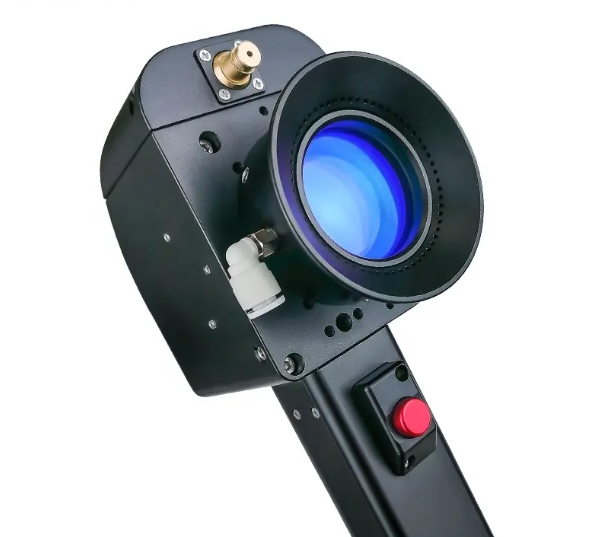
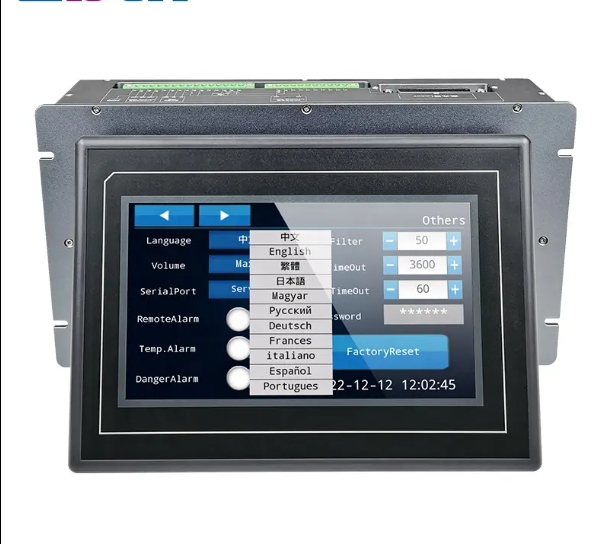
laser surface treatment-0

Advanced Laser Surface Treatment Solutions - Precision Surface Modification Technology

Get a Free Quote

Our representative will contact you soon.
Email
Name
Company Name
Message
0/1000

laser surface treatment

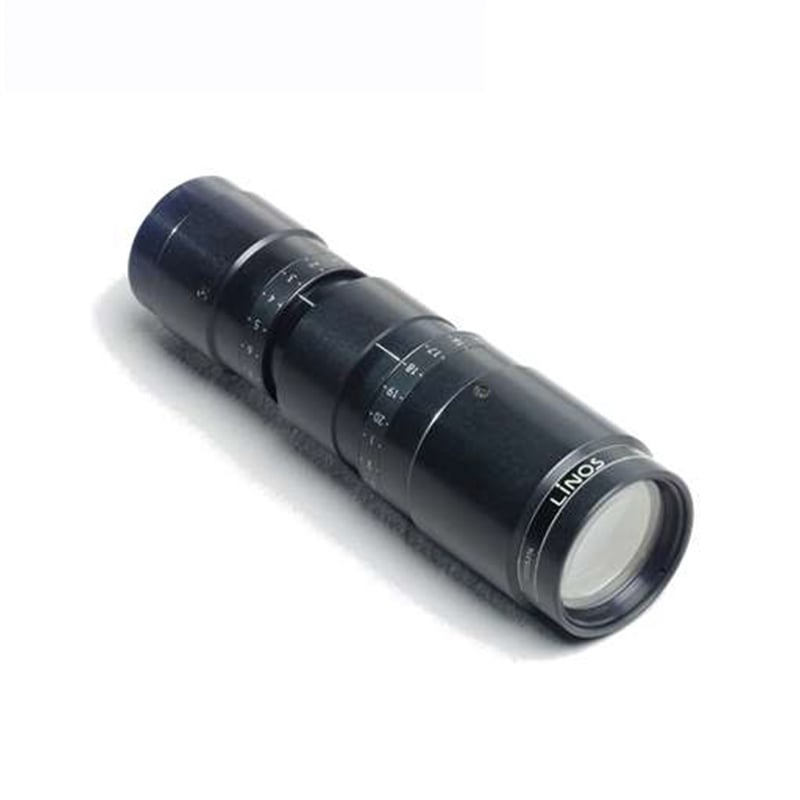
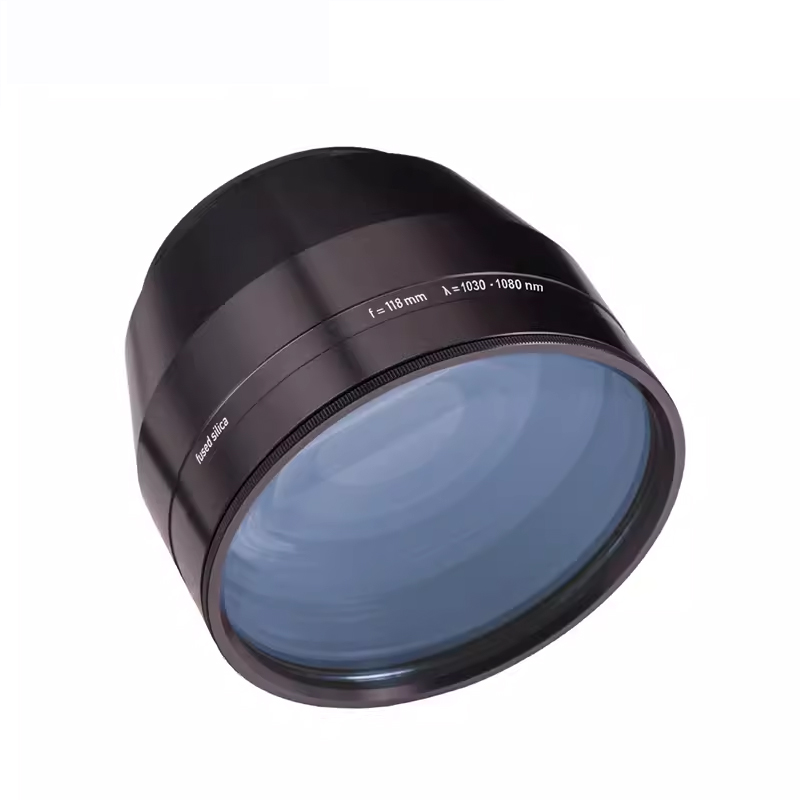
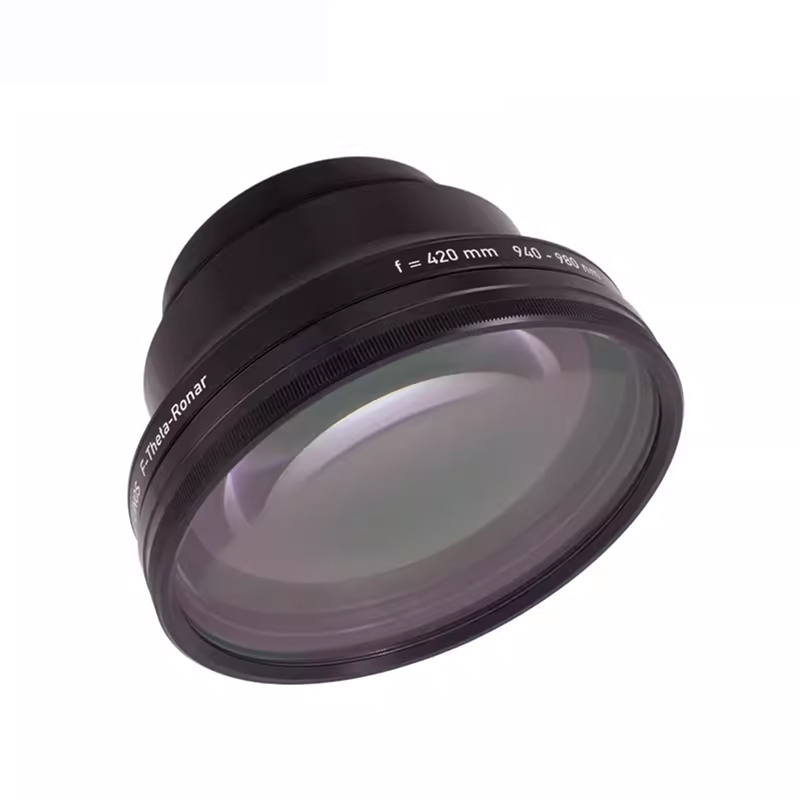
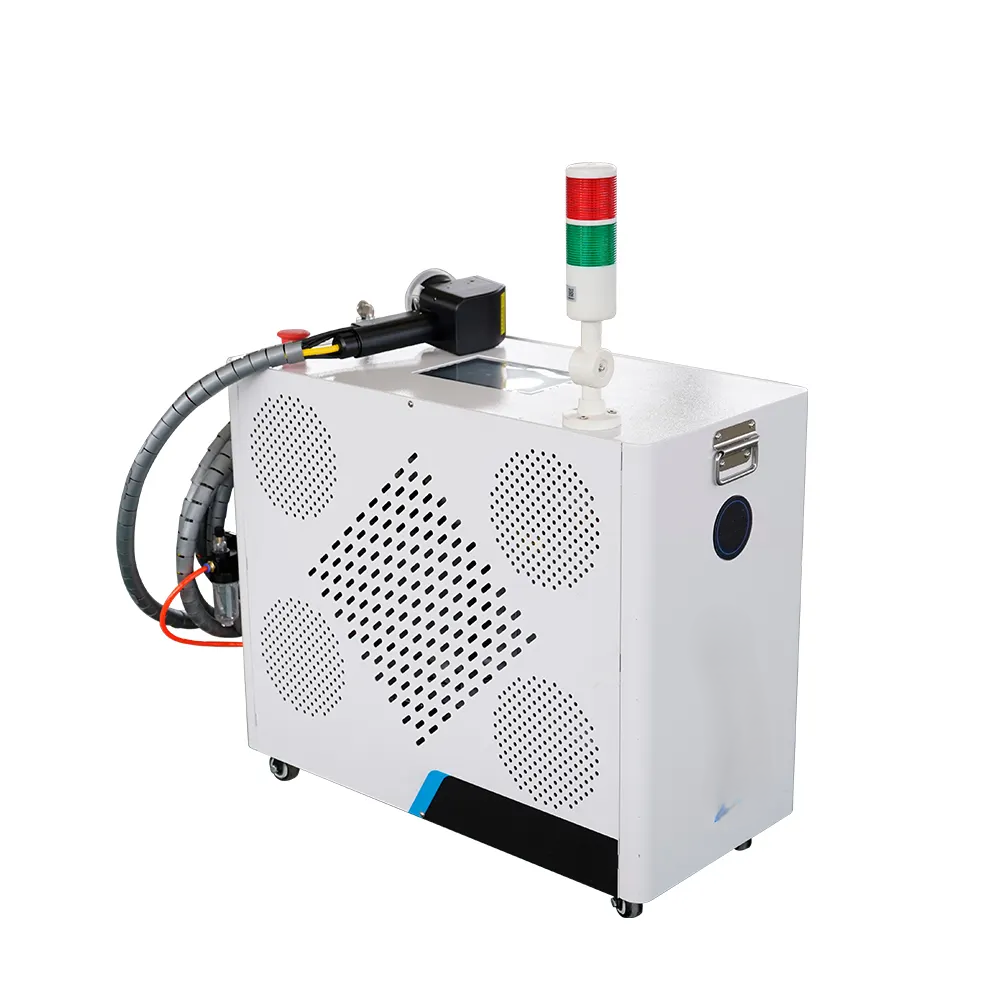
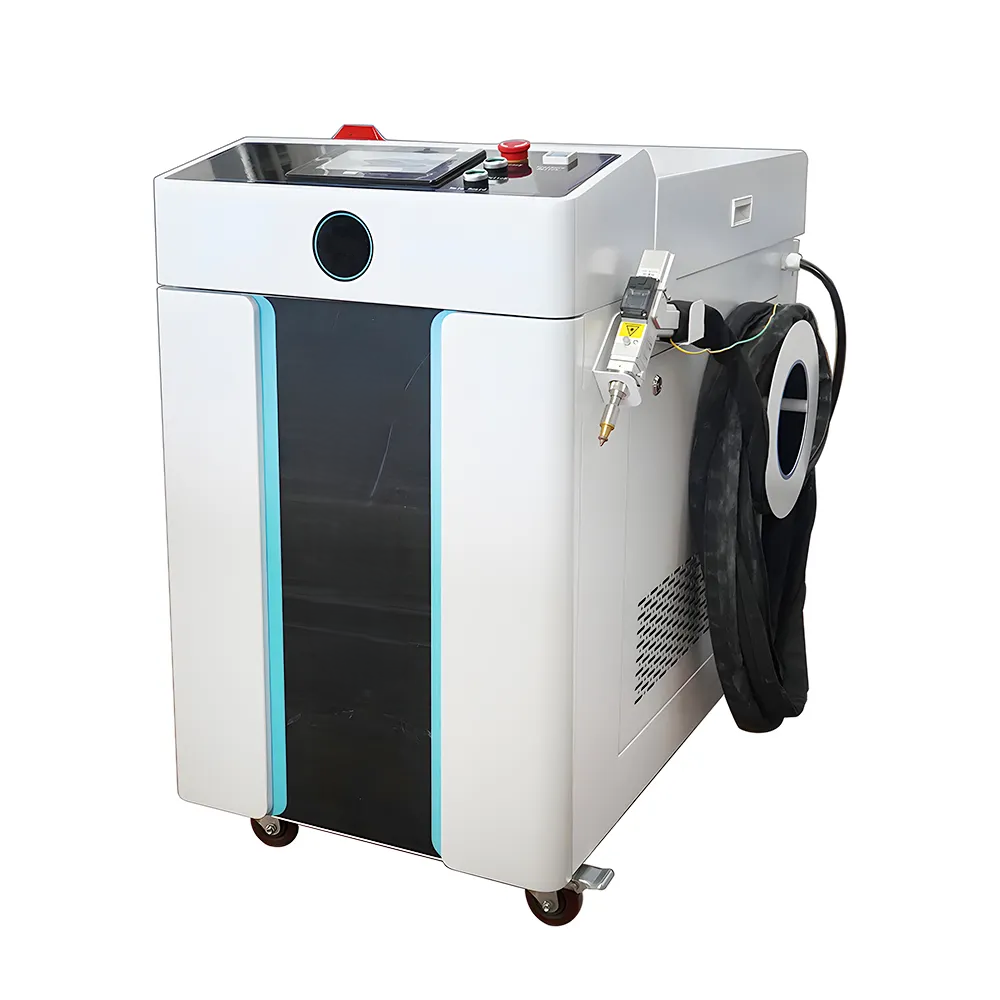
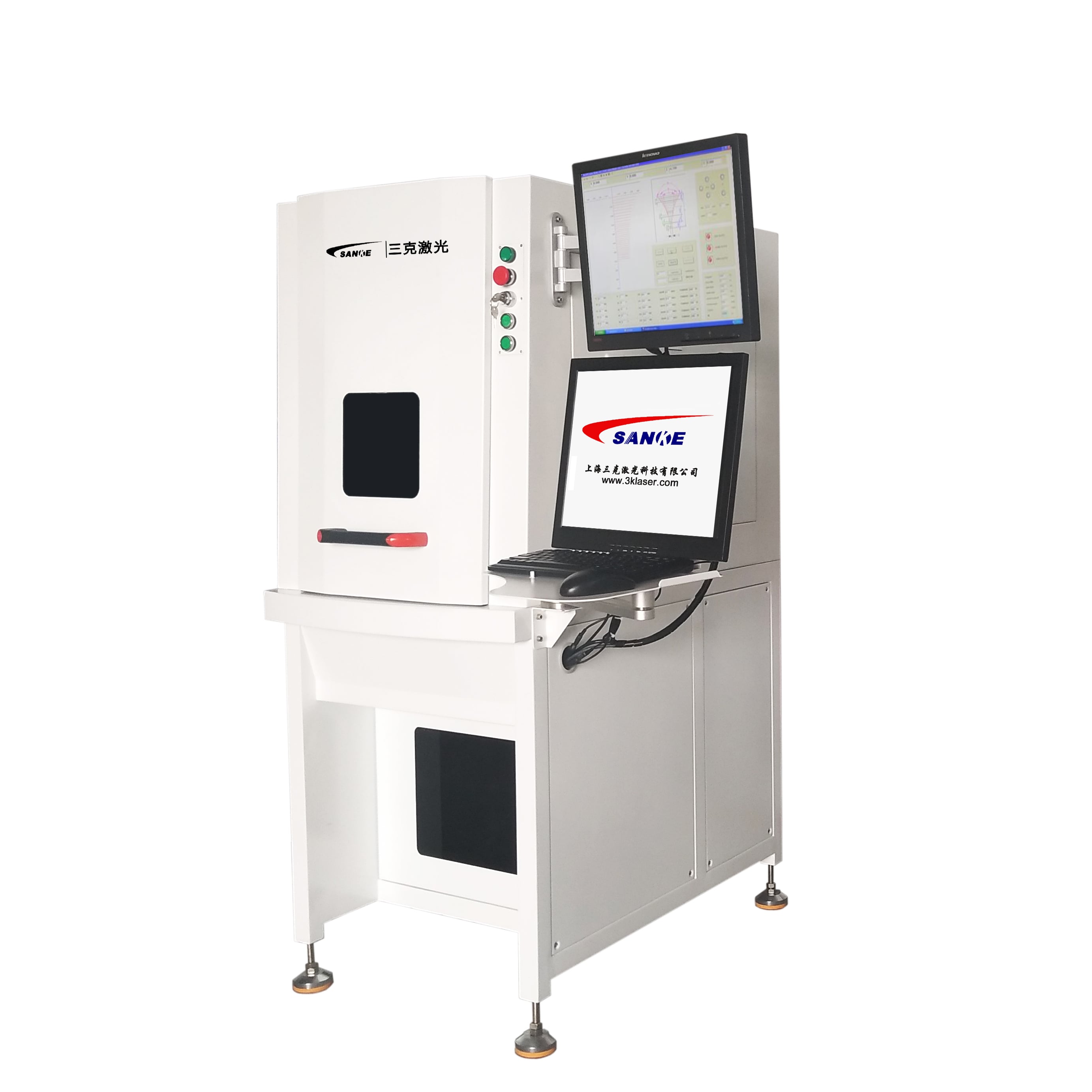
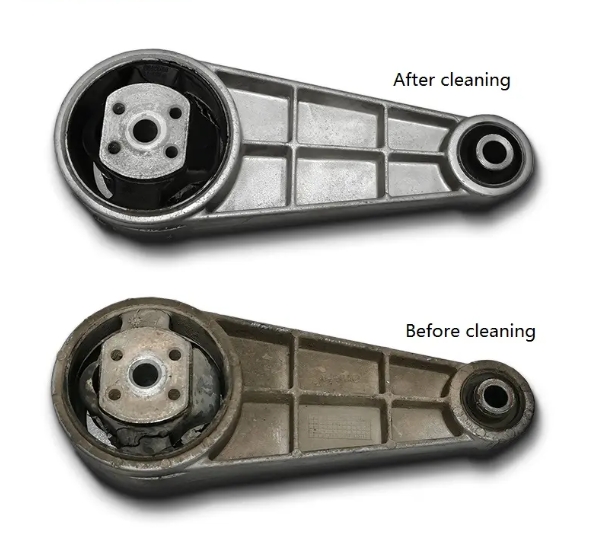
Laser surface treatment represents a revolutionary manufacturing technology that utilizes concentrated laser beams to modify and enhance material surfaces with unprecedented precision. This advanced process employs high-intensity laser energy to alter the microstructure, composition, and properties of various materials, creating surfaces with superior performance characteristics. The technology operates by directing focused laser radiation onto target surfaces, generating controlled thermal effects that can achieve hardening, cleaning, texturing, or coating applications. Modern laser surface treatment systems integrate sophisticated beam control mechanisms, real-time monitoring capabilities, and computer-controlled positioning systems to ensure consistent results across diverse industrial applications. The process offers remarkable versatility, accommodating materials ranging from metals and ceramics to polymers and composites. Key technological features include adjustable power settings, variable pulse durations, and programmable scanning patterns that enable customized treatment parameters for specific requirements. The non-contact nature of laser surface treatment eliminates mechanical stress and contamination risks associated with traditional surface modification methods. Applications span multiple industries, including automotive manufacturing for engine component hardening, aerospace sector for turbine blade enhancement, medical device production for biocompatible surface creation, and electronics manufacturing for precision circuit patterning. The technology supports both localized spot treatments and large-area processing, making it suitable for prototyping and high-volume production environments. Environmental benefits include reduced chemical consumption, minimal waste generation, and energy-efficient operation compared to conventional surface treatment processes. Advanced laser surface treatment systems incorporate automated material handling, integrated quality control systems, and data logging capabilities that support Industry 4.0 manufacturing requirements while maintaining exceptional process repeatability and reliability.

New Product Recommendations

Laser surface treatment delivers exceptional precision that traditional methods cannot match, enabling manufacturers to target specific areas with microscopic accuracy while leaving surrounding regions completely unaffected. This pinpoint control eliminates the need for masking or protective barriers, reducing setup time and material costs significantly. The process operates at room temperature for many applications, preventing thermal distortion and maintaining dimensional stability in precision components. Speed represents another major advantage, as laser systems complete surface modifications in seconds rather than hours required by chemical or mechanical alternatives. This rapid processing capability increases production throughput while reducing labor costs and facility requirements. Quality consistency surpasses conventional methods because laser parameters remain stable throughout operation, eliminating human error and environmental variables that affect traditional processes. The technology requires no consumable chemicals, abrasives, or replacement tools, dramatically reducing ongoing operational expenses and waste disposal costs. Maintenance requirements stay minimal due to the non-contact operation, as laser components experience no physical wear from material interaction. Environmental impact decreases substantially because the process generates no harmful emissions, requires no hazardous chemicals, and produces minimal waste materials. Flexibility allows manufacturers to switch between different treatment types instantly by adjusting software parameters, eliminating tooling changes and setup delays. The digital control system enables precise documentation of process parameters, supporting quality certification requirements and traceability standards. Energy efficiency exceeds traditional methods because laser systems convert electrical power directly into focused treatment energy without intermediate mechanical or chemical conversion losses. Integration capabilities allow seamless incorporation into existing production lines through standard automation interfaces and robotic systems. Cost effectiveness improves over time as initial equipment investment pays dividends through reduced consumables, faster processing, lower maintenance requirements, and improved product quality that reduces rejection rates and warranty claims.

Practical Tips

How to Choose the Right Portable Laser Welding Machine for Your Business?

19

Nov

How to Choose the Right Portable Laser Welding Machine for Your Business?

Manufacturing businesses today face increasing pressure to improve efficiency while maintaining exceptional quality standards. The advent of portable laser welding machines has revolutionized the welding industry by offering unprecedented mobility, p...
View More
How Does the Power Output of a Laser Source Affect Its Performance?

22

Sep

How Does the Power Output of a Laser Source Affect Its Performance?

Understanding the Critical Role of Power Output in Laser Applications The relationship between a laser source and its power output fundamentally shapes the capabilities and effectiveness of laser systems across countless applications. From industrial...
View More
What is a Laser Engraving Machine and How Does It Work?

19

Nov

What is a Laser Engraving Machine and How Does It Work?

A laser engraving machine represents one of the most precise and versatile tools in modern manufacturing and crafting industries. These sophisticated devices utilize focused laser beams to permanently mark, engrave, or cut various materials with exce...
View More
2025 Guide: How to Choose the Perfect Beam Expander

21

Oct

2025 Guide: How to Choose the Perfect Beam Expander

Understanding the Critical Role of Beam Expanders in Modern Optics The optical industry continues to evolve at a rapid pace, and beam expanders have become indispensable components in numerous applications, from laser processing to advanced microscop...
View More

Get a Free Quote

Our representative will contact you soon.
Email
Name
Company Name
Message
0/1000

laser surface treatment

Unmatched Precision and Control

Unmatched Precision and Control

Laser surface treatment technology provides manufacturers with unprecedented control over surface modification processes, delivering precision levels that traditional methods simply cannot achieve. The system utilizes computer-controlled beam positioning with submicron accuracy, allowing operators to target specific surface areas as small as a few micrometers while maintaining complete control over treatment depth and intensity. This remarkable precision stems from advanced optics systems that focus laser energy into extremely small spot sizes, combined with sophisticated scanning mechanisms that can follow complex geometric patterns with mathematical precision. The technology enables selective treatment of individual surface features, creating graduated property transitions, or achieving uniform modifications across large areas depending on application requirements. Process parameters including laser power, pulse duration, scanning speed, and beam overlap can be adjusted independently and maintained with exceptional stability throughout production runs. Real-time monitoring systems continuously track beam characteristics, surface temperature, and treatment progress, automatically adjusting parameters to compensate for material variations or environmental changes. This level of control eliminates the guesswork associated with traditional surface treatment methods, where chemical concentrations, mechanical forces, or thermal conditions can vary unpredictably. The precision extends to three-dimensional surface geometries, as laser systems can accommodate complex part shapes through multi-axis positioning systems and adaptive optics that maintain consistent beam characteristics across curved or angled surfaces. Quality control becomes inherently built into the process because every treatment parameter is digitally controlled and recorded, creating complete traceability records that support certification requirements and quality assurance protocols. The ability to create precisely controlled surface gradients enables applications such as wear-resistant zones that transition smoothly into ductile base materials, eliminating stress concentrations that cause premature failure in conventionally treated components. This precision translates directly into improved product performance, extended service life, and reduced warranty claims for manufacturers across industries from aerospace to medical devices.
Environmentally Sustainable Processing

Environmentally Sustainable Processing

Environmental sustainability represents a cornerstone advantage of laser surface treatment technology, addressing growing regulatory requirements and corporate responsibility initiatives while delivering superior technical performance. The process operates without hazardous chemicals, eliminating the need for acid baths, toxic solvents, or aggressive cleaning agents that characterize traditional surface treatment methods. This chemical-free operation removes workplace safety concerns related to chemical exposure, eliminates expensive waste disposal requirements, and prevents groundwater contamination risks associated with chemical storage and handling. Energy consumption profiles favor laser systems because they convert electrical power directly into focused treatment energy with minimal waste heat generation, achieving efficiency levels that surpass conventional thermal or chemical processes. The technology generates virtually no secondary waste streams, as material removal or modification occurs through controlled vaporization or microstructural changes that leave no residual byproducts requiring disposal. Air quality benefits include elimination of volatile organic compound emissions, acid vapors, or particulate matter that necessitate expensive ventilation systems and environmental monitoring in traditional facilities. Water consumption approaches zero for most laser surface treatment applications, contrasting sharply with chemical processes that require extensive rinsing, neutralization, and wastewater treatment systems. The compact footprint of laser systems reduces facility requirements, lowering construction costs and energy consumption for heating, cooling, and lighting manufacturing spaces. Noise levels remain significantly lower than mechanical surface treatment methods, improving workplace conditions and reducing sound pollution in manufacturing environments. Carbon footprint calculations consistently favor laser processing due to elimination of chemical production, transportation, and disposal cycles that contribute substantial greenhouse gas emissions in traditional surface treatment supply chains. Regulatory compliance becomes simplified because laser surface treatment operations typically qualify for streamlined environmental permitting processes, avoiding complex chemical handling permits and waste generator classifications. The technology supports circular economy principles by enabling repair and refurbishment of worn components rather than replacement, extending product lifecycles and reducing material consumption throughout industrial supply chains.
Versatile Multi-Material Compatibility

Versatile Multi-Material Compatibility

The exceptional versatility of laser surface treatment technology enables processing across an unprecedented range of materials and applications, making it a universal solution for diverse manufacturing requirements. Metallic materials respond excellently to laser treatment, with steel, aluminum, titanium, copper, and exotic alloys all benefiting from customized processing parameters that optimize surface properties for specific performance requirements. The technology accommodates material thickness variations from thin foils measuring micrometers to heavy structural components several centimeters thick, adjusting penetration depth and heat affected zones accordingly. Ceramic materials including technical ceramics, cutting tool substrates, and biomedical implant materials undergo precise surface modification that enhances adhesion, reduces friction, or creates bioactive surface layers without compromising bulk material properties. Polymer and composite materials benefit from laser surface treatment through controlled surface energy modification, improved paint adhesion, enhanced bonding characteristics, or creation of micro-textured surfaces that provide specific tribological properties. The process adapts seamlessly to different material geometries, processing flat sheets, cylindrical components, complex three-dimensional shapes, and even internal surfaces through fiber optic beam delivery systems. Surface finish requirements ranging from mirror-like smoothness to controlled roughness profiles can be achieved by adjusting laser parameters and scanning patterns to match specific application needs. Treatment area capabilities span from microscopic features measured in square micrometers for electronics applications to large panels covering square meters for architectural or automotive applications. The technology enables combination treatments where different surface zones receive distinct laser processing parameters in single automated sequences, creating parts with multiple functional regions optimized for different performance requirements. Material compatibility extends to challenging combinations such as dissimilar metal joints, ceramic-metal interfaces, and polymer-metal assemblies where traditional treatment methods often fail due to different thermal expansion rates or chemical compatibility issues. Quality results remain consistent across production batches because laser parameters maintain stability regardless of ambient conditions, material supplier variations, or operator changes that affect traditional processes. This versatility eliminates the need for multiple specialized surface treatment systems, reducing capital equipment costs, facility complexity, and operator training requirements while providing comprehensive surface modification capabilities through single integrated platforms.

Get a Free Quote

Our representative will contact you soon.
Email
Name
Company Name
Message
0/1000