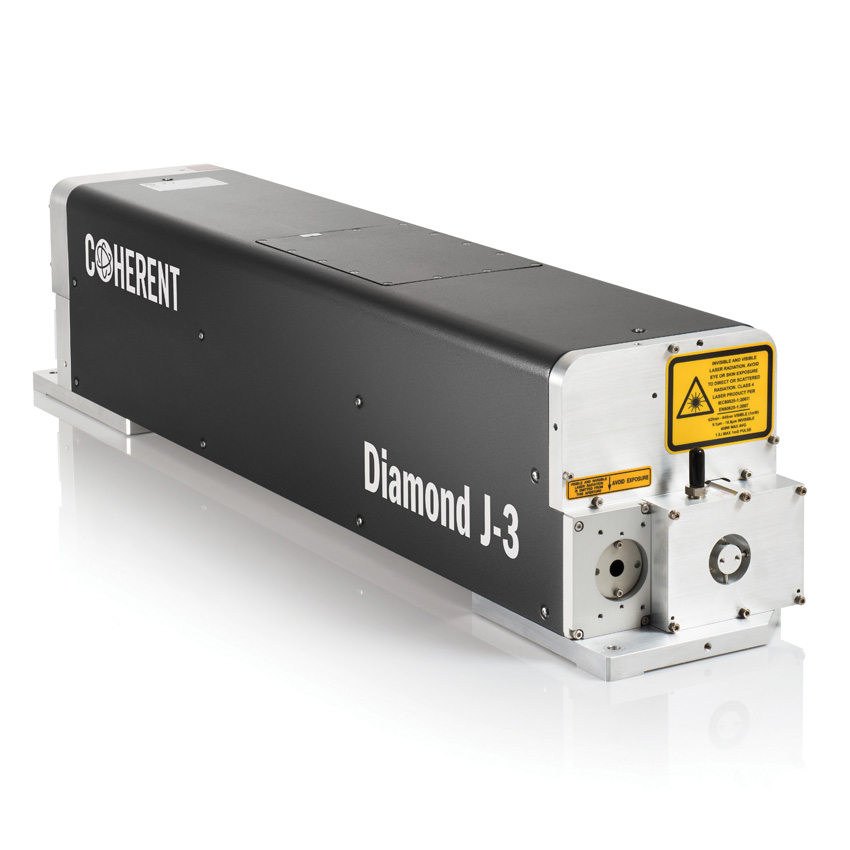
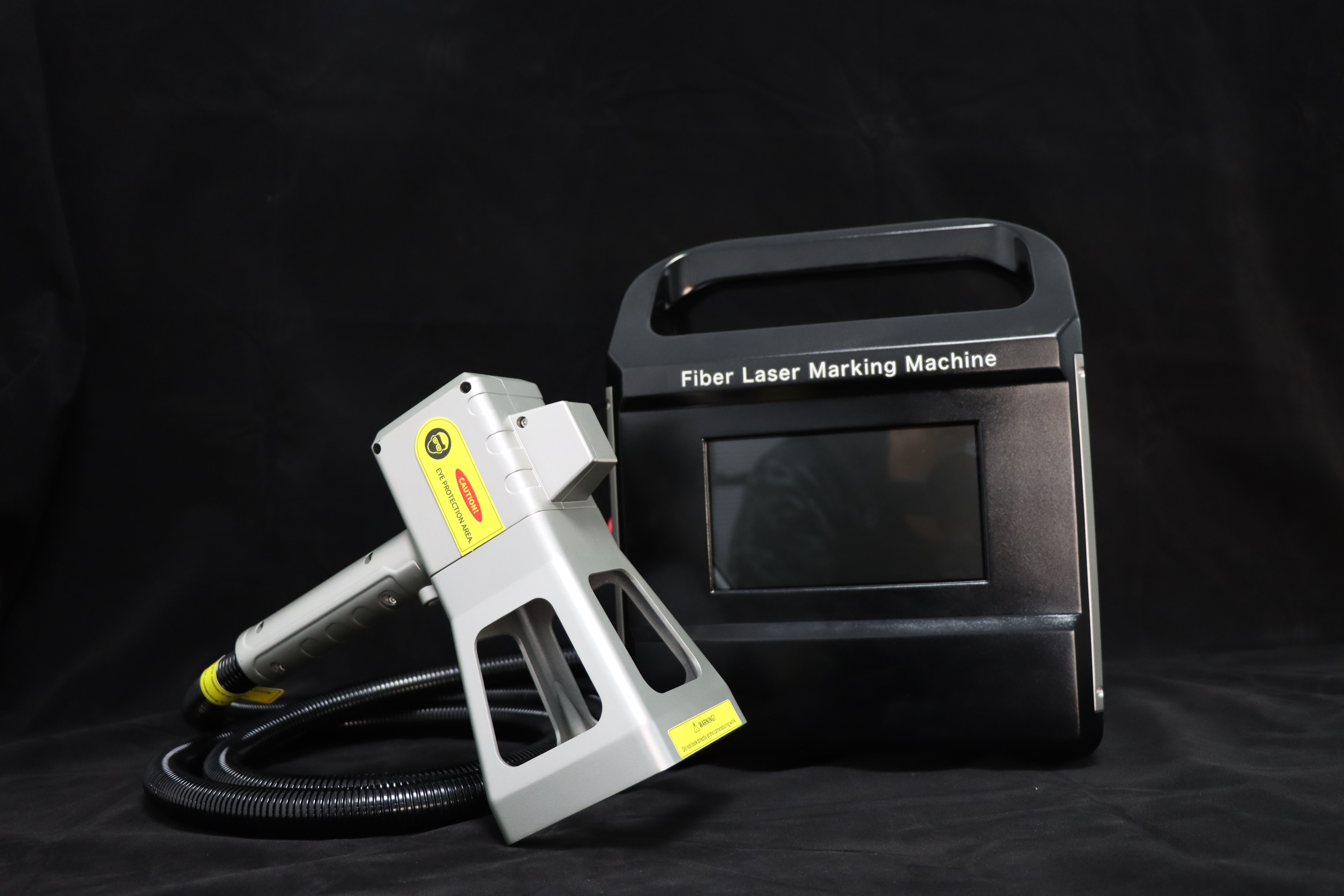
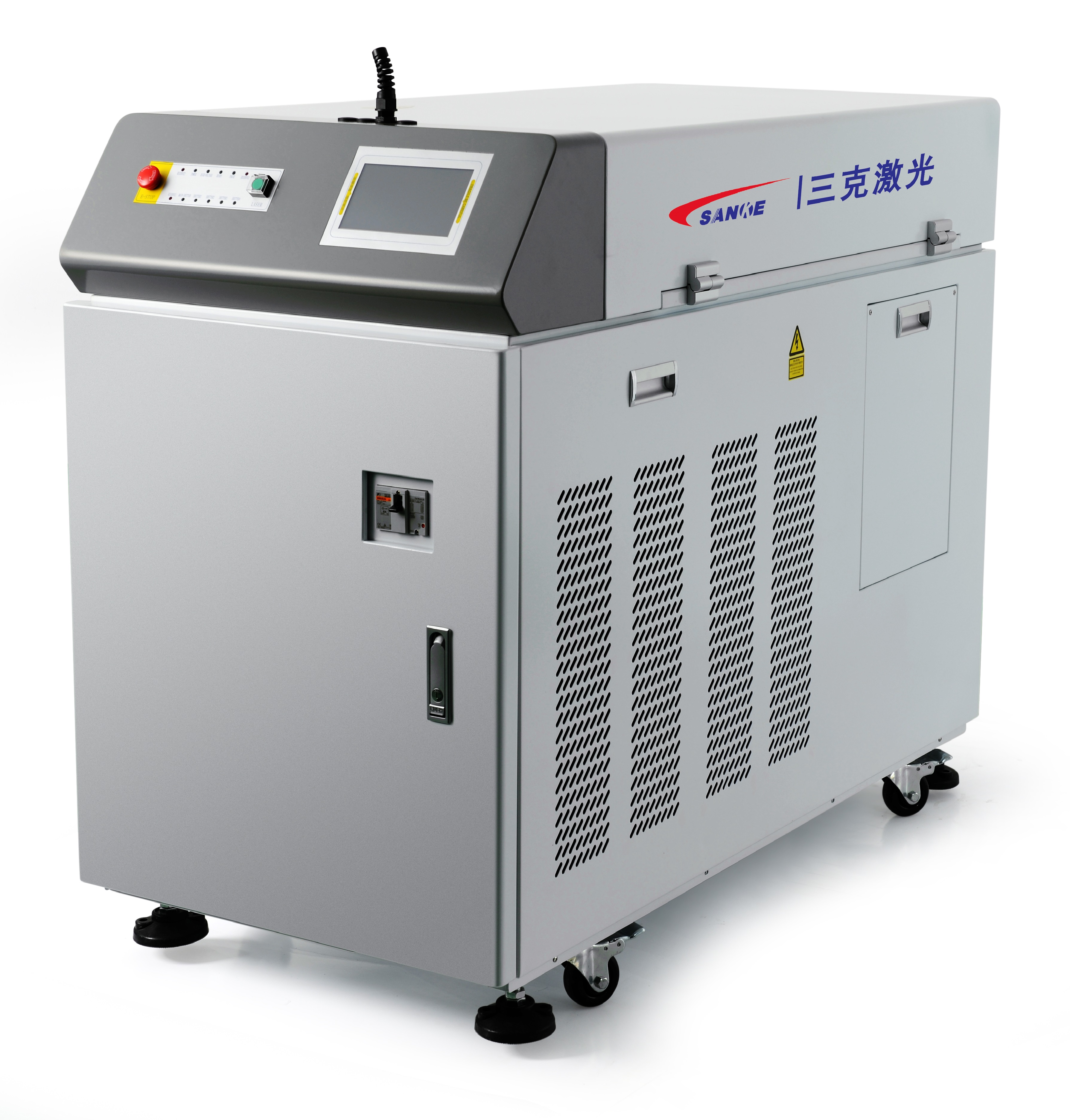
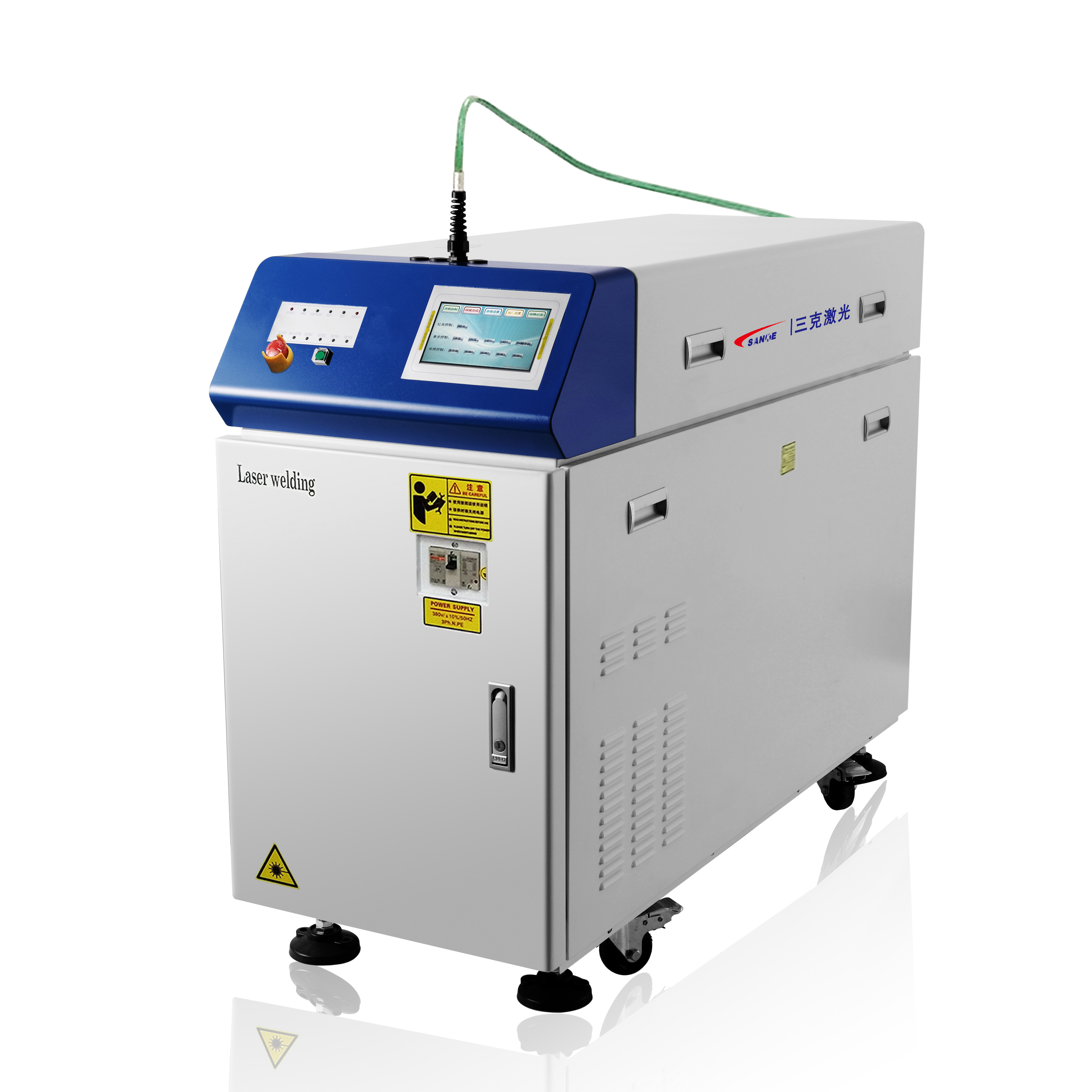
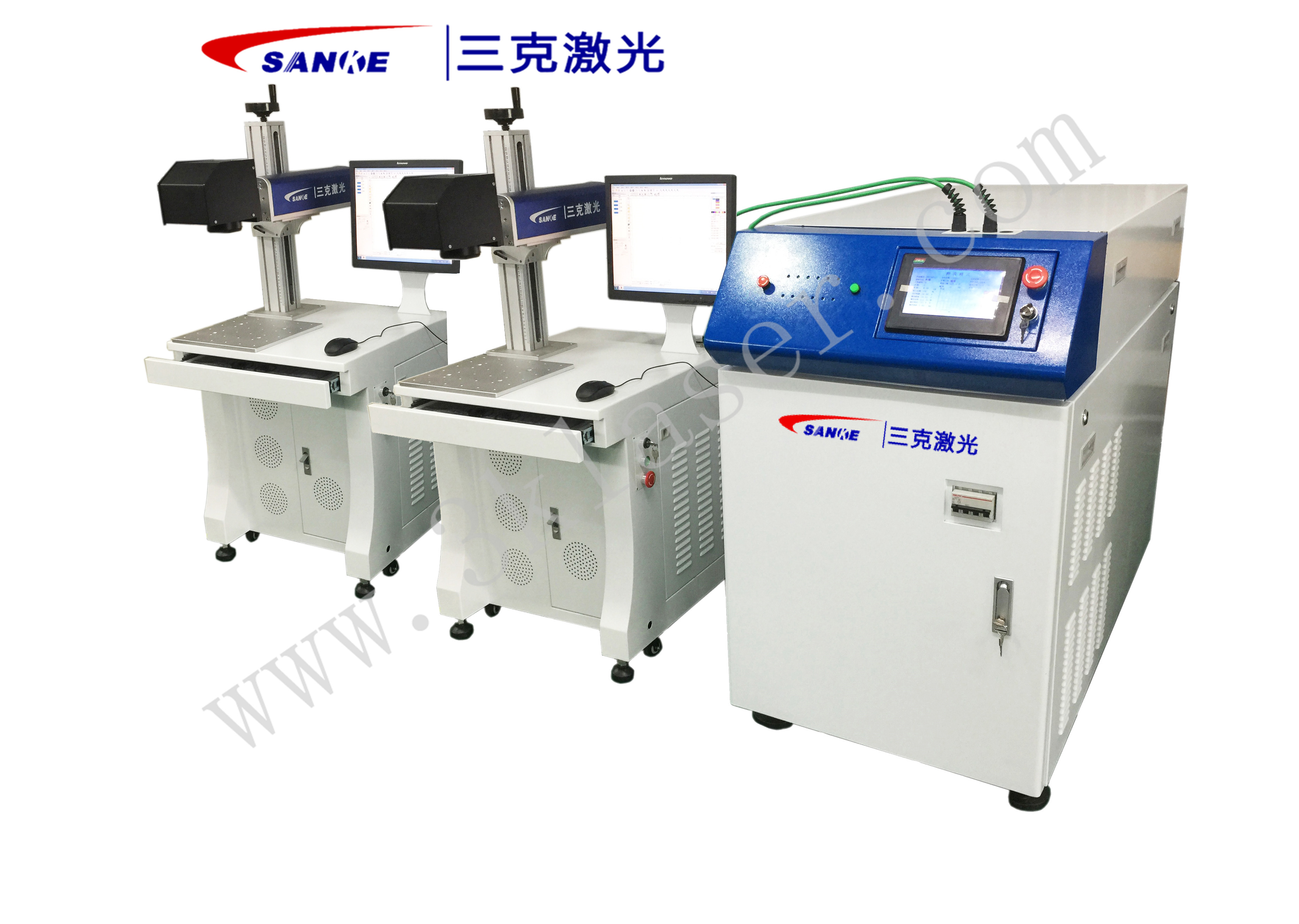
automated laser welding machine-0

Advanced Automated Laser Welding Machine Solutions - Precision Manufacturing Technology

Get a Free Quote

Our representative will contact you soon.
Email
Name
Company Name
Message
0/1000

automated laser welding machine

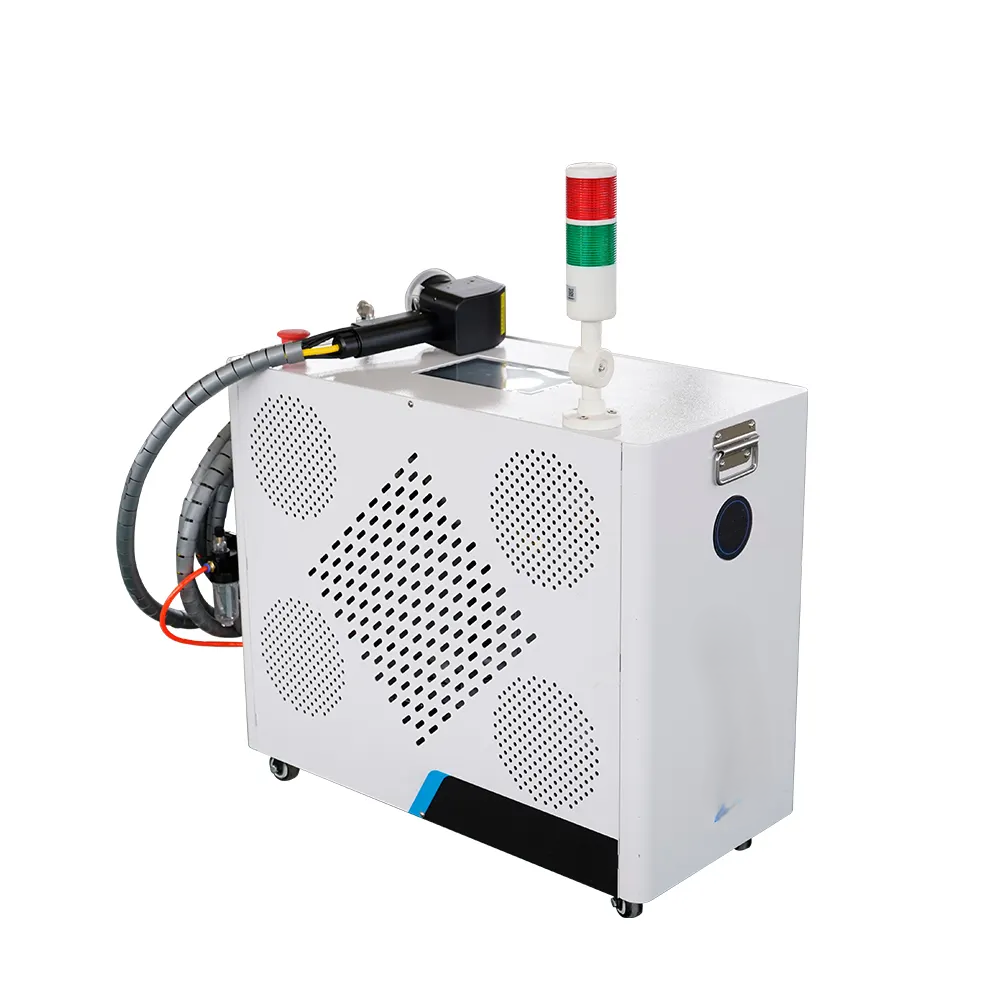
An automated laser welding machine represents cutting-edge manufacturing technology that revolutionizes how industries approach precision joining processes. This sophisticated equipment combines high-powered laser technology with computer-controlled automation systems to deliver consistent, high-quality welding results across diverse materials and applications. The automated laser welding machine operates by generating a concentrated beam of coherent light that creates localized heating, melting the workpiece materials to form strong, permanent joints. The main functions of an automated laser welding machine encompass precise material joining, seam tracking, quality monitoring, and process documentation. These systems excel in creating narrow, deep penetration welds with minimal heat-affected zones, ensuring structural integrity while maintaining aesthetic appeal. The technological features include programmable welding parameters, real-time process monitoring, adaptive control systems, and integrated safety protocols. Advanced automated laser welding machine models incorporate vision systems for joint recognition, robotic positioning arms for complex geometries, and sophisticated cooling systems for continuous operation. The applications span automotive manufacturing, aerospace components, medical device production, electronics assembly, and precision tooling. In automotive sectors, automated laser welding machine technology enables the joining of dissimilar materials, creating lightweight yet strong vehicle structures. Aerospace applications benefit from the precision and repeatability that automated laser welding machine systems provide when working with critical components requiring exceptional quality standards. Medical device manufacturers rely on automated laser welding machine capabilities for creating hermetic seals and biocompatible joints. The technology proves invaluable in electronics where component miniaturization demands extremely precise welding capabilities. Industrial tooling applications leverage automated laser welding machine systems for creating durable cutting tools and specialized fixtures that withstand demanding operational conditions.

New Product Recommendations

The automated laser welding machine delivers numerous practical benefits that directly impact manufacturing efficiency and product quality. Speed represents a primary advantage, as automated laser welding machine systems complete welding operations significantly faster than conventional methods. This increased throughput translates to higher production volumes and reduced manufacturing costs per unit. Precision stands as another key benefit, with automated laser welding machine technology achieving tolerances that manual welding simply cannot match. The computer-controlled positioning ensures consistent weld placement and penetration depth across every component. Quality consistency emerges as a major advantage since automated laser welding machine systems eliminate human variability from the welding process. Each weld receives identical parameters, pressure application, and timing, resulting in uniform joint strength throughout production runs. Cost reduction becomes apparent through multiple channels when implementing automated laser welding machine technology. Labor costs decrease as fewer skilled operators are required, while material waste diminishes due to precise heat application and minimal spatter generation. Energy efficiency provides ongoing operational savings, as automated laser welding machine systems consume less power than traditional arc welding equipment while delivering superior results. Versatility represents another significant advantage, enabling automated laser welding machine systems to handle various material types, thicknesses, and joint configurations without extensive setup changes. Safety improvements occur naturally since automated laser welding machine operations reduce operator exposure to intense light, fumes, and heat. The enclosed working environment and automated material handling minimize workplace accidents and health risks. Maintenance requirements remain minimal compared to conventional welding equipment, as automated laser welding machine systems feature fewer moving parts and self-diagnostic capabilities. Documentation capabilities provide comprehensive process records, enabling quality traceability and continuous improvement initiatives. Remote monitoring allows supervisors to oversee multiple automated laser welding machine stations simultaneously, optimizing resource allocation and identifying potential issues before they impact production. The technology scales effectively from prototype development through high-volume manufacturing, making automated laser welding machine investments valuable for growing businesses.

Practical Tips

How do I ensure the safety of operators when using a laser drilling machine?

19

Nov

How do I ensure the safety of operators when using a laser drilling machine?

Laser drilling machines have revolutionized precision manufacturing across industries, offering unparalleled accuracy and efficiency for creating micro-holes in various materials. However, the powerful laser beams used in these systems pose significa...
View More
How Does Scanlab Technology Improve the Precision of Laser Applications?

19

Nov

How Does Scanlab Technology Improve the Precision of Laser Applications?

Scanlab Technology represents a revolutionary advancement in laser precision control systems, fundamentally transforming how industries approach laser-based manufacturing and processing applications. This cutting-edge technology has established new b...
View More
How Does the Power Output of a Laser Source Affect Its Performance?

22

Sep

How Does the Power Output of a Laser Source Affect Its Performance?

Understanding the Critical Role of Power Output in Laser Applications The relationship between a laser source and its power output fundamentally shapes the capabilities and effectiveness of laser systems across countless applications. From industrial...
View More
Field Lens Technology: Latest Innovations Explained

21

Oct

Field Lens Technology: Latest Innovations Explained

Revolutionary Advances in Optical Engineering The evolution of field lens technology represents one of the most significant breakthroughs in modern optical engineering. These sophisticated optical elements have transformed how we capture, process, an...
View More

Get a Free Quote

Our representative will contact you soon.
Email
Name
Company Name
Message
0/1000

automated laser welding machine

Precision Engineering Excellence

Precision Engineering Excellence

The precision engineering capabilities of an automated laser welding machine set new standards for manufacturing accuracy and repeatability. This advanced technology achieves positional accuracy within micrometers, ensuring that every weld placement meets exact specifications regardless of production volume. The automated laser welding machine employs sophisticated servo-driven positioning systems combined with high-resolution vision systems to locate welding points with unprecedented accuracy. This precision extends beyond simple positioning to include weld penetration depth, bead width, and heat input control, creating joints that meet the most demanding engineering specifications. The importance of this precision becomes evident in industries where component failure could have catastrophic consequences, such as aerospace, medical devices, and automotive safety systems. An automated laser welding machine eliminates the variability inherent in manual welding processes, where operator fatigue, skill differences, and environmental factors can compromise weld quality. The value proposition for customers includes reduced rejection rates, elimination of costly rework, and the ability to manufacture products that meet increasingly stringent quality standards. Furthermore, the precision capabilities of an automated laser welding machine enable manufacturers to work with thinner materials and create more complex geometries that would be impossible with conventional welding methods. This opens new design possibilities and allows for weight reduction without compromising structural integrity. The consistent precision also facilitates lean manufacturing principles by reducing inspection requirements and enabling just-in-time production strategies. Quality control becomes more predictable and manageable when using an automated laser welding machine, as the consistent process parameters generate statistically reliable outcomes. This reliability translates directly into customer confidence and brand reputation, as products manufactured using automated laser welding machine technology demonstrate superior performance and longevity in field applications.
Advanced Process Control and Intelligence

Advanced Process Control and Intelligence

The advanced process control and intelligence features of an automated laser welding machine transform traditional welding from a skill-dependent craft into a data-driven, optimized manufacturing process. Modern automated laser welding machine systems integrate artificial intelligence algorithms that continuously monitor weld quality in real-time, making instantaneous adjustments to maintain optimal parameters throughout the welding cycle. This intelligent control system analyzes multiple variables simultaneously, including material temperature, joint gap variations, surface conditions, and ambient environmental factors, then adjusts laser power, welding speed, and focal position accordingly. The importance of this intelligence cannot be overstated in today's manufacturing environment, where zero-defect production goals and lean manufacturing principles demand consistent, predictable outcomes. An automated laser welding machine equipped with advanced process control reduces the learning curve for operators while simultaneously improving overall production efficiency. The system learns from each welding operation, building a database of optimal parameters for different material combinations and joint configurations. This accumulated knowledge enables the automated laser welding machine to suggest process improvements and predict potential quality issues before they occur. For customers, this translates into reduced training costs, lower scrap rates, and improved production scheduling reliability. The diagnostic capabilities provide detailed process documentation that supports quality certifications and regulatory compliance requirements. Predictive maintenance features analyze system performance trends to schedule maintenance activities proactively, minimizing unexpected downtime and extending equipment life. The integration capabilities allow the automated laser welding machine to communicate with enterprise resource planning systems, providing real-time production data for inventory management and customer delivery commitments. This connectivity enables manufacturers to implement Industry 4.0 concepts effectively, creating smart factories that respond dynamically to changing market demands while maintaining consistent quality standards.
Exceptional Versatility and Adaptability

Exceptional Versatility and Adaptability

The exceptional versatility and adaptability of an automated laser welding machine provide manufacturers with unprecedented flexibility to address diverse welding challenges across multiple industries and applications. This remarkable versatility stems from the fundamental characteristics of laser welding technology combined with sophisticated automation systems that can be programmed and reconfigured for various tasks. An automated laser welding machine can seamlessly transition between different material types, including steel, aluminum, titanium, copper, and advanced alloys, without requiring extensive tooling changes or lengthy setup procedures. The adaptability extends to joint configurations, enabling the system to perform butt joints, lap joints, fillet welds, and complex three-dimensional seams with equal proficiency. This flexibility proves invaluable for manufacturers serving multiple markets or producing diverse product lines, as a single automated laser welding machine can replace multiple conventional welding stations. The importance of this versatility becomes apparent when considering the rapid pace of product development cycles and changing market demands that characterize modern manufacturing. Companies can respond quickly to new opportunities without significant capital investments in specialized equipment. The programmable nature of an automated laser welding machine allows operators to store unlimited welding programs, enabling rapid changeovers between different products or production runs. This capability supports both high-volume manufacturing and custom fabrication requirements, making the technology suitable for companies of all sizes. The value proposition includes reduced equipment costs, improved floor space utilization, and enhanced production scheduling flexibility. Furthermore, the automated laser welding machine can accommodate varying material thicknesses and surface conditions through automatic parameter adjustment, reducing the need for extensive material preparation. The system can weld dissimilar materials that would be impossible to join using conventional methods, opening new possibilities for innovative product designs and material optimization strategies. This adaptability extends to future requirements, as software updates and hardware modifications can enhance capabilities without requiring complete system replacement, protecting the customer's investment over the long term.

Get a Free Quote

Our representative will contact you soon.
Email
Name
Company Name
Message
0/1000