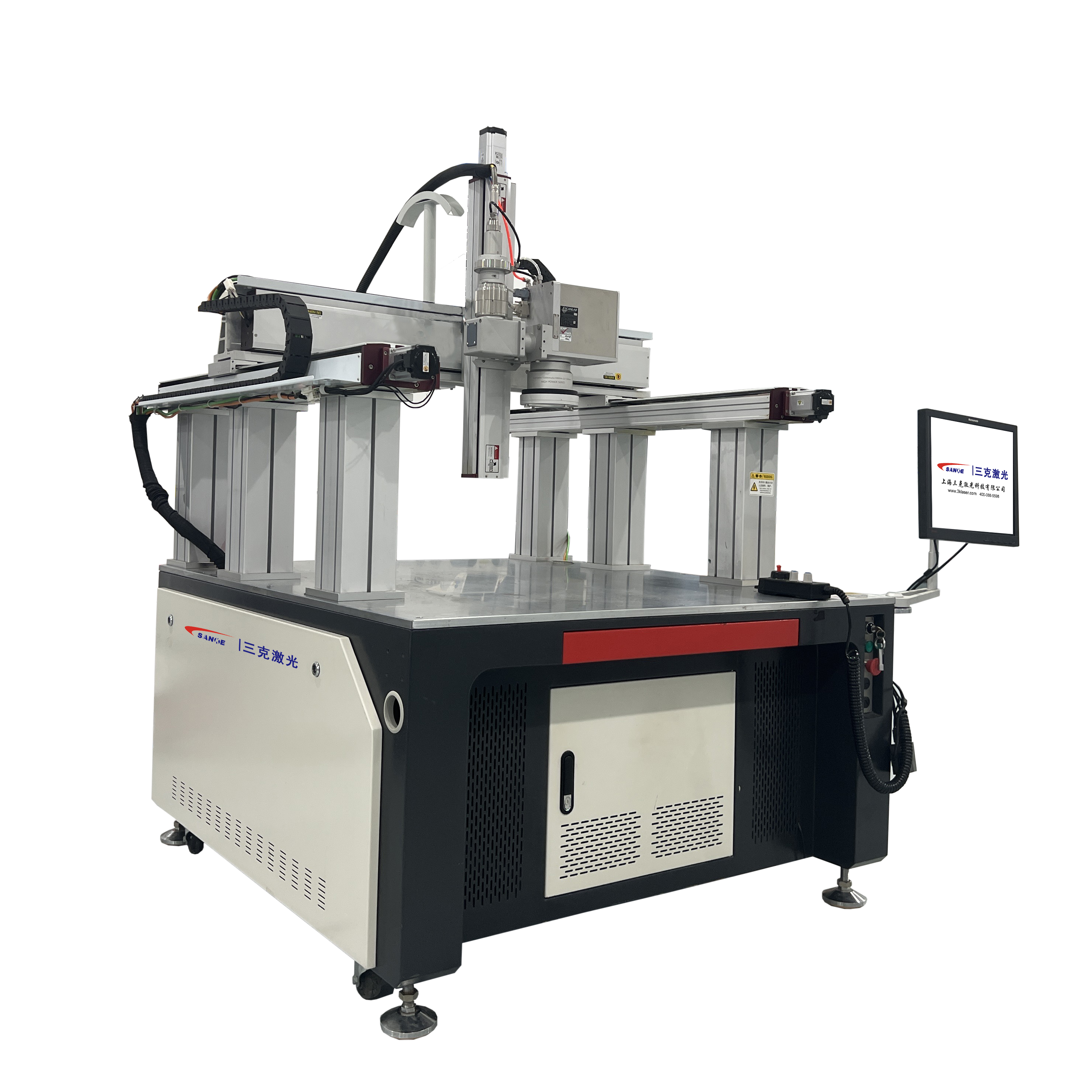
laser welding robot-0

Advanced Laser Welding Robot Systems - Precision Automation Solutions for Modern Manufacturing

Get a Free Quote

Our representative will contact you soon.
Email
Name
Company Name
Message
0/1000

laser welding robot

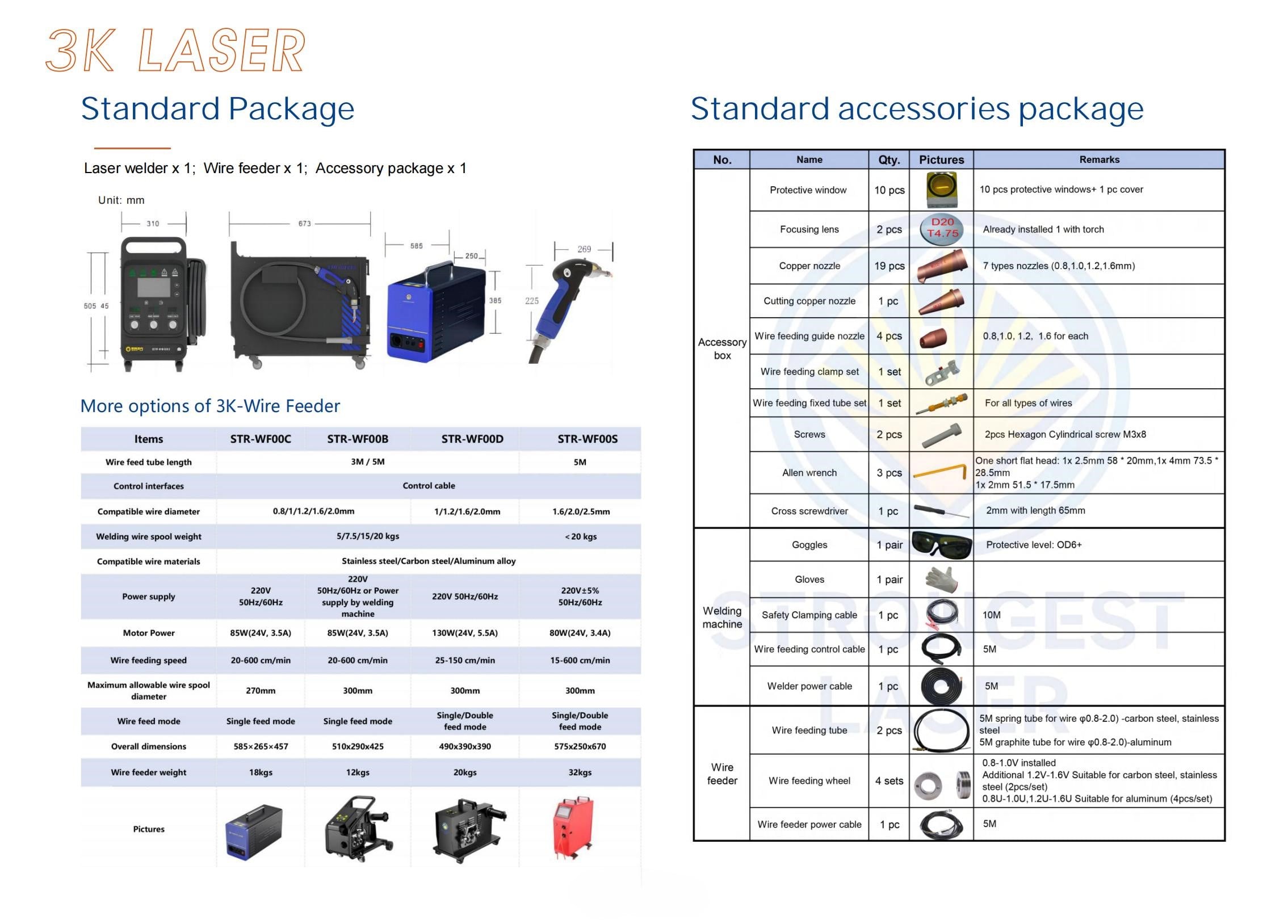
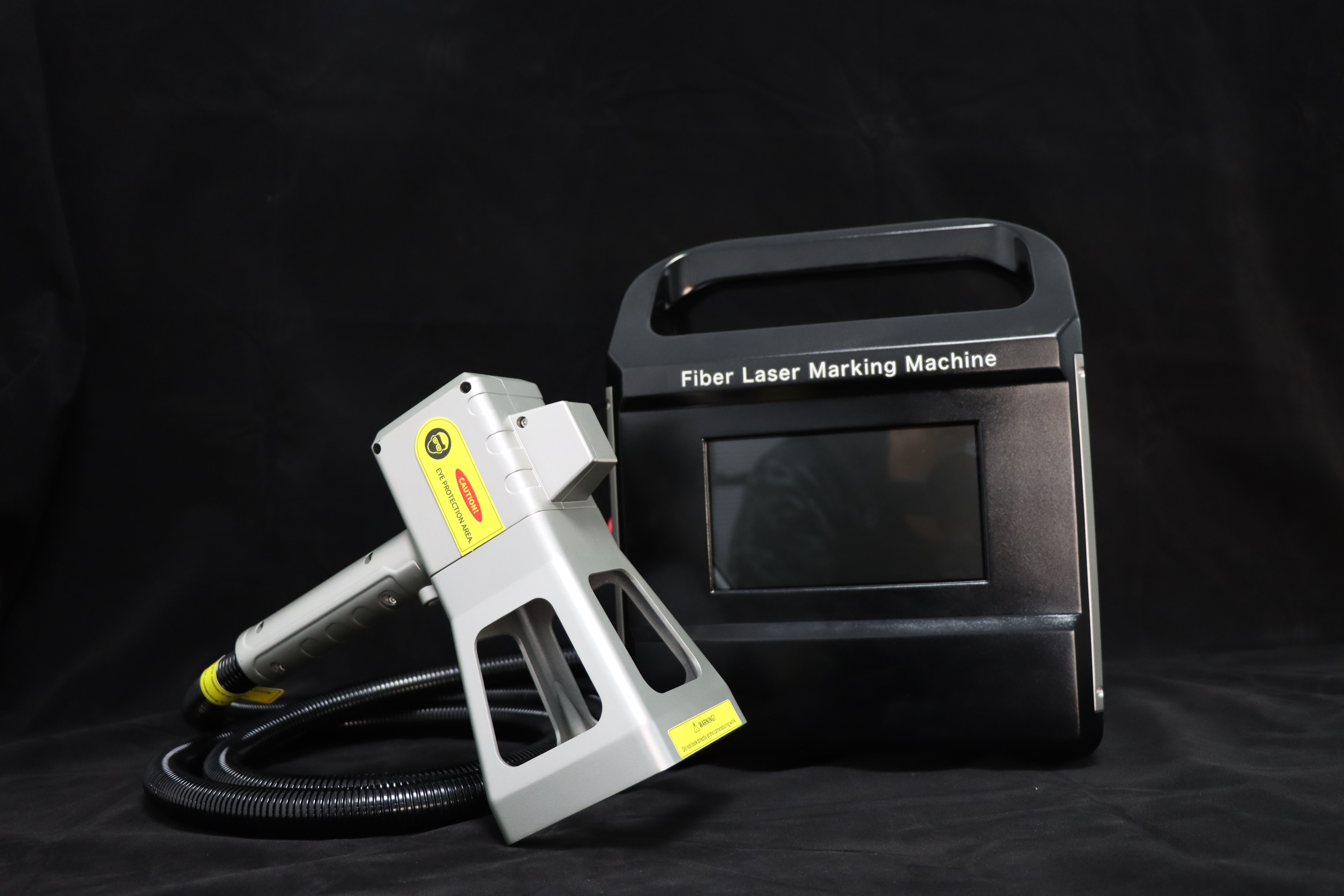
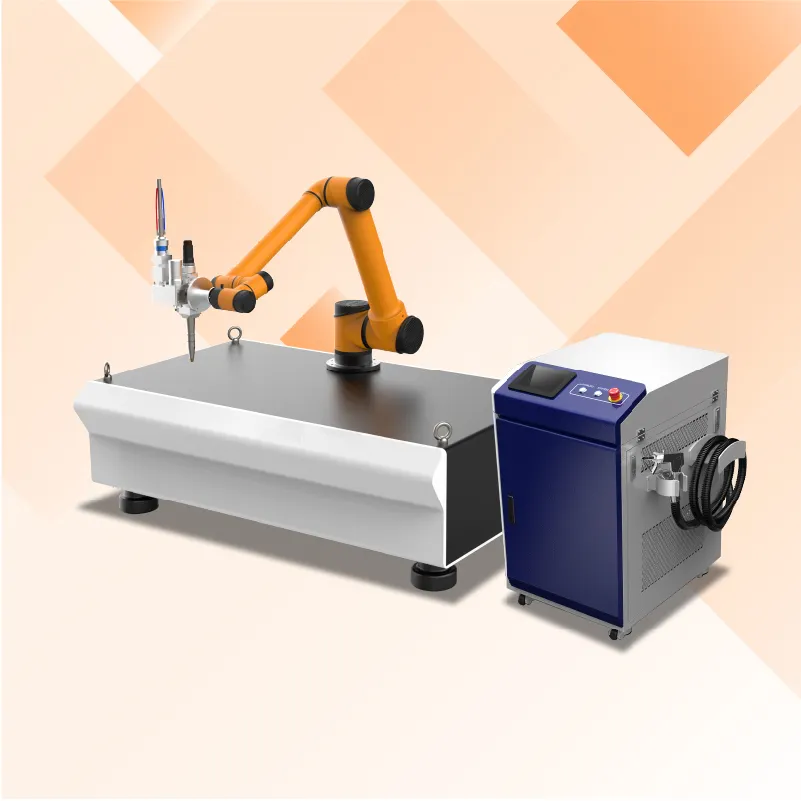
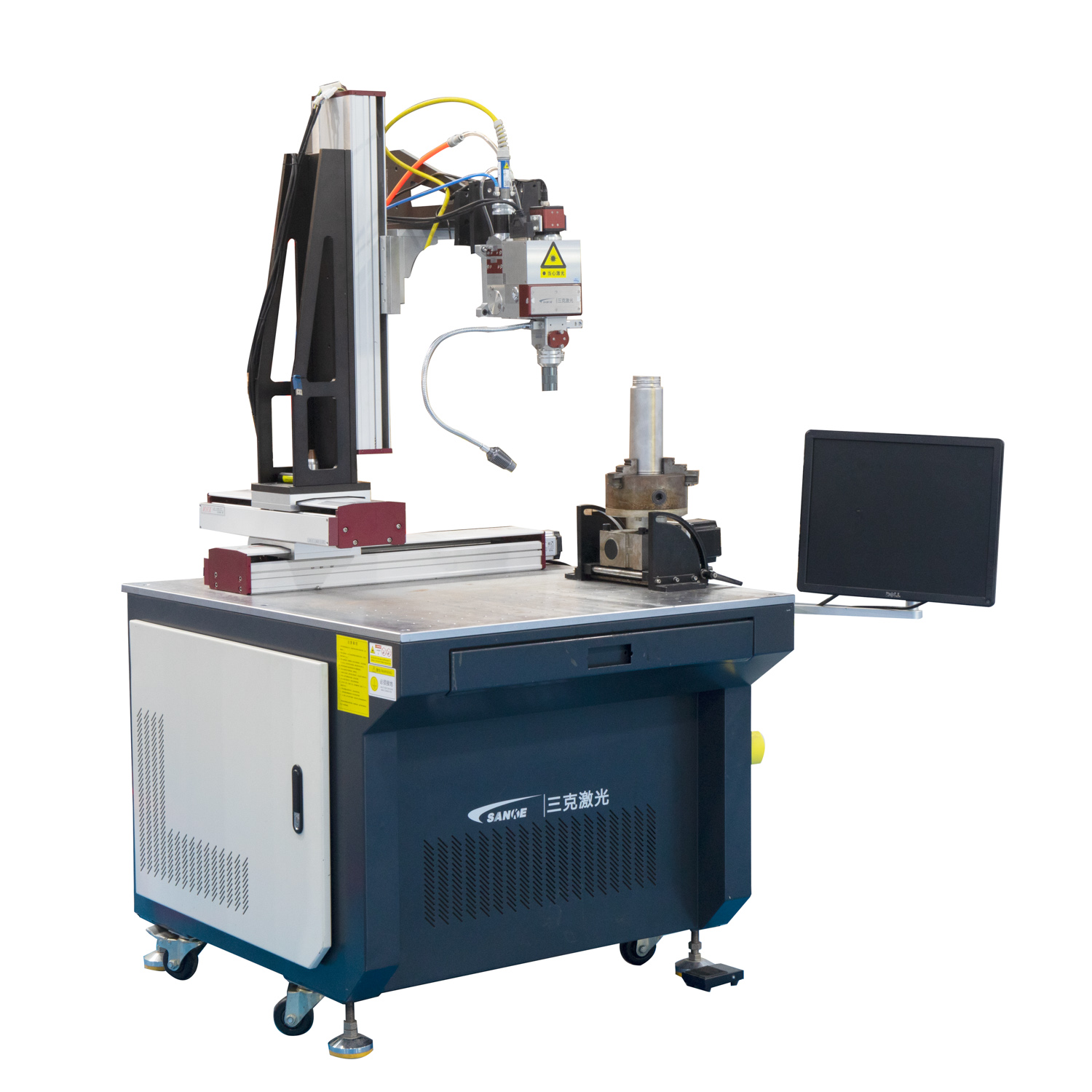
A laser welding robot represents a cutting-edge fusion of precision automation and advanced optical technology, designed to deliver exceptional welding performance across diverse manufacturing environments. This sophisticated system combines robotic arms with high-powered laser sources to create precise, clean, and durable welds on various materials including steel, aluminum, titanium, and specialized alloys. The laser welding robot operates by focusing concentrated laser beams onto targeted weld points, generating intense heat that melts and fuses materials together with remarkable accuracy. These systems typically feature multi-axis robotic arms that provide exceptional flexibility and positioning capabilities, enabling complex welding patterns and accessing difficult-to-reach areas with ease. Modern laser welding robot units incorporate advanced control systems that monitor welding parameters in real-time, automatically adjusting power levels, beam focus, and movement speed to maintain optimal weld quality throughout the entire process. The technology utilizes fiber laser sources, diode lasers, or CO2 lasers depending on specific application requirements, with each type offering distinct advantages for different material types and thicknesses. Integration capabilities allow seamless connection with existing production lines through programmable logic controllers and industrial communication protocols. Safety features include protective enclosures, interlock systems, and beam containment measures that ensure operator protection during operation. The laser welding robot excels in producing narrow heat-affected zones, minimal distortion, and superior joint strength compared to traditional welding methods. Vision systems and sensors provide quality monitoring capabilities, detecting potential defects and ensuring consistent results. These robotic systems support both continuous and pulsed welding modes, accommodating various production requirements from high-speed assembly line operations to precision prototype development. Programming interfaces offer user-friendly operation through teach pendant controls and computer-aided programming software, enabling quick setup and modification of welding programs for different products and specifications.

Popular Products

Laser welding robot technology delivers substantial operational benefits that directly impact manufacturing efficiency and product quality. Speed represents a primary advantage, as these systems complete welding tasks significantly faster than manual or conventional automated methods. The concentrated energy delivery of laser sources enables rapid heating and cooling cycles, reducing overall processing time per component while maintaining superior weld integrity. This increased throughput translates to higher production volumes and improved delivery schedules for manufacturers. Precision stands as another critical benefit, with laser welding robot systems achieving positioning accuracy within micrometers. This exceptional precision eliminates the variations commonly associated with human operators, ensuring consistent weld placement and quality across entire production runs. The result is reduced scrap rates, fewer rework requirements, and enhanced customer satisfaction through improved product reliability. Cost reduction emerges through multiple pathways when implementing laser welding robot technology. Labor costs decrease substantially as these systems operate continuously without breaks, overtime compensation, or benefits expenses. Material waste drops significantly due to precise heat input control, which minimizes burn-through and reduces consumable requirements compared to traditional welding processes. Energy efficiency improvements occur through focused laser energy delivery, consuming less power per weld compared to conventional arc welding systems. Quality improvements manifest through several technical advantages inherent in laser welding robot operation. The concentrated heat source creates narrow fusion zones with minimal thermal distortion, preserving component dimensional accuracy and reducing post-welding machining requirements. Deep penetration capabilities enable single-pass welding of thick sections that would require multiple passes with other methods. The clean welding process produces minimal spatter and oxidation, often eliminating secondary cleaning operations. Flexibility represents a significant operational advantage, allowing laser welding robot systems to handle diverse product designs without extensive retooling. Programming changes accommodate new geometries quickly, supporting rapid product transitions and customization requirements. The systems adapt to various material combinations and thicknesses through parameter adjustments, providing manufacturers with versatile production capabilities. Safety improvements occur through automated operation that removes operators from hazardous welding environments, reducing injury risks and insurance costs. Consistent operation eliminates human fatigue factors that can compromise weld quality during extended production periods. These combined advantages create compelling value propositions for manufacturers seeking to enhance competitiveness through advanced automation technology.

Latest News

Can a laser drilling machine be integrated into an automated production line?

19

Nov

Can a laser drilling machine be integrated into an automated production line?

Modern manufacturing demands unprecedented levels of precision, efficiency, and automation to remain competitive in today's global marketplace. The integration of advanced equipment into automated production lines has become essential for manufacture...
View More
How Does Handheld Laser Welding Compare to Traditional Welding Methods?

19

Nov

How Does Handheld Laser Welding Compare to Traditional Welding Methods?

The welding industry has experienced significant technological advancement over the past decade, with handheld laser welding emerging as a revolutionary alternative to conventional welding techniques. This innovative technology represents a paradigm ...
View More
What is a Laser Engraving Machine and How Does It Work?

19

Nov

What is a Laser Engraving Machine and How Does It Work?

A laser engraving machine represents one of the most precise and versatile tools in modern manufacturing and crafting industries. These sophisticated devices utilize focused laser beams to permanently mark, engrave, or cut various materials with exce...
View More
2025 Guide: How to Choose the Perfect Beam Expander

21

Oct

2025 Guide: How to Choose the Perfect Beam Expander

Understanding the Critical Role of Beam Expanders in Modern Optics The optical industry continues to evolve at a rapid pace, and beam expanders have become indispensable components in numerous applications, from laser processing to advanced microscop...
View More

Get a Free Quote

Our representative will contact you soon.
Email
Name
Company Name
Message
0/1000

laser welding robot

Ultra-Precise Positioning and Repeatability Control

Ultra-Precise Positioning and Repeatability Control

The laser welding robot incorporates advanced servo motor technology and high-resolution encoders that deliver positioning accuracy within ±0.05mm, establishing new standards for precision manufacturing applications. This exceptional accuracy stems from sophisticated control algorithms that continuously monitor and adjust robotic arm positions thousands of times per second, compensating for mechanical variations and thermal effects that could compromise weld placement. The system employs closed-loop feedback mechanisms that compare actual positions with programmed coordinates, making real-time corrections to maintain precise trajectories throughout complex welding sequences. Multi-axis synchronization ensures coordinated movement across all robotic joints, enabling smooth motion profiles that prevent vibrations or jerky movements that could affect weld quality. The repeatability performance of these systems consistently achieves ±0.02mm variation between identical welding cycles, guaranteeing uniform results across thousands of production units. This level of consistency proves particularly valuable for industries requiring tight tolerances, such as aerospace components, medical device manufacturing, and precision electronics assembly. Advanced path planning algorithms optimize robot movements to minimize cycle times while maintaining accuracy requirements, calculating efficient trajectories that reduce unnecessary motions and acceleration forces. The positioning system integrates seamlessly with laser focus control, ensuring the beam remains properly positioned relative to the workpiece throughout dynamic welding operations. Calibration procedures maintain accuracy over extended operating periods, with automated routines that detect and correct for gradual mechanical wear or alignment shifts. Temperature compensation features account for thermal expansion effects on robot structure and workpieces, maintaining positioning accuracy across varying environmental conditions. The system supports complex three-dimensional welding paths, including orbital welding around pipes, seam tracking on irregular surfaces, and multi-layer welding sequences that require precise layer positioning. Integration with vision systems enhances positioning capabilities by providing real-time feedback about actual workpiece locations and orientations, enabling automatic compensation for part variations or fixture positioning errors. This exceptional positioning control translates directly into superior weld quality, reduced scrap rates, and enhanced customer confidence in product consistency and reliability.
Intelligent Adaptive Welding Process Control

Intelligent Adaptive Welding Process Control

The laser welding robot features sophisticated process control systems that continuously monitor and adjust welding parameters in real-time, optimizing weld quality and consistency across varying conditions and material properties. Advanced sensors integrated throughout the system collect comprehensive data about laser power output, beam focus position, welding speed, material temperature, and joint geometry, feeding this information to intelligent control algorithms that make instantaneous adjustments to maintain optimal welding conditions. The adaptive control system recognizes variations in material thickness, surface conditions, and joint fit-up, automatically modifying laser parameters to compensate for these differences and ensure consistent penetration and fusion quality. Machine learning capabilities enable the system to improve performance over time, analyzing historical welding data to identify optimal parameter combinations for specific applications and material combinations. Thermal monitoring through infrared sensors and pyrometers provides real-time feedback about weld pool temperature and cooling rates, enabling precise control of heat input to prevent overheating or insufficient fusion. The system automatically adjusts welding speed and laser power to maintain consistent thermal profiles, particularly important for materials sensitive to heat input variations such as aluminum alloys or high-strength steels. Seam tracking technology utilizes laser triangulation sensors or vision systems to follow joint paths accurately, compensating for part variations or fixture positioning errors that could compromise weld placement. This capability proves essential for applications involving stamped parts, castings, or assemblies with inherent dimensional variations. Gap detection and fill control automatically identify joint gaps and adjust parameters to ensure complete penetration and proper fill, eliminating common defects associated with poor fit-up conditions. Quality monitoring features continuously assess weld characteristics during formation, detecting potential defects such as porosity, lack of fusion, or excessive penetration before they become permanent quality issues. The system can automatically halt operation and alert operators when parameters drift outside acceptable ranges, preventing production of defective components. Integration capabilities allow seamless communication with enterprise resource planning systems, providing production data, quality metrics, and maintenance schedules that support comprehensive manufacturing management. Process documentation features automatically record all welding parameters and results, creating detailed traceability records that support quality certifications and regulatory compliance requirements essential for aerospace, medical, and automotive applications.
Comprehensive Safety and Environmental Protection Systems

Comprehensive Safety and Environmental Protection Systems

The laser welding robot incorporates multiple layers of safety protection designed to safeguard operators, equipment, and the surrounding environment while maintaining optimal productivity levels. Class 1 laser safety compliance ensures complete beam containment during normal operation, utilizing specially designed enclosures with interlocked access panels that immediately disable laser operation when opened. Advanced beam delivery systems include fail-safe mechanisms that automatically terminate laser output in case of fiber damage, connector failure, or unexpected beam path obstructions, preventing potential exposure hazards. Emergency stop systems provide multiple activation points throughout the work area, enabling immediate shutdown of all robot motion and laser operation from any location where personnel might be present. Comprehensive safety monitoring continuously evaluates system status, checking door positions, light curtain integrity, and emergency circuit continuity to ensure all protective measures remain functional. The enclosed design incorporates specialized fume extraction systems that capture and filter welding emissions, maintaining clean air quality in the work environment and protecting operators from potential health hazards associated with metal vapors and particulates. High-efficiency particulate air filtration removes submicron particles generated during laser welding, while activated carbon filters eliminate odors and volatile organic compounds that may be produced from certain materials or surface treatments. Noise reduction features include acoustic enclosures and vibration dampening materials that minimize operational noise levels, creating more comfortable working conditions and reducing long-term hearing damage risks for nearby personnel. Collision detection systems monitor robot movements and automatically stop motion when unexpected resistance or contact is detected, preventing damage to equipment, workpieces, or fixtures while protecting personnel who might inadvertently enter the robot workspace. Ergonomic considerations include adjustable workpiece loading stations, intuitive control interfaces positioned for comfortable operation, and clear sight lines for process monitoring that reduce operator fatigue and improve productivity. Environmental protection extends to energy efficiency measures that minimize power consumption through optimized laser duty cycles and standby modes that reduce energy usage during idle periods. Temperature control systems maintain optimal operating conditions for laser sources and robotic components, extending equipment life and maintaining consistent performance across varying ambient conditions. Comprehensive diagnostic systems continuously monitor component health and performance, providing predictive maintenance alerts that prevent unexpected failures and minimize unplanned downtime. Integration with facility safety systems enables coordination with fire suppression, ventilation, and security systems, ensuring comprehensive protection for personnel, equipment, and facilities while supporting efficient production operations and regulatory compliance requirements across diverse industrial applications.

Get a Free Quote

Our representative will contact you soon.
Email
Name
Company Name
Message
0/1000