laser machine cutting-0

Advanced Laser Machine Cutting Solutions - Precision Manufacturing Technology

Get a Free Quote

Our representative will contact you soon.
Email
Name
Company Name
Message
0/1000

laser machine cutting

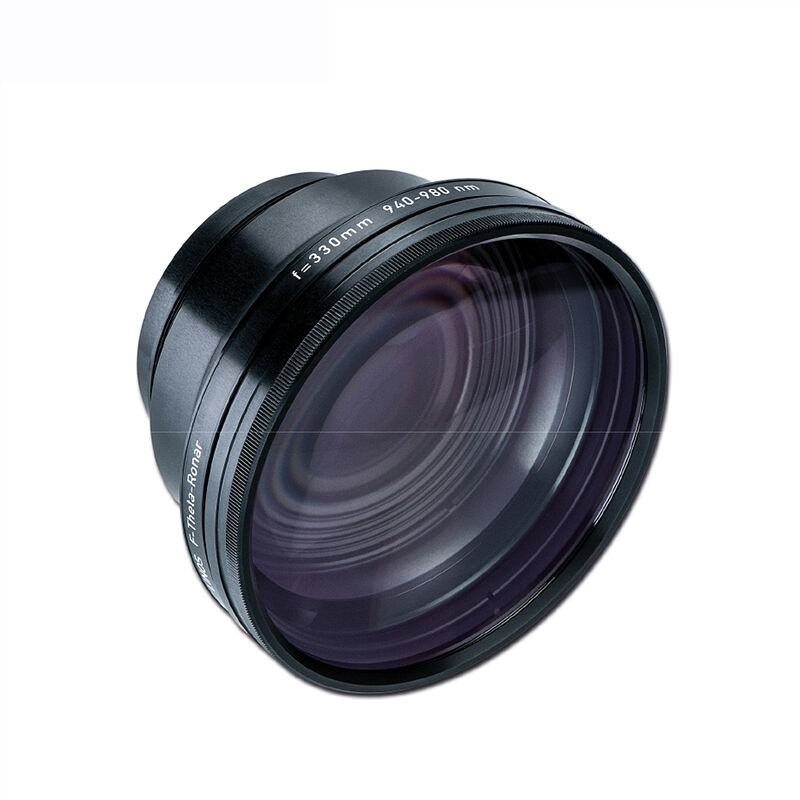
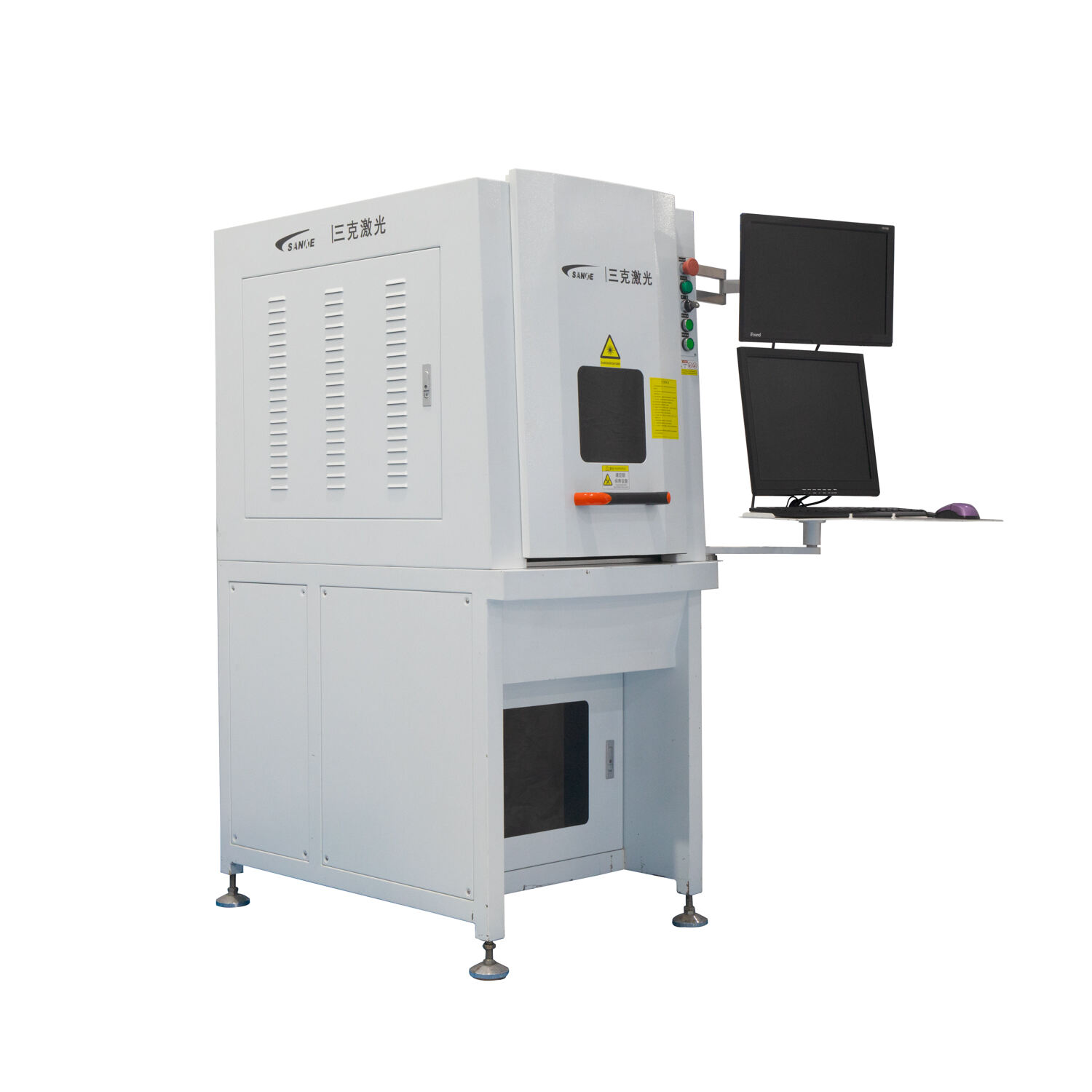
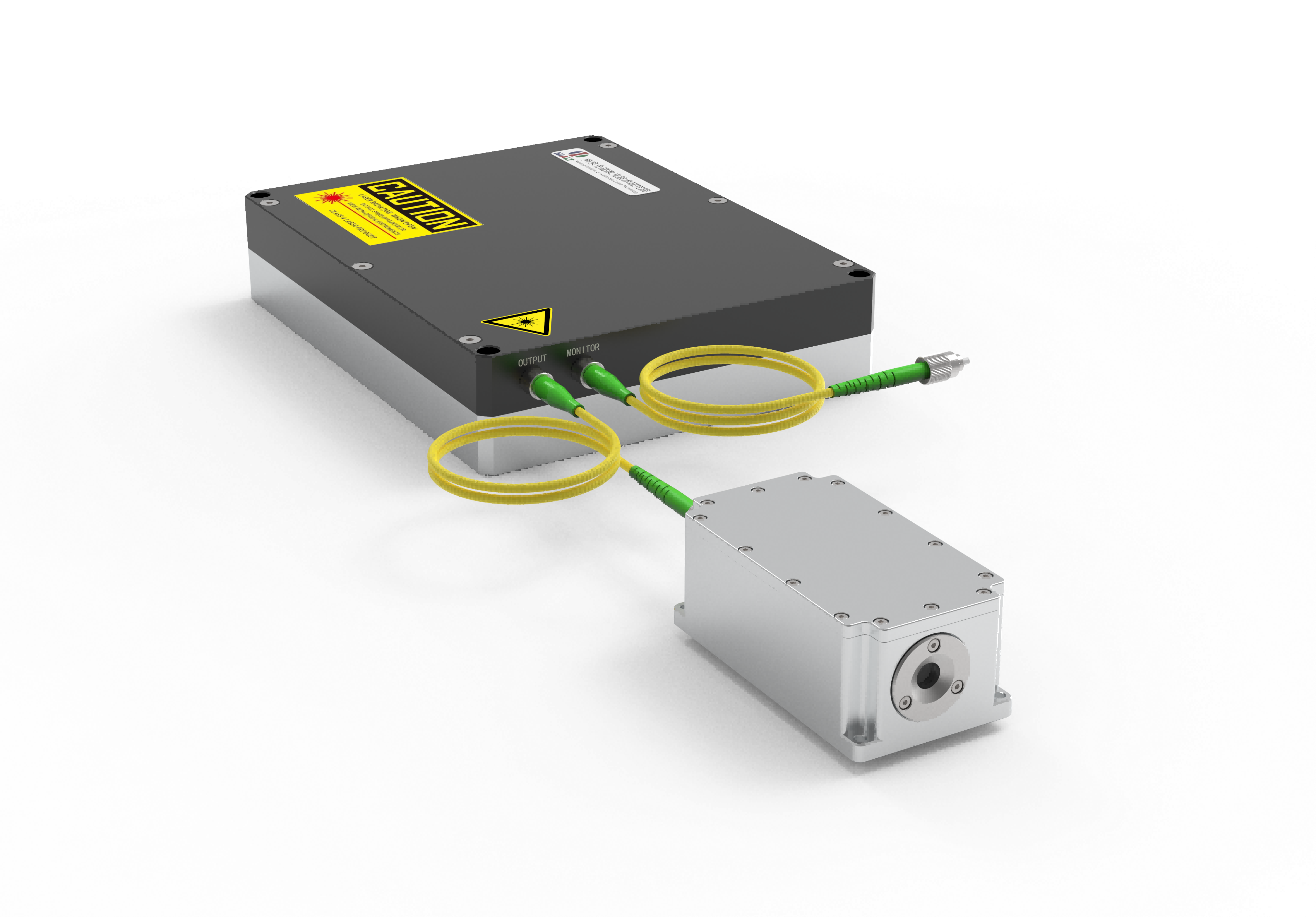
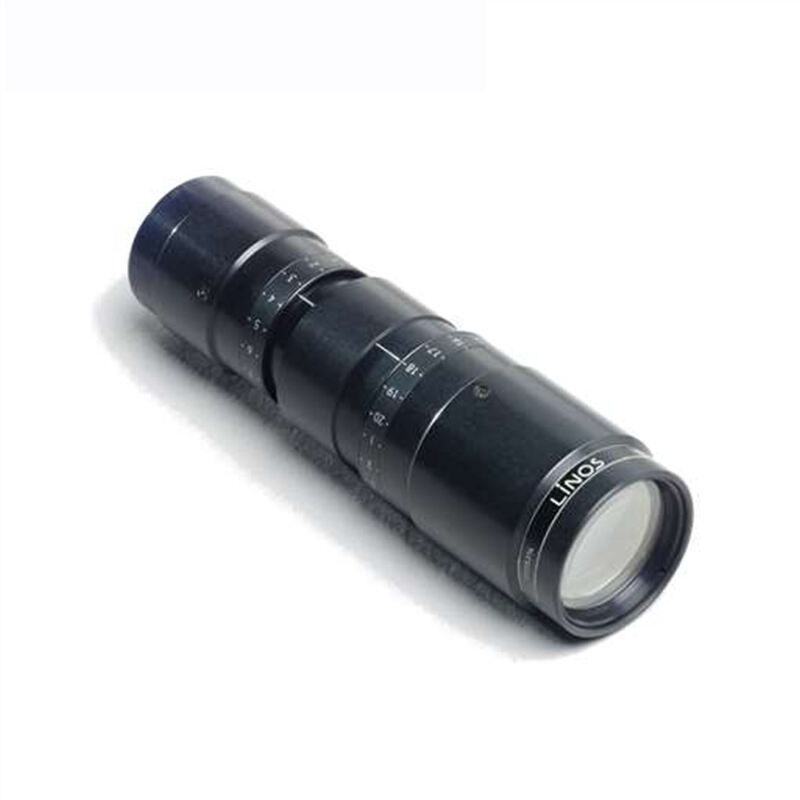
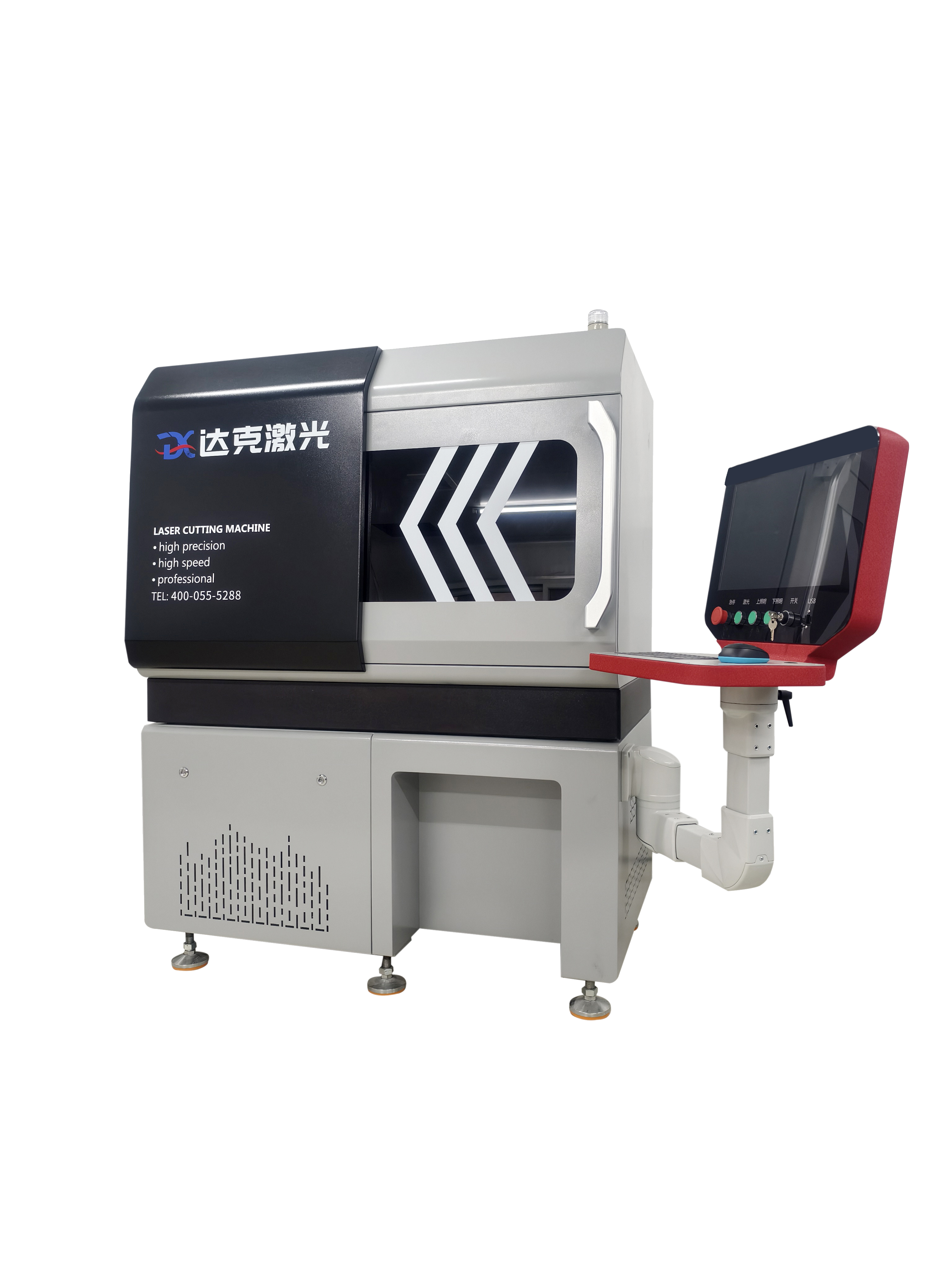
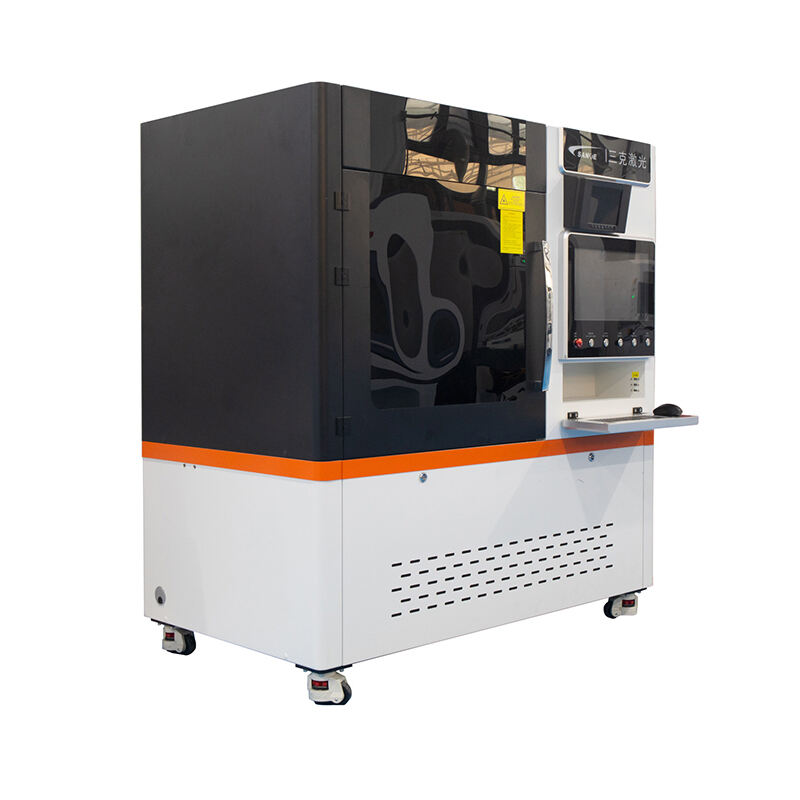
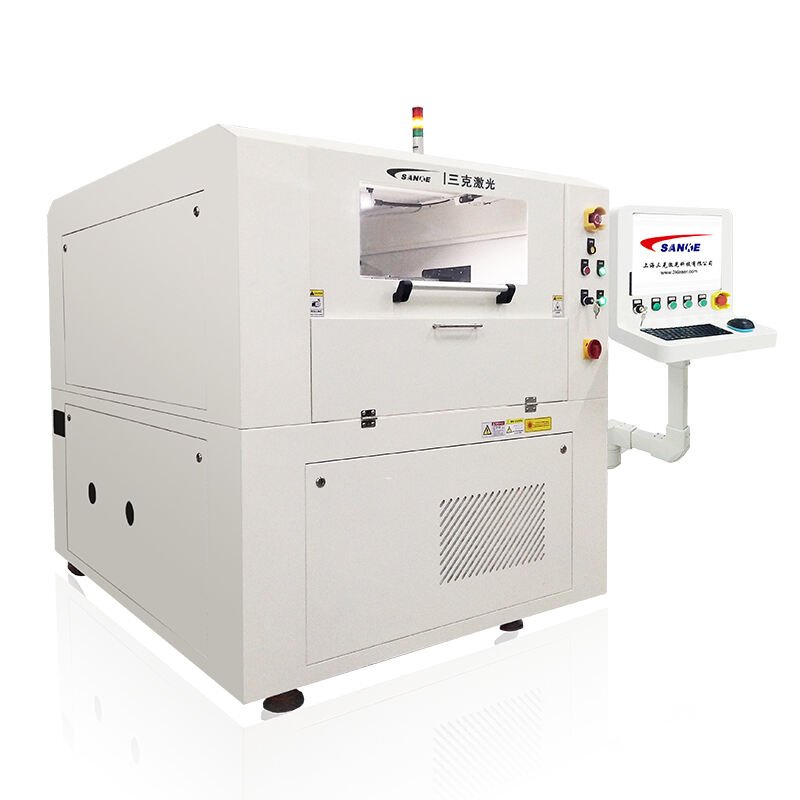
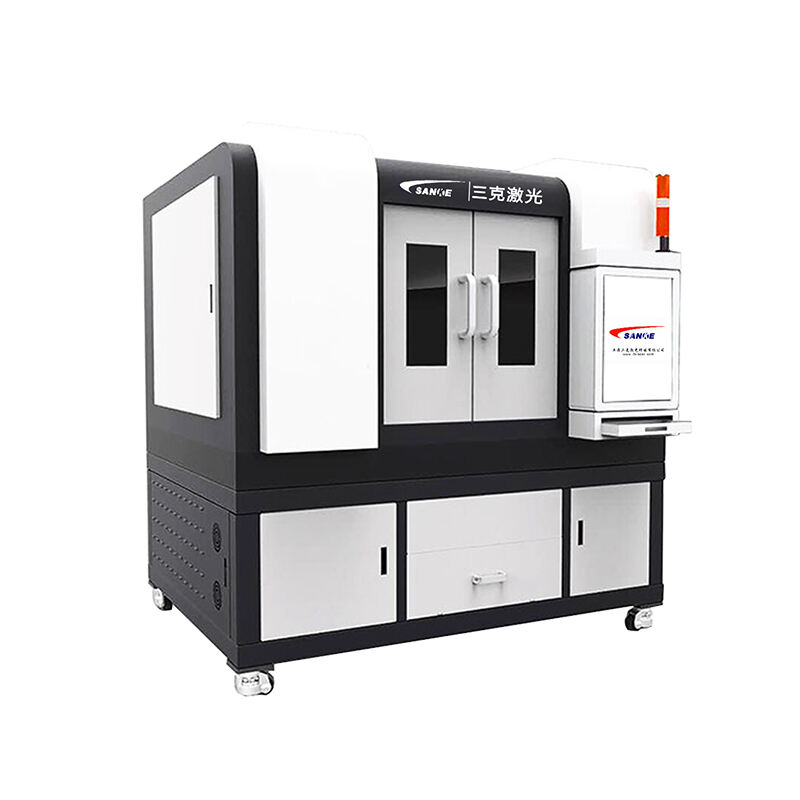
Laser machine cutting represents a revolutionary manufacturing technology that utilizes concentrated light beams to slice through various materials with exceptional precision and speed. This advanced process employs high-powered laser beams generated through stimulated emission of light, creating an intensely focused energy source capable of melting, burning, or vaporizing material along predetermined cutting paths. The laser machine cutting system consists of several critical components including the laser generator, beam delivery system, cutting head, motion control system, and computer numerical control interface. The laser generator produces coherent light through various mediums such as CO2 gas mixtures, fiber optic cables, or crystal materials, each offering distinct wavelengths optimized for specific material types. Modern laser machine cutting equipment incorporates sophisticated beam focusing mechanisms that concentrate laser energy into extremely small focal points, typically measuring between 0.1 to 0.3 millimeters in diameter. This concentrated energy density enables the system to achieve cutting speeds ranging from several meters per minute for thick materials to hundreds of meters per minute for thin sheets. The technology supports multiple cutting modes including continuous wave operation for thick materials and pulsed operation for delicate applications requiring minimal heat affected zones. Computer-controlled positioning systems guide the laser beam along programmed cutting paths with remarkable accuracy, maintaining tolerances as tight as ±0.02 millimeters across large workpieces. The laser machine cutting process operates through thermal mechanisms where focused laser energy rapidly heats material to melting or vaporization temperatures, while assist gases such as oxygen, nitrogen, or compressed air help remove molten material and maintain cut quality. Applications span across diverse industries including automotive manufacturing, aerospace engineering, electronics production, architectural metalwork, signage creation, textile processing, and medical device fabrication, demonstrating the versatility and reliability of laser machine cutting technology in modern manufacturing environments.

New Product Recommendations

Laser machine cutting delivers numerous compelling advantages that make it the preferred choice for manufacturers seeking superior quality, efficiency, and versatility in their production processes. The precision capabilities of laser machine cutting surpass traditional mechanical cutting methods by achieving tolerances within micrometers, ensuring consistent part quality regardless of production volume. This exceptional accuracy eliminates the need for secondary finishing operations in many applications, reducing overall manufacturing costs and lead times significantly. The non-contact nature of laser machine cutting prevents tool wear and material deformation commonly associated with conventional cutting techniques, resulting in cleaner edges and reduced material waste. Speed represents another major advantage, as laser machine cutting systems can process materials at rates far exceeding traditional methods while maintaining superior edge quality. The technology adapts seamlessly to complex geometries and intricate patterns that would prove challenging or impossible with mechanical cutting tools, expanding design possibilities for engineers and manufacturers. Versatility stands out as a key benefit, enabling laser machine cutting systems to process diverse materials including metals, plastics, composites, ceramics, wood, fabric, and glass using the same equipment with simple parameter adjustments. This flexibility reduces capital equipment requirements and simplifies production planning for companies handling multiple material types. The automated nature of laser machine cutting minimizes human intervention, reducing labor costs while improving workplace safety by eliminating exposure to sharp cutting tools and repetitive motions. Quality consistency remains exceptional throughout production runs, as computer-controlled systems maintain identical cutting parameters for each part, eliminating human error variables that affect traditional cutting processes. Environmental benefits include reduced material waste through optimized nesting algorithms and minimal secondary processing requirements, contributing to sustainable manufacturing practices. The technology supports rapid prototyping and small batch production economically, allowing manufacturers to respond quickly to market demands without significant setup costs. Heat affected zones remain minimal in properly configured laser machine cutting operations, preserving material properties and structural integrity near cut edges. Integration capabilities with existing manufacturing systems streamline workflow management, enabling seamless data exchange between design software and production equipment for enhanced operational efficiency.

Practical Tips

How does the maintenance of a laser drilling machine impact its performance and lifespan?

19

Nov

How does the maintenance of a laser drilling machine impact its performance and lifespan?

Proper maintenance of industrial laser drilling equipment represents one of the most critical factors determining operational efficiency and equipment longevity in modern manufacturing environments. When organizations invest in precision drilling tec...
View More
What is a Laser Engraving Machine and How Does It Work?

19

Nov

What is a Laser Engraving Machine and How Does It Work?

A laser engraving machine represents one of the most precise and versatile tools in modern manufacturing and crafting industries. These sophisticated devices utilize focused laser beams to permanently mark, engrave, or cut various materials with exce...
View More
2025 Guide: How to Choose the Perfect Beam Expander

21

Oct

2025 Guide: How to Choose the Perfect Beam Expander

Understanding the Critical Role of Beam Expanders in Modern Optics The optical industry continues to evolve at a rapid pace, and beam expanders have become indispensable components in numerous applications, from laser processing to advanced microscop...
View More
Fixed vs Variable Beam Expander: Which to Choose?

21

Oct

Fixed vs Variable Beam Expander: Which to Choose?

Understanding Optical Beam Expansion Technology In the world of optics and laser applications, beam expanders play a crucial role in manipulating light beams for various scientific and industrial purposes. These sophisticated optical instruments are ...
View More

Get a Free Quote

Our representative will contact you soon.
Email
Name
Company Name
Message
0/1000

laser machine cutting

Unmatched Precision and Quality Control

Unmatched Precision and Quality Control

The precision capabilities of laser machine cutting technology represent a quantum leap forward in manufacturing accuracy, delivering tolerances that consistently meet the most demanding specifications across diverse industries. Unlike traditional mechanical cutting methods that rely on physical tool contact and are subject to wear, deflection, and vibration, laser machine cutting utilizes focused light energy to achieve cut widths as narrow as 0.1 millimeters with positional accuracy exceeding ±0.02 millimeters. This extraordinary precision stems from the fundamental physics of laser operation, where coherent light beams maintain consistent focus diameter throughout the cutting process, eliminating variables that compromise accuracy in conventional methods. The computer-controlled positioning systems integral to laser machine cutting equipment employ advanced servo motors and precision ball screws that respond to digital commands with exceptional repeatability, ensuring identical results across thousands of production cycles. Quality control benefits extend beyond dimensional accuracy to include superior edge finish characteristics, with laser machine cutting producing smooth, perpendicular cuts that often eliminate the need for secondary finishing operations. The thermal cutting process creates minimal heat affected zones when properly optimized, preserving base material properties while delivering clean, oxide-free edges in many applications. Advanced laser machine cutting systems incorporate real-time monitoring capabilities that detect and compensate for variables such as material thickness variations, surface conditions, and environmental factors, maintaining consistent quality throughout production runs. The technology excels particularly in applications requiring complex geometries, sharp corners, and intricate internal features that challenge traditional cutting methods, enabling manufacturers to realize design concepts previously considered impractical or economically unfeasible. This precision advantage translates directly into reduced scrap rates, eliminated rework costs, and improved customer satisfaction through consistently superior part quality, making laser machine cutting an essential technology for companies competing in quality-sensitive markets where dimensional accuracy and surface finish directly impact product performance and reliability.
Exceptional Material Versatility and Adaptability

Exceptional Material Versatility and Adaptability

The remarkable material versatility of laser machine cutting technology enables manufacturers to process an extensive range of materials using a single platform, dramatically simplifying production planning while expanding capabilities far beyond traditional cutting methods. This adaptability stems from the fundamental nature of laser energy interaction with matter, where different laser wavelengths, power levels, and cutting parameters can be optimized for materials ranging from ultra-thin foils to thick structural plates across metals, polymers, composites, and organic materials. CO2 laser systems excel in processing non-metallic materials such as acrylic, wood, fabric, leather, and paper, while fiber laser technology demonstrates superior performance with reflective metals including stainless steel, aluminum, brass, and copper that prove challenging for other laser types. The parameter flexibility inherent in laser machine cutting systems allows operators to adjust cutting speed, power level, pulse frequency, and assist gas type to optimize results for each specific material and thickness combination, achieving consistent quality across diverse applications within the same production facility. Advanced laser machine cutting equipment incorporates material databases containing pre-optimized cutting parameters for hundreds of material types and thicknesses, enabling rapid setup changes and reducing the expertise required for successful operation. This versatility proves particularly valuable for job shops and contract manufacturers serving multiple industries, as a single laser machine cutting system can handle automotive components, aerospace parts, electronics enclosures, architectural elements, and decorative items without requiring separate equipment investments. The technology accommodates material thicknesses ranging from delicate films measuring hundredths of millimeters to structural plates exceeding 25 millimeters thick, with cutting quality remaining consistently high throughout this range when proper parameters are employed. Multi-material processing capabilities enable manufacturers to cut dissimilar materials in sequence or even simultaneously in composite assemblies, opening new possibilities for innovative product designs and manufacturing approaches that would prove impossible with conventional cutting technologies.
Superior Economic Efficiency and Production Flexibility

Superior Economic Efficiency and Production Flexibility

The economic advantages of laser machine cutting technology extend far beyond initial equipment considerations to encompass total cost of ownership benefits that significantly impact manufacturing profitability and operational flexibility. Unlike traditional cutting methods that require expensive tooling, frequent replacements, and extensive setup procedures, laser machine cutting operates with minimal consumable costs limited primarily to laser gas, electrical power, and occasional replacement of focusing lenses or nozzles. This advantage becomes particularly pronounced in applications involving frequent design changes or small batch production, where tooling costs for conventional methods can exceed material costs by substantial margins. The rapid setup capabilities of laser machine cutting systems enable economical production of single prototypes through high-volume manufacturing runs using identical equipment and minimal changeover time, providing manufacturers with unprecedented flexibility to respond to market demands. Programming simplicity represents another significant economic benefit, as laser machine cutting systems accept standard CAD file formats directly, eliminating the need for specialized toolpath programming or extensive operator training associated with conventional machine tools. The technology delivers consistent cutting speeds that often exceed traditional methods by factors of three to ten depending on material type and thickness, directly improving throughput and reducing per-part manufacturing costs. Labor efficiency improvements result from the largely automated nature of laser machine cutting operations, allowing single operators to manage multiple systems simultaneously while maintaining quality standards that would require extensive manual inspection with conventional cutting methods. Inventory advantages include reduced raw material requirements through optimized nesting algorithms that maximize material utilization, while the ability to process materials just-in-time reduces carrying costs and warehouse space requirements. Quality consistency eliminates costs associated with rework, scrap, and customer returns, while the precision capabilities often eliminate secondary machining operations that add time and expense to traditional manufacturing processes. The modular nature of modern laser machine cutting systems enables capacity expansion through additional equipment that shares common programming, training, and maintenance resources, providing scalable growth opportunities that align capital investments with business development requirements.

Get a Free Quote

Our representative will contact you soon.
Email
Name
Company Name
Message
0/1000