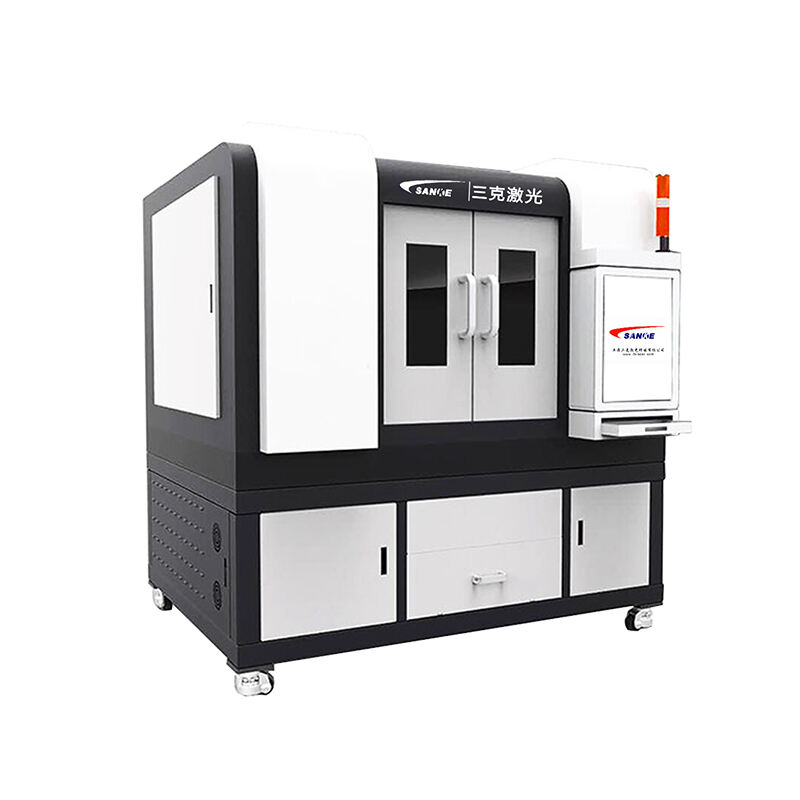
laser cutting machine-0

Professional Laser Cutting Machine Solutions - Precision Manufacturing Equipment

Get a Free Quote

Our representative will contact you soon.
Email
Name
Company Name
Message
0/1000

laser cutting machine

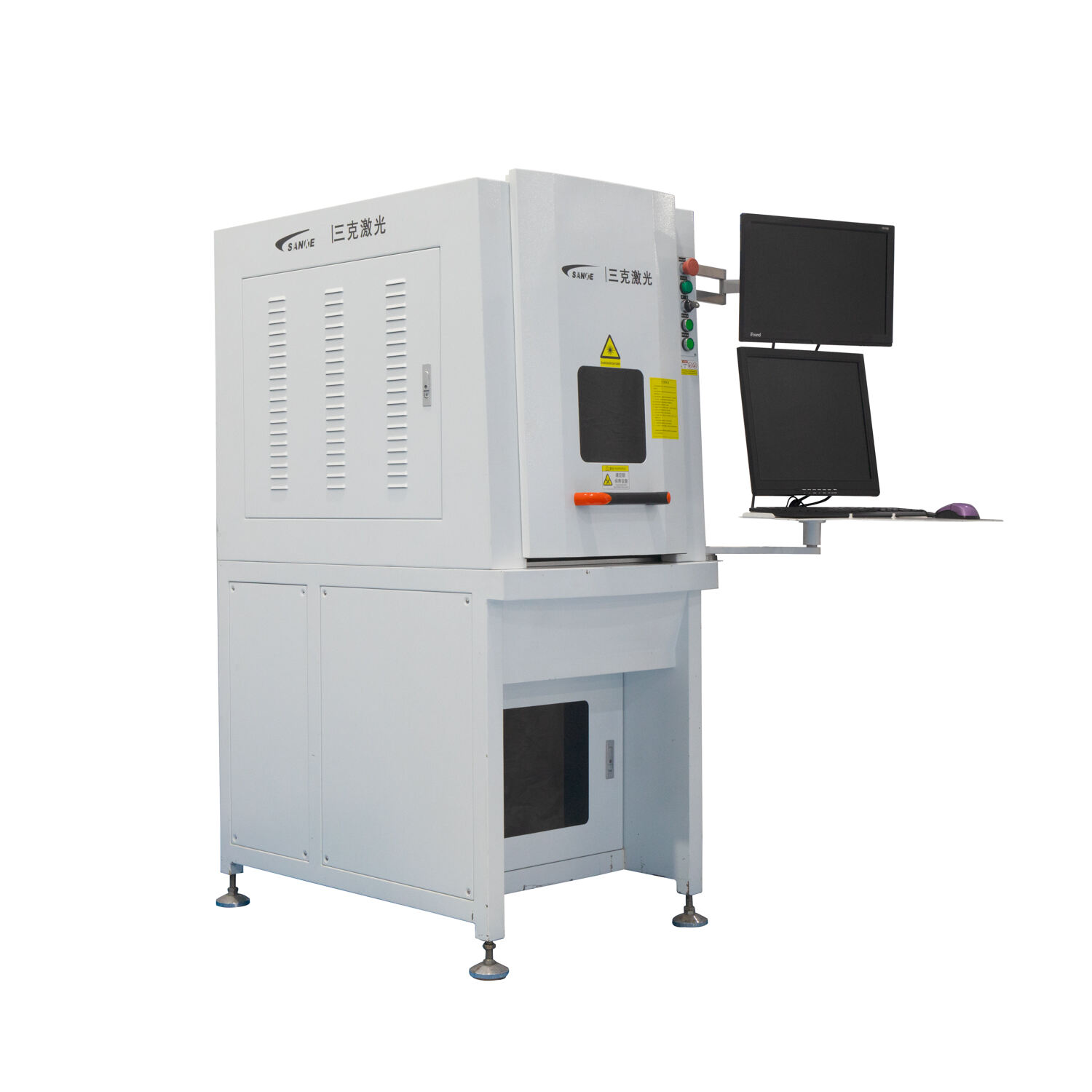
A laser cutting machine represents a revolutionary advancement in manufacturing technology, utilizing high-powered laser beams to cut, engrave, and shape various materials with unprecedented precision. This sophisticated equipment operates by focusing an intense laser beam through a series of mirrors and lenses, creating a concentrated point of energy that can slice through materials ranging from metals and plastics to wood and fabric. The laser cutting machine has transformed modern manufacturing processes by offering superior accuracy, speed, and versatility compared to traditional cutting methods. The core functionality of a laser cutting machine revolves around its ability to generate a coherent light beam that produces intense heat when focused on a material surface. This concentrated energy melts, burns, or vaporizes the material along a predetermined path, creating clean, precise cuts with minimal waste. The machine's computer-controlled system ensures consistent results by following digital design files, enabling manufacturers to reproduce identical parts with exceptional accuracy. Modern laser cutting machines incorporate advanced features such as automatic material detection, real-time monitoring systems, and adaptive power control that optimizes cutting parameters based on material thickness and type. These technological innovations enhance productivity while maintaining the highest quality standards. The versatility of laser cutting machines extends across numerous industries, from automotive and aerospace manufacturing to architectural design and medical device production. In the automotive sector, these machines cut precise components for vehicle frames, interior panels, and decorative elements. Aerospace applications include cutting lightweight composite materials and titanium alloys for aircraft components. The fashion and textile industry utilizes laser cutting machines for intricate pattern work and fabric processing, while the electronics industry relies on them for circuit board manufacturing and component preparation. Additionally, laser cutting machines serve the architectural and construction industries by processing building materials, creating custom fixtures, and producing decorative elements with complex geometries that would be impossible to achieve through conventional cutting methods.

New Product Releases

Laser cutting machines deliver exceptional precision that surpasses traditional cutting methods, achieving tolerances as tight as 0.1 millimeters. This remarkable accuracy eliminates the need for secondary finishing operations, reducing production time and costs while ensuring consistent quality across large production runs. The contactless cutting process prevents material deformation and eliminates tool wear, maintaining precision throughout extended operation periods. Manufacturers benefit from significant time savings as laser cutting machines operate at high speeds, completing complex cuts in minutes rather than hours. The automated nature of laser cutting reduces labor requirements and minimizes human error, allowing operators to manage multiple projects simultaneously. This efficiency translates directly into increased productivity and faster delivery times for customers. Cost reduction represents another major advantage of laser cutting machines. The precision cutting minimizes material waste, with narrow kerf widths maximizing material utilization. The elimination of expensive cutting tools and their replacement costs provides long-term savings. Additionally, the versatility to handle multiple material types on a single machine reduces equipment investment compared to purchasing separate tools for different materials. Laser cutting machines excel in processing diverse materials including stainless steel, aluminum, carbon steel, acrylic, wood, leather, and various composites. This versatility enables manufacturers to expand their service offerings without additional equipment investments. The ability to switch between materials quickly supports just-in-time manufacturing and reduces inventory requirements. The clean cutting edge produced by laser cutting machines often eliminates secondary operations such as deburring or polishing. This smooth finish quality reduces post-processing costs and accelerates production schedules. The heat-affected zone remains minimal, preserving material properties and preventing warping or distortion. Flexibility in design changes sets laser cutting machines apart from conventional methods. Digital file modifications can be implemented instantly without retooling or setup changes. This adaptability supports rapid prototyping and custom manufacturing requirements. The contactless process reduces maintenance requirements compared to mechanical cutting tools that experience wear and require frequent replacement. Laser cutting machines operate with minimal consumables, primarily requiring periodic lens cleaning and occasional gas refills, resulting in lower operational costs and reduced downtime for maintenance activities.

Tips And Tricks

How does the maintenance of a laser drilling machine impact its performance and lifespan?

19

Nov

How does the maintenance of a laser drilling machine impact its performance and lifespan?

Proper maintenance of industrial laser drilling equipment represents one of the most critical factors determining operational efficiency and equipment longevity in modern manufacturing environments. When organizations invest in precision drilling tec...
View More
How do handheld laser cleaning machines contribute to environmentally friendly cleaning practices?

19

Nov

How do handheld laser cleaning machines contribute to environmentally friendly cleaning practices?

Modern industrial cleaning practices are undergoing a revolutionary transformation as companies seek more sustainable and environmentally conscious solutions. Traditional cleaning methods often rely on harsh chemicals, abrasive materials, and process...
View More
How Does Scanlab Technology Improve the Precision of Laser Applications?

19

Nov

How Does Scanlab Technology Improve the Precision of Laser Applications?

Scanlab Technology represents a revolutionary advancement in laser precision control systems, fundamentally transforming how industries approach laser-based manufacturing and processing applications. This cutting-edge technology has established new b...
View More
Top 5 Beam Expander Applications in Laser Systems

21

Oct

Top 5 Beam Expander Applications in Laser Systems

Understanding the Revolutionary Impact of Laser Beam Expansion Technology Modern laser systems have transformed numerous industries, from medical procedures to advanced manufacturing. At the heart of many of these applications lies a crucial optical ...
View More

Get a Free Quote

Our representative will contact you soon.
Email
Name
Company Name
Message
0/1000

laser cutting machine

Unmatched Precision and Quality Control

Unmatched Precision and Quality Control

The laser cutting machine achieves extraordinary precision levels that revolutionize manufacturing standards across industries. This advanced technology delivers cutting tolerances within 0.1 millimeters, ensuring dimensional accuracy that meets the strictest quality requirements. The precision stems from the laser beam's ability to maintain consistent focus diameter throughout the cutting process, creating uniform kerf widths and eliminating variations common in traditional cutting methods. This exceptional accuracy proves invaluable for industries requiring tight tolerances, such as aerospace component manufacturing, medical device production, and precision engineering applications. The quality control benefits extend beyond dimensional accuracy to include superior edge finish quality. Laser cutting machines produce smooth, clean edges that often eliminate the need for secondary finishing operations. The controlled heat input minimizes the heat-affected zone, preserving material properties and preventing thermal distortion. This clean cutting process reduces manufacturing costs by eliminating deburring, grinding, or polishing steps typically required with conventional cutting methods. The consistent quality output enables manufacturers to maintain strict quality standards while reducing inspection time and rejection rates. Advanced laser cutting machines incorporate real-time monitoring systems that continuously assess cut quality parameters. These intelligent systems automatically adjust laser power, cutting speed, and focus position to maintain optimal cutting conditions throughout the process. Quality sensors detect variations in material thickness, surface conditions, or cutting performance, triggering immediate corrections to preserve cut quality. This automated quality control reduces operator intervention requirements while ensuring consistent results across production runs. The precision capabilities of laser cutting machines support complex geometries and intricate designs that would be impossible or cost-prohibitive with traditional methods. Internal cutouts, sharp corners, and detailed patterns can be executed with remarkable accuracy. This design flexibility enables innovative product development and opens new possibilities for creative applications. The ability to achieve such precision repeatedly makes laser cutting machines indispensable for high-volume production environments where consistency and quality are paramount to business success.
Exceptional Material Versatility and Processing Capabilities

Exceptional Material Versatility and Processing Capabilities

Laser cutting machines demonstrate remarkable versatility by processing an extensive range of materials with varying thicknesses and properties. This adaptability makes them invaluable assets for manufacturers serving diverse markets and applications. From thin sheet metals to thick structural plates, from delicate fabrics to rigid plastics, laser cutting machines handle materials that span the entire spectrum of manufacturing requirements. The technology excels in processing metals including stainless steel, carbon steel, aluminum, brass, copper, and titanium, with thickness capabilities ranging from ultra-thin foils to plates several inches thick. This metal processing versatility serves industries from jewelry making to heavy equipment manufacturing. Non-metallic materials such as acrylic, wood, leather, rubber, cardboard, and various composites can be processed with equal precision. The ability to switch between different materials without tooling changes provides manufacturers with unprecedented flexibility to respond to market demands quickly. Advanced laser cutting machines feature automatic material recognition systems that identify material type and thickness, automatically adjusting cutting parameters for optimal results. This intelligent processing eliminates guesswork and reduces setup time when transitioning between different materials. The system maintains libraries of proven cutting parameters for various material combinations, ensuring consistent results and minimizing waste during initial setup. The processing capabilities extend beyond simple cutting to include engraving, marking, and surface texturing operations. This multifunctionality allows manufacturers to add value through decorative elements, identification marks, or functional surface modifications. The same machine can perform multiple operations in a single setup, reducing handling time and improving workflow efficiency. Material versatility also supports sustainable manufacturing practices by enabling efficient nesting algorithms that maximize material utilization. The narrow kerf width typical of laser cutting minimizes waste, while the ability to process recycled materials supports environmental goals. The clean cutting process eliminates coolants and lubricants required by traditional methods, reducing environmental impact and disposal costs. This comprehensive material processing capability positions laser cutting machines as central equipment for modern manufacturing facilities seeking maximum flexibility and efficiency.
Superior Speed and Productivity Enhancement

Superior Speed and Productivity Enhancement

Laser cutting machines deliver exceptional speed advantages that dramatically improve manufacturing productivity and operational efficiency. The rapid cutting speeds achievable with modern laser technology enable manufacturers to complete projects in significantly less time compared to conventional cutting methods. High-powered laser systems can cut thin materials at speeds exceeding several meters per minute, while maintaining precision and quality standards. This speed advantage becomes particularly pronounced in high-volume production scenarios where time savings translate directly into increased profitability and competitive advantages. The productivity enhancement extends beyond raw cutting speed to include reduced setup times and automatic operation capabilities. Traditional cutting methods often require extensive tooling preparation, alignment procedures, and manual adjustments. Laser cutting machines eliminate these time-consuming steps through computerized control systems that execute cuts directly from digital files. Operators can prepare the next job while the machine continues cutting, maximizing equipment utilization and minimizing idle time. The ability to process multiple parts simultaneously through efficient nesting algorithms further multiplies productivity gains. Advanced laser cutting machines incorporate features that optimize cutting paths automatically, reducing non-productive travel time and maximizing cutting efficiency. Intelligent sequencing algorithms determine optimal cutting orders to minimize heat buildup and prevent material distortion. These automated optimizations occur without operator intervention, ensuring consistent productivity regardless of operator experience levels. The speed advantages also support just-in-time manufacturing strategies that reduce inventory requirements and improve cash flow. Quick turnaround times enable manufacturers to respond rapidly to customer demands and market changes. The ability to produce parts on-demand eliminates the need for large inventory stockpiles, reducing storage costs and obsolescence risks. Continuous operation capabilities allow laser cutting machines to run unmanned during off-hours, effectively extending production capacity without proportional labor cost increases. Modern systems include remote monitoring capabilities that alert operators to completion or issues, enabling efficient scheduling and resource allocation. This extended operation capability maximizes return on equipment investment while meeting demanding delivery schedules that characterize modern manufacturing environments.

Get a Free Quote

Our representative will contact you soon.
Email
Name
Company Name
Message
0/1000