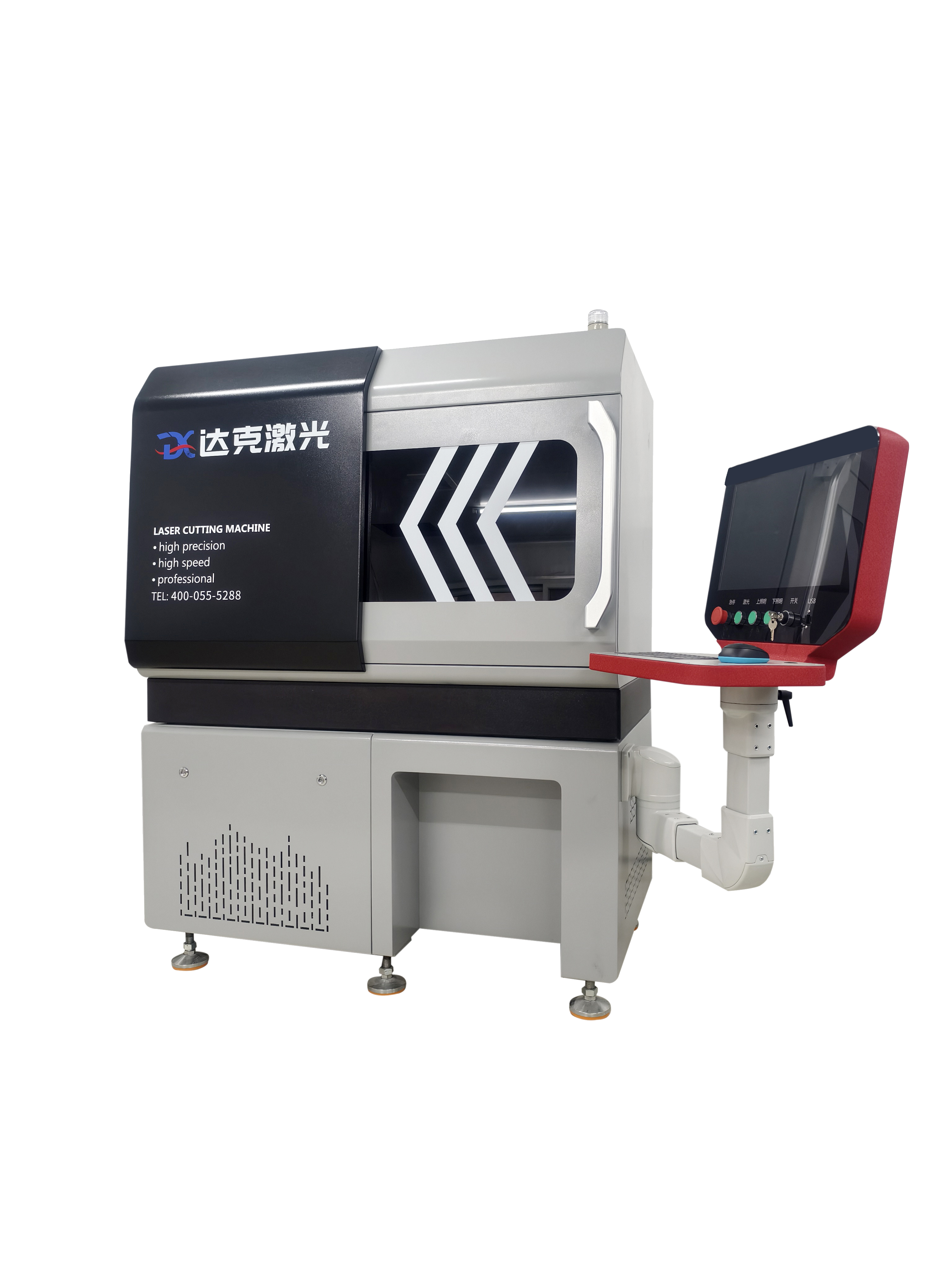
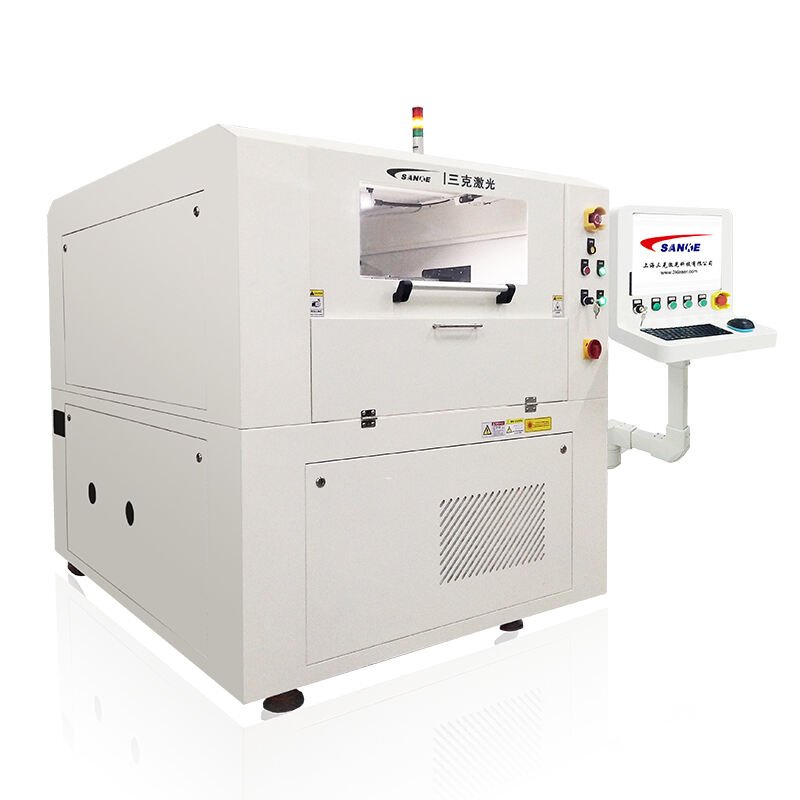
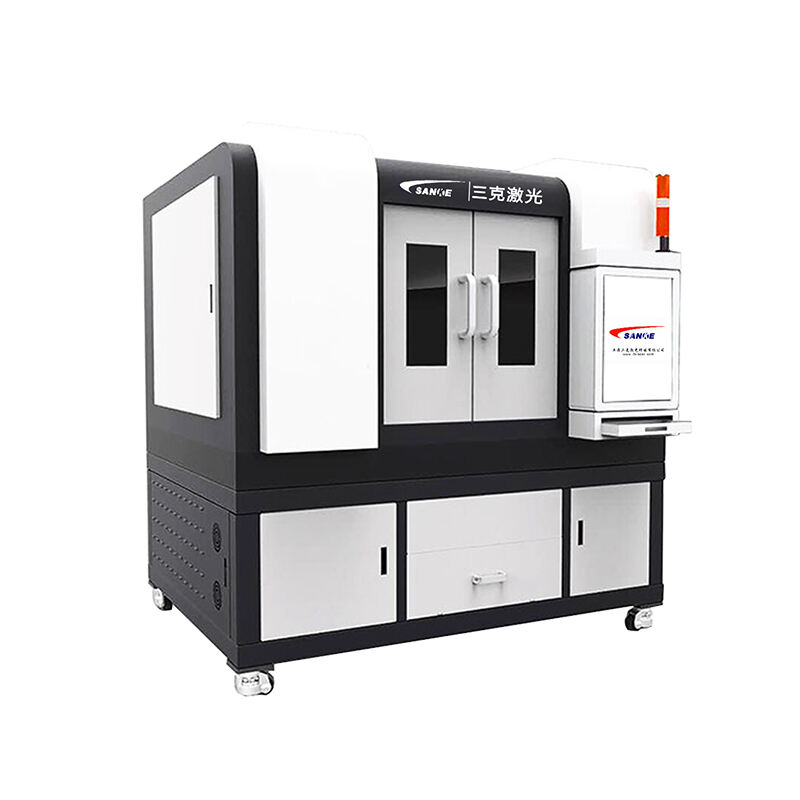
Exceptional Material Versatility and Processing Capabilities
Laser cutting solutions demonstrate remarkable adaptability across an extensive range of materials, from traditional metals and plastics to advanced composites and exotic alloys used in specialized applications. The technology seamlessly processes materials with vastly different properties by adjusting laser parameters such as power, pulse frequency, cutting speed, and assist gas selection to optimize results for each specific substrate. Metallic materials including stainless steel, aluminum, titanium, and high-strength alloys respond excellently to fiber laser cutting, achieving clean cuts with minimal heat-affected zones that preserve material properties. Non-metallic substrates such as acrylic, wood, textiles, ceramics, and advanced polymers benefit from CO2 laser processing that delivers precise cuts without thermal damage or material degradation. The ability to process layered materials and composites opens opportunities in aerospace, automotive, and marine industries where lightweight, high-strength components require precise fabrication. Thickness capabilities range from ultra-thin films measured in microns to heavy plates exceeding 25mm, providing solutions for diverse manufacturing requirements within single production facilities. Material handling systems accommodate various formats including sheet stock, rolled goods, and three-dimensional components, maximizing production flexibility and efficiency. The technology excels at processing reflective materials like copper and brass through specialized techniques that manage laser energy effectively, expanding applications in electronics and decorative industries. Heat-sensitive materials benefit from pulsed laser operation that minimizes thermal input while maintaining cutting quality, enabling processing of temperature-sensitive polymers and biological materials. Surface treatment capabilities extend beyond cutting to include engraving, marking, and texturing operations that add value through decorative or functional surface modifications. The contamination-free cutting process preserves material cleanliness essential for medical, food processing, and semiconductor applications where particle generation must be minimized. Multi-layer processing capabilities enable simultaneous cutting of stacked materials, improving productivity while maintaining consistent quality across all layers in the stack.
 EN
EN
 AR
AR
 FR
FR
 DE
DE
 JA
JA
 KO
KO
 RU
RU
 ES
ES