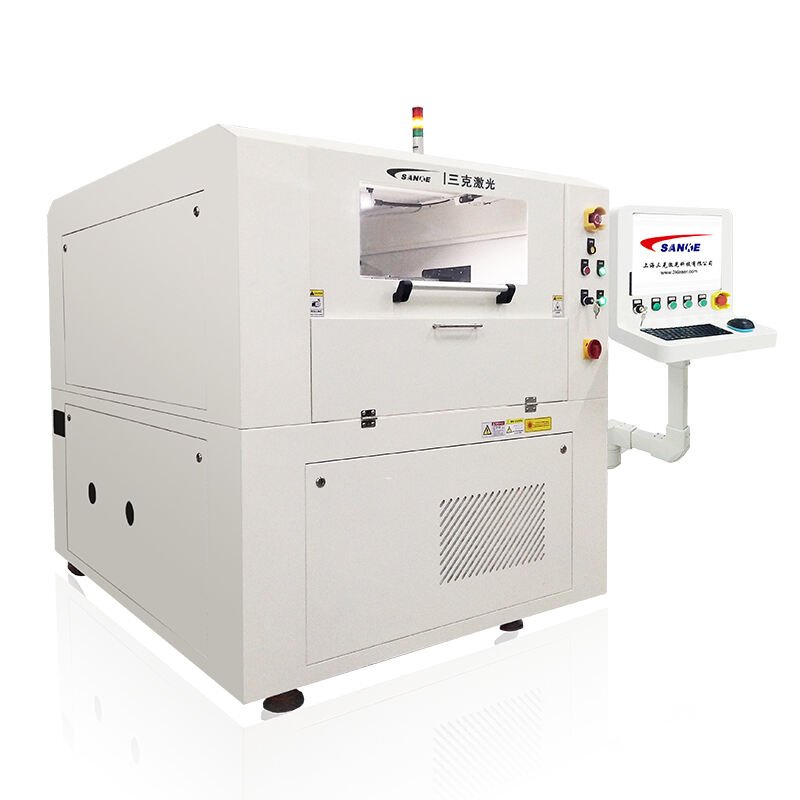
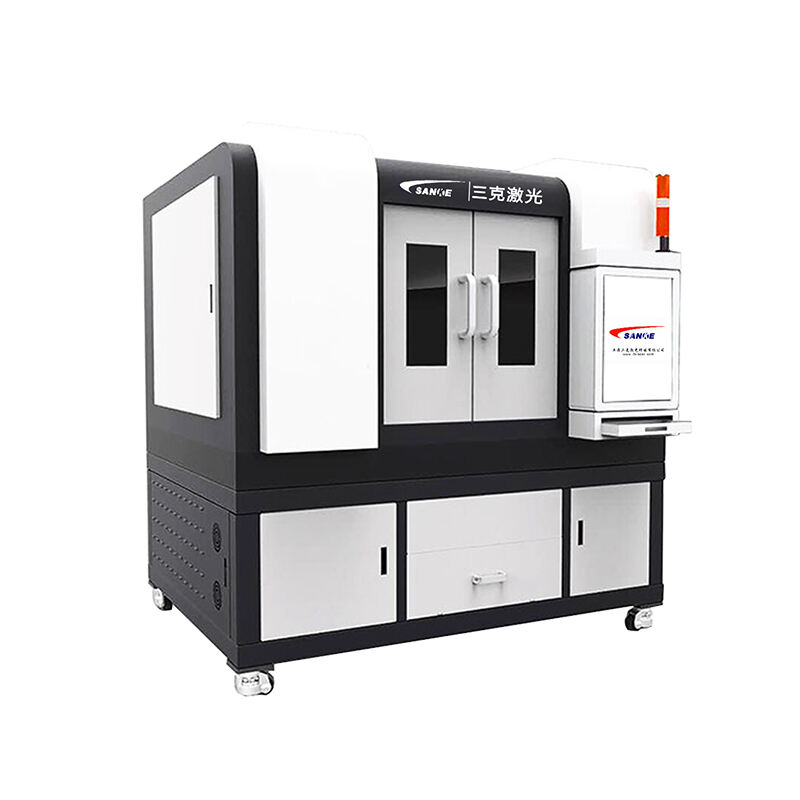
co2 laser cutting machine-0

Professional CO2 Laser Cutting Machine - Precision Manufacturing Solutions

Get a Free Quote

Our representative will contact you soon.
Email
Name
Company Name
Message
0/1000

co2 laser cutting machine

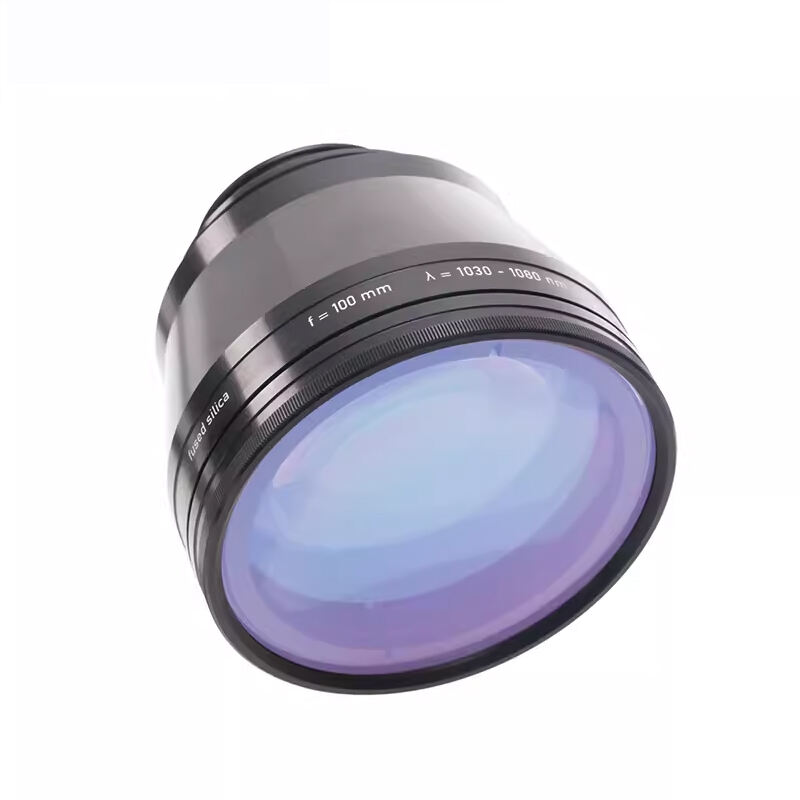
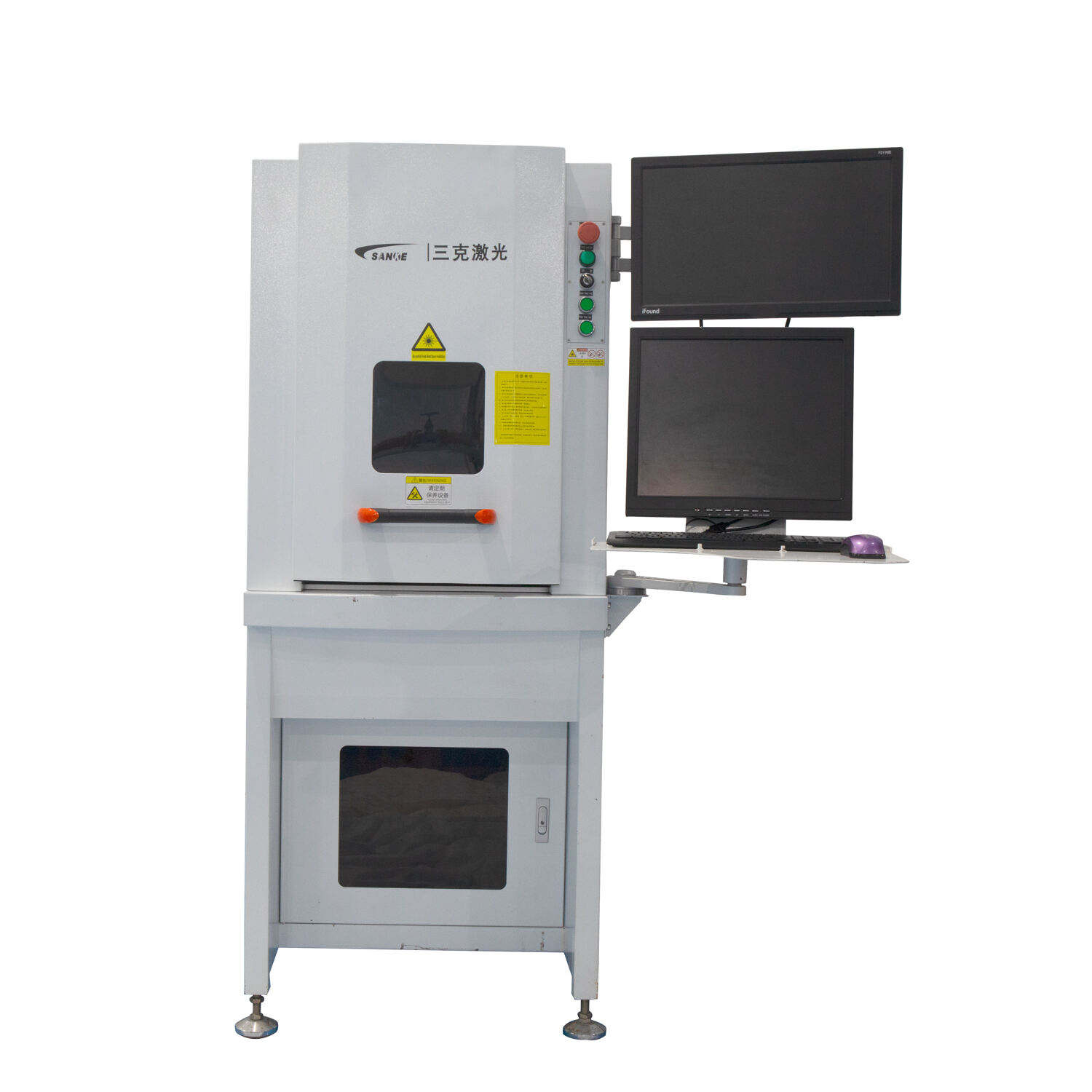
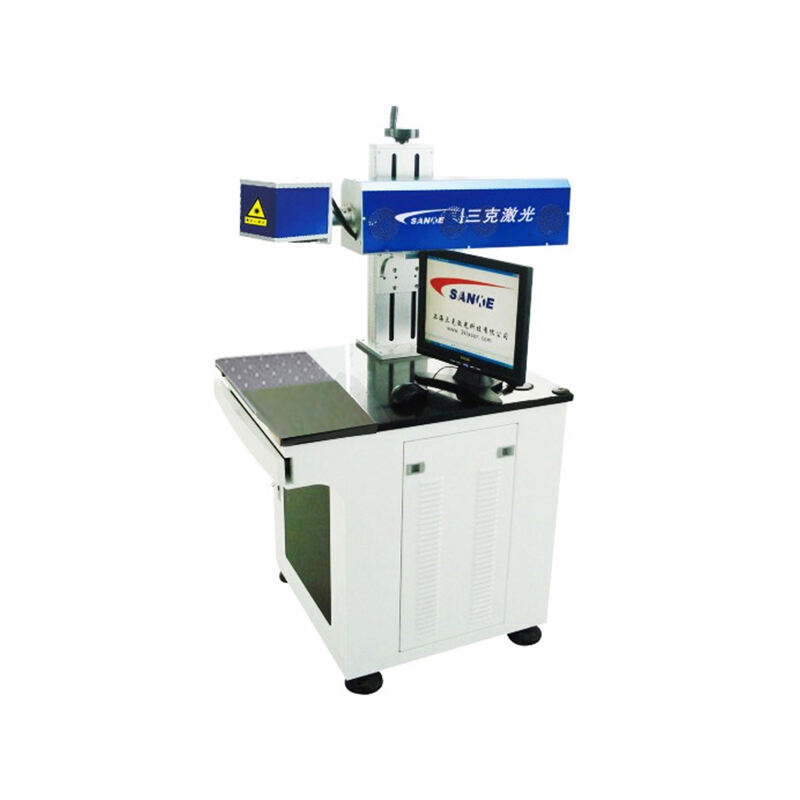
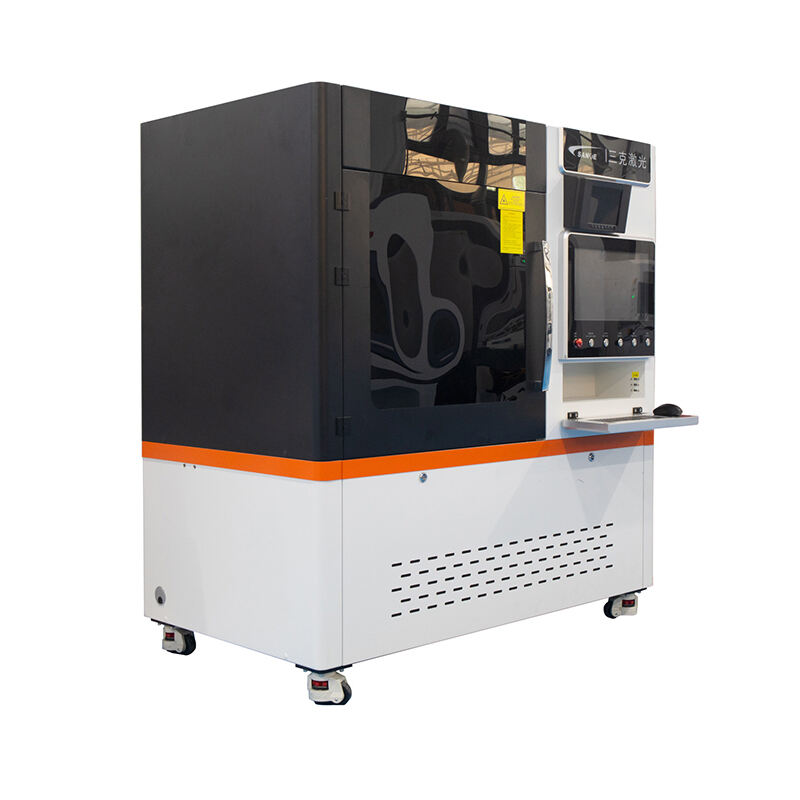
The CO2 laser cutting machine represents a pinnacle of precision manufacturing technology, utilizing carbon dioxide gas as the active laser medium to generate powerful infrared light beams. This sophisticated equipment operates by electrically exciting a mixture of carbon dioxide, nitrogen, and helium gases within a sealed tube, creating a coherent light beam with exceptional cutting capabilities. The main functions of a CO2 laser cutting machine encompass precise material cutting, detailed engraving, and intricate marking across diverse materials including metals, plastics, wood, fabric, glass, and ceramics. The technological foundation relies on a resonator cavity containing the gas mixture, where electrical discharge stimulates the CO2 molecules to emit photons at 10.6 micrometers wavelength. This invisible infrared beam gets focused through specialized optics and mirrors, concentrating enormous energy density onto material surfaces for clean, accurate cuts. Modern CO2 laser cutting machines incorporate computer numerical control systems, enabling automated operation through CAD file integration and precise motion control. The beam delivery system utilizes high-quality mirrors and focusing lenses to maintain beam integrity throughout the cutting process. Advanced cooling systems maintain optimal operating temperatures, ensuring consistent performance during extended production runs. Applications span numerous industries including automotive manufacturing, aerospace components, architectural metalwork, signage production, textile cutting, packaging design, and prototyping services. Medical device manufacturing relies heavily on CO2 laser cutting machines for creating surgical instruments and implantable components requiring exceptional precision. Electronics industries utilize these machines for circuit board fabrication and component preparation. The versatility extends to artistic applications, enabling creators to produce intricate decorative elements and custom designs with remarkable detail and repeatability.

New Product Releases

CO2 laser cutting machines deliver exceptional precision that surpasses traditional cutting methods, achieving tolerances within micrometers for consistently accurate results. This precision eliminates secondary finishing operations, reducing production time and costs while maintaining superior edge quality. The non-contact cutting process prevents material deformation and eliminates tool wear, ensuring consistent performance throughout extended production cycles without replacement costs or downtime for tool changes. Versatility stands as a major advantage, as CO2 laser cutting machines process an extensive range of materials with varying thicknesses, from delicate fabrics to thick metal plates, accommodating diverse manufacturing requirements within a single machine investment. Speed advantages become apparent in high-volume production environments, where automated operation and rapid cutting speeds significantly reduce cycle times compared to conventional methods. The clean cutting process produces minimal heat-affected zones, preserving material properties and eliminating burrs that require additional processing steps. Operational efficiency improves through computer-controlled automation, reducing labor requirements and human error while enabling lights-out manufacturing capabilities. Environmental benefits include reduced waste generation through optimized nesting algorithms and minimal consumable requirements, contributing to sustainable manufacturing practices. Cost-effectiveness emerges from reduced material waste, eliminated secondary operations, and lower labor costs, providing rapid return on investment for businesses of all sizes. Quality consistency remains superior throughout production runs, as laser parameters remain stable without degradation from mechanical wear. Setup times decrease dramatically compared to traditional cutting methods, enabling quick changeovers between different products and materials. The flexibility to cut complex geometries, tight curves, and intricate patterns without specialized tooling provides manufacturers with unprecedented design freedom. Maintenance requirements stay minimal due to the non-contact process and solid-state components, reducing operational disruptions and service costs. Remote monitoring capabilities enable predictive maintenance and real-time production oversight, optimizing efficiency and preventing unexpected downtime.

Tips And Tricks

What are the advantages of using a laser welding machine over traditional welding methods?

19

Nov

What are the advantages of using a laser welding machine over traditional welding methods?

Modern manufacturing processes continue to evolve with technological advancements, and welding technology stands at the forefront of this transformation. Among the most significant developments in recent years is the emergence of the laser welding ma...
View More
How Do Different Laser Sources Impact the Efficiency of Industrial Processes?

19

Nov

How Do Different Laser Sources Impact the Efficiency of Industrial Processes?

Industrial manufacturing has undergone a revolutionary transformation with the integration of advanced laser technology, where different laser sources serve as the cornerstone of precision processing across numerous sectors. The selection of appropri...
View More
Field Lens Technology: Latest Innovations Explained

21

Oct

Field Lens Technology: Latest Innovations Explained

Revolutionary Advances in Optical Engineering The evolution of field lens technology represents one of the most significant breakthroughs in modern optical engineering. These sophisticated optical elements have transformed how we capture, process, an...
View More
2025 Guide: How to Choose the Perfect Beam Expander

21

Oct

2025 Guide: How to Choose the Perfect Beam Expander

Understanding the Critical Role of Beam Expanders in Modern Optics The optical industry continues to evolve at a rapid pace, and beam expanders have become indispensable components in numerous applications, from laser processing to advanced microscop...
View More

Get a Free Quote

Our representative will contact you soon.
Email
Name
Company Name
Message
0/1000

co2 laser cutting machine

Unmatched Precision and Quality Control

Unmatched Precision and Quality Control

The CO2 laser cutting machine achieves unprecedented precision levels that revolutionize manufacturing standards across industries. This remarkable accuracy stems from the focused laser beam's ability to concentrate intense energy into an extremely small spot size, typically measuring between 0.1 to 0.3 millimeters in diameter. The precision control system integrates advanced servo motors, linear encoders, and sophisticated software algorithms to maintain positional accuracy within ±0.025 millimeters, ensuring repeatable results across thousands of cuts. This level of precision proves invaluable for industries requiring tight tolerances, such as aerospace component manufacturing, medical device fabrication, and electronics assembly. The consistent beam quality eliminates variations common in mechanical cutting processes, where tool wear and deflection can compromise accuracy over time. Edge quality surpasses traditional cutting methods, producing smooth, clean cuts with minimal heat-affected zones that preserve material integrity. The computer-controlled system eliminates human error factors, maintaining consistent cutting parameters throughout production runs regardless of operator skill levels. Quality control benefits extend beyond dimensional accuracy to include superior surface finish, with minimal oxidation or discoloration on cut edges. The non-contact process prevents material distortion, warping, or scratching that commonly occurs with mechanical cutting methods. This precision capability enables manufacturers to reduce scrap rates, eliminate secondary machining operations, and achieve first-pass quality standards. Complex geometries, intricate patterns, and tight internal corners become achievable without specialized tooling or multiple setup procedures. The precision advantage translates directly into cost savings through reduced material waste, eliminated rework cycles, and improved customer satisfaction. Manufacturing processes benefit from reduced inspection requirements, as the consistent accuracy minimizes quality variations and defect rates throughout production batches.
Exceptional Material Versatility and Adaptability

Exceptional Material Versatility and Adaptability

The CO2 laser cutting machine demonstrates remarkable versatility by processing an extensive array of materials with varying properties, thicknesses, and characteristics, making it an invaluable asset for diverse manufacturing applications. This adaptability stems from the 10.6-micrometer wavelength that interacts effectively with organic and many inorganic materials, providing manufacturers with unprecedented flexibility in material selection and product design. Metals including stainless steel, carbon steel, aluminum, titanium, and brass can be cut with thicknesses ranging from thin foils to plates exceeding 25 millimeters, depending on laser power and material properties. Non-metallic materials such as acrylic, polycarbonate, polyethylene, wood, paper, cardboard, fabric, leather, and ceramics process efficiently with excellent edge quality and minimal thermal damage. The machine's parameter adjustment capabilities allow operators to optimize cutting speed, power levels, and assist gas selection for each specific material combination, ensuring optimal results across different substrates. This versatility eliminates the need for multiple specialized cutting systems, reducing equipment investment and facility space requirements while streamlining production workflows. Manufacturers can quickly switch between different materials and thicknesses without lengthy setup procedures or tool changes, enabling efficient small-batch production and rapid prototyping services. The ability to process both thick structural materials and delicate thin films within the same system provides exceptional value for job shops and custom manufacturers serving diverse client requirements. Material compatibility extends to composite materials, layered substrates, and specialty alloys commonly used in advanced applications. The consistent cutting quality across different materials ensures predictable results and reduces the learning curve for new material introductions. This versatility advantage enables businesses to expand their service offerings, enter new markets, and respond quickly to changing customer demands without additional capital equipment investments.
Advanced Automation and Operational Efficiency

Advanced Automation and Operational Efficiency

The CO2 laser cutting machine incorporates sophisticated automation technologies that transform manufacturing operations through enhanced efficiency, reduced labor requirements, and improved production consistency. Modern systems integrate computer numerical control with advanced motion control systems, enabling fully automated operation from CAD file input to finished part production without manual intervention. The automation capabilities include automatic material handling systems, real-time cutting parameter optimization, and intelligent nesting software that maximizes material utilization while minimizing waste. These systems can operate continuously during unmanned shifts, significantly increasing production capacity and reducing per-unit manufacturing costs. The integrated control system monitors cutting parameters in real-time, automatically adjusting power levels, cutting speeds, and assist gas flow to maintain optimal cutting conditions throughout the production cycle. Advanced sensor systems detect material thickness variations, surface irregularities, and potential collision situations, automatically compensating for these variables to ensure consistent quality output. The automation extends to maintenance functions, with predictive monitoring systems that track component wear, laser tube performance, and optical system cleanliness, scheduling maintenance activities to minimize production disruptions. Barcode scanning and job tracking capabilities integrate seamlessly with manufacturing execution systems, providing real-time production status updates and quality traceability throughout the manufacturing process. Remote monitoring capabilities enable operators to oversee multiple machines simultaneously and receive instant notifications of any operational issues or completion status updates. The user-friendly interface simplifies programming and operation, reducing training requirements and enabling operators to manage complex cutting operations efficiently. Automated quality inspection systems can verify dimensional accuracy and edge quality, ensuring consistent output standards without manual measurement procedures. These automation advantages result in significant labor cost reductions, improved safety conditions, and enhanced production flexibility that enables manufacturers to respond quickly to changing market demands while maintaining competitive pricing structures.

Get a Free Quote

Our representative will contact you soon.
Email
Name
Company Name
Message
0/1000