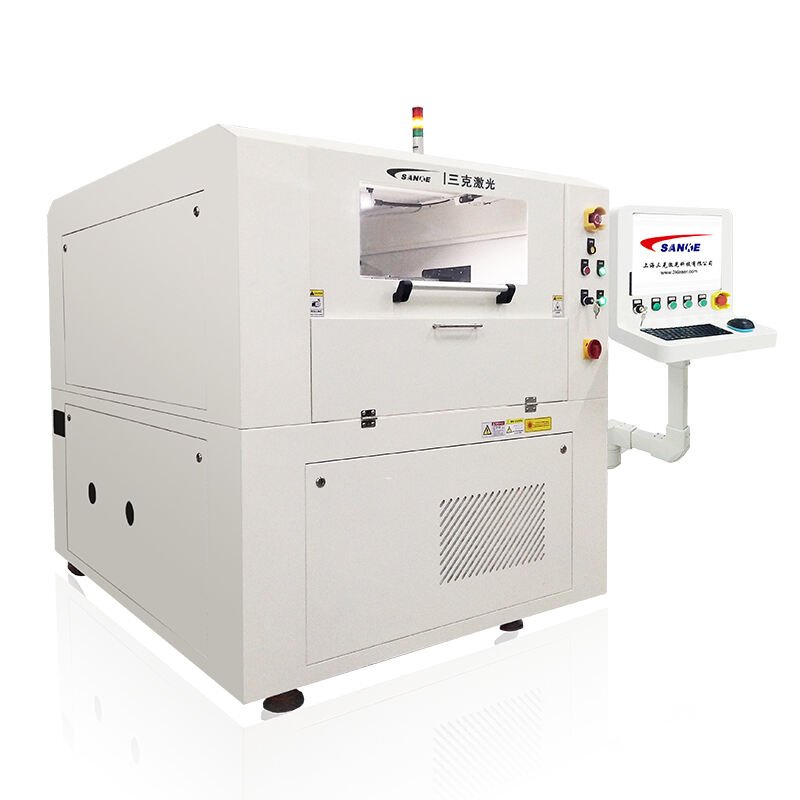
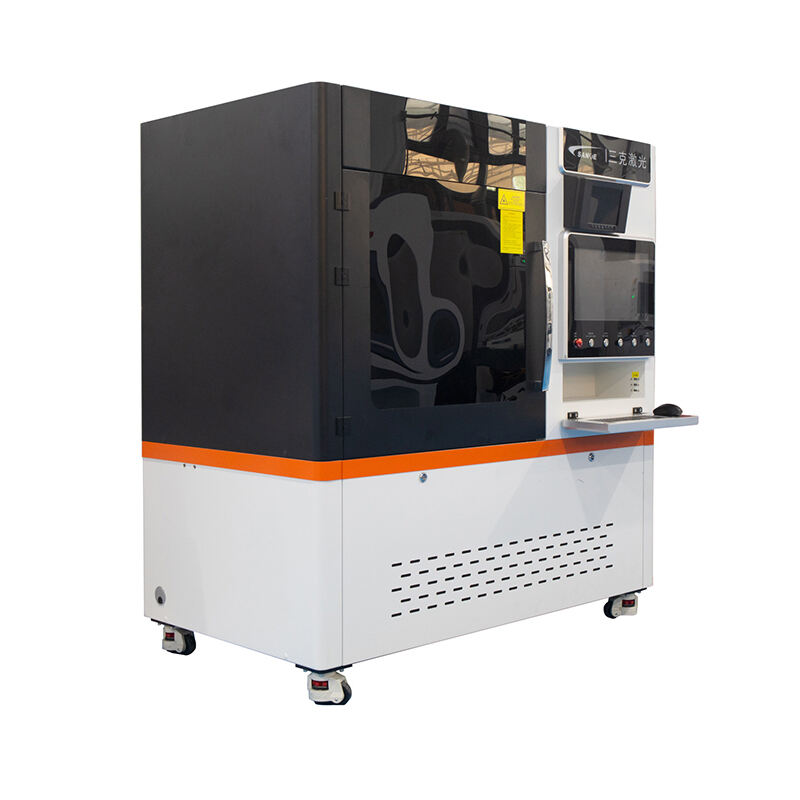
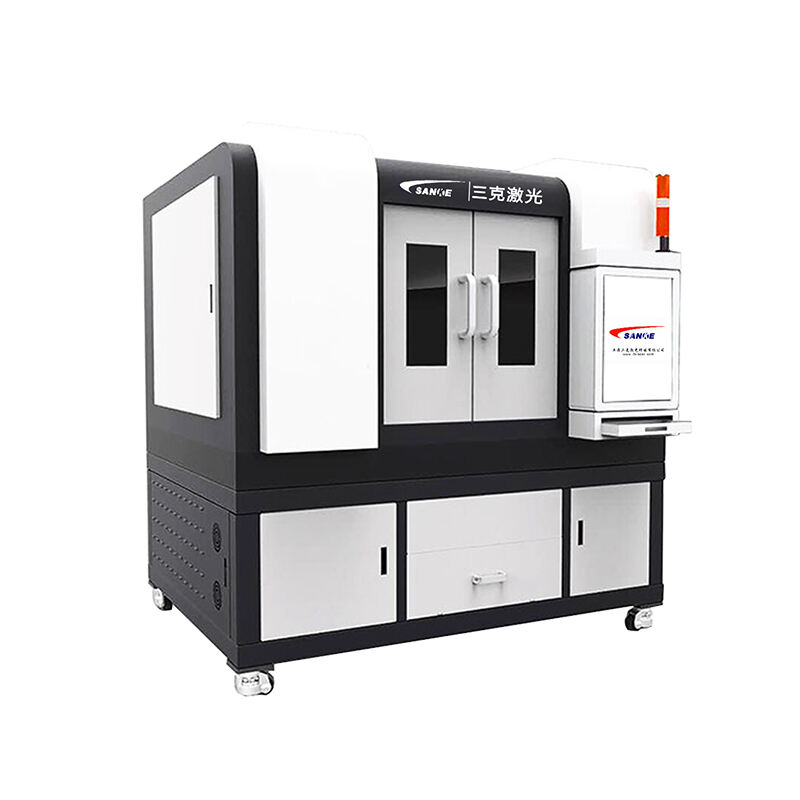
engraving laser cutting machine-0

Professional Engraving Laser Cutting Machine - Precision Manufacturing Solutions

Get a Free Quote

Our representative will contact you soon.
Email
Name
Company Name
Message
0/1000

engraving laser cutting machine

The engraving laser cutting machine represents a revolutionary advancement in precision manufacturing technology, combining the capabilities of detailed engraving with accurate cutting operations in a single versatile system. This sophisticated equipment utilizes high-powered laser beams to create intricate designs, patterns, and cuts across various materials with exceptional accuracy and speed. Modern engraving laser cutting machines incorporate advanced control systems that enable operators to achieve precise results while maintaining consistent quality throughout production runs. The technology operates by focusing an intense laser beam onto the material surface, which generates sufficient heat to either vaporize material for cutting or modify surface characteristics for engraving purposes. These machines support multiple material types including metals, plastics, wood, leather, glass, ceramics, and composite materials, making them indispensable tools across numerous industries. The main functions of an engraving laser cutting machine encompass vector cutting, raster engraving, surface marking, and material processing at microscopic levels. Vector cutting allows for clean separation of materials along predetermined paths, while raster engraving creates detailed images and text by selectively removing or modifying surface layers. Technological features include computer numerical control systems, automatic focusing mechanisms, real-time monitoring capabilities, and integrated cooling systems that ensure optimal performance. Advanced models incorporate rotary attachments for cylindrical objects, multiple laser head configurations, and sophisticated software packages that streamline design-to-production workflows. The precision capabilities of these machines enable tolerances measured in hundredths of millimeters, making them suitable for applications requiring extreme accuracy. Industrial applications span automotive component manufacturing, aerospace part production, medical device creation, jewelry fabrication, signage production, architectural model making, and custom prototyping services. Educational institutions utilize these machines for research projects and student training programs, while small businesses leverage their capabilities for custom product development and personalized manufacturing services.

Popular Products

Engraving laser cutting machines deliver numerous practical benefits that make them essential investments for businesses seeking enhanced manufacturing capabilities. The primary advantage lies in their exceptional precision, which eliminates the need for secondary finishing operations and reduces material waste significantly. Unlike traditional mechanical cutting methods, laser technology produces clean edges without burrs or rough surfaces, saving both time and money in post-processing activities. The non-contact nature of laser processing prevents material deformation and eliminates tool wear, resulting in consistent quality throughout extended production runs. This reliability translates directly into reduced maintenance costs and increased operational efficiency for businesses of all sizes. Speed represents another crucial advantage, as engraving laser cutting machines complete complex operations in fractions of the time required by conventional methods. Modern systems process intricate designs at remarkable speeds while maintaining accuracy standards that exceed those achievable through manual techniques. This efficiency enables businesses to meet tight deadlines and handle larger order volumes without compromising quality standards. Versatility stands out as a defining characteristic, allowing operators to switch between different materials and applications without extensive setup procedures. The same machine can engrave delicate jewelry components in the morning and cut thick industrial plates in the afternoon, maximizing equipment utilization and investment returns. Software integration capabilities enable seamless connections with design programs, eliminating file conversion issues and streamlining production workflows. Operators can import designs directly from CAD software and begin processing immediately, reducing setup times and minimizing opportunities for errors. The cost-effectiveness of engraving laser cutting machines becomes apparent through reduced labor requirements, eliminated tooling costs, and decreased material waste. These machines operate with minimal supervision, allowing skilled workers to focus on higher-value activities while maintaining consistent production output. Environmental benefits include reduced chemical usage, minimized waste generation, and lower energy consumption compared to traditional manufacturing processes. The precision of laser technology ensures optimal material utilization, contributing to sustainable manufacturing practices. Safety features incorporated into modern engraving laser cutting machines protect operators while maintaining productivity levels, creating safer work environments that reduce liability concerns and insurance costs.

Practical Tips

How do I ensure the safety of operators when using a laser drilling machine?

19

Nov

How do I ensure the safety of operators when using a laser drilling machine?

Laser drilling machines have revolutionized precision manufacturing across industries, offering unparalleled accuracy and efficiency for creating micro-holes in various materials. However, the powerful laser beams used in these systems pose significa...
View More
What industries benefit most from laser welding technology?

19

Nov

What industries benefit most from laser welding technology?

Modern manufacturing has witnessed a revolutionary shift in welding technology as industries increasingly adopt advanced laser welding systems. The laser welding machine represents a significant technological leap from conventional welding methods, o...
View More
How Does Scanlab Technology Improve the Precision of Laser Applications?

19

Nov

How Does Scanlab Technology Improve the Precision of Laser Applications?

Scanlab Technology represents a revolutionary advancement in laser precision control systems, fundamentally transforming how industries approach laser-based manufacturing and processing applications. This cutting-edge technology has established new b...
View More
How Does the Power Output of a Laser Source Affect Its Performance?

22

Sep

How Does the Power Output of a Laser Source Affect Its Performance?

Understanding the Critical Role of Power Output in Laser Applications The relationship between a laser source and its power output fundamentally shapes the capabilities and effectiveness of laser systems across countless applications. From industrial...
View More

Get a Free Quote

Our representative will contact you soon.
Email
Name
Company Name
Message
0/1000

engraving laser cutting machine

Unmatched Precision and Accuracy for Complex Projects

Unmatched Precision and Accuracy for Complex Projects

The precision capabilities of modern engraving laser cutting machines set them apart from traditional manufacturing equipment, delivering accuracy levels that consistently exceed industry standards across diverse applications. These systems achieve tolerances measured in hundredths of millimeters, enabling the production of intricate components that meet the most demanding specifications in aerospace, medical, and electronics industries. The computer-controlled laser beam follows programmed paths with mechanical precision, eliminating human error and ensuring identical results across thousands of identical parts. This consistency proves invaluable for businesses manufacturing components where dimensional accuracy directly impacts product performance and safety. Advanced positioning systems incorporate feedback mechanisms that continuously monitor and adjust laser head placement, compensating for thermal expansion and mechanical variations that could affect precision. The non-contact processing method prevents material distortion caused by clamping forces or cutting pressures, maintaining dimensional stability throughout the manufacturing process. High-resolution optical systems focus laser energy into extremely small spots, enabling the creation of features smaller than human hair thickness while maintaining clean, precise edges. This capability opens possibilities for manufacturing micro-components, detailed artistic works, and complex geometric shapes that would be impossible to achieve through conventional methods. The precision advantage extends beyond dimensional accuracy to include consistent edge quality, uniform surface finishes, and predictable material removal rates. Quality control becomes simplified when using engraving laser cutting machines, as the inherent precision reduces variation between parts and minimizes rejection rates. This reliability enables businesses to offer tighter tolerances to customers, potentially commanding premium prices for superior quality products. The precision capabilities also reduce the need for secondary operations such as deburring, grinding, or polishing, streamlining production workflows and reducing overall manufacturing costs. For prototyping applications, the exceptional accuracy allows engineers to create test components that accurately represent final production parts, improving design validation processes and reducing development cycles.
Exceptional Material Versatility and Processing Flexibility

Exceptional Material Versatility and Processing Flexibility

Engraving laser cutting machines demonstrate remarkable versatility by processing an extensive range of materials with equal effectiveness, making them invaluable assets for businesses serving diverse markets and applications. This flexibility eliminates the need for multiple specialized machines, reducing equipment costs and simplifying facility management while expanding business capabilities. The machines handle materials ranging from delicate papers and fabrics to robust metals and ceramics, adjusting laser parameters automatically to optimize processing for each material type. This adaptability enables businesses to accept diverse projects without concerns about material compatibility or processing limitations. Advanced control systems store material-specific settings that optimize cutting speed, laser power, and focus positions for hundreds of different materials, ensuring consistent results regardless of substrate variations. The ability to process both thin sheets and thick plates expands application possibilities, allowing manufacturers to serve industries with varying thickness requirements using the same equipment. Composite materials, which present challenges for traditional cutting methods due to their layered structures, process cleanly through laser cutting without delamination or fiber separation issues. This capability proves essential for aerospace and automotive applications where composite materials offer superior strength-to-weight ratios. The machines excel at processing materials with varying hardness levels, transitioning seamlessly from soft plastics to hardened steel without tool changes or extensive setup procedures. Surface treatments and coatings that might damage traditional cutting tools pose no problems for laser systems, which process coated materials without affecting underlying substrates. The flexibility extends to part geometry, enabling the production of complex shapes with internal features, sharp corners, and intricate patterns that would require multiple operations using conventional methods. Batch processing capabilities allow simultaneous cutting of different materials or parts, maximizing productivity while maintaining individual quality standards. This versatility translates into competitive advantages for businesses, enabling them to diversify service offerings and adapt quickly to changing market demands without significant equipment investments.
Advanced Automation and User-Friendly Operation

Advanced Automation and User-Friendly Operation

Modern engraving laser cutting machines incorporate sophisticated automation features and intuitive interfaces that significantly reduce operator skill requirements while maximizing productivity and consistency. The user-friendly design philosophy ensures that businesses can train operators quickly and efficiently, reducing training costs and minimizing the learning curve associated with advanced manufacturing equipment. Automated material recognition systems identify substrate types and thicknesses, automatically adjusting processing parameters to optimize results without operator intervention. This intelligence prevents processing errors that could damage materials or compromise part quality, providing confidence for operators of all skill levels. Touch-screen interfaces present complex functionality through simple, logical menu structures that guide operators through setup procedures and provide real-time feedback on system status. Visual programming environments allow operators to create and modify cutting patterns without extensive programming knowledge, democratizing access to advanced manufacturing capabilities. Automated nesting software maximizes material utilization by arranging parts efficiently on available substrate areas, reducing waste and optimizing production economics. The software calculates optimal cutting sequences that minimize processing time while maintaining quality standards, removing complexity from production planning decisions. Remote monitoring capabilities enable supervisors to track multiple machines simultaneously, receiving alerts about maintenance needs or processing issues that require attention. This connectivity supports predictive maintenance strategies that prevent unexpected downtime and extend equipment life cycles. Automated calibration procedures ensure consistent performance by compensating for mechanical wear and environmental variations without requiring specialized technical knowledge. Job queuing systems allow operators to prepare multiple projects in advance, enabling continuous production runs that maximize equipment utilization during unmanned operation periods. The integration of safety systems with operational controls prevents accidents while maintaining productivity, creating work environments where operators can focus on quality and efficiency rather than safety concerns. Comprehensive diagnostic systems provide clear troubleshooting guidance when issues arise, enabling rapid resolution without extensive technical support requirements.

Get a Free Quote

Our representative will contact you soon.
Email
Name
Company Name
Message
0/1000