laser drilling advantages-0

Laser Drilling Advantages: Precision, Speed, and Versatility for Modern Manufacturing

Get a Free Quote

Our representative will contact you soon.
Email
Name
Company Name
Message
0/1000

laser drilling advantages

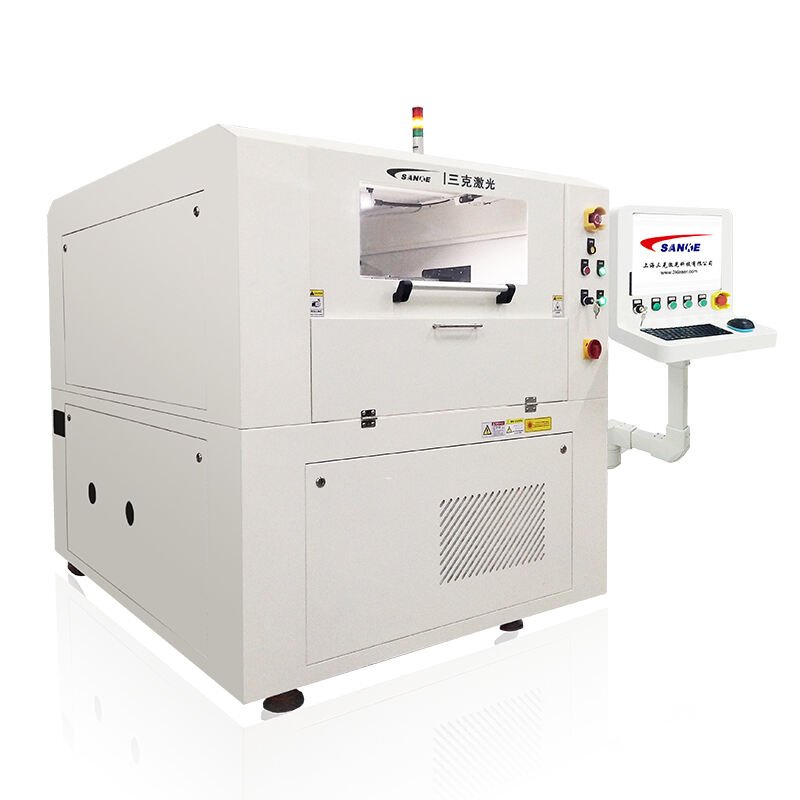
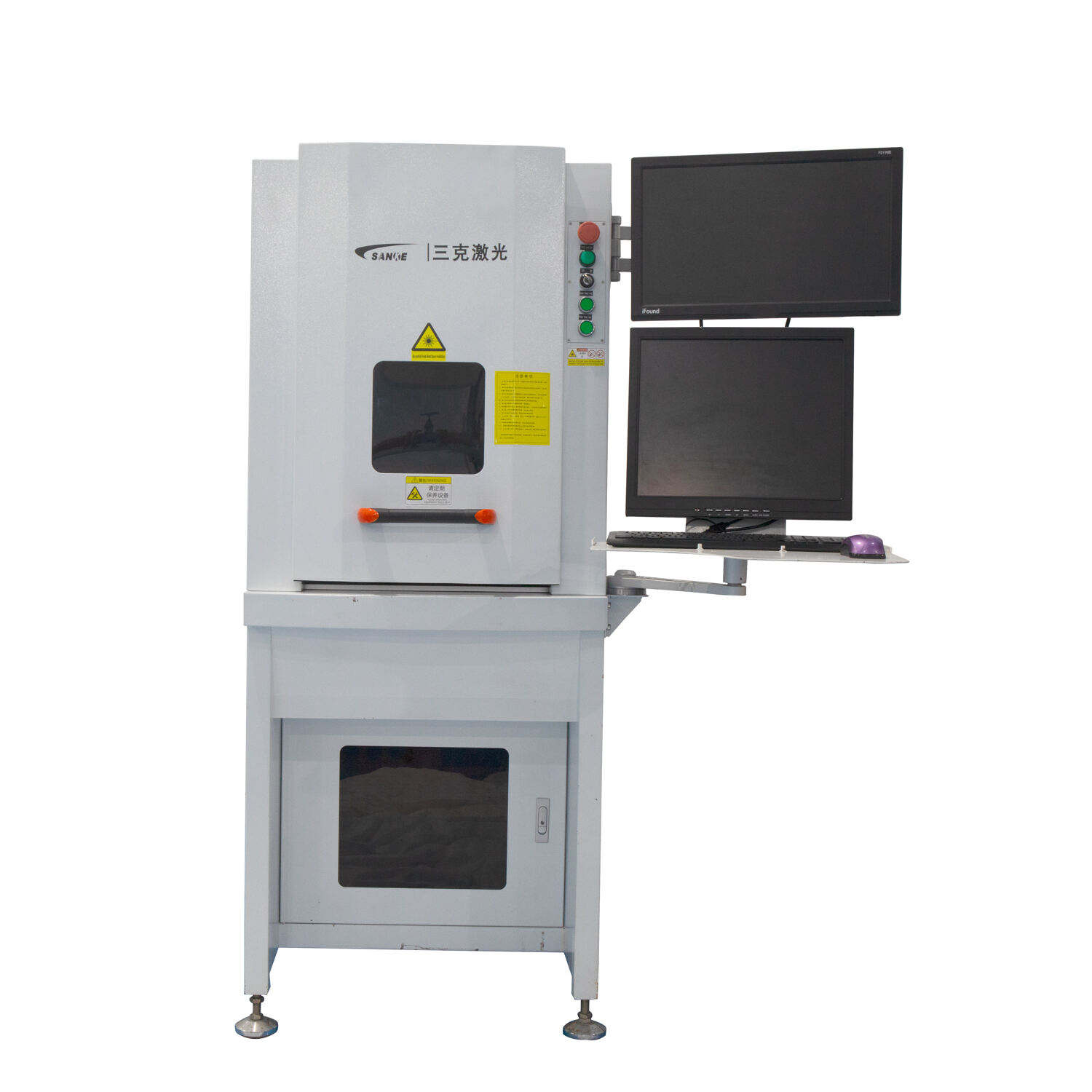
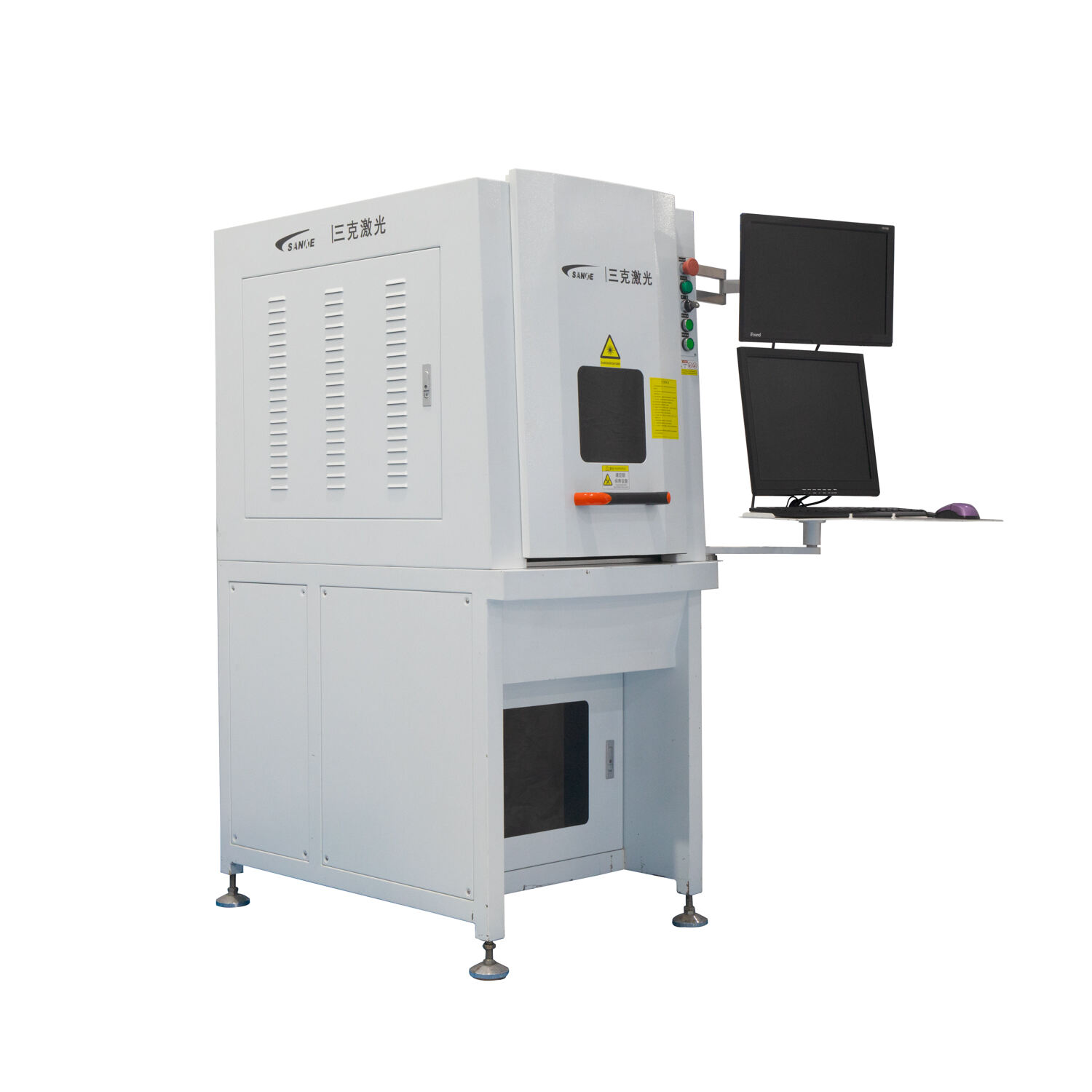
Laser drilling advantages represent a revolutionary advancement in precision manufacturing technology, transforming how industries approach hole creation in various materials. This sophisticated process utilizes focused laser beams to create precise openings in substrates ranging from metals and ceramics to polymers and composites. The laser drilling advantages become evident through its exceptional accuracy, speed, and versatility compared to traditional mechanical drilling methods. Modern laser drilling systems employ different laser types, including CO2, Nd:YAG, and femtosecond lasers, each optimized for specific applications and material types. The technology operates by concentrating intense light energy onto a small focal point, causing rapid heating and material removal through vaporization or ablation. This non-contact process eliminates tool wear concerns while delivering consistent results across production runs. Laser drilling advantages extend to creating complex geometries, including tapered holes, blind vias, and micro-holes with diameters as small as a few micrometers. Industries such as aerospace, electronics, automotive, medical devices, and telecommunications heavily rely on these capabilities. The process accommodates various hole configurations, from simple through-holes to sophisticated multi-layer structures in printed circuit boards. Advanced laser drilling systems integrate computer-controlled positioning systems, enabling automated production with minimal human intervention. The technology supports both single-shot drilling for thick materials and percussion drilling for enhanced precision. Quality control benefits include real-time monitoring capabilities that ensure dimensional accuracy and surface finish consistency. Environmental advantages include reduced waste generation and elimination of cutting fluids typically required in mechanical drilling operations.

Popular Products

The laser drilling advantages provide manufacturers with unprecedented capabilities that revolutionize production processes across multiple industries. Speed emerges as a primary benefit, with laser systems capable of creating thousands of holes per minute, dramatically outpacing conventional drilling methods. This velocity translates directly into increased productivity and reduced manufacturing costs, making laser drilling advantages particularly attractive for high-volume production environments. Precision represents another cornerstone advantage, enabling hole tolerances within micrometers while maintaining consistent quality throughout production runs. Unlike mechanical drilling, laser processes eliminate concerns about drill bit degradation, ensuring uniform hole characteristics from the first to the last hole in a production batch. The laser drilling advantages include exceptional flexibility in hole geometry creation, allowing manufacturers to produce tapered holes, stepped configurations, and complex patterns impossible with traditional methods. Material compatibility extends across an impressive range, from delicate thin films to robust thick sections, accommodating diverse manufacturing requirements within a single system. Heat-affected zones remain minimal due to precise energy control, preserving material integrity around drilled areas. This characteristic proves crucial when working with heat-sensitive substrates or maintaining specific material properties. Cost-effectiveness emerges through reduced tooling expenses, eliminated consumables, and decreased maintenance requirements compared to mechanical alternatives. The laser drilling advantages encompass environmental benefits through clean processing that generates minimal waste and eliminates the need for cutting fluids or lubricants. Automation capabilities allow seamless integration into existing production lines, reducing labor costs while improving consistency. Quality assurance benefits include reduced burr formation, cleaner hole edges, and improved surface finishes that often eliminate secondary operations. The technology supports rapid prototyping and design changes without requiring new tooling, accelerating product development cycles and reducing time-to-market for new products.

Tips And Tricks

Can a laser drilling machine be integrated into an automated production line?

19

Nov

Can a laser drilling machine be integrated into an automated production line?

Modern manufacturing demands unprecedented levels of precision, efficiency, and automation to remain competitive in today's global marketplace. The integration of advanced equipment into automated production lines has become essential for manufacture...
View More
How does the maintenance of precision laser cutting machines impact their longevity and performance, and what are some tips for effective machine maintenance?

19

Nov

How does the maintenance of precision laser cutting machines impact their longevity and performance, and what are some tips for effective machine maintenance?

Precision laser cutting machines represent a significant investment for manufacturing facilities, and their proper maintenance directly correlates with operational efficiency, production quality, and equipment lifespan. These sophisticated systems re...
View More
What are the advantages of using a laser welding machine over traditional welding methods?

19

Nov

What are the advantages of using a laser welding machine over traditional welding methods?

Modern manufacturing processes continue to evolve with technological advancements, and welding technology stands at the forefront of this transformation. Among the most significant developments in recent years is the emergence of the laser welding ma...
View More
How Does Scanlab Technology Improve the Precision of Laser Applications?

19

Nov

How Does Scanlab Technology Improve the Precision of Laser Applications?

Scanlab Technology represents a revolutionary advancement in laser precision control systems, fundamentally transforming how industries approach laser-based manufacturing and processing applications. This cutting-edge technology has established new b...
View More

Get a Free Quote

Our representative will contact you soon.
Email
Name
Company Name
Message
0/1000

laser drilling advantages

Unmatched Precision and Accuracy in Material Processing

Unmatched Precision and Accuracy in Material Processing

The laser drilling advantages shine brightest when examining the unprecedented precision and accuracy achievable through advanced laser technology. This capability transforms manufacturing standards by delivering hole tolerances measured in micrometers, far surpassing what traditional mechanical drilling can accomplish. The precision stems from the laser beam's ability to focus intense energy into an extremely small spot size, typically ranging from a few micrometers to several hundred micrometers depending on the application requirements. This focused energy delivery enables manufacturers to create holes with aspect ratios exceeding 50:1, meaning extremely deep holes relative to their diameter, which proves impossible with conventional drilling methods. The laser drilling advantages in precision extend to maintaining consistent hole quality throughout extended production runs, eliminating the variability introduced by tool wear in mechanical processes. Computer-controlled beam positioning systems ensure repeatability within nanometer ranges, creating identical hole patterns across multiple workpieces. Advanced laser systems incorporate real-time feedback mechanisms that monitor and adjust parameters during drilling, compensating for material variations and maintaining optimal results. The precision capabilities enable creation of micro-vias in electronic components, where hole diameters may measure just a few micrometers while penetrating multiple material layers with different properties. Medical device manufacturing benefits tremendously from these precision capabilities, where exact hole dimensions directly impact device functionality and patient safety. The laser drilling advantages include the ability to create holes at precise angles, enabling complex internal geometries impossible with straight mechanical drills. Surface finish quality remains consistently high due to the controlled energy delivery, often eliminating the need for secondary finishing operations that add cost and complexity to manufacturing processes.
Superior Speed and Efficiency for High-Volume Production

Superior Speed and Efficiency for High-Volume Production

The laser drilling advantages in speed and efficiency revolutionize production capabilities, enabling manufacturers to achieve throughput levels that redefine industry standards. Modern laser drilling systems demonstrate remarkable processing speeds, capable of creating thousands of precision holes per minute while maintaining exceptional quality standards throughout the entire production run. This speed advantage stems from the instantaneous nature of laser energy delivery, eliminating the time-consuming approach, drilling, and retraction cycles required in mechanical processes. The laser drilling advantages become particularly evident in high-volume electronics manufacturing, where printed circuit boards require thousands of micro-vias drilled with perfect precision and consistency. Unlike mechanical drilling that requires frequent tool changes and maintenance breaks, laser systems operate continuously for extended periods without performance degradation. The non-contact nature of laser processing eliminates concerns about tool breakage, reducing downtime and increasing overall equipment effectiveness. Advanced multi-beam systems multiply throughput capabilities by processing multiple holes simultaneously, further amplifying the laser drilling advantages in production environments. Automated material handling systems integrate seamlessly with laser drilling equipment, creating fully automated production lines that operate with minimal human intervention. The speed benefits extend beyond raw drilling rates to include rapid setup times for new products or design changes, as laser systems require no physical tooling modifications. Batch processing capabilities allow simultaneous drilling of multiple workpieces, maximizing productivity per unit of time invested. The efficiency gains translate into significant cost reductions through increased output per machine hour, reduced labor requirements, and improved facility utilization. Quality consistency at high speeds represents a unique laser drilling advantage, as the process parameters remain stable regardless of drilling speed, ensuring uniform results across all produced parts.
Versatile Material Compatibility and Application Flexibility

Versatile Material Compatibility and Application Flexibility

The laser drilling advantages encompass extraordinary material compatibility and application flexibility that positions this technology as the preferred solution for diverse manufacturing challenges across multiple industries. This versatility stems from the ability to precisely control laser parameters including wavelength, pulse duration, energy density, and repetition rate to optimize processing for virtually any material type. The laser drilling advantages extend to processing metals ranging from aluminum and steel to exotic alloys like titanium and Inconel, each requiring specific parameter adjustments to achieve optimal results. Ceramic materials, traditionally challenging to machine due to their hardness and brittleness, respond excellently to laser drilling processes that minimize mechanical stress and prevent cracking. Polymer and composite materials benefit from the controlled heating characteristics of laser processing, avoiding the delamination and thermal damage often associated with mechanical drilling. The technology accommodates material thickness variations from ultra-thin films measuring micrometers to thick plates several millimeters deep, maintaining quality throughout the entire thickness range. Multi-material processing represents a significant laser drilling advantage, enabling simultaneous drilling through layered structures containing different materials without requiring process changes. The aerospace industry leverages these capabilities for creating cooling holes in turbine blades, where precise hole placement and consistent flow characteristics directly impact engine performance and fuel efficiency. Electronics manufacturers utilize the laser drilling advantages for creating vias in flexible circuits, rigid-flex boards, and high-density interconnect structures that enable modern miniaturized devices. Medical applications benefit from the biocompatibility of laser-processed surfaces and the ability to create complex hole patterns in surgical instruments and implantable devices. The flexibility extends to hole geometries, supporting straight, tapered, stepped, and curved configurations within the same system setup, enabling innovative product designs previously impossible to manufacture economically.

Get a Free Quote

Our representative will contact you soon.
Email
Name
Company Name
Message
0/1000