drilling with laser-0

Advanced Laser Drilling Technology: Precision Manufacturing Solutions for Modern Industry

Get a Free Quote

Our representative will contact you soon.
Email
Name
Company Name
Message
0/1000

drilling with laser

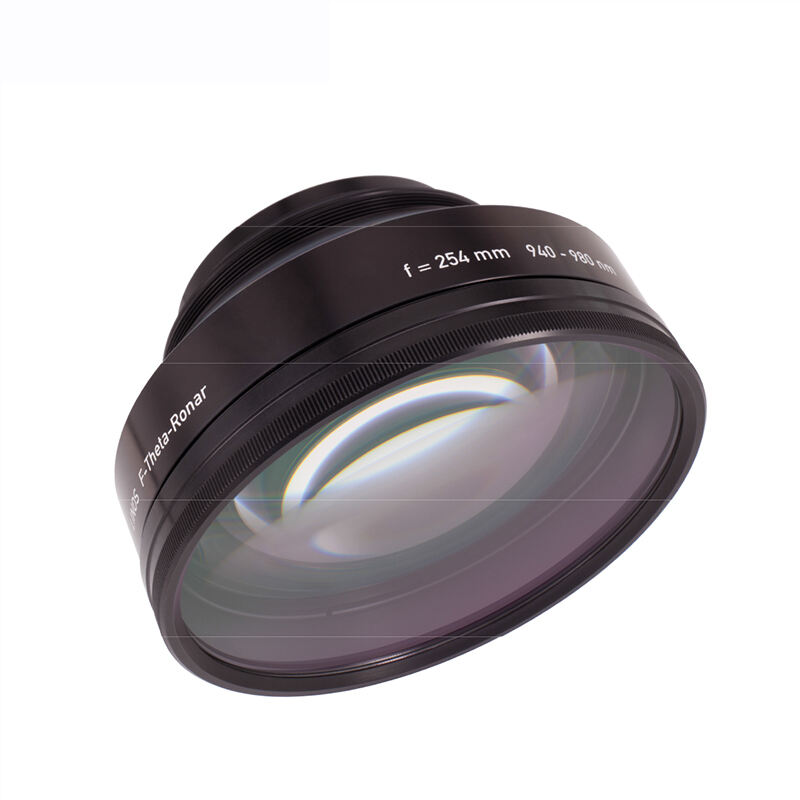
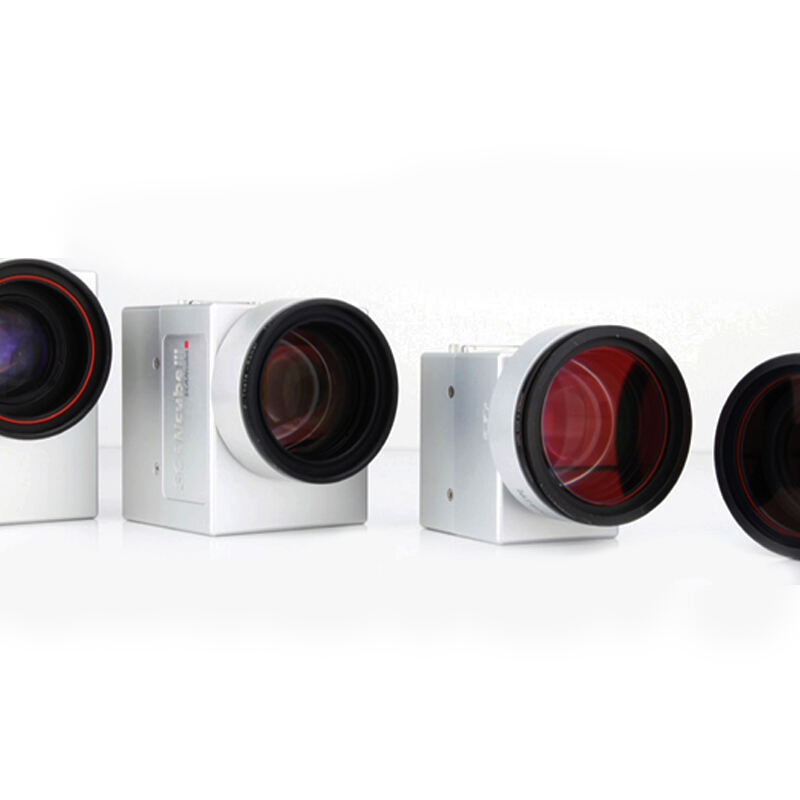
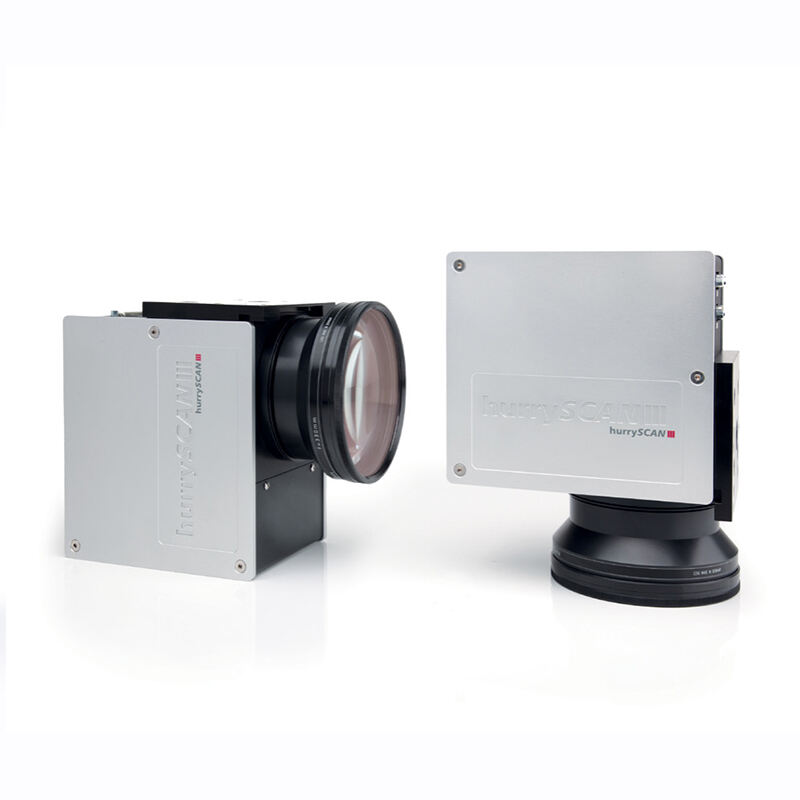
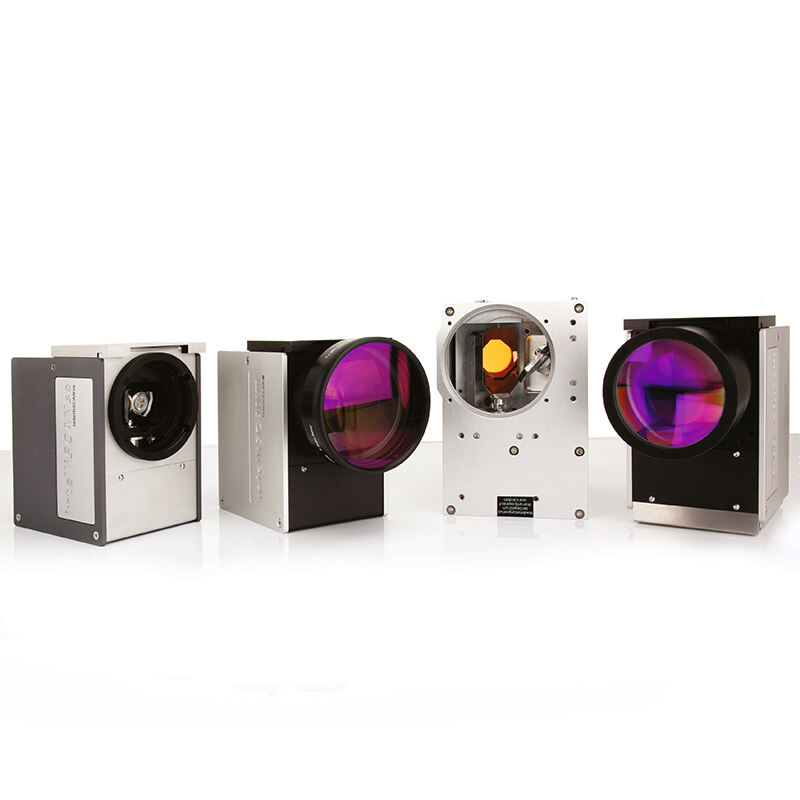
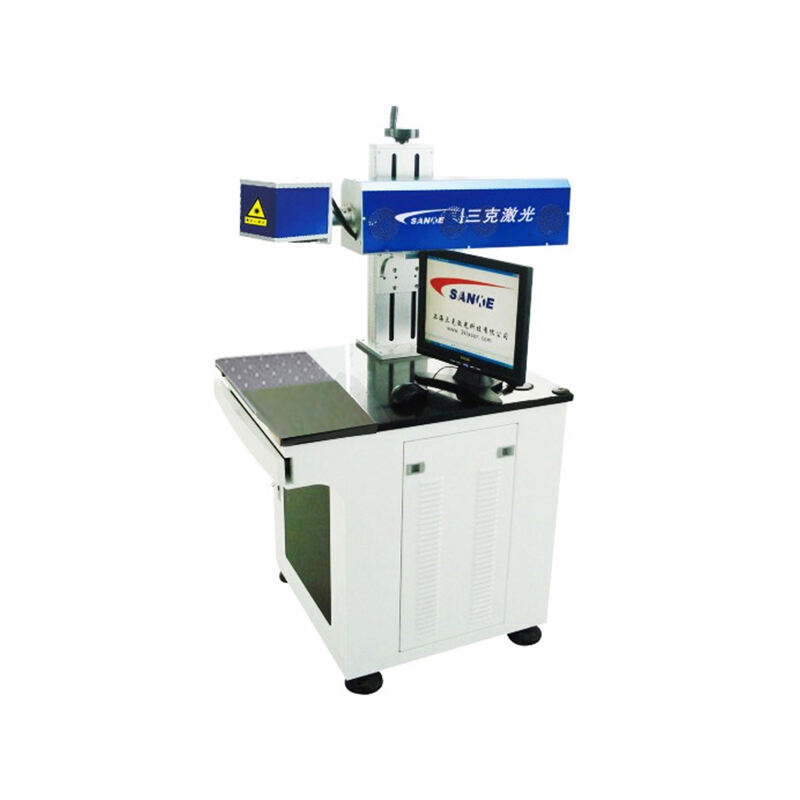
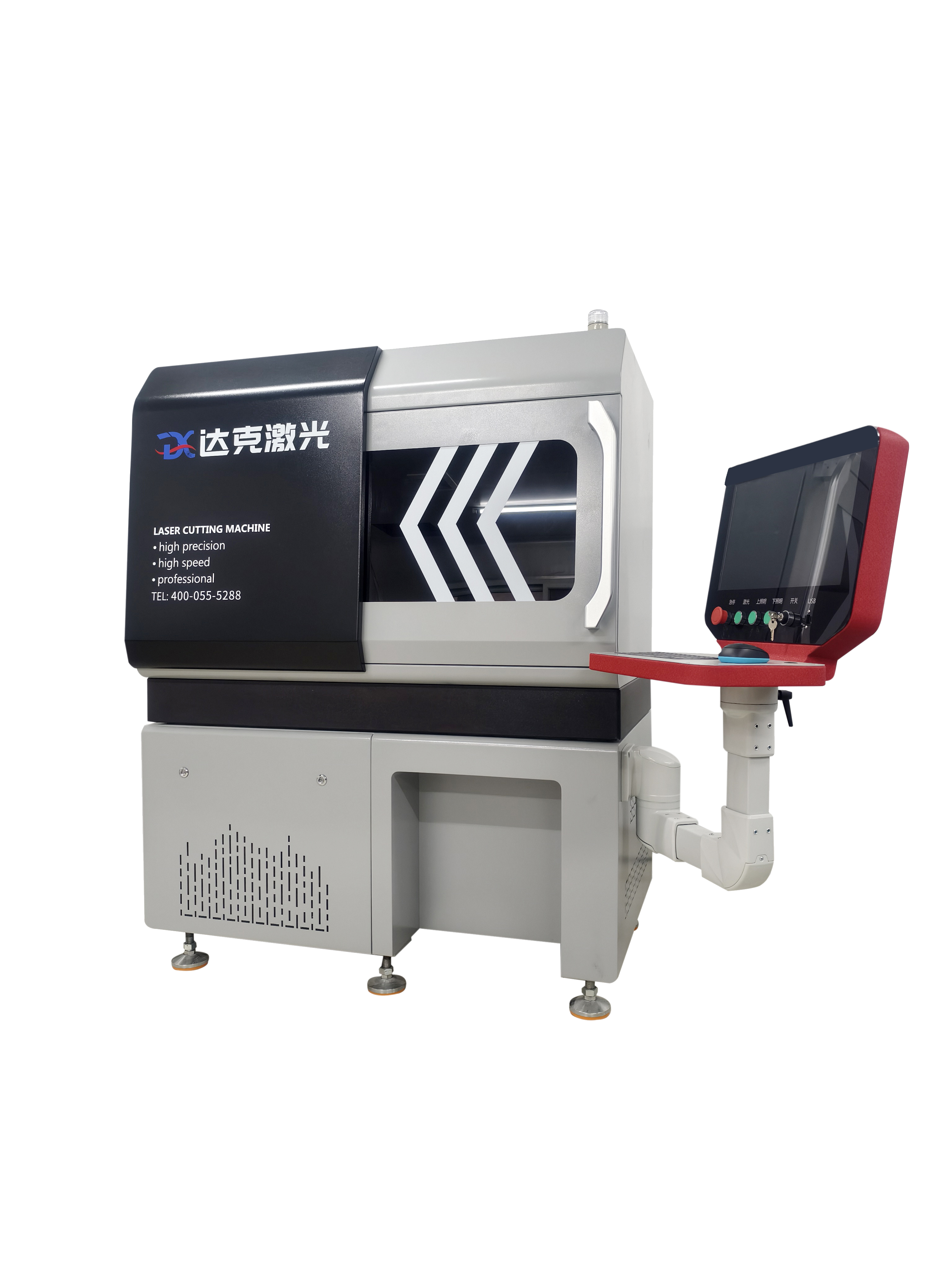
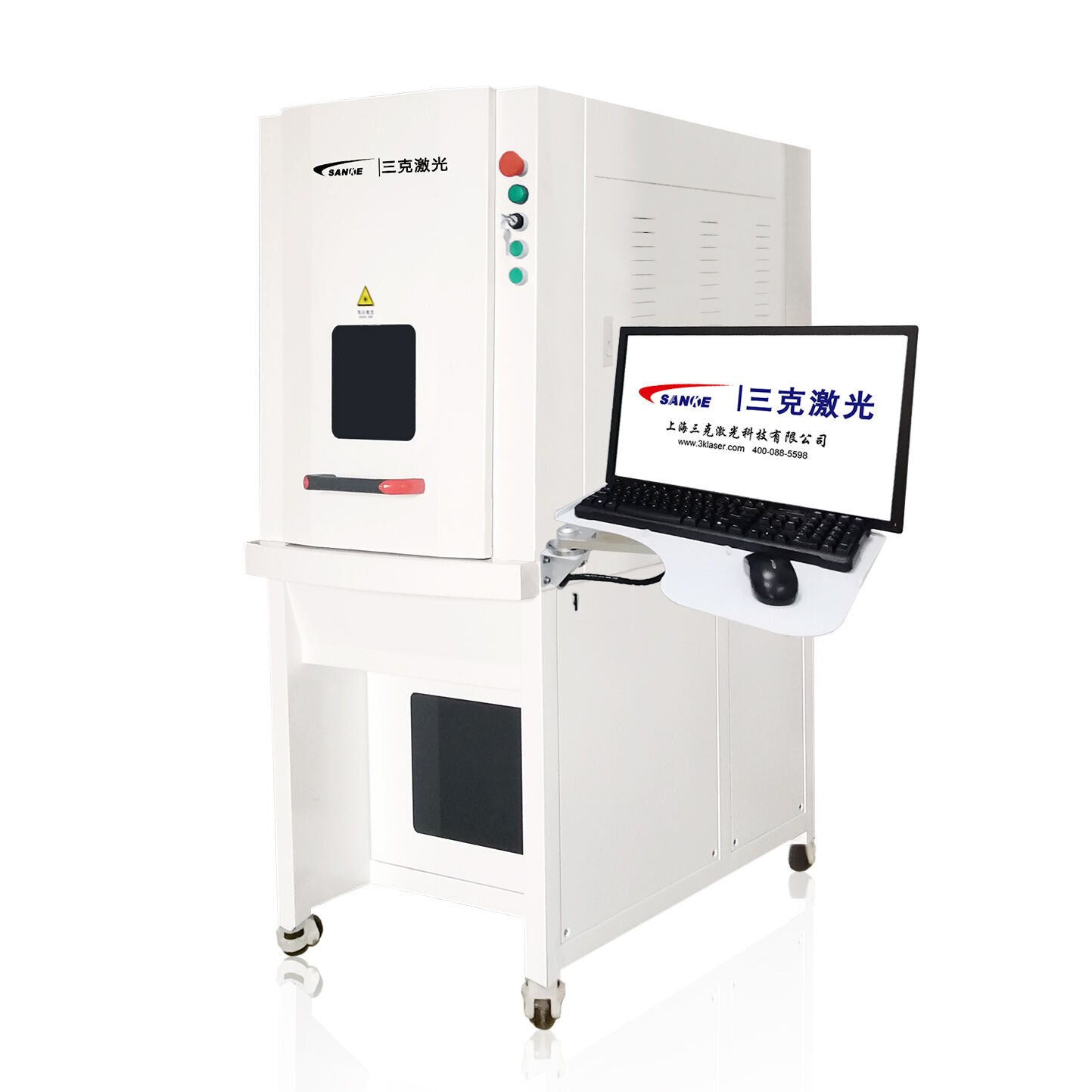
Drilling with laser represents a revolutionary advancement in precision manufacturing and material processing technology. This cutting-edge method utilizes concentrated laser beams to create precise holes, perforations, and micro-channels in various materials with exceptional accuracy and speed. The process involves focusing high-intensity laser energy onto specific points of a workpiece, causing rapid heating and material removal through vaporization or melting. Modern laser drilling systems employ sophisticated beam delivery mechanisms, computer-controlled positioning systems, and real-time monitoring capabilities to ensure consistent results across diverse applications. The technology encompasses multiple laser types, including pulsed and continuous wave systems, each optimized for specific material characteristics and drilling requirements. Advanced beam shaping optics allow operators to control hole geometry, taper angles, and surface finish quality with remarkable precision. Contemporary drilling with laser equipment integrates automated material handling systems, multi-axis positioning platforms, and intelligent process control algorithms to maximize throughput while maintaining strict quality standards. The versatility of this technology enables processing of metals, ceramics, polymers, composites, and semiconductor materials with minimal thermal damage to surrounding areas. Quality control features include real-time depth monitoring, diameter measurement systems, and automated defect detection capabilities. Environmental benefits include reduced waste generation, elimination of chemical processing agents, and lower energy consumption compared to conventional drilling methods. The non-contact nature of drilling with laser eliminates tool wear concerns and reduces maintenance requirements significantly. Integration capabilities with existing manufacturing systems make this technology adaptable to various production environments, from high-volume automotive manufacturing to precision aerospace component production.

New Products

The implementation of drilling with laser technology delivers substantial operational benefits that directly impact manufacturing efficiency and product quality. Cost reduction represents a primary advantage, as this method eliminates expensive consumable drilling tools, reduces material waste, and minimizes secondary finishing operations. Production facilities experience significant labor cost savings through automated processing capabilities that require minimal operator intervention once parameters are established. Energy efficiency improvements result from precise heat application that concentrates thermal energy exactly where needed, reducing overall power consumption compared to traditional mechanical drilling methods. Quality enhancement occurs through consistent hole geometry, superior surface finish characteristics, and elimination of burr formation that typically requires additional processing steps. The precision achievable through drilling with laser technology enables manufacturers to meet increasingly stringent dimensional tolerances demanded by modern applications. Flexibility advantages include rapid changeover between different hole sizes, patterns, and materials without tool replacement or extensive setup procedures. Production speed increases dramatically as laser systems can create multiple holes simultaneously and process materials at rates significantly faster than conventional drilling equipment. Maintenance requirements decrease substantially due to the non-contact processing nature, eliminating concerns about tool wear, breakage, and replacement scheduling. Workspace optimization benefits emerge from compact system designs that require less floor space than traditional drilling stations while providing greater processing capabilities. Material compatibility advantages allow processing of challenging materials including hardened steels, exotic alloys, and heat-sensitive plastics without degradation. Environmental benefits include reduced chemical usage, lower noise levels, and elimination of coolant systems required by conventional drilling operations. Reliability improvements result from consistent laser output characteristics and computer-controlled processing parameters that minimize human error factors. Integration advantages enable seamless incorporation into existing production lines with standard communication protocols and automation interfaces. Quality documentation capabilities provide comprehensive process records including real-time monitoring data, dimensional verification results, and traceability information essential for regulated industries.

Practical Tips

Can a laser drilling machine be integrated into an automated production line?

19

Nov

Can a laser drilling machine be integrated into an automated production line?

Modern manufacturing demands unprecedented levels of precision, efficiency, and automation to remain competitive in today's global marketplace. The integration of advanced equipment into automated production lines has become essential for manufacture...
View More
How do handheld laser cleaning machines contribute to environmentally friendly cleaning practices?

19

Nov

How do handheld laser cleaning machines contribute to environmentally friendly cleaning practices?

Modern industrial cleaning practices are undergoing a revolutionary transformation as companies seek more sustainable and environmentally conscious solutions. Traditional cleaning methods often rely on harsh chemicals, abrasive materials, and process...
View More
How can laser welding be applied to different materials, and what are the challenges?

19

Nov

How can laser welding be applied to different materials, and what are the challenges?

Laser welding has revolutionized modern manufacturing processes by offering unprecedented precision and versatility in joining various materials. This advanced technique utilizes focused laser beams to create high-quality welds with minimal heat-affe...
View More
How Do Different Laser Sources Impact the Efficiency of Industrial Processes?

19

Nov

How Do Different Laser Sources Impact the Efficiency of Industrial Processes?

Industrial manufacturing has undergone a revolutionary transformation with the integration of advanced laser technology, where different laser sources serve as the cornerstone of precision processing across numerous sectors. The selection of appropri...
View More

Get a Free Quote

Our representative will contact you soon.
Email
Name
Company Name
Message
0/1000

drilling with laser

Unmatched Precision and Consistency

Unmatched Precision and Consistency

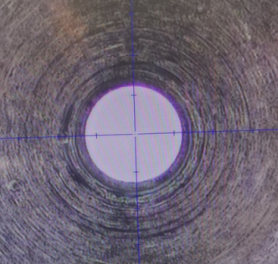
The precision capabilities of drilling with laser technology far exceed traditional mechanical drilling methods, delivering dimensional accuracy that meets the most demanding manufacturing specifications. This advanced processing method achieves hole diameter tolerances within micrometers, ensuring consistent results across entire production runs regardless of material variations or environmental conditions. The computer-controlled beam positioning system eliminates human error factors while maintaining precise hole placement accuracy that surpasses conventional drilling equipment capabilities. Heat-affected zone control represents a critical precision advantage, as focused laser energy minimizes thermal impact on surrounding material areas, preserving structural integrity and material properties essential for high-performance applications. Advanced beam shaping technology enables creation of complex hole geometries including tapered profiles, stepped configurations, and precise entrance-to-exit diameter ratios that would be impossible or extremely difficult to achieve through mechanical drilling processes. Real-time monitoring systems continuously verify dimensional parameters during processing, automatically adjusting laser power and pulse duration to maintain specified tolerances throughout production cycles. The non-contact nature of drilling with laser eliminates mechanical forces that can cause workpiece distortion or positioning errors common in traditional drilling operations. Repeatability characteristics ensure identical results across thousands of processing cycles, making this technology ideal for high-volume production environments where consistency directly impacts product quality and customer satisfaction. Surface finish quality achieved through laser processing eliminates the need for secondary finishing operations, reducing production time and associated costs while improving overall part quality. Precision control extends to hole depth accuracy, enabling creation of blind holes with exact depth specifications and consistent bottom surface characteristics. The absence of tool wear concerns ensures consistent hole quality from the first part to the final part in production runs, eliminating quality variations associated with progressive tool degradation. Advanced process control algorithms automatically compensate for material thickness variations and surface condition differences, maintaining consistent drilling results across diverse workpiece characteristics.
Superior Material Versatility and Processing Speed

Superior Material Versatility and Processing Speed

Drilling with laser technology demonstrates exceptional versatility in processing diverse materials ranging from thin metal sheets to thick ceramic substrates, providing manufacturers with unprecedented flexibility in material selection and application development. This capability extends across metals including stainless steel, aluminum, titanium, and exotic alloys used in aerospace applications, as well as non-metallic materials such as ceramics, polymers, composites, and semiconductor substrates. Processing speed advantages become immediately apparent in high-volume production environments where drilling with laser systems can create hundreds of holes per minute while maintaining consistent quality standards. The ability to process multiple holes simultaneously through beam splitting technology multiplies throughput capabilities far beyond conventional drilling methods. Material thickness compatibility ranges from ultra-thin foils measuring micrometers to substantial plates several millimeters thick, accommodating diverse manufacturing requirements within a single processing system. Heat treatment and hardness variations that challenge traditional drilling tools present no obstacles to laser processing, enabling consistent results across materials with varying mechanical properties. Complex hole patterns and intricate designs can be programmed and executed automatically, eliminating the time-consuming setup procedures required for conventional drilling operations. Processing speed optimization occurs through intelligent parameter selection algorithms that automatically adjust laser settings based on material characteristics and desired hole specifications. Multi-axis processing capabilities enable simultaneous drilling of holes at various angles and orientations, completing complex operations in single setups that would require multiple conventional drilling stations. The elimination of tool changes and setup procedures between different hole sizes or materials dramatically reduces non-productive time, maximizing equipment utilization rates. Batch processing capabilities allow simultaneous processing of multiple workpieces, further multiplying productivity advantages in appropriate applications. Advanced material handling systems integrate seamlessly with laser drilling equipment to provide continuous processing capabilities that minimize operator intervention requirements while maintaining consistent quality standards throughout extended production runs.
Economic Efficiency and Environmental Sustainability

Economic Efficiency and Environmental Sustainability

The economic advantages of drilling with laser technology extend far beyond initial equipment investment, delivering long-term cost savings through reduced operational expenses, eliminated consumable costs, and improved production efficiency. Tool cost elimination represents a significant economic benefit, as laser systems require no drilling bits, reamers, or other consumable cutting tools that represent ongoing operational expenses in conventional drilling operations. Maintenance cost reductions occur through the elimination of mechanical wear components, reducing scheduled maintenance requirements and eliminating unexpected downtime associated with tool breakage or excessive wear conditions. Labor cost optimization results from automated processing capabilities that enable single operators to manage multiple laser drilling systems simultaneously, improving labor productivity while reducing direct manufacturing costs. Energy efficiency characteristics of modern drilling with laser systems consume less power per hole compared to conventional drilling equipment, particularly when processing challenging materials that require significant mechanical force. Waste reduction benefits include elimination of metal chips and drilling debris that require disposal and cleanup procedures, while the precise material removal process minimizes material waste compared to conventional drilling methods. Production flexibility advantages enable rapid changeovers between different products without expensive tooling changes or extensive setup procedures, reducing inventory requirements and improving responsiveness to customer demands. Quality cost reductions emerge from consistent processing results that minimize scrap rates and eliminate costly rework procedures associated with dimensional variations common in conventional drilling operations. Environmental sustainability advantages include reduced chemical usage as laser processing eliminates cutting fluid requirements, reducing both material costs and environmental disposal concerns. Facility space optimization provides additional economic benefits through compact equipment designs that require less floor space than conventional drilling stations while providing superior processing capabilities. The extended service life of laser drilling systems, combined with minimal maintenance requirements, delivers superior return on investment compared to traditional drilling equipment that requires frequent tool replacement and extensive maintenance procedures. Process documentation capabilities provide comprehensive quality records that support regulatory compliance requirements while reducing quality assurance costs through automated verification and reporting systems.

Get a Free Quote

Our representative will contact you soon.
Email
Name
Company Name
Message
0/1000