glass laser drilling-0

Advanced Glass Laser Drilling Technology - Precision Manufacturing Solutions

Get a Free Quote

Our representative will contact you soon.
Email
Name
Company Name
Message
0/1000

glass laser drilling

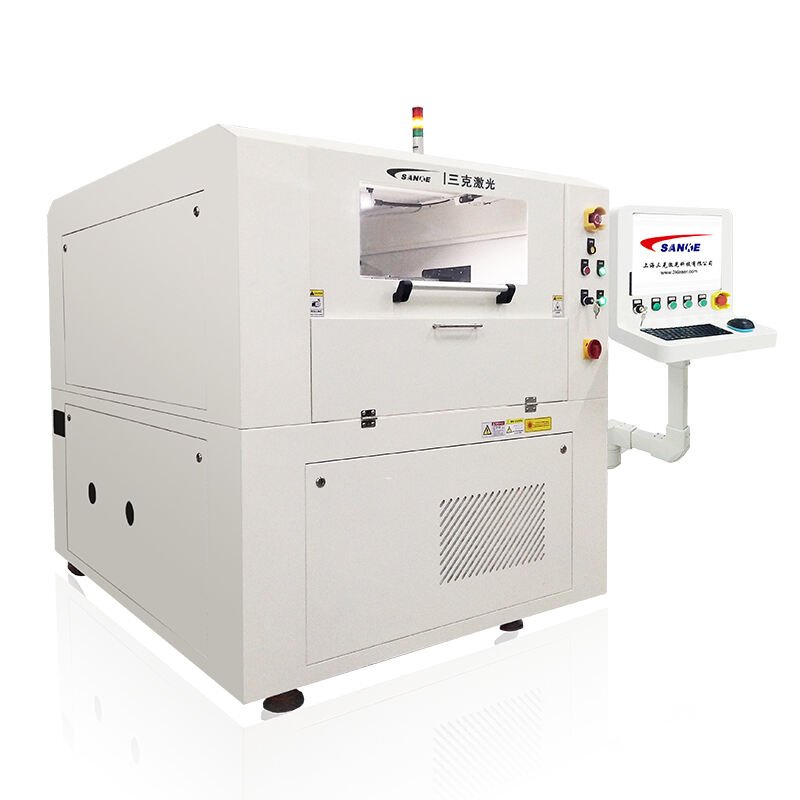
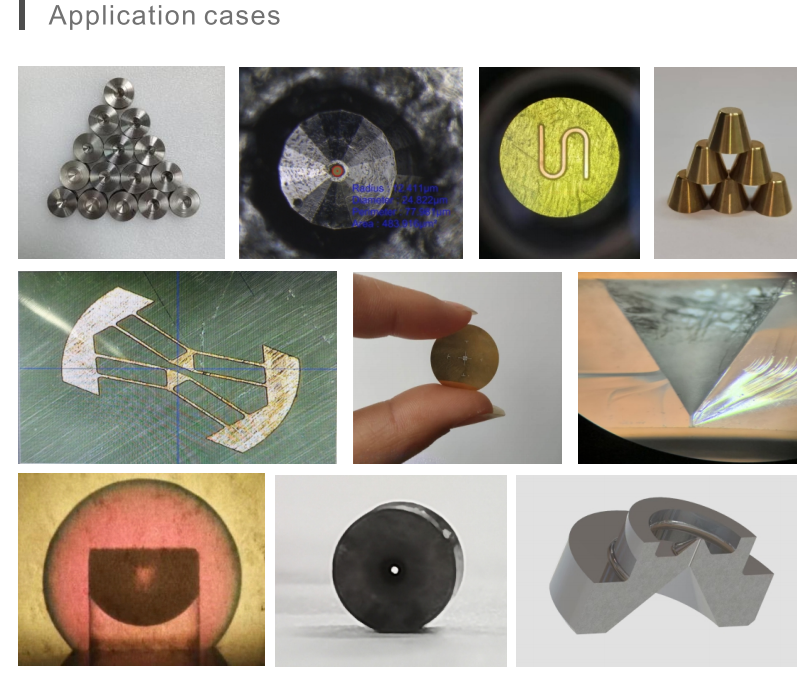
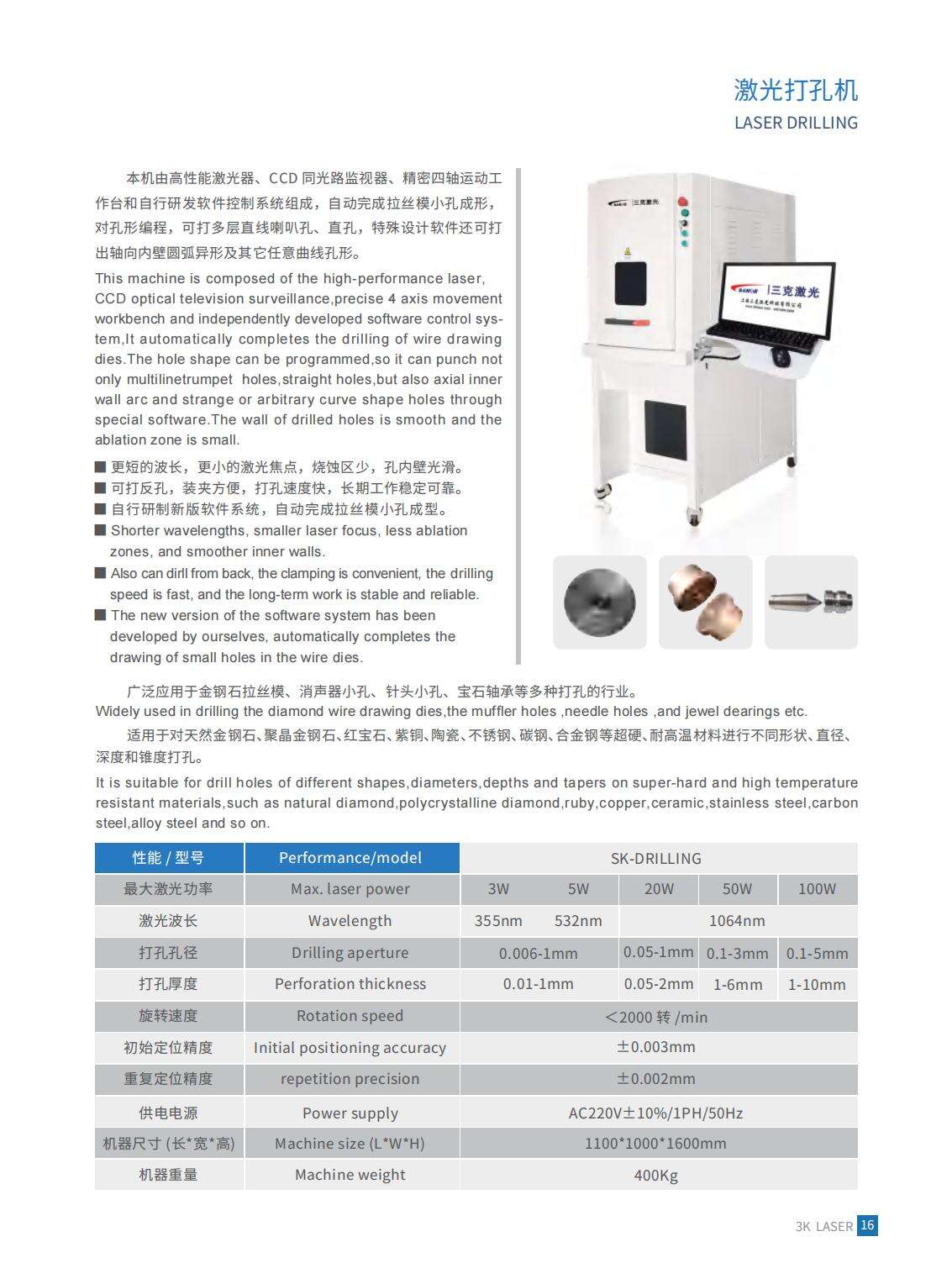
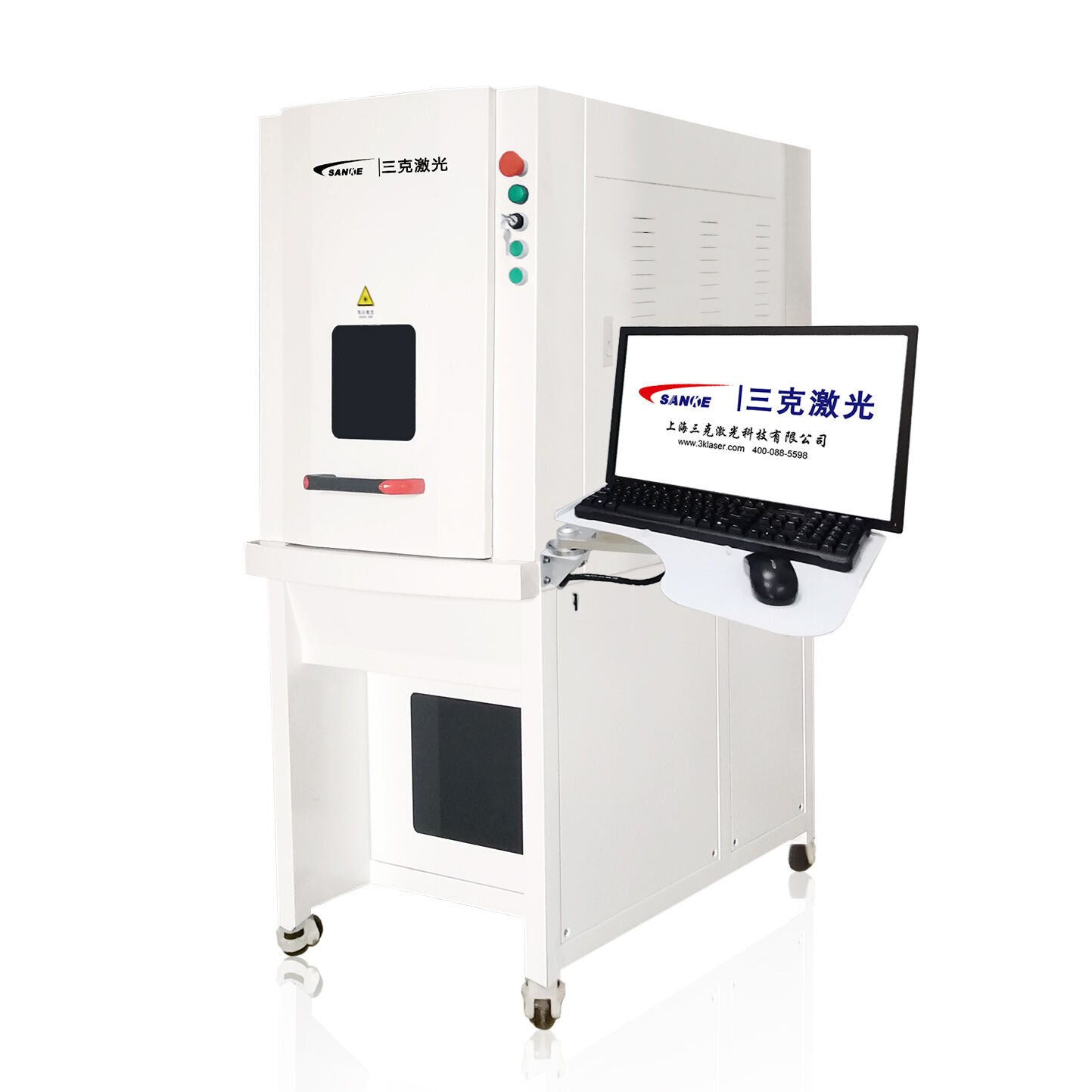
Glass laser drilling represents a revolutionary manufacturing technology that utilizes focused laser beams to create precise holes and perforations in various glass materials. This advanced process employs high-powered laser systems to deliver concentrated energy that rapidly heats and vaporizes glass material, forming clean, accurate holes without the mechanical stress associated with traditional drilling methods. The technology operates through photonic energy transfer, where laser light interacts with glass molecular structure to achieve controlled material removal. Modern glass laser drilling systems incorporate sophisticated beam control mechanisms, allowing operators to adjust parameters such as pulse duration, frequency, and power output to optimize results for different glass types and thicknesses. The process can accommodate various glass compositions, including borosilicate, soda-lime, quartz, and specialty optical glasses, making it versatile for diverse manufacturing requirements. Key technological features include computer-controlled positioning systems that ensure exceptional accuracy, typically achieving tolerances within micrometers. The non-contact nature of laser processing eliminates tool wear and reduces contamination risks, while programmable settings enable consistent repeatability across large production runs. Advanced cooling systems prevent thermal damage to surrounding material, maintaining structural integrity throughout the drilling process. Real-time monitoring capabilities allow operators to track progress and make immediate adjustments, ensuring optimal quality control. The technology supports various hole geometries, from simple cylindrical perforations to complex tapered or stepped configurations. Integration with automated handling systems enables high-volume production capabilities, while flexible programming accommodates rapid changeovers between different product specifications. Environmental benefits include reduced waste generation and elimination of cutting fluids typically required in mechanical drilling operations.

New Product Releases

Glass laser drilling offers numerous compelling advantages that make it the preferred choice for precision manufacturing applications. The technology delivers unmatched accuracy, creating holes with dimensional tolerances that mechanical drilling methods simply cannot achieve. This precision translates directly into improved product quality and reduced rejection rates, saving manufacturers significant costs in materials and rework. The non-contact processing method eliminates the risk of glass cracking or chipping that commonly occurs with traditional drilling techniques, ensuring higher yield rates and better surface finish quality. Speed represents another major benefit, as laser systems can complete drilling operations in seconds rather than minutes, dramatically increasing production throughput. This efficiency gain allows manufacturers to meet tight delivery schedules while reducing labor costs per unit. The versatility of glass laser drilling enables processing of various glass thicknesses and compositions without requiring tool changes or extensive setup modifications. This flexibility reduces inventory requirements for cutting tools and minimizes production downtime during product changeovers. Clean processing characteristics eliminate the need for secondary finishing operations, as laser-drilled holes typically require no deburring or polishing. This streamlined workflow reduces handling time and associated labor costs while minimizing the risk of damage during post-processing steps. Environmental advantages include the elimination of cutting fluids and coolants, reducing disposal costs and workplace safety concerns. The precision control offered by laser systems also minimizes material waste, as operators can optimize cutting parameters to reduce kerf width and maximize material utilization. Maintenance requirements are significantly lower compared to mechanical drilling equipment, as there are no cutting tools to replace or mechanical components subject to wear. This reliability translates into higher equipment uptime and more predictable maintenance schedules. The programmable nature of laser systems allows for easy integration with existing manufacturing execution systems, enabling better production planning and quality traceability. Remote monitoring capabilities provide real-time production data, helping manufacturers identify optimization opportunities and maintain consistent quality standards across multiple production shifts.

Tips And Tricks

What are the typical power requirements for different models of laser drilling machines?

19

Nov

What are the typical power requirements for different models of laser drilling machines?

Understanding the power requirements for laser drilling machines is crucial for manufacturers, engineers, and facility managers planning their industrial operations. The electrical demands of these sophisticated systems vary significantly based on la...
View More
How do I ensure the safety of operators when using a laser drilling machine?

19

Nov

How do I ensure the safety of operators when using a laser drilling machine?

Laser drilling machines have revolutionized precision manufacturing across industries, offering unparalleled accuracy and efficiency for creating micro-holes in various materials. However, the powerful laser beams used in these systems pose significa...
View More
How can laser welding be applied to different materials, and what are the challenges?

19

Nov

How can laser welding be applied to different materials, and what are the challenges?

Laser welding has revolutionized modern manufacturing processes by offering unprecedented precision and versatility in joining various materials. This advanced technique utilizes focused laser beams to create high-quality welds with minimal heat-affe...
View More
What is a Laser Engraving Machine and How Does It Work?

19

Nov

What is a Laser Engraving Machine and How Does It Work?

A laser engraving machine represents one of the most precise and versatile tools in modern manufacturing and crafting industries. These sophisticated devices utilize focused laser beams to permanently mark, engrave, or cut various materials with exce...
View More

Get a Free Quote

Our representative will contact you soon.
Email
Name
Company Name
Message
0/1000

glass laser drilling

Unparalleled Precision and Quality Control

Unparalleled Precision and Quality Control

The precision capabilities of glass laser drilling technology set new standards for manufacturing excellence in the glass processing industry. This advanced system achieves hole diameter tolerances within plus or minus 5 micrometers, a level of accuracy that mechanical drilling methods cannot match. The laser beam's focused energy creates perfectly circular holes with smooth walls and minimal heat-affected zones, eliminating the micro-cracks and edge chipping commonly associated with traditional drilling techniques. This exceptional precision stems from the computer-controlled beam positioning system, which uses servo motors and feedback sensors to maintain exact positioning throughout the drilling process. The technology's ability to maintain consistent hole quality across thousands of parts ensures that manufacturers can meet stringent quality requirements for critical applications such as medical devices, aerospace components, and precision instruments. Quality control benefits extend beyond dimensional accuracy to include surface finish characteristics, as laser-processed holes typically exhibit superior wall smoothness compared to mechanically drilled alternatives. The controlled energy delivery prevents thermal shock and stress concentration that can lead to delayed failure in glass components. Advanced monitoring systems continuously track processing parameters and provide real-time feedback to operators, enabling immediate corrections before quality issues develop. This proactive quality management approach reduces scrap rates and eliminates costly rework operations. The precision control also enables the creation of complex hole geometries, including tapered configurations and stepped diameters, which are difficult or impossible to achieve with conventional drilling methods. This geometric flexibility opens new design possibilities for engineers and allows manufacturers to consolidate multiple operations into a single laser processing step.
Enhanced Production Efficiency and Throughput

Enhanced Production Efficiency and Throughput

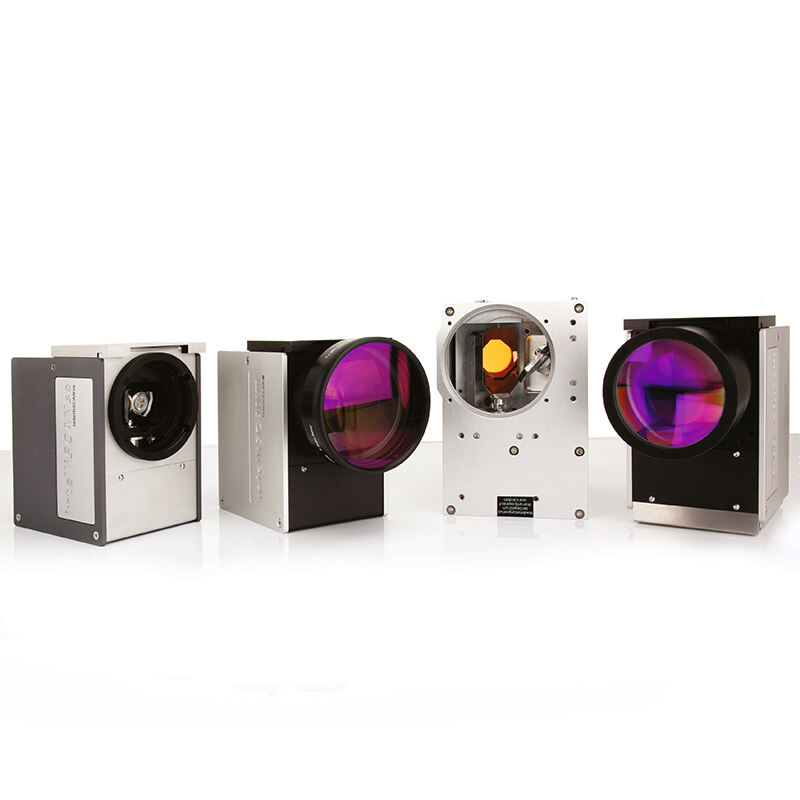
Glass laser drilling revolutionizes manufacturing efficiency by delivering dramatically faster processing speeds compared to traditional methods while maintaining superior quality standards. The technology can complete hole drilling operations in milliseconds to seconds, depending on glass thickness and hole specifications, compared to several seconds or minutes required for mechanical drilling. This speed advantage translates directly into higher production throughput, allowing manufacturers to process significantly more parts per hour and meet aggressive delivery schedules. The rapid processing capability stems from the instantaneous energy delivery of laser systems, which eliminates the time-consuming approach, contact, and withdrawal cycles required by mechanical drilling tools. Automated material handling integration further enhances efficiency by enabling continuous processing with minimal operator intervention. The system can process multiple holes simultaneously using beam splitting technology or rapidly sequence between hole locations using galvanometer-controlled mirrors. Setup time reductions represent another significant efficiency gain, as laser systems require no physical tool changes when switching between different hole sizes or configurations. This flexibility eliminates the downtime associated with tool changeover procedures and reduces the skilled labor requirements for production setup. The programmable nature of laser processing enables rapid recipe changes through software commands, allowing manufacturers to accommodate customer specification changes without lengthy reconfiguration procedures. Energy efficiency advantages also contribute to operational cost savings, as modern laser systems convert electrical energy to useful work more efficiently than mechanical alternatives. The elimination of consumable cutting tools reduces ongoing operational expenses and inventory management requirements. Predictable maintenance schedules based on operating hours rather than tool wear cycles enable better production planning and resource allocation. These efficiency improvements combine to deliver substantial cost per part reductions while improving delivery performance and customer satisfaction.
Versatile Material Compatibility and Application Range

Versatile Material Compatibility and Application Range

The versatility of glass laser drilling technology extends across an impressive range of glass materials and applications, making it an invaluable solution for diverse manufacturing requirements. This advanced processing method successfully handles various glass compositions including borosilicate, soda-lime, quartz, sapphire, and specialty optical glasses, each requiring different processing parameters that the system automatically adjusts. The technology accommodates glass thicknesses ranging from ultra-thin substrates measuring less than 0.1 millimeters to thick optical components exceeding 25 millimeters, demonstrating remarkable flexibility in material handling capabilities. Parameter optimization for different materials occurs through sophisticated software algorithms that consider thermal properties, absorption characteristics, and structural requirements to determine optimal laser settings. This intelligent material recognition capability ensures consistent results regardless of glass type variations. Application versatility spans multiple industries, from electronics manufacturing requiring precise via holes in display substrates to medical device production demanding biocompatible hole configurations in glass syringes and vials. Automotive applications benefit from laser-drilled ventilation holes in glass panels, while aerospace industries utilize the technology for sensor mounting holes in cockpit displays and instrument panels. The system's ability to create various hole geometries expands application possibilities, including straight-through holes, blind holes with controlled depths, and complex multi-diameter configurations. Micro-drilling capabilities enable the creation of holes with diameters as small as 10 micrometers, opening opportunities in microfluidics and advanced optical component manufacturing. The non-thermal damage processing ensures that optical properties remain unchanged in critical applications such as laser optics and precision instruments. Batch processing capabilities allow simultaneous drilling of multiple components, improving production efficiency for high-volume applications. The technology also supports specialty applications such as decorative hole patterns in architectural glass and functional perforations in laboratory glassware, demonstrating its adaptability to both technical and aesthetic requirements.

Get a Free Quote

Our representative will contact you soon.
Email
Name
Company Name
Message
0/1000