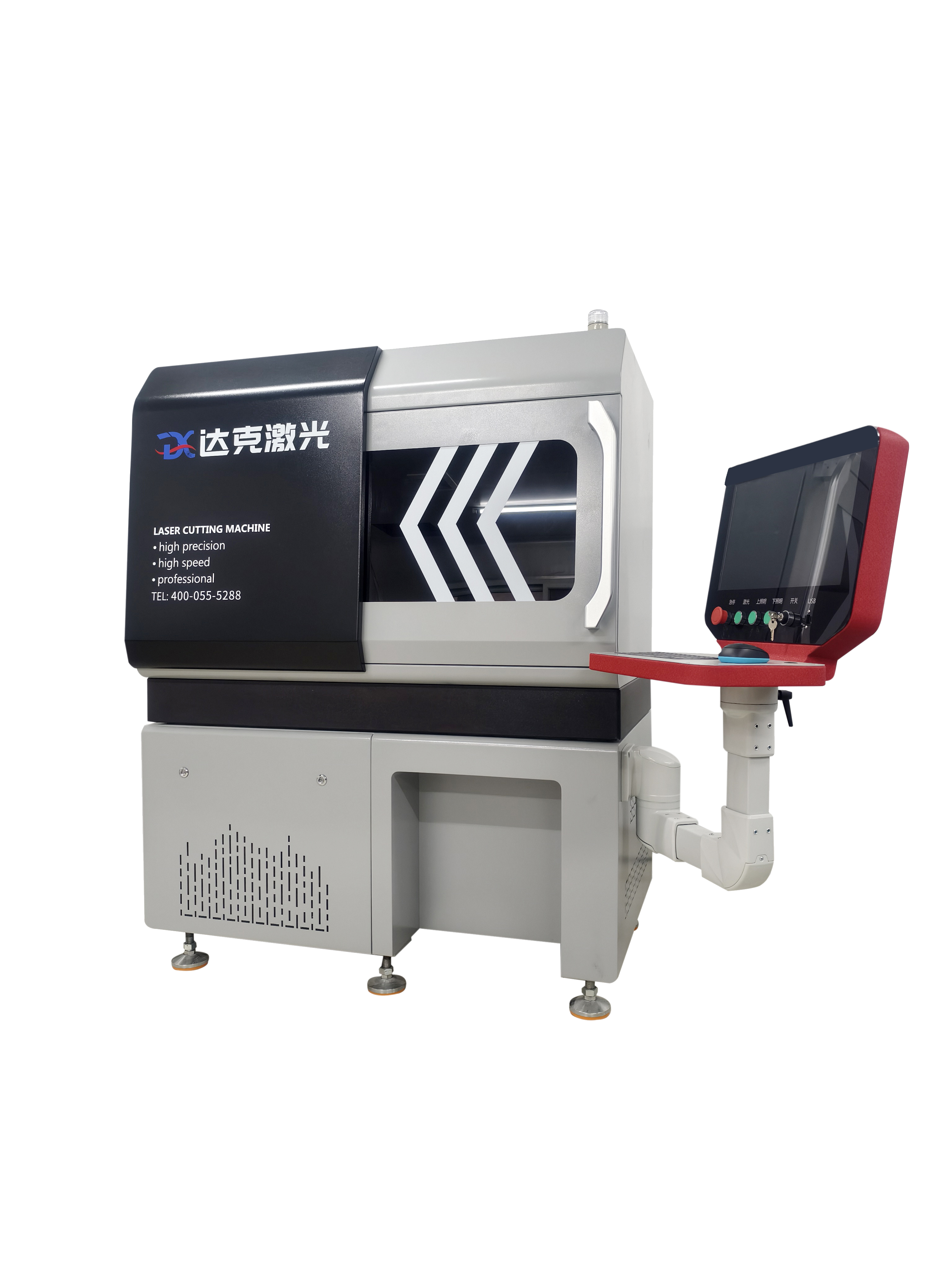
internal laser drilling-0

Internal Laser Drilling Technology: Precision Manufacturing Solutions for Complex Applications

Get a Free Quote

Our representative will contact you soon.
Email
Name
Company Name
Message
0/1000

internal laser drilling

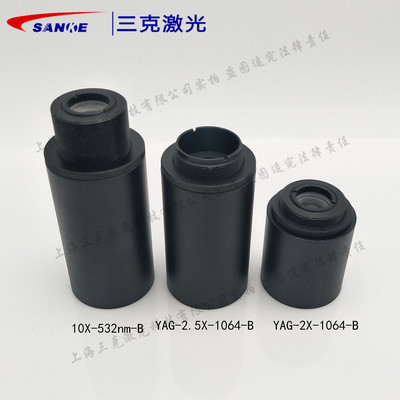
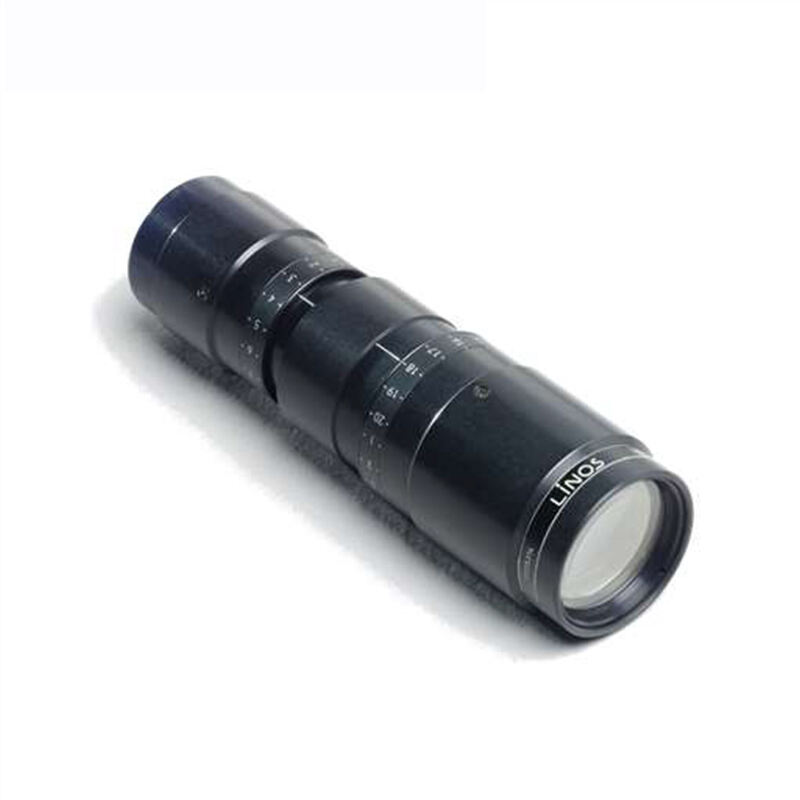
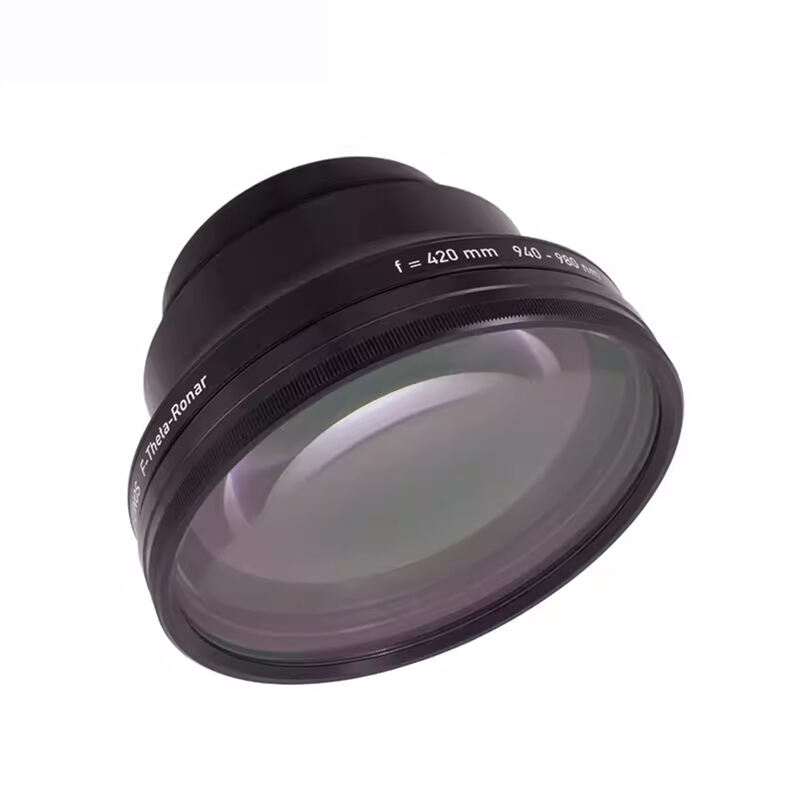
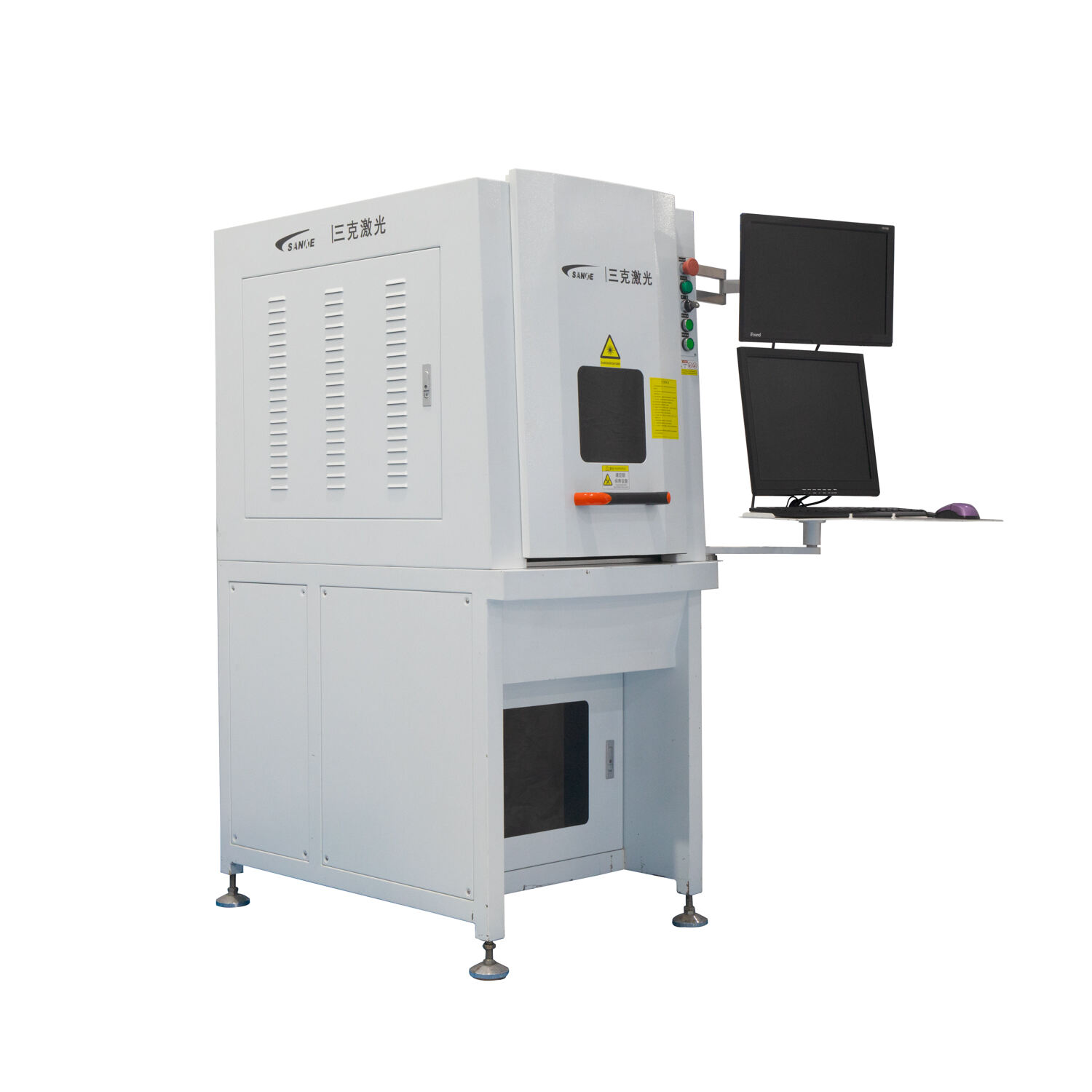
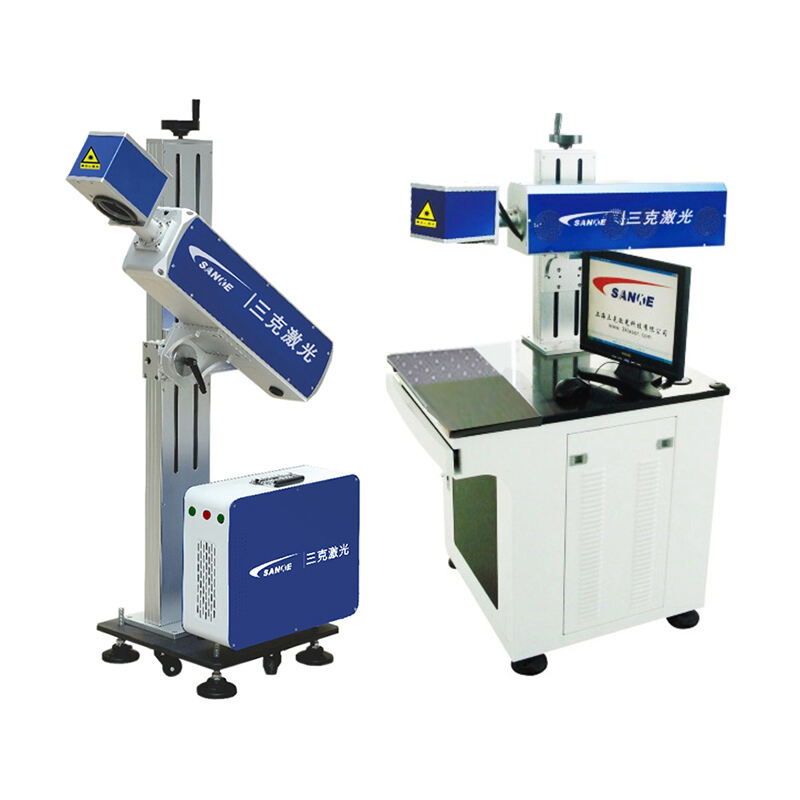
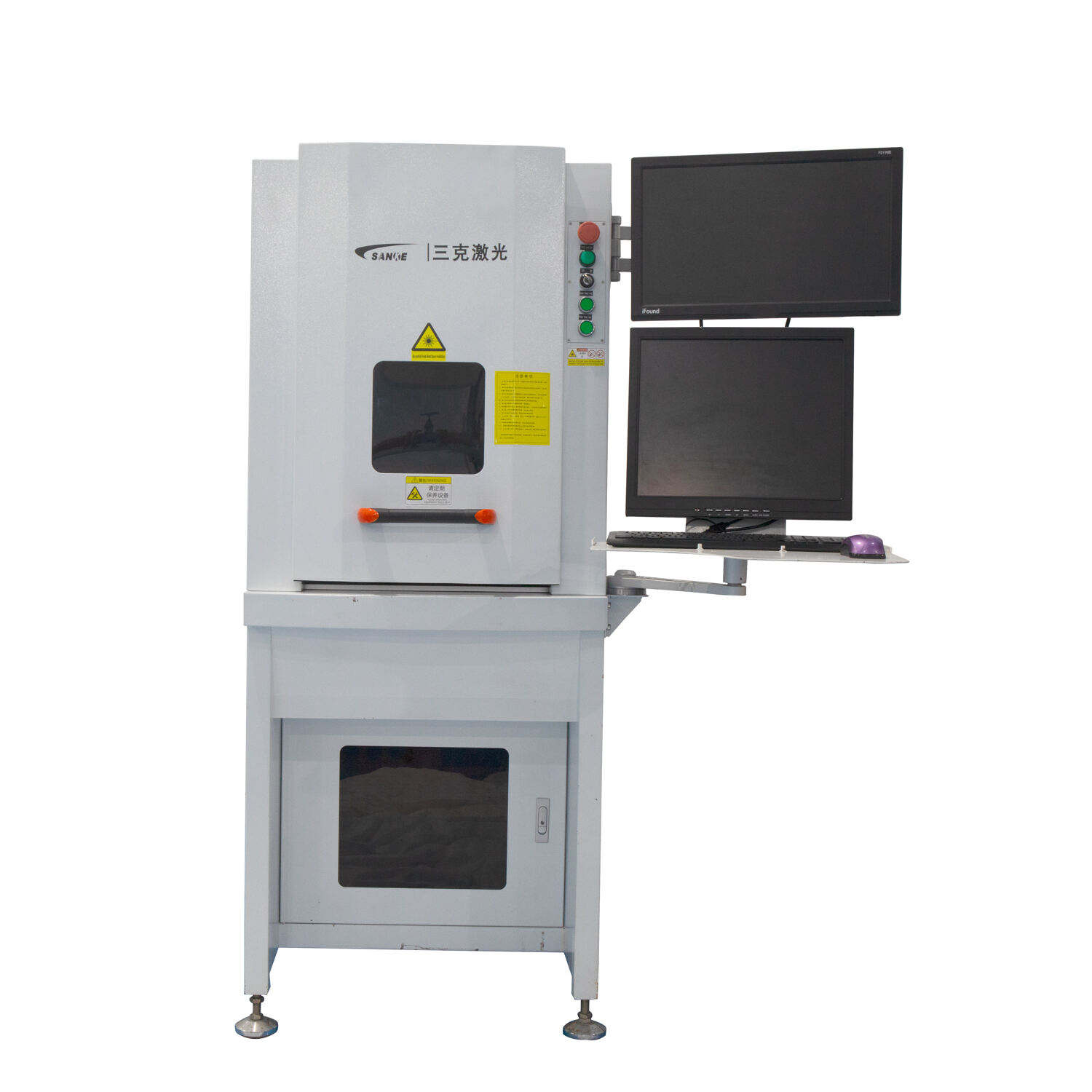
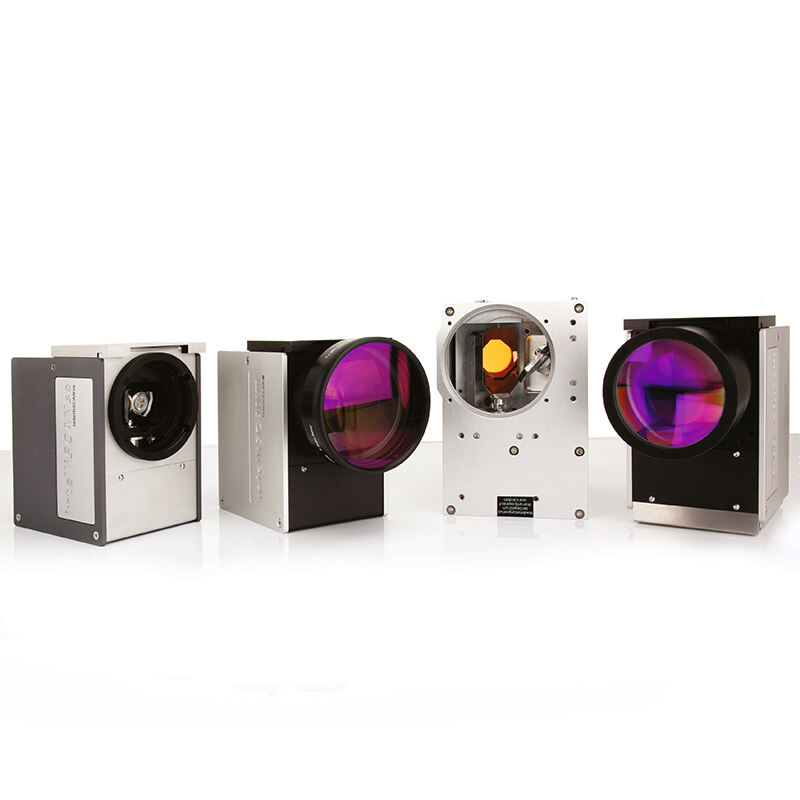
Internal laser drilling represents a revolutionary manufacturing technology that utilizes focused laser beams to create precise holes and channels within materials from the inside out. This advanced process employs sophisticated optical systems and computerized control mechanisms to deliver targeted energy directly to specific locations within a workpiece, enabling the creation of complex internal geometries that would be impossible to achieve through conventional drilling methods. The technology operates by directing high-intensity laser pulses through transparent or semi-transparent materials, allowing manufacturers to drill holes, create cavities, and form intricate patterns without compromising the external surface integrity. Internal laser drilling systems incorporate multiple technological components including precision laser sources, beam delivery systems, advanced focusing optics, and real-time monitoring equipment that work together to ensure consistent results. The process begins with material analysis to determine optimal laser parameters, followed by precise positioning and controlled energy delivery that vaporizes material along predetermined paths. This technology excels in creating micro-holes, complex channel networks, and three-dimensional internal structures with exceptional accuracy and repeatability. Manufacturing industries increasingly rely on internal laser drilling for producing components that require internal cooling channels, fluid pathways, or embedded features while maintaining smooth external surfaces. The system's ability to work with various materials including metals, ceramics, polymers, and composites makes it versatile for diverse applications. Quality control integration ensures each drilling operation meets stringent specifications through continuous monitoring and feedback systems. The non-contact nature of internal laser drilling eliminates tool wear concerns while providing superior dimensional accuracy compared to traditional mechanical drilling methods.

New Product Releases

Internal laser drilling delivers substantial benefits that transform manufacturing efficiency and product quality across multiple industries. The precision capabilities of this technology surpass conventional drilling methods by achieving hole tolerances within micrometers, enabling manufacturers to create components with exact specifications every time. This exceptional accuracy reduces material waste significantly because operators can position holes precisely without requiring additional finishing operations or rework cycles. The speed advantage becomes immediately apparent when comparing production rates, as internal laser drilling systems complete complex drilling patterns in seconds rather than minutes required by mechanical alternatives. Manufacturing costs decrease substantially because the process eliminates expensive tooling replacements, reduces setup times, and minimizes secondary operations traditionally needed to achieve similar results. Quality consistency improves dramatically since laser parameters remain stable throughout production runs, ensuring every component meets identical specifications without variation caused by tool wear or operator differences. The technology handles delicate materials without causing stress fractures or deformation because the laser energy affects only targeted areas while leaving surrounding material unchanged. Flexibility represents another major advantage as operators can modify drilling patterns instantly through software changes without requiring new tooling or lengthy setup procedures. This adaptability allows manufacturers to respond quickly to design modifications or customer requirements while maintaining production schedules. Environmental benefits emerge from reduced waste generation and elimination of cutting fluids typically required in conventional drilling operations. The clean process produces minimal debris and operates without harmful chemicals, supporting sustainable manufacturing practices. Maintenance requirements decrease considerably because internal laser drilling systems contain fewer moving parts compared to mechanical drilling equipment, resulting in higher uptime and lower operational costs. Worker safety improves through automation features that minimize direct operator exposure to high-energy processes while maintaining consistent production output. The technology scales effectively from prototype development through high-volume production, providing manufacturers with long-term flexibility to grow their operations without major equipment changes.

Practical Tips

How does the maintenance of a laser drilling machine impact its performance and lifespan?

19

Nov

How does the maintenance of a laser drilling machine impact its performance and lifespan?

Proper maintenance of industrial laser drilling equipment represents one of the most critical factors determining operational efficiency and equipment longevity in modern manufacturing environments. When organizations invest in precision drilling tec...
View More
How to Choose the Right Portable Laser Welding Machine for Your Business?

19

Nov

How to Choose the Right Portable Laser Welding Machine for Your Business?

Manufacturing businesses today face increasing pressure to improve efficiency while maintaining exceptional quality standards. The advent of portable laser welding machines has revolutionized the welding industry by offering unprecedented mobility, p...
View More
What are the advantages of using a laser welding machine over traditional welding methods?

19

Nov

What are the advantages of using a laser welding machine over traditional welding methods?

Modern manufacturing processes continue to evolve with technological advancements, and welding technology stands at the forefront of this transformation. Among the most significant developments in recent years is the emergence of the laser welding ma...
View More
What industries benefit most from laser welding technology?

19

Nov

What industries benefit most from laser welding technology?

Modern manufacturing has witnessed a revolutionary shift in welding technology as industries increasingly adopt advanced laser welding systems. The laser welding machine represents a significant technological leap from conventional welding methods, o...
View More

Get a Free Quote

Our representative will contact you soon.
Email
Name
Company Name
Message
0/1000

internal laser drilling

Unprecedented Precision Control for Complex Internal Geometries

Unprecedented Precision Control for Complex Internal Geometries

Internal laser drilling achieves extraordinary precision levels that revolutionize how manufacturers approach complex component design and production. The technology delivers positional accuracy within plus or minus two micrometers, enabling the creation of intricate internal channel networks, cooling passages, and functional cavities that meet the most demanding engineering specifications. This precision stems from advanced beam control systems that manipulate laser energy with computerized accuracy, eliminating human error and mechanical variations that plague traditional drilling methods. Engineers can design components with confidence knowing that internal laser drilling will reproduce their exact specifications consistently across thousands of parts. The system maintains this precision even when creating multiple intersecting holes or complex three-dimensional patterns within a single component. Quality assurance becomes simplified because the repeatable nature of laser parameters ensures identical results from the first part to the last in any production run. This consistency reduces inspection requirements and eliminates costly rejections that occur when conventional drilling methods produce dimensional variations. The precision advantage extends to surface finish quality, as internal laser drilling creates smooth hole walls without the rough textures or burrs typically associated with mechanical drilling processes. Manufacturers benefit from reduced secondary finishing operations, shorter production cycles, and improved component performance. The technology handles challenging geometries such as angled holes, curved channels, and variable diameter passages with equal precision, opening new possibilities for innovative product designs. Research and development teams leverage this precision capability to explore advanced cooling solutions, improved fluid dynamics, and enhanced structural designs that were previously impossible to manufacture reliably.
Superior Material Versatility Across Industries

Superior Material Versatility Across Industries

Internal laser drilling demonstrates exceptional versatility by processing diverse material types with consistent quality and efficiency, making it an invaluable solution for manufacturers across multiple industries. The technology successfully handles metals including stainless steel, titanium, aluminum, and specialized alloys commonly used in aerospace and automotive applications. Advanced ceramics, technical polymers, and composite materials respond equally well to internal laser drilling parameters, providing manufacturers with flexibility to work with cutting-edge materials that challenge conventional drilling methods. This material versatility eliminates the need for multiple drilling systems or specialized tooling, reducing capital equipment investments while expanding production capabilities. Each material type benefits from optimized laser parameters that ensure clean, precise holes without thermal damage or structural compromise. The technology adapts seamlessly to varying material thicknesses, densities, and thermal properties through programmable control systems that adjust energy delivery automatically. Medical device manufacturers particularly value this versatility when working with biocompatible materials that require sterile processing conditions and zero contamination risks. Electronics manufacturers benefit from the ability to drill precise holes in circuit boards, semiconductor substrates, and advanced packaging materials without causing electrical interference or component damage. The aerospace industry relies on internal laser drilling for processing advanced composites and superalloys that resist conventional drilling while requiring exceptional precision for safety-critical applications. Automotive manufacturers leverage this versatility to create complex cooling channels in engine components, transmission parts, and electronic control modules using various materials within single assemblies. The technology maintains consistent quality standards regardless of material selection, ensuring reliable production outcomes and simplified process validation across diverse applications.
Enhanced Production Efficiency and Cost Optimization

Enhanced Production Efficiency and Cost Optimization

Internal laser drilling transforms manufacturing economics by delivering superior production efficiency while reducing operational costs across multiple performance metrics. The technology eliminates traditional tooling expenses including drill bits, reamers, and specialized cutting tools that require frequent replacement and maintenance in conventional drilling operations. Setup times decrease dramatically because operators simply load programs rather than installing and aligning mechanical tooling, enabling rapid changeovers between different product configurations. Production throughput increases substantially as internal laser drilling completes complex hole patterns in seconds compared to minutes required by sequential mechanical drilling operations. The simultaneous processing capability allows multiple holes to be created during single laser passes, further accelerating production rates while maintaining consistent quality standards. Energy efficiency surpasses conventional methods because laser systems deliver focused energy only where needed, eliminating waste associated with mechanical cutting forces and coolant systems. Maintenance costs remain minimal due to the non-contact nature of laser processing, which prevents tool wear and reduces downtime for equipment servicing. Quality-related savings emerge from reduced inspection requirements and virtually eliminated rework cycles because internal laser drilling maintains consistent parameters throughout production runs. Inventory management becomes simplified as manufacturers eliminate tooling stockpiles while reducing work-in-process components waiting for secondary finishing operations. Labor efficiency improves through automation capabilities that allow single operators to manage multiple drilling stations simultaneously while maintaining safety and quality standards. The technology scales efficiently from prototype quantities through high-volume production without requiring significant process modifications or additional capital investments. Long-term cost benefits accumulate through extended equipment life, reduced facility requirements, and improved product quality that enhances customer satisfaction and reduces warranty claims.

Get a Free Quote

Our representative will contact you soon.
Email
Name
Company Name
Message
0/1000