laser drilling applications-0

Advanced Laser Drilling Applications: Precision Manufacturing Solutions for Modern Industry

Get a Free Quote

Our representative will contact you soon.
Email
Name
Company Name
Message
0/1000

laser drilling applications

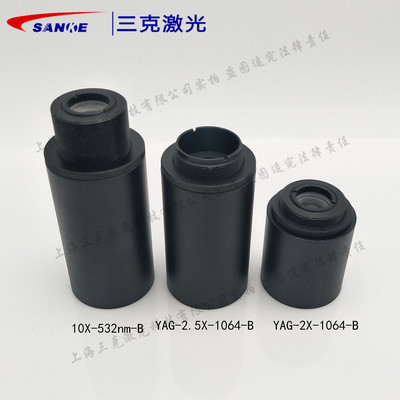
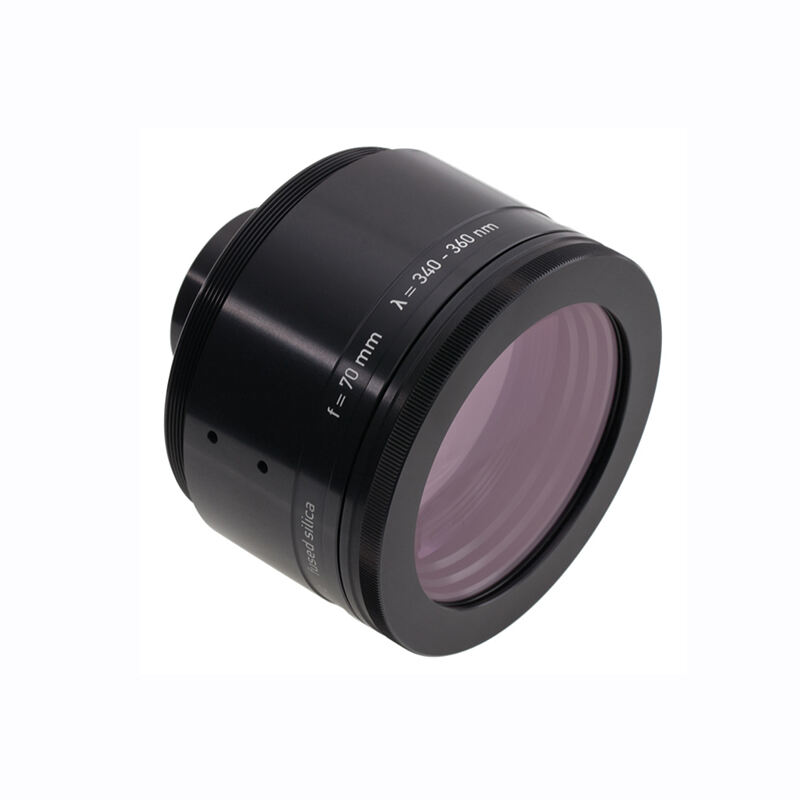
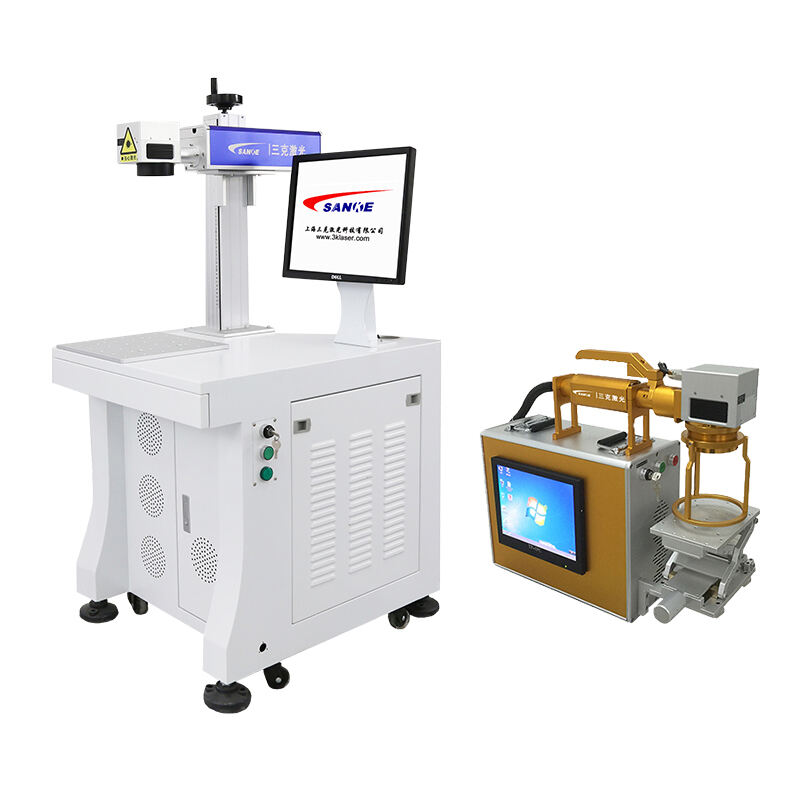
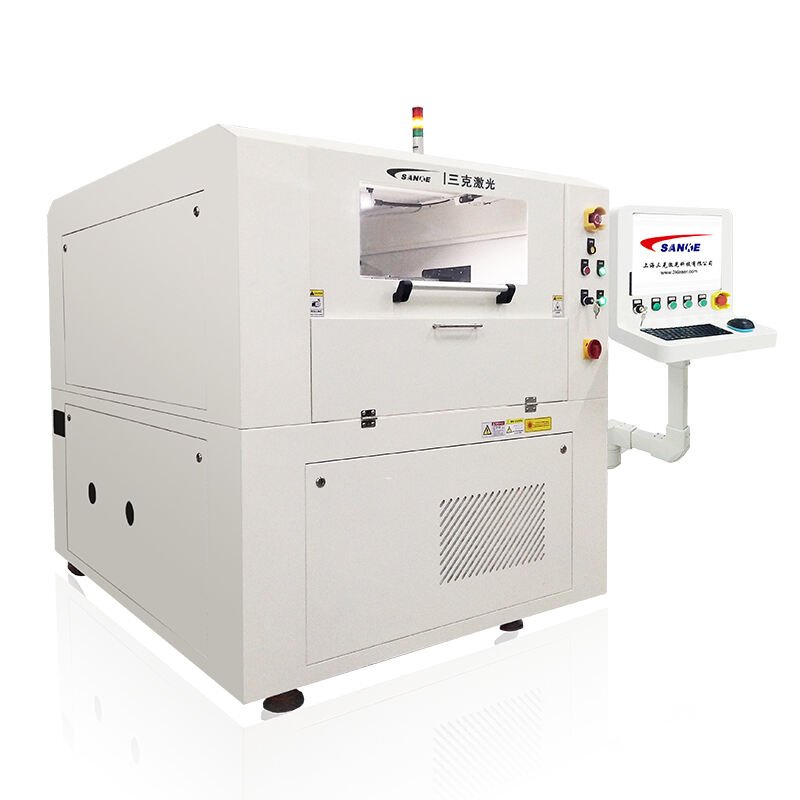
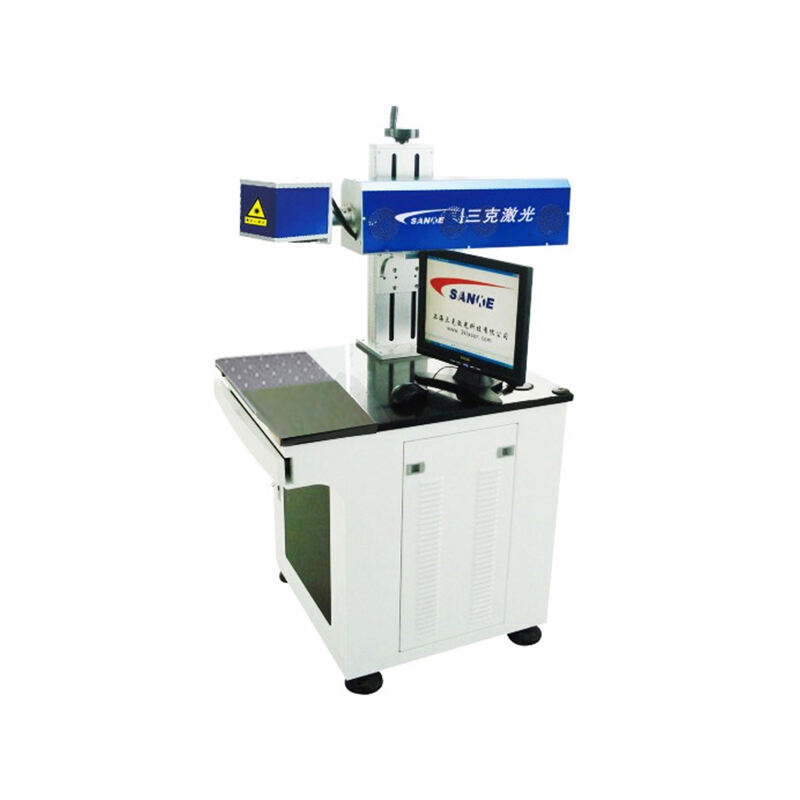
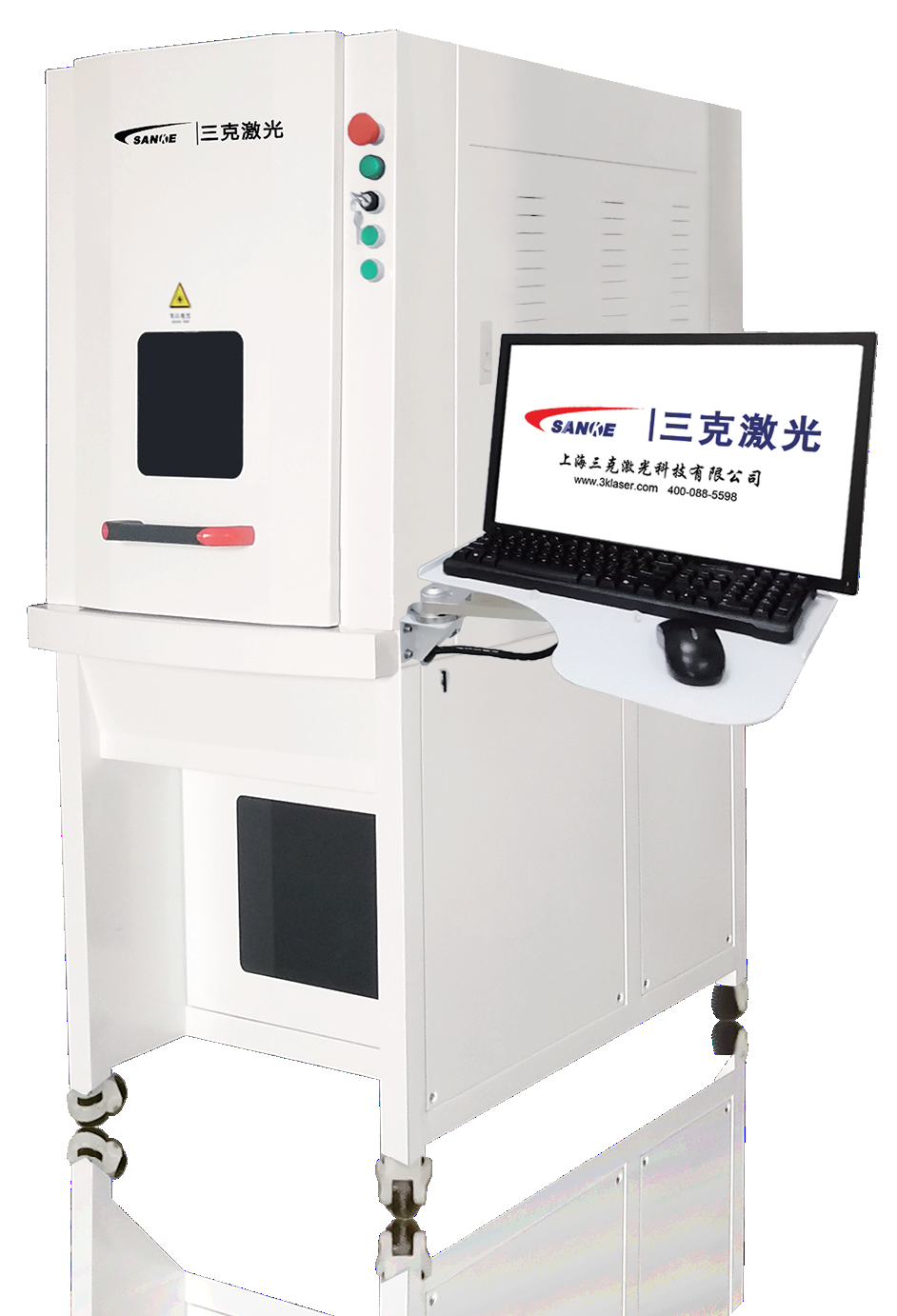
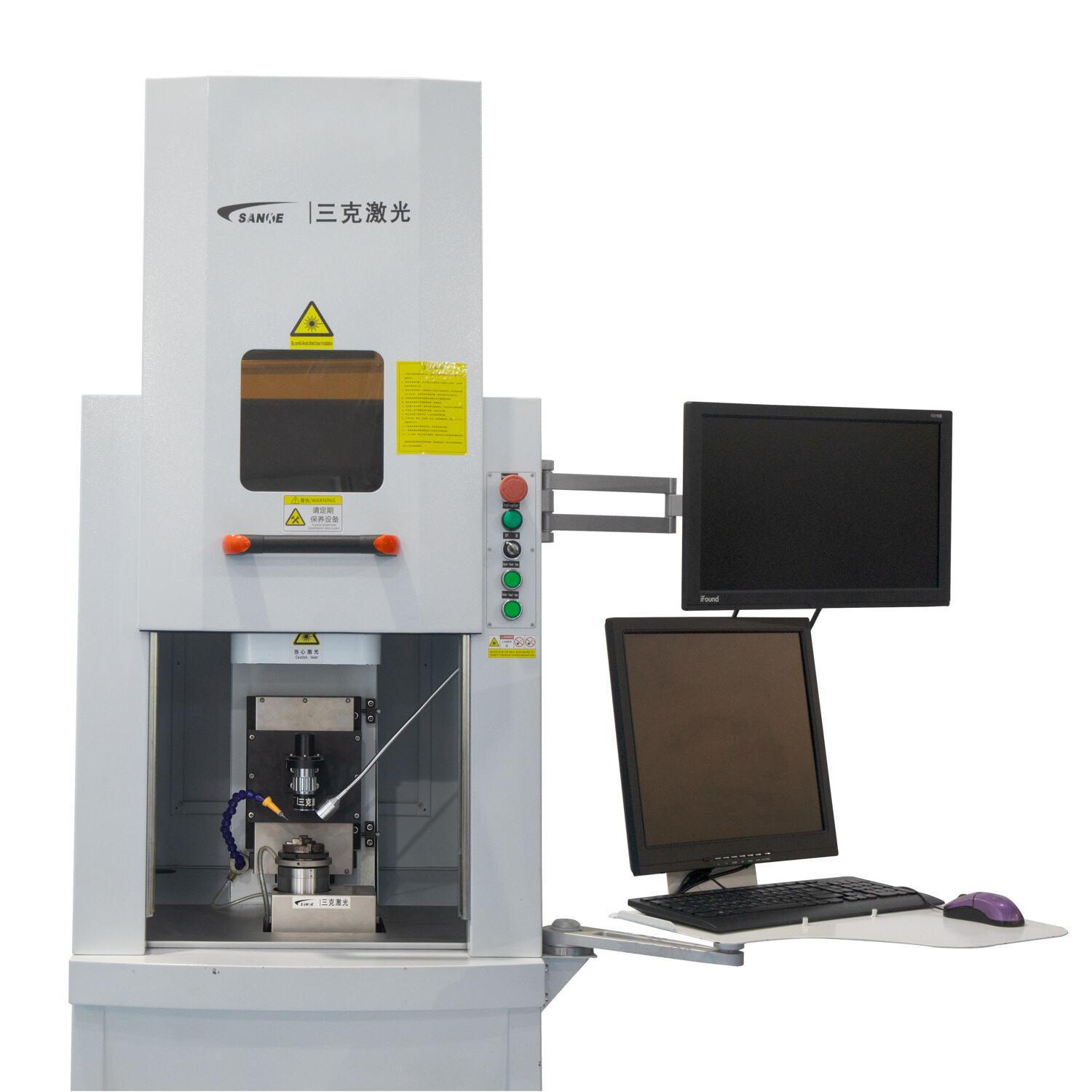
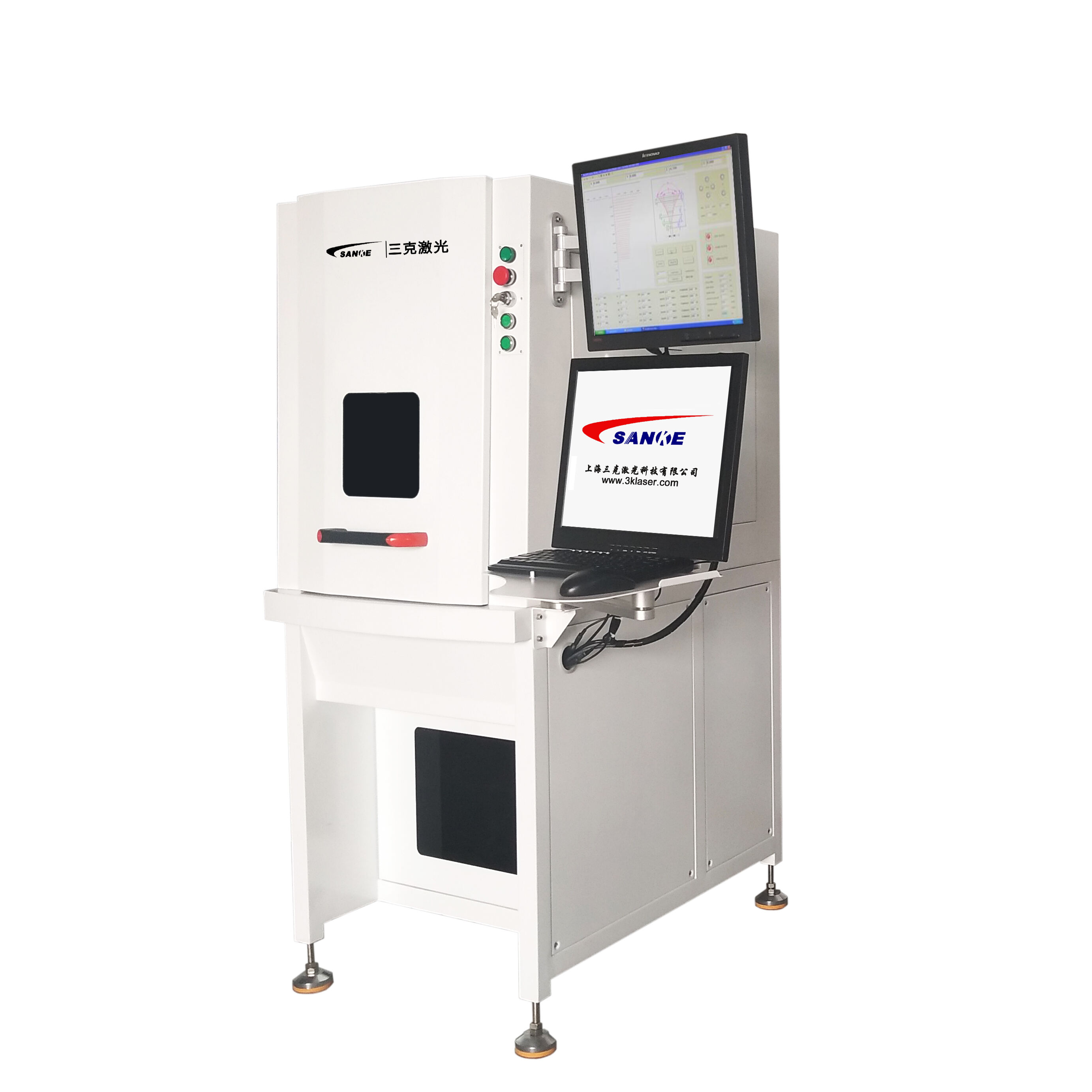
Laser drilling applications represent a revolutionary manufacturing technology that utilizes concentrated laser beams to create precise holes in various materials with exceptional accuracy and efficiency. This advanced process employs high-intensity light energy to vaporize, melt, or ablate material, producing clean, accurate perforations across diverse substrates including metals, ceramics, composites, and polymers. The fundamental principle behind laser drilling applications involves focusing coherent light through specialized optical systems to achieve energy densities sufficient for material removal at targeted locations. Modern laser drilling systems incorporate sophisticated beam delivery mechanisms, real-time monitoring capabilities, and automated positioning systems to ensure consistent results across high-volume production environments. The technology encompasses multiple laser types, including CO2, Nd:YAG, fiber, and ultrafast femtosecond lasers, each optimized for specific material types and drilling requirements. Contemporary laser drilling applications feature computer-controlled precision that enables hole diameters ranging from micrometers to several millimeters, with aspect ratios exceeding 100:1 in certain configurations. The process offers remarkable flexibility in creating various hole geometries, including straight, tapered, and complex three-dimensional profiles that would be challenging or impossible to achieve through conventional mechanical drilling methods. Advanced laser drilling systems integrate quality control sensors, adaptive optics, and intelligent process monitoring to maintain consistent hole quality throughout production cycles. The technology supports both percussion drilling for thin materials and trepanning techniques for thicker substrates, providing manufacturers with versatile solutions for diverse application requirements. Industrial implementation of laser drilling applications spans aerospace component manufacturing, automotive fuel injection systems, electronics cooling solutions, medical device fabrication, and precision tooling industries, where dimensional accuracy and surface quality are paramount for operational success.

New Product Releases

Laser drilling applications deliver substantial operational benefits that directly impact manufacturing efficiency, product quality, and cost-effectiveness for businesses across multiple industries. The contactless nature of laser processing eliminates tool wear concerns, reducing maintenance expenses and production downtime while maintaining consistent hole quality throughout extended manufacturing runs. This technology achieves superior dimensional accuracy compared to conventional drilling methods, with tolerances reaching ±0.001 inches in optimal conditions, ensuring components meet stringent quality specifications without secondary finishing operations. Speed represents another significant advantage, as laser drilling applications can create thousands of holes per minute, dramatically increasing throughput rates while reducing per-unit production costs. The process generates minimal heat-affected zones, preserving material properties around drilled areas and preventing thermal distortion that commonly occurs with traditional drilling techniques. Manufacturers benefit from enhanced design flexibility, as laser drilling applications easily accommodate complex hole patterns, varying diameters within single workpieces, and intricate geometries that would require expensive tooling changes in conventional systems. The technology eliminates burr formation and reduces the need for deburring operations, streamlining production workflows and improving overall part quality. Environmental considerations favor laser drilling applications, as the process generates no cutting fluids or chemical waste, supporting sustainable manufacturing practices while reducing disposal costs. Automation integration capabilities allow seamless incorporation into existing production lines, enabling lights-out manufacturing scenarios that maximize equipment utilization and reduce labor costs. Quality consistency remains exceptionally high across production batches, as laser parameters can be precisely controlled and repeated, minimizing rejection rates and ensuring reliable component performance. The technology accommodates rapid changeovers between different hole specifications without physical tool changes, supporting lean manufacturing principles and reducing setup times. Material versatility enables processing of exotic alloys, composites, and advanced ceramics that challenge conventional drilling equipment, expanding design possibilities for engineers and product developers. Cost per hole decreases significantly in high-volume applications, while the elimination of consumable tooling reduces ongoing operational expenses and inventory requirements.

Practical Tips

How Does Handheld Laser Welding Compare to Traditional Welding Methods?

19

Nov

How Does Handheld Laser Welding Compare to Traditional Welding Methods?

The welding industry has experienced significant technological advancement over the past decade, with handheld laser welding emerging as a revolutionary alternative to conventional welding techniques. This innovative technology represents a paradigm ...
View More
How Does Scanlab Technology Improve the Precision of Laser Applications?

19

Nov

How Does Scanlab Technology Improve the Precision of Laser Applications?

Scanlab Technology represents a revolutionary advancement in laser precision control systems, fundamentally transforming how industries approach laser-based manufacturing and processing applications. This cutting-edge technology has established new b...
View More
How Do Different Laser Sources Impact the Efficiency of Industrial Processes?

19

Nov

How Do Different Laser Sources Impact the Efficiency of Industrial Processes?

Industrial manufacturing has undergone a revolutionary transformation with the integration of advanced laser technology, where different laser sources serve as the cornerstone of precision processing across numerous sectors. The selection of appropri...
View More
2025 Guide: How to Choose the Perfect Beam Expander

21

Oct

2025 Guide: How to Choose the Perfect Beam Expander

Understanding the Critical Role of Beam Expanders in Modern Optics The optical industry continues to evolve at a rapid pace, and beam expanders have become indispensable components in numerous applications, from laser processing to advanced microscop...
View More

Get a Free Quote

Our representative will contact you soon.
Email
Name
Company Name
Message
0/1000

laser drilling applications

Unmatched Precision and Quality Control

Unmatched Precision and Quality Control

Laser drilling applications establish new standards for precision manufacturing by delivering dimensional accuracy that surpasses traditional drilling methods while maintaining exceptional surface quality characteristics. The technology employs computer-controlled beam positioning systems with sub-micron accuracy, enabling manufacturers to create holes with tolerances as tight as ±0.0005 inches consistently across production runs. Advanced optical systems focus laser energy to spot sizes smaller than 10 micrometers, facilitating the creation of micro-holes in electronics components, fuel injection nozzles, and medical devices where precision is absolutely critical. Real-time monitoring systems continuously track hole geometry during the drilling process, automatically adjusting laser parameters to maintain quality standards and prevent defects before they occur. The contactless nature of laser drilling applications eliminates mechanical forces that can cause workpiece distortion or positional drift, ensuring each hole is positioned exactly as specified in engineering drawings. Surface finish quality achieved through laser drilling typically ranges from 32 to 125 microinches Ra, often eliminating the need for secondary finishing operations that add cost and complexity to manufacturing processes. The technology produces clean hole entry and exit points with minimal material displacement, creating sharp, well-defined edges that enhance component performance in critical applications. Thermal management systems within modern laser drilling equipment control heat input precisely, preventing material property changes in the heat-affected zone while maintaining structural integrity around drilled features. Quality documentation capabilities enable full traceability of drilling parameters for each hole, supporting aerospace and medical industry requirements for comprehensive process validation and certification compliance.
Superior Speed and Efficiency Optimization

Superior Speed and Efficiency Optimization

Laser drilling applications revolutionize production efficiency by achieving drilling speeds that exceed conventional methods by factors of 10 to 100, depending on material thickness and hole specifications, directly translating to reduced manufacturing costs and shorter lead times. Modern fiber laser systems can create holes at rates exceeding 1000 holes per minute in thin sheet materials, while maintaining the precision required for demanding applications in automotive, aerospace, and electronics industries. The instantaneous on-off capability of laser systems eliminates the approach and retract time associated with mechanical drilling, maximizing productive time and enabling complex hole patterns to be completed rapidly. Automated beam delivery systems position laser energy precisely without physical tool changes, supporting continuous operation and eliminating setup time between different hole sizes or configurations within a single workpiece. Multi-beam laser drilling applications can process multiple holes simultaneously, multiplying throughput rates while maintaining individual hole quality standards across all drilling positions. The technology supports 24-hour unmanned operation when integrated with automated material handling systems, maximizing equipment utilization rates and reducing labor costs per component. Process optimization algorithms continuously adjust laser parameters based on material feedback, maintaining optimal drilling speeds while preventing quality degradation that could require rework or component rejection. Rapid prototyping capabilities allow design changes to be implemented immediately without tooling modifications, supporting agile manufacturing practices and reducing time-to-market for new products. The elimination of tool sharpening, replacement, and inventory management associated with mechanical drilling reduces operational overhead while improving production scheduling flexibility and reliability.
Exceptional Material Versatility and Adaptability

Exceptional Material Versatility and Adaptability

Laser drilling applications demonstrate remarkable capability across an extensive range of materials, from conventional metals and plastics to advanced composites, ceramics, and exotic alloys that challenge traditional drilling technologies, providing manufacturers with unprecedented design freedom and material selection options. The technology processes materials ranging from ultra-thin films measuring micrometers to thick plates exceeding several inches, adapting drilling parameters automatically to optimize results for each specific material type and thickness combination. Advanced laser systems accommodate materials with vastly different thermal properties, from high-conductivity copper and aluminum to low-conductivity ceramics and composites, by adjusting pulse duration, energy density, and repetition rates to achieve optimal drilling conditions. Multi-wavelength laser platforms enable processing of materials that exhibit different absorption characteristics, ensuring efficient energy coupling regardless of material color, surface finish, or chemical composition. The technology excels in drilling layered materials and multi-material assemblies commonly found in electronics and aerospace applications, creating clean holes through dissimilar materials without delamination or interface degradation. Specialized pulse shaping capabilities allow laser drilling applications to process heat-sensitive materials including polymers, composites with temperature-sensitive matrix materials, and thin films without thermal damage to surrounding areas. The contactless nature eliminates concerns about material hardness, abrasiveness, or brittleness that limit conventional drilling capabilities, enabling processing of advanced ceramics, hardened tool steels, and fiber-reinforced composites with equal efficiency. Adaptive process control systems automatically adjust drilling parameters based on real-time material response feedback, ensuring optimal results when transitioning between different materials or material thicknesses within complex assemblies. The technology supports processing of materials in various forms including sheets, tubes, complex three-dimensional shapes, and pre-assembled components, providing manufacturing flexibility that accommodates diverse product designs and production requirements.

Get a Free Quote

Our representative will contact you soon.
Email
Name
Company Name
Message
0/1000