high precision laser drilling process-0

High Precision Laser Drilling Process: Advanced Manufacturing Solutions for Microscopic Hole Creation

Get a Free Quote

Our representative will contact you soon.
Email
Name
Company Name
Message
0/1000

high precision laser drilling process

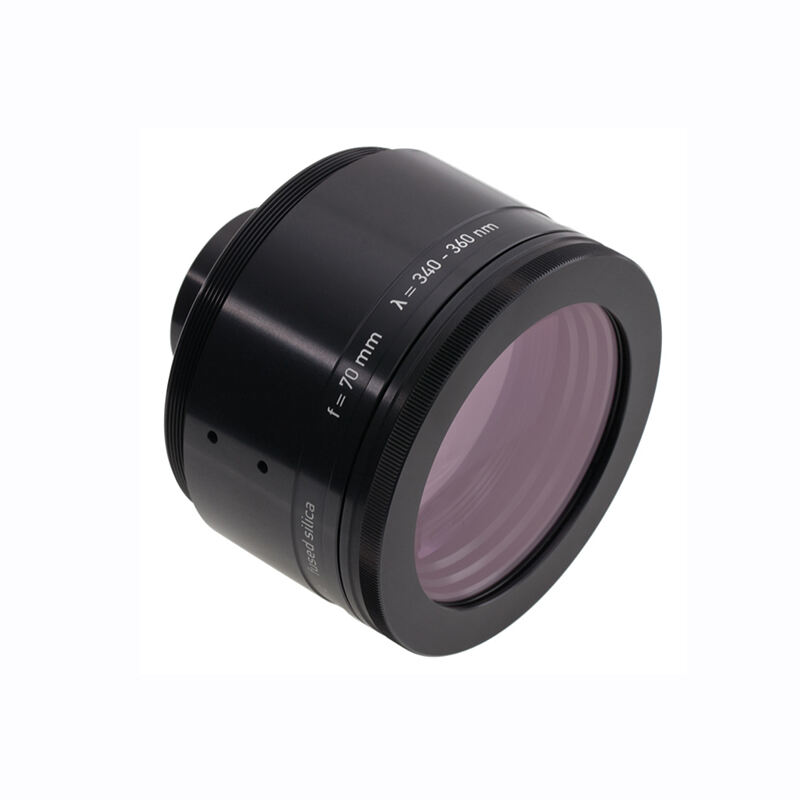
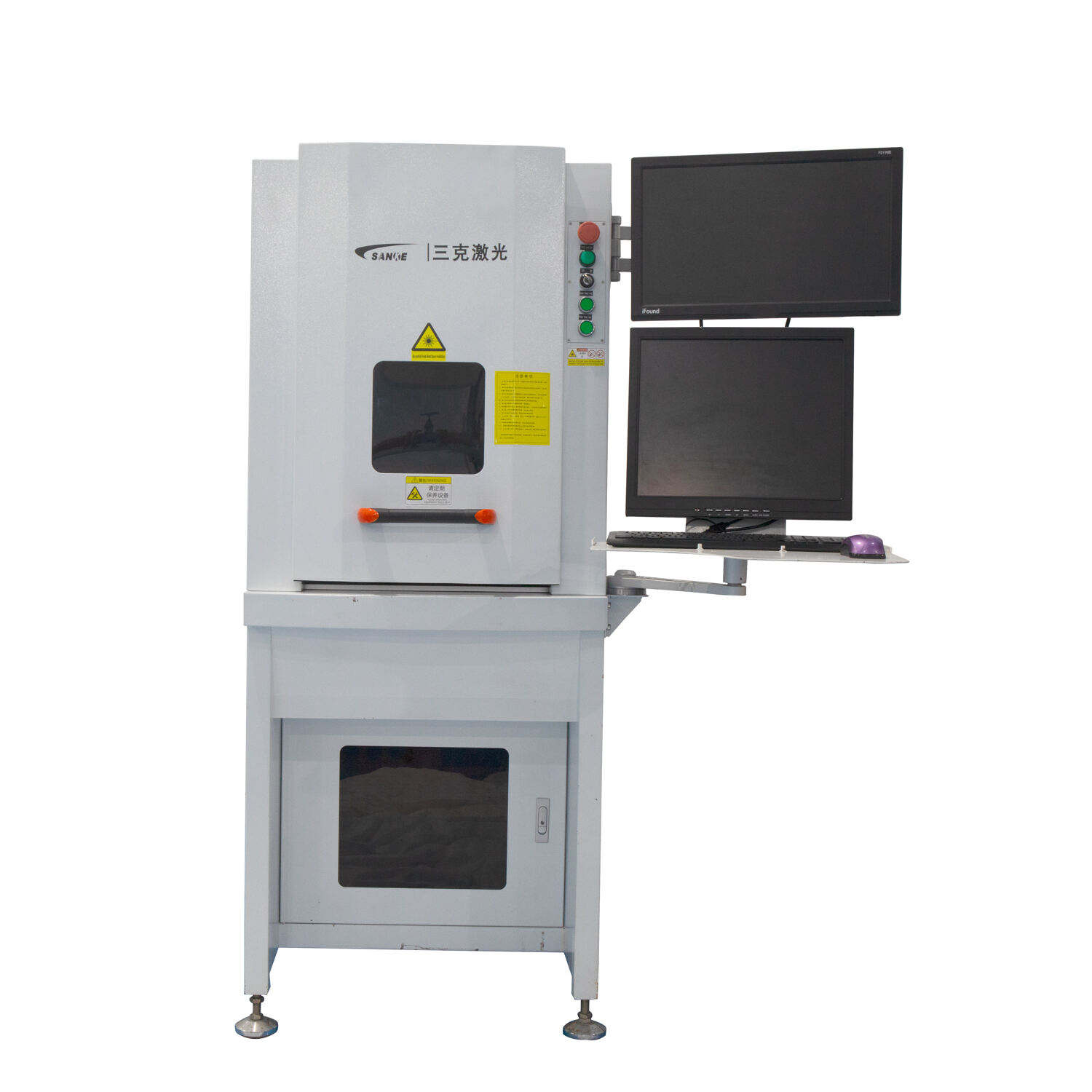
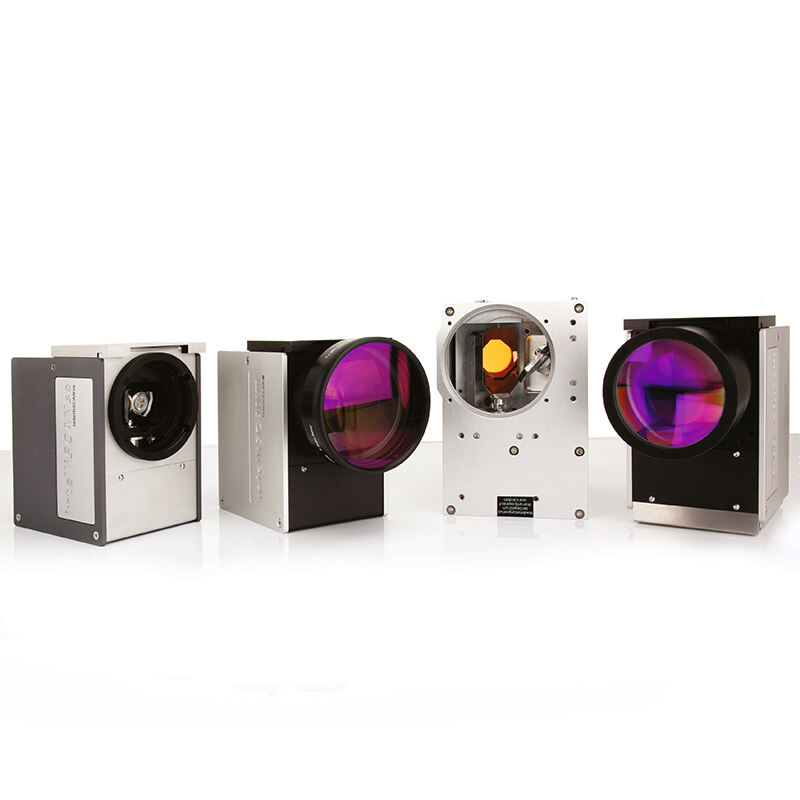
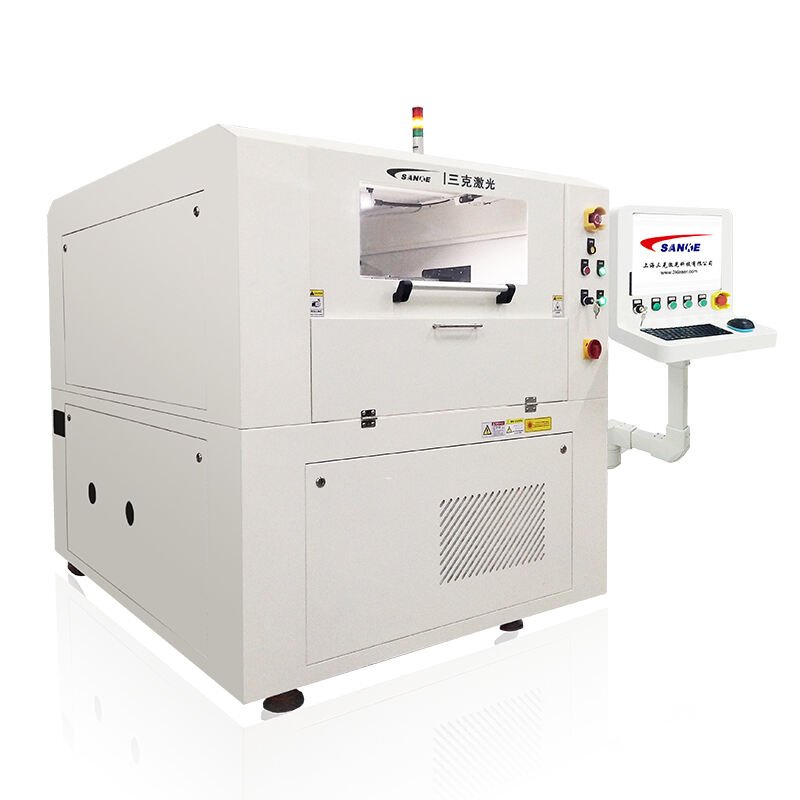
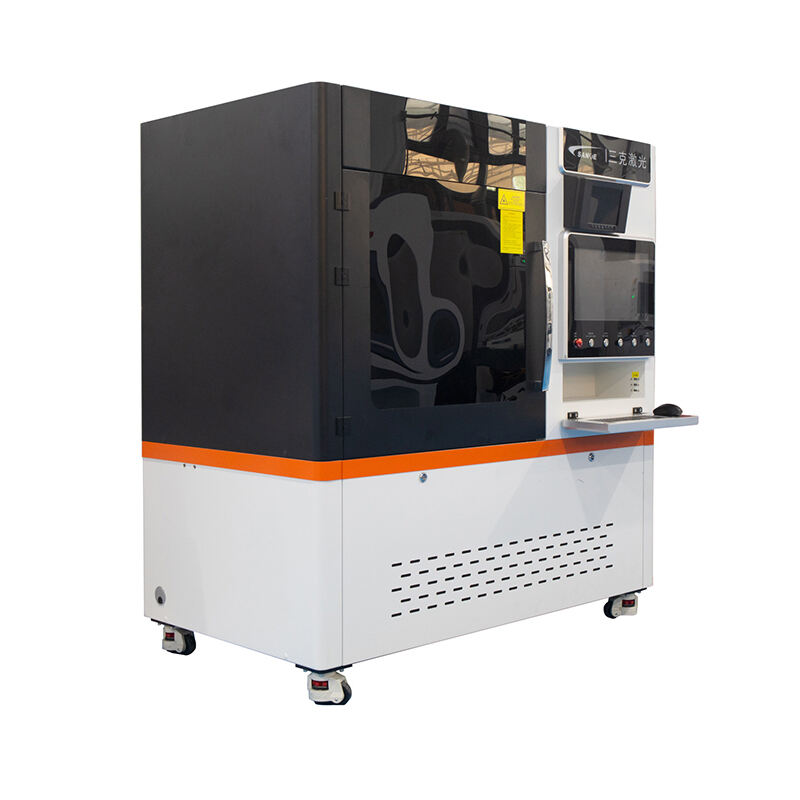
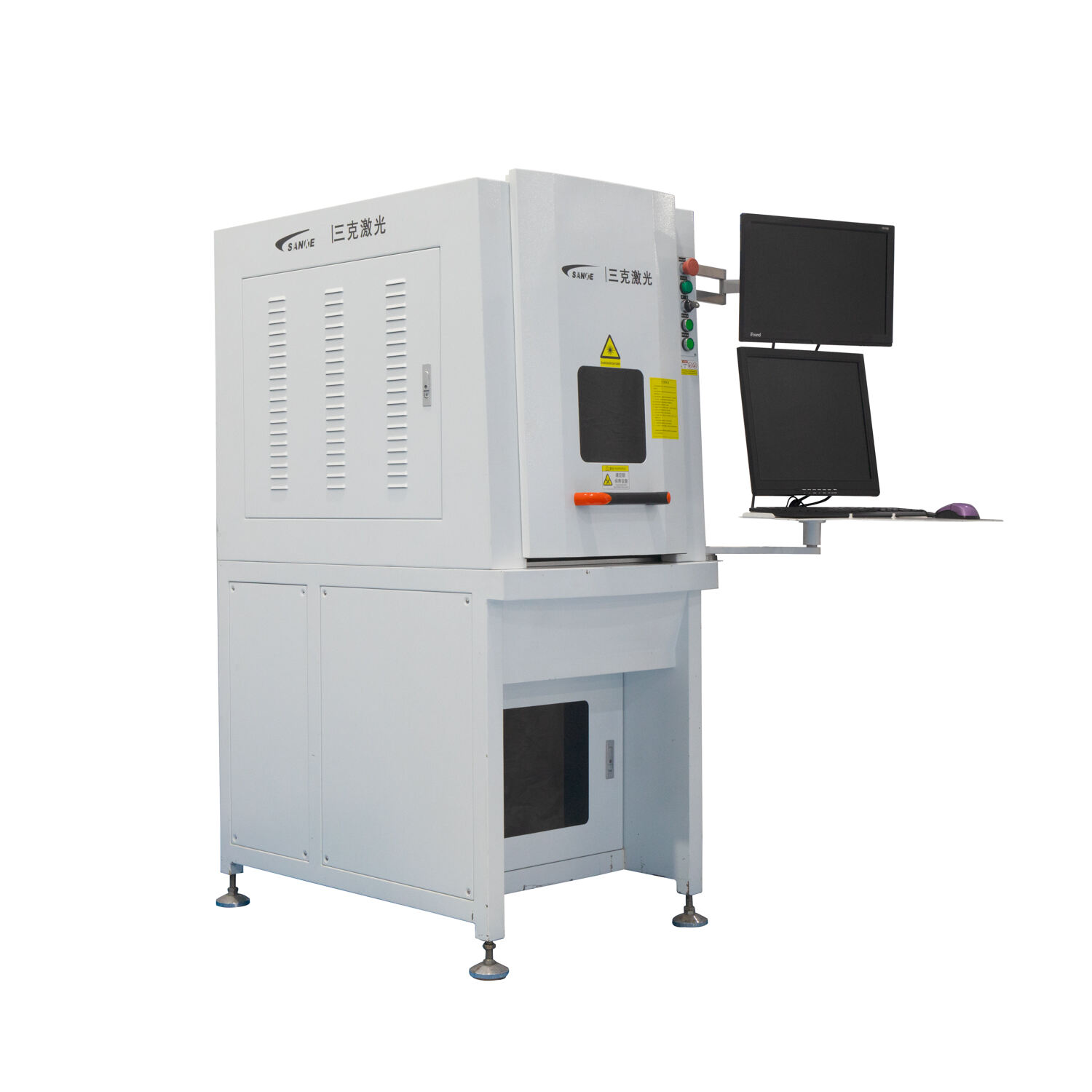
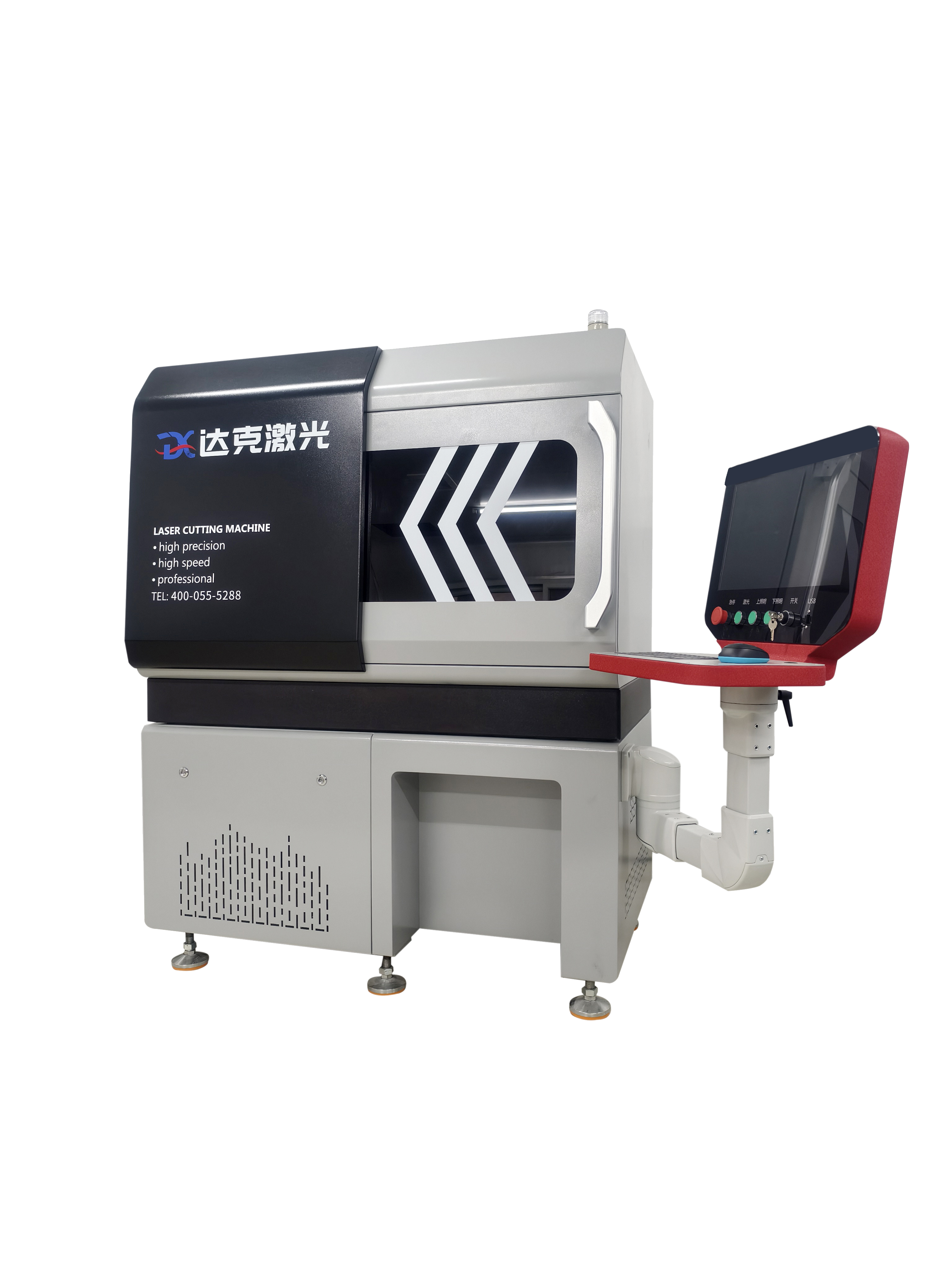
The high precision laser drilling process represents a cutting-edge manufacturing technology that utilizes focused laser beams to create microscopic holes in various materials with exceptional accuracy and consistency. This advanced technique employs concentrated light energy to vaporize material at precise locations, enabling manufacturers to achieve hole diameters as small as a few micrometers with remarkable dimensional control. The high precision laser drilling process operates through sophisticated beam control systems that can manipulate laser intensity, pulse duration, and positioning with extraordinary precision. The main functions of this technology include creating micro-vias in electronic components, forming cooling holes in turbine blades, producing fuel injection nozzles, and manufacturing medical device components that require exact specifications. Technological features encompass computer-controlled positioning systems, real-time monitoring capabilities, adaptive power control, and multi-axis movement platforms that ensure consistent results across complex geometries. The process can handle various materials including metals, ceramics, polymers, and composite materials, making it versatile for diverse industrial applications. Advanced beam shaping technologies allow operators to optimize hole profiles, minimize heat-affected zones, and achieve superior surface finishes. The high precision laser drilling process finds extensive applications in aerospace manufacturing for creating cooling channels in jet engine components, electronics industry for printed circuit board via formation, automotive sector for fuel system components, medical device production for catheter holes and surgical instruments, and telecommunications for fiber optic connector manufacturing. Quality control systems integrated within the process ensure each drilled hole meets stringent specifications, while automated material handling systems enable high-volume production capabilities that satisfy modern manufacturing demands for both precision and efficiency.

Popular Products

The high precision laser drilling process offers numerous compelling advantages that directly benefit manufacturers seeking superior hole-making capabilities in their production operations. This technology delivers unmatched accuracy levels, consistently producing holes with tolerances measured in micrometers, which traditional mechanical drilling methods simply cannot achieve. Manufacturers benefit from reduced material waste since the laser beam removes only the exact amount of material needed, eliminating the excess material removal typical of conventional drilling techniques. The non-contact nature of the high precision laser drilling process prevents tool wear issues that plague mechanical drilling, resulting in consistent hole quality throughout extended production runs without degradation in performance. Speed advantages become apparent when drilling multiple holes simultaneously using beam splitting technologies, dramatically reducing cycle times compared to sequential mechanical drilling operations. The process accommodates virtually any hole size from microscopic dimensions to larger apertures, providing flexibility that mechanical drilling cannot match across such a broad range. Heat input control allows operators to minimize thermal effects on surrounding material, preserving material properties and preventing distortion that often occurs with other drilling methods. Complex hole geometries including tapered, stepped, and angled configurations become achievable through programmable beam control, eliminating the need for specialized tooling required in mechanical drilling operations. Material versatility stands as another significant advantage, as the high precision laser drilling process handles hard-to-machine materials like ceramics, hardened steels, and exotic alloys that challenge conventional drilling equipment. Production flexibility allows rapid changeovers between different hole patterns without tooling changes, reducing setup times and enabling efficient small-batch manufacturing. Quality consistency improves dramatically since laser parameters remain constant throughout production, eliminating variations caused by tool wear or operator differences. Cost benefits accumulate through reduced tooling expenses, minimal maintenance requirements, and decreased scrap rates, while the ability to drill holes in finished components eliminates secondary operations and associated handling costs.

Tips And Tricks

What are the advantages of using a laser welding machine over traditional welding methods?

19

Nov

What are the advantages of using a laser welding machine over traditional welding methods?

Modern manufacturing processes continue to evolve with technological advancements, and welding technology stands at the forefront of this transformation. Among the most significant developments in recent years is the emergence of the laser welding ma...
View More
What industries benefit most from laser welding technology?

19

Nov

What industries benefit most from laser welding technology?

Modern manufacturing has witnessed a revolutionary shift in welding technology as industries increasingly adopt advanced laser welding systems. The laser welding machine represents a significant technological leap from conventional welding methods, o...
View More
How Does Scanlab Technology Improve the Precision of Laser Applications?

19

Nov

How Does Scanlab Technology Improve the Precision of Laser Applications?

Scanlab Technology represents a revolutionary advancement in laser precision control systems, fundamentally transforming how industries approach laser-based manufacturing and processing applications. This cutting-edge technology has established new b...
View More
How Does the Power Output of a Laser Source Affect Its Performance?

22

Sep

How Does the Power Output of a Laser Source Affect Its Performance?

Understanding the Critical Role of Power Output in Laser Applications The relationship between a laser source and its power output fundamentally shapes the capabilities and effectiveness of laser systems across countless applications. From industrial...
View More

Get a Free Quote

Our representative will contact you soon.
Email
Name
Company Name
Message
0/1000

high precision laser drilling process

Unparalleled Precision and Dimensional Control

Unparalleled Precision and Dimensional Control

The high precision laser drilling process achieves dimensional accuracy levels that surpass traditional manufacturing methods by significant margins, delivering hole tolerances within plus or minus one micrometer in optimal conditions. This exceptional precision stems from advanced beam control technologies that manipulate laser focus diameter, pulse energy distribution, and positioning accuracy through computer-controlled systems. Unlike mechanical drilling where tool runout, wear, and deflection introduce variations, the high precision laser drilling process maintains consistent beam characteristics throughout the entire production cycle. The technology employs sophisticated feedback systems that monitor hole formation in real-time, automatically adjusting parameters to compensate for material variations or environmental changes that might affect drilling quality. Precision positioning systems utilizing linear encoders and servo motors enable accurate hole placement within tolerances measured in micrometers, ensuring perfect alignment for multi-hole patterns and complex geometries. The non-contact nature eliminates mechanical forces that can cause workpiece displacement or vibration, contributing to superior dimensional stability. Advanced beam shaping optics allow operators to control hole profile characteristics including taper angles, sidewall quality, and entrance-to-exit diameter ratios with remarkable consistency. This level of dimensional control proves invaluable for applications requiring tight fits, such as medical device assemblies, electronic component manufacturing, and precision mechanical systems where even minor dimensional variations can compromise functionality. Quality assurance systems integrated within the process provide immediate feedback on hole dimensions, enabling real-time adjustments and preventing defective parts from progressing through production sequences. The ability to maintain such tight tolerances across diverse materials and thicknesses makes the high precision laser drilling process indispensable for manufacturers operating in industries where dimensional accuracy directly impacts product performance, reliability, and customer satisfaction.
Superior Material Versatility and Processing Capabilities

Superior Material Versatility and Processing Capabilities

The high precision laser drilling process demonstrates exceptional versatility in handling diverse material types and thicknesses that challenge conventional drilling methods, making it an ideal solution for manufacturers working with advanced materials and complex applications. This technology successfully processes metals ranging from soft aluminum alloys to hardened tool steels, stainless steels, titanium alloys, and exotic superalloys used in aerospace applications without requiring specialized tooling or extensive setup procedures. Ceramic materials, which present significant challenges for mechanical drilling due to their brittleness and hardness, respond excellently to laser drilling techniques that avoid mechanical stresses responsible for cracking and chipping in traditional processes. The high precision laser drilling process handles polymer materials including engineering plastics, composites, and flexible materials with precision unattainable through mechanical means, particularly when dealing with thin sections or delicate structures. Advanced laser control systems automatically adjust parameters based on material properties, optimizing energy delivery to achieve clean holes while minimizing heat-affected zones that could compromise material integrity. Multi-layer structures commonly found in electronic assemblies, medical devices, and automotive components benefit from the process ability to drill through dissimilar materials simultaneously while maintaining hole quality throughout all layers. Thickness capabilities range from thin films measured in micrometers to thick sections exceeding several millimeters, with consistent quality maintained across this entire range through adaptive power control systems. The technology accommodates materials with challenging characteristics such as high reflectivity, thermal conductivity, or chemical reactivity by employing specialized wavelengths and pulse strategies optimized for specific material interactions. Surface treatment compatibility allows drilling through coated, plated, or painted surfaces without compromising hole quality or requiring pre-processing steps that add complexity and cost to manufacturing operations. This material versatility enables manufacturers to consolidate drilling operations for diverse components within single production systems, reducing equipment investment and simplifying production planning while maintaining superior quality standards across all applications.
Enhanced Production Efficiency and Cost-Effectiveness

Enhanced Production Efficiency and Cost-Effectiveness

The high precision laser drilling process revolutionizes manufacturing efficiency through rapid processing speeds, minimal setup requirements, and elimination of consumable tooling costs that significantly impact traditional drilling operations. Production rates benefit from simultaneous multi-hole drilling capabilities using beam splitting technologies that create multiple holes in single laser pulses, dramatically reducing cycle times compared to sequential mechanical drilling processes. The technology eliminates tool changes, sharpening requirements, and inventory management associated with consumable drill bits, reducing operational overhead and eliminating production interruptions caused by tool maintenance. Setup time reductions become substantial since the high precision laser drilling process requires only program changes rather than physical tooling adjustments when switching between different hole patterns or sizes, enabling efficient small-batch production and rapid prototype development. Automated material handling systems integrate seamlessly with laser drilling equipment, facilitating continuous production cycles that maximize equipment utilization while reducing labor requirements and associated costs. Energy efficiency advantages result from precise energy delivery that eliminates waste heat generation typical of mechanical drilling, while modern laser systems incorporate power-saving features that reduce operational costs. Quality consistency eliminates rework costs and scrap material expenses since the high precision laser drilling process maintains uniform results throughout production runs without performance degradation typical of worn cutting tools. The non-contact processing method prevents workpiece damage from clamping forces or tool breakage, reducing rejection rates and associated material waste. Maintenance requirements remain minimal compared to mechanical drilling systems that require regular tool replacement, spindle maintenance, and alignment procedures, resulting in higher equipment availability and reduced service costs. Flexibility in hole geometries eliminates secondary operations such as deburring, chamfering, or hole finishing that add processing steps and costs in conventional drilling operations. The ability to drill finished components eliminates assembly complications and reduces handling requirements while maintaining superior hole quality throughout the manufacturing process, delivering substantial cost savings and operational improvements for manufacturers across diverse industrial applications.

Get a Free Quote

Our representative will contact you soon.
Email
Name
Company Name
Message
0/1000