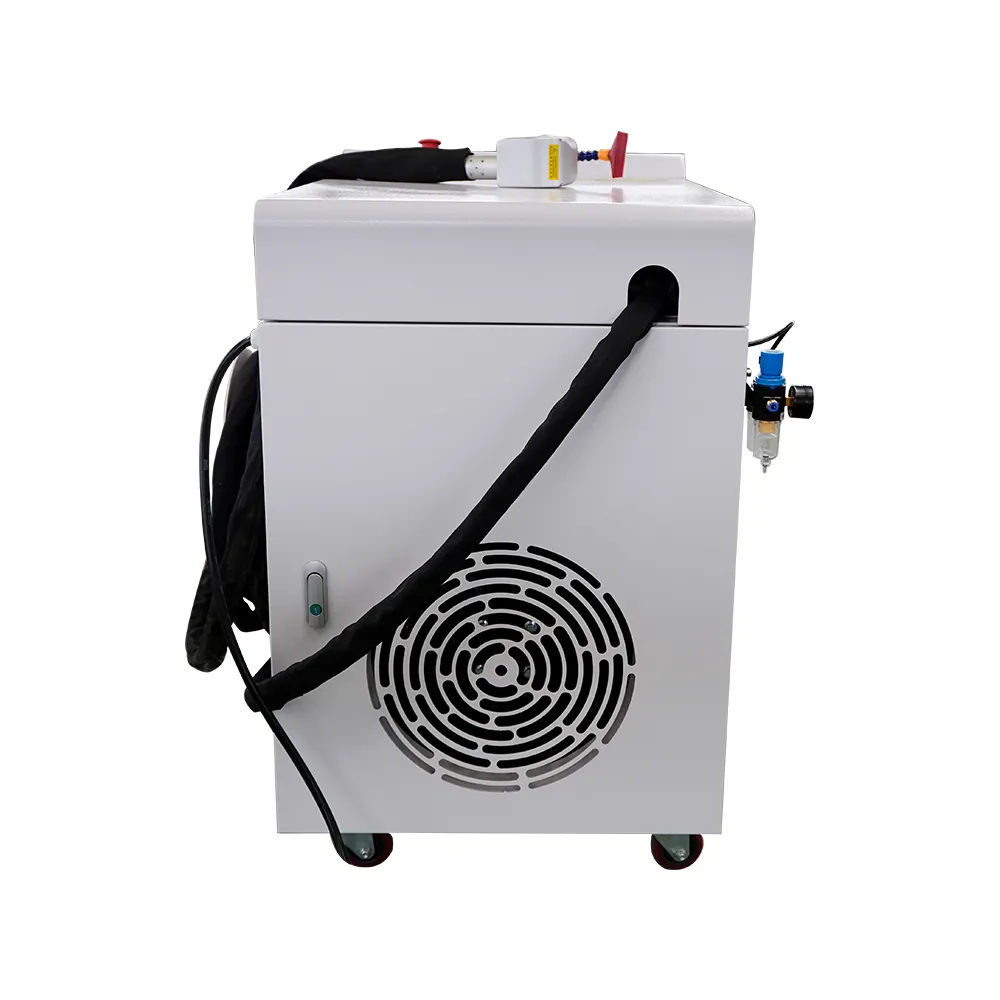
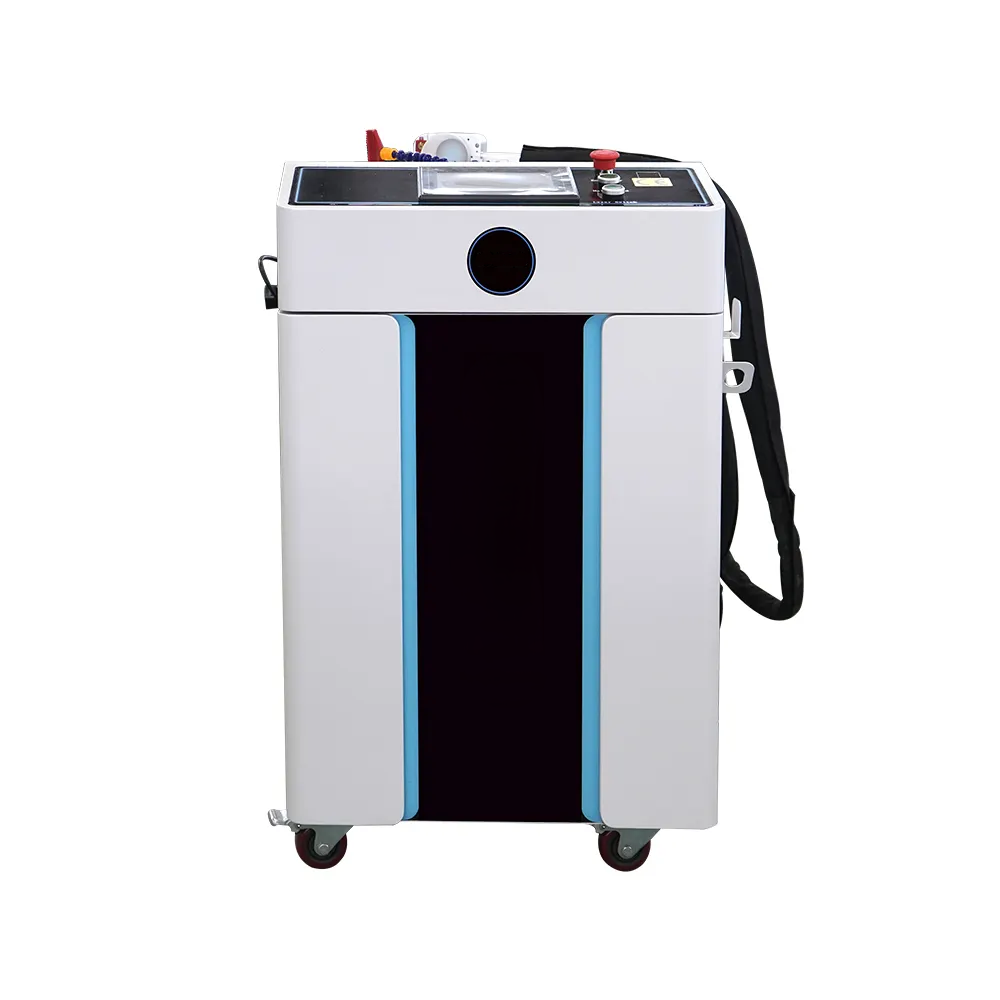
green fiber laser-0

Green Fiber Laser Technology: Precision Manufacturing Solutions for Advanced Materials

Get a Free Quote

Our representative will contact you soon.
Email
Name
Company Name
Message
0/1000

green fiber laser

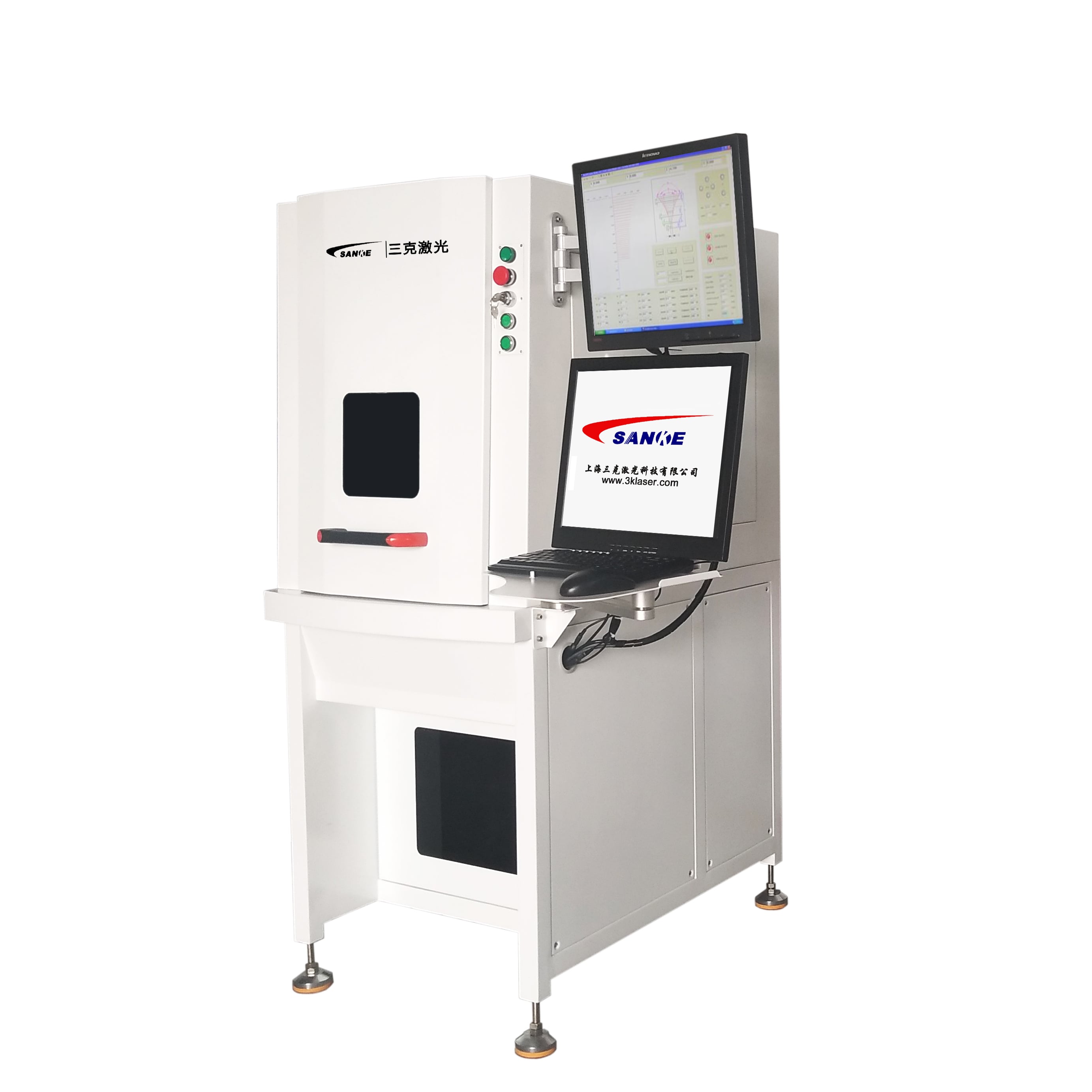
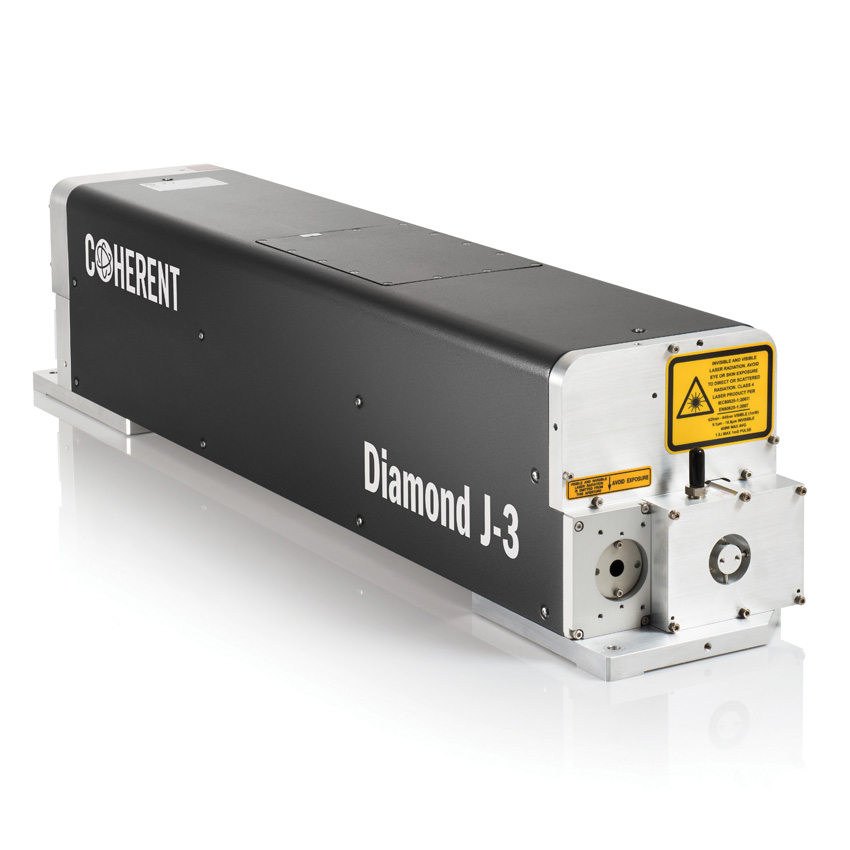
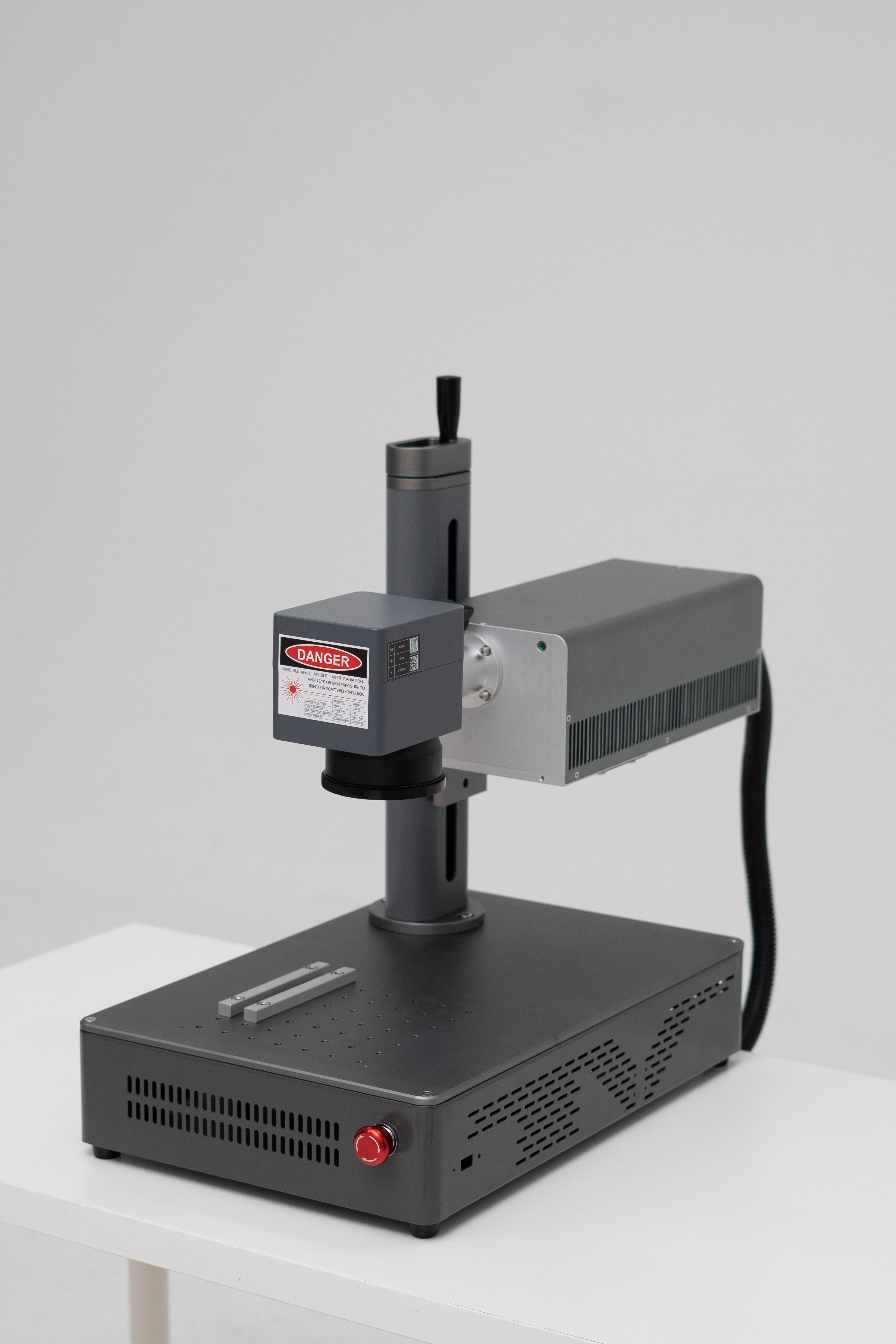
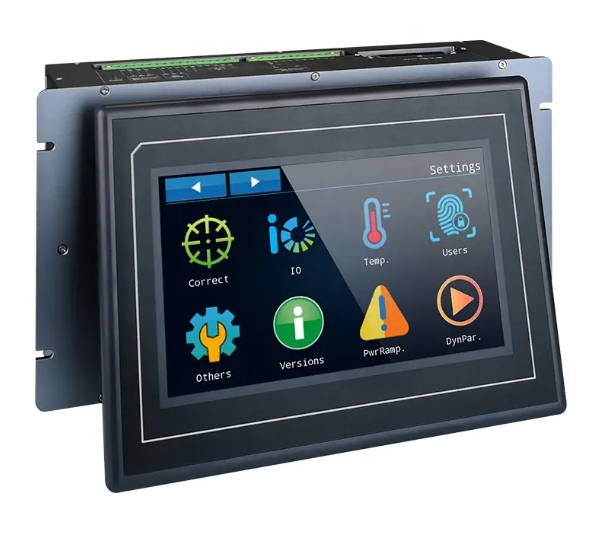
Green fiber laser technology represents a groundbreaking advancement in industrial laser systems, offering unparalleled precision and efficiency for modern manufacturing applications. This innovative green fiber laser operates at a wavelength of 515-532 nanometers, delivering exceptional beam quality and superior processing capabilities across diverse materials. The green fiber laser stands out from traditional infrared lasers through its enhanced absorption characteristics, particularly when working with copper, gold, silver, and other reflective metals that pose challenges for conventional laser systems. Manufacturing professionals increasingly rely on green fiber laser solutions for their ability to achieve microscopic precision while maintaining consistent output power. The core technology behind green fiber laser systems involves frequency doubling of infrared light through specialized optical crystals, resulting in the distinctive green wavelength that provides superior material interaction. This green fiber laser design incorporates advanced fiber optic delivery systems, ensuring stable beam transmission and minimal maintenance requirements compared to older laser technologies. The compact footprint of green fiber laser units makes them ideal for integration into existing production lines without extensive facility modifications. Modern green fiber laser systems feature intelligent control interfaces that allow operators to adjust parameters precisely for different materials and applications. The reliability of green fiber laser technology stems from its solid-state construction, which eliminates many mechanical components prone to wear and failure. Energy efficiency represents another significant advantage of green fiber laser systems, as they convert electrical power to laser output more effectively than alternative technologies. The green fiber laser generates minimal heat during operation, reducing cooling requirements and creating more comfortable working environments. Quality control benefits significantly from green fiber laser precision, as the technology enables consistent results across high-volume production runs. Safety features integrated into green fiber laser systems include automatic shutdown mechanisms and protective enclosures that meet international laser safety standards. The versatility of green fiber laser applications extends from electronics manufacturing to medical device production, demonstrating the technology's broad industrial relevance.

New Product Releases

Green fiber laser technology delivers substantial operational benefits that translate directly into improved productivity and cost savings for manufacturing businesses. The superior beam quality of green fiber laser systems ensures precise material processing with minimal heat-affected zones, reducing waste and improving product quality standards. Companies implementing green fiber laser solutions experience significant reductions in processing time, as the technology cuts through materials more efficiently than conventional alternatives. The maintenance requirements for green fiber laser equipment remain exceptionally low due to the robust solid-state design that eliminates frequent component replacements. Energy consumption decreases substantially when facilities transition to green fiber laser systems, as these units convert electricity to laser power with remarkable efficiency ratings exceeding 30 percent. The operational flexibility of green fiber laser technology allows manufacturers to process various materials without changing equipment, streamlining production workflows and reducing setup times. Training requirements for green fiber laser operators remain minimal because the intuitive control systems simplify parameter adjustment and monitoring procedures. The consistent output power of green fiber laser units ensures predictable results across extended production runs, improving quality control and reducing inspection costs. Space utilization improves significantly with green fiber laser installation, as the compact design requires less floor space compared to traditional laser cutting systems. The reliability of green fiber laser technology minimizes unexpected downtime, protecting production schedules and maintaining customer delivery commitments. Material compatibility expands dramatically with green fiber laser adoption, enabling manufacturers to work with challenging substrates like copper foils and reflective surfaces. The precision capabilities of green fiber laser systems support miniaturization trends in electronics and medical devices, opening new market opportunities for forward-thinking companies. Environmental benefits emerge from green fiber laser implementation through reduced power consumption and elimination of consumable materials required by alternative processing methods. The return on investment for green fiber laser equipment typically occurs within 18-24 months due to operational savings and productivity improvements. Integration capabilities allow green fiber laser systems to connect seamlessly with existing automation equipment and manufacturing execution systems. The scalability of green fiber laser technology enables businesses to expand processing capacity by adding additional units without infrastructure modifications. Technical support for green fiber laser systems benefits from standardized components and diagnostic capabilities that facilitate remote troubleshooting and preventive maintenance scheduling.

Practical Tips

What are the typical power requirements for different models of laser drilling machines?

19

Nov

What are the typical power requirements for different models of laser drilling machines?

Understanding the power requirements for laser drilling machines is crucial for manufacturers, engineers, and facility managers planning their industrial operations. The electrical demands of these sophisticated systems vary significantly based on la...
View More
How Does Handheld Laser Welding Compare to Traditional Welding Methods?

19

Nov

How Does Handheld Laser Welding Compare to Traditional Welding Methods?

The welding industry has experienced significant technological advancement over the past decade, with handheld laser welding emerging as a revolutionary alternative to conventional welding techniques. This innovative technology represents a paradigm ...
View More
Field Lens Technology: Latest Innovations Explained

21

Oct

Field Lens Technology: Latest Innovations Explained

Revolutionary Advances in Optical Engineering The evolution of field lens technology represents one of the most significant breakthroughs in modern optical engineering. These sophisticated optical elements have transformed how we capture, process, an...
View More
2025 Guide: How to Choose the Perfect Beam Expander

21

Oct

2025 Guide: How to Choose the Perfect Beam Expander

Understanding the Critical Role of Beam Expanders in Modern Optics The optical industry continues to evolve at a rapid pace, and beam expanders have become indispensable components in numerous applications, from laser processing to advanced microscop...
View More

Get a Free Quote

Our representative will contact you soon.
Email
Name
Company Name
Message
0/1000

green fiber laser

Exceptional Material Processing Versatility

Exceptional Material Processing Versatility

The green fiber laser demonstrates remarkable versatility in processing diverse materials that challenge traditional laser systems, particularly excelling with highly reflective metals and advanced composites. This green fiber laser capability stems from its optimal wavelength characteristics, which provide superior absorption rates across copper, brass, aluminum, and precious metals commonly used in electronics and jewelry manufacturing. The green fiber laser wavelength at 515-532 nanometers interacts more effectively with these challenging materials compared to infrared alternatives, resulting in cleaner cuts, reduced heat distortion, and improved edge quality. Manufacturing professionals working with printed circuit boards benefit significantly from green fiber laser processing, as the technology handles copper traces and vias with exceptional precision while minimizing thermal damage to surrounding components. The green fiber laser excels in processing transparent and translucent materials like glass, ceramics, and specialized polymers, opening applications in optical component manufacturing and medical device production. Thickness capabilities of green fiber laser systems range from ultra-thin foils measured in micrometers to substantial plates several millimeters thick, providing flexibility for diverse production requirements. The consistency of green fiber laser processing ensures repeatable results across different material batches, critical for maintaining quality standards in high-volume manufacturing environments. Surface finishing applications benefit from green fiber laser precision, enabling manufacturers to create intricate patterns, textures, and markings without secondary processing steps. The green fiber laser handles delicate materials like flexible circuits and thin films without causing delamination or structural damage, preserving product integrity throughout processing. Multi-material assemblies present no significant challenges for green fiber laser systems, as operators can adjust parameters dynamically to accommodate different substrate characteristics within the same workpiece. The green fiber laser technology supports both cutting and drilling operations, eliminating the need for multiple specialized tools and reducing equipment investment requirements. Complex geometries become achievable with green fiber laser processing, as the technology maintains beam quality even during intricate path following and tight radius operations. The green fiber laser enables processing of exotic materials used in aerospace and medical applications, including titanium alloys, shape memory alloys, and biocompatible ceramics, expanding market opportunities for specialized manufacturers.
Superior Precision and Beam Quality Performance

Superior Precision and Beam Quality Performance

Green fiber laser technology delivers unprecedented precision levels that satisfy the most demanding manufacturing specifications, particularly in applications requiring microscopic feature creation and tight tolerance maintenance. The beam quality characteristics of green fiber laser systems achieve near-diffraction-limited performance, enabling focused spot sizes smaller than traditional laser technologies can produce. This green fiber laser precision translates directly into the ability to create features measured in micrometers, essential for modern electronics miniaturization and medical device manufacturing trends. The stability of green fiber laser output power ensures consistent processing results across extended production runs, eliminating the variation that plagues alternative laser systems and reduces quality control requirements. Thermal effects remain minimal with green fiber laser processing due to the efficient energy transfer and reduced heat-affected zone, preserving material properties and dimensional accuracy in finished components. The green fiber laser maintains exceptional beam pointing stability, critical for applications requiring precise positioning accuracy and repeatability across multiple processing cycles. Edge quality improvements become immediately apparent when manufacturers transition to green fiber laser systems, as the technology produces smoother cuts with minimal burr formation and reduced post-processing requirements. The green fiber laser excels in creating intricate patterns and fine details that would be impossible with mechanical processing methods, enabling innovative product designs and functionality enhancements. Depth control capabilities of green fiber laser systems allow operators to achieve precise material removal rates, essential for applications like surface texturing, engraving, and selective layer removal. The green fiber laser beam profile remains consistent across the entire working area, ensuring uniform processing quality regardless of workpiece position within the system envelope. Pulse control features in advanced green fiber laser systems enable operators to optimize energy delivery for specific materials and applications, maximizing processing efficiency while maintaining quality standards. The green fiber laser technology supports both continuous wave and pulsed operation modes, providing flexibility to handle various processing requirements within a single system platform. Monitoring capabilities integrated into green fiber laser systems provide real-time feedback on processing parameters, enabling immediate corrections and maintaining consistent output quality. The green fiber laser beam delivery system maintains optical performance over extended periods without degradation, ensuring long-term precision maintenance and reducing calibration requirements compared to alternative laser technologies.
Cost-Effective Operation and Maintenance Excellence

Cost-Effective Operation and Maintenance Excellence

Green fiber laser systems deliver exceptional value through reduced operational costs and simplified maintenance requirements that significantly impact overall manufacturing economics. The energy efficiency of green fiber laser technology translates into substantial electricity savings compared to traditional laser systems, with wall-plug efficiency ratings exceeding 30 percent that reduce monthly utility expenses. Maintenance costs remain minimal for green fiber laser equipment due to the solid-state design that eliminates consumable components like lamp replacements, gas refills, and frequent optical alignments required by alternative technologies. The green fiber laser architecture incorporates fiber optic beam delivery that protects internal components from contamination and reduces the need for frequent cleaning and adjustment procedures. Downtime reduction represents a major economic advantage of green fiber laser implementation, as the reliable operation minimizes unexpected failures and associated production losses. The green fiber laser requires no warm-up time, enabling immediate production capability that improves equipment utilization rates and supports just-in-time manufacturing strategies. Training costs decrease significantly with green fiber laser adoption because the intuitive operation and standardized interfaces reduce the time required for operator certification and competency development. The green fiber laser design supports remote diagnostic capabilities that enable proactive maintenance scheduling and reduce the need for on-site service visits from specialized technicians. Consumable costs remain virtually zero for green fiber laser operation, as the technology requires no replacement parts during normal operation cycles that can extend for thousands of hours. The compact footprint of green fiber laser systems reduces facility costs by requiring less floor space and eliminating the need for extensive ventilation systems required by alternative laser technologies. Insurance premiums may decrease with green fiber laser installation due to improved safety features and reduced fire risks compared to systems using combustible gases or high-voltage components. The green fiber laser supports automation integration that reduces labor costs while improving processing consistency and throughput rates in high-volume manufacturing environments. Inventory costs decrease with green fiber laser implementation because the versatility eliminates the need to maintain multiple specialized tools for different materials and applications. The green fiber laser technology provides predictable operating costs that facilitate accurate production planning and pricing strategies, improving business competitiveness in cost-sensitive markets. Service intervals for green fiber laser systems extend significantly beyond alternative technologies, reducing scheduled maintenance expenses and improving production availability for time-critical applications. The green fiber laser design incorporates modular components that simplify repairs when required and reduce service costs through standardized replacement procedures and readily available spare parts.

Get a Free Quote

Our representative will contact you soon.
Email
Name
Company Name
Message
0/1000