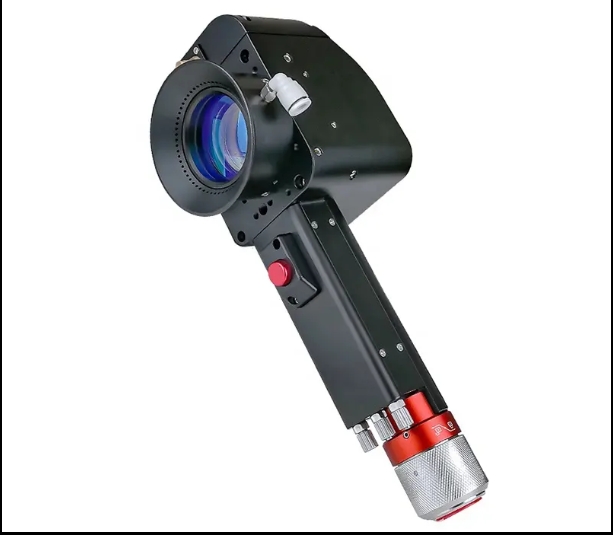
single mode fiber laser-0

Single Mode Fiber Laser Solutions: Precision, Efficiency & Reliability for Advanced Manufacturing

Get a Free Quote

Our representative will contact you soon.
Email
Name
Company Name
Message
0/1000

single mode fiber laser

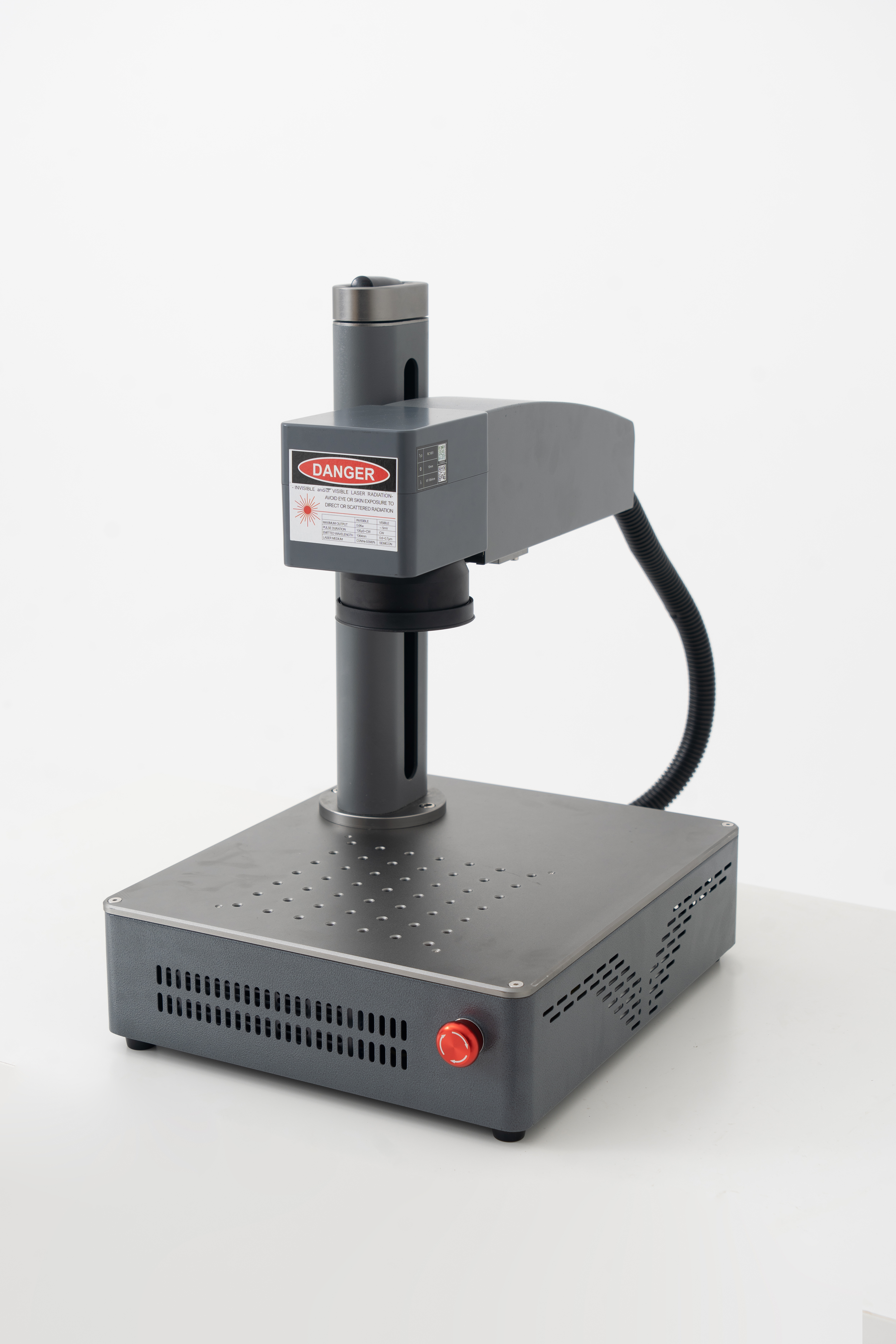
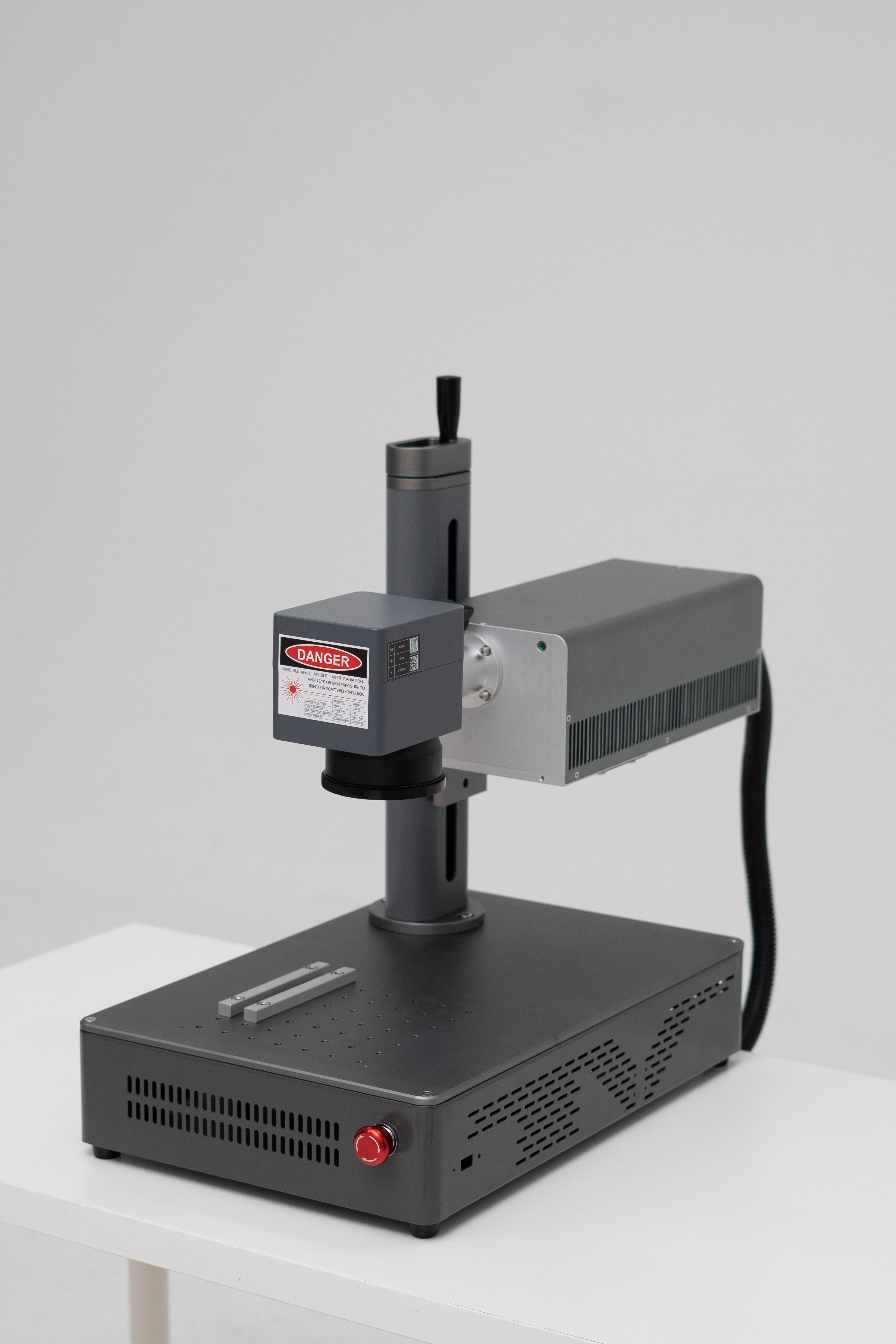
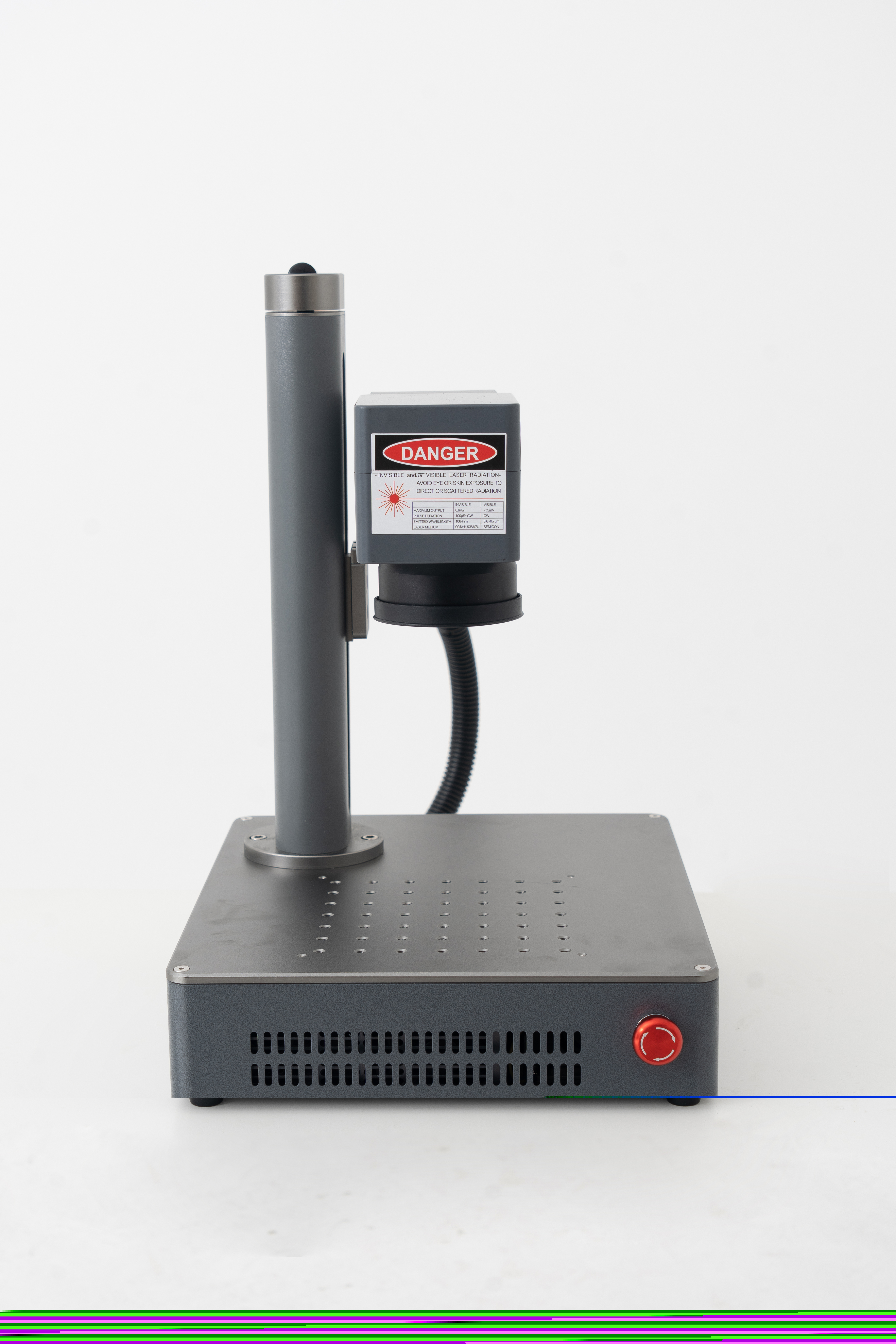
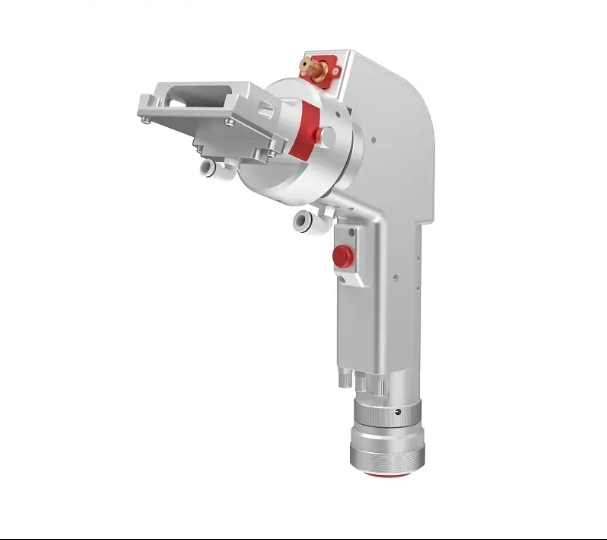
A single mode fiber laser represents a cutting-edge optical technology that generates coherent light through stimulated emission within a specially designed optical fiber. This sophisticated laser system operates by confining light to a single propagation mode, creating an exceptionally narrow beam with outstanding optical properties. The core of a single mode fiber laser consists of rare-earth-doped optical fiber, typically incorporating ytterbium, erbium, or thulium ions as the active medium. These ions absorb pump light from semiconductor diodes and convert it into laser emission through carefully controlled energy transitions. The single mode operation ensures that all photons travel along the same optical path, resulting in superior beam quality compared to multimode alternatives. Modern single mode fiber lasers achieve remarkable power levels ranging from milliwatts to several kilowatts while maintaining exceptional beam characteristics. The technology incorporates advanced feedback mechanisms through fiber Bragg gratings or other optical components to establish stable lasing conditions. These systems demonstrate exceptional reliability due to their all-fiber construction, which eliminates free-space optical components prone to misalignment. The compact design integrates all critical components within protective housings, ensuring consistent performance across diverse operating environments. Single mode fiber lasers excel in precision applications requiring exact control over beam parameters, including spot size, divergence, and power distribution. Their inherent stability makes them ideal for long-term industrial processes where consistent output remains crucial. The technology supports both continuous wave and pulsed operation modes, adapting to specific application requirements. Advanced control systems enable precise modulation of output parameters, facilitating integration with automated manufacturing systems. The exceptional wall-plug efficiency of single mode fiber lasers reduces operational costs while minimizing thermal management requirements. These characteristics position single mode fiber lasers as preferred solutions for demanding applications across industries including manufacturing, medical devices, telecommunications, and scientific research.

Popular Products

Single mode fiber lasers deliver exceptional beam quality that significantly outperforms traditional laser technologies, providing customers with precise control over their manufacturing processes. The superior beam characteristics enable tighter focusing, resulting in smaller heat-affected zones and cleaner cuts in materials processing applications. This precision translates directly into reduced waste, improved product quality, and higher customer satisfaction rates. The remarkable efficiency of single mode fiber lasers converts electrical input power into optical output with minimal energy loss, typically achieving efficiencies exceeding 30 percent compared to 5-10 percent for conventional CO2 lasers. This efficiency advantage reduces electricity costs substantially, creating immediate savings for businesses while supporting environmental sustainability goals. The compact design eliminates the need for extensive cooling systems and complex beam delivery arrangements, reducing facility requirements and installation costs. Maintenance requirements remain minimal due to the robust all-fiber construction, which protects critical components from environmental contamination and mechanical stress. Unlike gas lasers requiring regular gas refills or solid-state lasers needing frequent lamp replacements, single mode fiber lasers operate for thousands of hours without consumable parts replacement. This reliability ensures consistent production schedules and reduces unexpected downtime costs. The technology adapts easily to various materials including metals, plastics, ceramics, and composites, making it versatile for diverse manufacturing applications. Process speeds increase significantly due to the high power density achievable with excellent beam quality, enabling faster cutting, welding, and marking operations. The precise power control allows manufacturers to optimize processes for different material thicknesses and types without compromising quality. Integration capabilities with existing production lines remain straightforward through standard interfaces and communication protocols. The long operational lifespan of single mode fiber lasers, often exceeding 100,000 hours, provides excellent return on investment compared to alternative laser technologies. Remote monitoring and diagnostic capabilities enable predictive maintenance strategies, further reducing operational costs and maximizing uptime for critical production processes.

Latest News

How do I ensure the safety of operators when using a laser drilling machine?

19

Nov

How do I ensure the safety of operators when using a laser drilling machine?

Laser drilling machines have revolutionized precision manufacturing across industries, offering unparalleled accuracy and efficiency for creating micro-holes in various materials. However, the powerful laser beams used in these systems pose significa...
View More
How to Choose the Right Portable Laser Welding Machine for Your Business?

19

Nov

How to Choose the Right Portable Laser Welding Machine for Your Business?

Manufacturing businesses today face increasing pressure to improve efficiency while maintaining exceptional quality standards. The advent of portable laser welding machines has revolutionized the welding industry by offering unprecedented mobility, p...
View More
What are the advantages of using a laser welding machine over traditional welding methods?

19

Nov

What are the advantages of using a laser welding machine over traditional welding methods?

Modern manufacturing processes continue to evolve with technological advancements, and welding technology stands at the forefront of this transformation. Among the most significant developments in recent years is the emergence of the laser welding ma...
View More
Field Lens Technology: Latest Innovations Explained

21

Oct

Field Lens Technology: Latest Innovations Explained

Revolutionary Advances in Optical Engineering The evolution of field lens technology represents one of the most significant breakthroughs in modern optical engineering. These sophisticated optical elements have transformed how we capture, process, an...
View More

Get a Free Quote

Our representative will contact you soon.
Email
Name
Company Name
Message
0/1000

single mode fiber laser

Unmatched Precision and Beam Quality Excellence

Unmatched Precision and Beam Quality Excellence

Single mode fiber lasers deliver extraordinary precision through their fundamental design principle of constraining light propagation to a single spatial mode. This unique characteristic produces a beam with near-perfect Gaussian intensity distribution, enabling focus spots as small as 10-20 micrometers in diameter. The exceptional beam quality, measured by M² values approaching the theoretical minimum of 1.0, allows manufacturers to achieve previously impossible levels of detail in their work. This precision capability transforms manufacturing possibilities across industries, enabling the creation of intricate patterns in medical devices, precise cuts in aerospace components, and detailed engravings in consumer electronics. The consistency of beam parameters remains stable over extended operating periods, ensuring that the first part produced matches the ten-thousandth part with identical quality standards. This reliability eliminates the need for frequent recalibration and reduces quality control requirements, saving both time and resources. The superior beam quality also enables efficient power coupling into small optical fibers for remote delivery, making it possible to position the laser source away from the work area for improved safety and flexibility. Manufacturing processes benefit from reduced heat input due to the concentrated energy delivery, minimizing thermal distortion in sensitive materials. The precise control over power density allows operators to optimize processes for different materials and thicknesses without compromising edge quality or introducing defects. Quality improvements directly translate to reduced reject rates, lower rework costs, and enhanced customer satisfaction. The ability to maintain consistent beam characteristics across the entire power range provides unprecedented process flexibility, enabling manufacturers to adapt quickly to changing production requirements while maintaining quality standards.
Superior Energy Efficiency and Cost-Effective Operation

Superior Energy Efficiency and Cost-Effective Operation

Single mode fiber lasers revolutionize operational economics through their exceptional energy conversion efficiency, typically achieving 35-45 percent wall-plug efficiency compared to traditional laser technologies. This remarkable efficiency stems from the direct diode pumping architecture, which eliminates multiple energy conversion stages found in conventional laser systems. The efficiency advantage translates directly into reduced electricity consumption, lowering operational costs significantly for high-volume manufacturing operations. Facilities can often reduce their electrical infrastructure requirements, as single mode fiber lasers demand less power for equivalent output compared to CO2 or lamp-pumped solid-state alternatives. The reduced heat generation associated with high efficiency operation minimizes cooling requirements, further decreasing energy consumption and facility costs. Thermal management becomes simplified, often requiring only ambient air cooling for lower power systems, eliminating the need for water chillers or complex cooling circuits. The efficiency benefits compound over the laser's operational lifetime, creating substantial cost savings that improve the return on investment calculation. Environmental benefits align with corporate sustainability goals, as reduced energy consumption directly correlates to lower carbon footprint and environmental impact. The stable efficiency characteristics remain consistent throughout the laser's operational life, unlike gas lasers that experience gradual efficiency degradation requiring gas mixture adjustments. Predictable operating costs enable accurate budgeting and financial planning for manufacturing operations. The combination of high efficiency and minimal maintenance requirements creates a compelling total cost of ownership advantage that becomes more pronounced with higher utilization rates. Manufacturing facilities benefit from reduced utility costs while maintaining or improving production capabilities, creating competitive advantages in cost-sensitive markets.
Exceptional Reliability and Minimal Maintenance Requirements

Exceptional Reliability and Minimal Maintenance Requirements

Single mode fiber lasers establish new standards for reliability through their innovative all-fiber construction that eliminates vulnerable free-space optical components prone to misalignment and contamination. The sealed fiber architecture protects the optical path from dust, moisture, and other environmental contaminants that typically degrade laser performance over time. This robust design enables operation in challenging industrial environments without performance degradation, making these systems suitable for factory floors, outdoor applications, and other demanding conditions. The absence of consumable components such as gas supplies, flashlamps, or regularly replaced optics dramatically reduces maintenance requirements and associated costs. Typical maintenance schedules extend to annual inspections rather than monthly or weekly interventions required by alternative laser technologies. The semiconductor diode pumping architecture provides exceptional longevity, with pump diodes typically lasting 100,000 hours or more under normal operating conditions. This extended component life translates to years of uninterrupted operation, maximizing production uptime and minimizing unexpected maintenance shutdowns. Remote diagnostic capabilities enable predictive maintenance strategies, allowing operators to schedule maintenance during planned downtime rather than responding to emergency failures. The modular design facilitates rapid component replacement when service becomes necessary, minimizing downtime and reducing service costs. Built-in monitoring systems continuously track performance parameters, providing early warning of potential issues before they impact production. The stable output characteristics eliminate the need for frequent recalibration, reducing operator intervention and training requirements. Quality consistency remains maintained throughout extended operating periods without drift or degradation common in other laser technologies. The reliability advantages become increasingly valuable in automated production environments where unplanned downtime creates cascading effects throughout manufacturing schedules.

Get a Free Quote

Our representative will contact you soon.
Email
Name
Company Name
Message
0/1000