die drilling
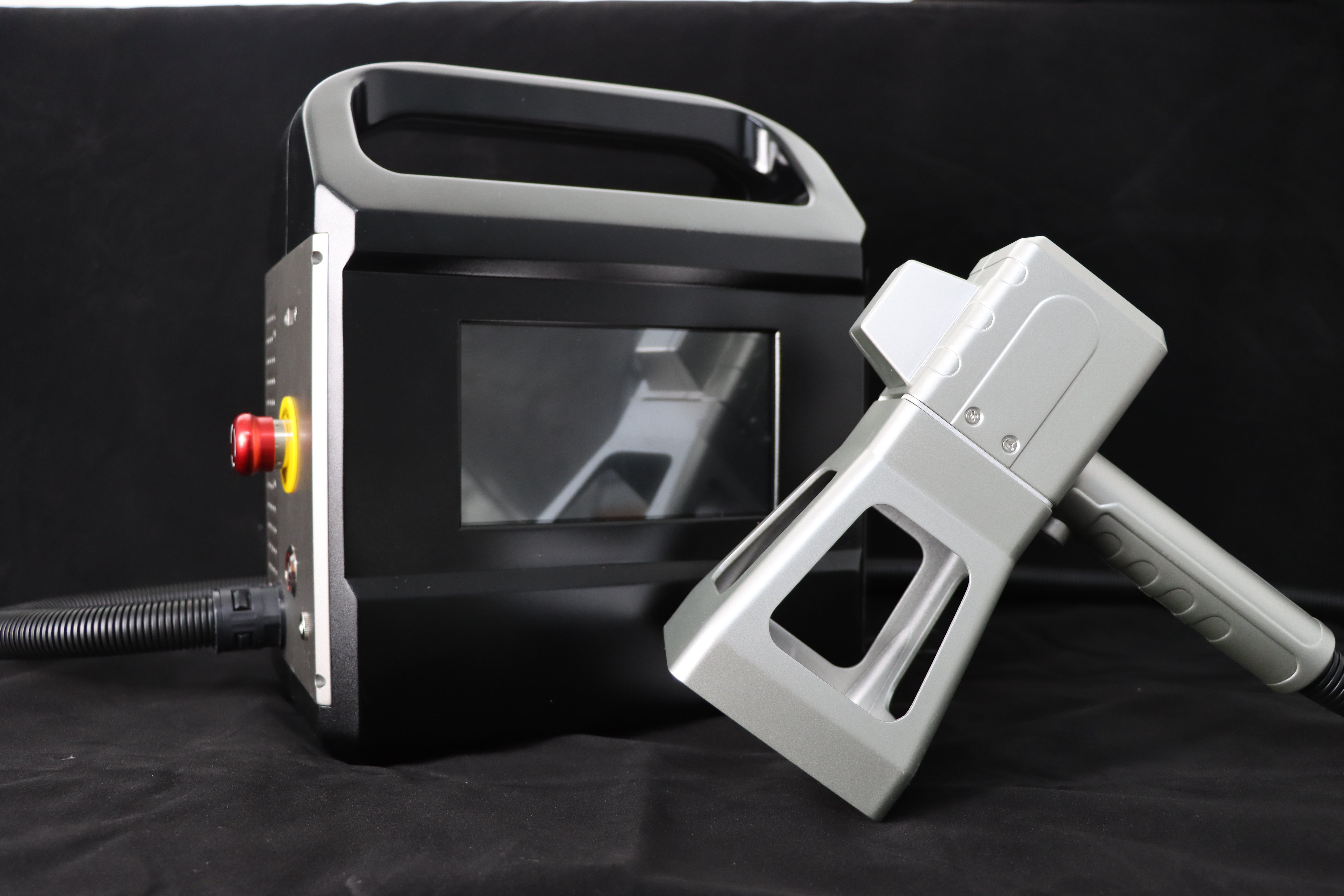
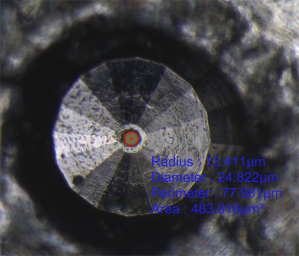
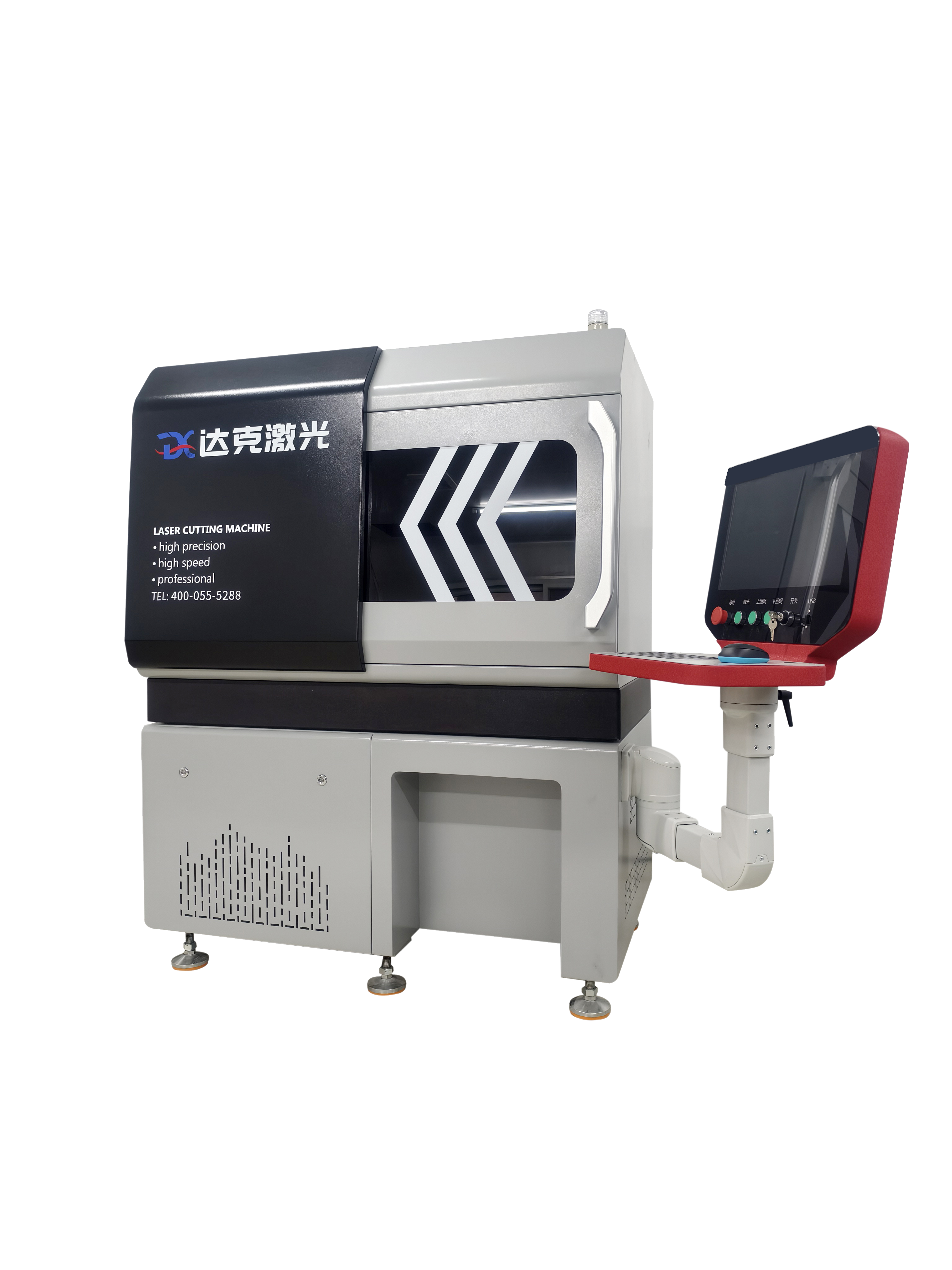
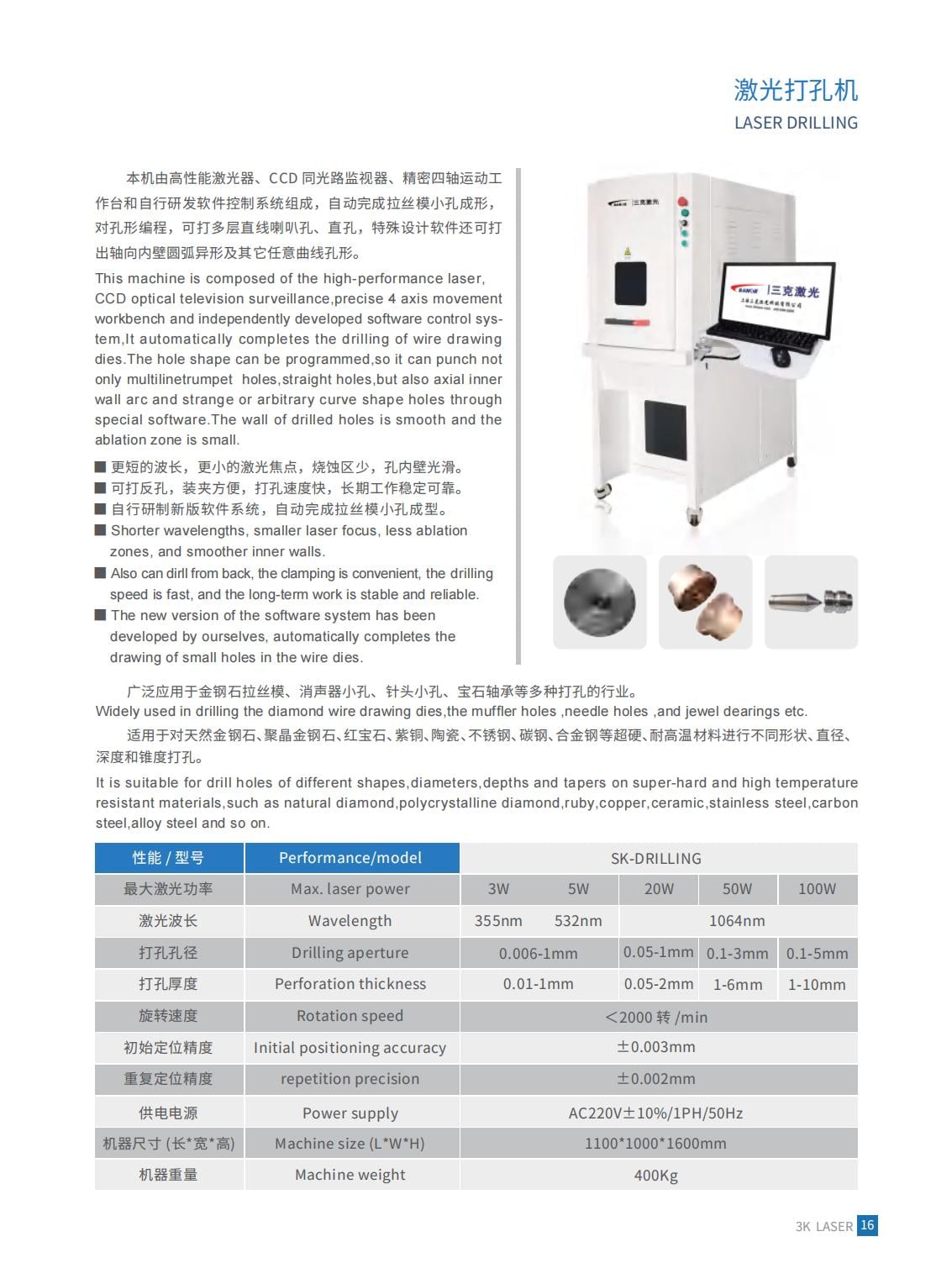
Die drilling represents a specialized precision machining process designed to create accurate holes in hardened steel dies, molds, and tooling components. This advanced drilling technique employs specialized equipment and cutting tools capable of penetrating extremely hard materials that standard drilling methods cannot effectively process. Die drilling is essential in manufacturing industries where precision tooling requires exact hole placement for ejector pins, cooling channels, venting systems, and mounting hardware. The process utilizes high-speed drilling machines equipped with carbide or diamond-coated drill bits that maintain dimensional accuracy even when working with materials exceeding 60 HRC hardness. Modern die drilling operations incorporate CNC technology for automated positioning and depth control, ensuring consistent results across multiple workpieces. The technique addresses critical manufacturing needs in automotive die production, plastic injection mold fabrication, metal stamping tool creation, and aerospace component manufacturing. Die drilling enables manufacturers to modify existing tooling without complete replacement, significantly reducing production downtime and capital expenditure. The process supports various hole geometries including straight-through holes, blind holes, angled perforations, and intersecting passages. Advanced cooling systems and specialized cutting fluids enhance tool life and maintain thermal stability during the drilling operation, preventing material distortion or heat-affected zones that could compromise die integrity and performance.
 EN
EN
 AR
AR
 FR
FR
 DE
DE
 JA
JA
 KO
KO
 RU
RU
 ES
ES