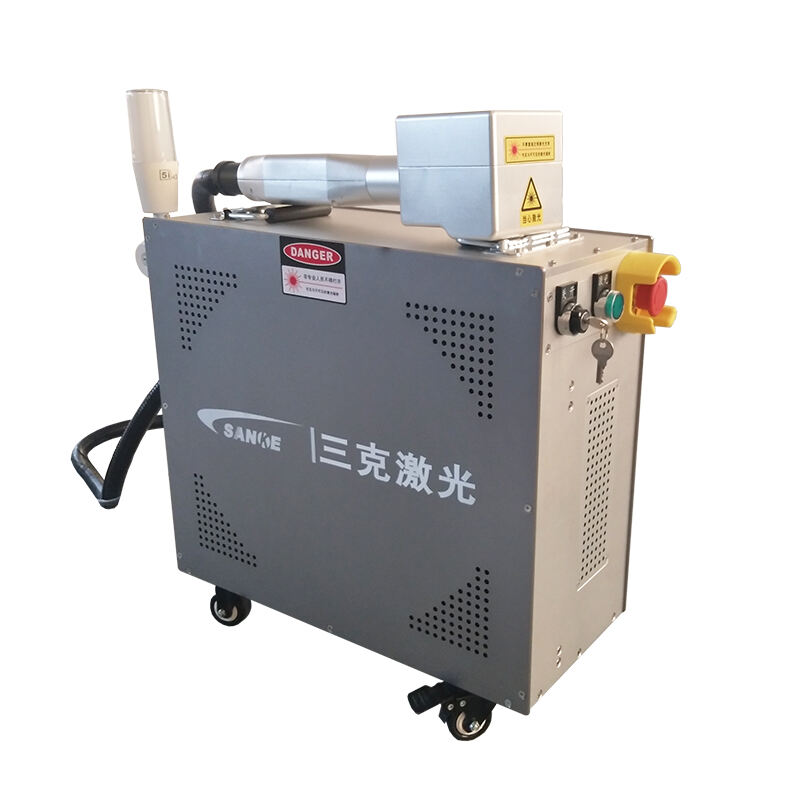
laser cleaning machine-0

Advanced Laser Cleaning Machines - Eco-Friendly Industrial Surface Treatment Solutions

Get a Free Quote

Our representative will contact you soon.
Email
Name
Company Name
Message
0/1000

laser cleaning machine

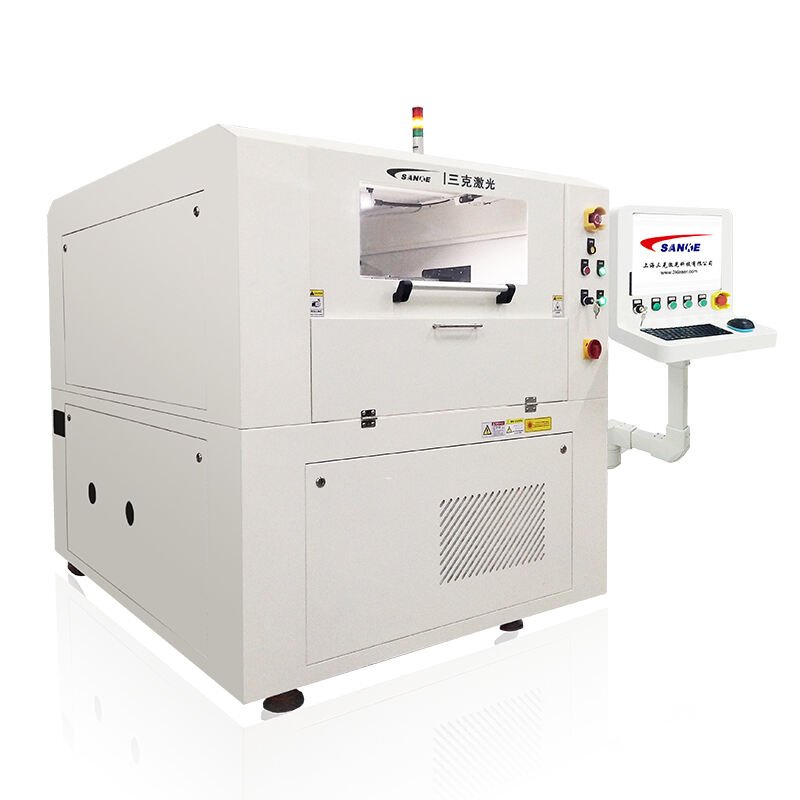
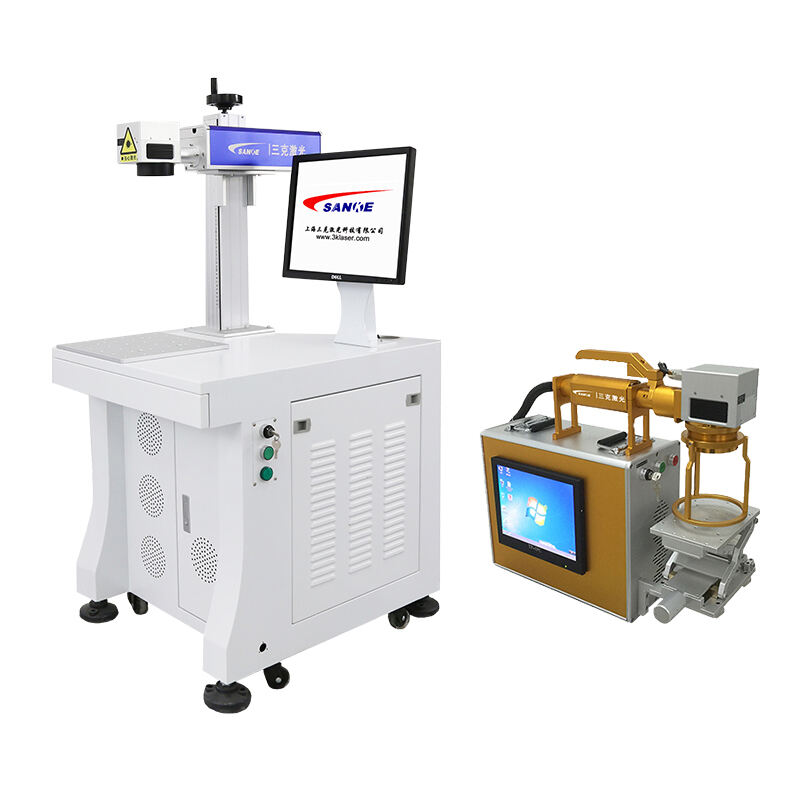
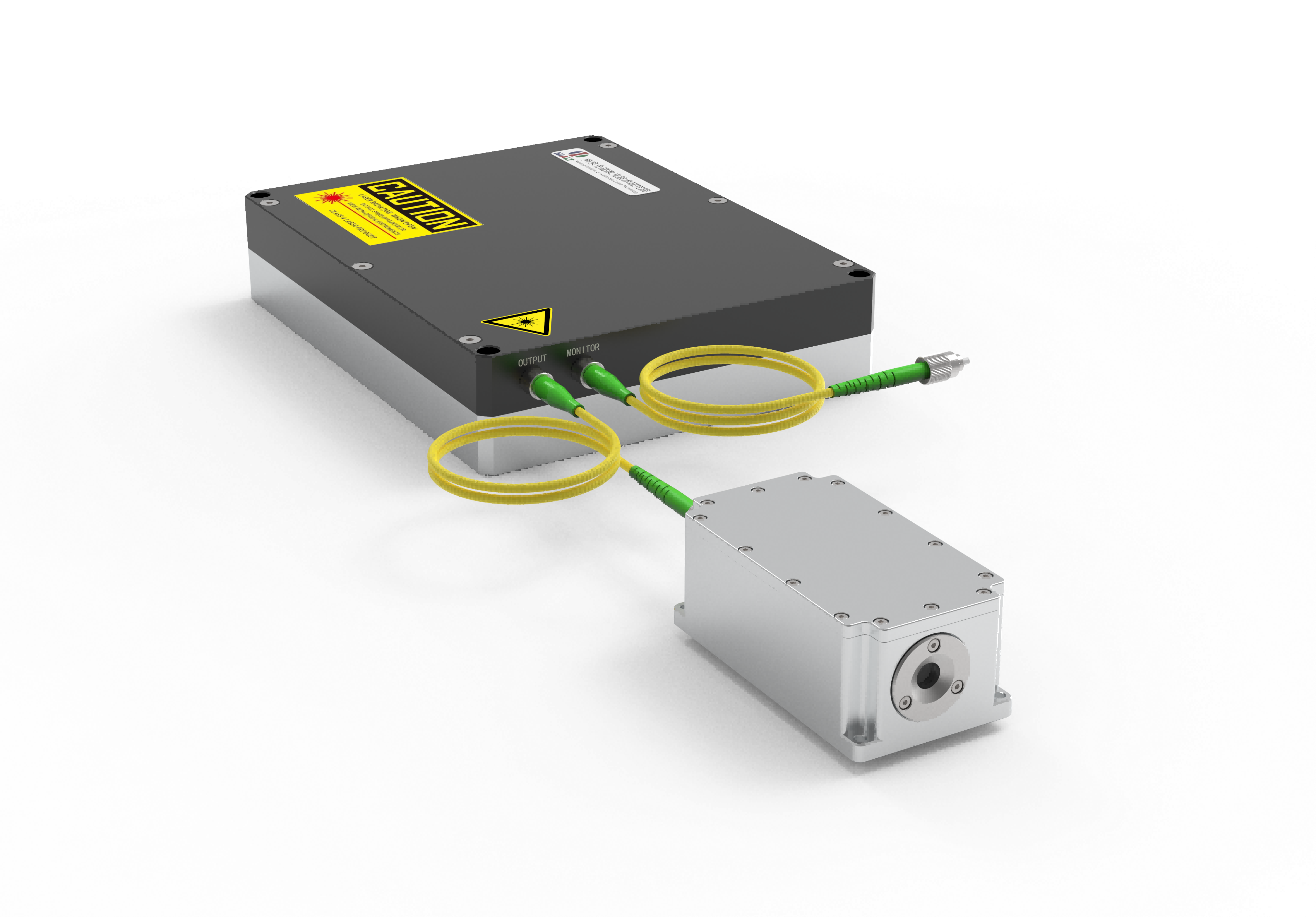
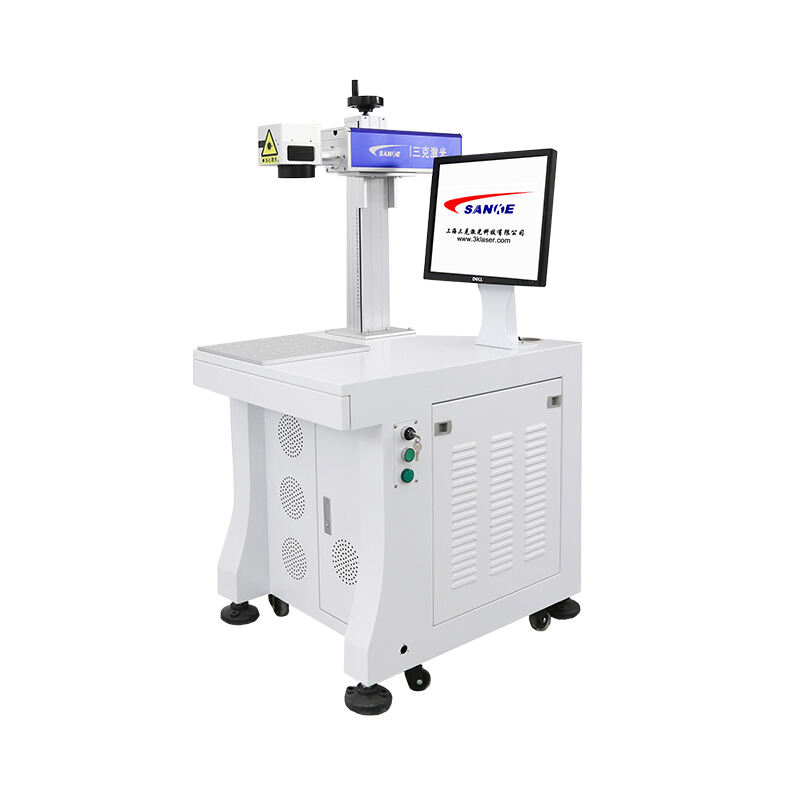
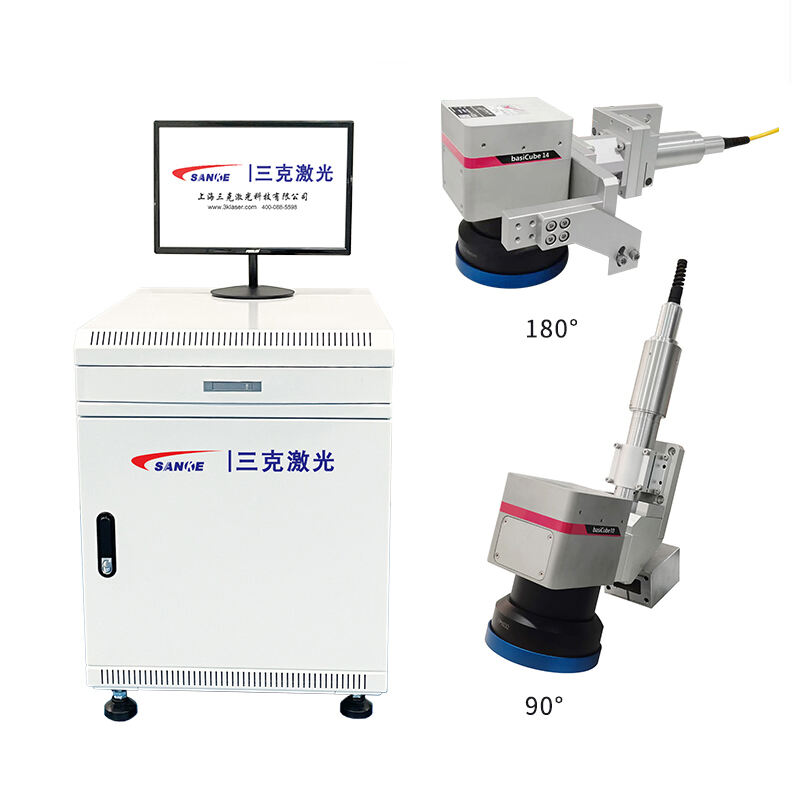
The laser cleaning machine represents a revolutionary advancement in industrial surface treatment technology, utilizing high-powered laser beams to remove contaminants, coatings, rust, and unwanted materials from various surfaces with exceptional precision and efficiency. This cutting-edge equipment operates on the principle of laser ablation, where focused light energy instantly vaporizes surface contaminants while preserving the underlying substrate integrity. Modern laser cleaning machines incorporate sophisticated control systems that allow operators to adjust power settings, pulse frequency, and beam characteristics to match specific cleaning requirements across diverse materials including metals, composites, stone, and delicate historical artifacts. The technology employs either pulsed or continuous wave lasers, with fiber laser systems being the most prevalent due to their reliability, energy efficiency, and minimal maintenance requirements. These machines feature user-friendly interfaces with programmable settings that enable consistent results across multiple cleaning cycles. The laser cleaning process generates minimal waste compared to traditional methods, as contaminants are typically vaporized or converted into easily removable particles. Advanced models include real-time monitoring capabilities that track cleaning progress and automatically adjust parameters to optimize performance. Safety systems are integrated throughout the design, including protective enclosures, emergency stops, and beam containment protocols to ensure operator protection. The technology supports both automated production line integration and manual operation modes, making it versatile for various industrial applications. Environmental benefits include elimination of chemical solvents and abrasive media, resulting in zero secondary waste generation. The precision control offered by laser cleaning machines enables selective material removal, allowing operators to clean specific areas without affecting surrounding surfaces, making it ideal for restoration projects and precision manufacturing applications where traditional cleaning methods would be too aggressive or imprecise.

Popular Products

Laser cleaning machines deliver transformative benefits that revolutionize traditional cleaning processes across multiple industries. These systems eliminate the need for harsh chemicals, abrasive media, and labor-intensive manual cleaning methods, resulting in significant cost savings and environmental protection. The precision control inherent in laser technology allows operators to remove specific layers of contamination while preserving the underlying material structure, ensuring no damage occurs to valuable components or substrates. This selective cleaning capability proves invaluable in restoration work, where maintaining original material integrity is paramount. The speed and efficiency of laser cleaning machines dramatically reduce processing time compared to conventional methods, with many applications achieving completion rates up to ten times faster than traditional techniques. This increased throughput directly translates to higher productivity and reduced labor costs for businesses. The automated nature of laser cleaning processes ensures consistent results across all applications, eliminating human error and variability that commonly affect manual cleaning operations. Workers benefit from improved safety conditions as laser cleaning eliminates exposure to toxic chemicals, dust particles, and repetitive strain injuries associated with manual scraping or sandblasting. The technology requires minimal consumables, operating primarily on electrical power without ongoing costs for replacement media, chemicals, or disposal fees. Maintenance requirements are significantly lower than traditional cleaning equipment, with modern fiber laser systems offering operational lifespans exceeding 100,000 hours with minimal service intervals. The versatility of laser cleaning machines enables processing of diverse materials including aluminum, steel, copper, titanium, concrete, wood, and even delicate historical artifacts without risk of damage. Quality improvements are immediately visible, as laser cleaning produces superior surface finishes that enhance subsequent coating adhesion and appearance. The contactless nature of the process prevents mechanical stress on treated components, making it ideal for thin materials, complex geometries, and fragile items that cannot withstand traditional cleaning forces. Investment returns are typically realized within twelve to eighteen months due to reduced material costs, labor savings, and increased processing capacity. The technology supports both high-volume production environments and specialized applications, offering scalable solutions that grow with business needs.

Tips And Tricks

What are the typical power requirements for different models of laser drilling machines?

19

Nov

What are the typical power requirements for different models of laser drilling machines?

Understanding the power requirements for laser drilling machines is crucial for manufacturers, engineers, and facility managers planning their industrial operations. The electrical demands of these sophisticated systems vary significantly based on la...
View More
How do handheld laser cleaning machines contribute to environmentally friendly cleaning practices?

19

Nov

How do handheld laser cleaning machines contribute to environmentally friendly cleaning practices?

Modern industrial cleaning practices are undergoing a revolutionary transformation as companies seek more sustainable and environmentally conscious solutions. Traditional cleaning methods often rely on harsh chemicals, abrasive materials, and process...
View More
How Does Handheld Laser Welding Compare to Traditional Welding Methods?

19

Nov

How Does Handheld Laser Welding Compare to Traditional Welding Methods?

The welding industry has experienced significant technological advancement over the past decade, with handheld laser welding emerging as a revolutionary alternative to conventional welding techniques. This innovative technology represents a paradigm ...
View More
What is a Laser Engraving Machine and How Does It Work?

19

Nov

What is a Laser Engraving Machine and How Does It Work?

A laser engraving machine represents one of the most precise and versatile tools in modern manufacturing and crafting industries. These sophisticated devices utilize focused laser beams to permanently mark, engrave, or cut various materials with exce...
View More

Get a Free Quote

Our representative will contact you soon.
Email
Name
Company Name
Message
0/1000

laser cleaning machine

Eco-Friendly Technology with Zero Chemical Waste

Eco-Friendly Technology with Zero Chemical Waste

Environmental sustainability represents one of the most compelling advantages of modern laser cleaning machines, positioning them as the responsible choice for forward-thinking companies committed to reducing their ecological footprint. Unlike traditional cleaning methods that rely heavily on toxic solvents, acid baths, or abrasive materials that generate hazardous waste streams, laser cleaning technology operates through pure light energy that leaves no chemical residue or secondary contamination. This revolutionary approach eliminates the need for expensive waste disposal procedures, regulatory compliance costs, and environmental remediation efforts that burden conventional cleaning operations. The process generates only minimal particulate matter that can be easily captured through standard ventilation systems, creating a clean working environment that meets the strictest occupational health standards. Companies implementing laser cleaning machines immediately reduce their chemical procurement costs while simultaneously eliminating storage risks associated with hazardous materials. The absence of consumable cleaning media means no ongoing expenses for replacement abrasives, solvents, or disposal fees that continuously drain operational budgets. Regulatory compliance becomes significantly simplified as businesses eliminate the complex documentation and reporting requirements associated with chemical handling and waste management. The technology aligns perfectly with corporate sustainability initiatives and green manufacturing goals, helping organizations achieve environmental certifications and meet increasingly strict regulatory standards. Water usage drops to zero in most applications, conserving this precious resource while eliminating contaminated wastewater treatment requirements. The energy efficiency of modern fiber laser systems ensures minimal power consumption compared to energy-intensive traditional methods like heated chemical baths or high-pressure washing systems. Long-term environmental benefits extend beyond immediate operations, as laser-cleaned surfaces often exhibit superior coating adhesion and longevity, reducing the frequency of maintenance cycles and extending component lifespans. This technology empowers companies to market their products and services as environmentally responsible while achieving superior cleaning results that enhance their competitive position in sustainability-conscious markets.
Precision Control and Material Preservation Excellence

Precision Control and Material Preservation Excellence

The unprecedented precision offered by laser cleaning machines transforms surface treatment from a crude removal process into a sophisticated, controllable procedure that preserves valuable materials while achieving perfect cleaning results. Advanced laser systems provide microscopic control over cleaning depth, allowing operators to remove specific contamination layers measured in micrometers while leaving underlying substrates completely untouched. This level of precision proves invaluable in applications ranging from aerospace component restoration to historical artifact conservation, where traditional methods would cause irreversible damage to irreplaceable materials. The technology employs real-time feedback systems that monitor cleaning progress and automatically adjust laser parameters to maintain optimal removal rates without over-processing. Programmable settings enable consistent replication of successful cleaning procedures across multiple identical components, ensuring quality standardization that meets the most demanding manufacturing specifications. The contactless nature of laser cleaning eliminates mechanical stress, vibration, and impact forces that commonly damage delicate components during traditional cleaning processes. Complex geometries, internal passages, and intricate details that are impossible to reach with conventional tools become easily accessible through precise laser beam positioning and fiber optic delivery systems. Surface finish quality consistently exceeds results achievable through manual or mechanical methods, creating optimal conditions for subsequent coating applications or assembly procedures. The selective cleaning capability allows simultaneous processing of multi-material assemblies without masking or protection requirements, as laser parameters can be instantly adjusted to match different material properties within the same component. Temperature control systems prevent thermal damage even on heat-sensitive materials, ensuring dimensional stability and metallurgical integrity throughout the cleaning process. Operators can achieve varying degrees of cleaning intensity within a single application, creating graduated finishes or preserving specific surface features while removing unwanted contamination from surrounding areas. This precision extends to cleaning speed control, enabling gentle treatment of fragile items or aggressive processing of heavily contaminated surfaces based on specific requirements. The technology accommodates materials ranging from soft polymers to hardened steels, automatically adjusting energy delivery to optimize results for each substrate type without operator intervention or tool changes.
Exceptional Versatility Across Multiple Industries and Applications

Exceptional Versatility Across Multiple Industries and Applications

The remarkable versatility of laser cleaning machines establishes them as universal solutions capable of addressing diverse cleaning challenges across virtually every industrial sector, from heavy manufacturing to delicate restoration work. These systems excel in automotive applications where paint removal, weld cleaning, and surface preparation require precision and speed to maintain production efficiency. Aerospace industries rely on laser cleaning for critical component maintenance, where traditional methods could compromise the structural integrity of expensive parts made from advanced alloys and composites. Maritime applications benefit tremendously from laser technology for hull cleaning, rust removal, and surface preparation, eliminating the environmental concerns associated with chemical paint strippers and abrasive blasting near water sources. Construction and infrastructure maintenance utilize laser cleaning machines for concrete restoration, graffiti removal, and historical building preservation, where gentle treatment preserves architectural details while removing decades of accumulated contamination. Manufacturing facilities implement these systems for mold cleaning, production line maintenance, and quality control applications that demand consistent results without production downtime. The technology proves invaluable in electronics manufacturing for precise component cleaning and PCB preparation, where contamination control directly impacts product reliability and performance. Art restoration and museum conservation represent specialized applications where laser cleaning machines enable preservation of priceless artifacts without risk of damage from traditional cleaning methods. Nuclear industry applications leverage the contactless cleaning capability for radioactive contamination removal, protecting workers from exposure while achieving thorough decontamination results. Petrochemical facilities utilize laser systems for pipeline cleaning, tank maintenance, and equipment restoration in environments where traditional methods pose explosion risks or generate hazardous waste. Food processing industries benefit from laser cleaning for sanitation applications that require chemical-free processing to maintain product safety standards. The adaptability extends to material compatibility, with successful applications on metals, ceramics, composites, stone, wood, and even textiles under appropriate parameter settings. Portable laser cleaning systems enable field applications for infrastructure maintenance, monument restoration, and remote facility cleaning where traditional equipment transport would be impractical or impossible. The technology scales from precision laboratory applications requiring microscopic accuracy to large-scale industrial operations processing massive components or continuous production lines.

Get a Free Quote

Our representative will contact you soon.
Email
Name
Company Name
Message
0/1000