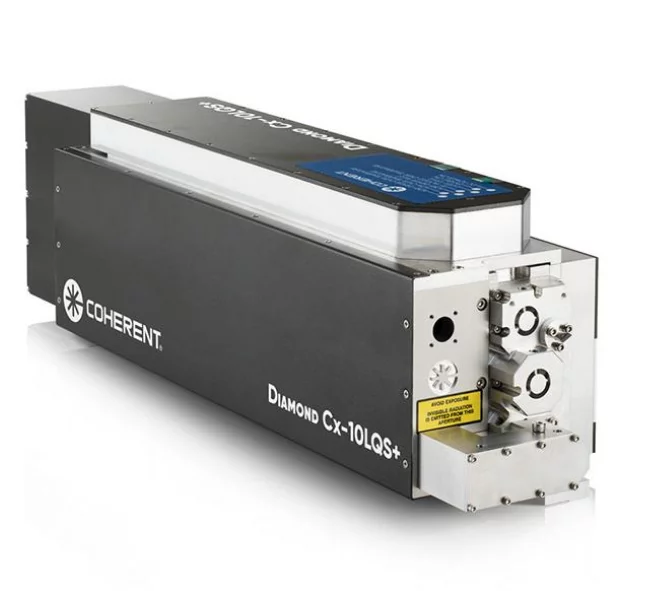
Unmatched Versatility Across Multiple Applications
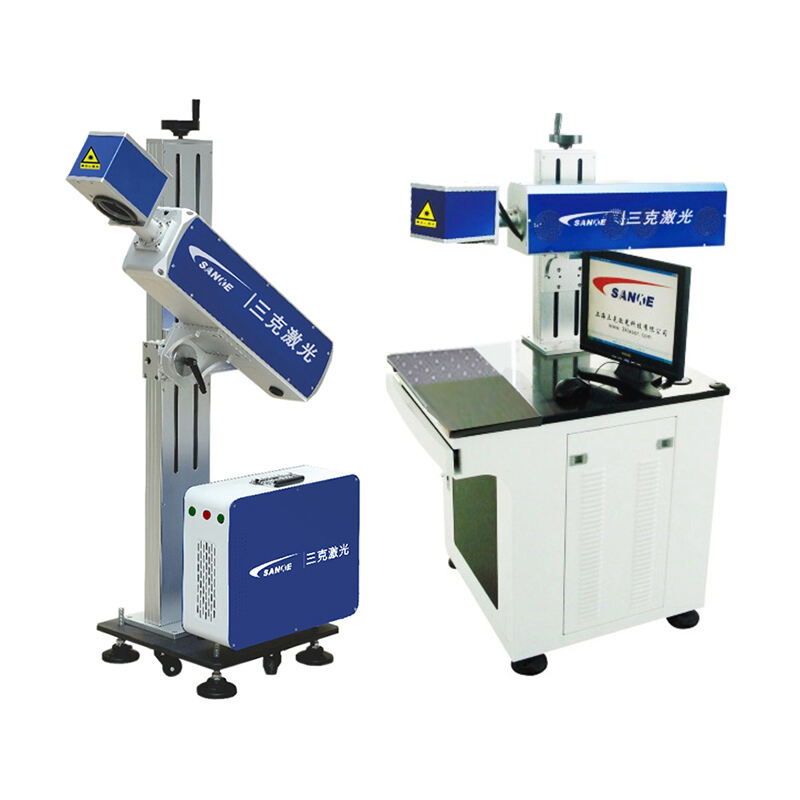
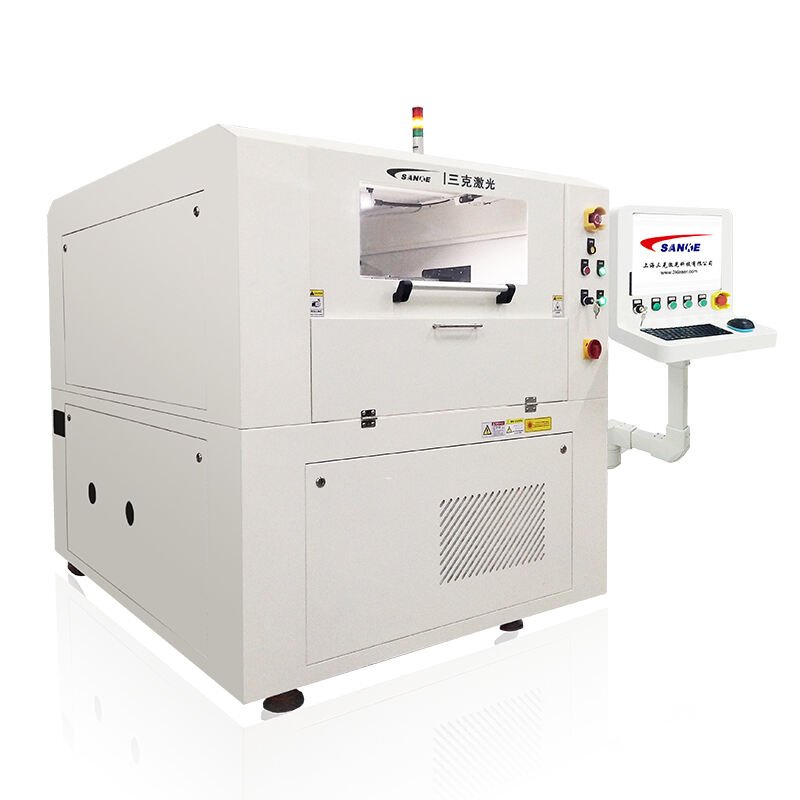
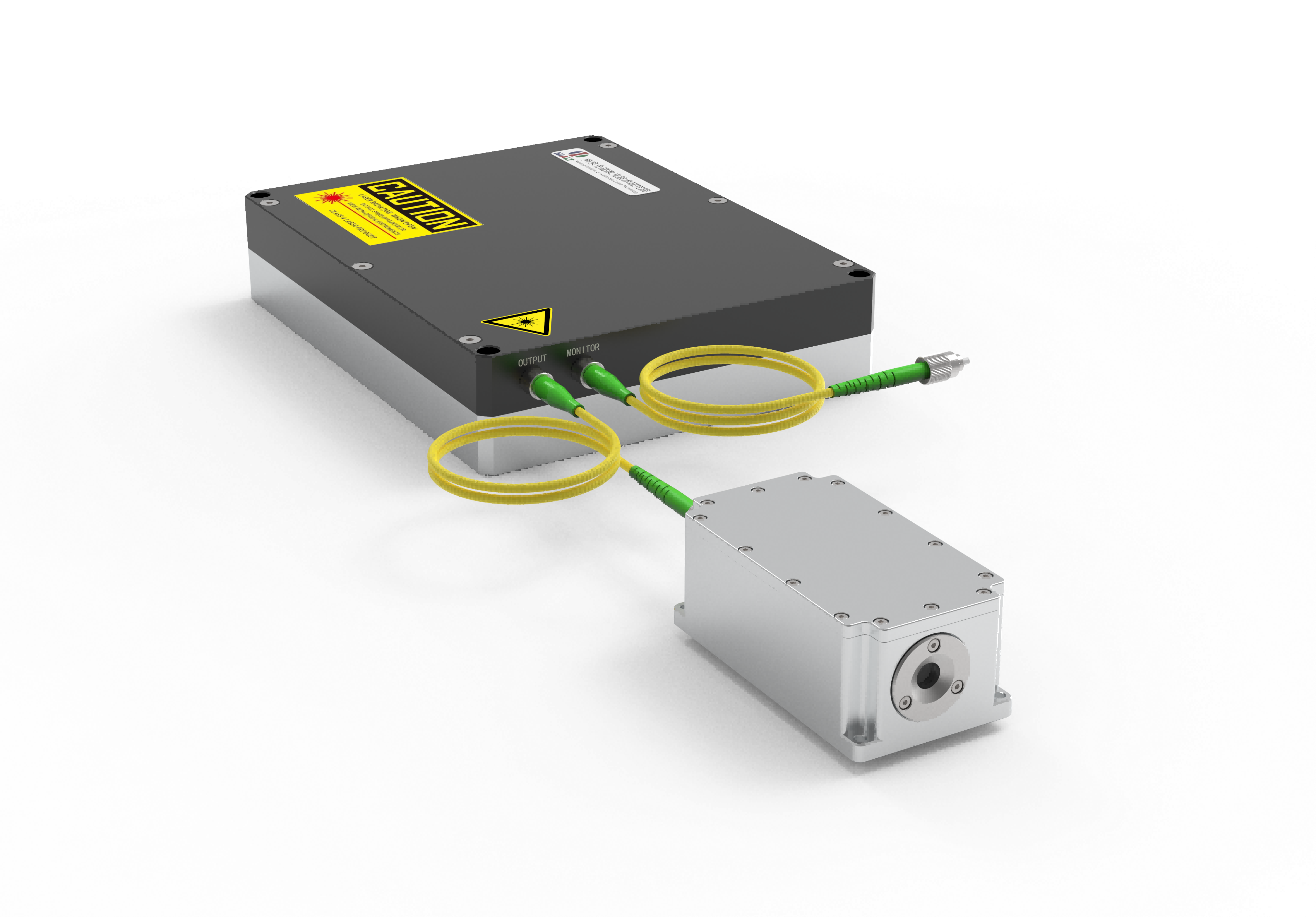
The jpt-fiber laser source demonstrates extraordinary versatility, adapting seamlessly to an extensive range of industrial applications while maintaining consistent high-quality results. This adaptability stems from sophisticated control systems that allow precise adjustment of laser parameters including power output, pulse duration, repetition rate, and beam characteristics. Such comprehensive control enables optimization for specific materials and processing requirements, from delicate electronic components to heavy industrial fabrication. In metal cutting applications, the jpt-fiber laser source delivers clean, precise cuts with minimal heat-affected zones, reducing the need for secondary finishing operations and improving overall production efficiency. The system excels at processing various metals including steel, aluminum, copper, and exotic alloys used in aerospace and medical applications. For welding operations, the precise energy control enables high-quality joints with excellent mechanical properties and minimal distortion, critical for structural applications and precision assemblies. Surface marking and engraving represent another significant application area where the jpt-fiber laser source provides exceptional detail and contrast across diverse materials including metals, plastics, ceramics, and composites. The ability to create permanent, high-resolution marks makes it ideal for product identification, traceability, and decorative applications. In additive manufacturing processes, the jpt-fiber laser source enables precise powder melting and fusion, supporting the production of complex geometries and functional prototypes with excellent material properties. The system's response speed and control precision make it particularly suitable for selective laser melting and similar advanced manufacturing techniques. Medical device manufacturing benefits significantly from the jpt-fiber laser source's ability to process biocompatible materials with exceptional cleanliness and precision, meeting stringent regulatory requirements while maintaining high throughput. The automotive industry utilizes this technology for various applications including component cutting, welding, and surface treatment, taking advantage of the speed and reliability that modern production demands. Electronics manufacturing leverages the precise control capabilities for circuit processing, component trimming, and micro-welding applications where traditional methods prove inadequate.
 EN
EN
 AR
AR
 FR
FR
 DE
DE
 JA
JA
 KO
KO
 RU
RU
 ES
ES