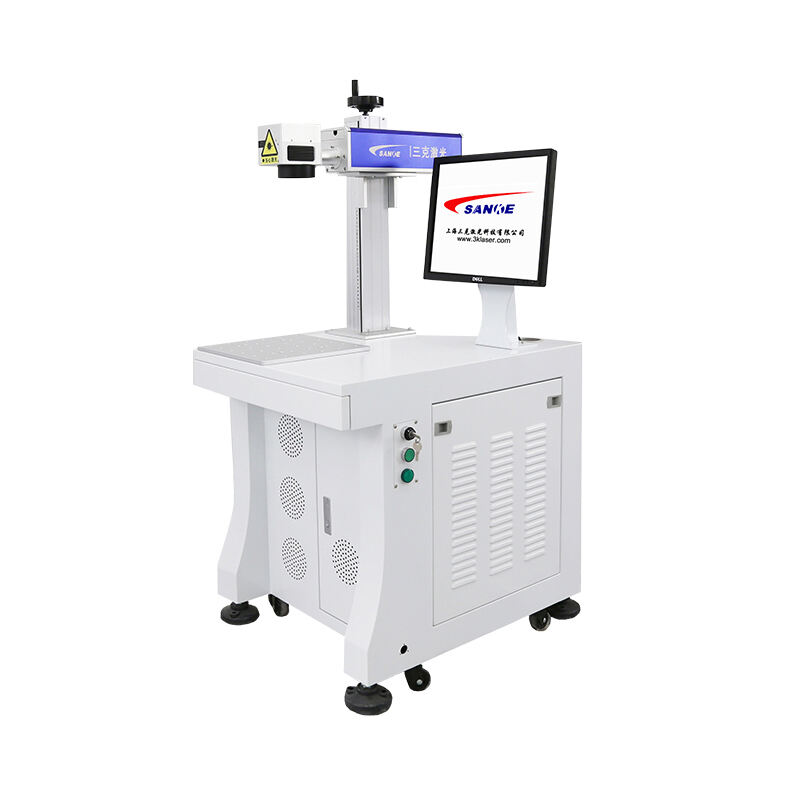
Versatile Multi-Material Compatibility and Clean Operation
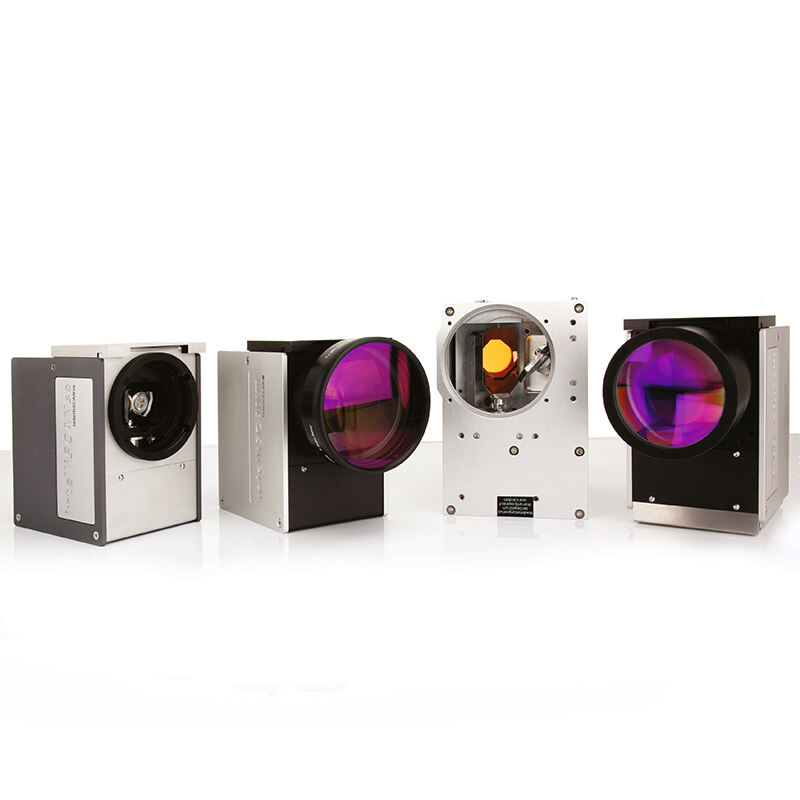
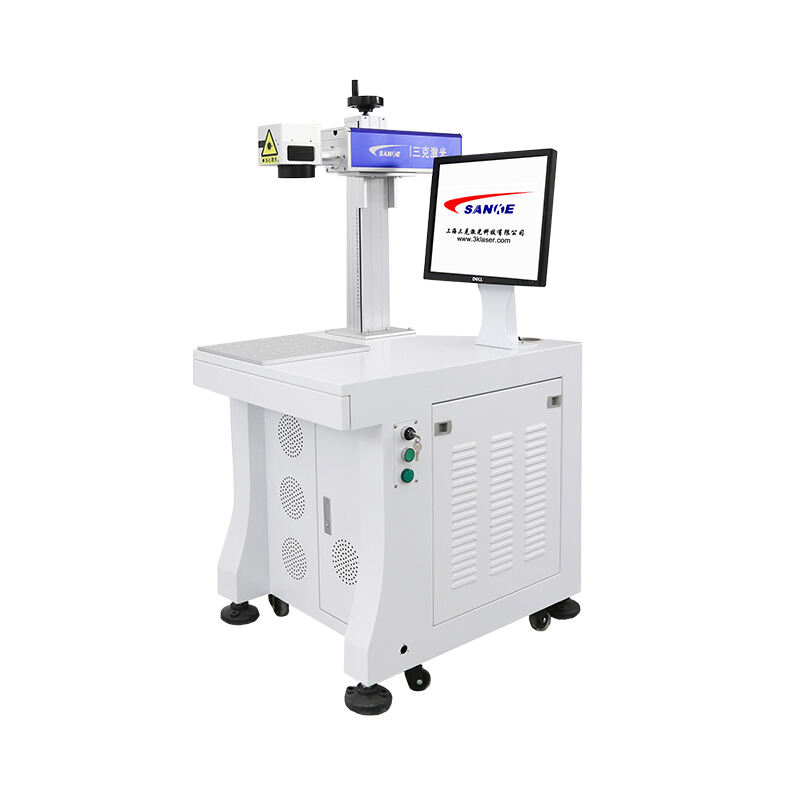
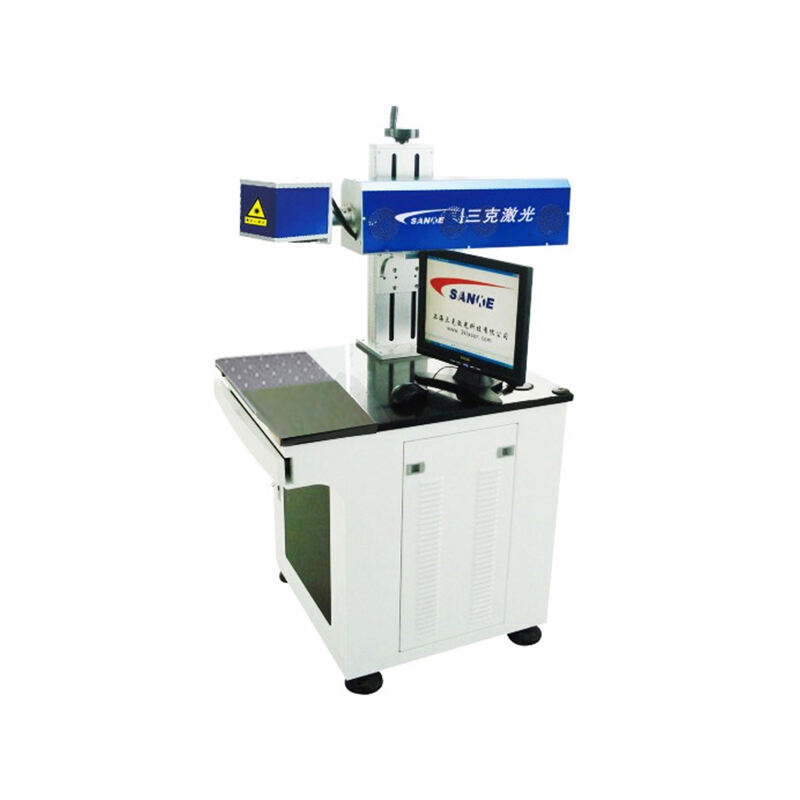
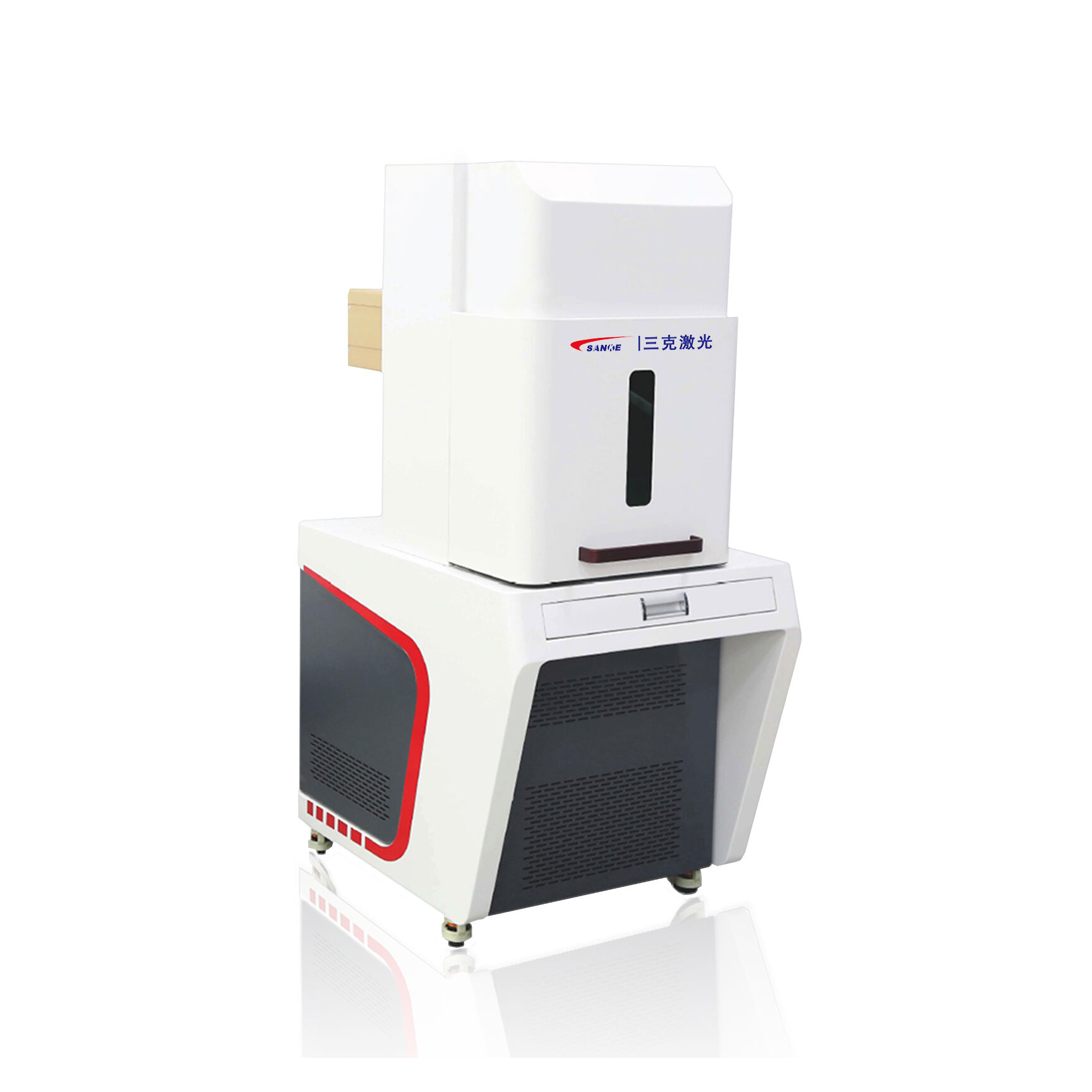
The exceptional versatility of metal marking laser machines makes them indispensable tools for diverse industrial applications, capable of handling virtually any metal substrate with consistent, high-quality results. This multi-material compatibility extends across the complete spectrum of commonly used metals including stainless steel, aluminum alloys, brass, copper, titanium, Inconel, and various specialty alloys used in aerospace and medical applications. The laser technology automatically adapts to different material properties, thermal conductivity, and reflectivity characteristics through programmable parameter settings that optimize marking quality for each specific substrate. This adaptability eliminates the need for multiple specialized marking systems, reducing equipment costs, training requirements, and facility space allocation while simplifying inventory management and maintenance procedures. The clean operation of metal marking laser machines represents a significant environmental and operational advantage over traditional marking methods. The process generates no chemical waste, requires no consumable marking materials, and produces minimal debris that can be easily contained and filtered. This clean operation eliminates the need for hazardous waste disposal procedures, reduces regulatory compliance burdens, and supports corporate sustainability initiatives. Unlike chemical etching processes that require ventilation systems, neutralization procedures, and special handling protocols, laser marking operates safely in standard manufacturing environments with minimal additional infrastructure requirements. The absence of physical contact between the laser and the workpiece prevents contamination issues that can occur with mechanical marking methods, making the process ideal for cleanroom applications and sterile manufacturing environments. The versatility extends to marking applications themselves, with the metal marking laser machine capable of producing various marking effects from surface discoloration and texture changes to deep engraving and material removal. This flexibility enables manufacturers to optimize marking characteristics for specific applications, whether prioritizing marking speed for high-volume production, marking contrast for readability, or marking depth for durability. The same system can produce decorative surface textures, functional grip patterns, and informational markings without requiring different equipment or consumables, maximizing the return on investment while minimizing operational complexity.
 EN
EN
 AR
AR
 FR
FR
 DE
DE
 JA
JA
 KO
KO
 RU
RU
 ES
ES