co2 laser marking machine
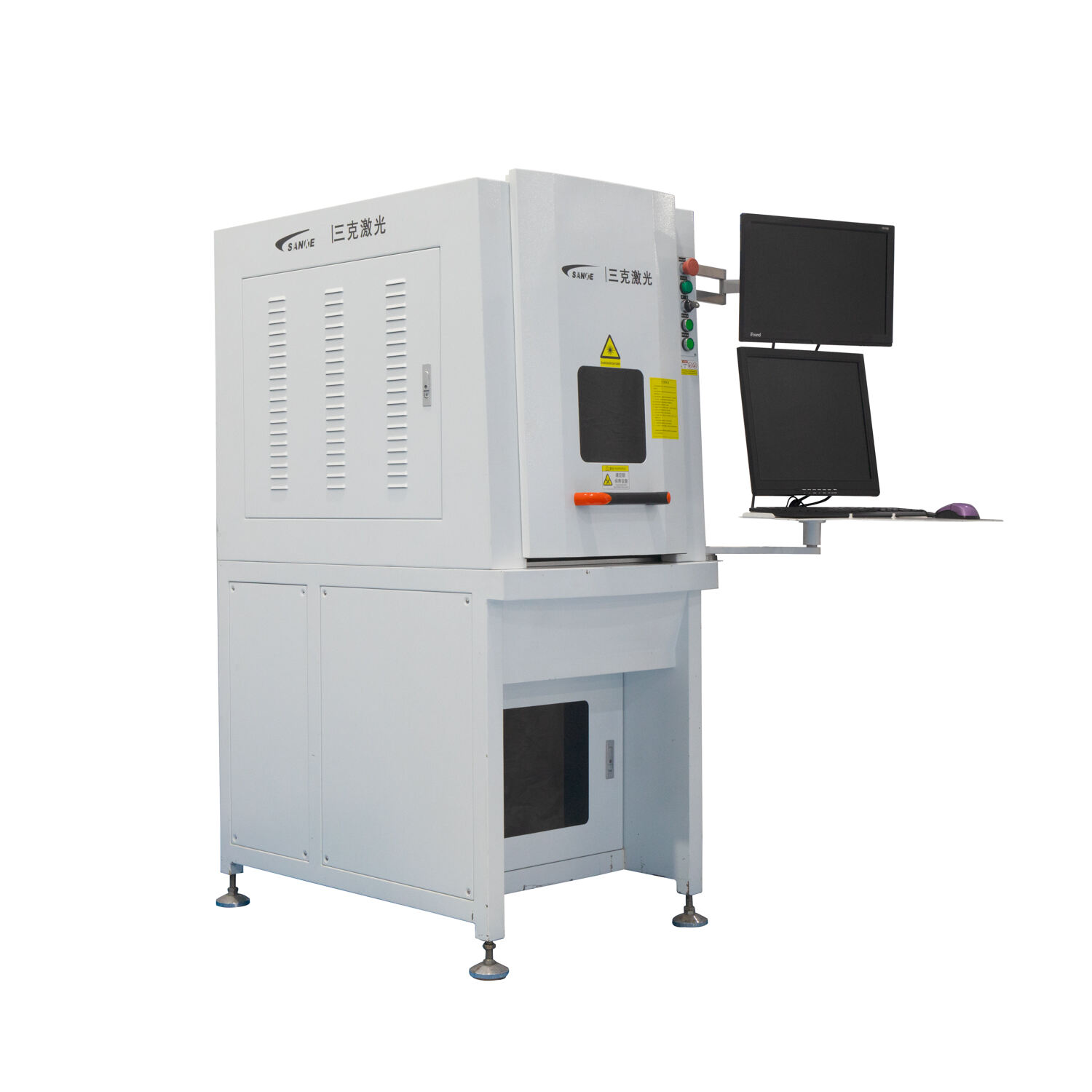
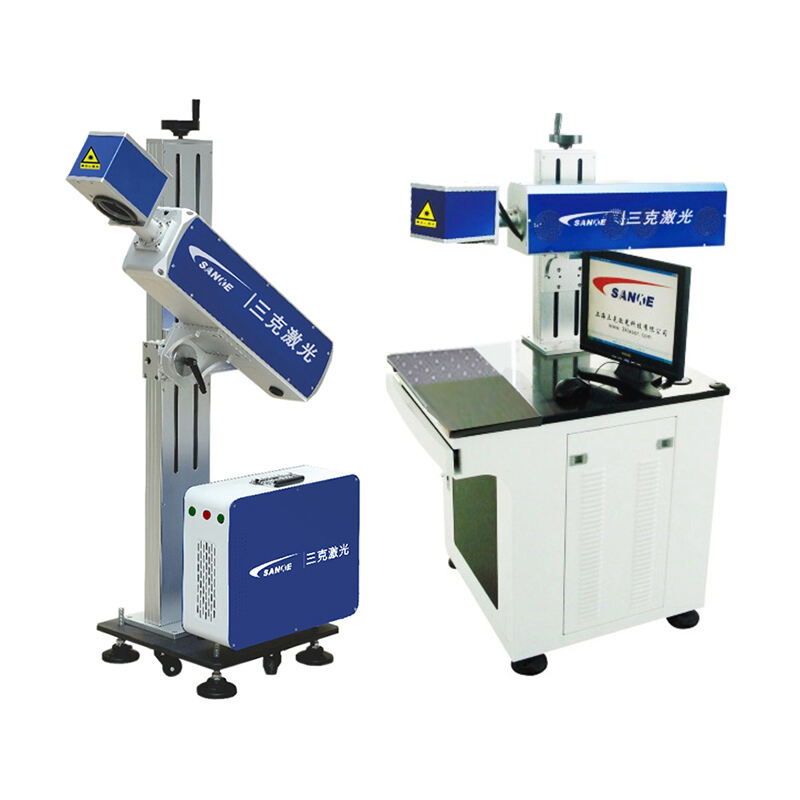
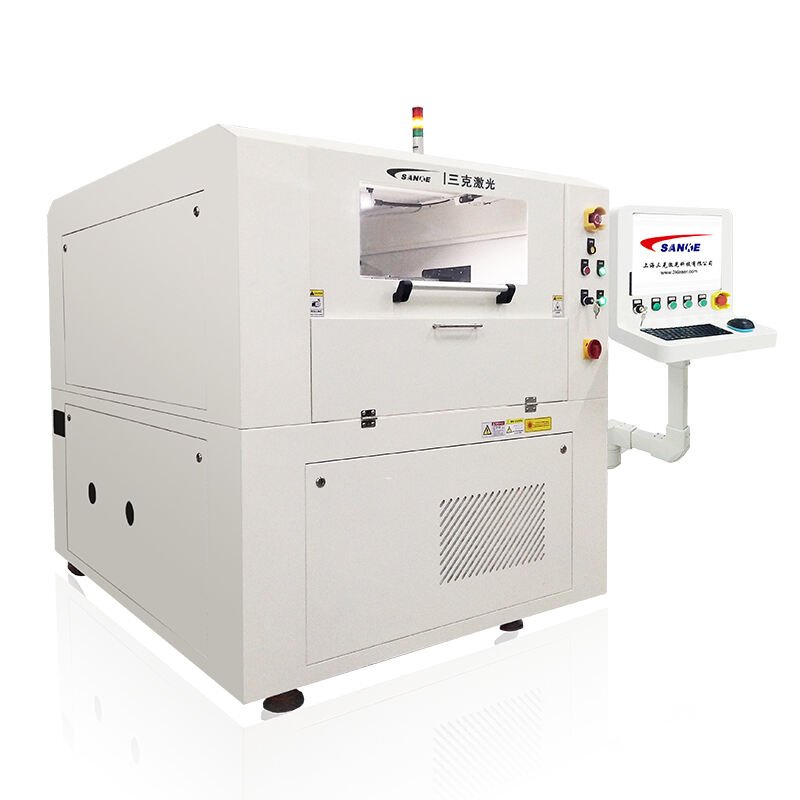
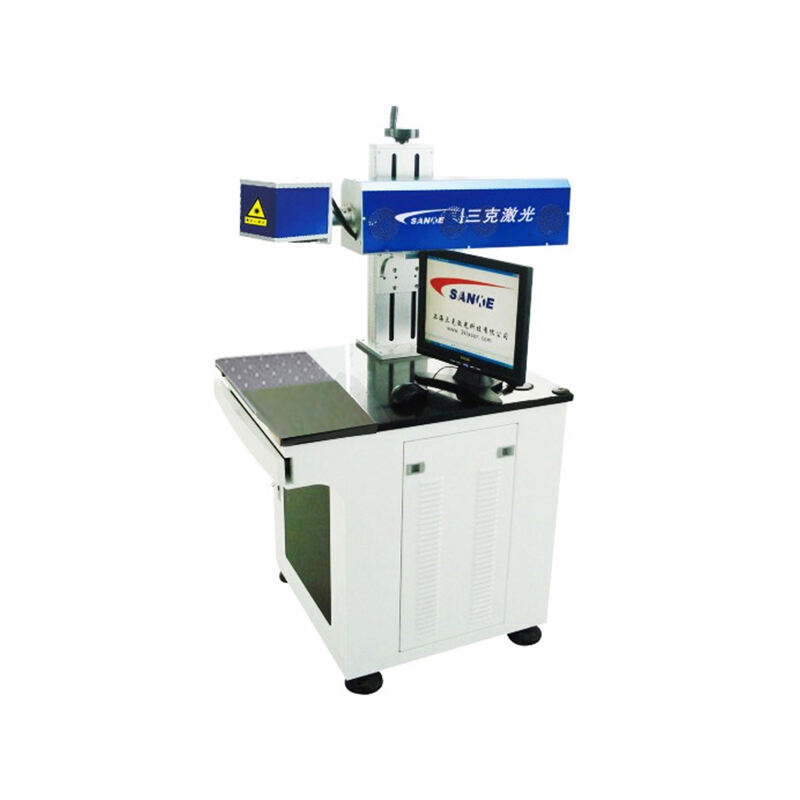
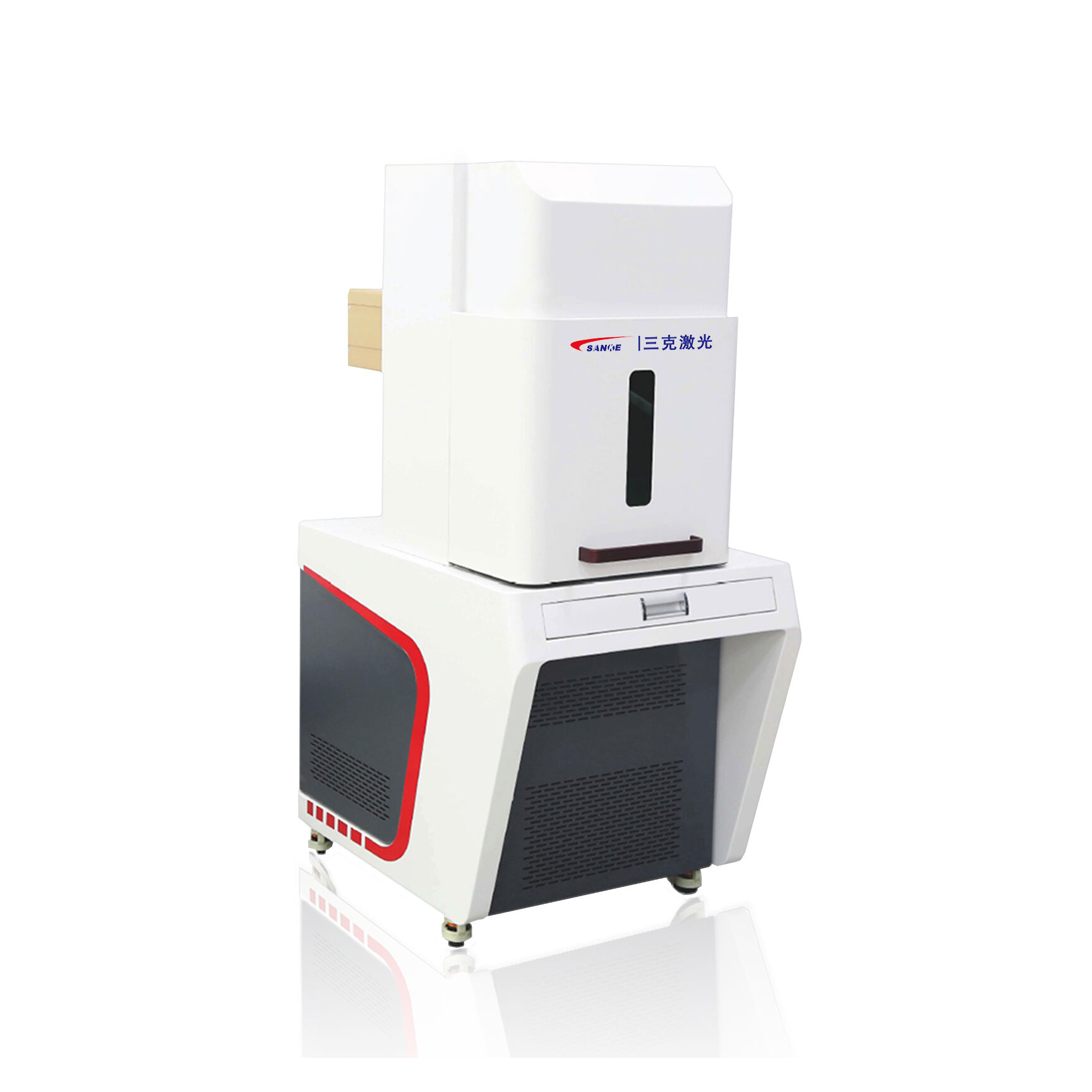
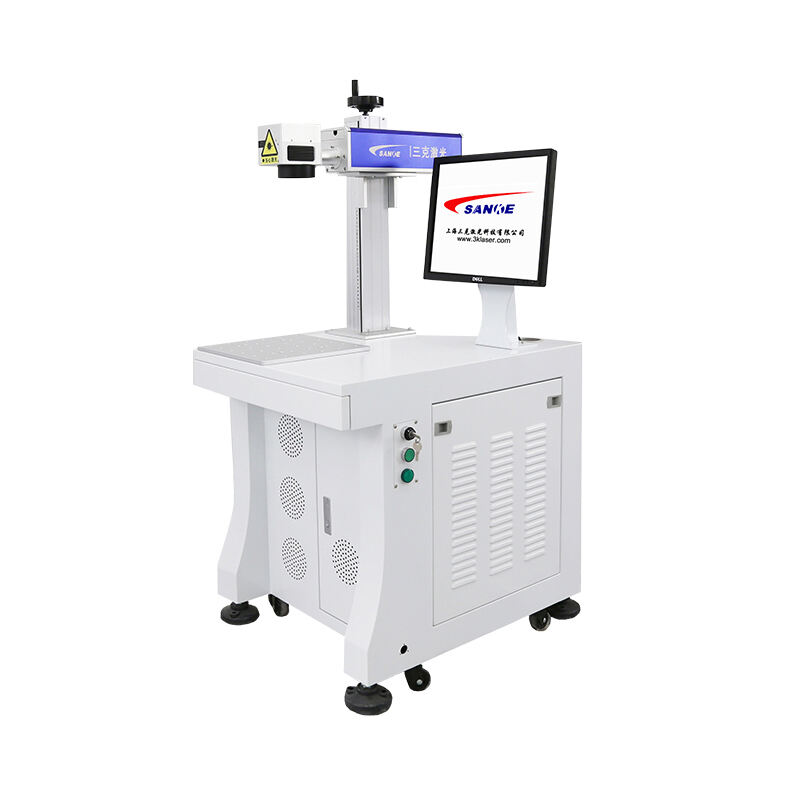
The CO2 laser marking machine represents a pinnacle of industrial marking technology, utilizing carbon dioxide gas as the primary laser medium to generate precise, high-quality markings on diverse materials. This sophisticated equipment operates by exciting CO2 molecules within a sealed laser tube, creating a concentrated beam of infrared light at 10.6 micrometers wavelength. The CO2 laser marking machine excels in processing non-metallic materials including wood, paper, cardboard, leather, textiles, ceramics, glass, rubber, and various plastics. The technology employs galvanometer scanning systems that direct the laser beam with exceptional accuracy, enabling intricate designs, text, barcodes, serial numbers, and complex graphics to be permanently etched onto surfaces. Modern CO2 laser marking machines incorporate advanced control software that seamlessly integrates with CAD programs, allowing operators to import designs directly and execute marking operations with minimal setup time. The beam delivery system utilizes precision mirrors and focusing lenses to concentrate the laser energy onto the target material, creating thermal reactions that result in permanent markings through processes such as engraving, etching, or color change. These machines feature adjustable power settings, variable marking speeds, and customizable pulse frequencies, providing operators with comprehensive control over the marking process. The CO2 laser marking machine typically includes safety features such as enclosed work areas, emergency stops, and protective housing to ensure operator safety during operation. Many models offer automated material handling systems, rotary attachments for cylindrical objects, and computer-controlled positioning systems that enhance productivity and consistency. The versatility of CO2 laser marking machines makes them indispensable tools across manufacturing industries, from automotive and aerospace to electronics and consumer goods, where permanent identification and traceability are essential requirements for quality control and regulatory compliance.
 EN
EN
 AR
AR
 FR
FR
 DE
DE
 JA
JA
 KO
KO
 RU
RU
 ES
ES