Versatile Multi-Application Capability Across Industries
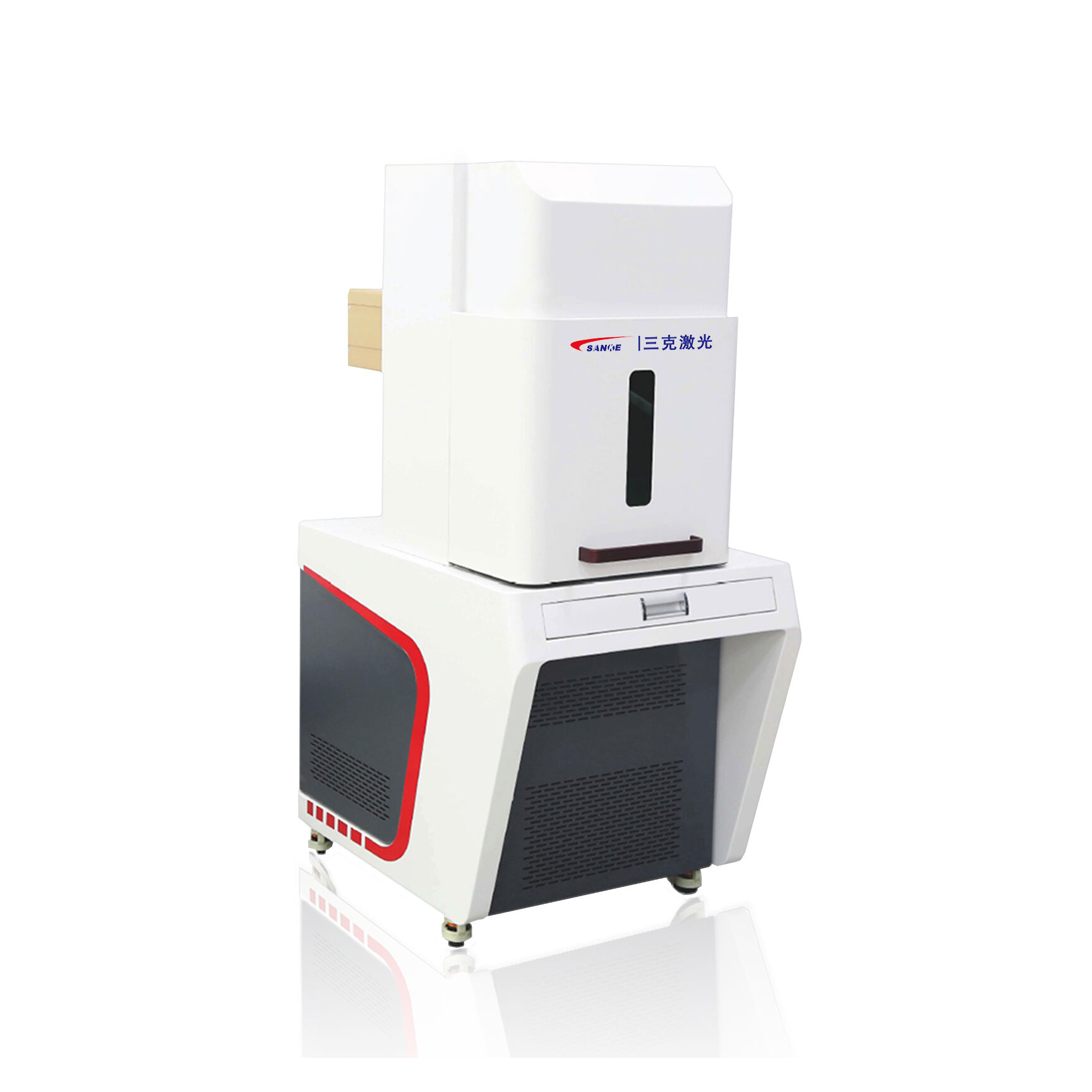
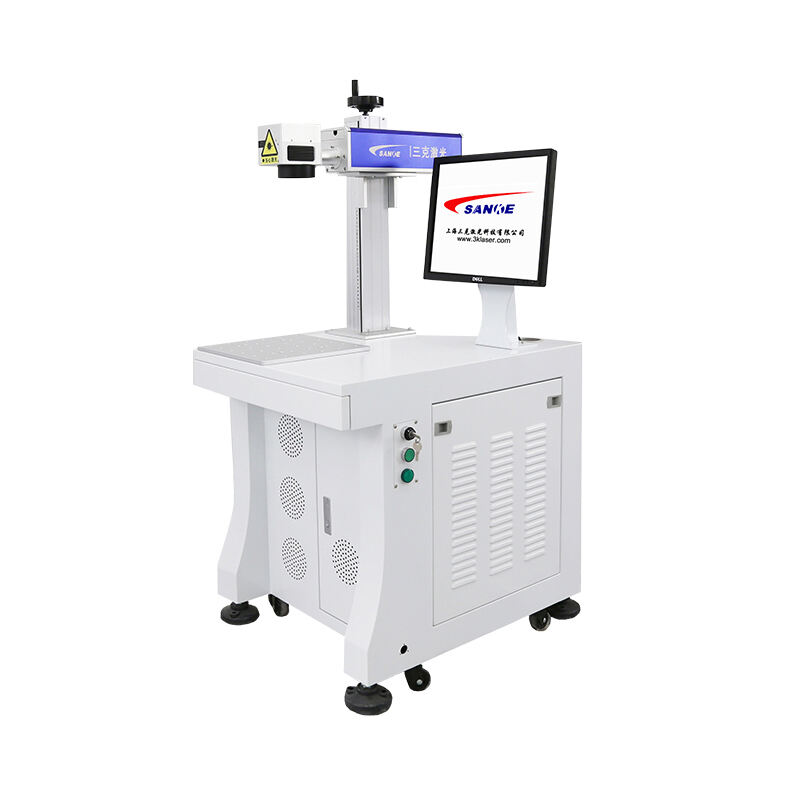
The remarkable versatility of the glass laser marking machine makes it an invaluable asset across numerous industries and applications, providing manufacturers with a single solution capable of addressing diverse marking requirements. This adaptability stems from adjustable laser parameters that accommodate different glass types, thicknesses, and compositions, from thin electronic displays to thick architectural panels. The machine effectively processes tempered glass, laminated glass, borosilicate glass, crystal materials, and specialized optical glasses without requiring equipment modifications or tooling changes. In the automotive industry, these machines mark windshields, mirrors, and side windows with identification codes, manufacturing dates, and safety certifications required by regulatory standards. The beverage industry relies on glass laser marking machines for permanent bottle marking, eliminating the need for paper labels while providing tamper-evident identification that cannot be removed or altered. Pharmaceutical applications include marking glass vials, bottles, and ampules with batch numbers, expiration dates, and dosage information that remains legible throughout sterilization processes and extended storage periods. Electronics manufacturers use these systems to mark glass components such as smartphone screens, tablet displays, and optical lenses with microscopic identification codes that enable quality traceability without affecting product functionality. Architectural glass applications encompass decorative pattern creation, privacy etching, and safety marking on building panels, doors, and partitions. The jewelry industry benefits from precision engraving capabilities for creating detailed designs on crystal items, awards, and decorative pieces. Laboratory equipment marking represents another crucial application, where glass beakers, test tubes, and measurement devices receive permanent calibration marks and identification codes that withstand repeated cleaning and sterilization cycles. The versatility extends to specialty applications including optical component marking, where precise laser control ensures markings do not interfere with light transmission properties. Art glass creation utilizes these machines for producing custom decorative pieces with intricate patterns and textures. Medical device manufacturing requires permanent marking on glass components used in diagnostic equipment and surgical instruments. This multi-industry capability eliminates the need for multiple specialized marking systems, reducing capital equipment costs, training requirements, and maintenance complexity while providing manufacturers with flexibility to adapt to changing market demands and expand into new product categories.
 EN
EN
 AR
AR
 FR
FR
 DE
DE
 JA
JA
 KO
KO
 RU
RU
 ES
ES