Exceptional Material Versatility and Adaptability
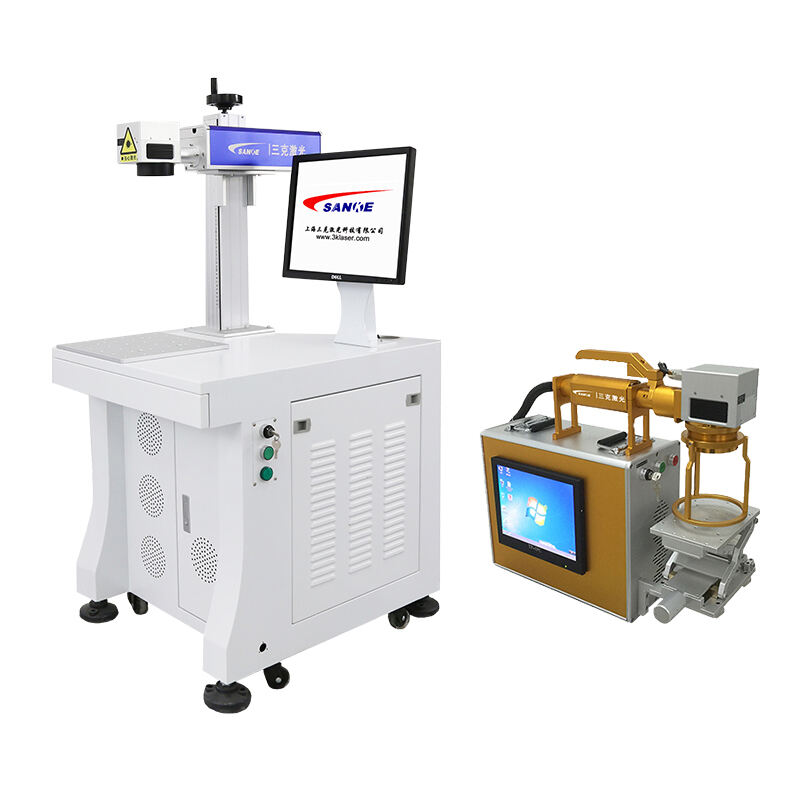
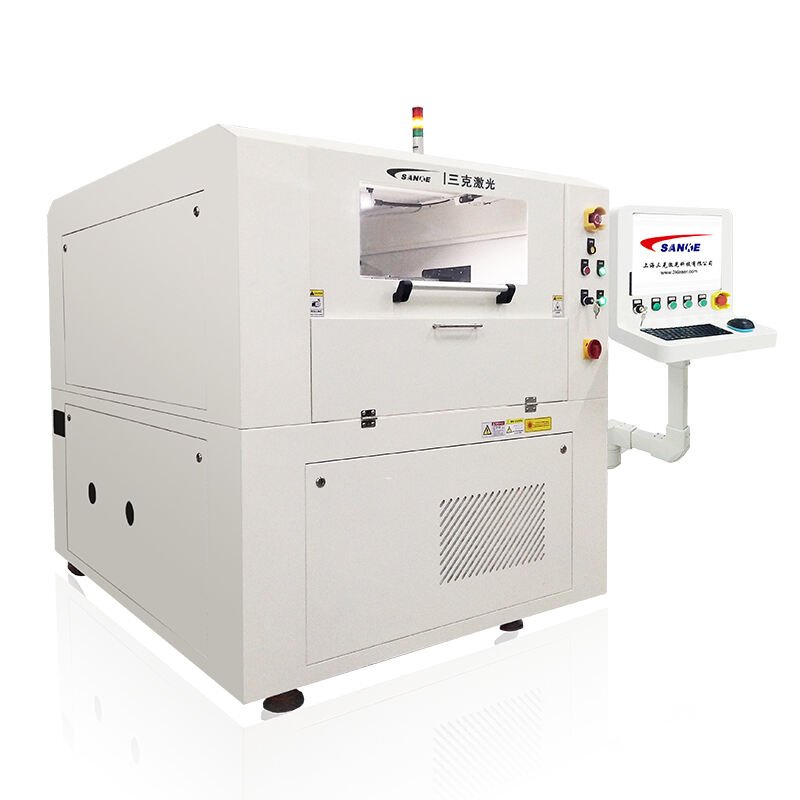
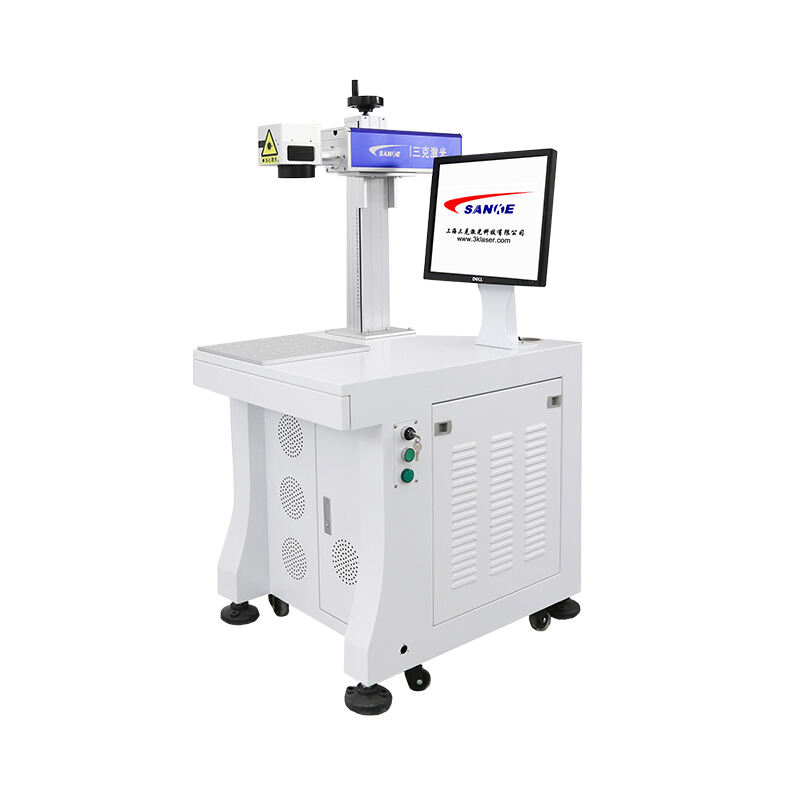
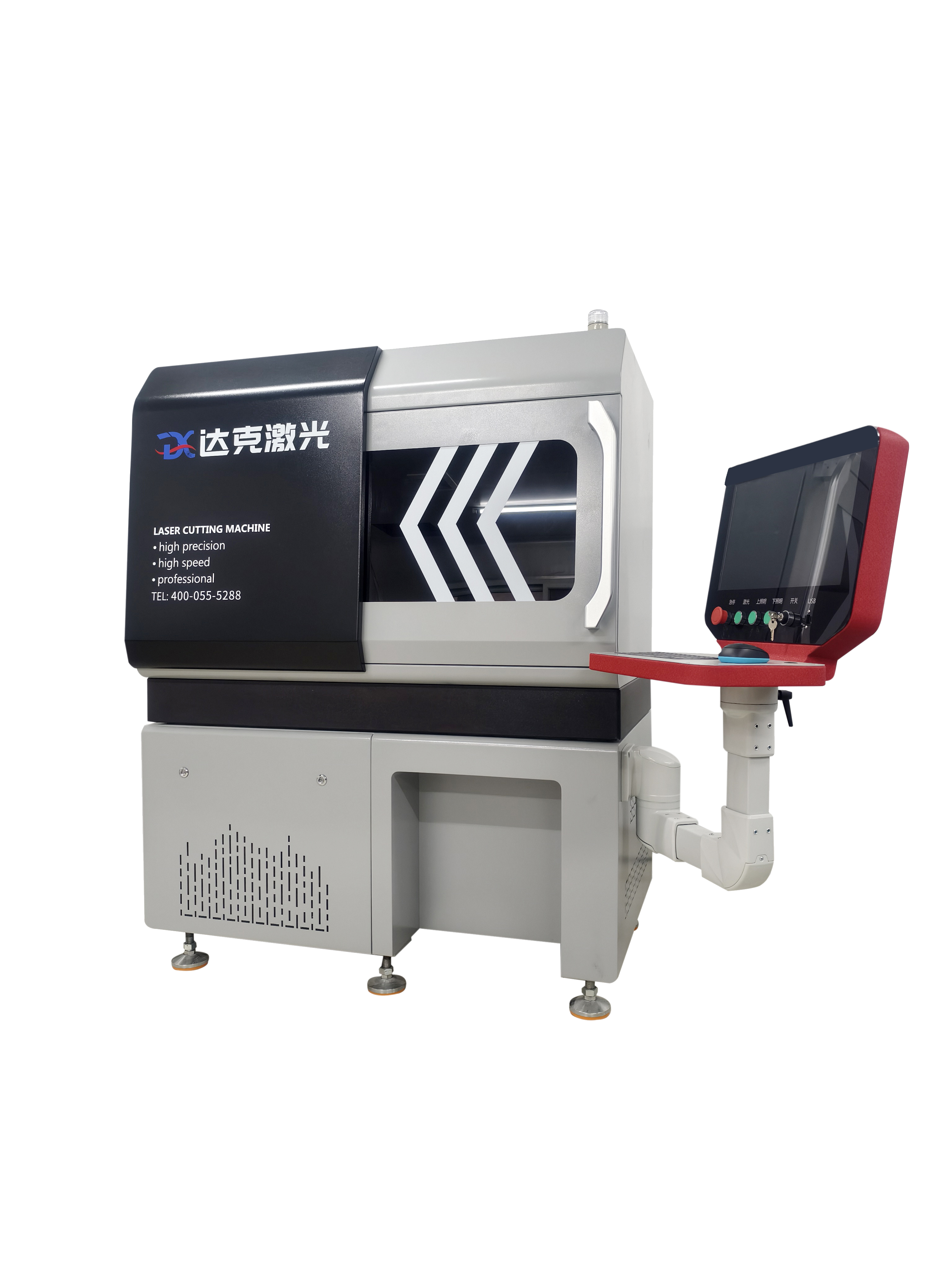
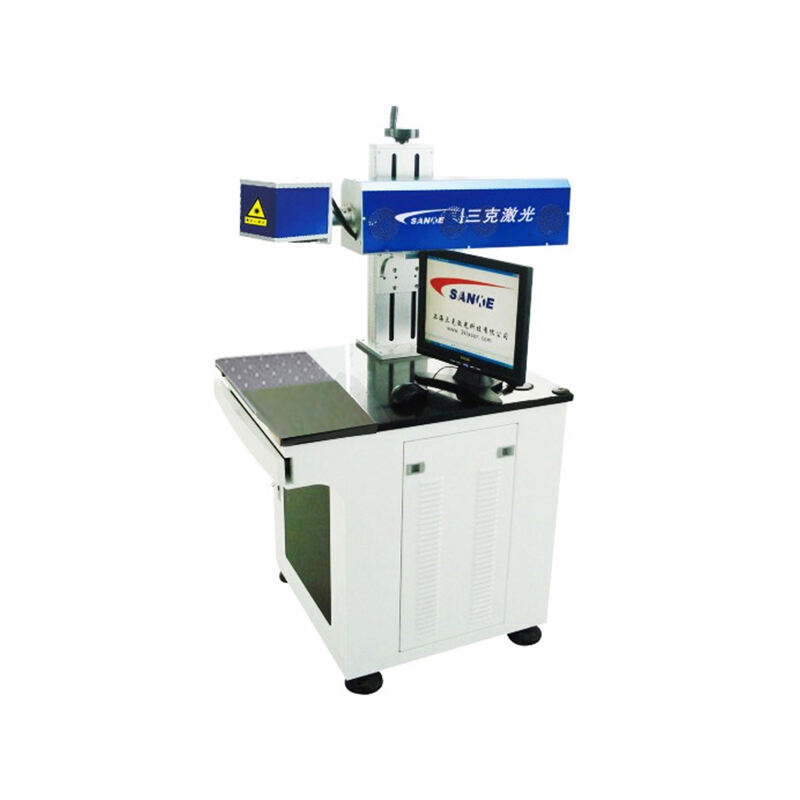
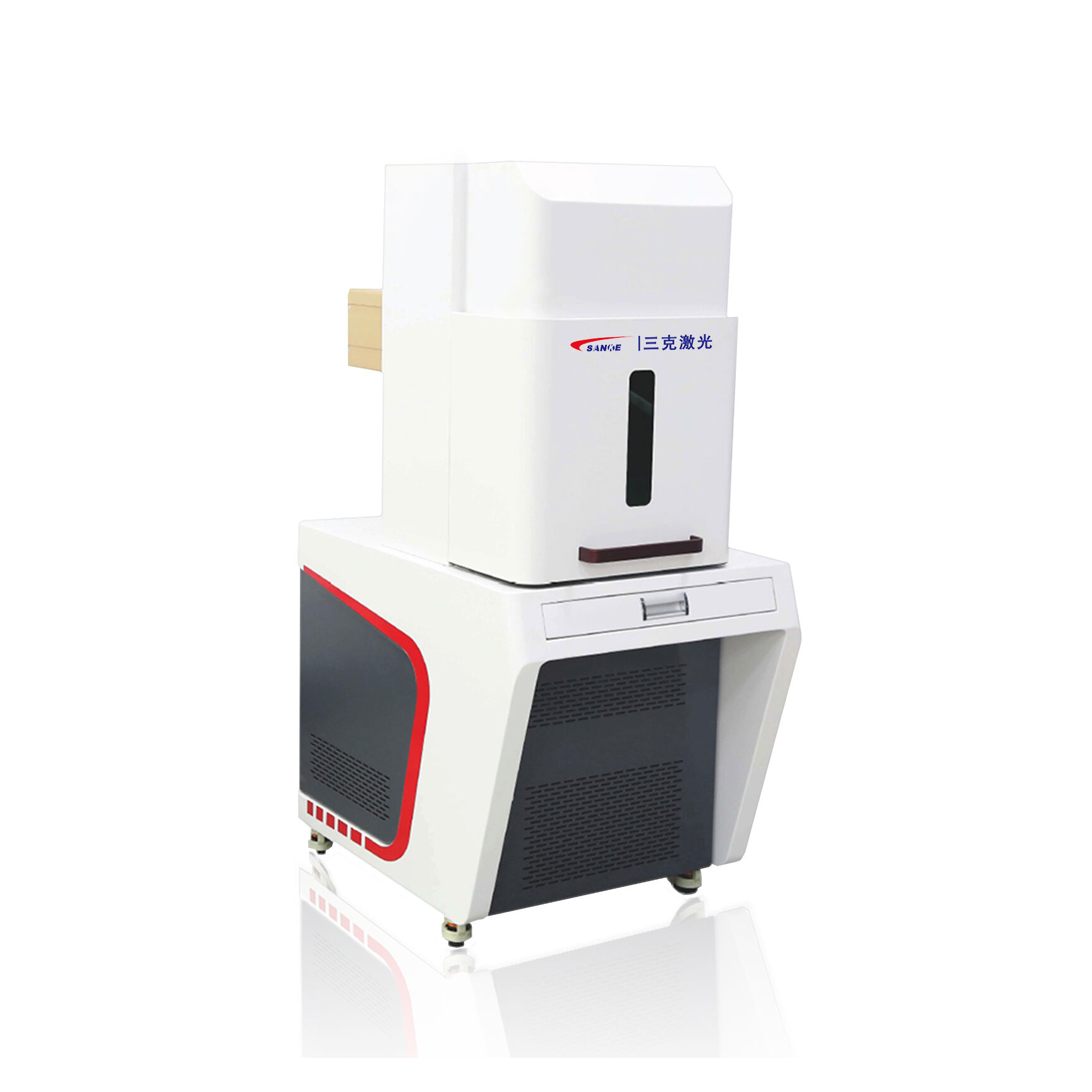
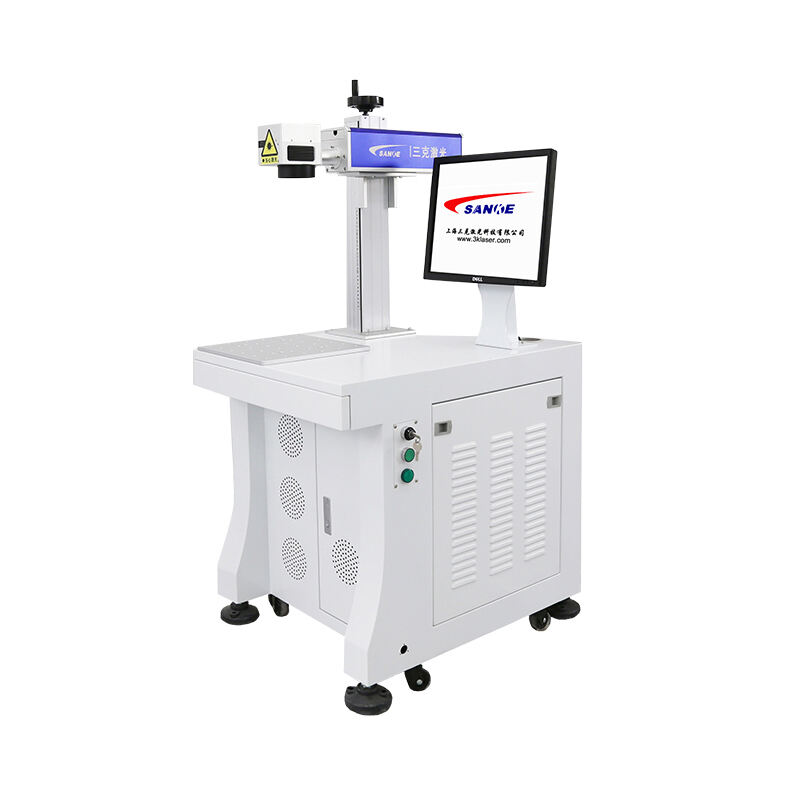
The refox upgraded laser marking machine mini ver demonstrates remarkable versatility through its ability to process an extensive range of materials with consistent quality and reliability. This adaptability stems from its advanced laser source configuration and intelligent parameter adjustment capabilities that optimize marking characteristics for each specific material type. The machine excels in marking stainless steel, aluminum, brass, titanium, and other metals commonly used in industrial applications, producing permanent markings that resist corrosion, wear, and environmental degradation. Beyond metals, the refox upgraded laser marking machine mini ver effectively processes various plastic polymers, including ABS, polycarbonate, acrylic, and engineering plastics used in automotive, electronics, and consumer product manufacturing. The system's wavelength optimization ensures excellent contrast and readability on both light and dark colored materials without requiring additional surface preparation or post-processing treatments. Ceramic materials, glass substrates, and composite materials respond exceptionally well to the machine's controlled energy delivery, enabling applications in electronics, aerospace, and decorative industries. The refox upgraded laser marking machine mini ver adapts automatically to different material thermal properties, adjusting pulse duration and power levels to prevent heat-affected zones while ensuring complete material penetration for permanent marking. This adaptability extends to various coating systems, including anodized surfaces, painted materials, and plated components where selective layer removal creates contrasting marks without damaging underlying substrates. The machine's flexibility supports diverse marking requirements, from surface etching and deep engraving to color change marking and foaming effects on specific polymer types. Material thickness variations are automatically accommodated through the system's autofocus capabilities, ensuring consistent marking quality across parts with varying dimensional tolerances. This versatility eliminates the need for multiple specialized marking systems, reducing equipment costs and simplifying production workflows while expanding potential application areas for businesses seeking to diversify their marking capabilities.
 EN
EN
 AR
AR
 FR
FR
 DE
DE
 JA
JA
 KO
KO
 RU
RU
 ES
ES