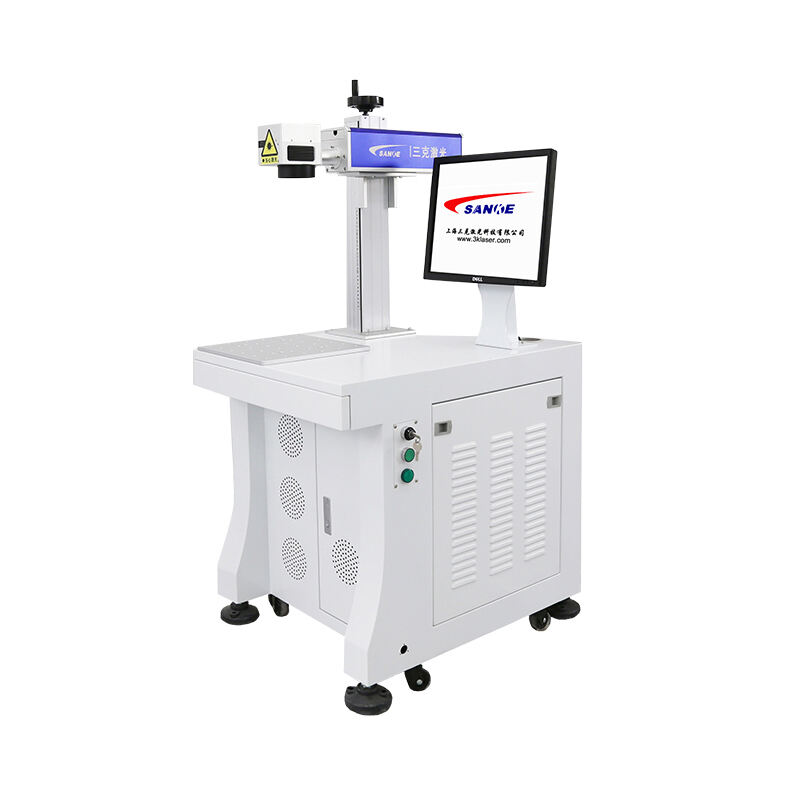
laser marking solutions-0

Advanced Laser Marking Solutions - Precision Industrial Marking Systems

Get a Free Quote

Our representative will contact you soon.
Email
Name
Company Name
Message
0/1000

laser marking solutions

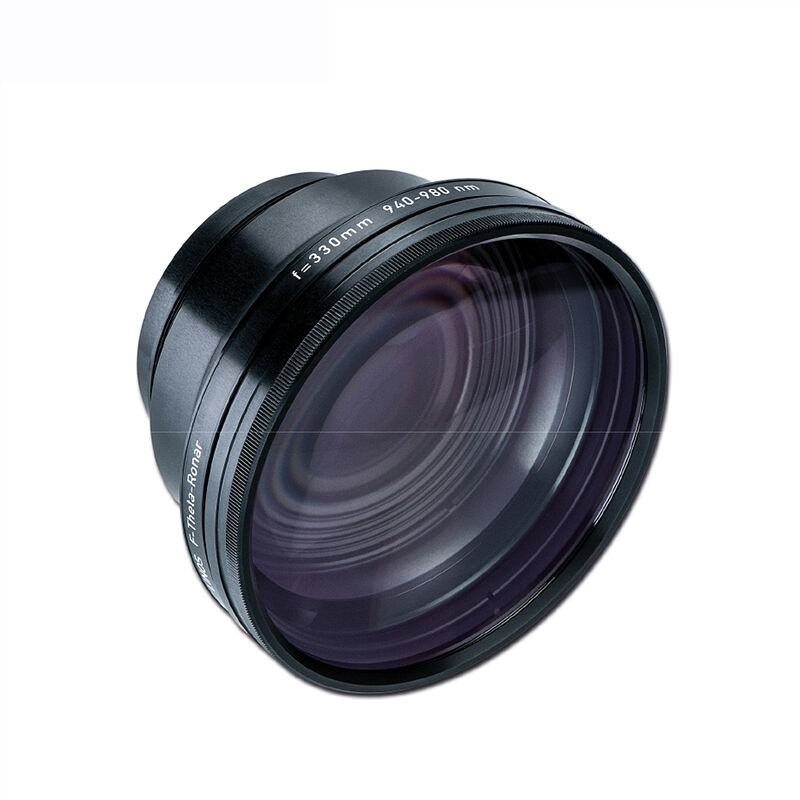
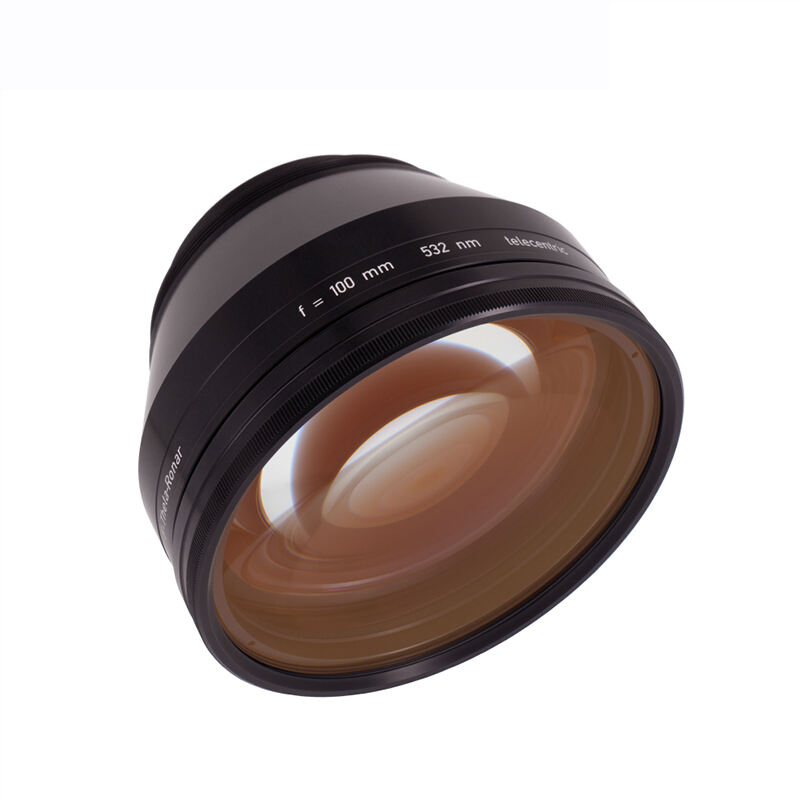
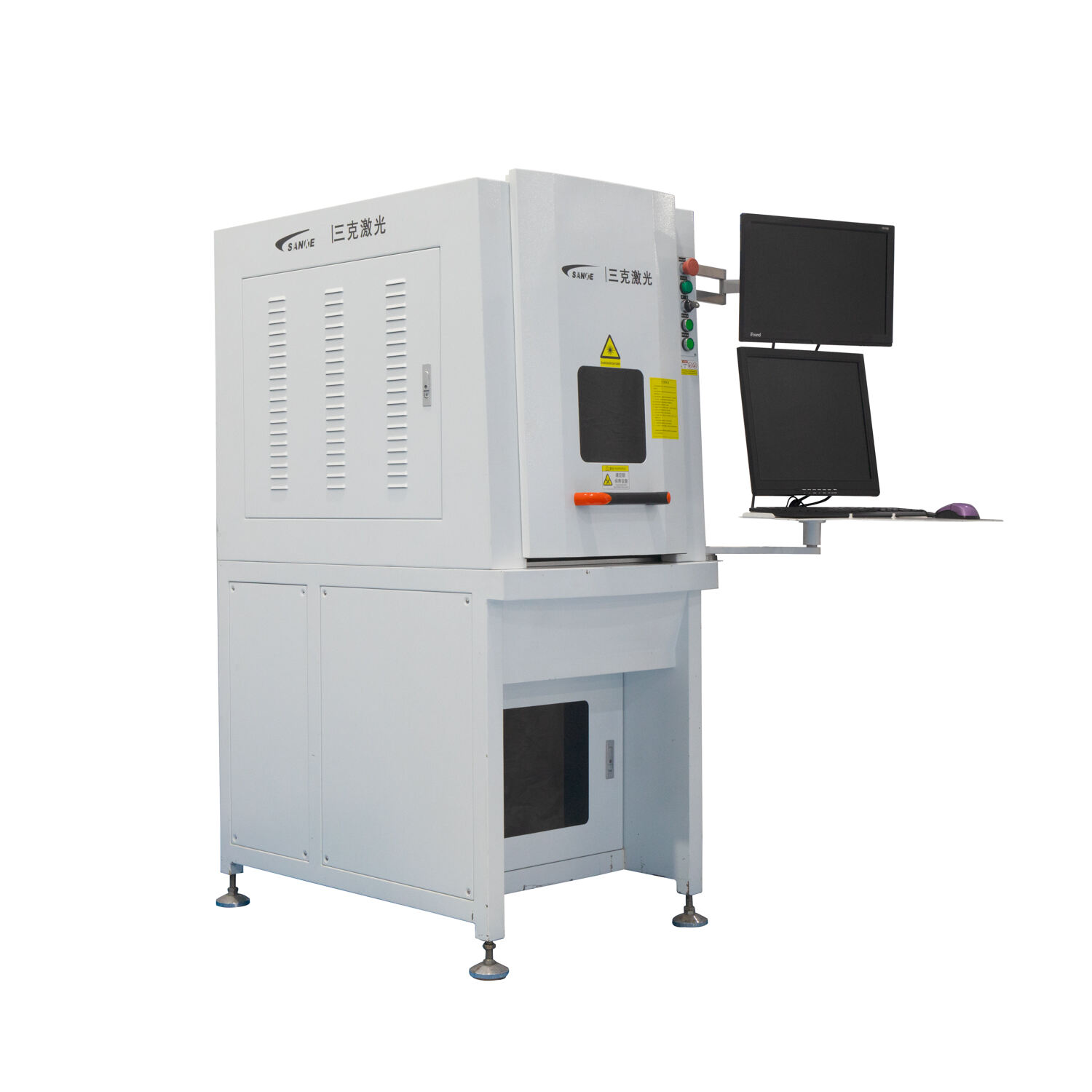
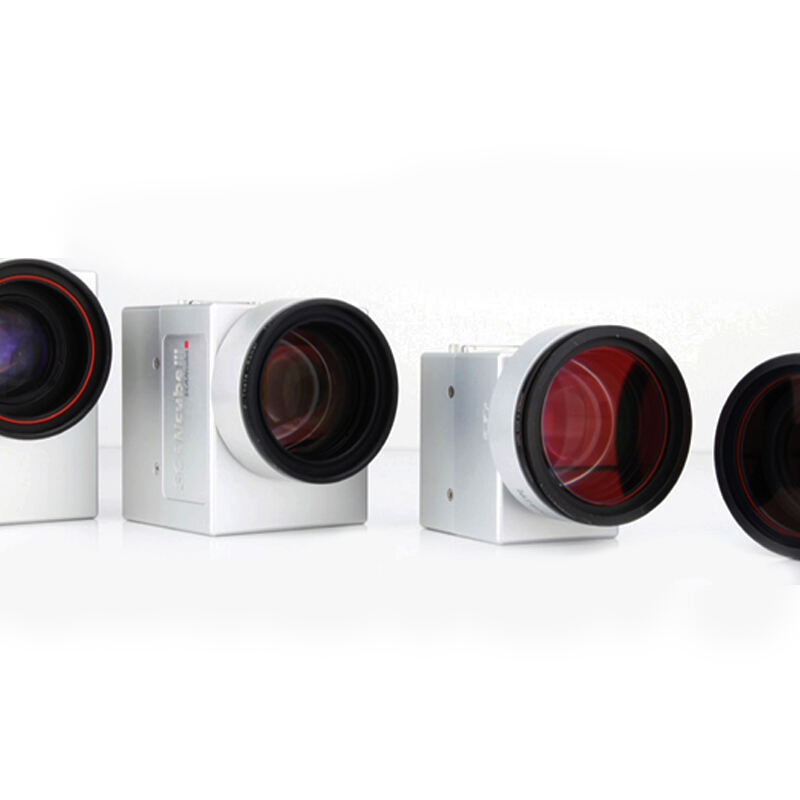
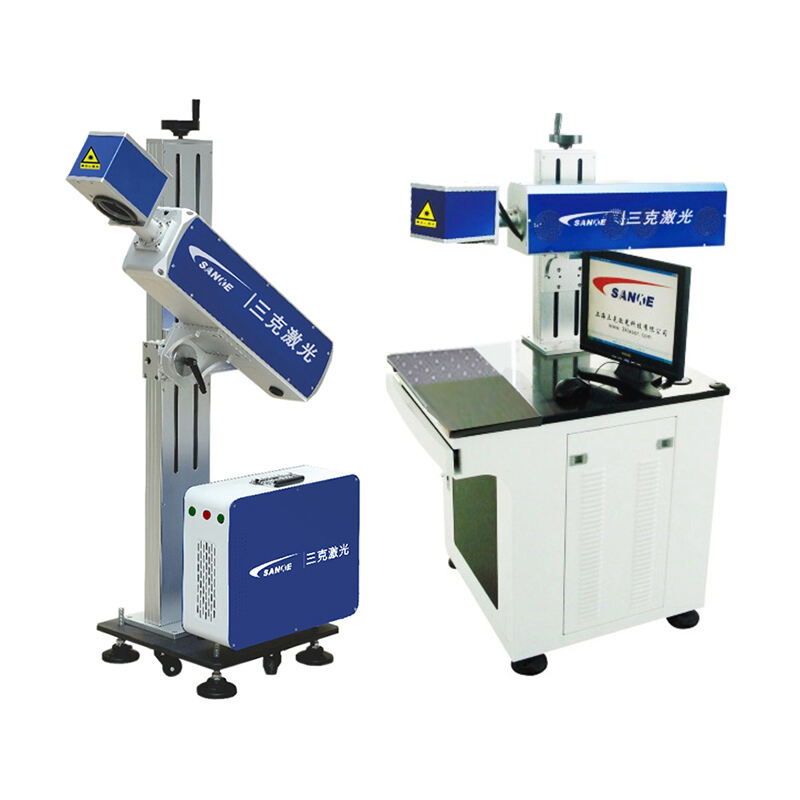
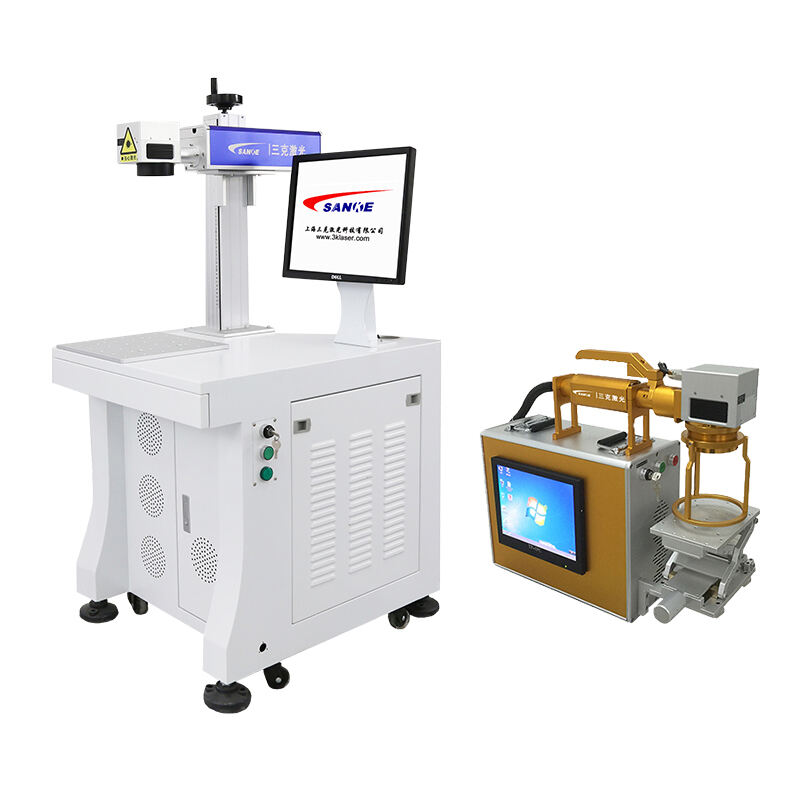
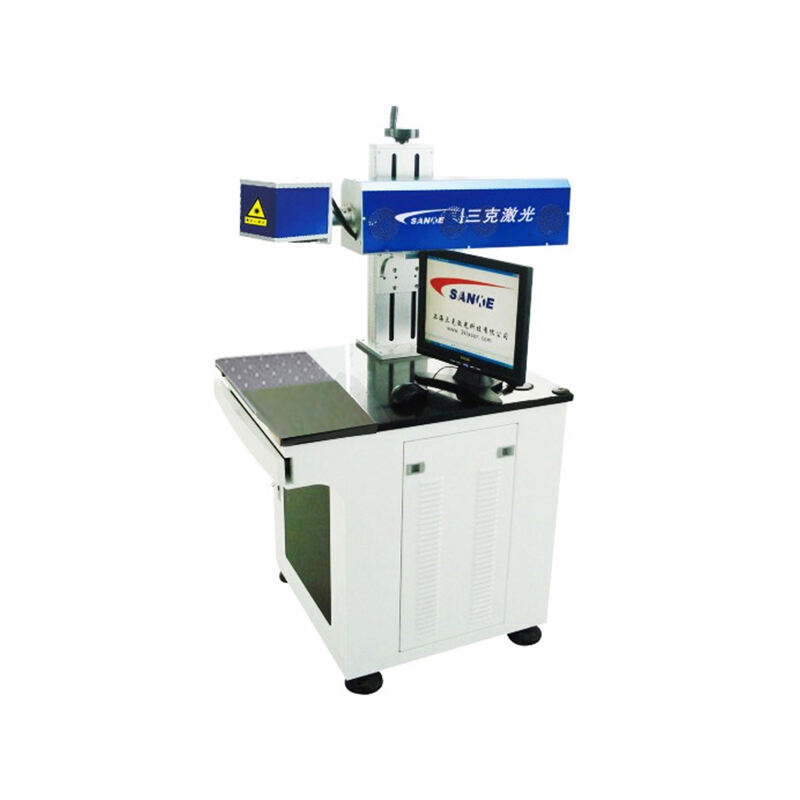
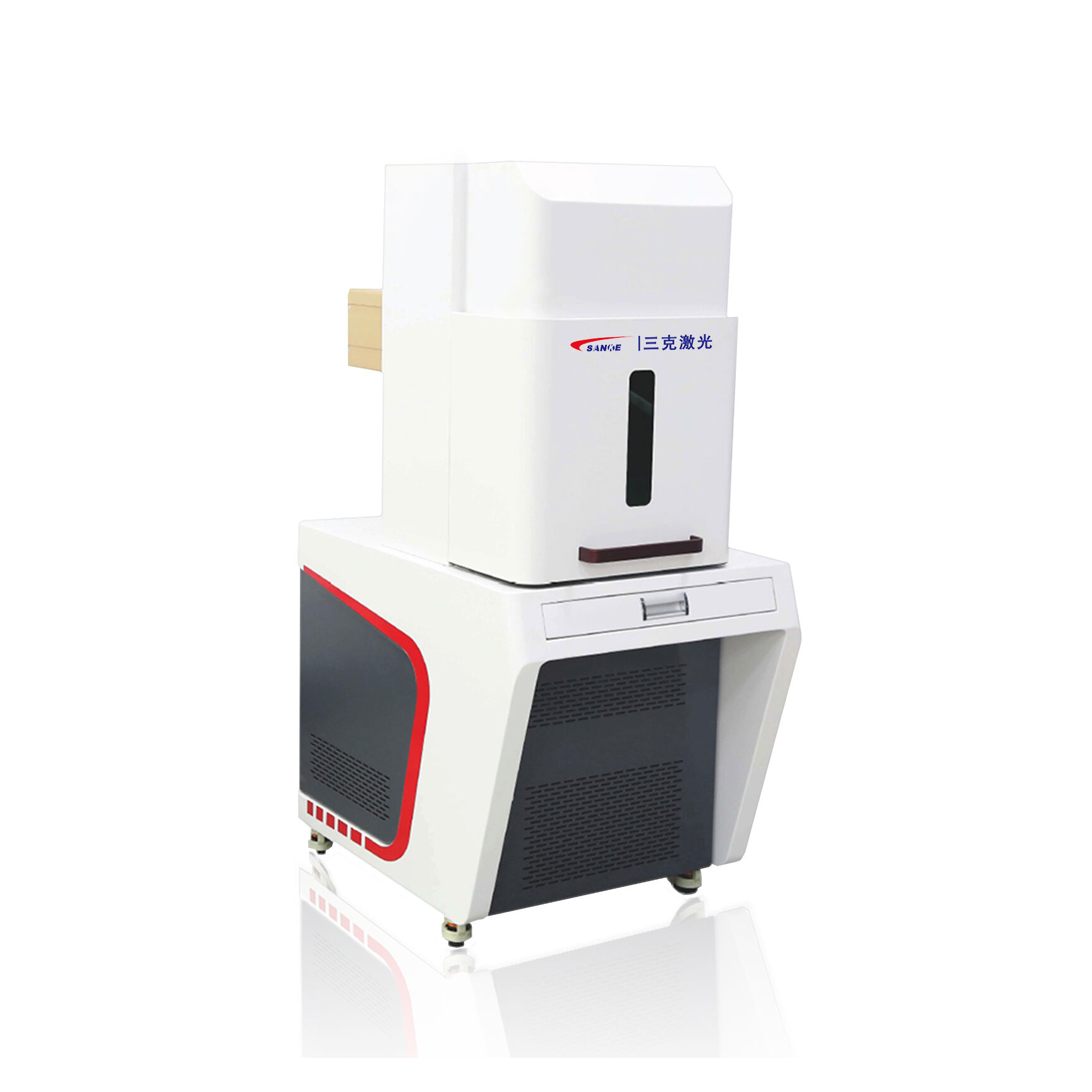
Laser marking solutions represent cutting-edge technology that transforms how businesses create permanent, high-quality markings on various materials. These sophisticated systems utilize focused laser beams to alter material surfaces, creating precise engravings, etchings, and markings without physical contact. Modern laser marking solutions offer unprecedented accuracy, enabling manufacturers to produce intricate designs, serial numbers, barcodes, logos, and compliance information with remarkable precision. The technology operates through controlled laser energy that modifies material properties at the molecular level, resulting in permanent markings that resist wear, chemicals, and environmental factors. Contemporary laser marking solutions encompass multiple laser types, including fiber lasers, CO2 lasers, and UV lasers, each optimized for specific materials and applications. Fiber laser systems excel with metals and plastics, delivering exceptional speed and quality. CO2 laser variants work effectively on organic materials like wood, leather, and glass, while UV laser marking solutions provide ultra-fine processing capabilities for sensitive materials. These systems integrate seamlessly into production lines, offering automated marking capabilities that enhance manufacturing efficiency. Advanced software controls enable operators to create complex marking patterns, adjust parameters in real-time, and maintain consistent quality across production runs. The non-contact nature of laser marking solutions eliminates tool wear and reduces maintenance requirements compared to traditional marking methods. Modern systems feature user-friendly interfaces that simplify operation while providing sophisticated functionality for experienced users. Energy efficiency represents another key characteristic, with contemporary laser marking solutions consuming minimal power while delivering maximum performance. The technology supports various marking depths, from surface-level changes to deep engravings, accommodating diverse application requirements. Quality assurance capabilities include real-time monitoring and verification systems that ensure marking consistency and compliance with industry standards.

New Product Releases

Laser marking solutions deliver numerous practical benefits that directly impact business operations and profitability. Cost-effectiveness stands as a primary advantage, as these systems eliminate consumable materials like inks, solvents, or replacement tools, reducing operational expenses significantly. The permanent nature of laser markings eliminates the need for remarking or touch-ups, further reducing long-term costs. Production speed represents another crucial benefit, with laser marking solutions capable of processing thousands of parts per hour while maintaining consistent quality. This efficiency translates to increased throughput and faster order fulfillment times. Precision accuracy ensures that even the smallest details appear crisp and clear, meeting stringent quality requirements across industries. The versatility of laser marking solutions allows businesses to process diverse materials using a single system, from metals and plastics to ceramics and composites. This flexibility reduces equipment investment and simplifies production workflows. Environmental friendliness characterizes these systems, as they produce no harmful emissions, waste materials, or chemical byproducts during operation. This clean technology supports sustainability initiatives while complying with environmental regulations. Maintenance requirements remain minimal due to the solid-state nature of laser technology, reducing downtime and service costs. The non-contact processing method prevents damage to delicate components and eliminates mechanical wear on marking tools. Customization capabilities enable businesses to create unique markings, including variable data, serial numbers, and complex graphics, supporting product differentiation and traceability requirements. Integration possibilities allow laser marking solutions to connect seamlessly with existing production systems, databases, and quality control networks. Real-time monitoring features provide immediate feedback on marking quality and system performance, enabling proactive maintenance and quality assurance. The technology scales effectively from prototype development to high-volume production, accommodating business growth without requiring equipment changes. Durability of laser-created markings ensures product identification remains legible throughout the product lifecycle, supporting warranty claims and regulatory compliance. Remote operation capabilities allow technicians to monitor and control laser marking solutions from different locations, enhancing operational flexibility and reducing labor requirements.

Latest News

How does the maintenance of a laser drilling machine impact its performance and lifespan?

19

Nov

How does the maintenance of a laser drilling machine impact its performance and lifespan?

Proper maintenance of industrial laser drilling equipment represents one of the most critical factors determining operational efficiency and equipment longevity in modern manufacturing environments. When organizations invest in precision drilling tec...
View More
Can a laser drilling machine be integrated into an automated production line?

19

Nov

Can a laser drilling machine be integrated into an automated production line?

Modern manufacturing demands unprecedented levels of precision, efficiency, and automation to remain competitive in today's global marketplace. The integration of advanced equipment into automated production lines has become essential for manufacture...
View More
How to Choose the Right Portable Laser Welding Machine for Your Business?

19

Nov

How to Choose the Right Portable Laser Welding Machine for Your Business?

Manufacturing businesses today face increasing pressure to improve efficiency while maintaining exceptional quality standards. The advent of portable laser welding machines has revolutionized the welding industry by offering unprecedented mobility, p...
View More
How Does Handheld Laser Welding Compare to Traditional Welding Methods?

19

Nov

How Does Handheld Laser Welding Compare to Traditional Welding Methods?

The welding industry has experienced significant technological advancement over the past decade, with handheld laser welding emerging as a revolutionary alternative to conventional welding techniques. This innovative technology represents a paradigm ...
View More

Get a Free Quote

Our representative will contact you soon.
Email
Name
Company Name
Message
0/1000

laser marking solutions

Unmatched Precision and Quality Control

Unmatched Precision and Quality Control

The precision capabilities of modern laser marking solutions set new standards for manufacturing excellence, delivering consistent results that meet the most demanding quality requirements. These systems achieve positioning accuracy within micrometers, enabling the creation of intricate patterns, fine text, and detailed graphics that remain clearly visible even at microscopic levels. The controlled laser energy delivery ensures uniform marking depth and consistent appearance across entire production runs, eliminating variations that plague traditional marking methods. Advanced beam control technology allows operators to adjust laser parameters in real-time, optimizing marking quality for different materials and applications without interrupting production flows. Quality control features include integrated vision systems that verify marking accuracy and completeness, automatically rejecting defective parts and maintaining production standards. The non-contact nature of laser processing eliminates physical stress on components, preventing deformation or damage that could compromise product integrity. Temperature control mechanisms prevent heat-affected zones that might alter material properties, ensuring markings appear without affecting surrounding areas. Multi-pass capabilities enable the creation of varying marking depths within a single operation, supporting complex design requirements and enhancing visual appeal. The technology accommodates curved surfaces, irregular shapes, and difficult-to-reach areas with equal precision, expanding application possibilities beyond traditional flat-surface marking. Repeatability specifications guarantee identical results across thousands of cycles, supporting high-volume production requirements while maintaining consistent quality standards. Calibration systems automatically compensate for environmental factors and component wear, ensuring long-term accuracy without manual intervention. The precision of laser marking solutions enables the creation of security features, including micro-text and hidden patterns that protect against counterfeiting. Advanced software provides predictive quality analysis, identifying potential issues before they affect production and enabling proactive adjustments. These quality control capabilities reduce waste, minimize rework requirements, and enhance customer satisfaction through consistently superior marking results.
Exceptional Material Versatility and Adaptability

Exceptional Material Versatility and Adaptability

Laser marking solutions demonstrate remarkable versatility in processing diverse materials, making them invaluable assets for businesses working with multiple substrate types. These systems effectively mark metals including stainless steel, aluminum, titanium, brass, and exotic alloys, creating permanent identifications that withstand harsh operating environments. Plastic materials respond excellently to laser processing, with capabilities spanning engineering plastics, commodity plastics, and specialized compounds used in medical and aerospace applications. The technology adapts to glass, ceramics, and composite materials, opening possibilities for industries requiring permanent markings on these challenging substrates. Material compatibility extends to organic substances like leather, wood, and fabric, enabling laser marking solutions to serve diverse manufacturing sectors from automotive to fashion. Parameter adjustment capabilities allow operators to optimize laser settings for each material type, ensuring optimal marking quality while preventing damage or unwanted effects. Multi-material processing within single production runs becomes possible through automated parameter switching, enhancing production efficiency and reducing setup times. The systems handle varying material thicknesses and surface finishes without compromising marking quality, accommodating products ranging from thin films to thick structural components. Special material treatments, including coated surfaces and anodized finishes, present no challenges for properly configured laser marking solutions. Temperature-sensitive materials benefit from controlled energy delivery that prevents thermal damage while achieving desired marking results. The technology accommodates materials with different thermal conductivities and absorption characteristics, automatically adjusting laser parameters to maintain consistent results. Reflective surfaces that challenge other marking methods work effectively with laser systems equipped with appropriate wavelength selection and beam management features. Chemical resistance of laser markings varies by material but generally exceeds alternative marking methods, providing long-lasting identification in corrosive environments. The adaptability of laser marking solutions enables businesses to expand into new markets and applications without additional equipment investments, maximizing return on investment and supporting business growth strategies.
Seamless Integration and Operational Efficiency

Seamless Integration and Operational Efficiency

Modern laser marking solutions excel in seamlessly integrating with existing production systems, delivering operational efficiency improvements that transform manufacturing workflows. These systems connect directly to enterprise resource planning software, automatically receiving marking instructions and updating production records without manual intervention. Real-time communication with quality management systems enables automatic documentation of marking parameters and results, supporting regulatory compliance and traceability requirements. The plug-and-play design philosophy ensures rapid installation and minimal disruption to existing production schedules, with many systems becoming operational within hours of delivery. Automated material handling integration allows laser marking solutions to process components without human intervention, reducing labor costs and eliminating handling errors. Vision system compatibility enables automated part positioning and orientation correction, ensuring accurate marking placement regardless of component variations. Network connectivity supports remote monitoring and control capabilities, allowing technicians to oversee multiple laser marking solutions from centralized locations. The systems accommodate various communication protocols, ensuring compatibility with diverse automation equipment and control systems. Flexible mounting options enable integration into existing production lines, robotics cells, and custom automation solutions without extensive modifications. Quick-change fixture systems support rapid product changeovers, minimizing downtime between different marking jobs and maximizing equipment utilization. Preventive maintenance scheduling integrates with facility management systems, automatically generating service alerts and maintenance reminders based on operating hours and performance metrics. Energy management features optimize power consumption based on production requirements, reducing operational costs while supporting sustainability initiatives. The modular design of contemporary laser marking solutions allows for future upgrades and capability enhancements without replacing entire systems. Operator interface customization enables businesses to tailor control systems to specific user requirements and skill levels, improving ease of use and reducing training requirements. Integration capabilities extend to statistical process control systems, providing real-time data for continuous improvement initiatives and quality optimization programs. These comprehensive integration features ensure laser marking solutions become seamless components of modern manufacturing operations, delivering immediate productivity improvements and long-term operational advantages.

Get a Free Quote

Our representative will contact you soon.
Email
Name
Company Name
Message
0/1000