Exceptional Material Versatility and Compatibility
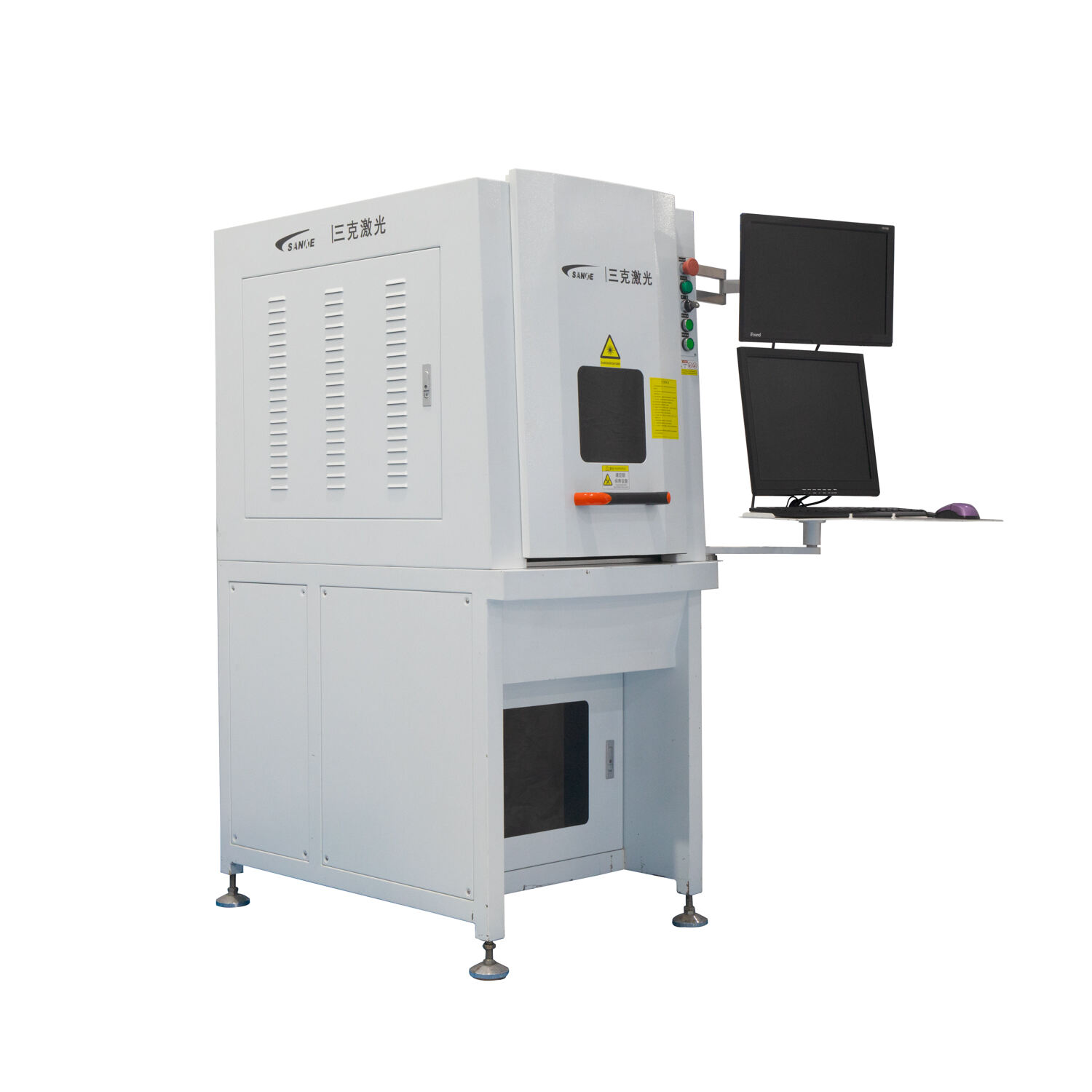
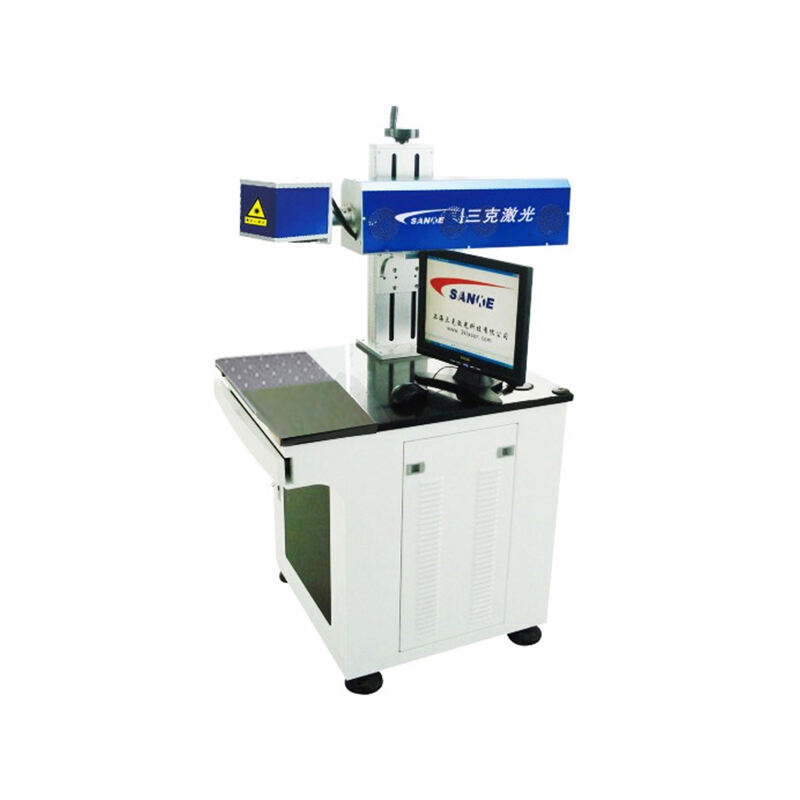
The remarkable material versatility of the uv laser marking machine represents one of its most compelling advantages, enabling manufacturers to consolidate multiple marking processes into a single, efficient system. This versatility originates from the unique interaction between ultraviolet photons and molecular structures, allowing the uv laser marking machine to effectively mark materials that prove challenging for other laser wavelengths or conventional marking methods. Plastic materials respond exceptionally well to UV laser marking, with the uv laser marking machine creating high-contrast marks on polyethylene, polypropylene, ABS, polycarbonate, and engineering plastics without causing thermal stress or material degradation. The cold marking process prevents melting, discoloration, or dimensional changes that commonly occur with CO2 or fiber laser marking on sensitive polymers. Glass marking capabilities include both surface etching and subsurface engraving, where the uv laser marking machine creates permanent marks without compromising structural integrity or optical clarity, making it ideal for pharmaceutical vials, optical components, and decorative glassware. Ceramic materials benefit from the precise energy delivery of the uv laser marking machine, which can create marks on technical ceramics, electronic substrates, and decorative tiles while maintaining surface smoothness and electrical properties. Metal marking applications include stainless steel, aluminum, titanium, and precious metals, where the uv laser marking machine produces dark, high-contrast marks through oxide layer formation or surface texturing without affecting base material properties. The system excels in marking coated materials, selectively removing thin films, paints, or anodized layers to reveal underlying substrates with precise edge definition and minimal heat impact. Electronic component marking represents another strength, where the uv laser marking machine safely marks circuit boards, semiconductors, and miniature components without causing electrical damage or performance degradation. This material versatility eliminates the need for multiple marking systems, reduces inventory complexity, and simplifies operator training while ensuring consistent marking quality across diverse product portfolios and manufacturing applications.
 EN
EN
 AR
AR
 FR
FR
 DE
DE
 JA
JA
 KO
KO
 RU
RU
 ES
ES