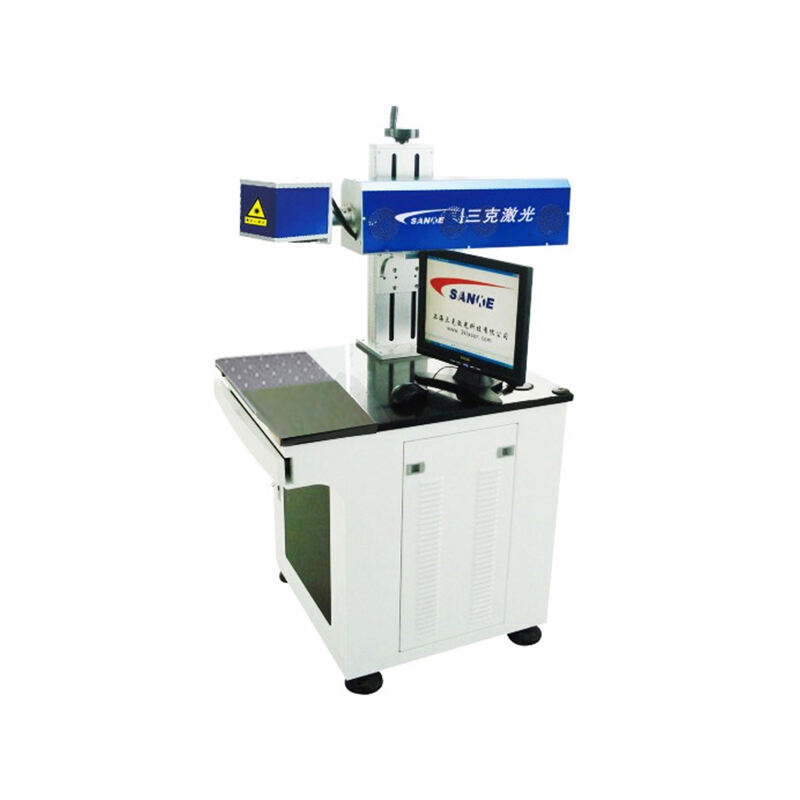
mini laser marking machine
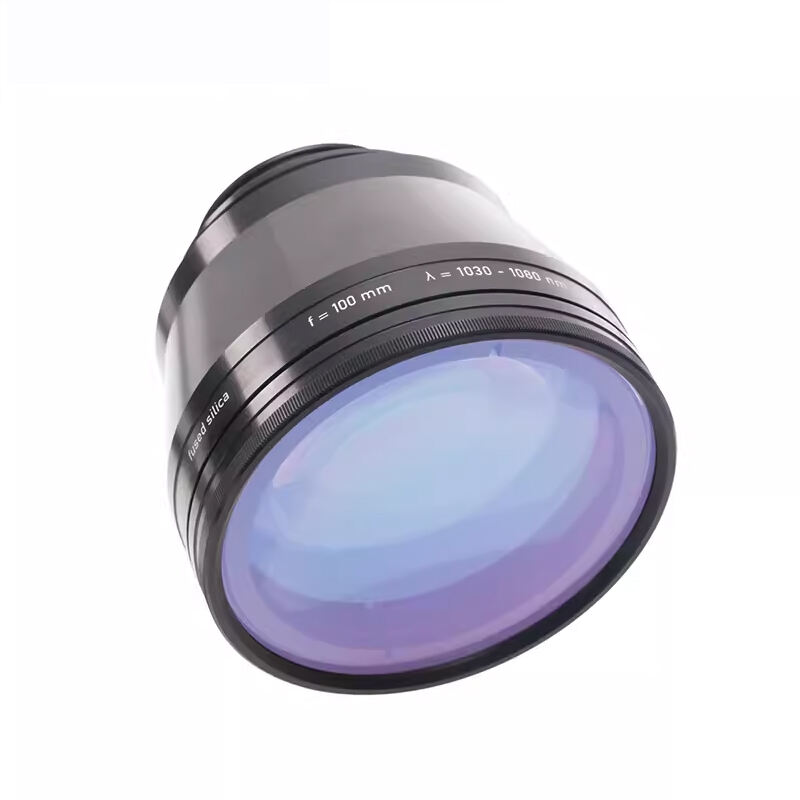
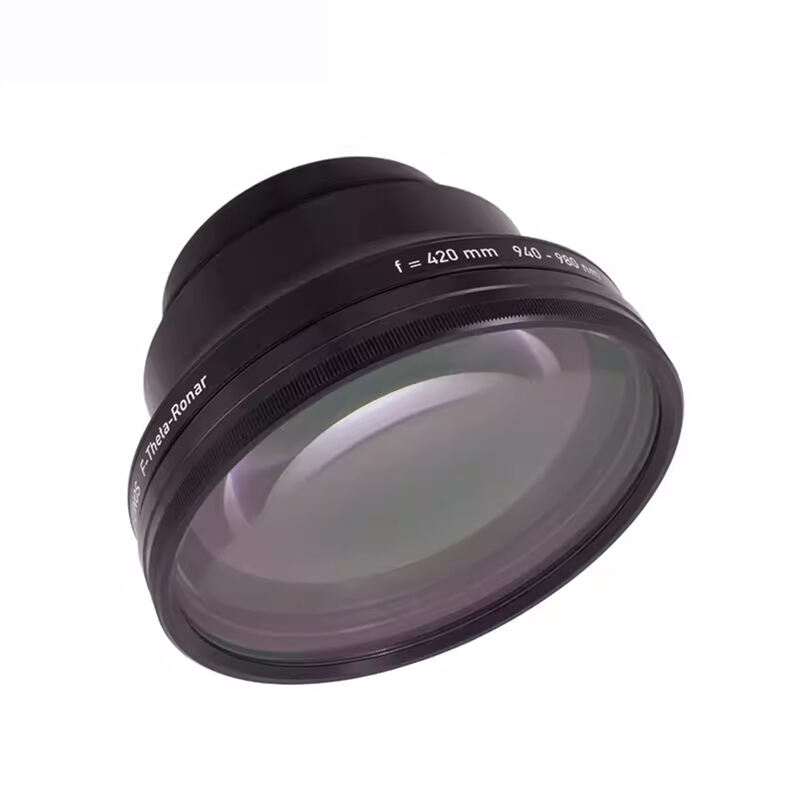
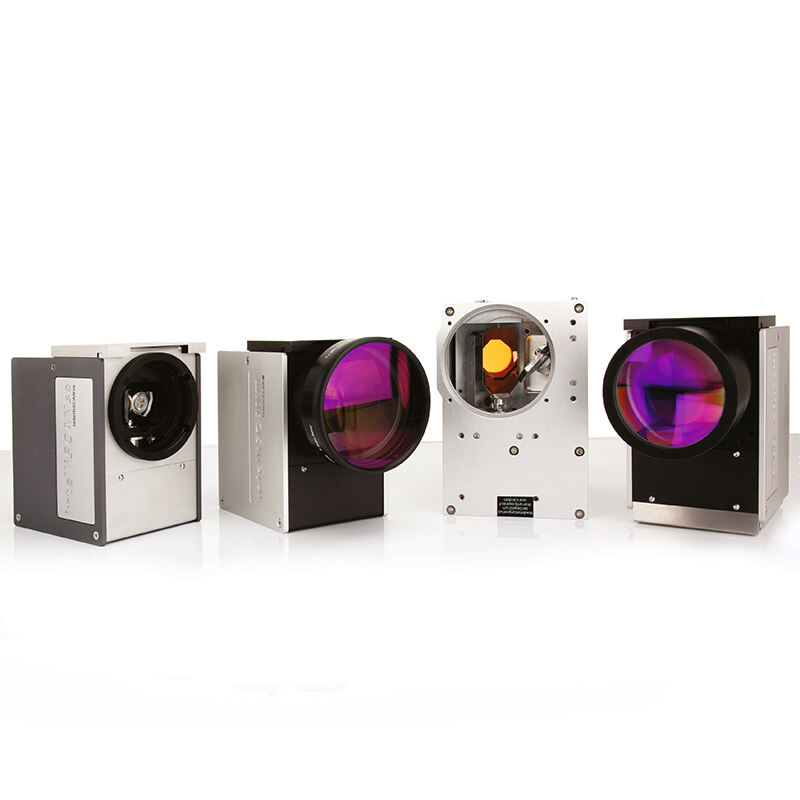
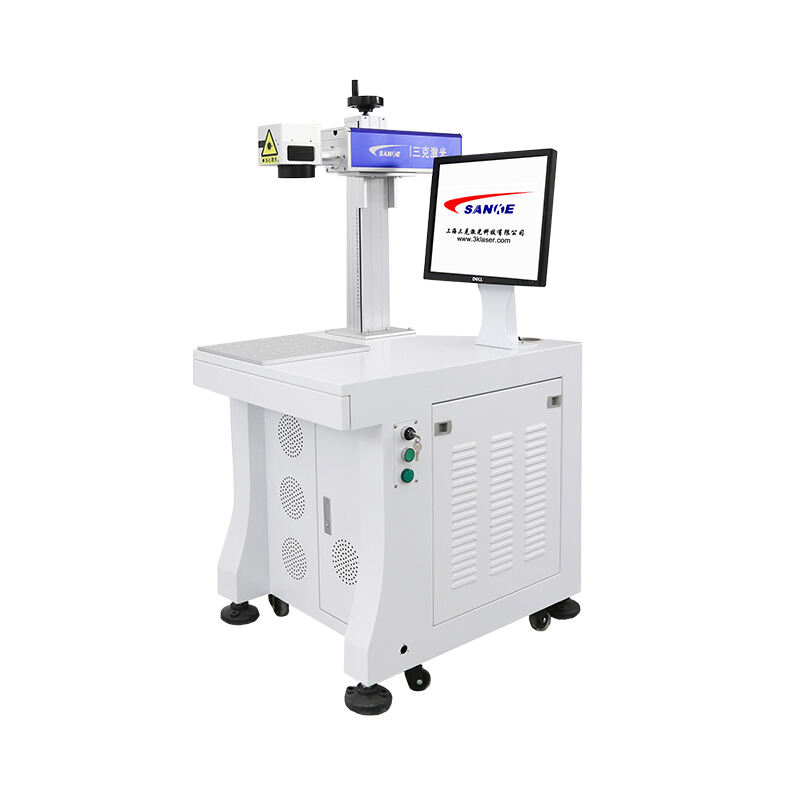
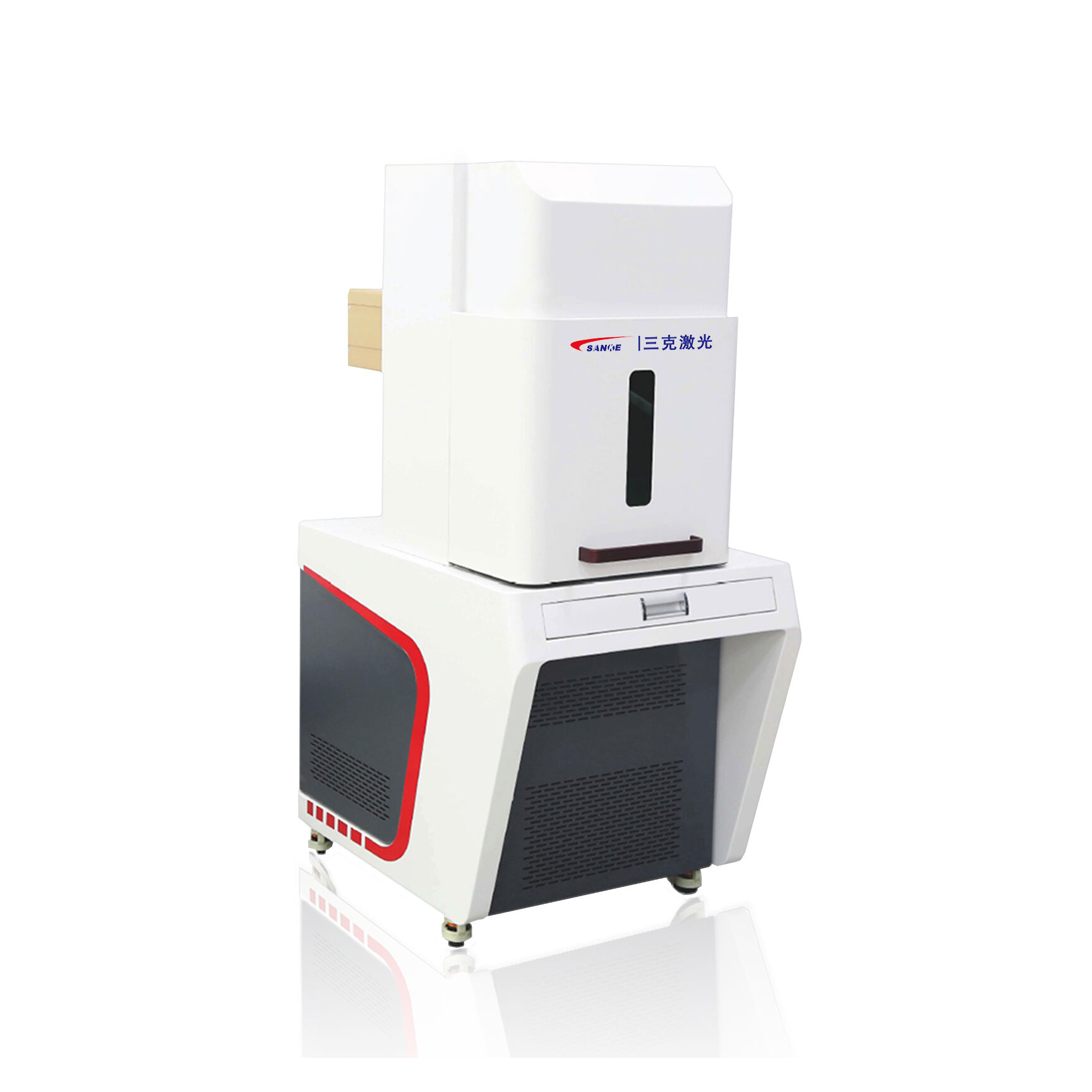
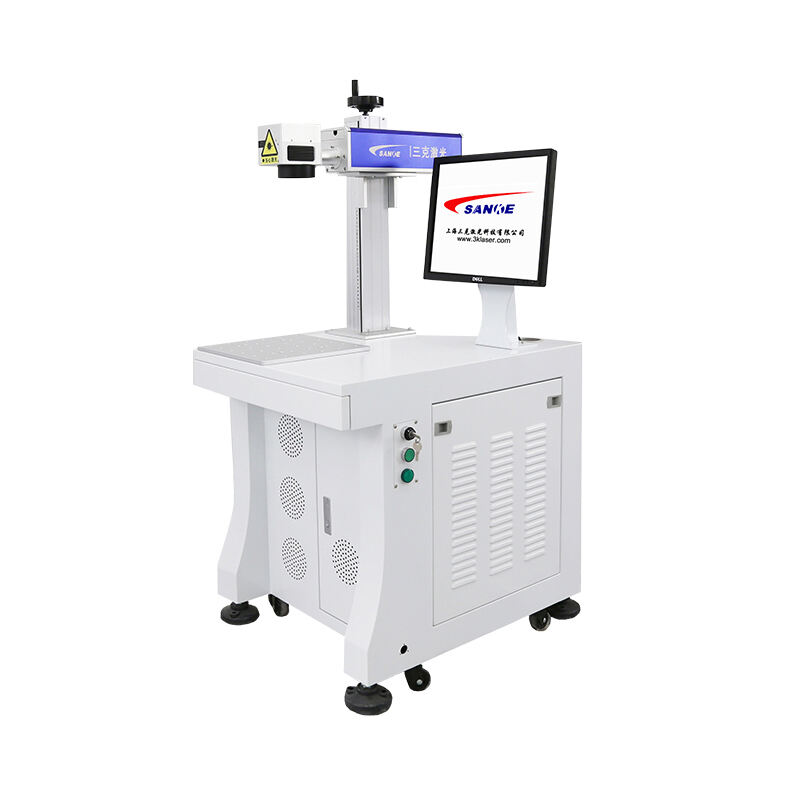
The mini laser marking machine represents a revolutionary advancement in precision engraving and marking technology, offering exceptional versatility in a compact design that fits seamlessly into various production environments. This sophisticated device utilizes advanced laser technology to create permanent, high-quality marks on numerous materials including metals, plastics, ceramics, glass, and organic substances. The mini laser marking machine operates through focused laser beam technology that generates precise thermal reactions on material surfaces, resulting in clear, durable markings that resist fading, scratching, and environmental degradation. These machines typically feature fiber laser sources that deliver exceptional beam quality and energy efficiency, enabling consistent performance across extended operational periods. The compact footprint of the mini laser marking machine makes it an ideal solution for businesses with limited workspace while maintaining professional-grade marking capabilities. Modern units incorporate user-friendly software interfaces that support various file formats including vector graphics, text, barcodes, QR codes, and complex geometric patterns. The marking speed varies depending on material type and design complexity, with most units capable of processing hundreds of parts per hour. Temperature control systems ensure stable operation during continuous use, while integrated safety features protect operators through enclosed marking chambers and emergency stop mechanisms. The mini laser marking machine delivers exceptional marking resolution, often achieving line widths as narrow as 0.01 millimeters, making it suitable for intricate designs and small component marking. Maintenance requirements remain minimal due to the solid-state laser design, with most units requiring only periodic cleaning and calibration. The technology supports both surface etching and deep engraving applications, allowing operators to adjust parameters based on specific marking requirements. Integration capabilities enable seamless connection with existing production lines through standard communication protocols and automation interfaces.
 EN
EN
 AR
AR
 FR
FR
 DE
DE
 JA
JA
 KO
KO
 RU
RU
 ES
ES