laser marking integration solution supplier-0

Professional Laser Marking Integration Solution Supplier - Advanced Industrial Marking Systems

Get a Free Quote

Our representative will contact you soon.
Email
Name
Company Name
Message
0/1000

Laser marking integration solution supplier

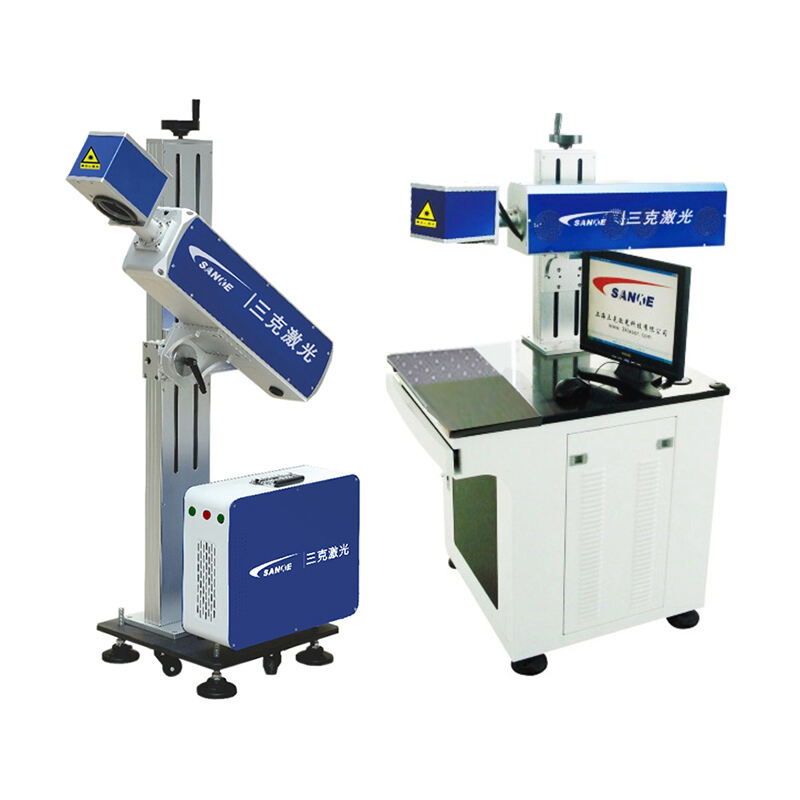
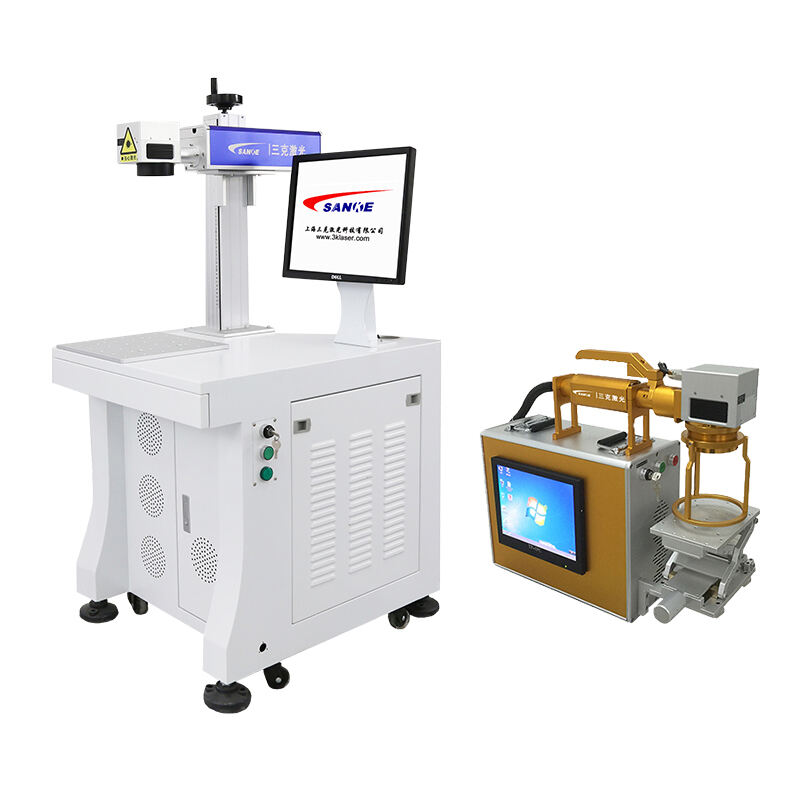
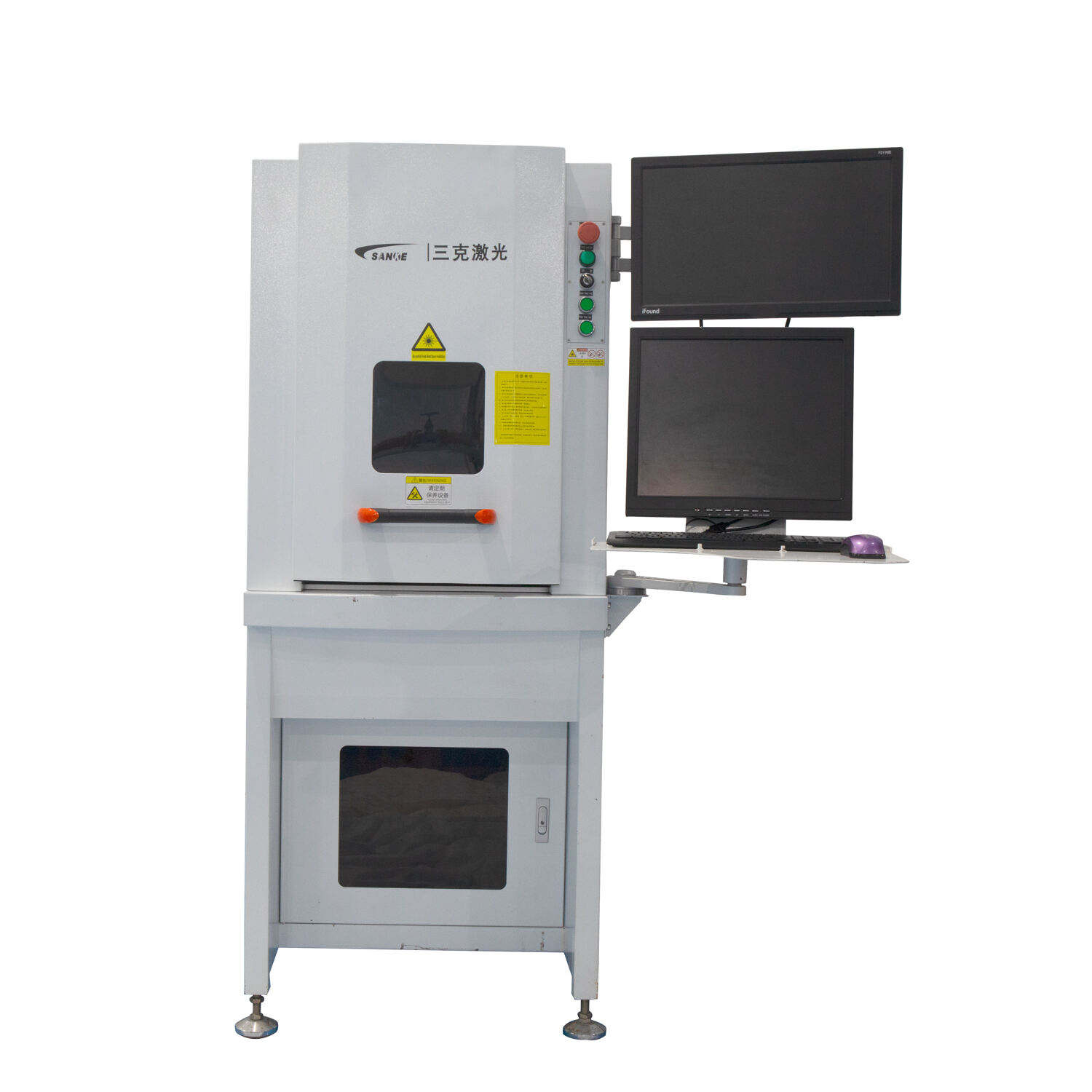
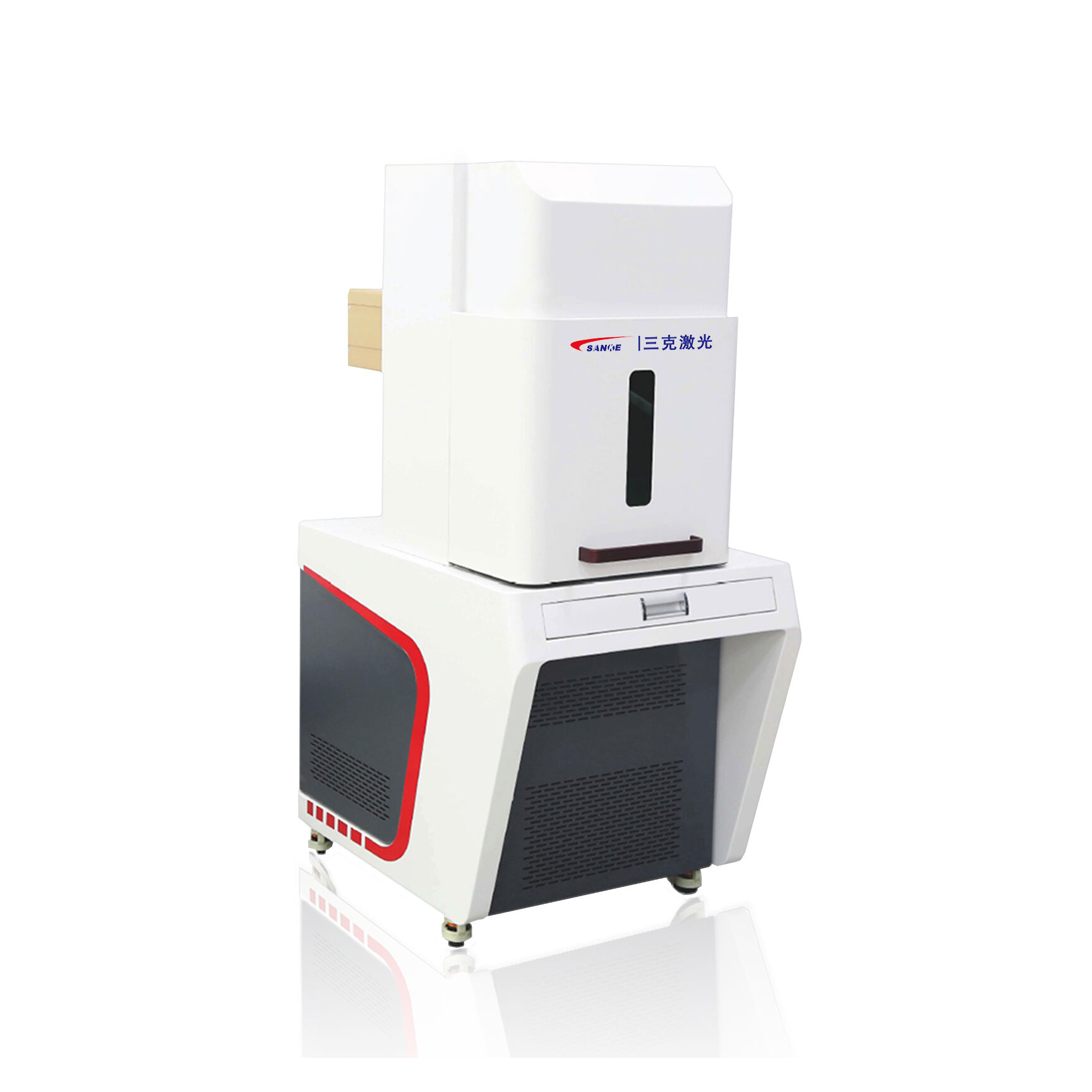
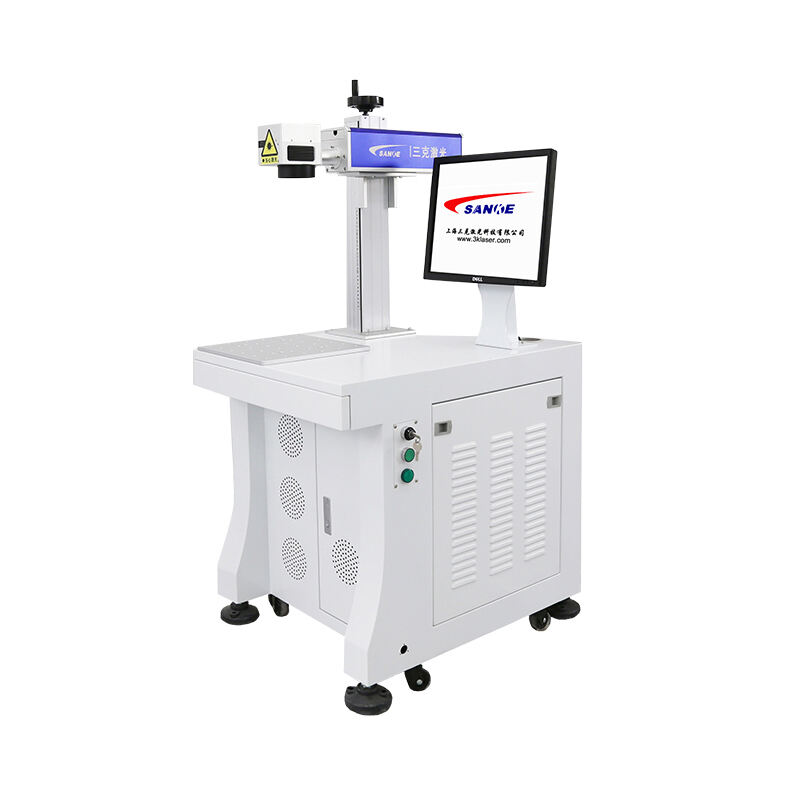
A laser marking integration solution supplier represents a specialized technology provider that delivers comprehensive marking systems designed to meet diverse industrial identification and traceability requirements. These suppliers focus on developing, manufacturing, and implementing advanced laser marking technologies that seamlessly integrate into existing production environments. The primary function of a laser marking integration solution supplier centers on providing permanent, high-quality marking capabilities across various materials including metals, plastics, ceramics, glass, and organic compounds. Their systems utilize precise laser technology to create durable marks, codes, logos, serial numbers, and complex graphics without compromising material integrity. The technological foundation of these suppliers relies on sophisticated laser sources, including fiber lasers, CO2 lasers, and UV lasers, each optimized for specific material types and marking requirements. Advanced control software enables precise parameter adjustment, allowing operators to customize marking depth, speed, and pattern complexity according to production specifications. These laser marking integration solution supplier systems feature real-time monitoring capabilities, ensuring consistent quality throughout production cycles. Integration capabilities represent a cornerstone feature, enabling seamless connectivity with manufacturing execution systems, enterprise resource planning platforms, and quality management databases. This connectivity facilitates automated data exchange, reducing manual intervention and minimizing human error potential. Applications span numerous industries including automotive manufacturing, aerospace engineering, medical device production, electronics assembly, and consumer goods manufacturing. In automotive applications, laser marking integration solution supplier systems create permanent part identification for traceability compliance. Medical device manufacturers rely on these systems for biocompatible marking that withstands sterilization processes. Electronics manufacturers utilize precision marking for component identification and brand protection. The versatility of laser marking integration solution supplier technologies extends to packaging applications, where systems mark expiration dates, batch codes, and promotional information directly onto containers and labels.

New Product Releases

The primary advantages of partnering with a laser marking integration solution supplier stem from their ability to deliver turnkey solutions that enhance operational efficiency while reducing long-term costs. These suppliers eliminate the need for consumable materials such as inks, solvents, or ribbons, resulting in significant cost savings over traditional marking methods. The permanence of laser marks ensures superior durability compared to printed labels or stamped codes, which can fade, peel, or wear off during handling and environmental exposure. This permanence directly translates to improved product traceability and brand protection throughout the entire supply chain. Speed represents another compelling advantage, as laser marking integration solution supplier systems operate at remarkable velocities, often completing complex marking tasks in seconds rather than minutes required by alternative methods. This speed enhancement directly impacts production throughput, enabling manufacturers to meet increased demand without proportional increases in labor or equipment costs. Precision capabilities offered by laser marking integration solution supplier technologies surpass traditional methods by delivering microscopic detail accuracy, enabling the creation of intricate patterns, fine text, and complex graphics previously impossible with mechanical marking techniques. Environmental benefits emerge from the elimination of chemical consumables and waste generation associated with traditional marking processes. Laser marking integration solution supplier systems operate cleanly, producing no hazardous byproducts or requiring special disposal procedures. Flexibility stands as a significant operational advantage, allowing manufacturers to modify marking content instantly through software updates without changing physical tooling or setup procedures. This flexibility enables rapid response to customer requirements, regulatory changes, or design modifications. Quality consistency represents a critical advantage, as laser marking integration solution supplier systems maintain uniform marking quality regardless of operator skill level or environmental conditions. Automated parameter control ensures identical results across thousands of parts, eliminating variation that commonly occurs with manual marking processes. Integration capabilities streamline workflow management by connecting marking operations with upstream and downstream processes, creating seamless data flow from design through shipping. This connectivity reduces administrative overhead while improving accuracy in inventory management and quality documentation. Maintenance requirements for laser marking integration solution supplier systems remain minimal compared to mechanical alternatives, reducing downtime and service costs while maximizing equipment availability for productive operations.

Latest News

How do handheld laser cleaning machines contribute to environmentally friendly cleaning practices?

19

Nov

How do handheld laser cleaning machines contribute to environmentally friendly cleaning practices?

Modern industrial cleaning practices are undergoing a revolutionary transformation as companies seek more sustainable and environmentally conscious solutions. Traditional cleaning methods often rely on harsh chemicals, abrasive materials, and process...
View More
How to Choose the Right Portable Laser Welding Machine for Your Business?

19

Nov

How to Choose the Right Portable Laser Welding Machine for Your Business?

Manufacturing businesses today face increasing pressure to improve efficiency while maintaining exceptional quality standards. The advent of portable laser welding machines has revolutionized the welding industry by offering unprecedented mobility, p...
View More
How Does Handheld Laser Welding Compare to Traditional Welding Methods?

19

Nov

How Does Handheld Laser Welding Compare to Traditional Welding Methods?

The welding industry has experienced significant technological advancement over the past decade, with handheld laser welding emerging as a revolutionary alternative to conventional welding techniques. This innovative technology represents a paradigm ...
View More
What are the advantages of using a laser welding machine over traditional welding methods?

19

Nov

What are the advantages of using a laser welding machine over traditional welding methods?

Modern manufacturing processes continue to evolve with technological advancements, and welding technology stands at the forefront of this transformation. Among the most significant developments in recent years is the emergence of the laser welding ma...
View More

Get a Free Quote

Our representative will contact you soon.
Email
Name
Company Name
Message
0/1000

Laser marking integration solution supplier

Advanced Integration Capabilities for Seamless Manufacturing Workflow

Advanced Integration Capabilities for Seamless Manufacturing Workflow

The integration capabilities offered by a laser marking integration solution supplier represent a transformative advancement in modern manufacturing operations, fundamentally changing how businesses approach production line efficiency and data management. These sophisticated integration features enable seamless connectivity between laser marking systems and existing manufacturing infrastructure, creating unified operational environments that maximize productivity while minimizing manual intervention requirements. Advanced communication protocols supported by laser marking integration solution supplier technologies include industrial Ethernet, Profinet, EtherCAT, and Modbus, ensuring compatibility with virtually any industrial automation system currently deployed in manufacturing facilities. This comprehensive connectivity allows real-time data exchange between marking systems and enterprise resource planning software, manufacturing execution systems, and quality management databases, creating automated workflows that eliminate manual data entry errors and reduce administrative overhead. The integration architecture provided by laser marking integration solution supplier systems supports bidirectional communication, enabling both command transmission and status feedback, which facilitates sophisticated production monitoring and predictive maintenance strategies. Production managers benefit from centralized control capabilities that allow simultaneous oversight of multiple marking stations from a single interface, providing real-time visibility into throughput rates, quality metrics, and equipment status across entire production lines. Database integration functionality enables automatic retrieval of marking content based on production schedules, part numbers, or customer specifications, ensuring accurate marking without manual programming for each job changeover. This automation capability significantly reduces setup time while eliminating the possibility of incorrect marking content application. Quality assurance integration features automatically document marking parameters, timestamps, and verification results, creating comprehensive audit trails that support regulatory compliance requirements and customer quality expectations. The scalability of laser marking integration solution supplier systems allows for future expansion without requiring complete system replacement, protecting initial investments while accommodating business growth. Remote monitoring capabilities enable technical support teams to diagnose issues and optimize performance without physical presence at manufacturing facilities, reducing service response times and minimizing production disruptions. These integration advantages collectively transform laser marking from an isolated production step into a fully integrated component of intelligent manufacturing ecosystems.
Superior Marking Quality and Durability for Long-Term Performance

Superior Marking Quality and Durability for Long-Term Performance

The exceptional marking quality and durability delivered by a laser marking integration solution supplier sets new standards for permanent identification and traceability applications across diverse industrial sectors. Unlike traditional marking methods that rely on physical contact or chemical processes, laser marking integration solution supplier technologies utilize focused laser energy to create permanent alterations within material structures, resulting in marks that become integral parts of the marked objects themselves. This fundamental approach ensures marking durability that withstands extreme environmental conditions including temperature fluctuations, chemical exposure, abrasion, and UV radiation without degradation or loss of legibility. The precision capabilities of laser marking integration solution supplier systems enable creation of microscopic features with tolerances measured in micrometers, facilitating high-density information encoding within minimal surface areas. This precision proves invaluable for applications requiring extensive data storage on small components, such as medical implants, semiconductor devices, or precision instruments. Advanced beam control technologies employed by laser marking integration solution supplier systems deliver consistent energy distribution across marking areas, ensuring uniform depth and appearance throughout complex patterns or large marking fields. Temperature control features prevent thermal damage to sensitive materials while maintaining optimal marking quality, particularly important for plastic components or electronic assemblies where heat-affected zones must be minimized. Variable marking depth capabilities allow selective material removal for applications requiring specific surface profiles or multi-level marking schemes, enabling creation of tactile features or enhanced security elements. Color variation possibilities expand marking applications beyond simple contrast creation, allowing development of aesthetic enhancements or color-coded identification systems. The non-contact nature of laser marking integration solution supplier processes eliminates mechanical stress on delicate components, preventing distortion or damage that commonly occurs with stamping or embossing operations. Contamination resistance inherent in laser-marked surfaces reduces maintenance requirements and preserves marking legibility throughout extended service life. Quality verification systems integrated within laser marking integration solution supplier equipment provide real-time assessment of marking quality, automatically rejecting parts that fail to meet specified standards and maintaining consistent output quality. These quality advantages translate directly into reduced warranty claims, improved customer satisfaction, and enhanced brand reputation for manufacturers utilizing laser marking integration solution supplier technologies.
Cost-Effective Operation with Minimal Maintenance Requirements

Cost-Effective Operation with Minimal Maintenance Requirements

The economic advantages provided by a laser marking integration solution supplier extend far beyond initial equipment acquisition costs, delivering substantial long-term savings through eliminated consumable expenses, reduced maintenance requirements, and improved operational efficiency. Traditional marking methods require continuous purchases of consumable materials including inks, solvents, ribbons, stamps, or labels, creating ongoing operational expenses that accumulate significantly over equipment lifetime. Laser marking integration solution supplier systems eliminate these consumable costs entirely, operating solely on electrical power and requiring no materials that need periodic replacement or disposal. This consumable-free operation typically results in cost recovery of initial equipment investment within twelve to eighteen months for high-volume applications, with subsequent years delivering pure operational savings. Maintenance requirements for laser marking integration solution supplier equipment remain minimal due to the non-contact marking process that eliminates mechanical wear components common in traditional marking systems. Laser sources utilized in these systems typically provide operational lifespans exceeding 100,000 hours before requiring replacement, representing years of continuous operation with minimal intervention. Automated diagnostic systems continuously monitor laser performance parameters, providing advance warning of maintenance needs and enabling scheduled service that prevents unexpected downtime. Remote diagnostic capabilities allow technical support teams to assess system status and optimize performance parameters without on-site visits, reducing service costs while maintaining peak operational efficiency. Energy consumption optimization features built into laser marking integration solution supplier systems automatically adjust power levels based on marking requirements, minimizing electrical costs while extending laser source lifespan. Productivity improvements resulting from high-speed marking capabilities enable manufacturers to meet increased production demands without proportional increases in equipment or labor costs, effectively reducing per-unit marking expenses as production volumes increase. Setup time reductions achieved through software-based job changeovers eliminate the tooling changes and mechanical adjustments required by traditional marking methods, maximizing productive time utilization. Quality consistency delivered by laser marking integration solution supplier systems reduces rejection rates and rework requirements, minimizing material waste and labor costs associated with quality failures. Environmental compliance advantages eliminate disposal costs for hazardous consumables while reducing regulatory compliance burdens. Training requirements for operators remain minimal due to intuitive software interfaces and automated parameter control, reducing onboarding costs and enabling flexible workforce deployment across multiple production areas.

Get a Free Quote

Our representative will contact you soon.
Email
Name
Company Name
Message
0/1000