Superior Material Versatility and Application Range
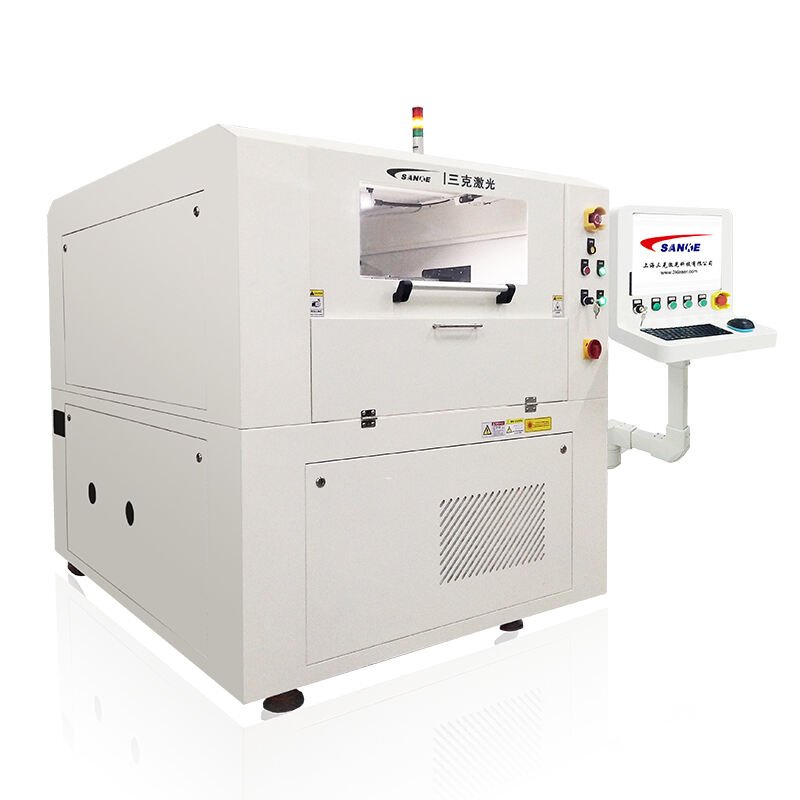
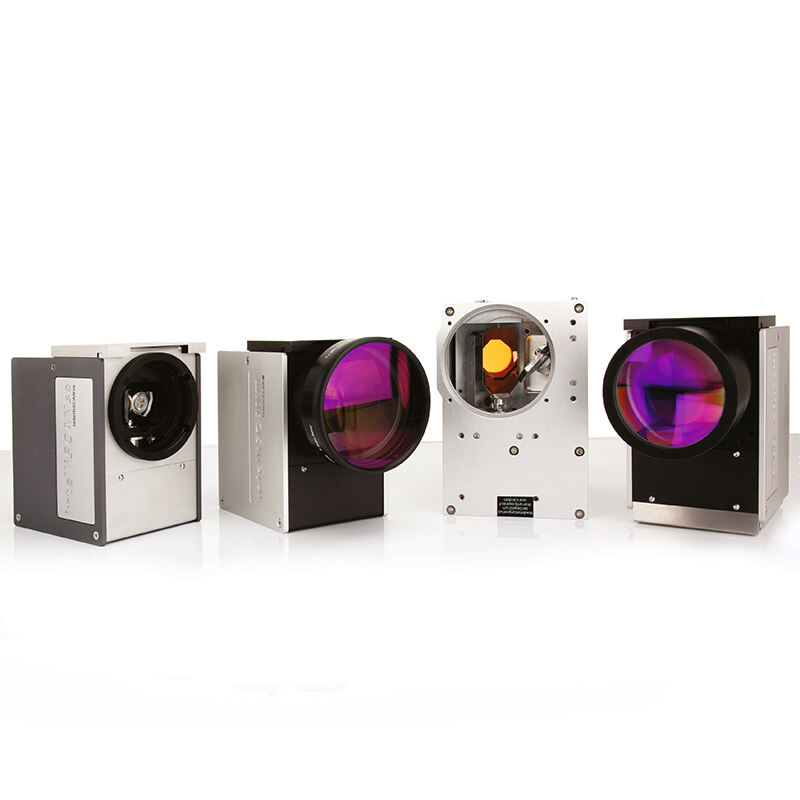
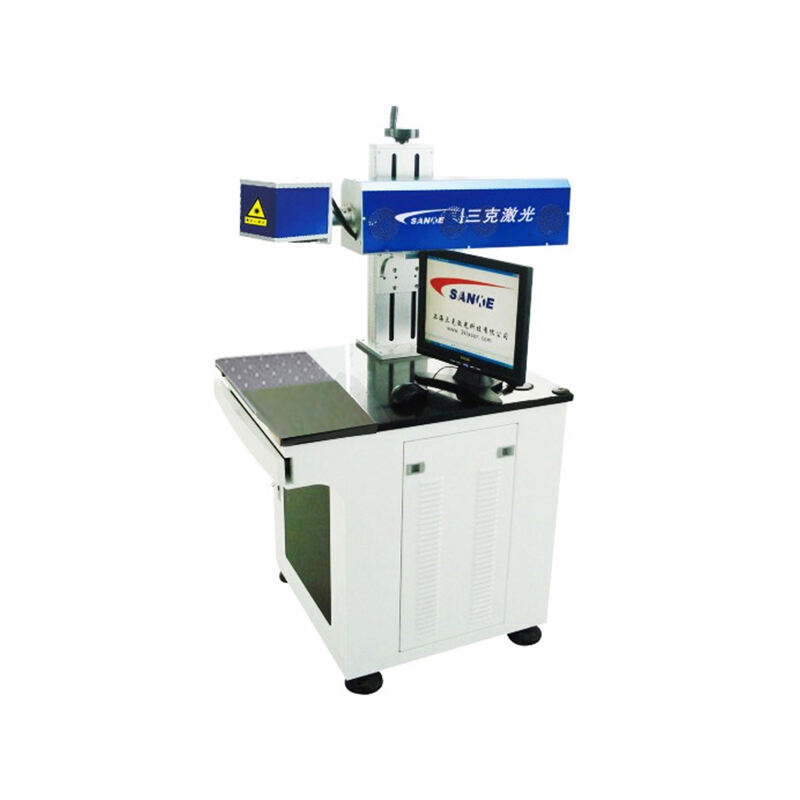
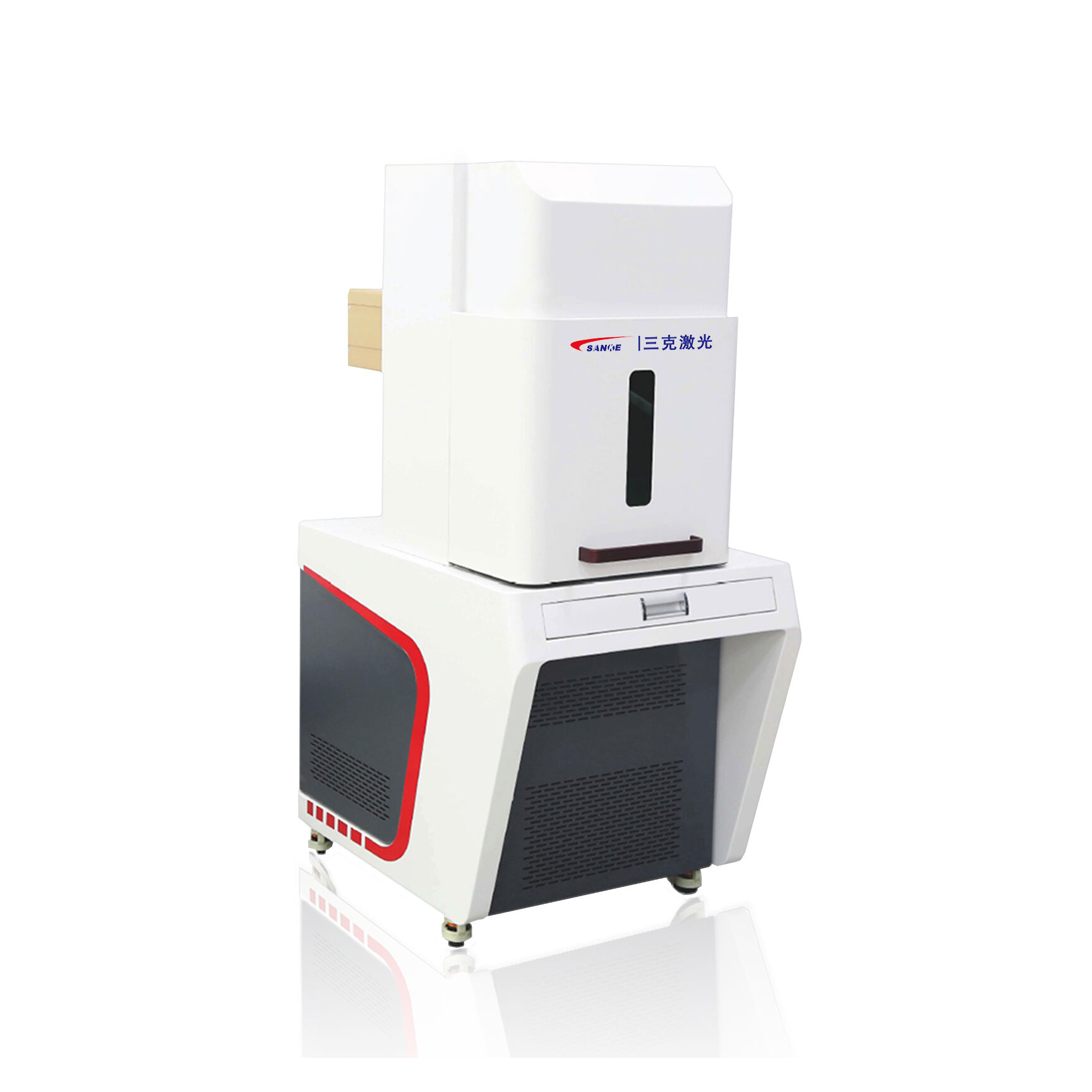
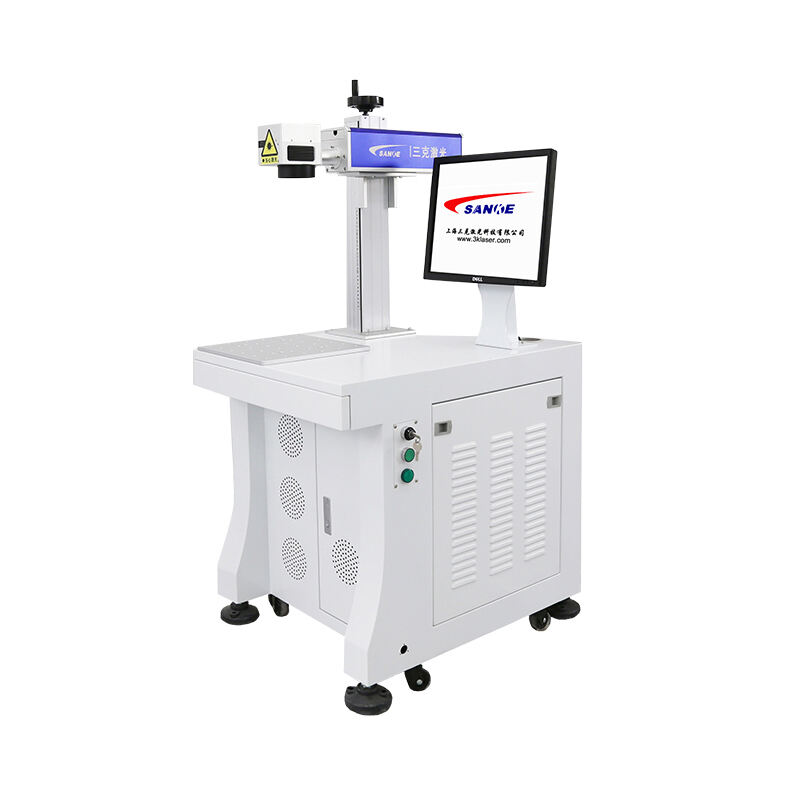
The fiber laser marking engraving machine demonstrates exceptional versatility in processing diverse materials and applications, making it an indispensable tool for modern manufacturing facilities serving multiple industries and product lines. This remarkable adaptability stems from the optimal wavelength characteristics of fiber lasers, which provide excellent absorption properties across a wide range of metallic materials including stainless steel, aluminum, titanium, brass, copper, and various metal alloys commonly used in industrial applications. The system effectively processes different material thicknesses, from thin foils measuring mere micrometers to thick plates several millimeters deep, adjusting laser parameters automatically to achieve optimal results for each specific application. Beyond metallic materials, the fiber laser marking engraving machine successfully marks numerous non-metallic substrates including engineered plastics, ceramics, composites, and coated materials, expanding application possibilities across diverse manufacturing sectors. The machine handles various surface finishes and textures, from mirror-polished surfaces to rough-textured materials, maintaining consistent marking quality regardless of initial surface conditions. Different marking effects can be achieved through parameter optimization, including surface etching, deep engraving, color change marking, and foaming effects on plastics, providing designers with creative flexibility for product customization and brand differentiation. The fiber laser marking engraving machine accommodates components of varying sizes and shapes, from miniature electronic components to large automotive parts, through adjustable working areas and flexible fixturing systems. Advanced software capabilities enable the processing of complex three-dimensional surfaces through dynamic focus adjustment, ensuring consistent marking quality on curved or angled surfaces. Material-specific parameter libraries simplify operation and ensure optimal results for different substrates, while custom parameter development capabilities allow for specialized applications and new material processing. The versatility extends to marking content variety, supporting text in multiple languages, graphics, logos, barcodes, QR codes, data matrix codes, and serialization for traceability requirements. This comprehensive material and application versatility eliminates the need for multiple marking systems, reducing capital investment requirements while maximizing production flexibility and enabling manufacturers to respond quickly to changing market demands and customer requirements across diverse industry sectors.
 EN
EN
 AR
AR
 FR
FR
 DE
DE
 JA
JA
 KO
KO
 RU
RU
 ES
ES