Versatile Material Compatibility for Diverse Industrial Applications
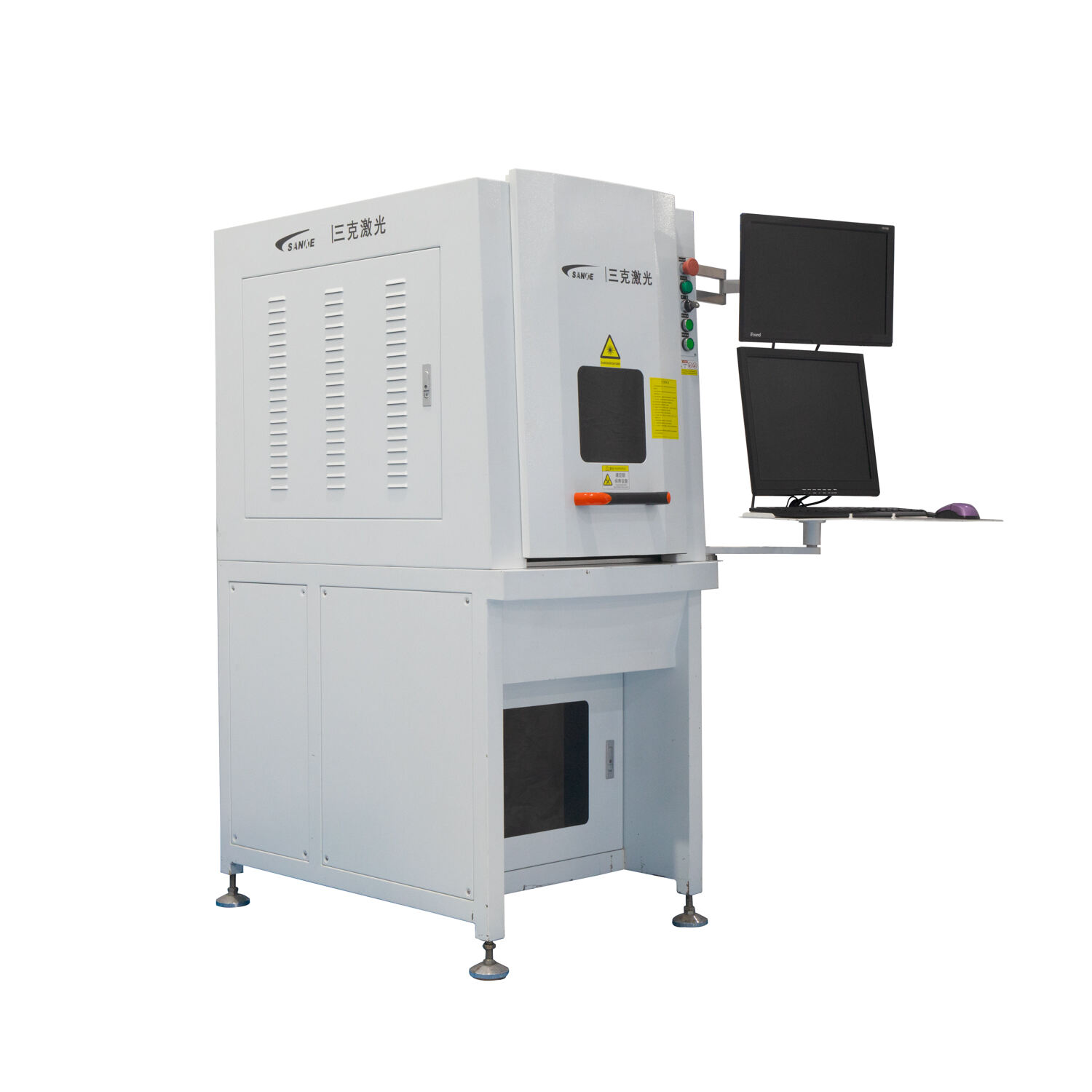
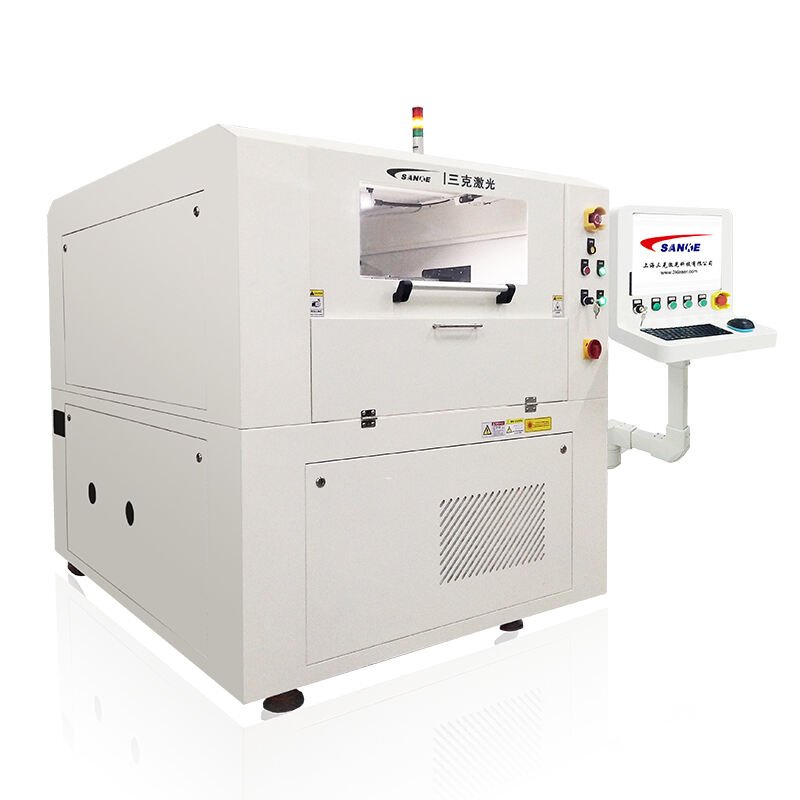
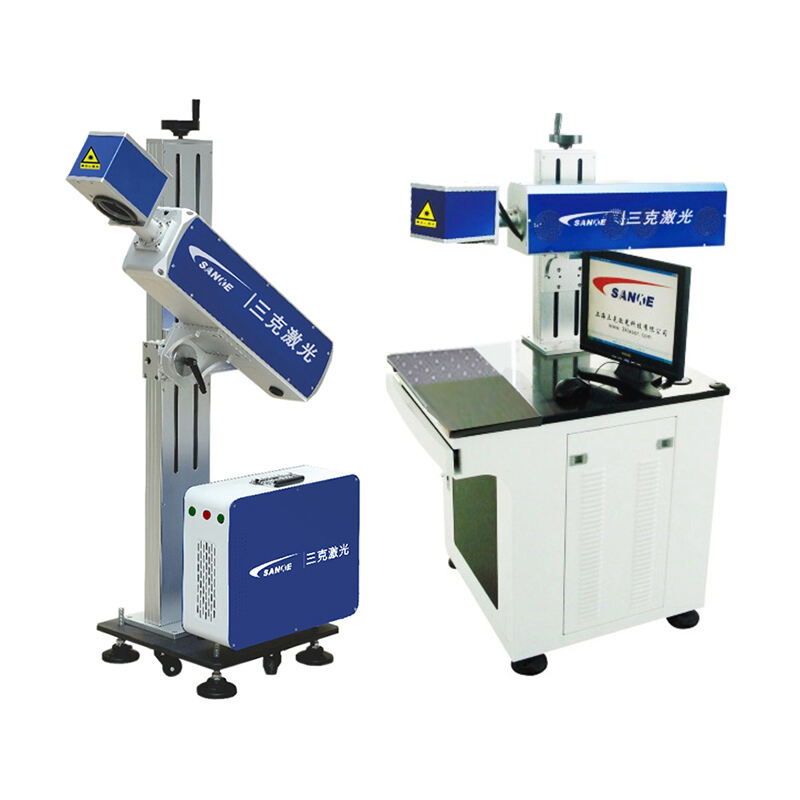
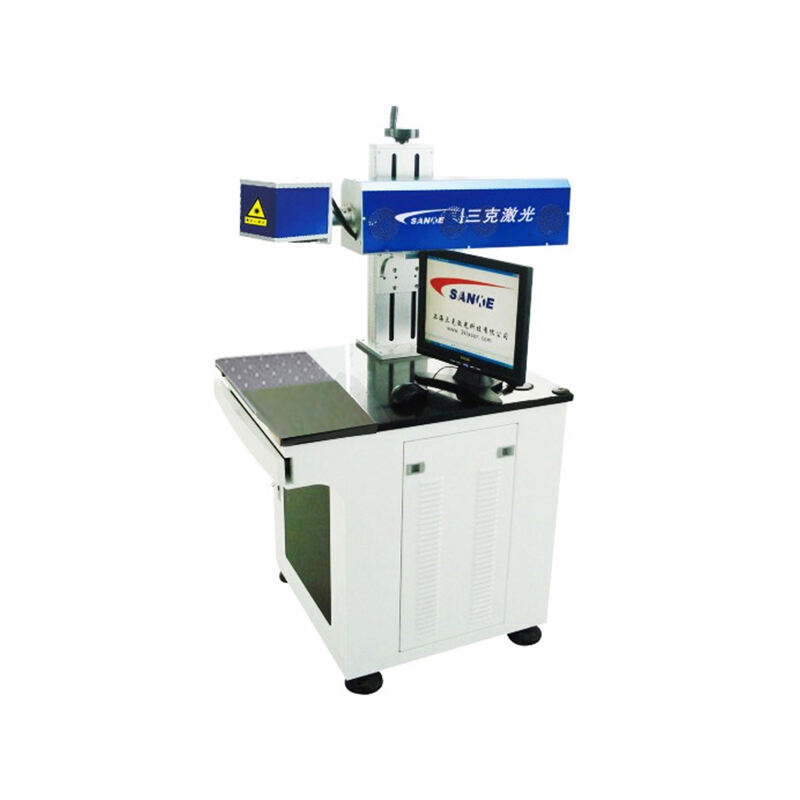
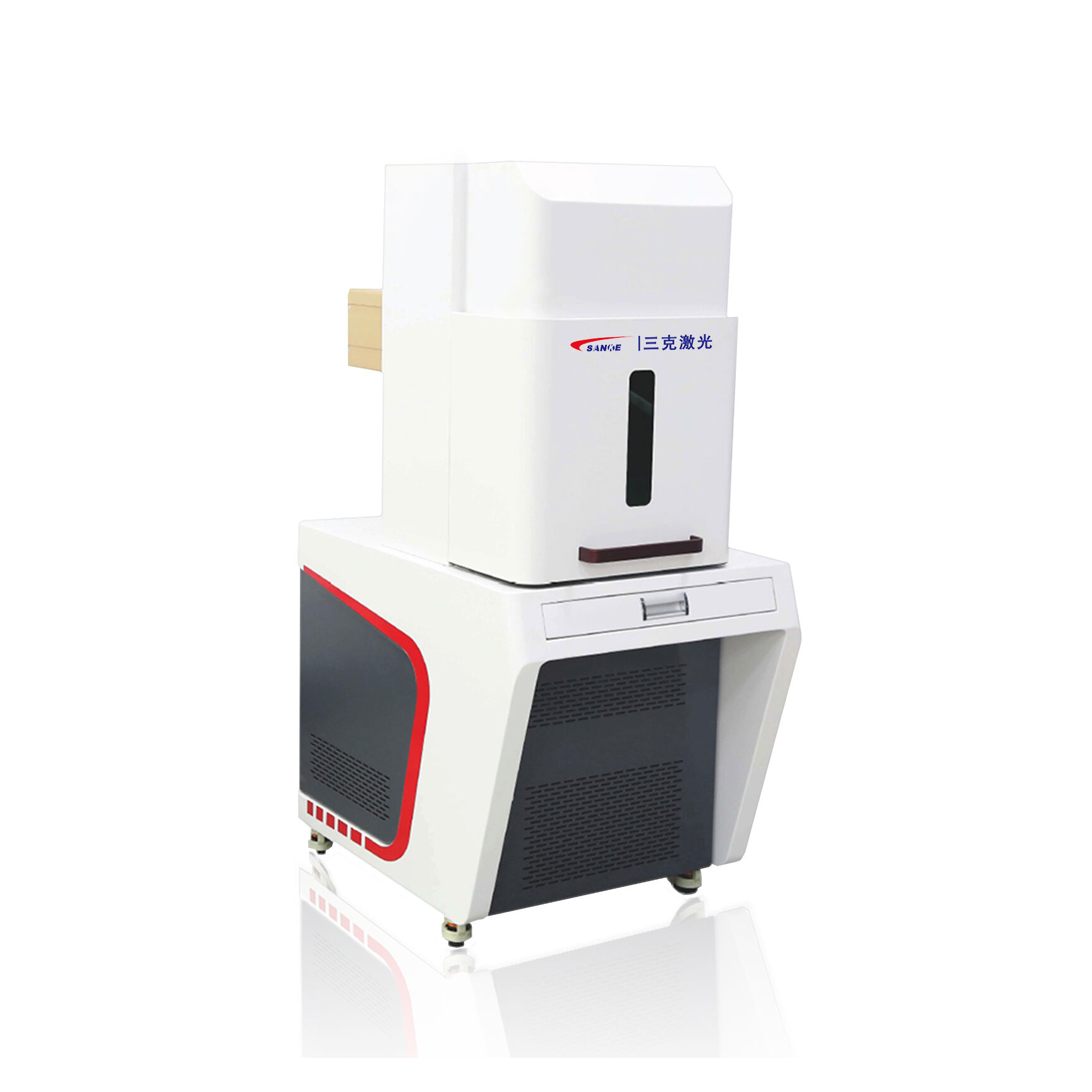
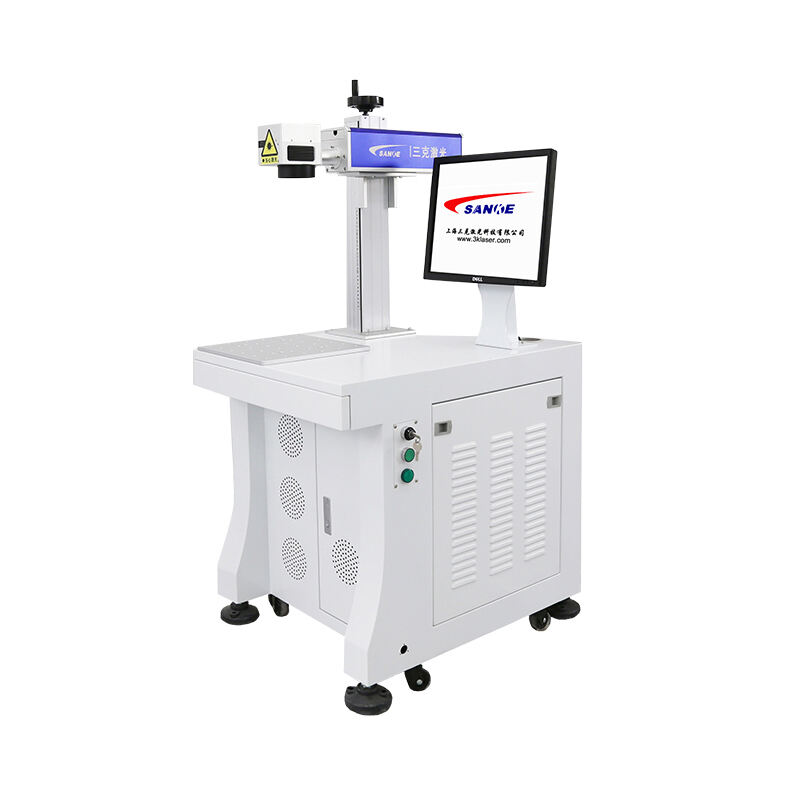
The laser marking machine used across various industries demonstrates exceptional versatility through its ability to process an extensive range of materials with optimal results tailored to each substrate's unique characteristics. This remarkable adaptability makes the laser marking machine used in diverse manufacturing sectors an invaluable asset for companies requiring flexible marking solutions across multiple product lines. The laser marking machine used for metal processing excels at marking stainless steel, aluminum, titanium, brass, copper, and various alloy compositions, creating permanent marks through controlled surface modification techniques including annealing, ablation, and oxidation. For plastic applications, the laser marking machine used in consumer goods manufacturing successfully processes ABS, polycarbonate, polyethylene, polypropylene, and engineering plastics, generating high-contrast markings through foaming, carbonization, and additive activation processes. The precision capabilities of the laser marking machine used for electronic component marking enable successful processing of sensitive materials including printed circuit boards, semiconductor packages, and miniaturized components without thermal damage to surrounding areas. Glass and ceramic marking applications benefit from the controlled energy delivery of the laser marking machine used in decorative and functional marking scenarios, creating subsurface modifications that maintain material integrity while providing excellent mark visibility. The laser marking machine used for automotive applications successfully processes rubber, leather, textiles, and composite materials commonly found in vehicle interiors and exterior components. Parameter optimization features enable the laser marking machine used across multiple substrates to automatically adjust power, speed, and pulse characteristics for optimal results on each material type. The multi-wavelength capability of advanced laser marking machine used configurations allows selection of optimal laser wavelengths for specific material absorption characteristics, maximizing marking quality while minimizing processing time. Quality control systems integrated into the laser marking machine used for critical applications monitor mark characteristics in real-time, ensuring consistent results across material variations and production batches.
 EN
EN
 AR
AR
 FR
FR
 DE
DE
 JA
JA
 KO
KO
 RU
RU
 ES
ES